
Sort by:
868 products
868 products

Anti-Mosquito 1g 500 Seeds Herb & Flower Mix | 6 Aromatic Herbs & Flowers for Patio Gardens
£1.35
Unit price perAnti-Mosquito 1g 500 Seeds Herb & Flower Mix | 6 Aromatic Herbs & Flowers for Patio Gardens
£1.35
Unit price perMosquito Repellent Herb & Flower Mix combines six aromatic species: Lemon Catnip, Winter Thyme, Lemongrass, Field Marigold, Lemon Balm and Cinnamon Basil. The mixture creates a varied planting of strongly scented foliage and flowers with fresh lemon, herbal and spicy notes, making it particularly suitable for growing around patios, seating areas, entrances and other frequently used parts of the garden.
Several plants included in the mixture contain naturally occurring aromatic compounds or essential oils that have been studied for mosquito-repellent properties. At the same time, the mix creates an attractive and useful garden planting, combining culinary and aromatic herbs with flowers and plants valuable to pollinating insects.
● Six aromatic herbs and flowering plants in one specially selected mixture
● Includes Lemon Catnip, Winter Thyme, Lemongrass, Lemon Balm and Cinnamon Basil
● Fresh combination of lemon, herbal and spicy natural fragrances
● Contains plants with aromatic compounds studied for mosquito-repellent properties
● Combines useful culinary herbs, fragrant foliage and pollinator-friendly flowers
● Patio and seating areas
● Aromatic gardens
● Large containers and planters
● Herb and kitchen gardens
● Borders close to the house
● Germination will be staggered because the mixture contains six different species, so continue caring for the seed tray after the first seedlings have emerged.
● Do not cover the seeds deeply; several components have very small seeds and require or benefit from exposure to light during germination.
● Start the mixture under cover for the most reliable establishment, particularly as heat-loving Lemongrass and Cinnamon Basil require warmer conditions than the hardy perennial components.
● Position plants close to patios, paths and seating areas where their aromatic foliage can be appreciated; gently brushing established foliage helps release its natural fragrance.
● Lemongrass and Cinnamon Basil are frost-sensitive in the UK, while Winter Thyme, Lemon Balm and Lemon Catnip are perennial, so individual components will behave differently at the end of the growing season.
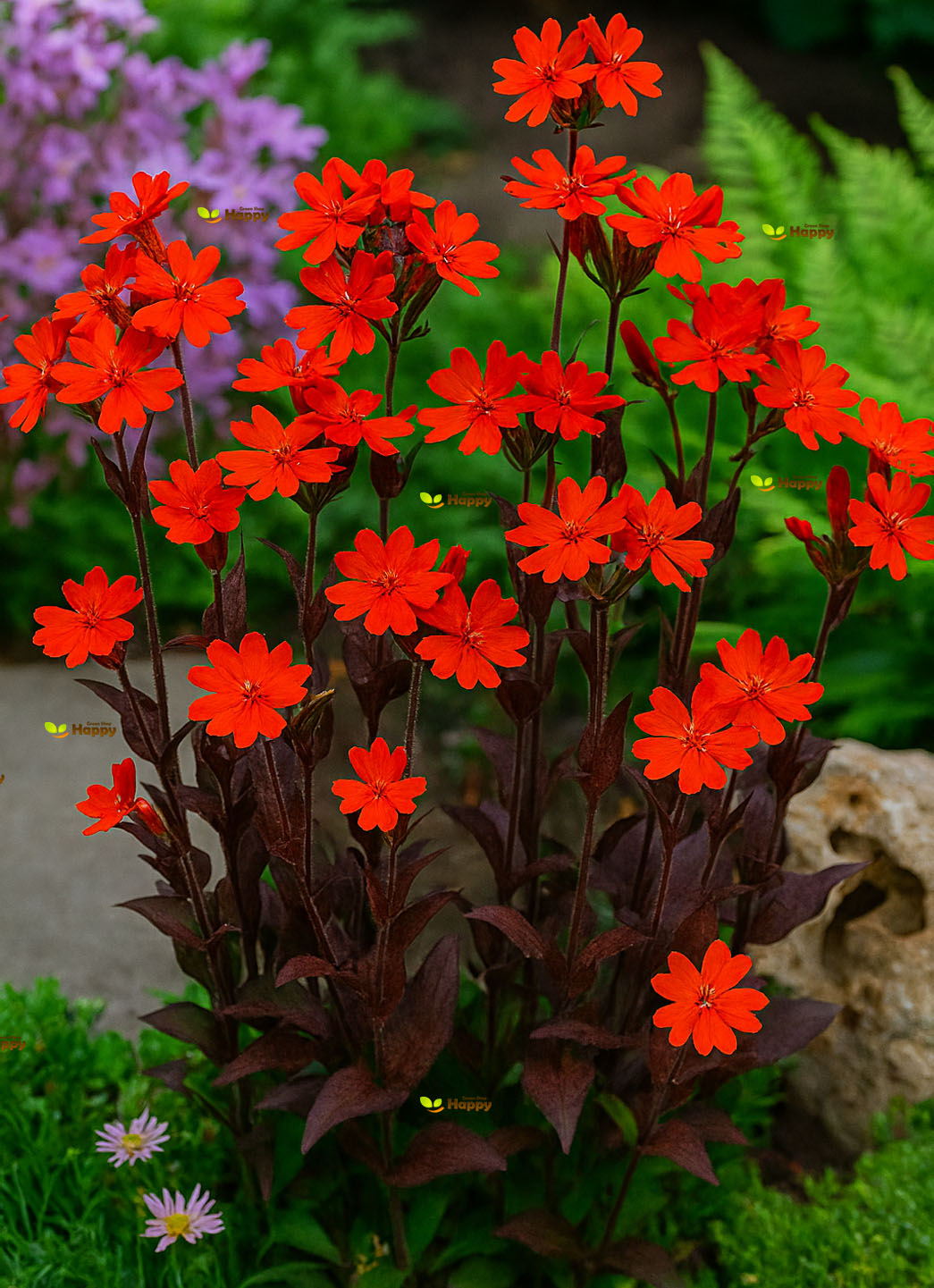
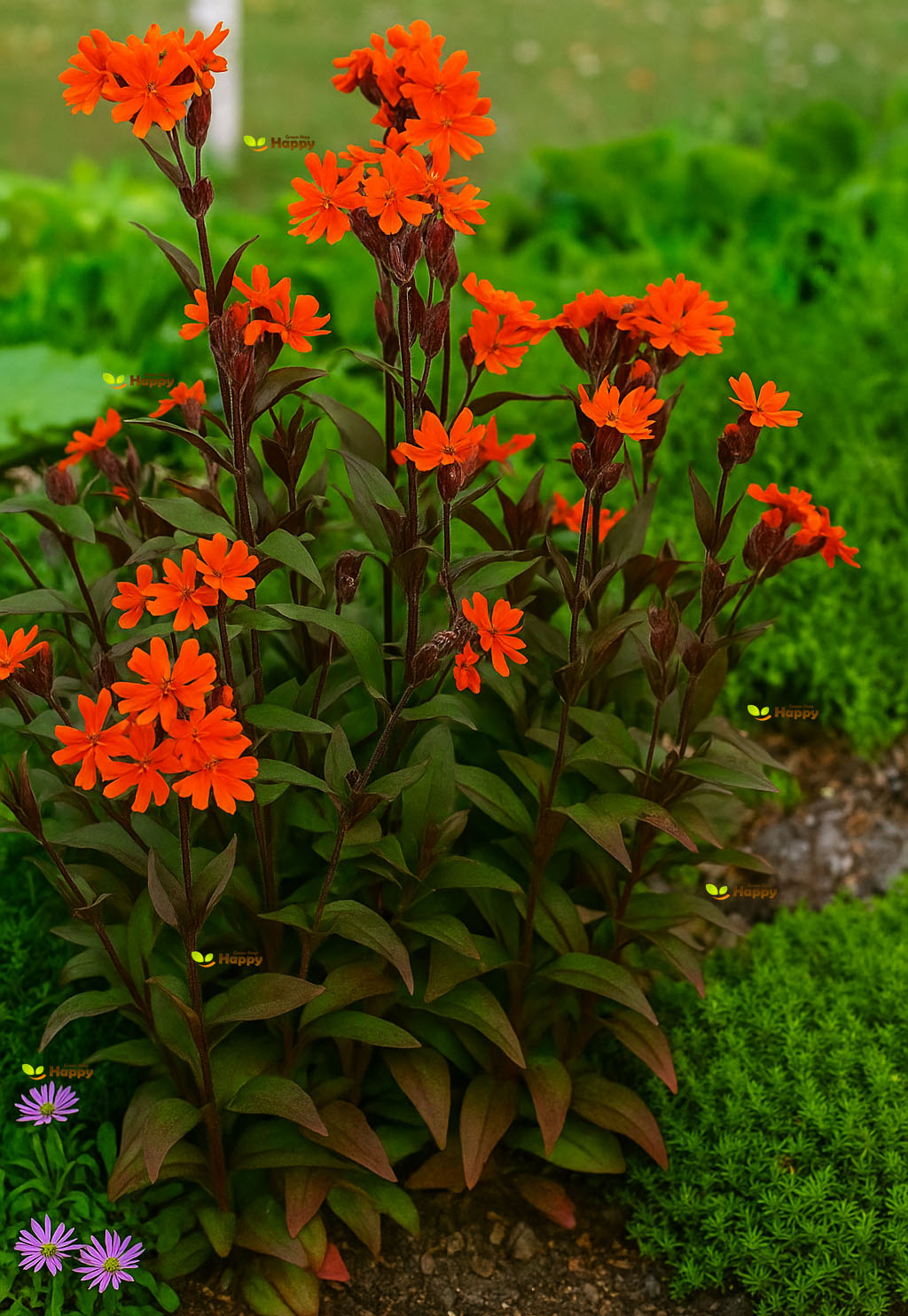
Arkwright's Campion – 250 Seeds (Lychnis arkwrightii ‘Vesuvius’)
Arkwright’s Campion ‘Vesuvius’ is a striking perennial, treasured for its dazzling contrast of fiery orange-scarlet blooms against deep bronze-purple foliage. Compact yet bold, it creates a dramatic feature in borders, cottage gardens, or mixed perennial beds. Its long-lasting flowers attract pollinators, bringing both beauty and wildlife to the garden.
Why Grow Arkwright’s Campion ‘Vesuvius’?
-
Brilliant scarlet-orange flowers with deep purple foliage
-
Compact habit, perfect for borders and cottage gardens
-
Pollinator-friendly, attracting bees and butterflies
-
Hardy perennial, easy to grow
Key Features
-
Type: Perennial flower
-
Height: 40–50 cm
-
Spread: 30 cm
-
Flowering: June–August
-
Position: Full sun to partial shade
-
Soil: Well-drained, moderately fertile
Sowing & Growing
-
Sow indoors: February–April, lightly cover seeds with compost
-
Germination: 14–21 days at 18–20°C
-
Transplant outdoors after frost, spacing 30 cm apart
-
Cut back after flowering to encourage strong regrowth
Tip: Deadhead regularly to prolong the blooming season.
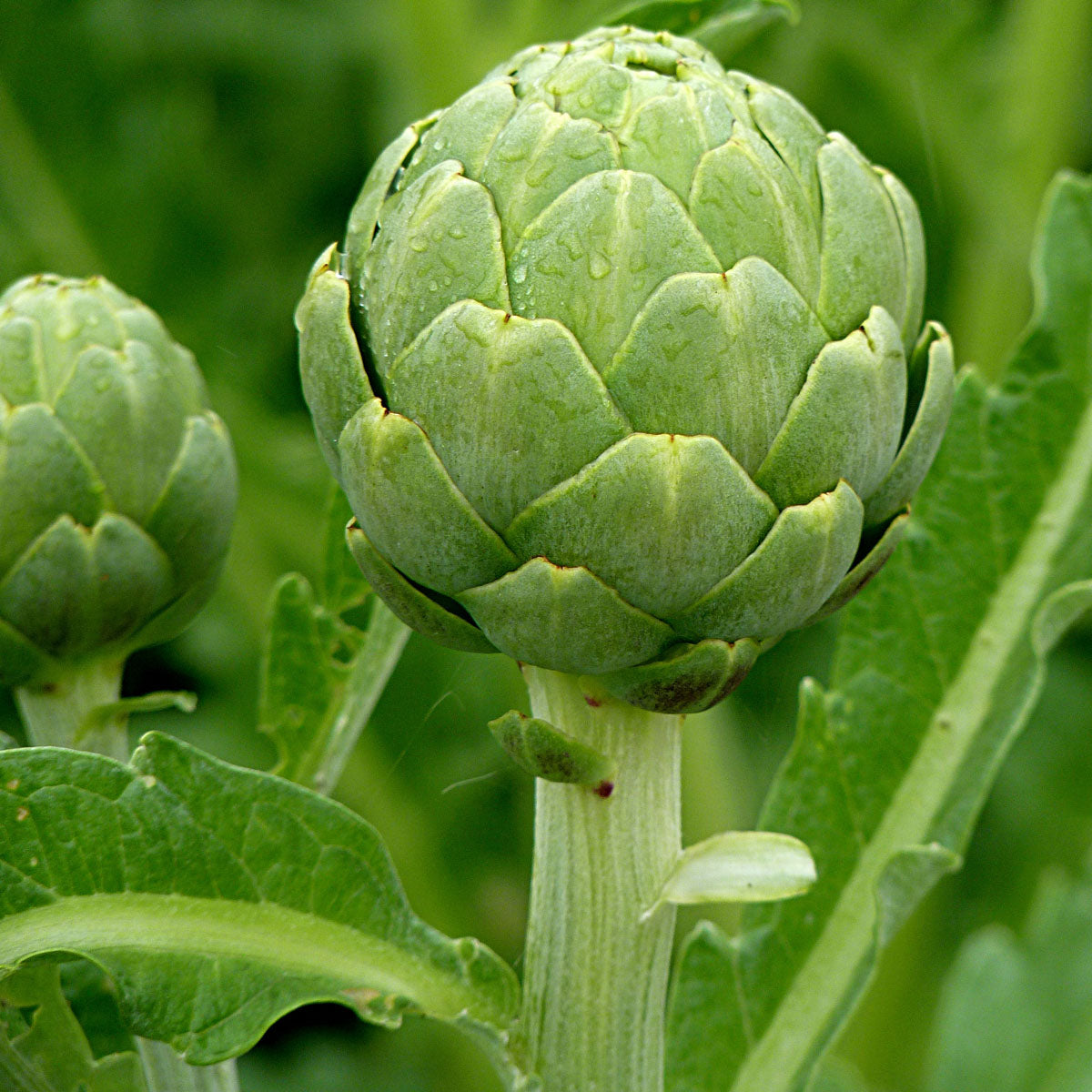
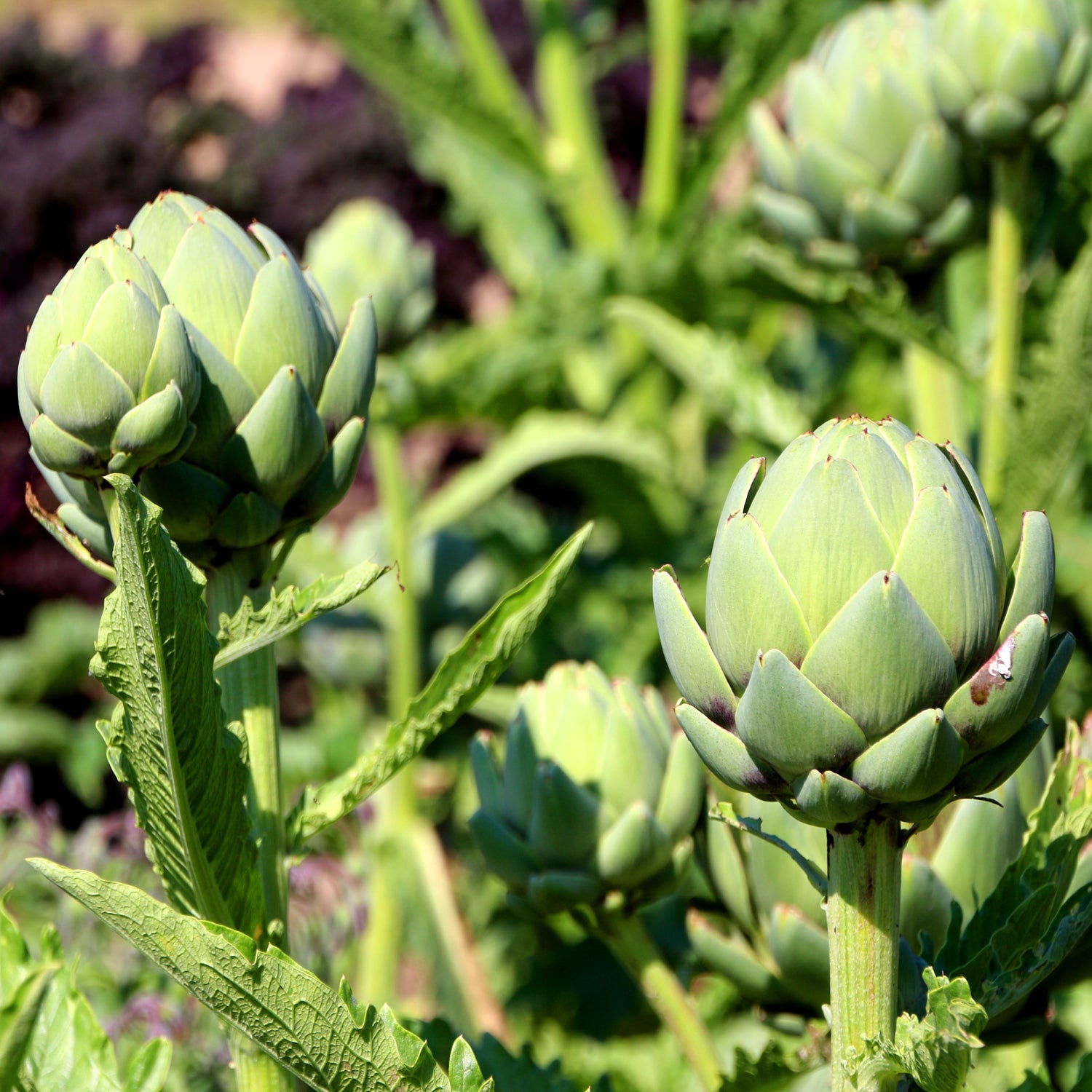
Artichoke 'Green Globe' Seeds (Cynara scolymus)
Grow impressive, globe-shaped artichokes with Artichoke 'Green Globe', a classic variety renowned for its large, tender, flavorful buds. Perfect for fresh cooking, steaming, or grilling, this hardy perennial thrives in sunny, well-drained gardens. Its striking foliage also makes it an ornamental feature in borders and vegetable beds.
How to Grow
-
Sow indoors 8–10 weeks before the last frost.
-
Use fertile, well-drained soil in a sunny position.
-
Transplant seedlings 90–120 cm apart after frost risk passes.
-
Mulch and water regularly for optimal growth.
-
Harvest buds when tight and firm before they open.
Key Features
-
Classic globe-shaped artichoke buds
-
Large, tender, and flavorful
-
Hardy perennial for long-term harvest
-
Ornamental silvery-green foliage
-
Excellent for steaming, grilling, or fresh eating
Ideal For
-
Home vegetable gardens and allotments
-
Gourmet cooking and fresh eating
-
Adding ornamental value to borders
-
Gardeners seeking a productive, long-term crop
Sowing
-
Best time: Indoors in late winter/early spring
-
Depth: 0.5–1 cm
-
Spacing: 90–120 cm between plants
-
Prefers sunny, well-drained soil
Quick Tip
-
Remove small side shoots to focus energy on producing large main buds.


Arugula ‘Garden Rocket’ Seeds (Eruca sativa)
Bring a peppery kick to your kitchen garden with Arugula ‘Garden Rocket’ (Eruca sativa). This fast-growing leafy green produces tender, deeply lobed leaves with a zesty, mustard-like flavor that’s perfect for salads, sandwiches, pizzas, and pasta dishes. Easy to grow and quick to mature, rocket is a must-have for continuous fresh harvests all season long.
How to Grow
-
Sow seeds directly outdoors from spring through autumn.
-
Use fertile, well-drained soil in full sun or partial shade.
-
Sow seeds 0.5 cm deep in rows, spacing 10–15 cm apart.
-
Keep soil moist for steady growth.
-
Harvest young leaves within 3–5 weeks for the best flavor.
Key Features
-
Fast-growing leafy green with peppery flavor
-
Ready to harvest in just a few weeks
-
Perfect for salads, sandwiches, pizzas, and pasta
-
Easy to grow in beds, borders, or containers
-
Continuous cropping with succession sowing
Ideal For
-
Fresh kitchen use in salads and cooked dishes
-
Containers, raised beds, and garden borders
-
Quick, cut-and-come-again harvesting
-
Gardeners of all skill levels
Sowing
-
Best time: Spring to autumn outdoors
-
Depth: 0.5 cm
-
Spacing: 10–15 cm apart
-
Prefers sun or partial shade with well-drained soil
Quick Tip
-
Sow every 2–3 weeks for a steady supply of young, tender leaves.
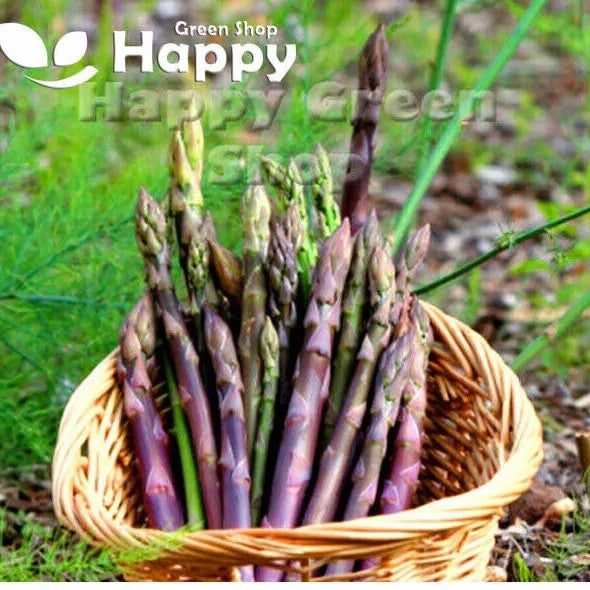
Asparagus 'D'Argenteuil' Seeds (Asparagus officinalis)
Enjoy a gourmet perennial crop with Asparagus 'D'Argenteuil' (Asparagus officinalis). This heirloom variety is prized for its tender, pale pink-tipped spears and excellent flavor. Hardy and long-lived, once established it provides delicious spring harvests year after year, making it a rewarding addition to any vegetable garden.
How to Grow
-
Sow seeds indoors in spring or directly outdoors after frost.
-
Use fertile, well-drained soil in full sun.
-
Sow 1 cm deep, spacing 8–10 cm apart in rows.
-
Transplant seedlings to a permanent bed the following spring, spacing 30–45 cm apart.
-
Allow plants to establish for 2–3 years before heavy harvesting.
Key Features
-
Classic French heirloom asparagus variety
-
Tender spears with pink-tinged tips
-
Excellent flavor and texture
-
Hardy perennial crop with long productivity
-
A rewarding plant for patient gardeners
Ideal For
-
Perennial vegetable gardens
-
Homegrown gourmet cooking
-
Spring harvests year after year
-
Gardeners seeking long-term crops
Sowing
-
Best time: Spring after frost
-
Depth: 1 cm
-
Spacing: 8–10 cm in rows, 30–45 cm when transplanting
-
Prefers fertile, well-drained soil in full sun
Quick Tip
-
Do not harvest heavily in the first two years; allow plants to establish for abundant future yields.
Asparagus ‘Mary Washington’ – 60 Seeds (Asparagus officinalis)
Description:
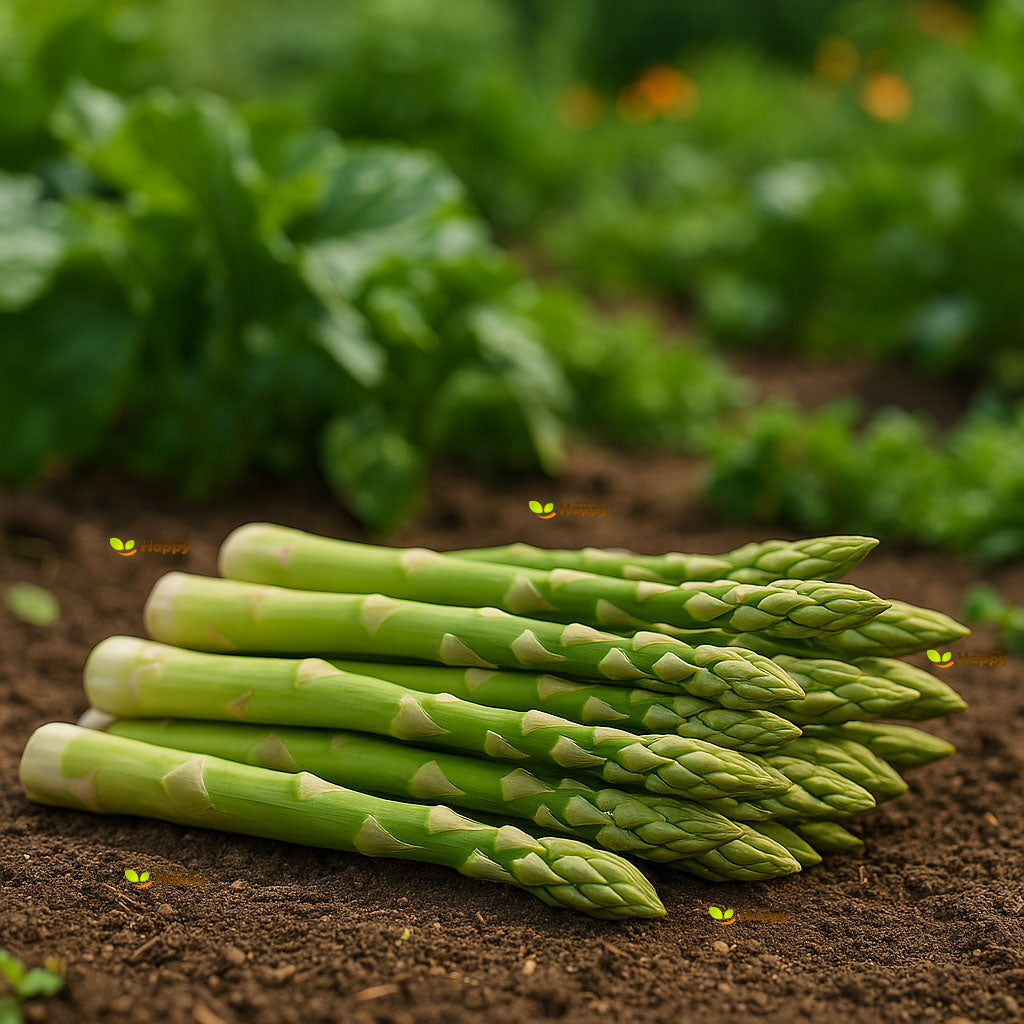
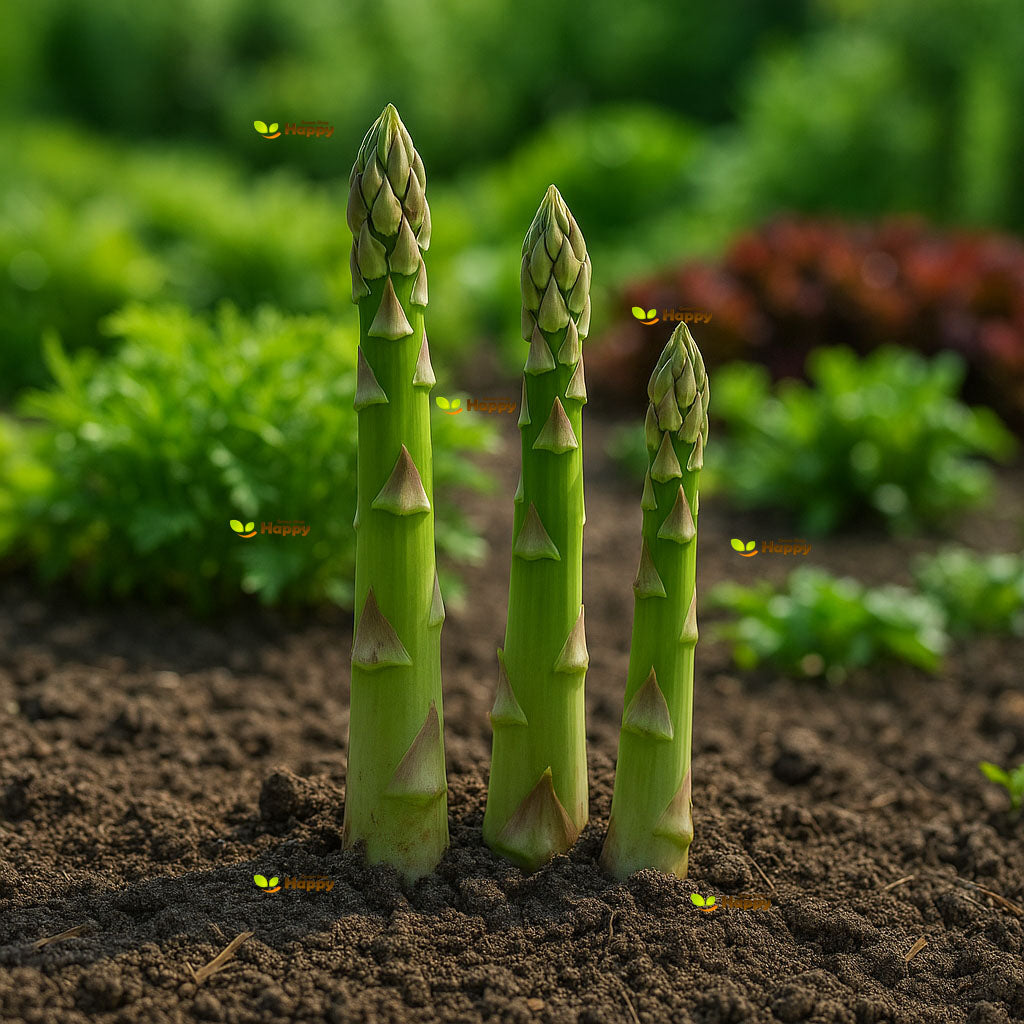
Grow a classic, long-lived perennial vegetable with Asparagus ‘Mary Washington’ (Asparagus officinalis). This heirloom variety is renowned for its high yields of tender, flavorful green spears with slightly purple tips. Ideal for home gardens and allotments, it produces abundant harvests year after year once established. Easy to grow from seed, ‘Mary Washington’ is disease-resistant and perfect for gardeners seeking a reliable, low-maintenance perennial crop.
Key Features
-
Heirloom variety producing tender green spears
-
Long-lived perennial with high yields
-
Excellent flavor and texture
-
Disease-resistant and reliable
-
Easy to grow from seed
Ideal For
-
Home and kitchen gardens
-
Allotments and perennial vegetable beds
-
Sustainable, long-term food production
-
Gardeners seeking low-maintenance crops
Sowing & Growing
-
Sow Indoors: February–April
-
Transplant Outdoors: May–June
-
Germination: 14–21 days at 20–25°C
-
Spacing: 30–45 cm apart in rows 1 m apart
-
Light: Full sun
-
Soil: Deep, fertile, well-drained
Care Tips
-
Do not harvest in the first year to allow plants to establish
-
Keep soil moist but not waterlogged
-
Mulch to retain moisture and suppress weeds
-
Harvest spears in spring from the second or third year
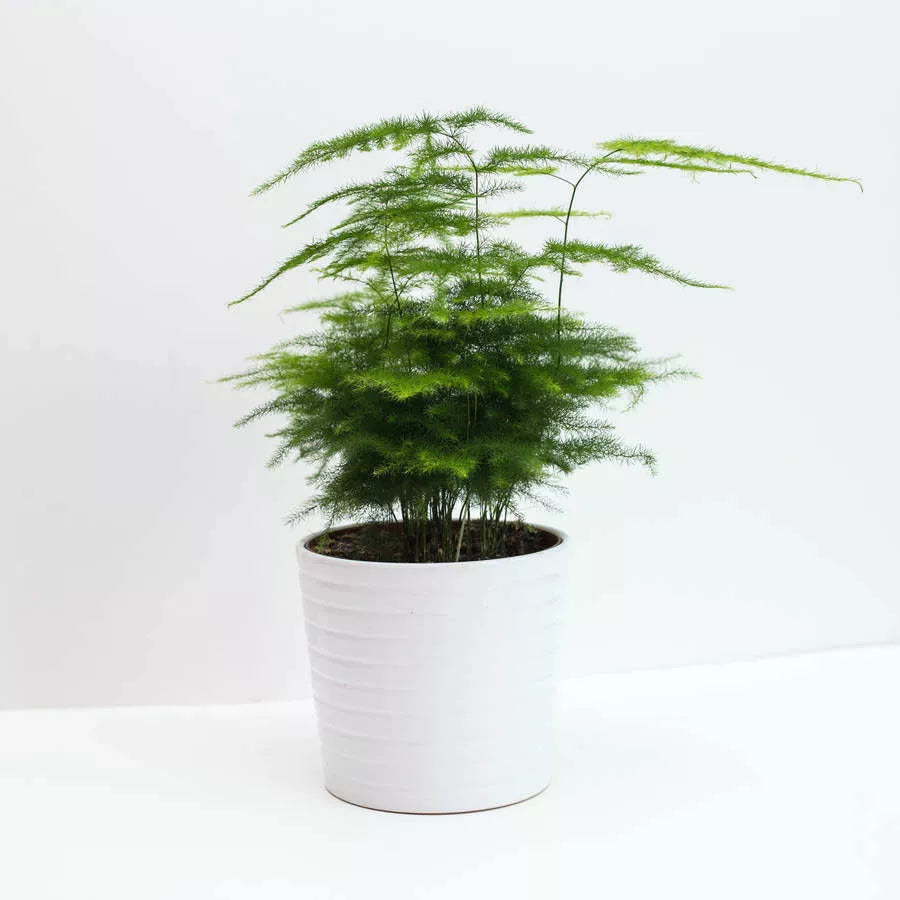
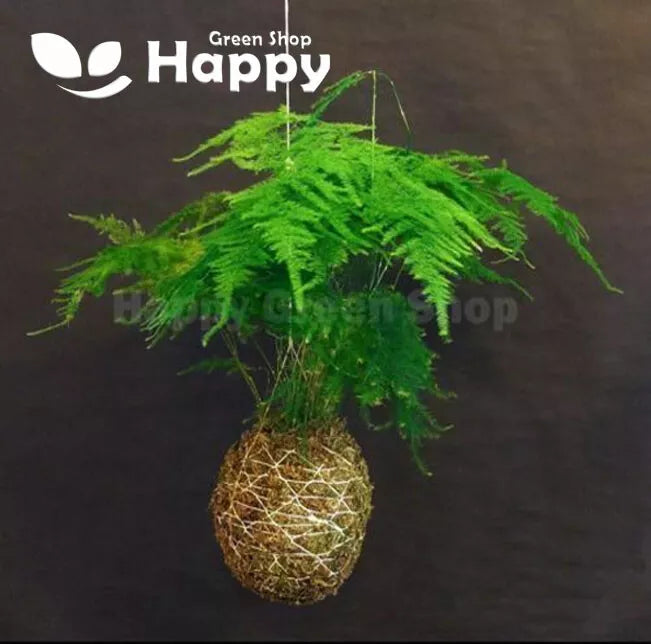
Asparagus fern `Plumosus nanus` - 10 seeds (Asparagus setaceus plumosus nanus)
£1.85
Unit price perAsparagus fern `Plumosus nanus` - 10 seeds (Asparagus setaceus plumosus nanus)
£1.85
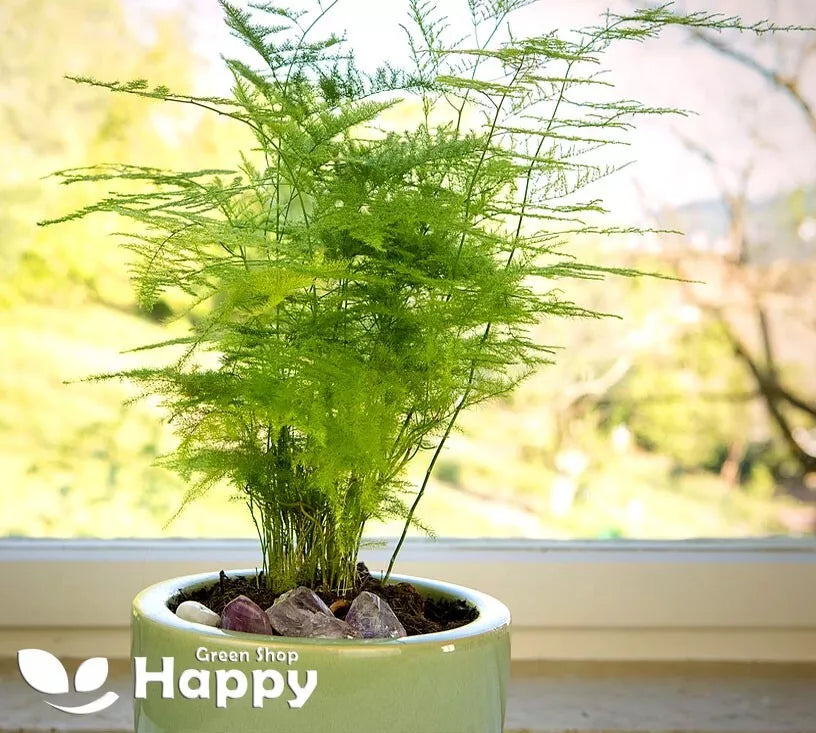
Unit price perAsparagus Fern ‘Plumosus Nanus’ Seeds (Asparagus setaceus plumosus nanus)
Asparagus Fern ‘Plumosus Nanus’ is a delicate, feathery perennial with fine, airy foliage that adds texture and elegance to gardens, containers, and hanging baskets. Hardy and versatile, it can be grown in sun or partial shade and makes an excellent filler or accent plant in borders and floral arrangements.
What Makes It Special
-
Fine, feathery foliage with soft, elegant texture
-
Hardy, versatile, and low-maintenance
-
Ideal for borders, containers, and hanging baskets
Key Features
-
Botanical name: Asparagus setaceus plumosus nanus
-
Perennial (often grown as annual in colder climates)
-
Height: 30–60 cm
-
Bloom time: Summer (small inconspicuous flowers)
Ideal For
-
Borders, containers, and hanging baskets
-
Filler or accent plant in flower arrangements
-
Indoor or outdoor ornamental foliage
Sowing
-
Sow indoors Feb–Apr
-
Cover seeds lightly with soil
-
Germination: 14–28 days at 18–22°C
-
Space seedlings 20–30 cm apart
-
Foliage develops as plant matures
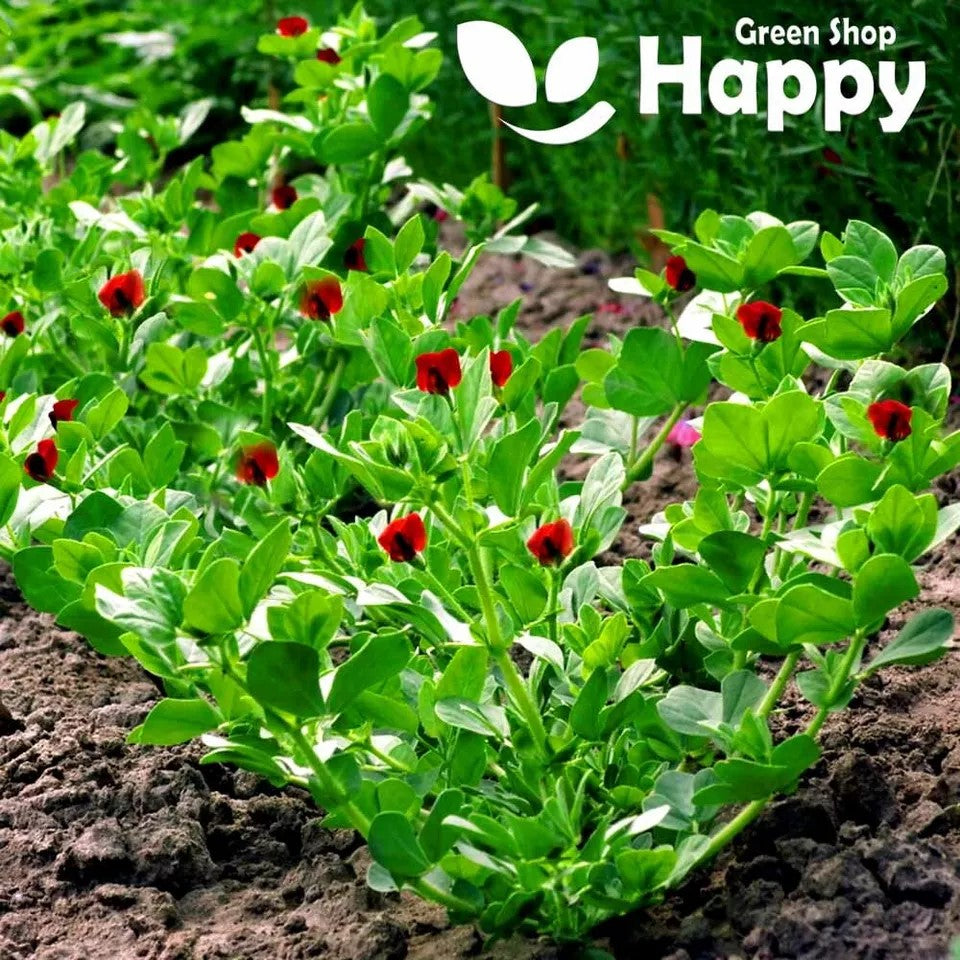
Asparagus Pea – Seeds (Tetragonolobus purpureus)
Asparagus Pea (Tetragonolobus purpureus) is a vigorous, climbing annual producing clusters of attractive, purple-pink pea-like flowers. Its edible pods have a mild, asparagus-like flavor, making it perfect for both ornamental and culinary use. Blooming from summer to autumn, this versatile plant thrives on trellises, fences, and obelisks, adding vertical interest, color, and delicious harvests to your garden.
Why Grow "Asparagus Pea"
-
Vigorous climber with purple-pink flowers
-
Edible pods with a mild asparagus-like taste
-
Long flowering and harvesting season
-
Perfect for vertical gardening on trellises and fences
Key Features
-
Type: Annual climber (Tetragonolobus purpureus)
-
Height: 150–180 cm
-
Flowering: Summer to autumn
-
Position: Full sun
-
Uses: Trellises, fences, obelisks, edible gardens, cut flowers
Ideal For
-
Vertical displays in small or large gardens
-
Edible and ornamental gardening
-
Container and patio planting
-
Gardeners seeking climbers with attractive flowers and tasty pods
Sowing & Growing
-
Sow indoors: February–April
-
Sow outdoors: After last frost in well-drained soil
-
Germination: 10–20 days at 15–20°C
-
Space seedlings: 25–30 cm apart
-
Provide support for climbing
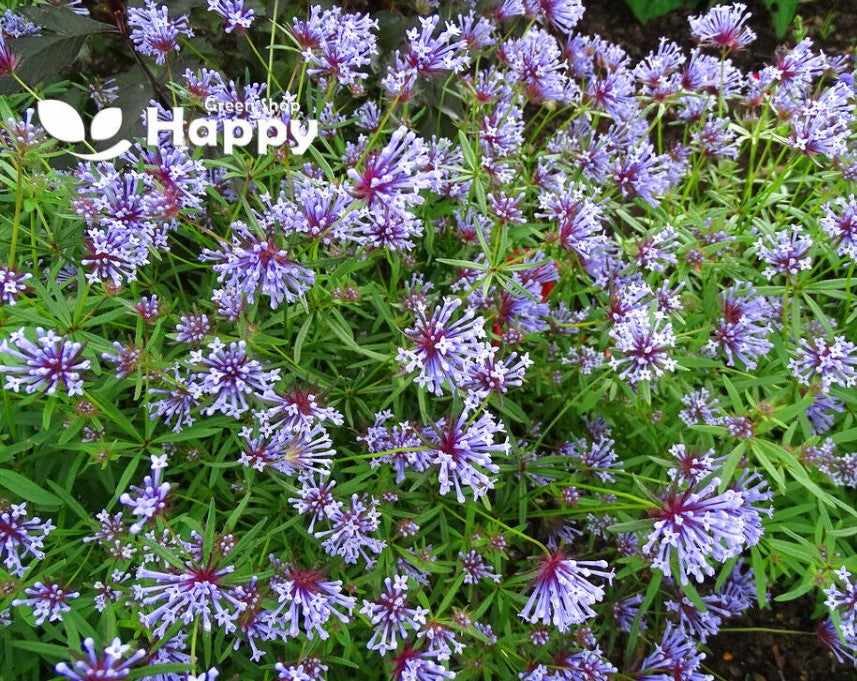
Asperula ‘Blue Woodruff’ Seeds (Asperula orientalis)
Asperula ‘Blue Woodruff’ is a charming perennial with delicate star-shaped blue flowers that bloom in late spring. Its low-growing, mat-forming habit makes it perfect for borders, rock gardens, and underplanting. Hardy and easy to grow, it thrives in sunny to partially shaded spots and attracts pollinators for a lively spring display.
What Makes It Special
-
Star-shaped, sky-blue flowers in late spring
-
Low-growing, mat-forming habit ideal for groundcover
-
Hardy, long-lasting, and pollinator-friendly
Key Features
-
Botanical name: Asperula orientalis
-
Hardy perennial
-
Height: 15–20 cm
-
Bloom time: Late spring
Ideal For
-
Rock gardens and borders
-
Groundcover and underplanting
-
Pollinator-friendly gardens
Sowing
-
Sow indoors Feb–Apr or outdoors Apr–Jun
-
Cover seeds lightly with soil
-
Germination: 14–21 days at 18–20°C
-
Space seedlings 15–20 cm apart
-
Flowers from the second year onward
Showing 36/868

