
Sort by:
913 products
913 products
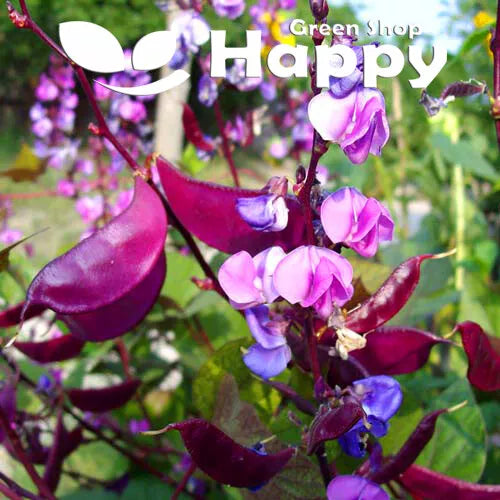
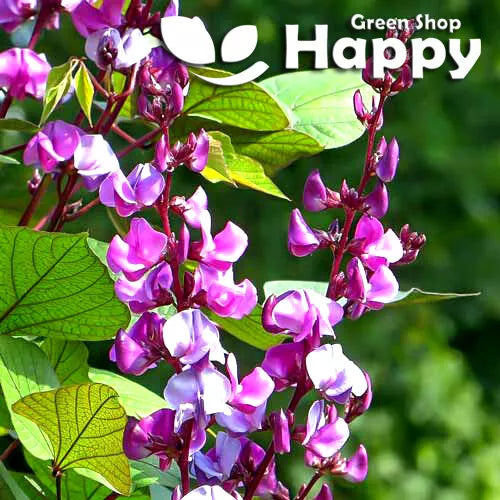
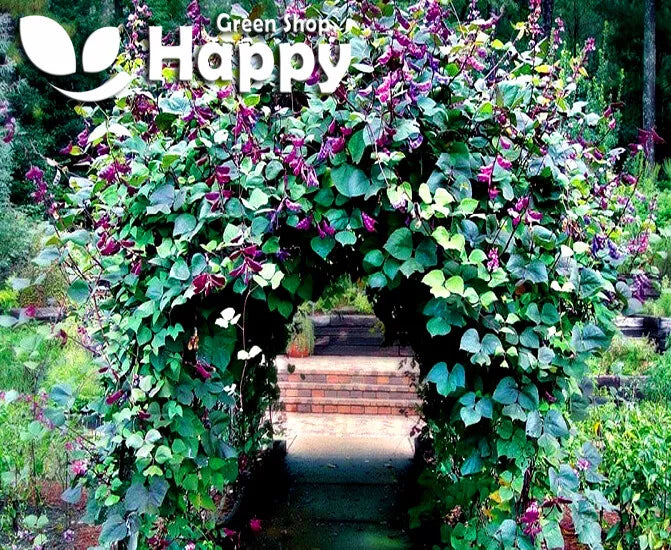
Hyacinth Bean – Seeds
(Dolichos lablab)
Hyacinth Bean is a fast-growing climber that brings striking ornamental value with its purple-tinged stems, lush foliage, and clusters of lilac-purple flowers followed by eye-catching, glossy pods. Perfect for creating quick vertical coverage, it adds vibrant color and an exotic touch to fences, arches, or trellises throughout summer.
Key Features
-
Type: Tender annual climber
-
Height: 200–300 cm
-
Spread: 60–90 cm
-
Flowering: July–October
-
Position: Full sun
-
Soil: Well-drained, fertile soil
Ideal For
-
Trellises and arches
-
Vertical screens and fences
-
Exotic-themed gardens
-
Attracting bees and butterflies
Sowing & Growing
-
Sow indoors: March–April at 18–22°C
-
Germination: 7–14 days
-
Harden off and plant out after frost, spacing 30–45 cm
-
Provide sturdy support for climbing


Hyssop Seeds (Hyssopus officinalis)
Grow a timeless herb with Hyssop (Hyssopus officinalis), a fragrant perennial prized for its aromatic leaves and striking blue-purple flowers. Traditionally used in herbal teas, remedies, and as a seasoning, hyssop also attracts pollinators and adds beauty to borders, herb gardens, and containers. Hardy and versatile, it’s an essential plant for both culinary and medicinal use.
How to Grow
-
Sow seeds indoors in spring or directly outdoors after the last frost.
-
Use well-drained, light soil in a sunny location.
-
Sow seeds 0.5 cm deep and thin seedlings to 30–40 cm apart.
-
Keep soil lightly moist until germination (14–21 days).
-
Harvest leaves and flowers throughout summer for fresh or dried use.
Key Features
-
Aromatic herb with blue-purple blooms
-
Culinary, medicinal, and herbal tea uses
-
Attracts bees, butterflies, and pollinators
-
Hardy perennial, easy to grow
-
Adds beauty and fragrance to the garden
Ideal For
-
Herb gardens, borders, and containers
-
Herbal teas, remedies, and cooking
-
Attracting pollinators and beneficial insects
-
Gardeners seeking hardy, multipurpose plants
Sowing
-
Best time: Spring indoors or after frost outdoors
-
Depth: 0.5 cm
-
Spacing: 30–40 cm apart
-
Prefers full sun and well-drained soil
Quick Tip
-
Trim plants after flowering to encourage bushier growth and a second flush of blooms.
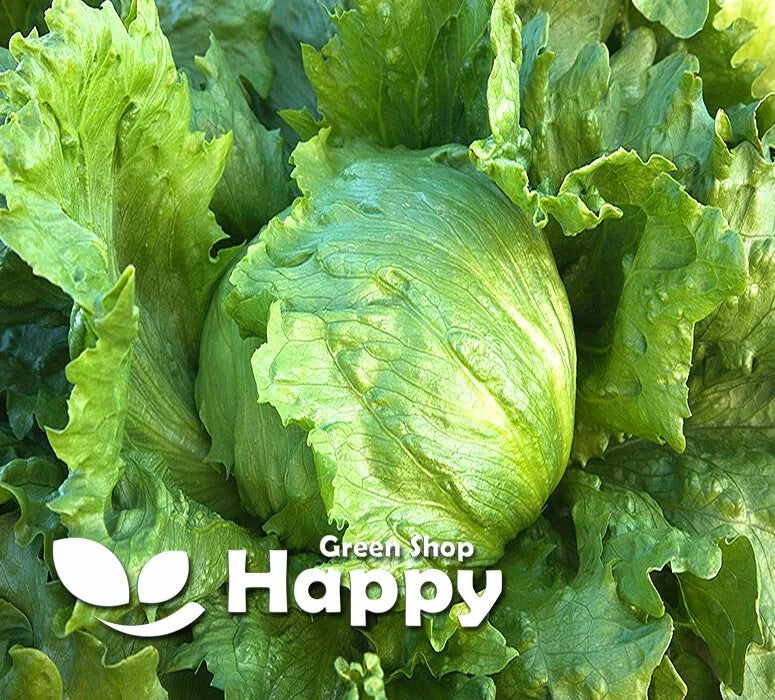
Iceberg Lettuce ‘Great Lakes 118’ Seeds (Lactuca sativa)
Grow crisp, refreshing heads with Iceberg Lettuce ‘Great Lakes 118’ (Lactuca sativa). This classic variety produces firm, compact, light-green heads with a crunchy texture, perfect for fresh salads, sandwiches, and burgers. Easy to grow and early-maturing, it’s ideal for vegetable gardens, raised beds, and continuous harvests.
How to Grow
-
Sow seeds directly outdoors from early spring to early summer, or indoors for transplanting.
-
Use fertile, well-drained soil in full sun to partial shade.
-
Sow seeds thinly and cover lightly with soil; keep moist until germination (7–14 days).
-
Thin seedlings to 25–30 cm apart for healthy head development.
-
Harvest heads when firm and fully formed, before they bolt.
Key Features
-
Firm, compact, light-green heads with crunchy texture
-
Early-maturing and easy to grow
-
Ideal for fresh salads, sandwiches, and burgers
-
Reliable and productive in temperate climates
-
Suitable for outdoor or protected cultivation
Ideal For
-
Vegetable gardens, raised beds, and allotments
-
Fresh salads, sandwiches, and burgers
-
Continuous harvest with succession sowing
-
Homegrown kitchen gardens
Sowing
-
Best time: Early spring to early summer outdoors or indoors for transplanting
-
Germination: 7–14 days
-
Spacing: Thin to 25–30 cm apart
-
Prefers full sun to partial shade and fertile, well-drained soil
Quick Tip
-
Sow in successive batches every 2–3 weeks to enjoy a continuous supply of crisp heads.
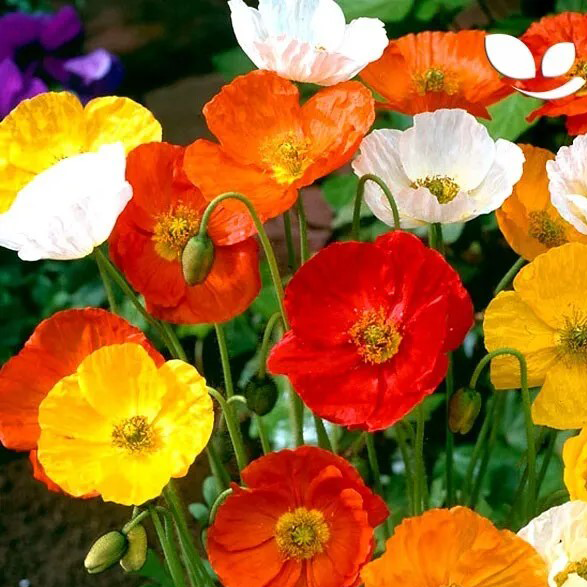
Iceland Poppy ‘Artists Glory’ Mix Seeds (Papaver nudicaule)
Bring a painterly touch to your garden with Iceland Poppy ‘Artists Glory’ Mix. This charming annual produces delicate, papery blooms in a vibrant mix of reds, pinks, oranges, yellows, and whites, creating a stunning spring-to-summer display. Its soft, nodding flowers add elegance to borders, rock gardens, and cottage-style plantings.
Why Grow ‘Artists Glory’ Mix
-
Stunning mix of bright, papery blooms
-
Hardy, easy-to-grow annual
-
Perfect for borders, rock gardens, and cut flowers
Key Features
-
Botanical name: Papaver nudicaule
-
Type: Hardy annual
-
Height: 30–45 cm
-
Spread: 20–25 cm
-
Flowering: Late spring–summer
-
Position: Full sun
-
Uses: Borders, rock gardens, cut flowers, cottage gardens
Sowing & Growing
-
Sow indoors: February–March in trays, lightly cover seeds
-
Germination: 10–20 days at 15–18°C
-
Transplant seedlings outdoors after frost, spacing 20–25 cm apart
-
Prefers full sun and well-drained soil
-
Deadhead spent flowers to prolong blooming
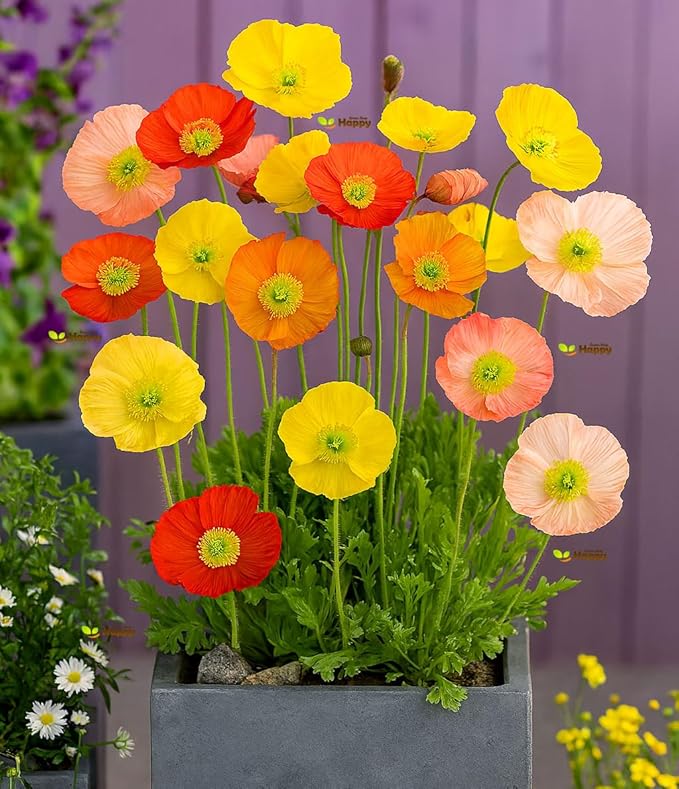
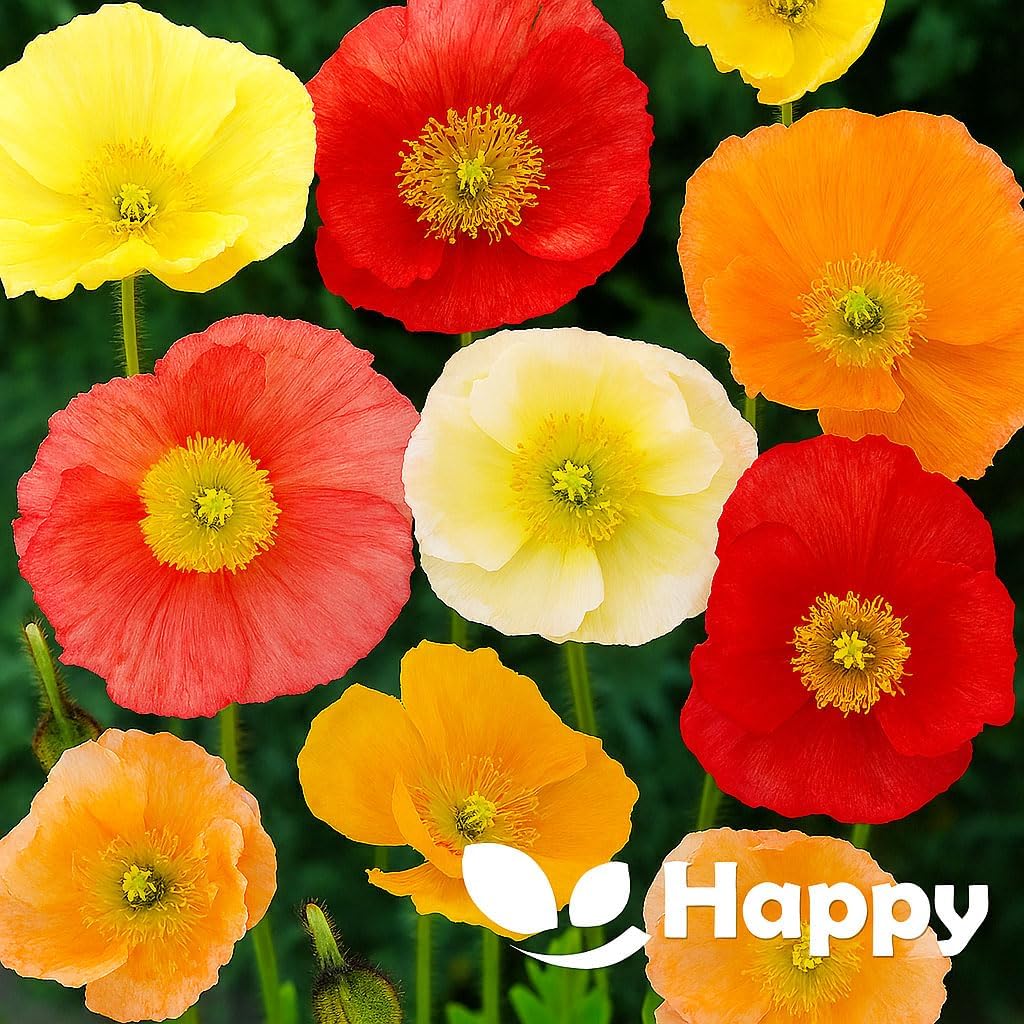
Iceland Poppy ‘F2 Wind Song’ Mix Seeds (Papaver nudicaule)
A delicate and charming mix, Iceland Poppy ‘F2 Wind Song’ produces vibrant, papery blooms in shades of pink, orange, yellow, and white. Hardy and long-flowering, these poppies are perfect for borders, rock gardens, and wildflower-style plantings, bringing cheerful color from late spring into summer.
What Makes It Special
-
Soft, papery flowers in a mix of pastel and bright shades
-
Hardy, compact plants that thrive in cooler climates
-
Attracts bees and pollinators, enhancing wildlife-friendly gardens
Key Features
-
Botanical name: Papaver nudicaule
-
Hardy perennial (often grown as an annual)
-
Height: 30–45 cm (12–18 in)
-
Bloom time: Late spring to early summer
Ideal For
-
Borders, beds, and rock gardens
-
Wildflower and cottage-style plantings
-
Containers and pots for bright seasonal color
Sowing
-
Sow indoors Feb–Apr or outdoors Mar–May
-
Scatter seeds on the surface of well-drained soil; do not cover
-
Germination: 14–28 days at 15–20°C
-
Thin seedlings to 20–30 cm apart
-
Flowers the same year when sown in spring

Indian Corn ‘Flint’ – Seeds (Zea mays)
Indian Corn ‘Flint’ (Zea mays) is a decorative maize variety prized for its multicolored kernels, ranging from deep reds and purples to golds and blues. Ideal for autumn displays, harvest decorations, and ornamental garden planting, this hardy annual also produces tall, striking stalks that add vertical interest to your garden. Easy to grow in fertile, well-drained soil, it’s a perfect combination of beauty and traditional charm.
Why Grow "Flint"
-
Multicolored kernels for decorative harvest displays
-
Tall, striking stalks for vertical interest in the garden
-
Hardy and easy-to-grow annual
-
Perfect for ornamental planting and autumn decoration
Key Features
-
Type: Annual (Zea mays)
-
Height: 150–200 cm
-
Flowering/Fruiting: Summer to early autumn
-
Position: Full sun
-
Uses: Ornamental garden planting, autumn décor, harvest displays
Ideal For
-
Autumn garden color and harvest decorations
-
Tall vertical interest in borders or vegetable plots
-
Educational planting and children’s gardens
-
Ornamental and pollinator-friendly garden displays
Sowing & Growing
-
Sow outdoors: April–May directly in fertile soil
-
Germination: 7–14 days at 20–25°C
-
Space plants: 25–30 cm apart in rows 60–75 cm apart
-
Prefers fertile, well-drained soil in full sun
-
Water regularly until established
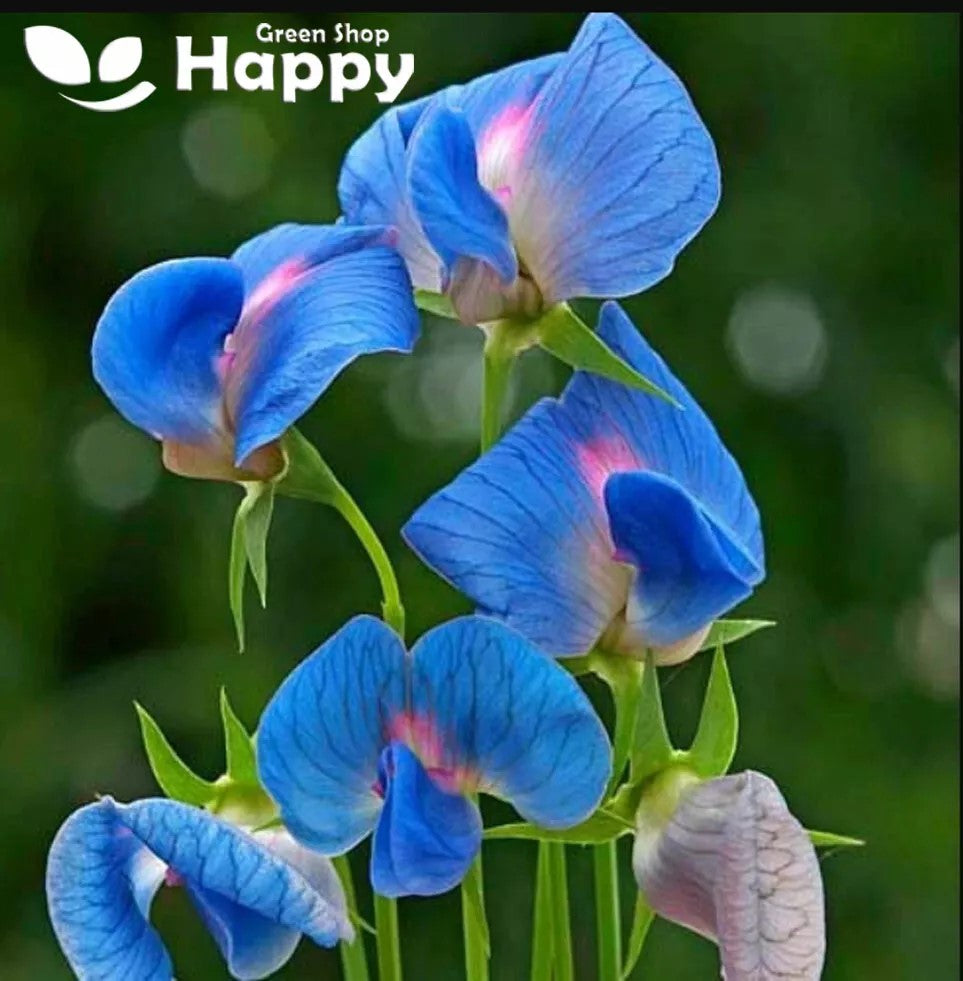
Indian Pea ‘Azureus’ – Blue-Pink Flowers – Seeds (Lathyrus sativus)
The Indian Pea ‘Azureus’ (Lathyrus sativus) is a striking and unusual climbing annual, producing delicate blue to pink pea-like blossoms above fine green foliage. Fast-growing and drought-tolerant, it thrives in poor soils and adds a natural, airy charm to borders, trellises, and wild gardens. A hardy species, it has long been valued for its ornamental and agricultural qualities.
Why Grow Indian Pea ‘Azureus’?
-
Unusual pea-like flowers in blue and pink shades
-
Climbing habit perfect for trellises and supports
-
Hardy, drought-tolerant, and easy to grow
-
Adds a natural wildflower look to gardens
Key Features
-
Type: Hardy annual
-
Height: 100–150 cm
-
Spread: 30–40 cm
-
Flowering: June–August
-
Position: Full sun
-
Soil: Poor to moderately fertile, well-drained
Ideal For
-
Trellises, arches, and fences
-
Cottage and wild gardens
-
Pollinator-friendly plantings
-
Drought-prone or low-maintenance sites
Sowing & Growing
-
Sow outdoors: March–May directly in soil
-
Germination: 10–20 days at 15–20°C
-
Thin seedlings: 20–30 cm apart
-
Provide support for climbing stems
-
Water regularly in dry spells
Tip: Pair with other climbing annuals for a colorful vertical display.
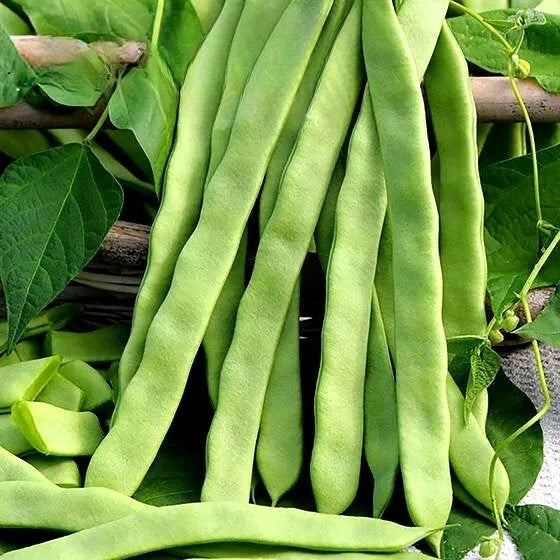
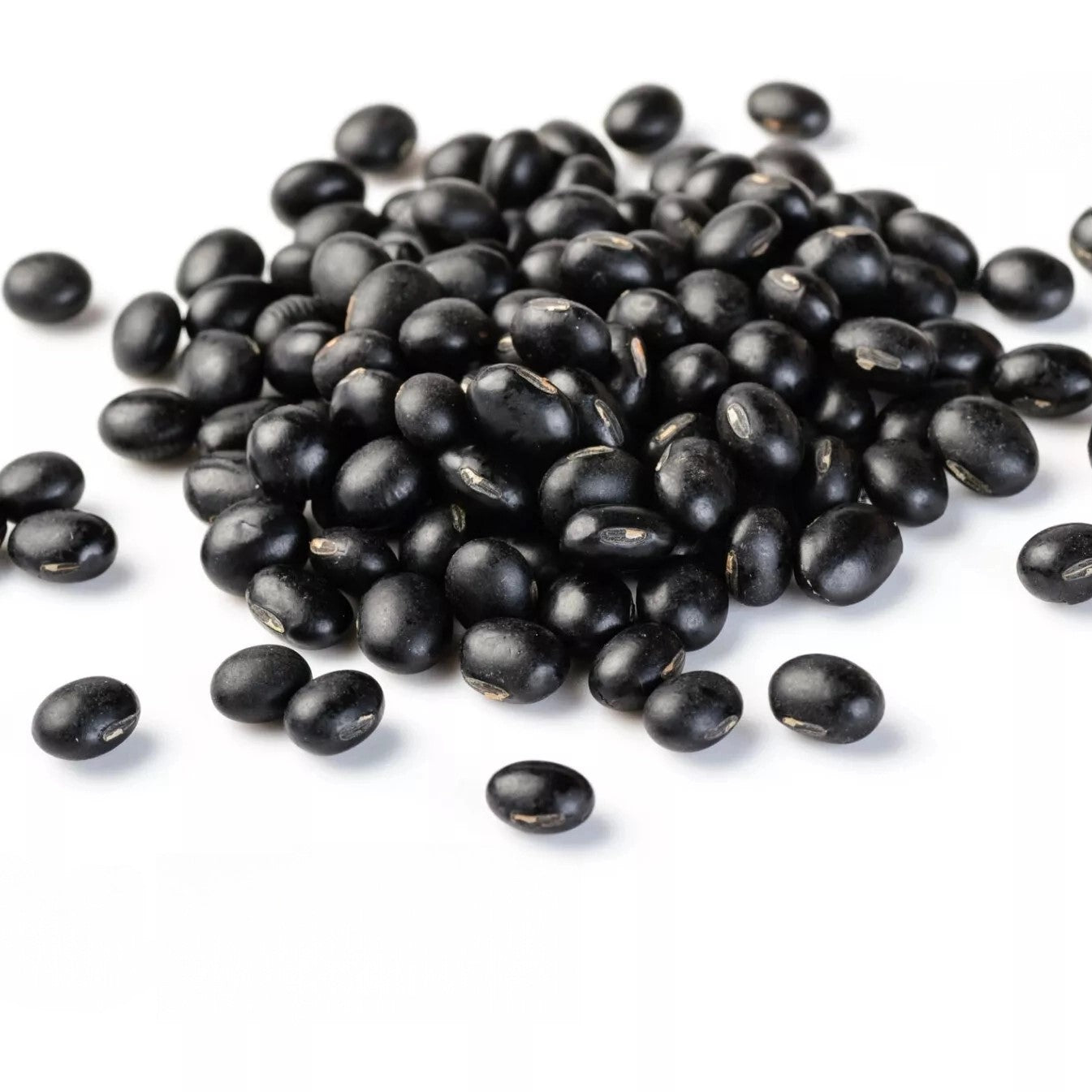
Italian Climbing Black Bean Super Marconi Grano Nero - 20 seeds (Phaseolus vulgaris)
£1.24
Unit price perItalian Climbing Black Bean Super Marconi Grano Nero - 20 seeds (Phaseolus vulgaris)
£1.24
Unit price perItalian Climbing Black Bean 'Super Marconi Grano Nero' – Seeds
(Phaseolus vulgaris) – Heirloom Italian Pole Bean
The ‘Super Marconi Grano Nero’ climbing bean is a traditional Italian variety known for its long, flat pods and striking black beans inside. Highly productive, vigorous, and climbing up to 2–3 meters, it requires staking or trellising. Its pods are tender and delicious when young, while the mature black beans can be dried and stored for hearty soups, stews, and traditional Italian dishes.
Key Features
-
Type: Climbing pole bean (annual legume)
-
Height: 200–300 cm with support
-
Pods: Long, flat, tender, up to 20–25 cm
-
Seeds: Black beans inside when mature
-
Harvest: 65–75 days from sowing
-
Special: Dual-purpose – eat fresh pods or dry beans
Ideal For
-
Fresh harvesting as flat green beans
-
Drying and storing beans for winter dishes
-
Italian and Mediterranean cuisine
-
Vertical gardening with trellises or poles
Sowing & Growing
-
Sow outdoors: May–July, once soil warms (min. 15°C)
-
Spacing: 50 cm between rows, 10–15 cm between plants
-
Support: Needs poles, netting, or trellis
-
Soil: Fertile, well-drained, rich in organic matter
-
Sunlight: Full sun
-
Watering: Consistent, especially during pod setting
Care Tips
-
Harvest young pods regularly to encourage continuous production.
-
Allow some pods to fully mature for drying black beans.
-
Rotate crops yearly to maintain healthy soil.
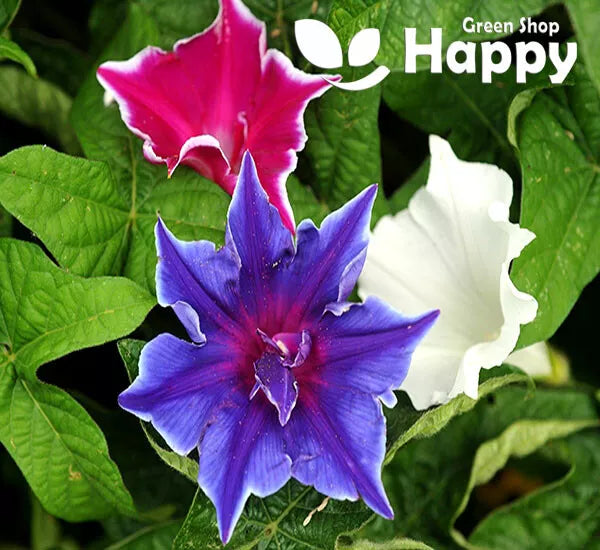
Japanese Morning Glory 'Kikyo Zaki Mix' – Seeds
(Ipomoea nil)
The Japanese Morning Glory 'Kikyo Zaki Mix' is a traditional and highly prized variety, renowned in Japanese horticulture for its uniquely ruffled, star-shaped blooms. This climbing annual produces an extraordinary mix of deep purples, blues, pinks, and whites, each with striking petal forms that set them apart from common morning glories. The lush green foliage and vigorous growth make it a spectacular choice for trellises, fences, or balcony planters.
Key Features
-
Type: Annual climber
-
Height: 2–3 m
-
Spread: 30–40 cm
-
Flowering: July–October
-
Position: Full sun / partial shade
-
Soil: Fertile, well-drained
Ideal For
-
Training up fences, arches, or trellises
-
Balcony or patio containers with supports
-
Creating a vertical display of colour
-
Collectors of rare Japanese heirloom flowers
Sowing & Growing
-
Sow indoors: March–April in pots or trays
-
Sow outdoors: May–June after last frost
-
Nick or soak seeds for 12–24 hours before sowing to aid germination
-
Germination: 7–14 days
-
Plant spacing: 30–40 cm
-
Requires support to climb
-
Prefers full sun but tolerates light shade
Showing 432/913


