
Sort by:
913 products
913 products
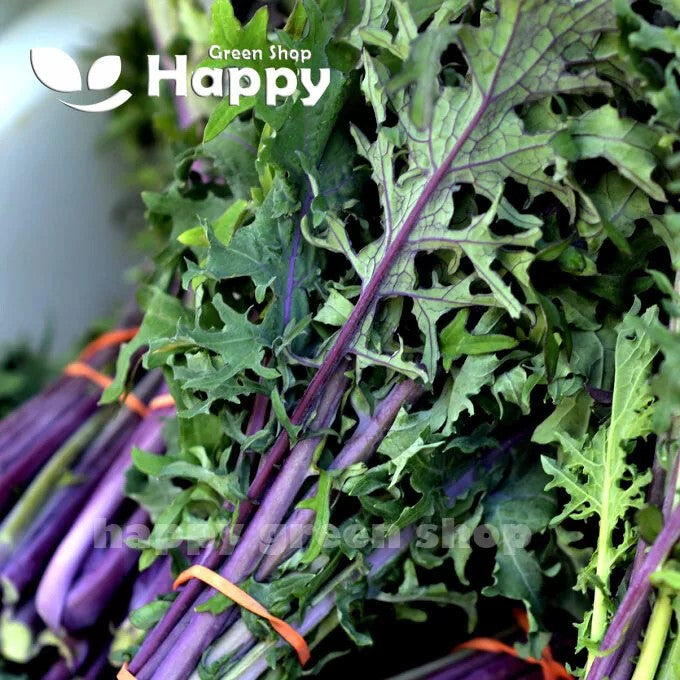
Kale 'Red Russian' Seeds (Brassica oleracea)
Bring color and nutrition to your garden with Kale 'Red Russian', a hardy variety with tender, oak-shaped leaves flushed with purple-red veins. Sweeter and milder than many other kales, it’s perfect for salads, smoothies, steaming, and stir-fries. Cold-hardy and easy to grow, it thrives from early spring to late winter, providing a long season of nutrient-rich harvests.
How to Grow
-
Sow indoors in early spring or direct outdoors from spring to mid-summer.
-
Prefers fertile, well-drained soil in full sun or partial shade.
-
Sow 1 cm deep in rows 45 cm apart.
-
Thin or transplant seedlings to 40–50 cm apart.
-
Harvest young leaves for salads or allow plants to mature for larger leaves.
Key Features
-
Attractive purple-red veined leaves with tender texture
-
Mild, sweet flavor compared to traditional kales
-
Cold-hardy and reliable through autumn and winter
-
Perfect for cut-and-come-again harvesting
-
Nutrient-rich superfood, high in vitamins and minerals
Ideal For
-
Fresh salads and smoothies
-
Stir-fries, soups, and steaming
-
Year-round kitchen gardens
-
Gardeners seeking hardy, reliable greens
Sowing
-
Best time: March to July
-
Depth: 1 cm
-
Row spacing: 45 cm
-
Plant spacing: 40–50 cm
-
Harvest: From 6–8 weeks after sowing
Quick Tip
-
Harvest young leaves regularly to promote fresh growth and sweeter flavor.
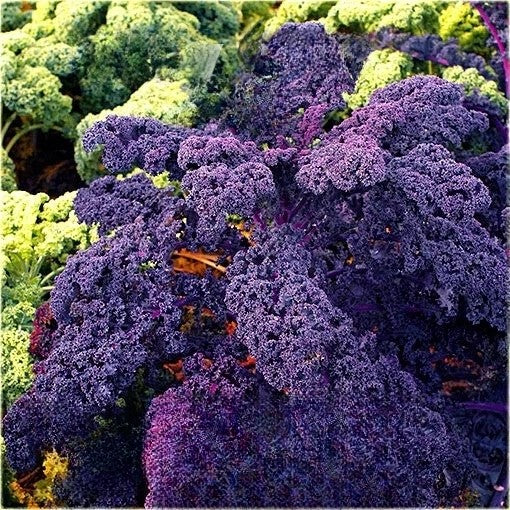
Kale 'Scarlet' – Seeds (Brassica oleracea)
The Kale 'Scarlet' is a stunning ornamental and culinary variety, prized for its deeply curled, frilly leaves that turn a rich purple-red as temperatures drop. This hardy kale is packed with vitamins and minerals, offering a sweet, mild flavor that improves after the first frosts.
Beautiful in the garden and nutritious in the kitchen, it’s perfect for salads, smoothies, sautés, and winter soups.
How to Grow
-
Sow indoors: March – May
-
Sow outdoors: April – June
-
Transplant/Thin: 40–50 cm apart
-
Soil: Fertile, well-drained, moisture-retentive
-
Position: Full sun or partial shade
-
Care: Water regularly and protect young plants from pests
Key Features
-
Striking deep-red, frilly leaves
-
Sweet flavor enhanced by frost
-
Very hardy, withstands winter cold
-
Rich in vitamins A, C, and K
-
Dual-purpose: ornamental and edible
Sowing & Harvest
-
Sow: March – June
-
Harvest: October – March
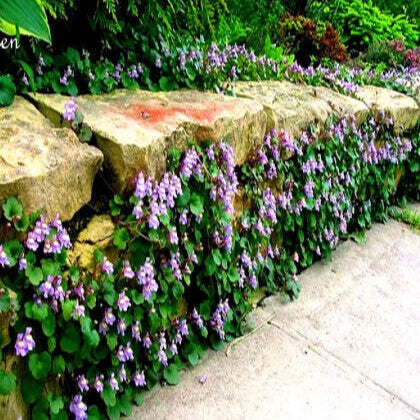
Kenilworth Ivy – Seeds (Cymbalaria muralis)
Kenilworth Ivy (Cymbalaria muralis) is a charming trailing perennial, perfect for walls, rockeries, and crevices. Its delicate ivy-like foliage is adorned with small violet-lavender flowers that bloom freely throughout the summer. Hardy, low-maintenance, and self-seeding, it creates a natural, cascading effect in the garden.
Why Grow "Kenilworth Ivy"
-
Cascading perennial with trailing habit
-
Violet-lavender flowers all summer
-
Perfect for walls, cracks, and rockeries
-
Hardy, self-seeding and easy to grow
Key Features
-
Type: Perennial (Cymbalaria muralis)
-
Height: 5–10 cm, trailing habit
-
Flowering: May–September
-
Position: Sun or partial shade
-
Uses: Rockeries, walls, ground cover, containers
Ideal For
-
Stone walls and paving crevices
-
Rock gardens and shady spots
-
Naturalistic ground cover
-
Containers and hanging baskets
Sowing & Growing
-
Sow indoors: February–April in trays
-
Sow outdoors: April–June in final position
-
Germination: 14–28 days at 15–20°C
-
Thin to 10–15 cm apart
-
Prefers moist but well-drained soil
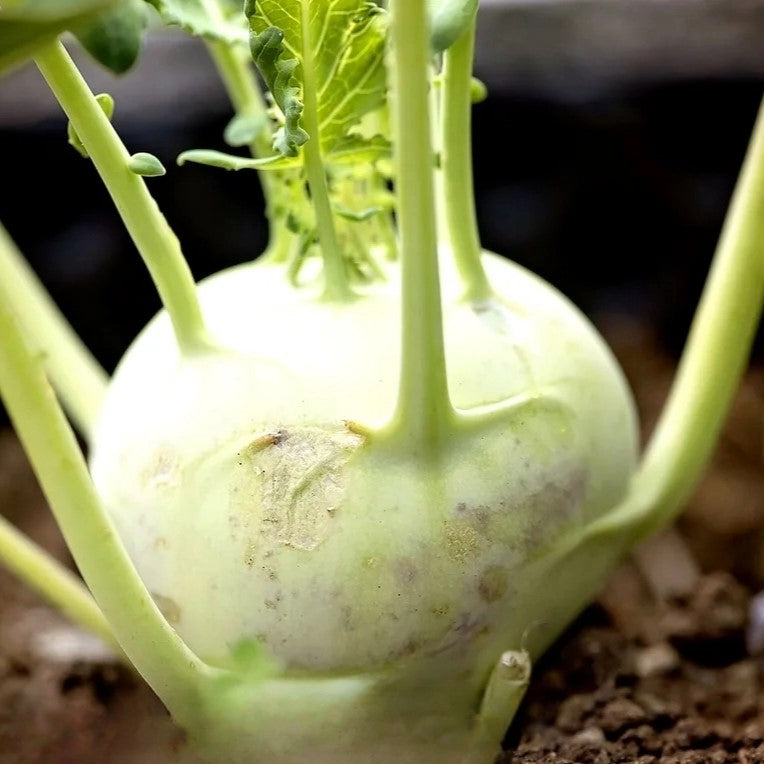
Kohl rabi 'Giant' – Seeds (Brassica oleracea)
The Kohl rabi 'Giant' is a vigorous, late-maturing variety producing extra-large, tender bulbs that can reach impressive sizes without becoming woody. Its crisp, white flesh has a mild, sweet flavor, perfect for salads, steaming, stir-fries, or roasting.
This variety is highly productive and stores well, making it a reliable choice for home growers who want both quality and yield.
How to Grow
-
Sow outdoors: April – July, thinly in rows 1 cm deep
-
Thin seedlings: 20–25 cm apart when large enough
-
Soil: Fertile, well-drained, moisture-retentive
-
Care: Keep well-watered to avoid woody texture
-
Position: Full sun
Key Features
-
Extra-large, tender bulbs
-
Mild, sweet taste
-
Stores well after harvest
-
Easy to grow and high-yielding
-
Great for salads, soups, and cooking
Sowing & Harvest
-
Sow: April – July
-
Harvest: July – November

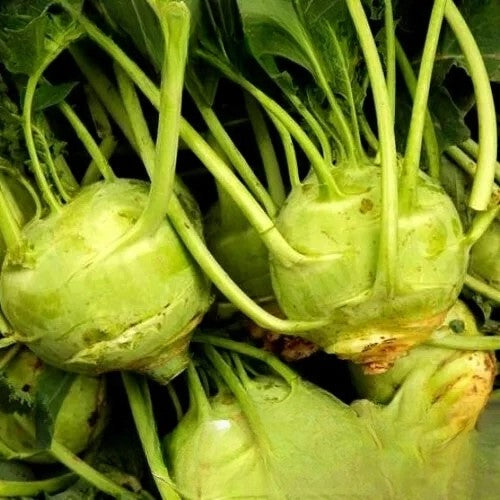
Kohlrabi 'Luna' – Seeds (Brassica oleracea var.)
Kohlrabi 'Luna' is a high-quality, light green variety known for its tender, juicy, and mild-flavored bulbs. Its smooth skin and crisp white flesh make it perfect for eating raw in salads, grating into slaws, or cooking in soups, stir-fries, and roasts.
This early-maturing, uniform variety is resistant to cracking and lignification, making it an excellent and reliable choice for home gardeners and allotments. Compact plants are well-suited to smaller spaces and can be grown in open ground or large containers.
How to Grow
-
Sow indoors/outdoors: March – July
-
Depth: 1 cm
-
Spacing: 20–25 cm between plants, 30 cm between rows
-
Position: Full sun or partial shade
-
Soil: Fertile, moist, well-drained soil
-
Watering: Keep soil evenly moist for best flavor and texture
Key Features
-
Smooth, light green bulbs with crisp, mild white flesh
-
Early-maturing, uniform, and resistant to cracking
-
Excellent raw or cooked – versatile in the kitchen
-
Suitable for gardens, raised beds, or large containers
-
Reliable harvest with tender bulbs full of flavor
Harvest
-
Harvesting period: May – October
-
Pick when bulbs reach 6–10 cm in diameter for best taste and tenderness.
Short Tip
For a continuous supply, sow little and often every 2–3 weeks during the growing season.
Kohlrabi 'Violeta' – Seeds (Brassica oleracea)
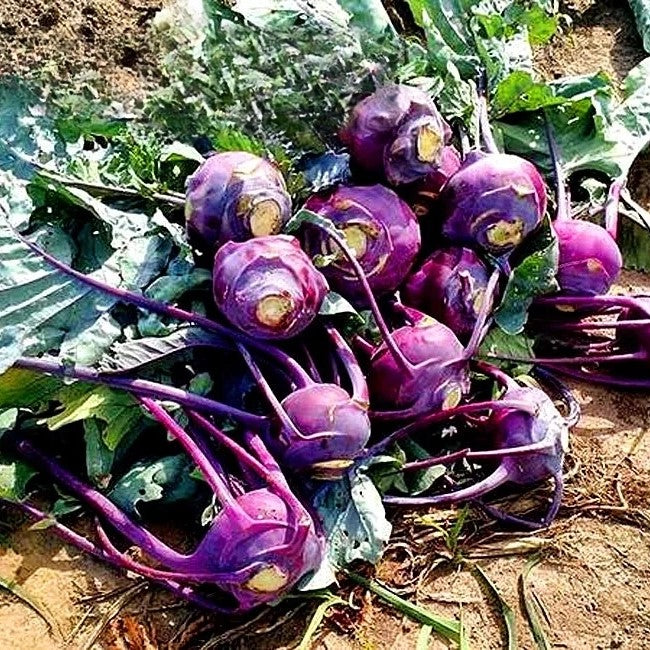
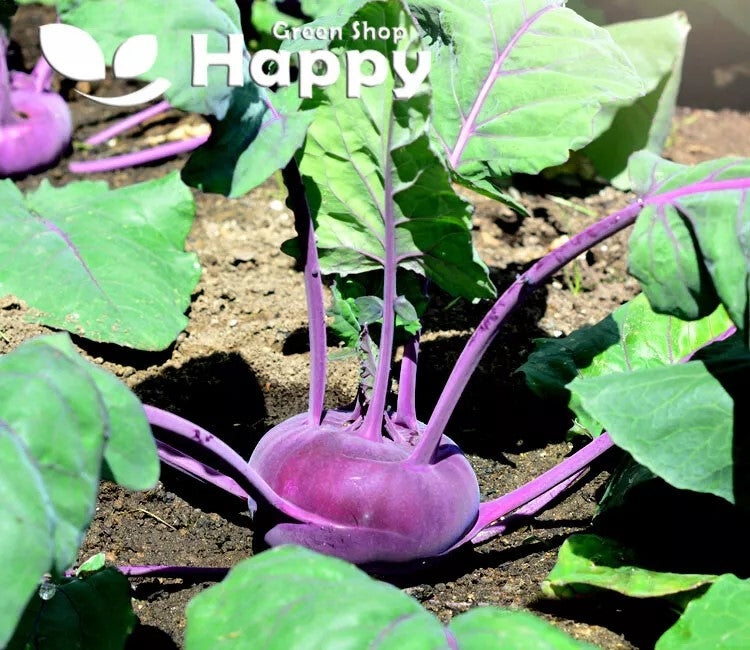
Kohlrabi 'Violeta' is a striking purple-skinned variety with crisp, white flesh and a sweet, nutty taste. Its unique color and mild flavor make it an excellent addition to both the garden and the kitchen. Perfect eaten raw in salads, grated into slaws, or lightly cooked in stir-fries, soups, and roasts.
This fast-growing crop is hardy, reliable, and suitable for multiple sowings throughout the season. Compact plants make it an ideal choice for small gardens, raised beds, or containers.
How to Grow
-
Sow indoors/outdoors: March – July
-
Depth: 1 cm
-
Spacing: 20–25 cm between plants, 30 cm between rows
-
Position: Full sun or partial shade
-
Soil: Moist, fertile, well-drained soil
-
Watering: Keep soil evenly moist to prevent woodiness and splitting
Key Features
-
Vibrant purple variety with sweet, crisp white flesh
-
Delicious raw or cooked – versatile in salads, stir-fries, and roasts
-
Fast-growing and suitable for repeat sowings
-
Compact plants – ideal for small gardens and containers
-
Attractive crop with ornamental value in the vegetable patch
Harvest
-
Harvesting period: May – October
-
Pick when bulbs reach 5–8 cm in diameter for the best flavor and texture.
Short Tip
For tender bulbs, avoid letting plants become oversized – harvest regularly.
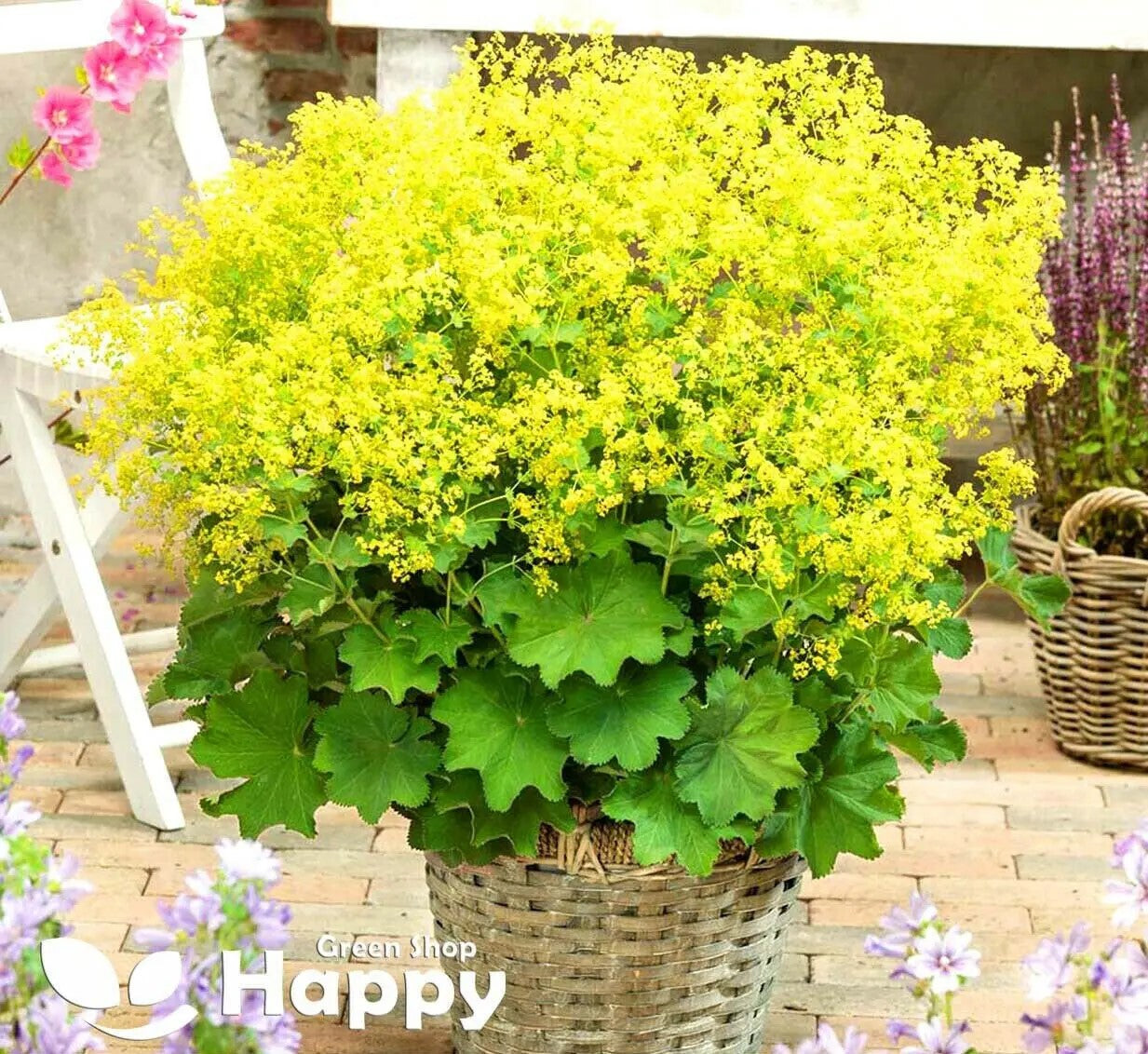
Lady’s Mantle – Seeds (Alchemilla mollis)
Lady’s Mantle (Alchemilla mollis) is a hardy perennial known for its soft, scalloped green foliage and clusters of small, chartreuse flowers that bloom from late spring to summer. Its graceful leaves capture morning dew beautifully, adding texture and charm to borders, rock gardens, and cottage-style beds. Low-maintenance and long-lasting, this perennial is perfect for pollinator-friendly gardens and adds a fresh, airy feel to any planting scheme.
Why Grow "Lady’s Mantle"
-
Soft, scalloped green foliage with chartreuse flowers
-
Long flowering season from late spring to summer
-
Hardy, low-maintenance perennial
-
Pollinator-friendly and ideal for naturalistic gardens
Key Features
-
Type: Perennial (Alchemilla mollis)
-
Height: 30–45 cm
-
Flowering: Late spring to summer
-
Position: Full sun to partial shade
-
Uses: Borders, rockeries, cottage gardens, pollinator-friendly planting
Ideal For
-
Adding texture and softness to borders and beds
-
Cottage and naturalistic garden designs
-
Pollinator-friendly planting schemes
-
Underplanting around shrubs and perennials
Sowing & Growing
-
Sow indoors: February–April in trays or pots
-
Sow outdoors: March–May directly in soil
-
Germination: 10–20 days at 18–22°C
-
Thin seedlings 25–30 cm apart
-
Prefers well-drained soil in full sun to partial shade
-
Water moderately until established
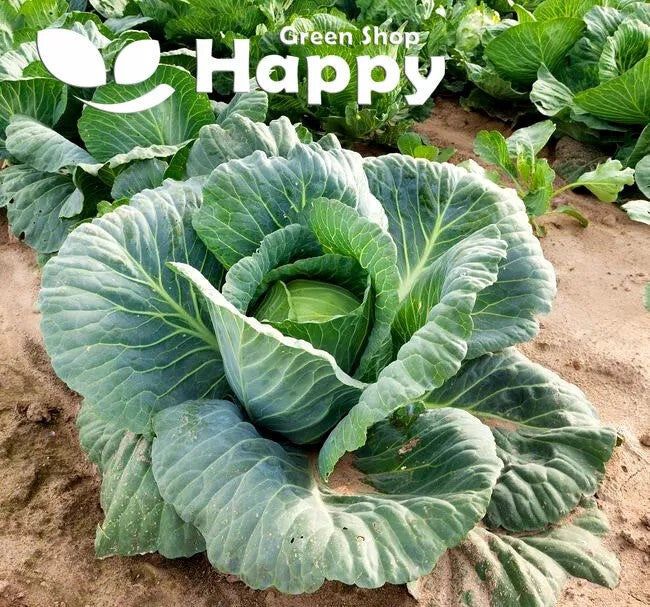
Large Cabbage 'Polar' – Seeds (Brassica oleracea)
Cabbage 'Polar' is a large, late-maturing variety, producing firm, round heads with excellent storage qualities. This robust cabbage is specially bred to withstand colder conditions, making it a reliable choice for late-season harvests. Its crisp leaves and mild, sweet flavor make it ideal for fresh use in salads, coleslaw, or for cooking in traditional dishes.
A dependable variety for gardeners who want a heavy-yielding cabbage that lasts well into the winter months.
How to Grow
. Sow indoors from February to April or directly outdoors from April to May
. Transplant seedlings when strong enough, spacing 50–60 cm apart
. Prefers fertile, well-drained soil in full sun
. Water consistently to keep soil moist and encourage firm heads
. Protect young plants from pests such as cabbage fly or caterpillars
Key Features
. Large, solid round heads with excellent keeping qualities
. Specially suited for colder conditions and late-season harvest
. Mild, sweet flavor and crisp texture
. Perfect for salads, coleslaw, and cooked dishes
. Reliable, heavy-yielding cabbage variety
Sowing & Harvest
. Sow from February to May
. Harvest from September to December
Short Tip
For the best storage, harvest cabbages on a dry day and keep them in a cool, well-ventilated space.
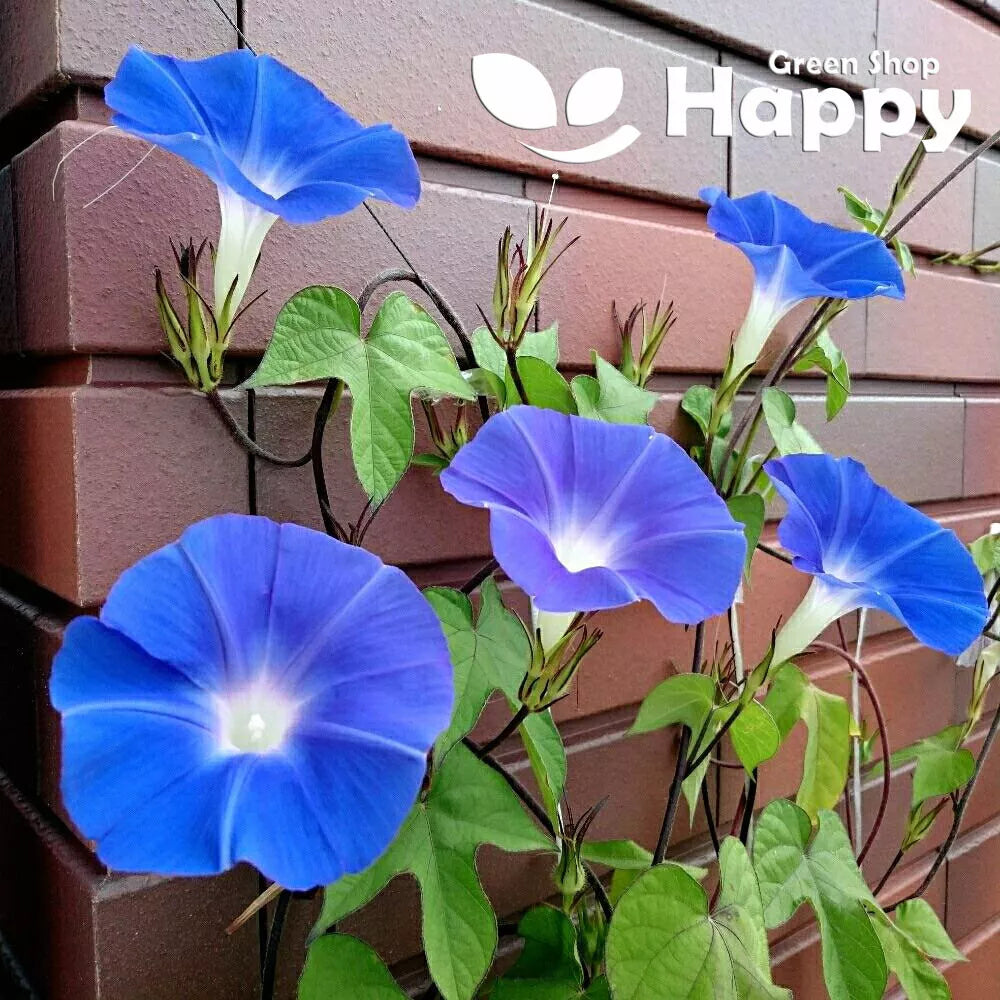
Large-Flowered Dwarf Morning Call Mixed – 50 Seeds (Ipomoea nil)
The Large-Flowered Dwarf Morning Call Mixed (Ipomoea nil) is a charming annual producing vibrant, trumpet-shaped flowers in a mix of colors. Compact and low-growing, it’s ideal for pots, containers, or small garden beds, bringing a burst of color to sunny spots throughout summer. Fast-growing and easy to maintain, it’s perfect for brightening any garden space.
Why Grow "Morning Call Mixed"
-
Large, trumpet-shaped flowers in mixed vibrant colors
-
Compact, dwarf habit perfect for small spaces
-
Long flowering season during summer
-
Easy to grow and maintain
Key Features
-
Type: Annual (Ipomoea nil)
-
Height: 25–35 cm
-
Flowering: June–September
-
Position: Full sun
-
Uses: Containers, pots, small garden beds, borders
Ideal For
-
Container planting and window boxes
-
Small garden beds and borders
-
Adding vibrant summer color
-
Pollinator-friendly plantings
Sowing & Growing
-
Sow indoors: February–April in seed trays
-
Sow outdoors: April–May after frost
-
Germination: 7–14 days at 18–22°C
-
Thin seedlings to 20–25 cm apart
-
Prefers full sun and well-drained soil
-
Water moderately and remove spent flowers to prolong blooming
Showing 441/913


