
Sort by:
868 products
868 products
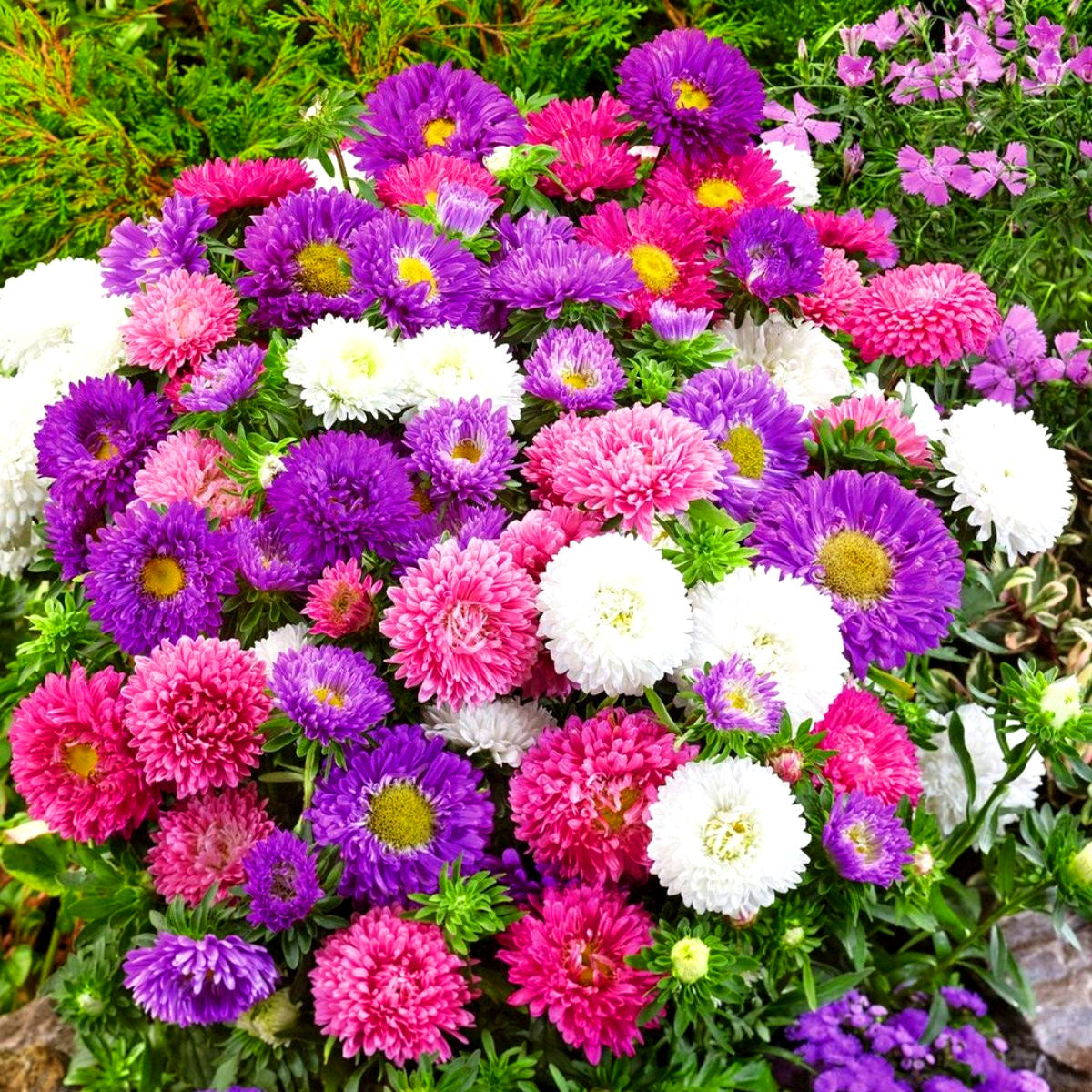
Aster "Color Carpet Mix" – Seeds
(Callistephus chinensis)
Aster "Color Carpet Mix" is a charming dwarf variety that produces a vivid carpet of colorful blooms in late summer and autumn. With compact, bushy growth and daisy-like flowers in shades of pink, purple, red, blue, and white, this mix is perfect for brightening borders, rockeries, and container displays. Long-lasting blooms make them excellent for cutting, bringing cheer indoors as well.
Why Grow Aster "Color Carpet Mix"?
-
Compact, bushy habit with masses of blooms
-
Vibrant mix of summer and autumn colors
-
Long flowering season
-
Great for edging, containers & small gardens
Key Features
-
Type: Half-hardy annual
-
Height: 20–25 cm
-
Blooms: July–October
-
Position: Full sun or partial shade
-
Soil: Well-drained, fertile soil
Ideal For
-
Bedding & edging
-
Rock gardens and low borders
-
Patio containers
-
Cut flower arrangements
Sowing & Growing
-
Sow indoors: February–April, in trays or pots, lightly covering seeds
-
Transplant seedlings outdoors after frost, spacing 20 cm apart
-
Sow outdoors: May, directly where they are to flower
-
Germination: 10–14 days at 18–21°C
-
Remove faded blooms to extend flowering season
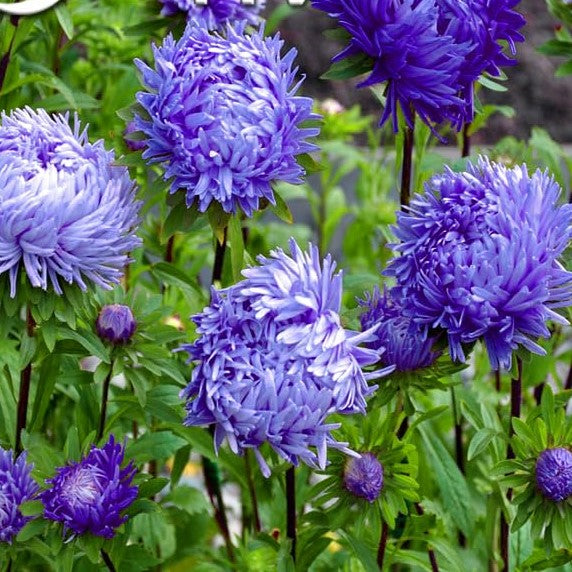
Aster ‘Pavlova’ Deep Blue – Seeds
(Callistephus chinensis)
Aster ‘Pavlova’ Deep Blue produces large, fully double, deep blue flowers that brighten borders and bouquets. Compact and long-flowering, it attracts pollinators and is easy to grow.
Why Grow Aster ‘Pavlova’ Deep Blue?
-
Large, double deep blue blooms
-
Long-flowering annual
-
Attracts bees and butterflies
-
Perfect for borders and cut flowers
Key Features
-
Type: Annual
-
Height: 40–60 cm
-
Flowers: Summer to autumn
-
Position: Full sun
-
Soil: Well-drained, moderately fertile
Ideal For
-
Borders, cottage gardens, and flower beds
-
Pollinator-friendly gardens
-
Cut flowers and bouquets
Sowing & Growing
-
Sow indoors: February–April
-
Sow outdoors: April–May
-
Germination: 10–20 days at 18–20°C
-
Spacing: 25–30 cm
-
Care: Moderate watering; deadhead for continuous blooms

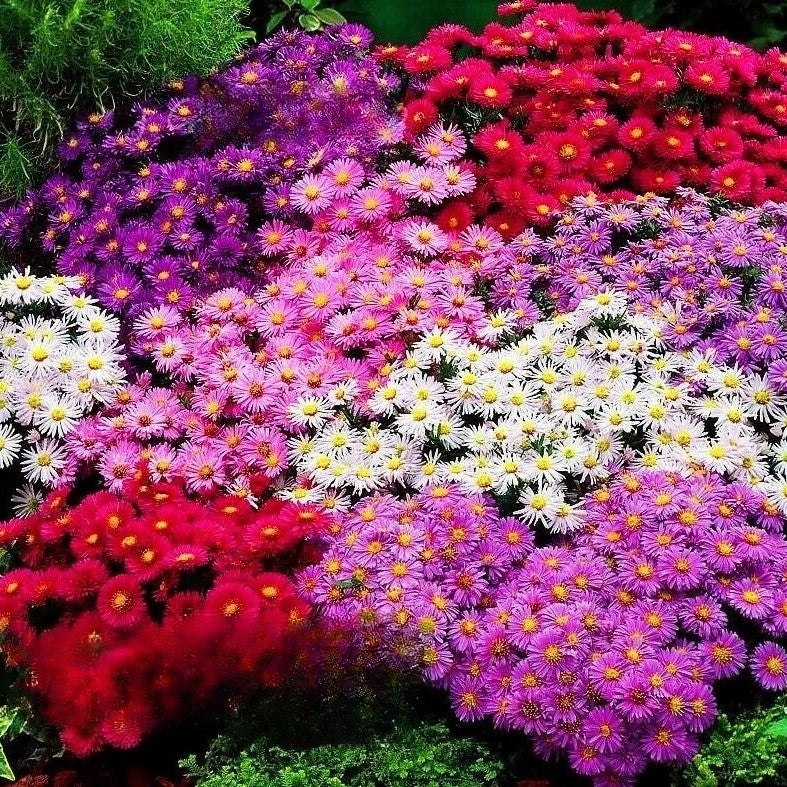
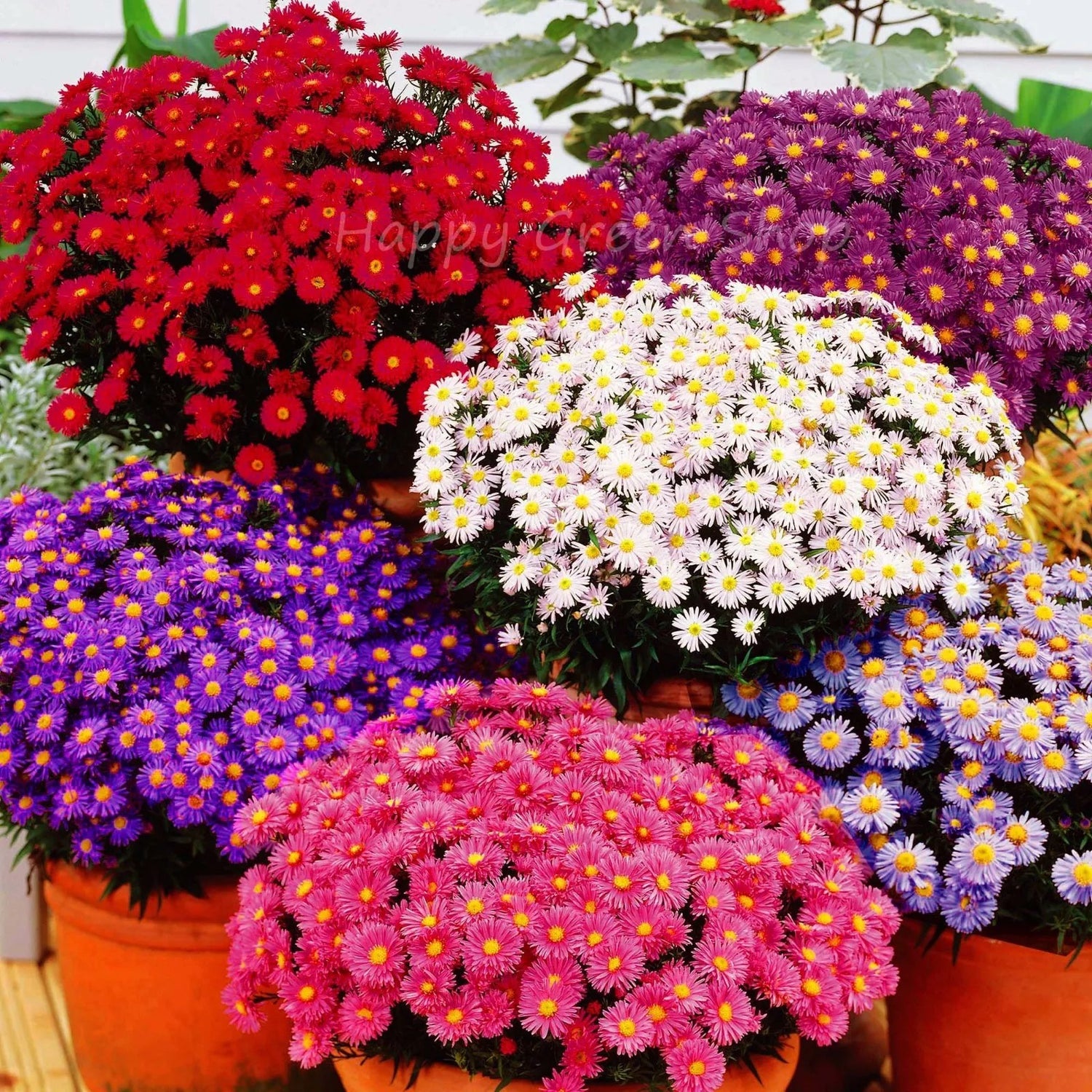
Aster Dwarf ‘Pinocchio’ Mixed – Bright, Bushy, and Long-Flowering
-
Aster Dwarf ‘Pinocchio’ Mixed offers a cheerful display of compact, bushy plants covered in semi-double blooms in shades of pink, red, violet, and white. These easy-to-grow annuals provide long-lasting color from summer into autumn, making them ideal for borders, pots, and cutting.
What Makes It Special
-
Charming mix of bright, semi-double blooms
-
Compact plants perfect for small gardens and containers
-
Long flowering season until the first frost
-
Excellent for cutting and fresh arrangements
-
Low-maintenance and rewarding for all gardeners
Key Features
-
Height: 20–25 cm – neat, compact habit
-
Flowers in a wide range of vibrant colors
-
Works well in formal and informal displays
-
Attracts pollinators and beneficial insects
-
Great choice for beginners
Ideal For
-
Bedding and border edging
-
Patio pots, window boxes, and containers
-
Cottage gardens and mixed displays
-
Fresh cut flowers for the home
Sowing
-
Sow indoors 6–8 weeks before last frost or direct sow after frost danger has passed
-
Plant seeds 0.5 cm deep in well-drained soil at 16–20°C
-
Germination: 7–14 days
-
Space plants 20–25 cm apart
-
Prefers full sun and moderate watering
-
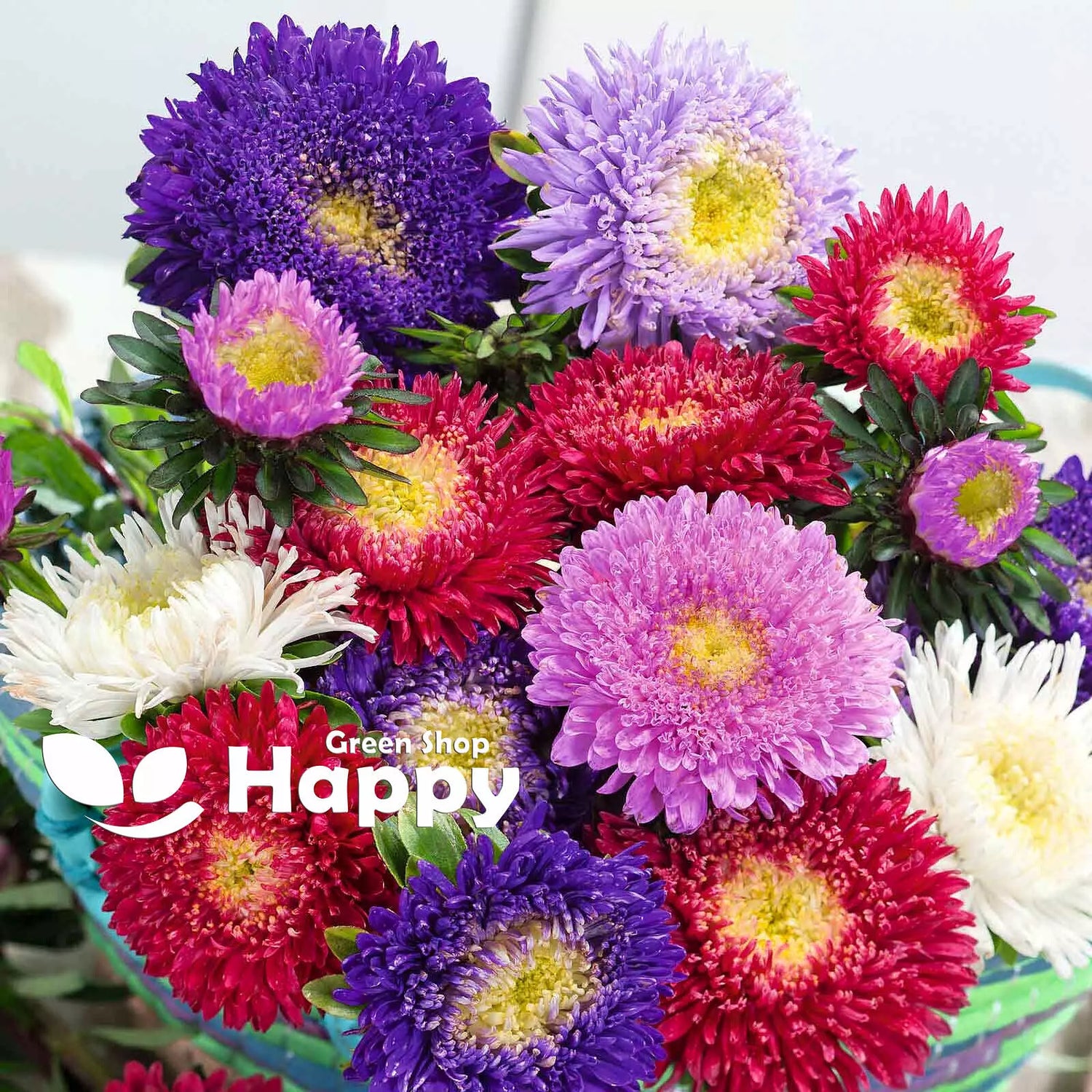
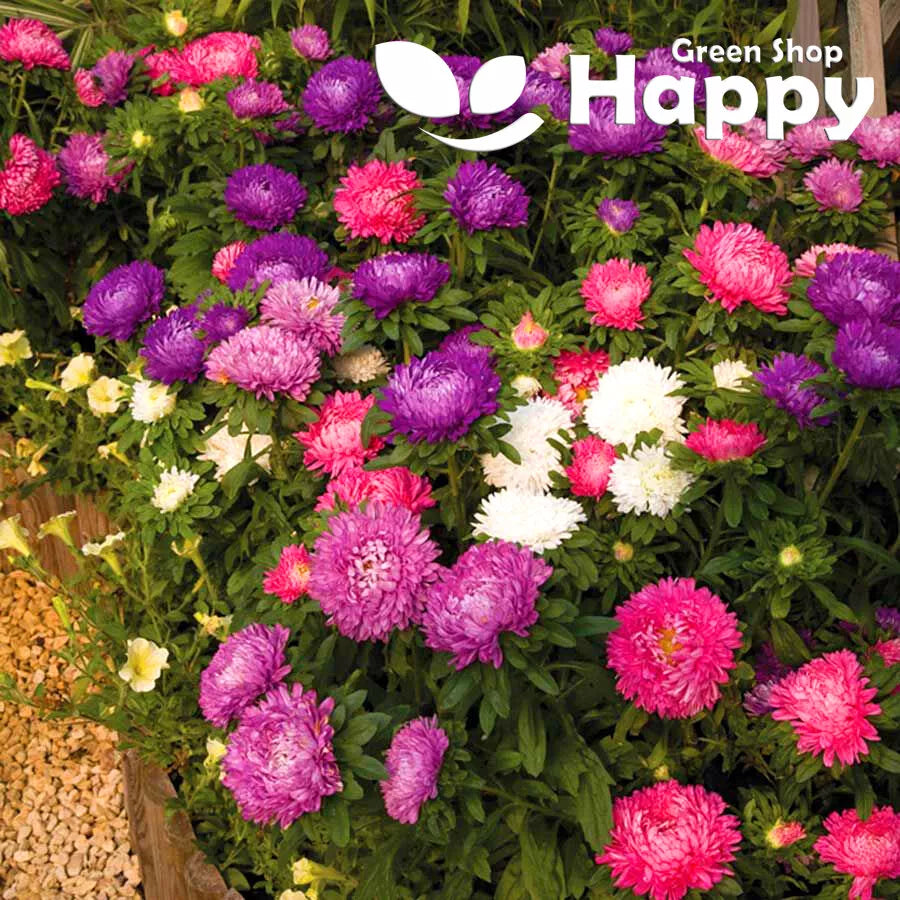
Aster Powder Puff Seeds (Callistephus chinensis)
Aster Powder Puff is a stunning annual variety producing large, fluffy, chrysanthemum-like blooms in a wide range of vibrant colors. Its double flowers resemble soft powder puffs, adding texture and richness to summer and autumn borders. Easy to grow and long-lasting as cut flowers, they make an excellent addition to cottage gardens and floral displays.
What Makes It Special
-
Large, fully double “powder puff” blooms
-
Available in a wide range of bright, cheerful colors
-
Excellent as a cut flower with a long vase life
-
Strong stems and bushy growth habit
Key Features
-
Botanical name: Callistephus chinensis
-
Variety: Powder Puff
-
Seed count: Approx. seeds per pack
-
Height/Spread: 50–70 cm tall, 25–30 cm spread
-
Position: Full sun or partial shade; fertile, well-drained soil
-
Flowering period: July–October
Ideal For
-
Borders and bedding displays
-
Cutting for floral arrangements
-
Cottage gardens and mixed borders
-
Late-summer color in the garden
Sowing Instructions
-
When to sow: February–April indoors, or direct sow outdoors from April–May
-
How to sow:
-
Sow thinly on moist seed compost, cover lightly with soil or vermiculite
-
Germination takes 7–14 days at 18–20°C
-
-
Transplanting: When seedlings are large enough, transplant 30 cm apart
-
Care: Water regularly, avoid overhead watering to prevent mildew

🌸 Callistephus chinensis Aster ‘Andrella Mix Super’ – Early, Upright Plants with Large Open Blooms
‘Andrella Mix Super’ is an early-flowering China aster blend producing large, open flowers with a distinctive double row of petals around the centre. The plants have a strong, upright habit and flower reliably from summer onwards, making this mix ideal for borders, bedding displays and cutting. The airy, open flower form adds a lighter look than fully double asters, while still offering excellent garden performance and vase life.
Key Features
● Large open flowers with a clear double row of petals
● Early-flowering mix for quick summer colour
● Upright habit with strong stems
● Excellent for borders, bedding and cut flowers
● Reliable performance in sunny, well-drained sites
How to Sow & Grow Aster ‘Andrella Mix Super’ (UK)
Sow indoors: III–IV (March–April)
Transplant outdoors: V–VI (May–June) after frost risk has passed
Direct outdoors: IV–V (April–May)
Flowering: VI–IX (June–September) (early for asters)
Life cycle: Annual
Germination temperature: 18–22 °C (64–72 °F)
Average germ time: 7–14 days
Depth: 0.5 cm (¼ in)
Light required: Yes
Moisture: Keep evenly moist
Environment: Full sun
Soil type: Fertile, well-drained soil
Plant spacing: 25–30 cm (10–12 in)
Height: 50–70 cm (20–28 in)
Sowing & Growing Tips (variety-specific)
● Start indoors for the earliest flowering and best uniformity.
● Water at soil level to keep foliage dry.
● Avoid growing asters in the same spot every year.
● Cut stems regularly to encourage continued flowering.
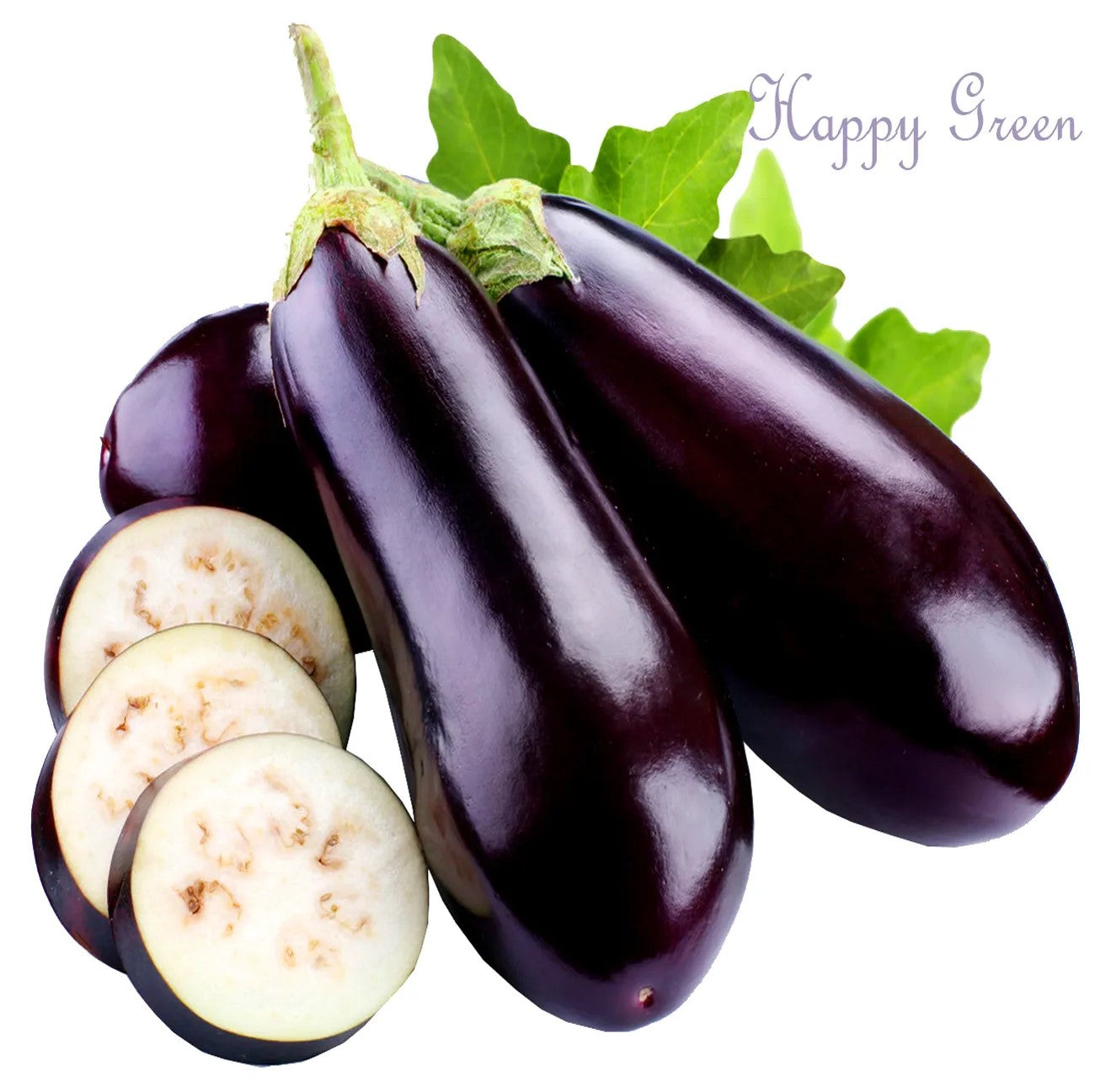
Aubergine 'Black Beauty' – Seeds (Solanum melongena)
The classic Black Beauty aubergine is a time-honored variety producing large, glossy, deep-purple fruits with tender flesh and rich flavor. Compact and reliable, it’s a favorite for home gardeners and a staple in Mediterranean cuisine. Perfect for grilling, roasting, baking, or adding to curries and stews, this aubergine is as versatile as it is delicious.
How to Grow
-
Sow seeds indoors from January to April in trays or pots.
-
Sow 0.5 cm deep in moist compost, keeping warm at 20–25°C.
-
Transplant seedlings into larger pots when big enough to handle.
-
Harden off and plant out in a greenhouse or sunny, sheltered spot once frosts have passed.
-
Support plants as they grow and keep soil moist.
Key Features
-
Classic heirloom aubergine variety
-
Large, glossy, deep-purple fruits
-
Rich, tender flesh with excellent flavor
-
Reliable and high-yielding
-
Suitable for greenhouses, polytunnels, or warm outdoor sites
Ideal For
-
Mediterranean cooking
-
Roasting, grilling, frying, and stews
-
Greenhouses, polytunnels, or sunny patios
-
Home gardeners seeking a proven classic
Sowing & Harvest
-
Sow: January to April (indoors)
-
Depth: 0.5 cm
-
Transplant spacing: 40–50 cm
-
Harvest: August to October
Quick Tip
-
Pinch out the growing tip when the plant reaches about 30 cm to encourage bushier growth and more fruit.
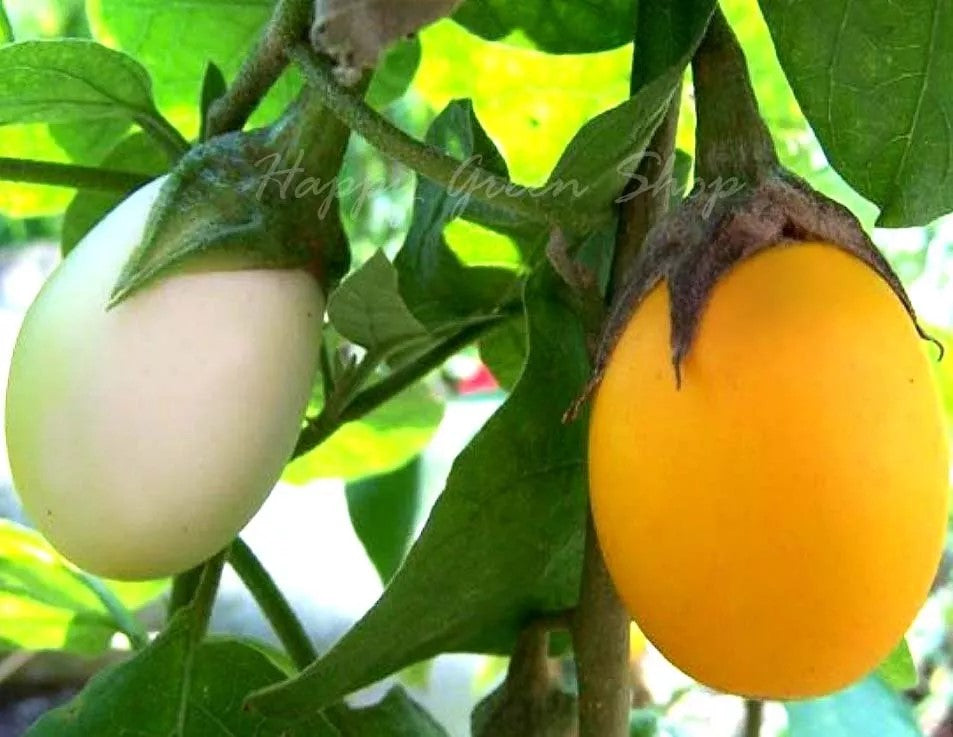
Aubergine 'Golden Egg' – Seeds (Solanum melongena)
Add a touch of the unusual to your garden with the striking Golden Egg aubergine. This rare and decorative variety produces small, oval fruits that ripen to a stunning golden yellow. Compact and easy to grow, it’s both ornamental and edible, making it a real talking point in any kitchen garden, greenhouse, or patio pot. The tender fruits are perfect for grilling, baking, or adding a unique twist to your favorite dishes.
How to Grow
-
Sow seeds indoors from January to April at 20–25°C.
-
Sow 0.5 cm deep in trays or pots of moist compost.
-
Transplant seedlings into larger pots when strong enough.
-
Harden off and plant into greenhouse borders, grow bags, or sunny sheltered beds after the last frost.
-
Water regularly and support as fruits develop.
Key Features
-
Rare aubergine variety with golden-yellow fruits
-
Compact plants, ideal for pots and greenhouses
-
Edible and ornamental – perfect for display and cooking
-
Easy to grow with good yields
-
Unique centerpiece for kitchen gardens
Ideal For
-
Greenhouses, polytunnels, and sunny patios
-
Decorative planting with edible appeal
-
Grilling, baking, and creative cooking
-
Gardeners looking for something unusual
Sowing & Harvest
-
Sow: January to April (indoors)
-
Depth: 0.5 cm
-
Spacing: 40–50 cm
-
Harvest: August to October
Quick Tip
-
For best results, pick fruits regularly when firm and brightly colored to encourage continuous production.
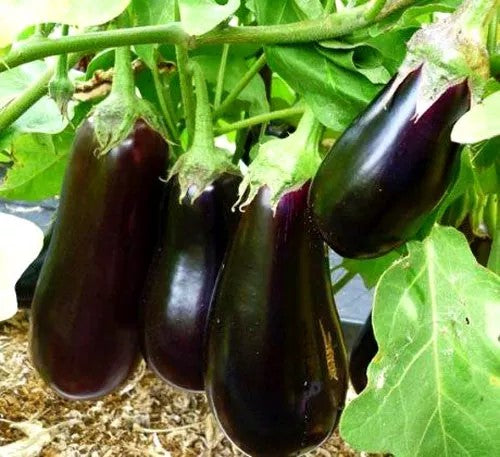
Aubergine ‘Halflange Violette’ Seeds (Solanum melongena)
Grow flavorful, glossy vegetables with Aubergine ‘Halflange Violette’ (Solanum melongena). This compact variety produces medium-sized, deep purple fruits with tender flesh, perfect for grilling, roasting, or baking. Easy to cultivate in warm climates or greenhouses, it offers a high-yield, homegrown harvest of versatile aubergines.
How to Grow
-
Sow seeds indoors 8–10 weeks before the last frost.
-
Use well-drained, fertile soil in a warm, sunny location.
-
Sow seeds 0.5–1 cm deep and keep soil consistently moist.
-
Maintain a temperature of 22–26°C for optimal germination (10–14 days).
-
Transplant seedlings outdoors or into large containers after all risk of frost has passed, spacing 50–60 cm apart.
-
Water regularly and support plants if necessary.
-
Harvest fruits when fully colored, firm, and glossy.
Key Features
-
Medium-sized, deep purple fruits with tender flesh
-
Compact, high-yield variety
-
Ideal for grilling, roasting, baking, and fresh cooking
-
Easy to grow in warm climates or greenhouses
-
Attractive, glossy vegetables for garden or container planting
Ideal For
-
Vegetable gardens, raised beds, and large containers
-
Grilling, roasting, baking, and culinary use
-
Homegrown, high-yield aubergines
-
Greenhouse cultivation in cooler regions
Sowing
-
Best time: 8–10 weeks before last frost indoors
-
Depth: 0.5–1 cm
-
Spacing: 50–60 cm apart outdoors
-
Prefers full sun, warm conditions, and fertile, well-drained soil
Quick Tip
-
Pinch the growing tips to encourage bushier growth and higher fruit production.
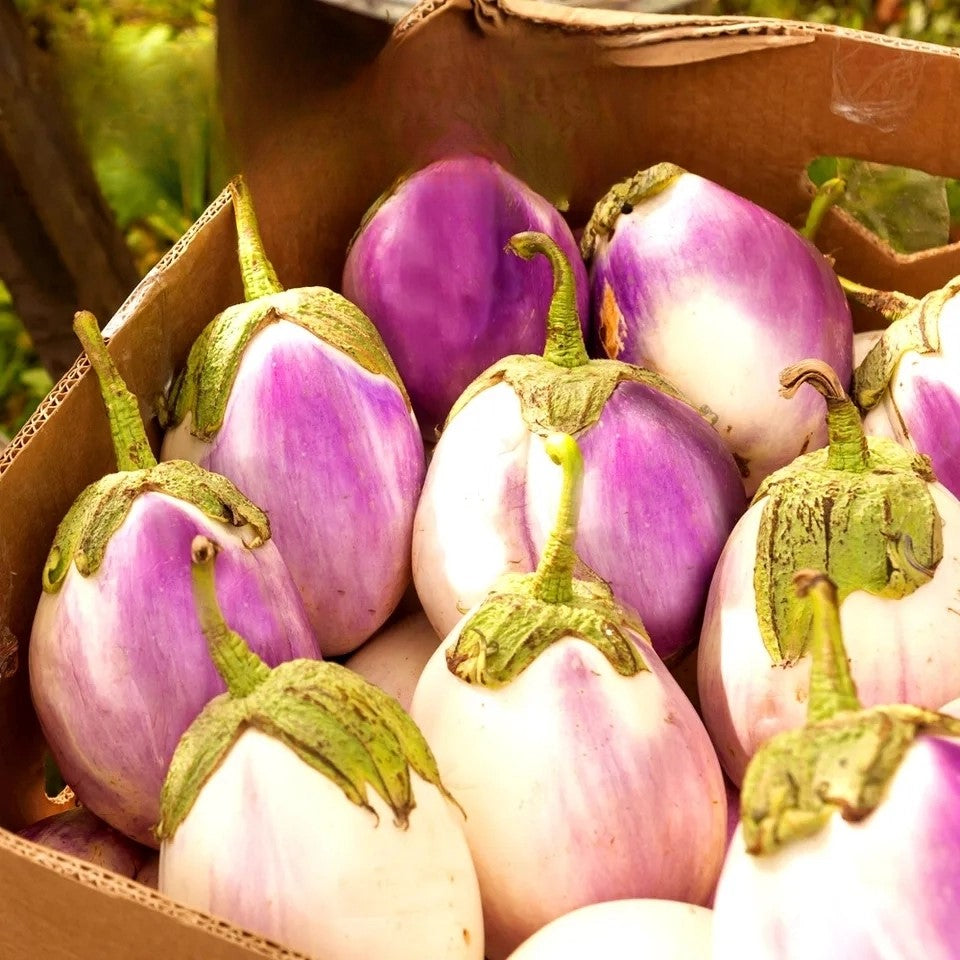
Aubergine 'Rotonda Bianca Sfumata di Rosa' – Seeds (Solanum melongena)
A true Italian heirloom, ‘Rotonda Bianca Sfumata di Rosa’ is one of the most striking and delicious aubergines you can grow. Its fruits are round, creamy-white with beautiful pink to violet shading, making them as decorative as they are tasty. The flesh is tender, mild, and sweet, never bitter, and perfect for grilling, roasting, or adding to Mediterranean dishes. Productive plants produce a generous harvest throughout summer.
How to Grow
-
Sow indoors: January – April, in pots or seed trays, 0.5 cm deep.
-
Germination: 18–25°C; aubergines need steady warmth to sprout.
-
Transplant: Pot on seedlings and harden off before planting outdoors after frost.
-
Spacing: 50–60 cm apart.
-
Position: Full sun, sheltered and warm spot (greenhouse or polytunnel recommended in cooler climates).
Key Features
-
Traditional Italian heirloom aubergine
-
Decorative, round fruits with pink-violet blush
-
Tender flesh with mild, sweet flavor
-
Prolific, long harvest period
-
Ideal for grilling, baking, or Mediterranean cooking
Ideal For
-
Mediterranean cuisine (Parmigiana, Ratatouille, Grilled Aubergine)
-
Greenhouses, polytunnels, or sunny gardens
-
Gardeners seeking unique, colourful crops
Sowing & Harvest
-
Sow: January – April
-
Harvest: July – September
Quick Tip
For best results, pinch out the growing tip once the plant has 5–6 fruits developing. This helps focus energy on ripening for a bigger, tastier harvest.
Showing 45/868


