
Sort by:
869 products
869 products


Marguerite Yellow Daisy Seeds (Anthemis tinctoria)
Marguerite Yellow Daisy is a hardy perennial that produces bright, cheerful yellow daisy-like flowers from early summer to autumn. Its aromatic foliage and long-lasting blooms make it perfect for borders, cottage gardens, and pollinator-friendly plantings. Easy to grow and low-maintenance, it brings sunshine to any garden space.
What Makes It Special
-
Vibrant yellow daisy-like blooms all summer
-
Aromatic foliage adds texture and interest
-
Hardy, long-flowering, and attracts pollinators
Key Features
-
Botanical name: Anthemis tinctoria
-
Hardy perennial
-
Height: 50–70 cm
-
Bloom time: Early summer to autumn
Ideal For
-
Borders and cottage gardens
-
Pollinator-friendly plantings
-
Cut flowers and naturalized areas
Sowing
-
Sow indoors Feb–Apr or outdoors Apr–Jun
-
Cover seeds lightly with soil
-
Germination: 14–21 days at 18–22°C
-
Space seedlings 30–40 cm apart
-
Flowers from the second year onward
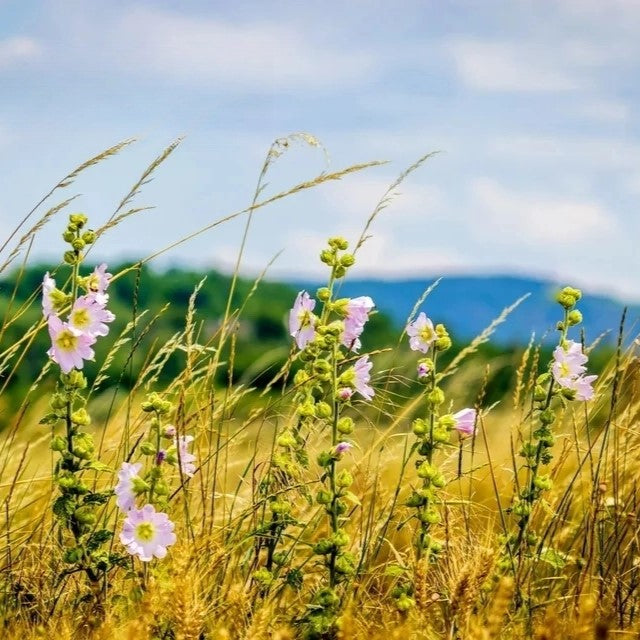
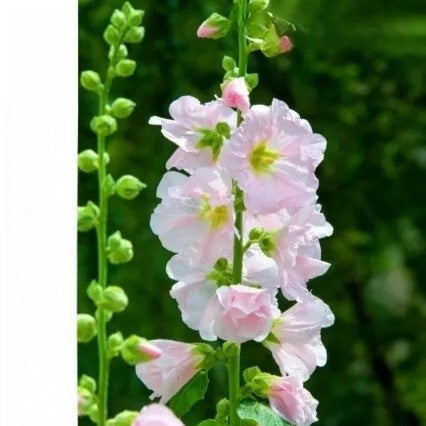
Marsh Mallow – Seeds (Althaea officinalis)
Marsh Mallow is a hardy perennial herb known for its tall, elegant growth and soft, velvety leaves. Traditionally valued for its medicinal properties, its roots and leaves can be used in herbal remedies, teas, and natural skincare preparations. The plant also produces attractive pale pink flowers that add charm to herb and cottage gardens.
Ideal for garden beds, borders, and natural herbal plots, Marsh Mallow is easy to grow and low-maintenance once established.
How to Grow
-
Sow indoors: February – April
-
Sow outdoors: April – May
-
Depth: 0.5–1 cm
-
Spacing: 40–50 cm between plants
-
Position: Full sun to partial shade
-
Soil: Fertile, well-drained, moist
-
Watering: Regular watering until established
Key Features
-
Hardy perennial herb with medicinal and culinary uses
-
Soft, velvety leaves and pale pink flowers
-
Ideal for teas, herbal remedies, and natural skincare
-
Low-maintenance once established
-
Suitable for herb gardens, borders, and cottage gardens
Harvest
-
Harvesting period: Summer – Autumn
-
Pick leaves and flowers as needed; roots can be harvested in autumn for medicinal use.
Short Tip
For a continuous supply, harvest leaves selectively and leave some to flower for seeds.
Matthiola Stock Ten Week Light Blue – Seeds (Matthiola incana)
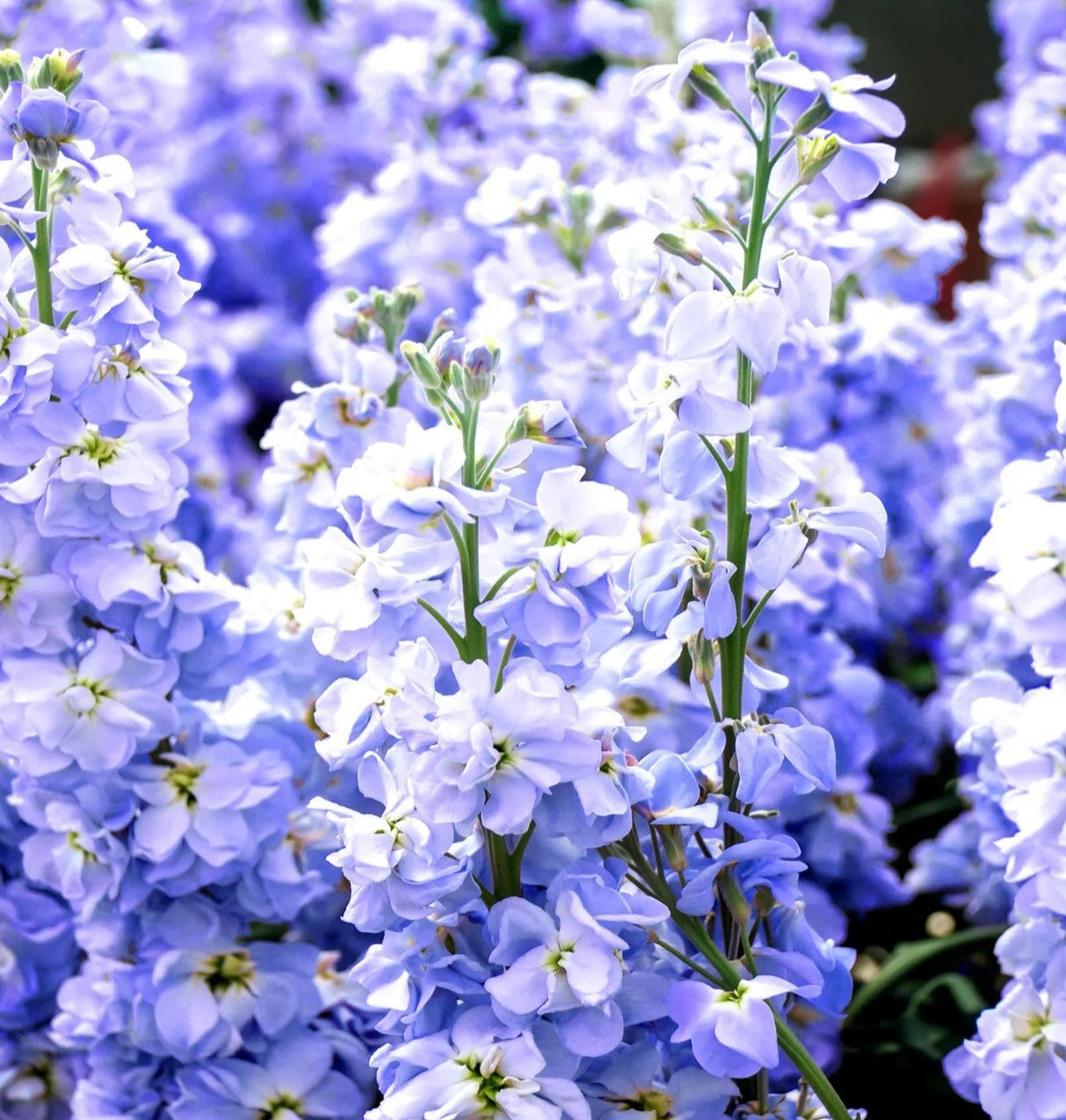
Matthiola Stock Ten Week Light Blue (Matthiola incana) is a charming annual known for its elegant spikes of soft, light blue blooms. Flowering just 10 weeks after sowing, this variety combines quick growth with long-lasting beauty. Renowned for its delightful fragrance, it is perfect for borders, beds, and containers, as well as cut flower arrangements. A cottage garden favorite, it brings both color and scent into your summer garden.
Why Grow "Ten Week Light Blue"
-
Soft light blue flower spikes with a sweet fragrance
-
Quick to flower – just 10 weeks from sowing
-
Ideal as cut flowers with long-lasting blooms
-
Compact, easy-to-grow annual
Key Features
-
Type: Half-hardy annual (Matthiola incana)
-
Height: 25–40 cm
-
Flowering: Early to late summer
-
Position: Full sun
-
Uses: Borders, cottage gardens, containers, cut flowers
Ideal For
-
Adding soft pastel color to summer borders
-
Fragrant cottage-style planting
-
Cut flower bouquets and arrangements
-
Quick and rewarding garden displays
Sowing & Growing
-
Sow indoors: February–April in trays or pots
-
Germination: 10–20 days at 15–18°C
-
Transplant outdoors after frost danger has passed
-
Space seedlings: 20–25 cm apart
-
Prefers fertile, well-drained soil in full sun

Meadow English Daisy White – Timeless Cottage Garden Beauty
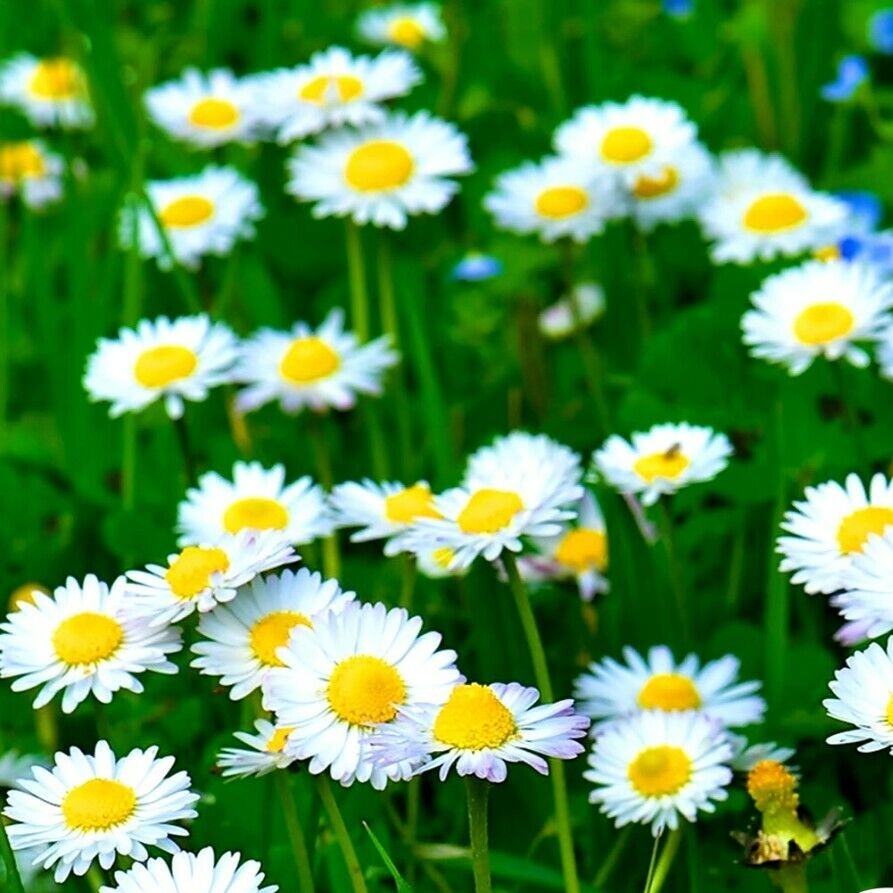
Meadow English Daisy White produces neat rosettes of dark green foliage topped with charming pure-white, yellow-centred blooms. These low-growing perennials are perfect for edging, rock gardens, lawns, and spring bedding. Flowering in early spring through summer, they bring a fresh, classic look to garden spaces and are loved by pollinators.
What Makes It Special
-
Classic pure-white flowers with sunny yellow centres
-
Early spring to summer blooms for fresh garden color
-
Low-growing, easy-care perennial
-
Ideal for naturalising in lawns and meadows
-
Loved by bees and butterflies
Key Features
-
Height: 10–15 cm – compact and neat
-
Hardy perennial – returns year after year
-
Excellent for early-season pollinators
-
Works well in borders, pots, and rock gardens
-
Versatile and adaptable to many soil types
Ideal For
-
Lawns, meadows, and naturalised plantings
-
Cottage and wildlife-friendly gardens
-
Rock gardens and path edging
-
Early-spring bedding displays
Sowing
-
Sow in trays or direct from spring to early summer
-
Press seeds gently into the surface – do not cover (light helps germination)
-
Germination: 14–21 days at 15–20°C
-
Space plants 15–20 cm apart
-
Prefers full sun to partial shade and moist, well-drained soil

Meadow Flower Mixed Seeds – 1 g
Meadow Flower Mixed Seeds is a vibrant blend of wildflowers designed to create a colorful, natural-looking meadow in your garden. This mix produces blooms in a variety of shapes, sizes, and colors, attracting bees, butterflies, and other pollinators. Ideal for borders, lawns, and wildflower areas, it’s easy to grow and adds long-lasting beauty while supporting local wildlife.
Why Grow "Meadow Flower Mix"
-
Creates a natural, colorful meadow display
-
Attracts bees, butterflies, and pollinators
-
Easy-to-grow, low-maintenance annuals and perennials
-
Adds biodiversity and seasonal interest to your garden
Key Features
-
Type: Mixed wildflower seeds
-
Quantity: 1 g
-
Flowering: Late spring to autumn (varies by species)
-
Position: Full sun to partial shade
-
Uses: Borders, wildflower areas, lawns, pollinator gardens
Ideal For
-
Creating natural meadow-like borders and beds
-
Attracting pollinators and supporting wildlife
-
Low-maintenance, seasonal color displays
-
Gardeners seeking a mix of annuals and perennials for long-lasting blooms
Sowing & Growing
-
Sow directly outdoors: March–May
-
Germination: 10–21 days (varies by species)
-
Thin seedlings as needed, spacing according to plant type
-
Prefers well-drained soil and sunny locations
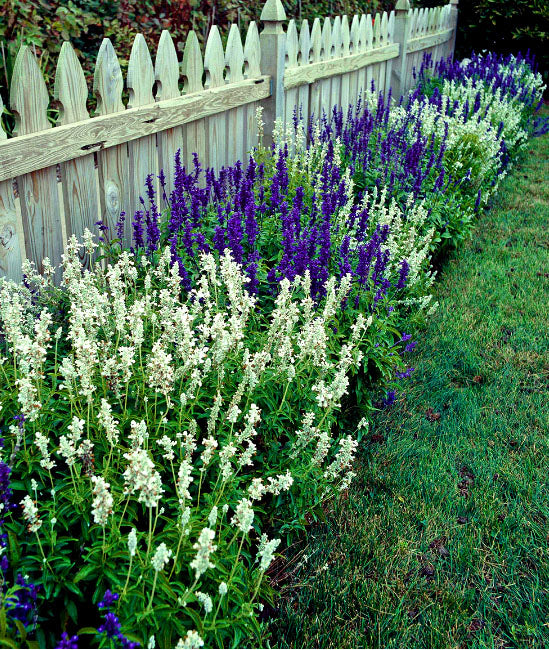
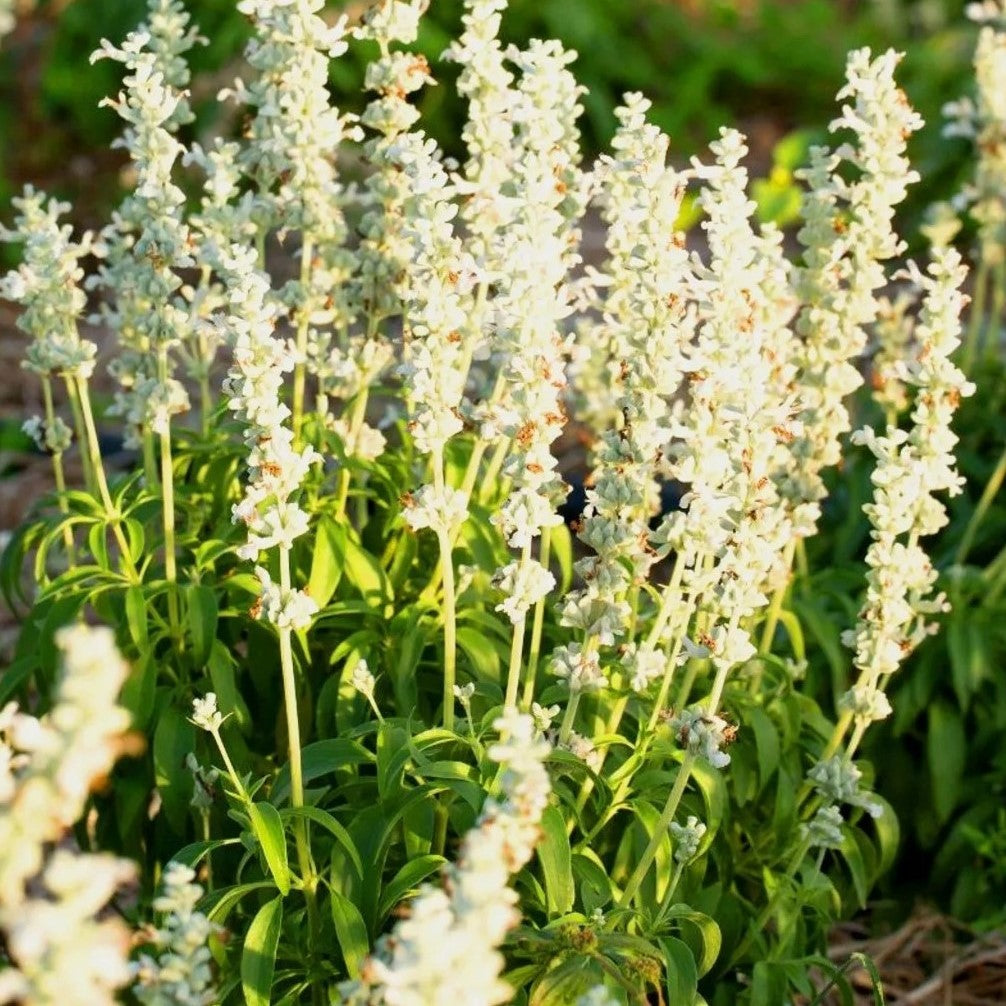
Mealy Cup Sage ‘White Victory’ Seeds (Salvia farinacea)
Add elegance and long-lasting color to your garden with Mealy Cup Sage ‘White Victory’ (Salvia farinacea). This hardy annual produces spikes of pure white flowers above silvery-green foliage, creating a striking vertical accent in borders, beds, and containers. Easy to grow and drought-tolerant once established, it attracts pollinators and offers a long season of interest from summer through autumn.
How to Grow
-
Sow seeds indoors 6–8 weeks before the last frost or directly outdoors after frost risk has passed.
-
Use well-drained soil in a sunny location.
-
Lightly cover seeds with soil and keep moist until germination (10–14 days).
-
Thin seedlings to 25–30 cm apart once established.
-
Water regularly, reducing frequency once plants are established.
-
Deadhead spent flowers to encourage continuous blooming.
Key Features
-
Spikes of pure white flowers above silvery-green foliage
-
Long-flowering annual from summer through autumn
-
Drought-tolerant and easy to grow
-
Excellent for borders, beds, and containers
-
Attracts bees, butterflies, and other pollinators
Ideal For
-
Flower borders and beds
-
Containers, patio planters, and window boxes
-
Pollinator-friendly gardens
-
Cut flower arrangements
Sowing
-
Best time: 6–8 weeks before last frost indoors, or after frost outdoors
-
Germination: 10–14 days
-
Sow thinly, cover lightly, and keep soil moist
-
Prefers full sun and well-drained soil
Quick Tip
-
Deadhead regularly to encourage prolonged flowering and maintain a tidy appearance.

Meadow Sage – Seeds (Salvia pratensis)
Meadow Sage (Salvia pratensis) is a hardy perennial wildflower with elegant spikes of deep violet-blue blooms. Highly attractive to bees, butterflies, and other beneficial insects, it adds natural beauty and biodiversity to any garden. Long-flowering and low-maintenance, this sage is ideal for wild meadows, borders, and pollinator-friendly plantings.
Why Grow Meadow Sage?
-
Striking violet-blue flower spikes
-
Attracts bees, butterflies, and pollinators
-
Hardy, drought-tolerant perennial
-
Low-maintenance and long-lasting
Key Features
-
Type: Perennial
-
Height: 40–70 cm
-
Spread: 30–40 cm
-
Flowering: June–August
-
Position: Full sun
-
Soil: Well-drained, moderately fertile
Ideal For
-
Wildflower meadows
-
Pollinator-friendly gardens
-
Naturalized plantings
-
Sunny borders and cottage gardens
Sowing & Growing
-
Sow indoors: February–April in trays/pots
-
Germination: 14–21 days at 18–20°C
-
Transplant outdoors: After last frost
-
Direct sow outdoors: April–June or September
-
Spacing: 30–40 cm apart
Tip: Cutting back after flowering encourages a second flush of blooms.
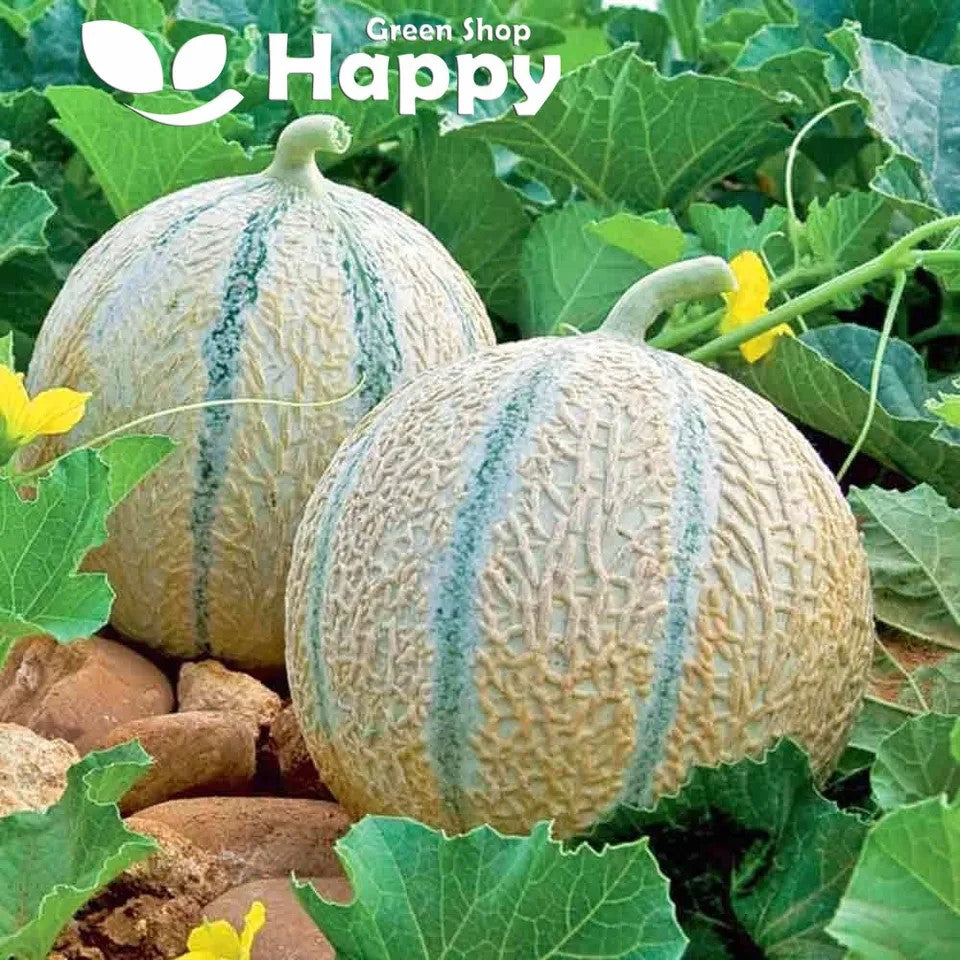
Melon 'Charentais' Seeds (Cucumis melo)
Enjoy the taste of France in your garden with Melon 'Charentais' (Cucumis melo). This classic French heirloom variety produces small, round melons with smooth grey-green skin and rich, aromatic orange flesh. Sweet, juicy, and intensely fragrant, it’s the perfect melon for fresh eating, desserts, and gourmet summer salads.
How to Grow
-
Sow seeds indoors 3–4 weeks before the last frost.
-
Use rich, well-drained soil in a warm, sunny spot.
-
Sow seeds 1.5–2 cm deep and keep soil moist until germination (7–10 days).
-
Transplant outdoors after frost, spacing 60–90 cm apart.
-
Harvest when fruits turn fragrant and skin shows slight cracking near the stem.
Key Features
-
Classic French heirloom melon
-
Small, round fruits with smooth grey-green skin
-
Intensely sweet, juicy, and aromatic orange flesh
-
Perfect for fresh eating, desserts, and summer salads
-
Compact vines, ideal for gardens and greenhouses
Ideal For
-
Home gardeners seeking gourmet-quality fruit
-
Fresh summer snacking and desserts
-
Greenhouse, polytunnel, or warm outdoor gardens
-
Lovers of fragrant, sweet melons
Sowing
-
Best time: Indoors 3–4 weeks before last frost
-
Depth: 1.5–2 cm
-
Spacing: 60–90 cm apart
-
Prefers full sun and rich, well-drained soil
Quick Tip
-
For the sweetest flavor, allow melons to ripen fully on the vine before picking.
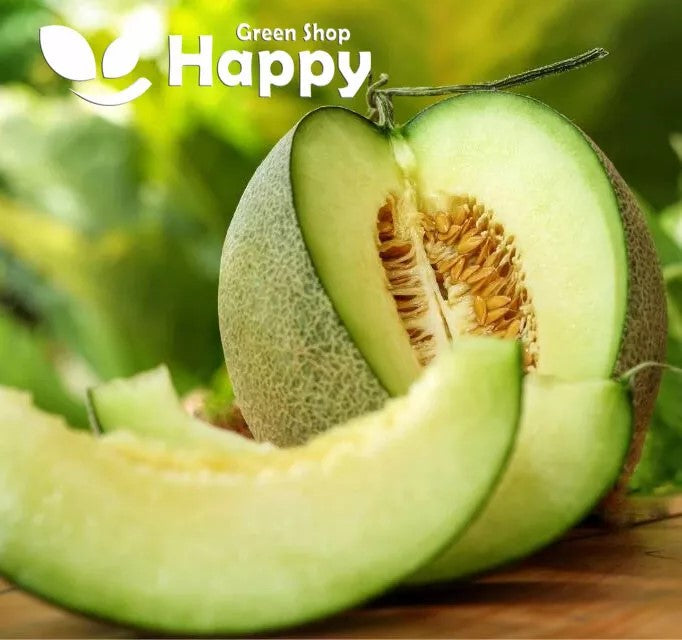
Melon 'Honeydew' – Seeds (Cucumis melo)
Enjoy the sweet, juicy flavor of Honeydew Melon, a classic variety known for its smooth pale green skin and luscious, pale green flesh. Perfect for fresh summer desserts, smoothies, and fruit salads, Honeydew is a highly rewarding melon for home gardeners. With proper care, it produces medium to large fruits that are sweet, fragrant, and full of summer flavor.
How to Grow
. Sow indoors: March – May, 1–2 cm deep in pots or seed trays
. Transplant outdoors: After last frost, spacing 60–80 cm apart in fertile, well-drained soil
. Sow outdoors: May – June, in warm, sunny locations
. Requires consistent watering and full sun for optimal sweetness
. Harvest: When fruits are heavy, with a waxy bloom on the skin and a sweet aroma
Key Features
. Classic Honeydew melon with smooth pale green skin
. Sweet, juicy, aromatic pale green flesh
. Medium to large fruits for fresh eating and salads
. High-yielding and rewarding summer crop
. Ideal for warm, sunny gardens or greenhouse growing
Ideal For
. Fresh summer desserts, fruit salads, and smoothies
. Home gardens and allotments
. Greenhouse cultivation for earlier harvests
. Gardeners seeking fragrant, sweet melons
Sowing & Harvest
. Sow: March – June
. Harvest: August – September
Quick Tip
For sweeter fruits, provide full sun, warm soil, and consistent watering, and avoid overhead watering to reduce the risk of fungal disease.
Showing 459/869


