
Sort by:
869 products
869 products
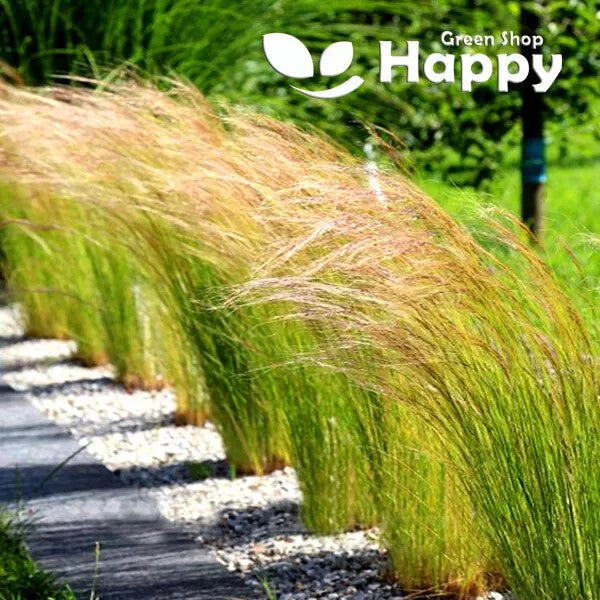
Mexican Feather Grass Seeds (Stipa tenuissima)
Mexican Feather Grass is a delicate and elegant ornamental grass known for its fine, wispy foliage and soft, flowing plumes. Its graceful movement in the wind and silvery-green foliage makes it a standout in borders, rock gardens, or naturalistic landscapes. This low-maintenance grass also works beautifully in cut and dried flower arrangements.
What Makes It Special
-
Ultra-fine, feathery foliage that sways with the breeze
-
Creates a soft, flowing texture in gardens and containers
-
Adds a naturalistic, meadow-like effect
-
Excellent for fresh or dried floral arrangements
Key Features
-
Botanical name: Stipa tenuissima
-
Common name: Mexican Feather Grass
-
Seed count: Approx. seeds per pack
-
Height/Spread: 30–60 cm tall, 20–40 cm spread
-
Position: Full sun, well-drained soil
-
Flowering period: Summer
-
Lifespan: Annual or short-lived perennial in mild climates
Ideal For
-
Ornamental borders and rock gardens
-
Containers and patio pots
-
Naturalistic or meadow-style plantings
-
Cut flowers and dried arrangements
-
Low-maintenance gardens with texture and movement
Sowing Instructions
-
When to sow: March–May outdoors after frost, or indoors 4–6 weeks earlier
-
How to sow:
-
Scatter seeds on prepared soil and press lightly
-
Do not cover too deeply; seeds need light for germination
-
Keep soil lightly moist until seedlings appear (14–21 days)
-
-
Spacing: Thin seedlings to 20–30 cm apart
-
Care: Very low-maintenance; tolerates dry, poor soils and full sun
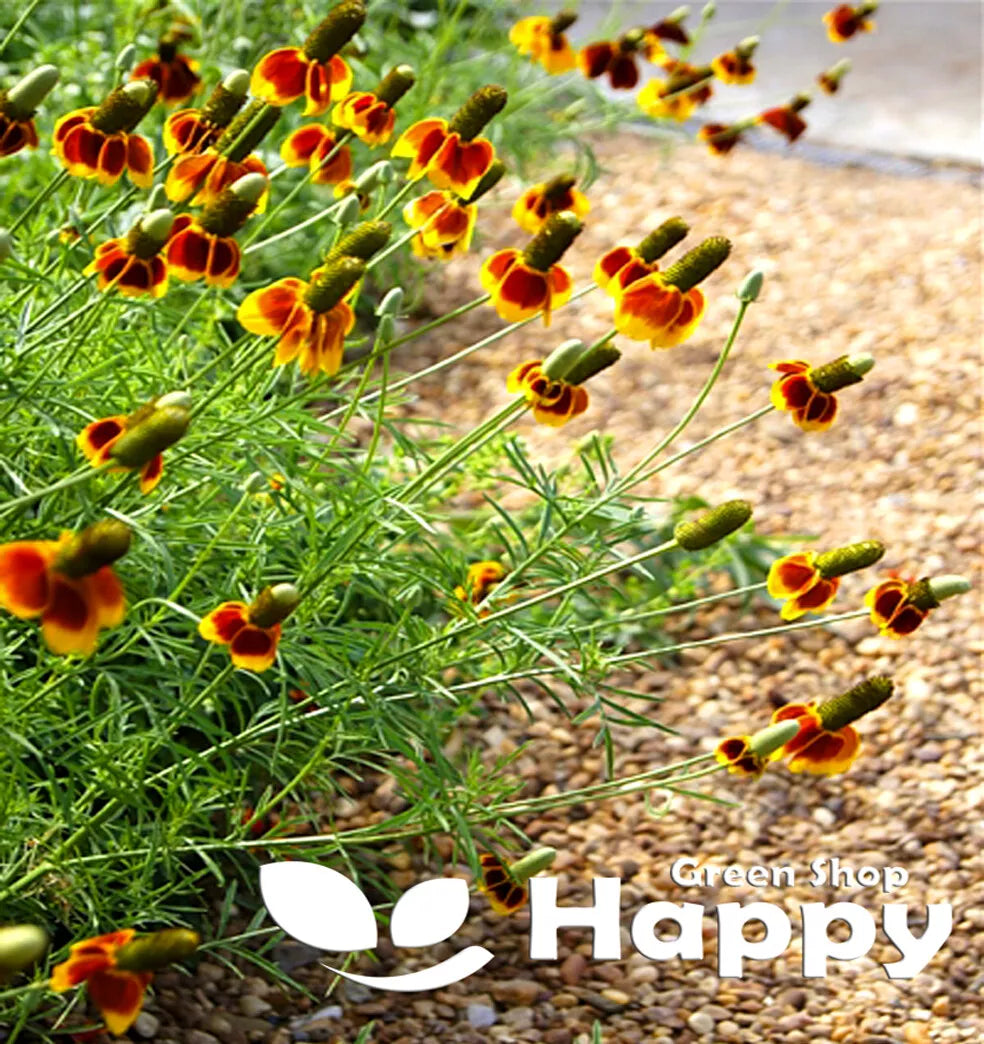

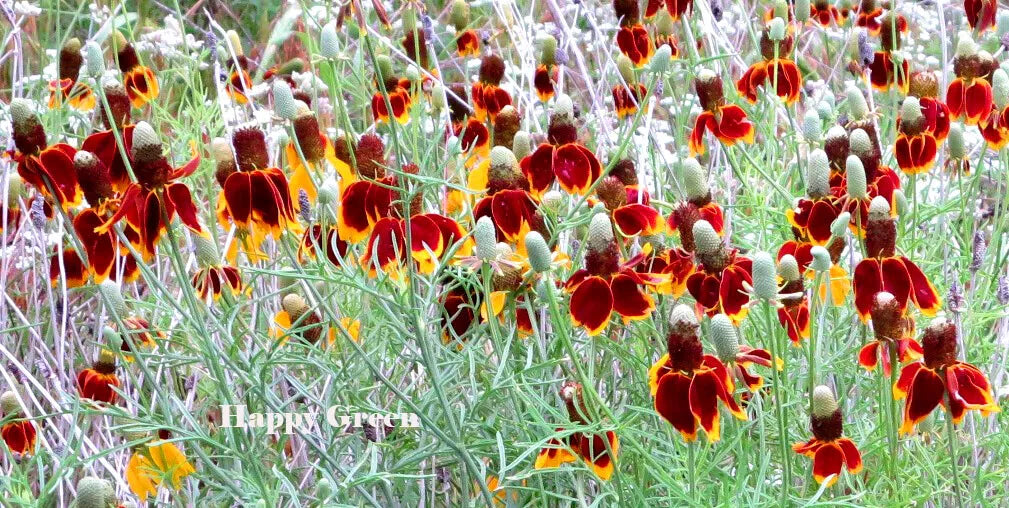
Mexican Hat – Seeds (Ratibida columnifera)
Mexican Hat (Ratibida columnifera) is a striking perennial wildflower named for its sombrero-shaped blooms. From summer into autumn, it produces vibrant yellow and red petals surrounding a tall, central cone. Hardy and drought-tolerant, it thrives in poor soils and full sun, making it perfect for naturalistic plantings, meadows, and wildlife gardens. Its long-lasting blooms attract bees, butterflies, and other pollinators, adding color and biodiversity to your outdoor space.
Why Grow "Mexican Hat"
-
Unique sombrero-shaped flowers in yellow and red
-
Long flowering from summer to autumn
-
Drought-tolerant and thrives in poor soils
-
Attracts bees, butterflies, and other pollinators
Key Features
-
Type: Perennial (Ratibida columnifera)
-
Height: 60–90 cm
-
Flowering: Summer to autumn
-
Position: Full sun
-
Uses: Meadows, wildlife gardens, borders, naturalistic plantings
Ideal For
-
Wildflower meadows and prairie-style gardens
-
Pollinator-friendly planting
-
Low-maintenance and drought-tolerant gardens
-
Adding unique blooms to borders and beds
Sowing & Growing
-
Sow indoors: 6–8 weeks before last frost
-
Sow outdoors: After frost danger has passed
-
Germination: 14–21 days
-
Space seedlings: 25–30 cm apart
-
Prefers well-drained, sandy or poor soils in full sun

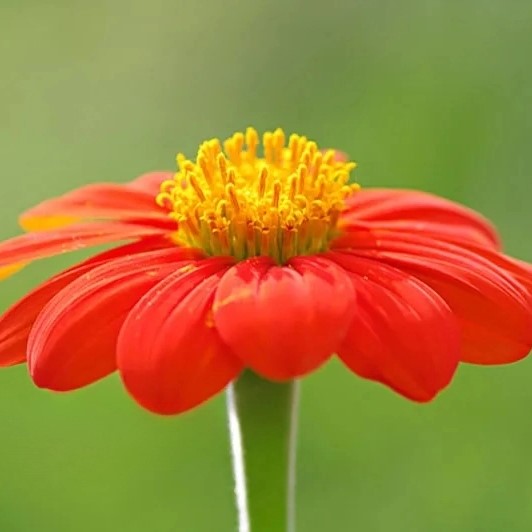
Mexican Sunflower Scarlet Red Seeds (Tithonia speciosa)
The Mexican Sunflower ‘Scarlet Red’ (Tithonia speciosa) is a bold, heat-loving annual that produces masses of large, daisy-like blooms in brilliant scarlet-red. A true magnet for butterflies, bees, and hummingbirds, this tall and vibrant flower adds fiery color to borders, wildlife gardens, and cutting displays. With its long flowering season and easy care, it thrives in sunny spots and poor soils.
Why Grow Mexican Sunflower ‘Scarlet Red’?
-
Striking scarlet-red blooms up to 8 cm across
-
Loved by pollinators and beneficial insects
-
Tall, branching plants for a dramatic display
-
Thrives in heat, sun, and poor soil
Key Features
-
Botanical name: Tithonia speciosa
-
Type: Half-hardy annual
-
Height: 120–150 cm
-
Spread: 60–75 cm
-
Flowering: July–October
Ideal For
-
Cottage and wildlife gardens
-
Pollinator-friendly plantings
-
Tall borders and backdrops
-
Cut flower arrangements
Sowing & Growing
-
Sow indoors: March–April, 0.5 cm deep in trays or pots
-
Transplant outdoors after frost, spacing 40–50 cm apart
-
Sow outdoors: May, directly where they are to grow
-
Prefers full sun and well-drained soil

Mexican Tarragon – Seeds
(Tagetes lucida) – Perennial Herb / Ornamental
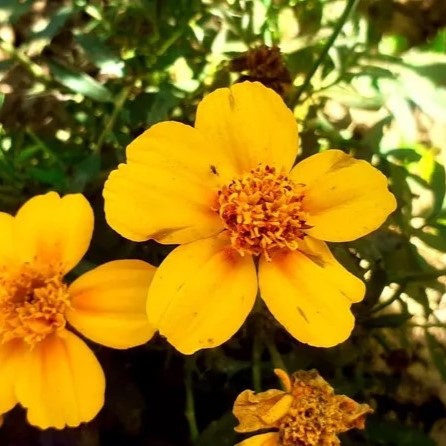
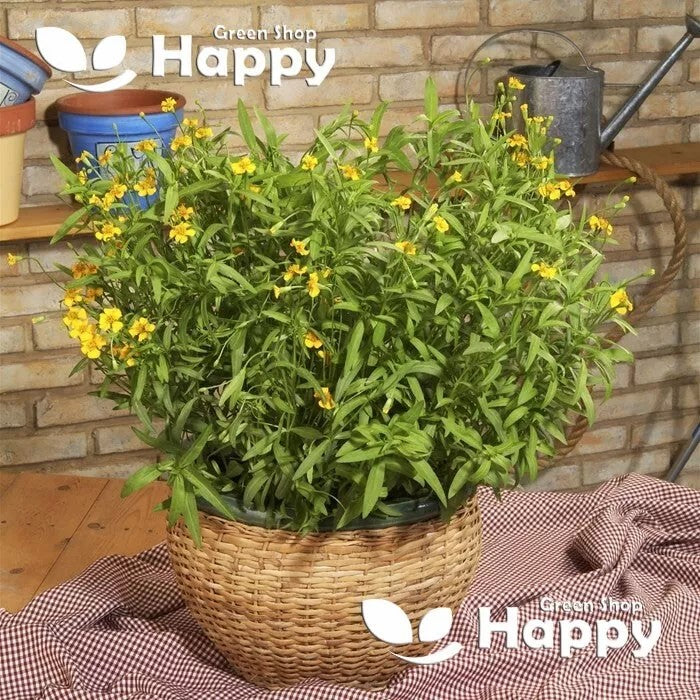
Mexican Tarragon, also known as Sweet Mace or Spanish Tarragon, is a versatile plant prized both as a culinary herb and a decorative flower. It produces bright golden-yellow blossoms and aromatic leaves with a distinctive anise-like flavor, often used as a substitute for French tarragon in cooking. Highly valued in traditional medicine and rituals, it is also a magnet for pollinators like bees and butterflies.
Key Features
-
Type: Tender perennial (often grown as annual in cooler climates)
-
Height: 45–75 cm
-
Spread: 30–40 cm
-
Flowers: Clusters of golden-yellow blooms
-
Blooming period: Summer to autumn
-
Position: Full sun
-
Soil: Well-drained, moderately fertile soil
-
Other: Aromatic foliage; edible herb
Ideal For
-
Herb and kitchen gardens
-
Summer borders and cottage gardens
-
Pollinator-friendly gardens
-
Containers and pots
-
Edible landscaping
Culinary & Herbal Uses
-
Leaves used fresh or dried in soups, sauces, chicken, and fish dishes
-
Herbal teas with calming properties
-
Traditional medicinal and ceremonial uses
Sowing & Growing
-
Sow indoors: February–April in seed trays with light soil.
-
Germination: 7–14 days at 18–22°C.
-
Transplant: Harden off and plant outdoors after the last frost.
-
Care: Prefers sunny, warm positions. Pinch young shoots to encourage bushiness. Harvest leaves before flowering for best flavor.
Mexican Zinnia Mix – Bright, Heat-Loving Blooms All Summer
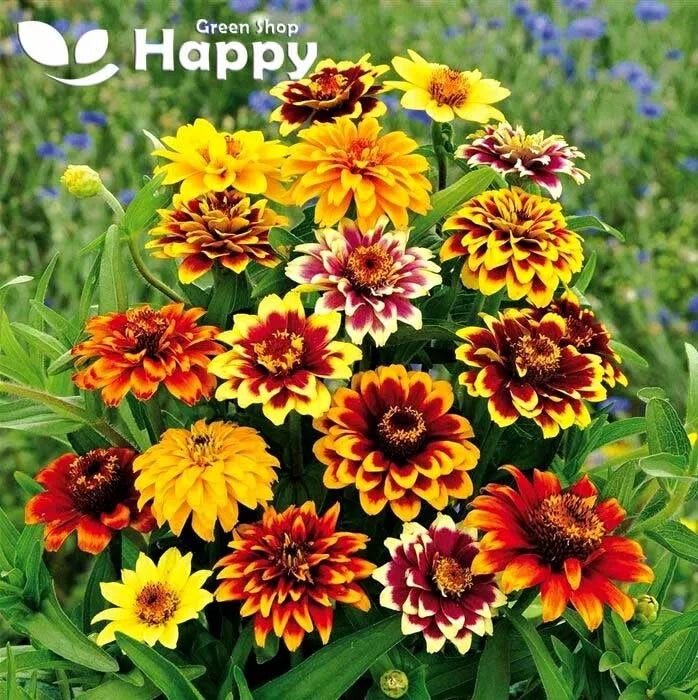
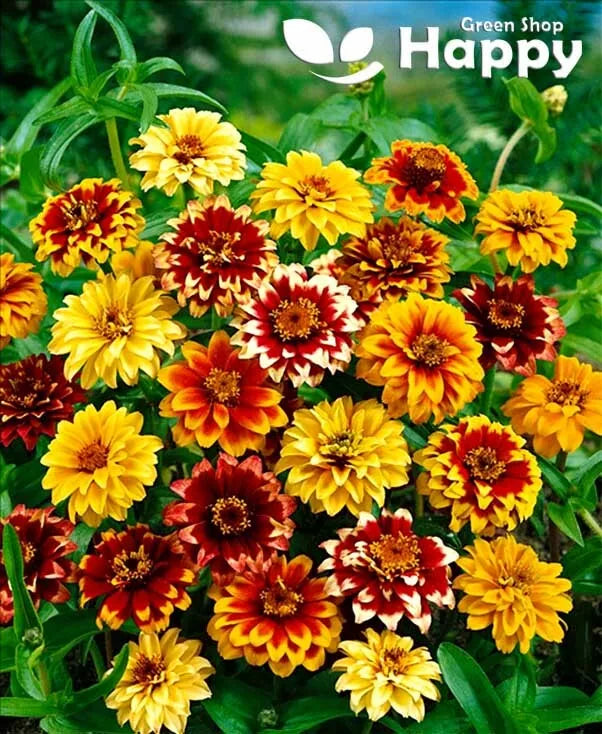
Mexican Zinnia Mix is a vibrant, hardy variety producing masses of small, cheerful blooms in warm shades of gold, orange, red, and bicolors. Known for thriving in hot, dry conditions, these zinnias keep blooming from early summer right through to frost, making them a low-maintenance favorite for sunny gardens and containers.
What Makes It Special
-
Brilliant warm-toned blooms that love the heat
-
Long-lasting color even in dry conditions
-
Continuous flowering from summer to frost
-
Attracts bees, butterflies, and pollinators
-
Resilient and easy to grow
Key Features
-
Height: 30–40 cm – neat, bushy plants
-
Warm shades of yellow, orange, red, and bicolors
-
Great for edging, borders, and pots
-
Low-maintenance and drought-tolerant
-
Blooms stay fresh and vibrant for weeks
Ideal For
-
Hot, sunny borders and beds
-
Patio containers and balcony planters
-
Pollinator-friendly gardens
-
Summer-long color displays
Sowing
-
Sow indoors 4–6 weeks before last frost or direct sow after frost danger has passed
-
Cover seeds lightly with fine soil
-
Germination: 5–10 days at 21–24°C
-
Space plants 20–25 cm apart
-
Prefers full sun and well-drained soil
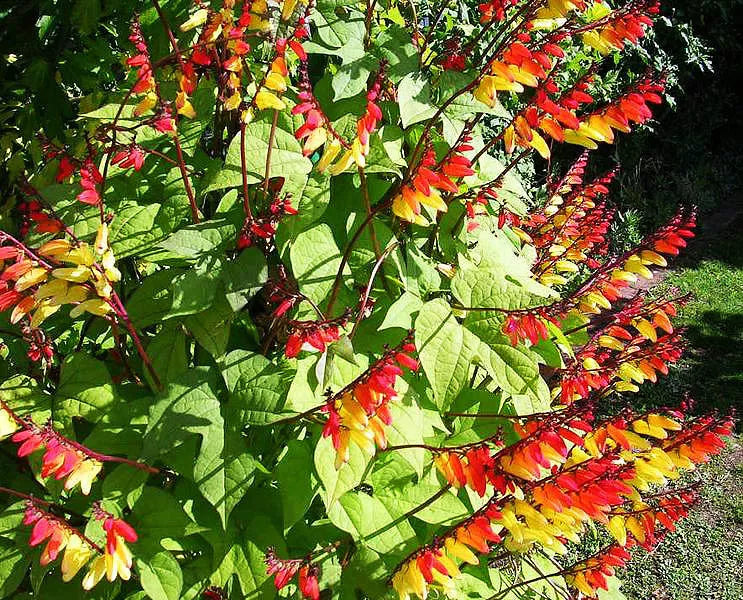
Mina 'Spanish Flag' – 65 Seeds (Mina lobata)
Bring vibrant color and vertical drama to your garden with Mina lobata, also known as the Spanish Flag or Exotic Love Vine. This spectacular climber produces cascades of flame-like flower spikes that open red, then mature through orange, yellow, and finally creamy white—creating a dazzling tricolor effect all season long. Fast-growing and easy to train, it’s a showstopper for trellises, arches, and fences.
What Makes It Special
-
Striking multi-colored flower spikes in fiery shades
-
A vigorous annual climber that covers structures quickly
-
Long-lasting blooms from summer to frost
Key Features
-
Height: up to 3–5 m with support
-
Annual, fast-growing
-
Blooms from midsummer to autumn
-
Perfect for vertical gardening and decorative screening
Ideal For
-
Trellises, arches, pergolas, and fences
-
Adding a tropical flair to summer gardens
-
Containers with climbing supports
Sowing
-
Sow indoors Feb–Apr at 18–22°C
-
Germination: 10–21 days
-
Harden off and plant outdoors after last frost in full sun
-
Provide strong support for climbing

Mixed Cacti – Seeds
Mixed Cacti is a collection of hardy, slow-growing succulent plants perfect for indoor or outdoor rockeries, terrariums, and container gardens. These unique plants feature a variety of shapes, sizes, and textures, adding exotic charm to any collection. Ideal for hobby gardeners, collectors, and low-maintenance garden enthusiasts.
Why Grow Mixed Cacti?
-
Variety of unique shapes, sizes, and textures
-
Low-maintenance and drought-tolerant
-
Perfect for indoor, outdoor, or container planting
-
Adds exotic appeal to any garden or collection
Key Features
-
Type: Succulent / Cacti
-
Height: Varies by species
-
Flowers: Seasonal (species-dependent)
-
Position: Full sun to partial shade
-
Soil: Well-drained, sandy or cactus mix
Ideal For
-
Terrariums, rockeries, and container gardens
-
Indoor and outdoor succulent collections
-
Low-maintenance and drought-tolerant plantings
-
Gardeners and collectors seeking variety
Sowing & Growing
-
Sow indoors: February–April in seed trays
-
Sow outdoors: April–May in well-drained soil
-
Germination: 2–6 weeks, depending on species
-
Spacing: Plant according to mature size
-
Care: Minimal watering; avoid overwatering
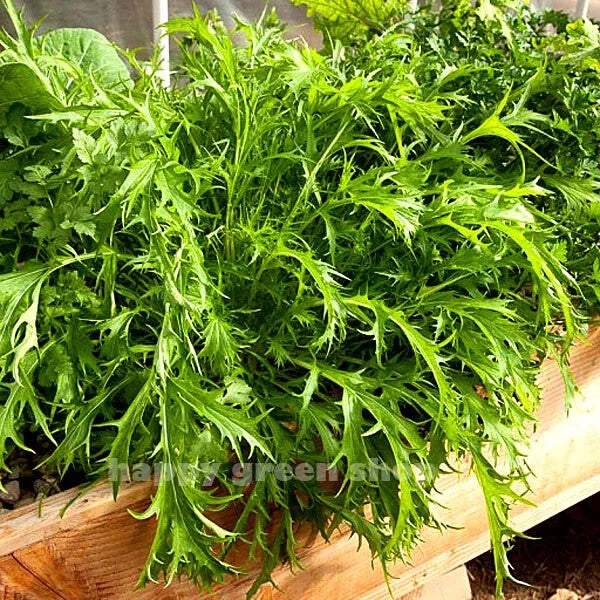


Mizuna – Seeds (Brassica rapa var. japonica)
A staple of Japanese cuisine, Mizuna is a fast-growing leafy green with elegant, feathery leaves and a mild, peppery flavor. Often used in salads, stir-fries, and soups, it’s highly versatile and easy to grow. Mizuna is also very cold-tolerant, making it an excellent choice for year-round harvests, especially in spring and autumn.
How to Grow
-
Sow outdoors from March to September or under cover in winter for year-round harvest.
-
Sow thinly, 0.5 cm deep, in rows 15–20 cm apart.
-
Prefers moist, fertile, well-drained soil in sun or partial shade.
-
Harvest leaves young for salads or allow plants to mature for cooking.
Key Features
-
Japanese mustard green with feathery leaves
-
Mild, peppery taste – great for salads, stir-fries & soups
-
Fast-growing and highly productive
-
Cold-hardy and suitable for year-round cultivation
-
Cut-and-come-again variety for continuous harvest
Ideal For
-
Asian-inspired cooking
-
Salads, soups, and stir-fries
-
Kitchen gardens, raised beds, or containers
-
Succession sowing for steady supply
Sowing & Harvest
-
Sow: March to September (under cover in winter)
-
Depth: 0.5 cm
-
Spacing: 15–20 cm
-
Harvest: 3–6 weeks after sowing
Quick Tip
-
Regular harvesting of young leaves will extend the cropping period and prevent the plants from bolting.
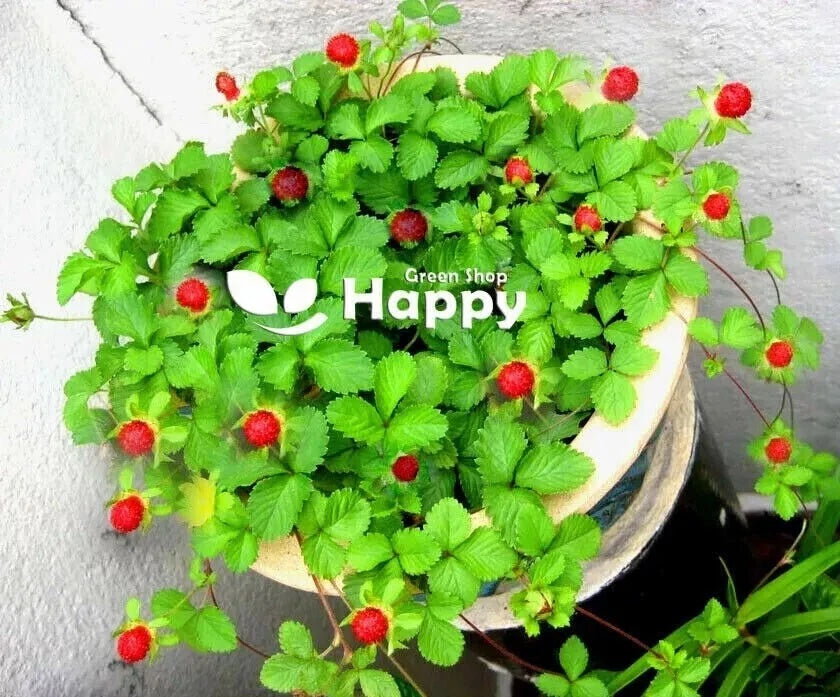
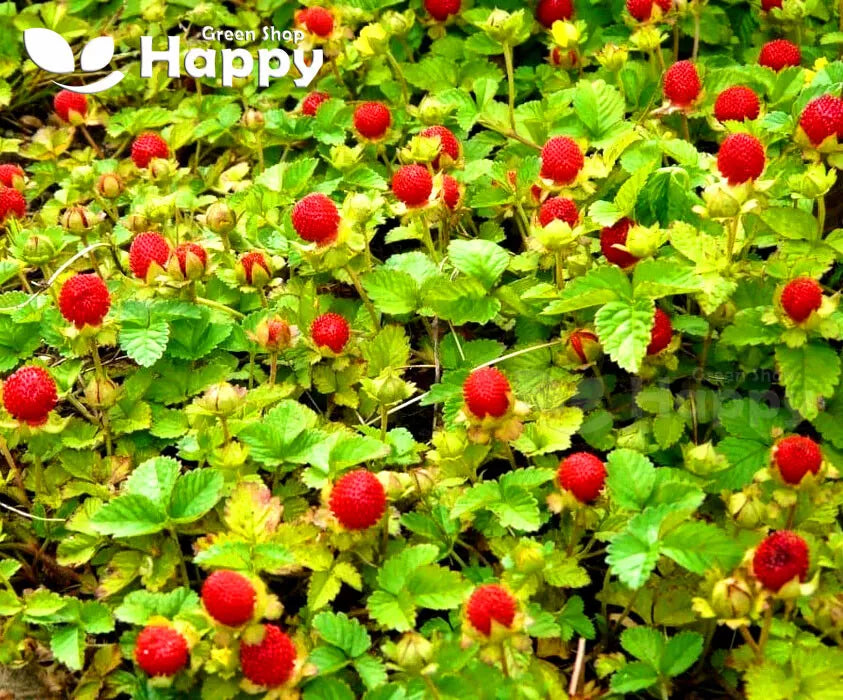
Mock Strawberry – Seeds (Fragaria Duchesnea)
Mock Strawberry is a hardy perennial groundcover with fresh green foliage and small, strawberry-like fruits. Unlike true strawberries, the fruits are bland in flavor, but they add ornamental interest and charm to borders, rock gardens, and naturalized areas. Its cheerful yellow flowers bloom in spring and summer, followed by bright red berries that attract wildlife.
Why Grow "Mock Strawberry"
-
Attractive groundcover with strawberry-like fruits
-
Hardy, low-maintenance perennial
-
Cheerful yellow flowers in spring and summer
-
Provides ornamental red berries for added interest
Key Features
-
Type: Perennial (Fragaria Duchesnea)
-
Height: 10–15 cm
-
Flowering: Spring to summer
-
Position: Full sun to partial shade
-
Uses: Groundcover, borders, rock gardens, naturalized areas
Ideal For
-
Low-maintenance groundcover planting
-
Rock gardens and edges
-
Wildlife-friendly gardens
-
Naturalizing in lawns or meadows
Sowing & Growing
-
Sow indoors: Early spring at 15–20°C
-
Germination: 20–30 days
-
Transplant outdoors after frost, spacing 20 cm apart
-
Prefers well-drained soil; tolerates a range of conditions
Showing 468/869


