
Sort by:
913 products
913 products
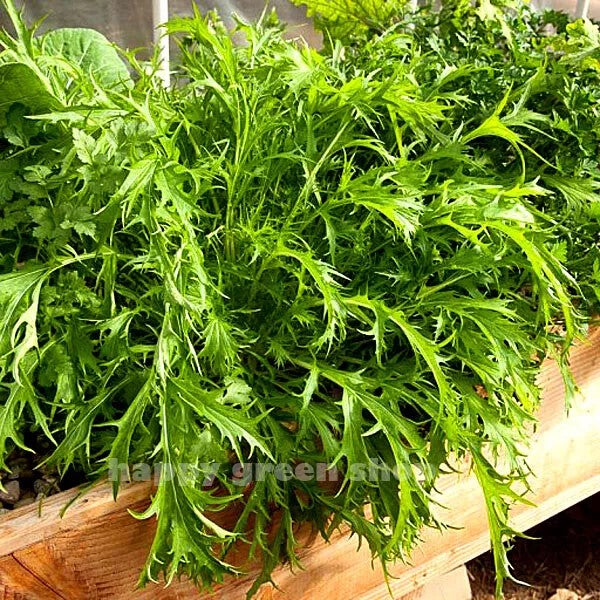


Mizuna – Seeds (Brassica rapa var. japonica)
A staple of Japanese cuisine, Mizuna is a fast-growing leafy green with elegant, feathery leaves and a mild, peppery flavor. Often used in salads, stir-fries, and soups, it’s highly versatile and easy to grow. Mizuna is also very cold-tolerant, making it an excellent choice for year-round harvests, especially in spring and autumn.
How to Grow
-
Sow outdoors from March to September or under cover in winter for year-round harvest.
-
Sow thinly, 0.5 cm deep, in rows 15–20 cm apart.
-
Prefers moist, fertile, well-drained soil in sun or partial shade.
-
Harvest leaves young for salads or allow plants to mature for cooking.
Key Features
-
Japanese mustard green with feathery leaves
-
Mild, peppery taste – great for salads, stir-fries & soups
-
Fast-growing and highly productive
-
Cold-hardy and suitable for year-round cultivation
-
Cut-and-come-again variety for continuous harvest
Ideal For
-
Asian-inspired cooking
-
Salads, soups, and stir-fries
-
Kitchen gardens, raised beds, or containers
-
Succession sowing for steady supply
Sowing & Harvest
-
Sow: March to September (under cover in winter)
-
Depth: 0.5 cm
-
Spacing: 15–20 cm
-
Harvest: 3–6 weeks after sowing
Quick Tip
-
Regular harvesting of young leaves will extend the cropping period and prevent the plants from bolting.
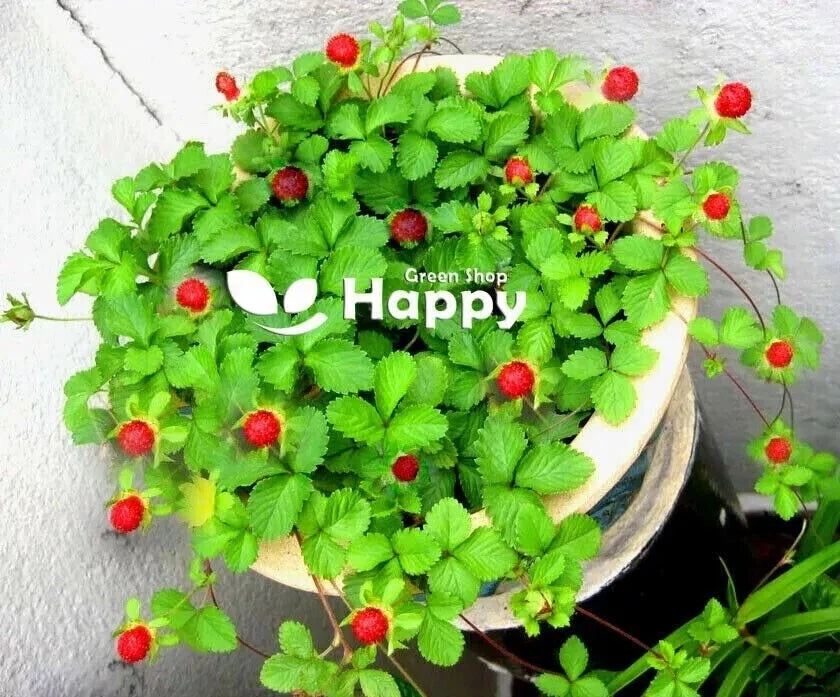

Mock Strawberry – Seeds (Fragaria Duchesnea)
Mock Strawberry is a hardy perennial groundcover with fresh green foliage and small, strawberry-like fruits. Unlike true strawberries, the fruits are bland in flavor, but they add ornamental interest and charm to borders, rock gardens, and naturalized areas. Its cheerful yellow flowers bloom in spring and summer, followed by bright red berries that attract wildlife.
Why Grow "Mock Strawberry"
-
Attractive groundcover with strawberry-like fruits
-
Hardy, low-maintenance perennial
-
Cheerful yellow flowers in spring and summer
-
Provides ornamental red berries for added interest
Key Features
-
Type: Perennial (Fragaria Duchesnea)
-
Height: 10–15 cm
-
Flowering: Spring to summer
-
Position: Full sun to partial shade
-
Uses: Groundcover, borders, rock gardens, naturalized areas
Ideal For
-
Low-maintenance groundcover planting
-
Rock gardens and edges
-
Wildlife-friendly gardens
-
Naturalizing in lawns or meadows
Sowing & Growing
-
Sow indoors: Early spring at 15–20°C
-
Germination: 20–30 days
-
Transplant outdoors after frost, spacing 20 cm apart
-
Prefers well-drained soil; tolerates a range of conditions
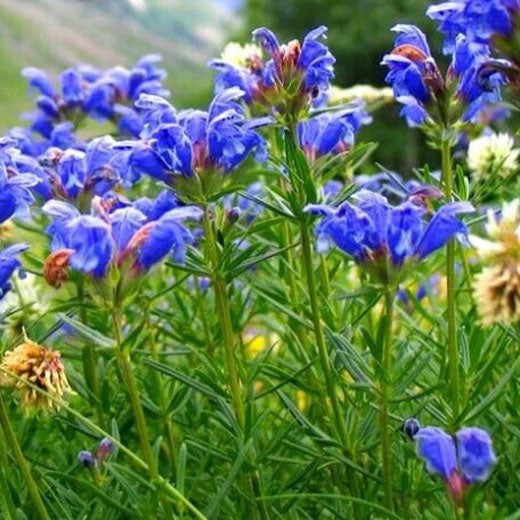
Moldavian Dragonhead – Seeds (Dracocephalum moldavica)
The Moldavian Dragonhead (Dracocephalum moldavica) is a fragrant annual herb admired for its violet-blue flowers and aromatic lemon-scented foliage. Highly attractive to bees and butterflies, it makes a charming addition to herb gardens, borders, and pollinator-friendly spaces. Its leaves are sometimes used for teas with a refreshing citrus flavor.
Why Grow Moldavian Dragonhead?
-
Violet-blue blooms with a pleasant lemon fragrance
-
Excellent for pollinators, especially bees
-
Easy to grow and low maintenance
-
Useful as an ornamental and herbal plant
Ideal For
-
Herb gardens
-
Pollinator-friendly plantings
-
Borders and cottage gardens
-
Aromatic tea lovers
Key Features
-
Type: Annual herb
-
Height: 40–60 cm
-
Spread: 20–30 cm
-
Flowering: June–August
-
Position: Full sun to partial shade
-
Soil: Light, well-drained
Sowing & Growing
-
Sow indoors: March–April, lightly cover seeds
-
Germination: 7–14 days at 18–22°C
-
Transplant outdoors: After frost risk has passed
-
Direct sow outdoors: April–May
-
Spacing: 25–30 cm apart
Tip: Regular deadheading encourages longer flowering and stronger aroma.

Moonflower – Seeds (Ipomoea noctiflora)
Moonflower is a fast-growing annual climber that produces large, fragrant, pure white blooms which open at dusk and glow in the moonlight. Ideal for evening gardens, patios, and trellises, its sweet scent attracts moths and night pollinators. With lush green foliage and dramatic nighttime flowers, Moonflower adds a magical touch to summer evenings.
Why Grow "Moonflower"
-
Large, pure white blooms that open at night
-
Fragrant flowers perfect for evening gardens
-
Fast-growing annual climber
-
Attracts moths and night pollinators
Key Features
-
Type: Annual climber (Ipomoea noctiflora)
-
Height: 2–3 m
-
Flowering: Summer to early autumn
-
Position: Full sun
-
Uses: Trellises, fences, pergolas, evening gardens, containers
Ideal For
-
Creating magical night-time garden displays
-
Covering arches, fences, and trellises
-
Adding fragrance to patios and seating areas
-
Pollinator-friendly planting for night visitors
Sowing & Growing
-
Sow indoors: 4–6 weeks before last frost
-
Sow outdoors: After frost danger has passed
-
Germination: 10–20 days (soak seeds before sowing)
-
Space seedlings: 30 cm apart
-
Prefers well-drained soil and full sun
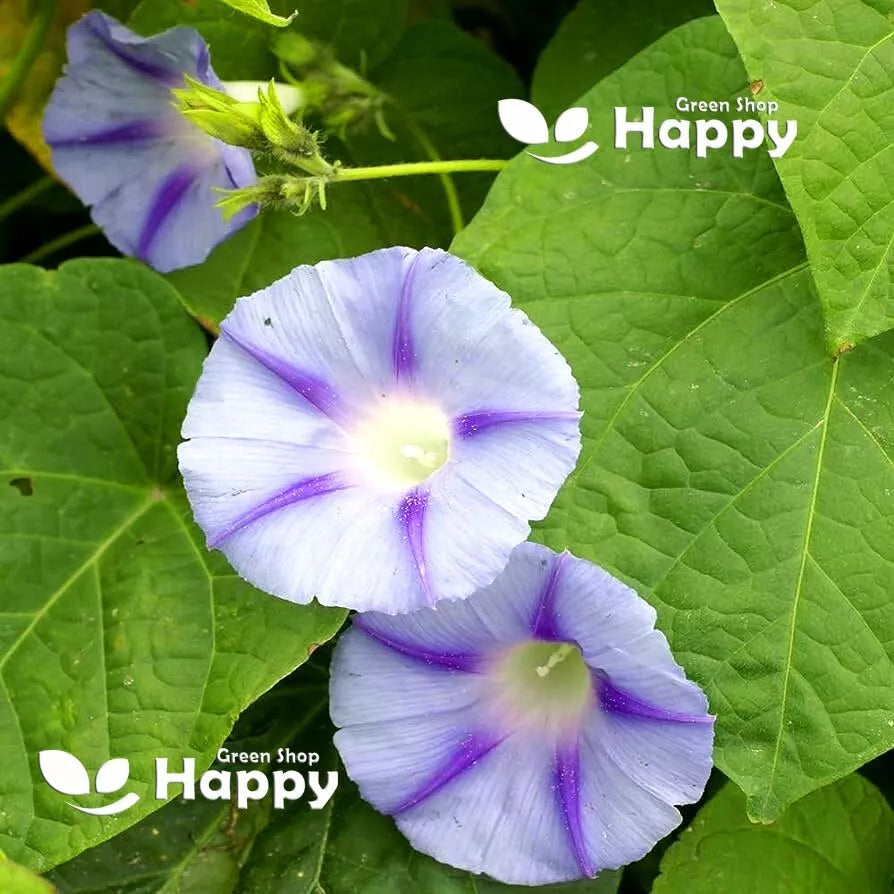
Morning Glory 'Caprice' – 30 Seeds (Ipomoea purpurea)
Bring bold, climbing color to your garden with Morning Glory 'Caprice'. Known for its striking mix of purple, pink, and violet blooms, this fast-growing vine covers trellises, fences, and arches with ease, offering a spectacular summer display.
What Makes It Special
-
Unique blend of vibrant shades
-
Fast-growing climber for quick coverage
-
Long-lasting blooms throughout summer
Key Features
-
Height: up to 3 m
-
Flowering period: Summer–autumn
-
Easy to grow, low maintenance
-
Full sun lover
Ideal For
-
Trellises, fences, and arches
-
Covering walls and pergolas
-
Adding vertical interest to the garden
Sowing
-
Sow indoors 3–4 weeks before last frost or directly outdoors after frost
-
Soak seeds overnight to speed germination
-
Plant 1–2 cm deep in well-drained soil
-
Germination: 7–14 days
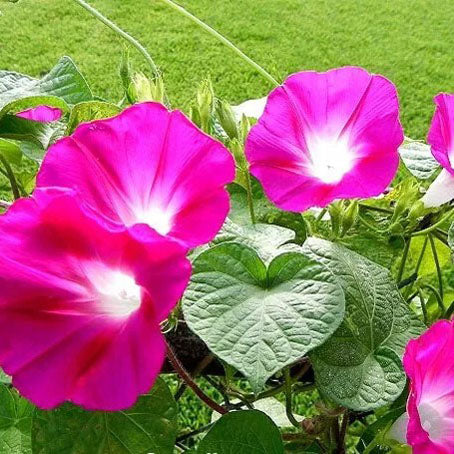
Morning Glory 'Crimson Rambler' Seeds (Ipomoea purpurea)
Add dramatic vertical color to your garden with Morning Glory 'Crimson Rambler'. This vigorous climber produces abundant, trumpet-shaped, deep crimson flowers that open in the morning and attract pollinators. Ideal for trellises, fences, and pergolas, it creates a stunning, fast-growing floral display all summer long.
Why Grow 'Crimson Rambler'
-
Stunning deep crimson, trumpet-shaped flowers
-
Fast-growing climber, perfect for vertical spaces
-
Attracts bees and butterflies
Key Features
-
Botanical name: Ipomoea purpurea
-
Type: Annual climber
-
Height: 250–300 cm
-
Flowering: Summer
-
Position: Full sun
-
Uses: Trellises, fences, pergolas, decorative screens
Sowing & Growing
-
Sow indoors: March–April in pots or trays
-
Sow outdoors: April–May after last frost
-
Germination: 7–14 days at 18–22°C
-
Provide support for climbing
-
Prefers well-drained soil and full sun
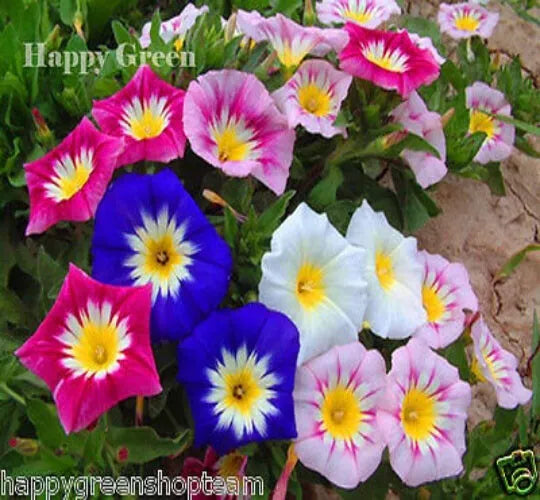
Morning Glory ‘Ensign’ Mixed – Seeds (Convolvulus tricolor)
The Morning Glory ‘Ensign’ Mixed is a compact, dwarf variety of Convolvulus tricolor that produces a cheerful mix of blue, white, and pink trumpet-shaped blooms with bright yellow centers. Unlike climbing morning glories, this variety forms neat, bushy plants that are ideal for bedding, borders, and containers. Its vivid flowers open in the morning sun and provide an eye-catching display all summer long.
What Makes It Special
-
Compact, non-climbing morning glory variety
-
Striking tricolor blooms in blue, white, and pink with golden centers
-
Long-flowering, hardy, and easy to grow
-
Perfect for containers, borders, and mass planting
Key Features
-
Botanical name: Convolvulus tricolor
-
Variety: Morning Glory ‘Ensign’ Mixed
-
Seed count: Approx. seeds per pack
-
Height/Spread: 20–30 cm tall, spreading 25 cm
-
Position: Full sun; well-drained soil
-
Flowering period: Summer to early autumn
Ideal For
-
Bedding displays and borders
-
Patio containers and window boxes
-
Rock gardens and sunny spots
-
Seasonal pollinator-friendly gardens
Sowing Instructions
-
When to sow: March–May indoors, or April–June outdoors after frost
-
How to sow:
-
Sow seeds 0.5 cm deep in trays or directly into prepared soil
-
Keep soil lightly moist until germination (7–14 days)
-
Prefers warm, sunny conditions
-
-
After germination:
-
Thin seedlings to 20–25 cm apart
-
Pinch tips for bushier growth if desired
-
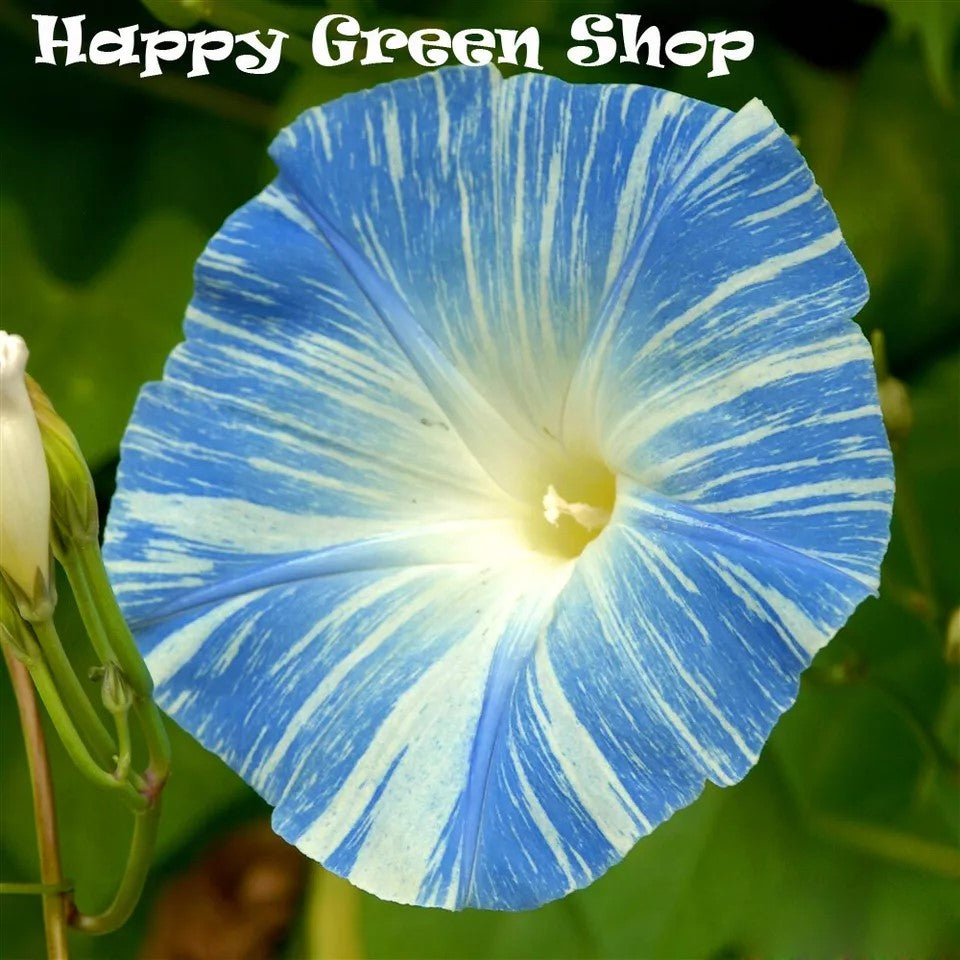
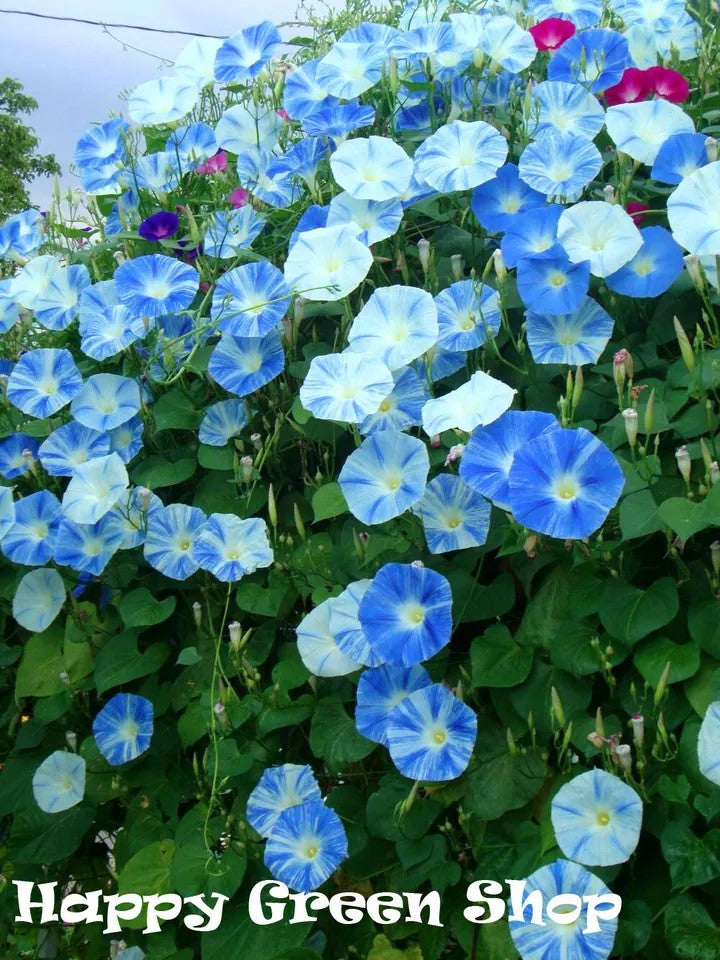
Morning Glory ‘Flying Saucers’ – Seeds (Ipomoea tricolor)
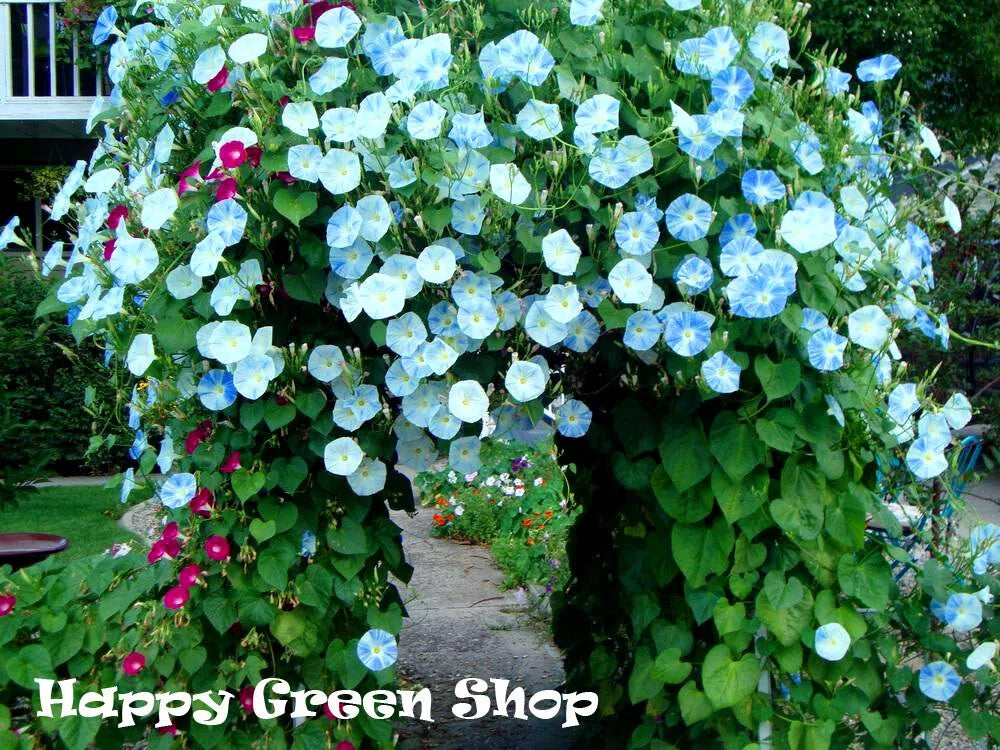
Morning Glory ‘Flying Saucers’ is a spectacular climbing annual, producing large sky-blue and white striped blooms that resemble swirling galaxies. Vigorous and fast-growing, it’s perfect for covering fences, trellises, and arches, creating a dazzling vertical display throughout summer.
Why Grow ‘Flying Saucers’?
-
Striking blue and white striped blooms
-
Large flowers, up to 12 cm across
-
Vigorous, quick-growing climber
-
Attracts pollinators
Key Features
-
Type: Hardy annual climber
-
Height: 250–300 cm
-
Flowering: July–October
-
Position: Full sun, well-drained soil
-
Uses: Trellises, fences, arches, pergolas
Ideal For
-
Vertical garden displays
-
Fast summer screening
-
Adding dramatic color to outdoor spaces
Sowing & Growing
-
Sow indoors: 4–6 weeks before last frost
-
Sow outdoors: After frost, direct in soil
-
Nick or soak seeds before sowing
-
Germination: 7–14 days at 18–20°C
-
Provide climbing support
Morning Glory 'Heavenly Blue' Seeds (Ipomoea tricolor)
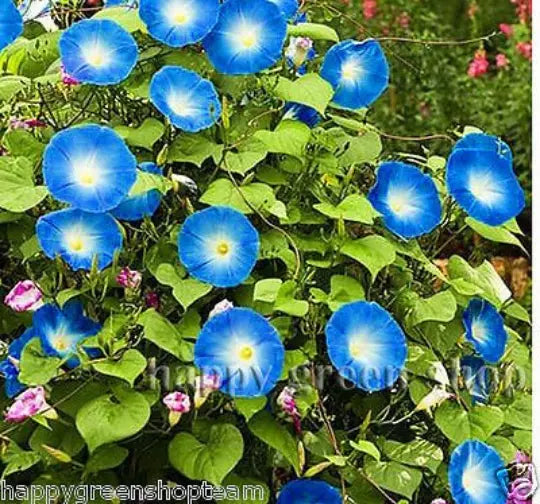
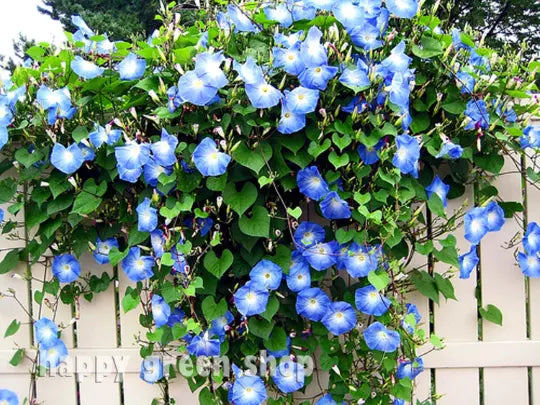
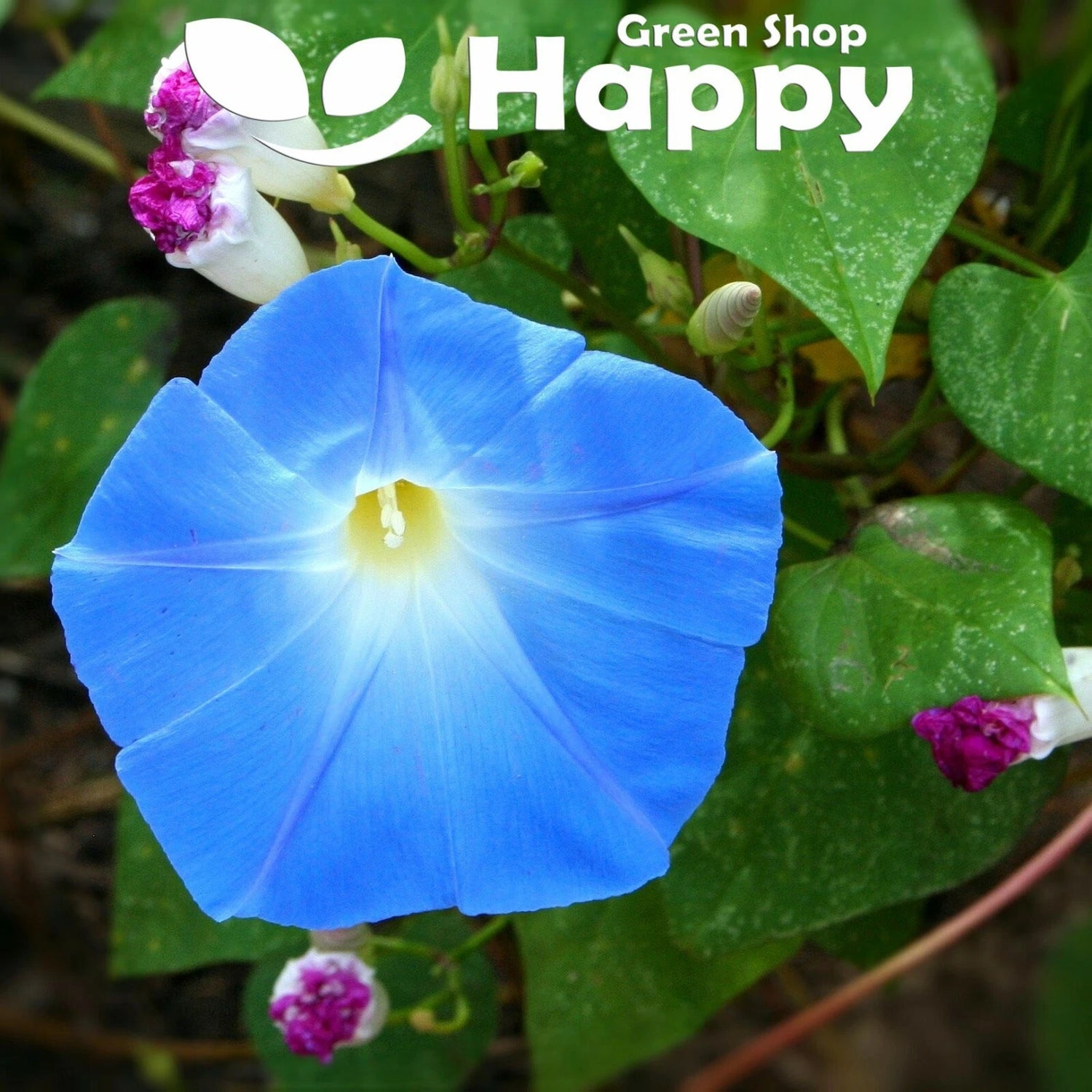
Morning Glory 'Heavenly Blue' is a vigorous climbing annual known for its large, trumpet-shaped, sky-blue flowers with a bright white throat. Its rapid growth makes it ideal for trellises, fences, arches, and containers. Loved for its breathtaking color and fast coverage, it adds vertical beauty and charm to any garden.
What Makes It Special
-
Large sky-blue trumpet-shaped flowers with a white throat
-
Fast-growing climber ideal for vertical displays
-
Long-flowering from summer to autumn
-
Attracts pollinators like bees and butterflies
Key Features
-
Botanical name: Ipomoea tricolor
-
Variety: 'Heavenly Blue'
-
Seed count: Approx. seeds per pack
-
Height/Spread: Climbs 2–3 m; spread depends on support
-
Position: Full sun; fertile, well-drained soil
-
Flowering period: July–October
Ideal For
-
Trellises, fences, arches, and pergolas
-
Containers with support for vertical growth
-
Pollinator-friendly gardens
-
Adding dramatic color to summer and autumn gardens
Sowing Instructions
-
When to sow: February–April indoors; March–May outdoors
-
How to sow:
-
Scarify or soak seeds overnight for faster germination
-
Sow seeds 1–2 cm deep in pots or seed trays
-
Germination occurs in 7–14 days at 20–25°C
-
-
Transplanting: Plant outdoors with support after frost
-
Care: Water moderately; provide trellis or support; pinch tips for bushier growth
Showing 504/913


