
Sort by:
869 products
869 products

New York Aster ‘Novi-Belgii’ Seeds (Symphyotrichum novi-belgii)
Enhance your late-season garden with New York Aster ‘Novi-Belgii’ (Symphyotrichum novi-belgii). This hardy perennial produces dense clusters of violet-blue daisy-like flowers with golden centers in late summer and autumn, bringing vibrant color to borders, meadows, and cutting gardens. Easy to grow and long-flowering, it attracts pollinators and adds a classic cottage garden charm.
How to Grow
-
Sow seeds indoors 6–8 weeks before the last frost or directly outdoors after frost risk has passed.
-
Use well-drained soil in full sun to partial shade.
-
Lightly cover seeds with soil and keep moist until germination (14–21 days).
-
Thin seedlings to 30–40 cm apart once established.
-
Mulch around plants to retain moisture and support healthy growth.
-
Cut back after flowering to maintain plant vigor.
Key Features
-
Violet-blue, daisy-like flowers with golden centers
-
Hardy perennial, long-flowering and easy to grow
-
Ideal for borders, meadows, and cutting gardens
-
Attracts bees, butterflies, and other pollinators
-
Adds vibrant late-season color to garden beds
Ideal For
-
Flower borders and cottage gardens
-
Wildflower meadows and naturalized areas
-
Cutting gardens for bouquets
-
Pollinator-friendly landscapes
Sowing
-
Best time: 6–8 weeks before last frost indoors or after frost outdoors
-
Germination: 14–21 days
-
Sow thinly, cover lightly, and keep soil moist
-
Prefers full sun to partial shade and well-drained soil
Quick Tip
-
For extended blooms, sow successive batches or cut flowers regularly to encourage new growth.
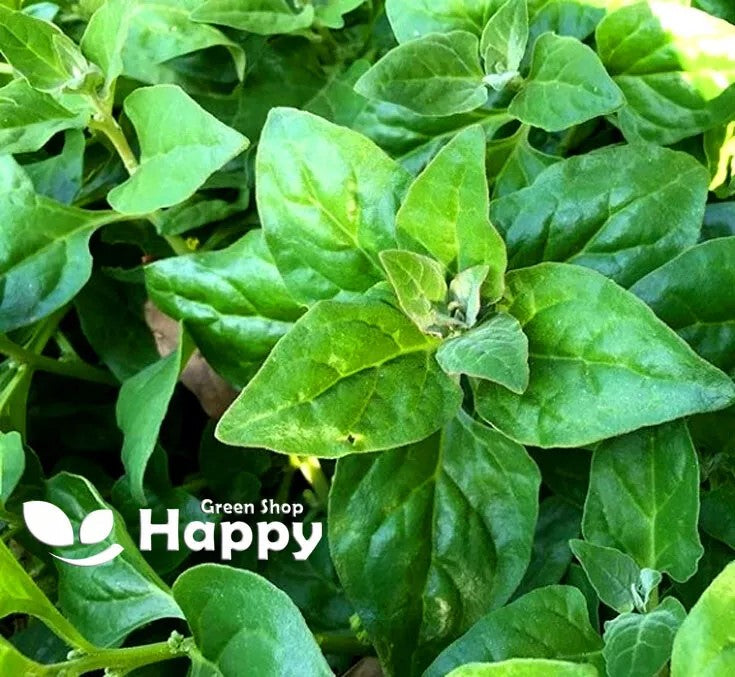
New Zealand Spinach Seeds (Tetragonia tetragonioides)
Grow a heat-tolerant alternative to traditional spinach with New Zealand Spinach (Tetragonia tetragonioides). This hardy, fast-growing leafy green produces succulent, nutrient-rich leaves ideal for salads, steaming, or sautéing. Perfect for summer gardens, it thrives in warm weather when regular spinach struggles, providing a continuous harvest of fresh greens.
How to Grow
-
Sow seeds directly outdoors after the last frost when soil has warmed.
-
Use well-drained, fertile soil in full sun to partial shade.
-
Sow seeds 1–2 cm deep and thin seedlings to 25–30 cm apart.
-
Keep soil consistently moist for best growth.
-
Harvest young leaves regularly or cut mature leaves, leaving the plant to regrow.
Key Features
-
Heat-tolerant alternative to traditional spinach
-
Fast-growing, nutrient-rich leaves
-
Hardy and easy to grow
-
Ideal for salads, steaming, or sautéing
-
Provides continuous harvest throughout warm seasons
Ideal For
-
Vegetable gardens and raised beds
-
Summer harvesting when regular spinach struggles
-
Fresh salads, cooking, and sautéed greens
-
Continuous harvest of nutrient-rich leaves
Sowing
-
Best time: After last frost, when soil is warm
-
Depth: 1–2 cm
-
Spacing: Thin to 25–30 cm apart
-
Prefers full sun to partial shade and fertile, well-drained soil
Quick Tip
-
Regularly harvest outer leaves to encourage continuous growth throughout the season.
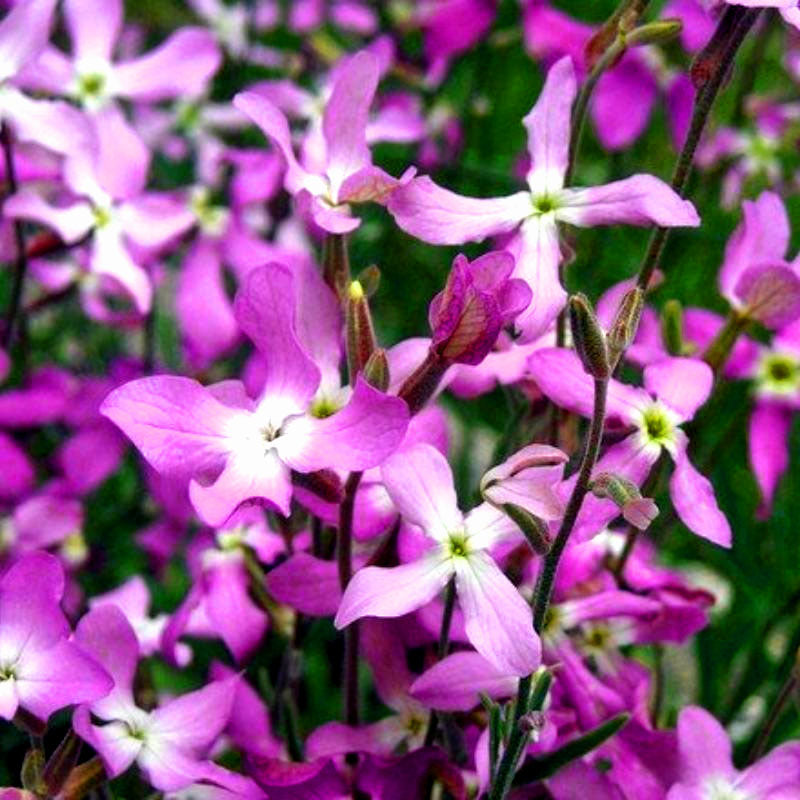
Night Scented Stock – 5 000 Seeds (Matthiola bicornis)
Bring magic to your summer evenings with Night Scented Stock. By day, its blooms are modest, but as dusk falls, they release an irresistible sweet fragrance that perfumes the air. A must-have for evening gardens, patios, and containers.
What Makes It Special
-
Intensely fragrant blooms at night
-
Easy to grow with minimal care
-
Attracts evening pollinators and creates a romantic garden atmosphere
Key Features
-
Height: 40–50 cm
-
Annual, fast-growing
-
Best fragrance released at dusk and night
-
Ideal for evening relaxation spaces
Ideal For
-
Scented night gardens
-
Patio containers near seating areas
-
Borders and cottage gardens
Sowing
-
Sow outdoors Mar–May directly where they are to flower
-
Sow thinly in well-prepared, free-draining soil
-
Cover lightly with soil and keep moist
-
Germination: 10–20 days
-
Thin seedlings to 15–20 cm apart

Oak Leaf Lettuce 'Green Salad Bowl' – Seeds (Lactuca sativa)
A true kitchen garden favorite, Oak Leaf Lettuce 'Green Salad Bowl' is a fast-growing, cut-and-come-again variety with long, deeply notched green leaves that resemble oak foliage. Its mild, tender flavor and crisp texture make it perfect for everyday salads. Easy to grow and slow to bolt, it provides a generous harvest of fresh greens all season long.
How to Grow
. Sow indoors from February to April or directly outdoors from March to July
. Sow thinly, 0.5 cm deep in rows 25–30 cm apart
. Thin seedlings to 20 cm apart, or grow closer for baby leaves
. Prefers full sun and moist, fertile, well-drained soil
. Harvest leaves regularly to encourage continuous cropping
Key Features
. Classic oak leaf lettuce with tender green leaves
. Mild flavor, perfect for salads and sandwiches
. Cut-and-come-again variety for extended harvests
. Slow to bolt, even in warmer conditions
. Easy to grow in beds, borders, or containers
Ideal For
. Fresh everyday salads
. Cut-and-come-again harvesting
. Home gardens, pots, and allotments
. Gardeners seeking reliable, easy lettuce
Sowing & Harvest
. Sow: February – July
. Harvest: May – September
Quick Tip
For the best flavor and texture, pick leaves early in the morning when they’re freshest and most tender.
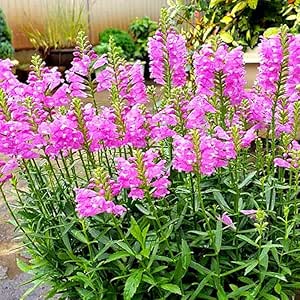
Physostegia virginiana, commonly known as Obedient Plant or False Dragonhead, is a striking hardy perennial producing tall, upright spikes of elegant pink to pale lilac, snapdragon-like flowers. Blooming through summer into early autumn, the flowers open progressively from the bottom of each spike, creating a long-lasting display above attractive narrow green foliage.
Its unusual common name comes from a fascinating characteristic of the flowers: individual blooms can be gently moved sideways and will temporarily remain in their new position. Growing approximately 90–120 cm tall, this vigorous perennial is excellent for the middle or back of borders, cottage gardens and naturalistic planting. The long flowering stems are also excellent for cutting, while the flowers are attractive to visiting pollinators.
● Tall spikes packed with elegant pink to pale lilac flowers
● Unusual movable flowers give the Obedient Plant its memorable name
● Long flowering period from summer into early autumn
● Excellent tall perennial for cutting and flower arrangements
● Vigorous hardy perennial that returns year after year
● Cottage gardens
● Perennial borders
● Cut flower gardens
● Naturalistic and prairie-style planting
● Pollinator-friendly gardens
● For more uniform germination, give seeds approximately 3–4 weeks of cold-moist stratification before spring sowing. Alternatively, sow in autumn and allow natural winter conditions to provide the cold period.
● Be patient with germination. Physostegia seed can emerge irregularly over several weeks rather than germinating all at once.
● Grow in full sun for the strongest, most upright flowering stems; plants grown in too much shade or overly rich soil may become more prone to flopping.
● Keep established plants consistently moist during dry periods, as Obedient Plant performs particularly well in soils that retain some moisture.
● Allow enough room for mature plants to spread. The species grows by underground rhizomes and can gradually form substantial colonies, so divide or restrict clumps if they begin spreading beyond their allocated space.
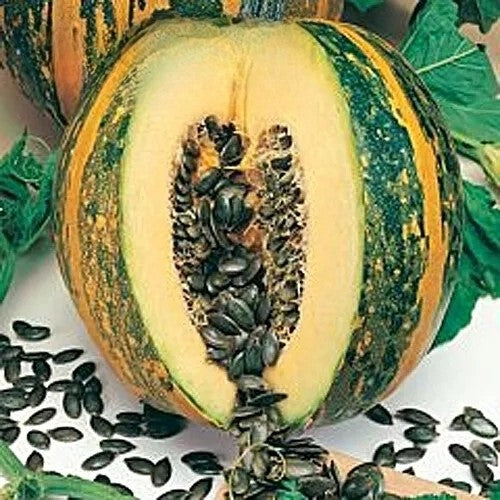
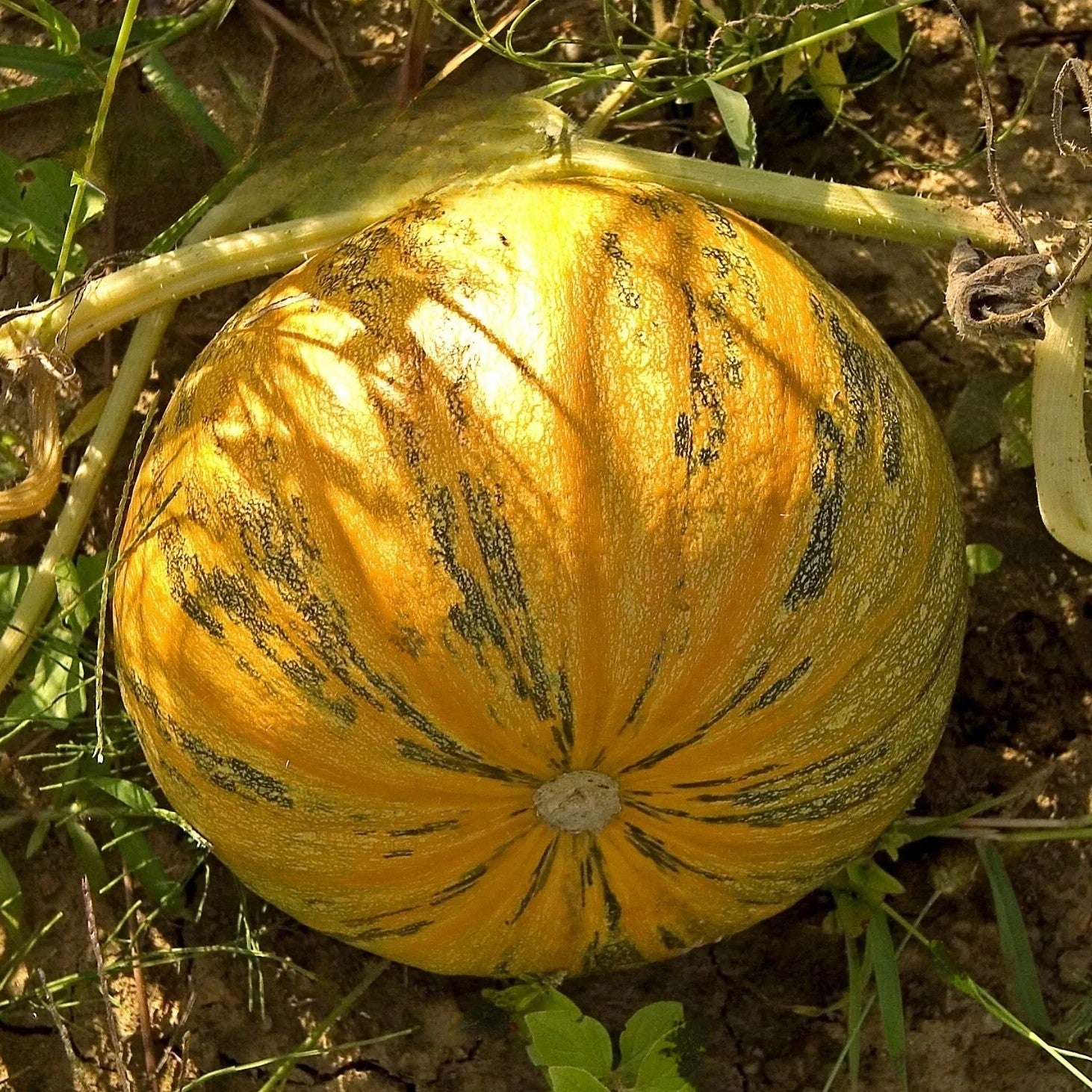
Oil Squash 'Olga' Pumpkin – Seeds (Cucurbita pepo)
The Oil Squash 'Olga' is a versatile pumpkin variety prized for its dense, flavorful flesh and high oil content. Ideal for culinary use, soups, baking, or roasting, 'Olga' produces medium to large, round fruits with smooth skin and rich, orange flesh.
This vigorous plant grows well in garden beds or allotments, providing reliable yields throughout the season. Its robust growth habit and excellent storage qualities make it a practical choice for home gardeners seeking both taste and productivity.
How to Grow
-
Sow outdoors: April – May after last frost
-
Plant spacing: 100–120 cm between plants
-
Position: Full sun
-
Soil: Fertile, well-drained soil enriched with compost
-
Care: Water regularly and mulch to retain moisture; remove weeds to support healthy growth
Key Features
-
Medium to large, round pumpkins with smooth skin
-
Dense, flavorful flesh ideal for oil extraction, cooking, or baking
-
High-yielding and vigorous plants
-
Good storage qualities for long-term use
-
Suitable for garden beds or allotments
Harvest
-
Harvesting period: 90–120 days after sowing
-
Pick when the skin is fully colored and hard; store in a dry, cool place.
Short Tip
Allow fruits to fully ripen on the vine for maximum flavor and oil content.
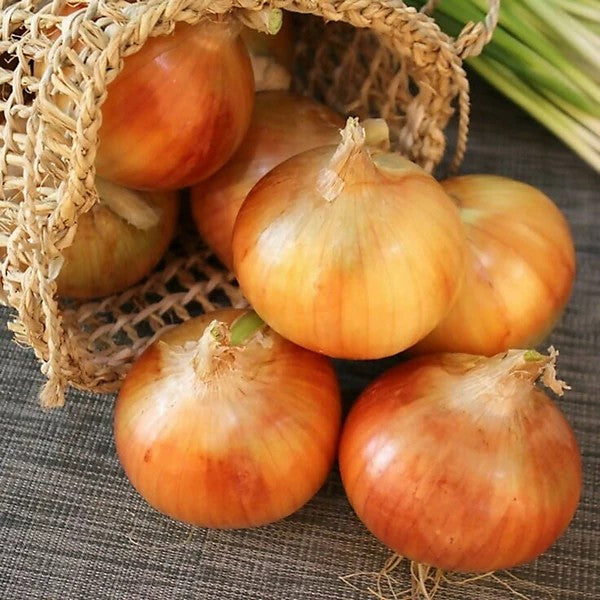
Onion "Augusta" – Seeds (Allium cepa)
The Onion "Augusta" is a reliable, high-quality variety producing uniform, golden-yellow bulbs with firm flesh and excellent storage ability. Known for its good resistance to bolting and disease, Augusta is ideal for both kitchen gardeners and allotment growers seeking dependable harvests. Its mild, well-balanced flavor makes it versatile for everyday cooking.
How to Grow
-
Sow indoors from January to March for transplanting, or direct outdoors from March to April.
-
Sow thinly, 1 cm deep, in rows 25–30 cm apart.
-
Prefers fertile, well-drained soil in full sun.
-
Thin seedlings to 10 cm apart to allow bulbs to swell.
-
Water regularly during dry periods.
Key Features
-
Uniform, golden-yellow bulbs
-
Mild, versatile flavor
-
Good resistance to bolting
-
Excellent storage potential
-
Easy to grow, reliable yields
Ideal For
-
Everyday cooking – soups, salads, stir-fries, roasting
-
Long-term storage after harvest
-
Kitchen gardens and allotments
Sowing & Harvest
-
Sow: January to April
-
Depth: 1 cm
-
Spacing: 10 cm between plants, 25–30 cm between rows
-
Harvest: August to September
Quick Tip
-
Lift onions when the tops begin to yellow and bend over. Dry thoroughly before storing in a cool, airy place.

Onion 'Globo' – Seeds (Allium cepa)
The Onion 'Globo' is a giant exhibition variety, producing exceptionally large, globe-shaped bulbs that can reach up to 800 g each under ideal conditions. Known for its impressive size and sweet, mild flavor, this onion is perfect for both showing and kitchen use. Its thick, golden skins cover a juicy, crisp interior, making it excellent for slicing, salads, and cooking.
Although primarily grown as an exhibition onion, 'Globo' is also valued by home gardeners who want a reliable large onion with excellent flavor. It does not store as long as smaller varieties but is unbeatable for fresh use in summer and autumn.
How to Grow
-
Sow indoors: January – March in seed trays or modules
-
Sow outdoors: March – April, thinly in rows 1 cm deep
-
Transplant/Thin: 30 cm apart when large enough to handle
-
Position: Full sun
-
Soil: Fertile, well-drained, light soil enriched with organic matter
-
Care: Keep well-watered in dry periods; feed regularly for best growth
Key Features
-
Exhibition onion producing bulbs up to 800 g
-
Sweet, mild flavor – ideal for fresh use
-
Golden skin with crisp white flesh
-
Perfect for slicing, salads, and cooking
-
Best eaten fresh – not a long-term storage variety
Harvest
-
Harvesting period: August – September
-
Pull onions when tops yellow and fall over. Dry thoroughly before use.
Short Tip
Start onions early indoors for the biggest bulbs – consistent watering and feeding are key to giant results.
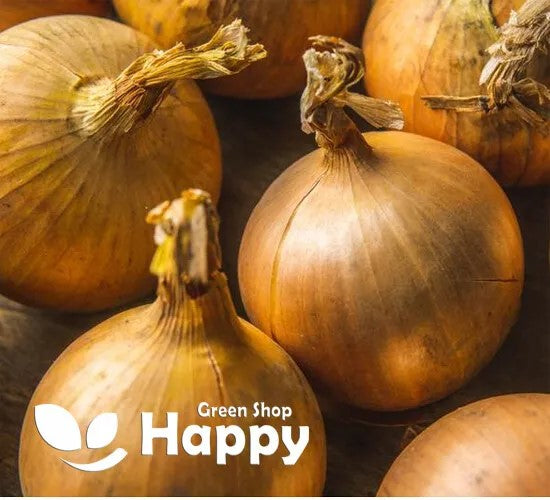
Onion 'Spanish Sun' Seeds (Allium cepa)
Bring sunshine to your garden with Onion 'Spanish Sun', a reliable, early-maturing variety that produces large, globe-shaped golden bulbs. Known for its mild, sweet flavor and crisp texture, it’s perfect for fresh salads, cooking, or storing. Easy to grow and versatile in the kitchen, this onion is a must-have for every vegetable garden.
How to Grow
-
Sow indoors from January to March or directly outdoors from March to April.
-
Prefers fertile, well-drained soil in full sun.
-
Sow seeds 1 cm deep in rows 30 cm apart.
-
Thin seedlings to 10 cm spacing for full-sized bulbs.
-
Keep soil moist but not waterlogged.
Key Features
-
Early-maturing, large golden bulbs
-
Mild, sweet flavor with crisp texture
-
Suitable for fresh use, cooking, or storing
-
Reliable variety for consistent yields
-
Easy to grow in most garden soils
Ideal For
-
Home gardeners and allotments
-
Fresh salads, soups, and everyday cooking
-
Long-term storage after harvest
-
Gardeners seeking early, high-quality onions
Sowing
-
Best time: Indoors January–March, outdoors March–April
-
Depth: 1 cm
-
Spacing: 10 cm between plants, 30 cm between rows
-
Position: Full sun, well-drained fertile soil
-
Harvest: August to September
Quick Tip
-
Allow bulbs to fully dry in the sun before storing to extend their shelf life.
Showing 513/869


