
Sort by:
869 products
869 products

Ornamental Gour
d ‘Small Spoon’ – Unique Spoon-Shaped Mini Gourds
‘Small Spoon’ (Cucurbita pepo) produces charming, spoon-shaped miniature gourds with a smooth, glossy surface. Perfect for autumn décor, craft projects, and tabletop displays, these quirky gourds are easy to grow and long-lasting, adding a playful, rustic touch to seasonal arrangements.
What Makes It Special
-
Distinctive spoon-shaped mini gourds
-
Smooth, glossy surface in natural autumn shades
-
Long-lasting after harvest
-
Adds a whimsical touch to décor and crafts
Key Features
-
Trailing vines up to 3 m
-
Annual – grown for ornamental fruit
-
Harvest in late summer to autumn
-
Stores well for months after curing
-
Thrives in full sun and fertile soil
Ideal For
-
Autumn and Thanksgiving décor
-
Craft projects and DIY arrangements
-
Table centerpieces and seasonal displays
-
Garden displays with unique shapes
Sowing
-
Sow indoors 3–4 weeks before last frost or direct after frost risk passes
-
Plant seeds 2–3 cm deep
-
Germination: 7–10 days at 20–25°C
-
Space 90–120 cm apart in sunny, fertile soil
-
Water regularly and mulch for best growth

Ornamental Gourds Mix – Unique Shapes & Autumn Colours
The Ornamental Gourds Mix (Cucurbita pepo) produces a charming assortment of small gourds in a wide range of shapes, sizes, and colors — from stripes and speckles to warts and wings. Perfect for autumn décor, table displays, and seasonal crafts, these easy-to-grow annual vines bring rustic charm to gardens and harvest celebrations.
What Makes It Special
-
Fascinating variety of shapes, patterns, and colors
-
Ideal for seasonal decorations and crafts
-
Fun crop for children and beginner gardeners
-
Long-lasting once harvested
Key Features
-
Height: Trailing vines up to 3 m
-
Annual – grown for ornamental fruits
-
Harvest in late summer to autumn
-
Stores well for months
-
Thrives in warm, sunny conditions
Ideal For
-
Autumn and Thanksgiving displays
-
Table centerpieces and wreaths
-
Rustic and farmhouse-style décor
-
Children’s gardening projects
Sowing
-
Sow indoors 3–4 weeks before last frost or direct after frost risk passes
-
Plant seeds 2–3 cm deep
-
Germination: 7–10 days at 20–25°C
-
Space 90–120 cm apart in full sun, rich soil
-
Water well and mulch to retain moisture

Brassica oleracea 'Fringed Leaved Mixed' is a compact ornamental kale grown for its spectacular rosettes of deeply fringed, ruffled foliage. As temperatures begin to fall, the centres develop increasingly vivid shades of white, cream, pink, rose and purple, beautifully contrasted against the green outer leaves.
Reaching approximately 30 cm tall, this dwarf mixture is particularly effective in autumn containers, flower beds and seasonal displays. Unlike most summer bedding plants, ornamental kale becomes more colourful as the weather turns colder, providing striking foliage when many other garden plants are beginning to fade. Its sculptural rosettes remain decorative well into the cool season and look especially impressive when planted in groups.
● Deeply fringed and ruffled leaves form spectacular ornamental rosettes
● Colourful centres develop shades of white, cream, pink, rose and purple
● Colours become richer and more intense as temperatures fall
● Compact dwarf habit reaching approximately 30 cm
● Provides valuable garden colour through autumn and into the colder months
● Autumn and early winter displays
● Patio pots and containers
● Flower beds and borders
● Colourful group planting
● Seasonal garden displays
● Sow in early to midsummer rather than spring; plants grown too early may struggle in summer heat and can lose their best appearance before the main autumn display.
● After germination, grow seedlings in bright, relatively cool conditions to encourage compact, sturdy plants rather than soft, stretched growth.
● Do not worry if young plants remain mostly green during summer. The characteristic white, pink, rose and purple colouring becomes much stronger as nights and daytime temperatures become cooler.
● Keep plants well watered during summer establishment, particularly in containers, as consistent moisture helps produce large, well-formed rosettes.
● Plant several colours together in groups or containers for the strongest effect; the compact 30 cm habit works particularly well alongside autumn pansies, violas and other cool-season plants.

Ornamental Pepper 'Aladdin' Seeds (Capsicum annuum)
Add a splash of color to your garden with Ornamental Pepper 'Aladdin', a vibrant variety producing small, upright peppers that mature through a dazzling range of shades—green, yellow, orange, purple, and red. Compact and decorative, this plant is ideal for pots, borders, and indoor displays. Though edible, the fruits are primarily grown for their striking ornamental beauty.
How to Grow
-
Sow indoors from February to April in seed trays or pots.
-
Keep soil warm (20–25°C) until germination.
-
Transplant seedlings into pots or borders after frost.
-
Prefers sunny, sheltered spots with well-drained soil.
-
Water regularly but avoid overwatering.
Key Features
-
Brightly colored ornamental peppers with multi-shade fruits
-
Compact, bushy plants ideal for pots and containers
-
Long-lasting color display through summer and autumn
-
Can be grown indoors on sunny windowsills
-
Edible fruits, though very hot and mainly ornamental
Ideal For
-
Decorative pots, patios, and balconies
-
Brightening garden beds and borders
-
Indoor ornamental displays
-
Gardeners seeking low-maintenance, colorful plants
Sowing
-
Best time: February to April
-
Depth: 0.5–1 cm
-
Spacing: 30–40 cm between plants
-
Position: Sunny, sheltered, well-drained soil
-
Harvest: Mid to late summer
Quick Tip
-
For the brightest colors, grow in full sun and allow fruits to ripen fully on the plant.
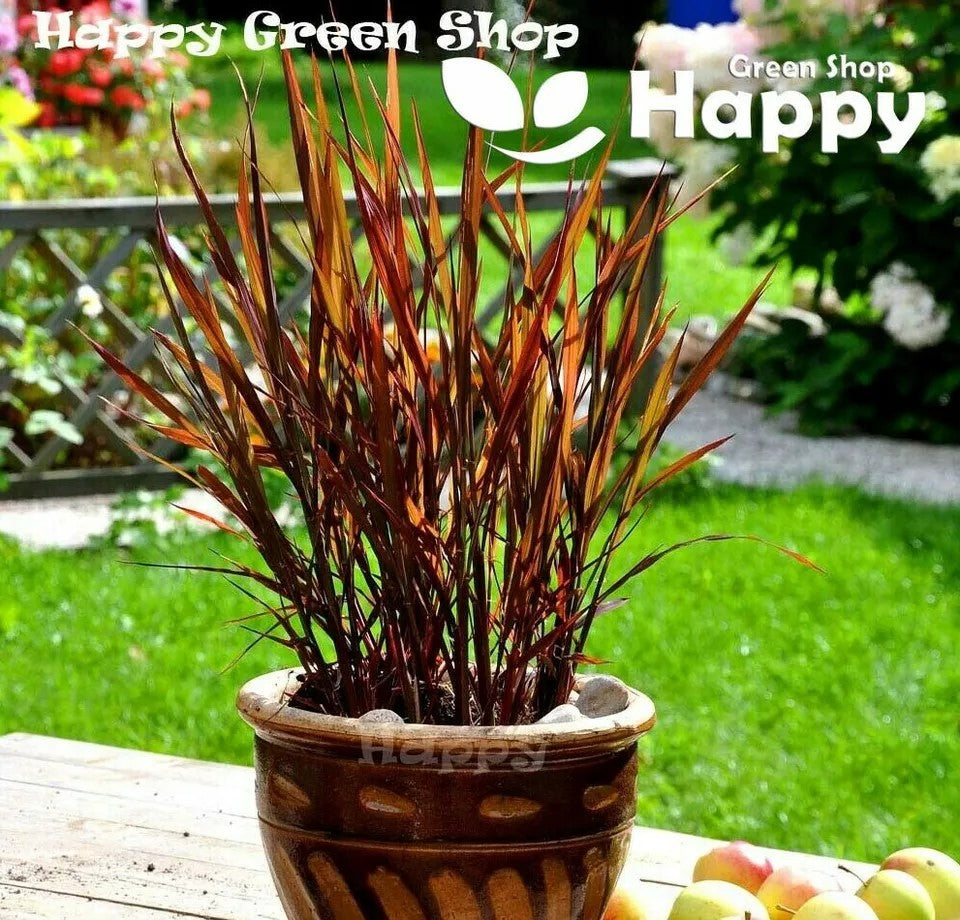
Ornamental Rice ‘Black Madras’ – Seeds (Oryza sativa)
Add striking contrast to your garden with Ornamental Rice ‘Black Madras’, a unique variety prized for its deep purple-black foliage and upright, grass-like habit. Its dramatic color makes it an excellent accent in borders, containers, and water gardens. While not grown for grain, this ornamental rice provides bold texture and contrast to flowering plants.
Why Grow ‘Black Madras’?
-
Unique dark purple-black leaves
-
Upright, grass-like growth habit
-
Stunning contrast in borders and pots
-
Low-maintenance and fast-growing
Key Features
-
Type: Ornamental grass (annual in cool climates)
-
Height: 40–50 cm
-
Foliage: Deep purple-black
-
Position: Full sun, moist soil
-
Use: Containers, mixed borders, water garden edges
Ideal For
-
Modern and tropical-style gardens
-
Containers and patio pots
-
Borders needing strong foliage contrast
-
Water garden or pond margins
Sowing & Growing
-
Sow indoors: March–April in warmth (20–25°C)
-
Germination: 14–21 days
-
Transplant outdoors after frost into moist soil or pots
-
Keep soil consistently damp for best foliage color
Tip: Plant in groups for maximum impact and combine with light-colored flowers for dramatic contrast.
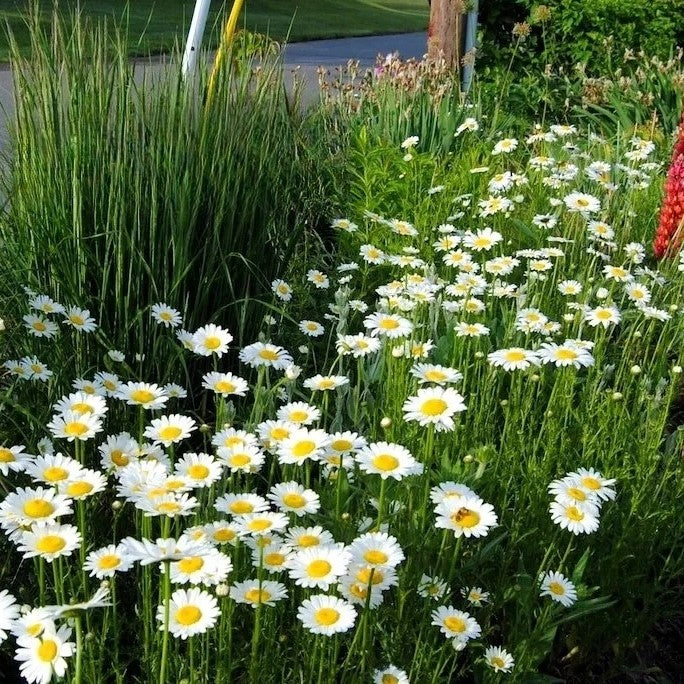
Ox-Eye Daisy 'May Queen' Seeds (Chrysanthemum leucanthemum)
The Ox-Eye Daisy ‘May Queen’ (Chrysanthemum leucanthemum) is a charming, classic wildflower with cheerful white petals and sunny yellow centers. This hardy perennial is valued for its reliability, low maintenance, and ability to naturalize in meadows, borders, and wildlife gardens. Blooming in late spring through summer, it attracts bees, butterflies, and other pollinators.
What Makes It Special
-
Large, daisy-like blooms with a natural cottage garden look
-
Hardy perennial that self-seeds and spreads easily
-
Perfect for wildflower meadows and pollinator-friendly gardens
Key Features
-
Botanical name: Chrysanthemum leucanthemum
-
Perennial wildflower
-
Height: 60–80 cm
-
Spread: 30–40 cm
-
Flowering: May–July
Ideal For
-
Wildflower meadows and naturalizing
-
Cottage and wildlife gardens
-
Pollinator-friendly planting
Sowing
-
Sow outdoors: March–May or August–October, directly where they are to flower
-
Germination: 14–28 days
-
Thin seedlings to 30 cm apart
-
Thrives in full sun and well-drained soil

Chrysanthemum leucanthemum 'White Breeze', commonly known as Ox-Eye Daisy, is an award-winning dwarf variety producing masses of cheerful white daisy-like flowers with bright golden-yellow centres. The neat, compact plants are covered with single blooms approximately 4 cm across, creating a fresh and exceptionally floriferous display from early summer well into autumn.
Unlike the much taller wild form of Ox-Eye Daisy, White Breeze remains naturally compact at approximately 20–25 cm tall, making it particularly well suited to pots, patio containers, edging and the front of flower borders. It can flower in its first year from an early sowing and continues to provide an abundant display in subsequent seasons, making it an excellent compact perennial for small gardens and container planting.
● Award-winning Fleuroselect dwarf Ox-Eye Daisy
● Masses of classic white flowers with bright yellow centres
● Compact habit reaching only approximately 20–25 cm
● Can flower in the first year when sown early
● Long flowering period from summer into autumn
● Patio pots and containers
● Front of flower borders
● Cottage gardens
● Garden edging
● Compact perennial displays
● Sow very shallowly and do not exclude light, as White Breeze requires light during germination.
● For the earliest flowers, sow indoors from January to early spring; early-sown plants can flower in their first year.
● Grow in full sun for the most compact plants and heaviest flowering.
● Deadhead faded blooms regularly to encourage continued flowering through summer and into autumn.
● Its naturally dwarf habit makes White Breeze particularly suitable for pots and border fronts, where taller forms of Ox-Eye Daisy may be too vigorous.
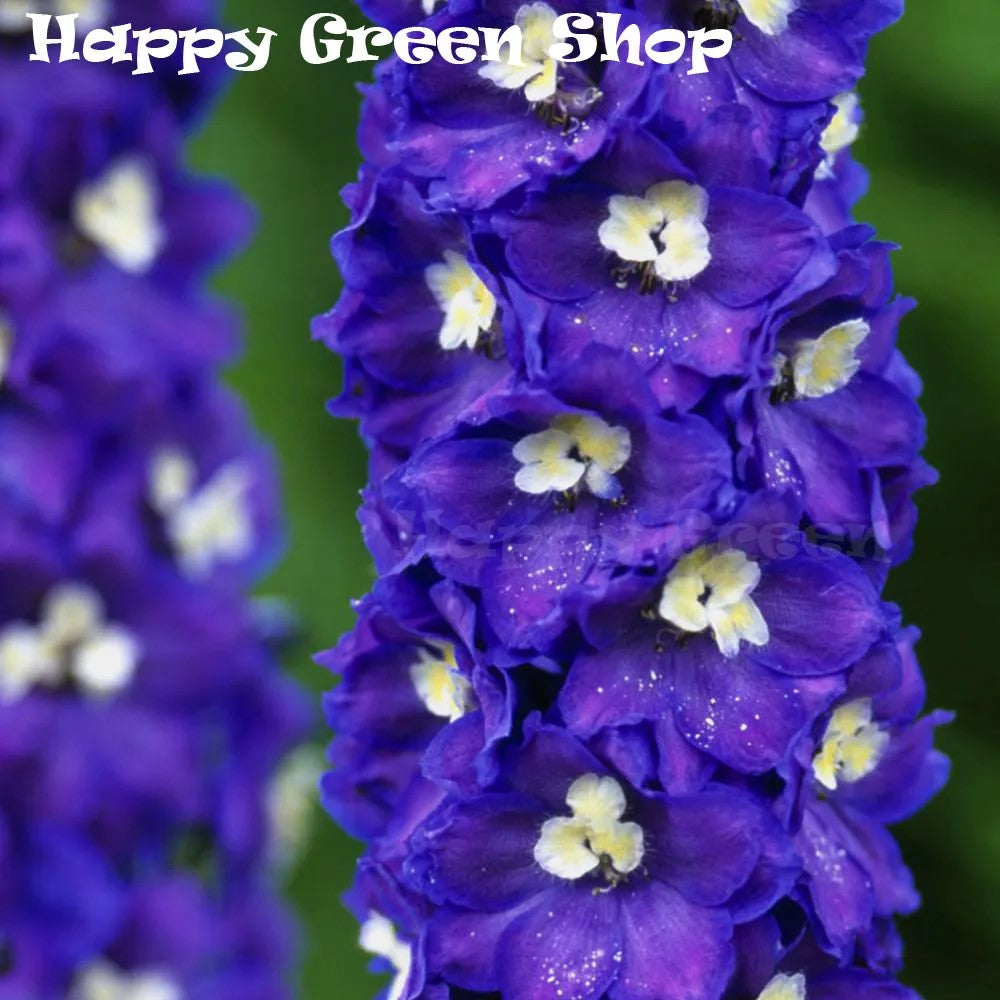
Pacific Giant ‘King Arthur’ – 110 Seeds (Delphinium cultorum)
Pacific Giant ‘King Arthur’ (Delphinium cultorum) is a striking perennial with tall, majestic spikes of deep blue flowers. Ideal for borders and cottage gardens, it creates a dramatic vertical display from mid-summer to early autumn. Easy to grow in well-drained soil and full sun, this variety attracts pollinators and adds a bold, elegant statement to any garden.
Why Grow "King Arthur"
-
Tall, majestic spikes of deep blue flowers
-
Long flowering season from mid-summer to early autumn
-
Creates dramatic vertical accents in borders and gardens
-
Attracts bees and butterflies
Key Features
-
Type: Perennial (Delphinium cultorum)
-
Height: 120–180 cm
-
Flowering: July–September
-
Position: Full sun
-
Uses: Borders, cottage gardens, cutting gardens, pollinator-friendly planting
Ideal For
-
Tall border displays
-
Cottage-style and pollinator-friendly gardens
-
Cutting gardens for dramatic arrangements
-
Adding vertical color and structure
Sowing & Growing
-
Sow indoors: February–April in trays or pots
-
Sow outdoors: April–May after frost
-
Germination: 14–21 days at 18–20°C
-
Thin seedlings to 30–40 cm apart
-
Prefers well-drained, fertile soil and full sun
-
Stake taller plants to prevent flopping
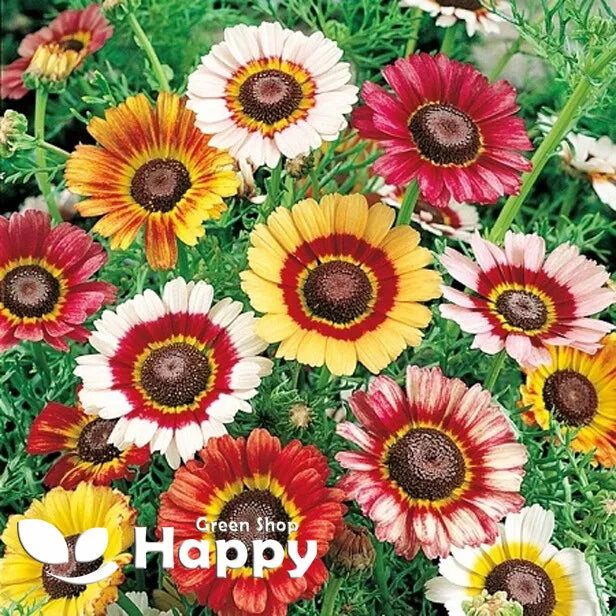
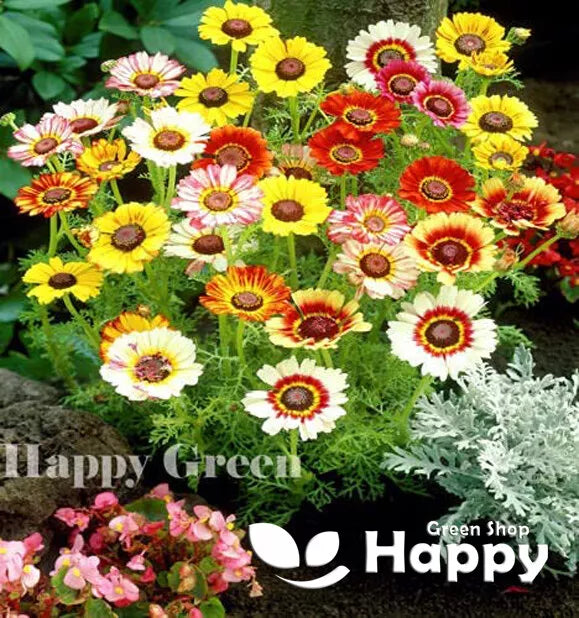
Painted Daisy Rainbow Mix Seeds (Chrysanthemum carinatum)
The Painted Daisy Rainbow Mix is a spectacular annual flower producing bold, daisy-like blooms in a wide range of colors—reds, pinks, yellows, whites, and bicolors, often with striking contrasting rings around the center. These cheerful flowers not only brighten up beds and borders but also make wonderful, long-lasting cut flowers. Easy to grow, they thrive in most garden soils and add a true splash of rainbow color throughout the summer.
What Makes It Special
-
Striking multi-colored blooms with bold ring patterns
-
Easy to grow, fast-flowering annual
-
Excellent for cut flowers and garden displays
-
Provides long-lasting summer color
Key Features
-
Botanical name: Chrysanthemum carinatum (also known as Glebionis carinata)
-
Variety: Rainbow Mix
-
Seed count: Approx. seeds per pack
-
Height/Spread: 50–70 cm tall, 25–30 cm spread
-
Position: Full sun; well-drained soil
-
Flowering period: June–September
Ideal For
-
Borders and cottage gardens
-
Pollinator-friendly planting (attracts bees & butterflies)
-
Vibrant cut flower arrangements
-
Summer bedding displays
Sowing Instructions
-
When to sow: March–May indoors or direct outdoors after frost risk has passed
-
How to sow:
-
Sow thinly on fine, moist compost, covering lightly with soil
-
Germination takes 7–14 days at 15–20°C
-
-
Transplanting: Harden off seedlings and plant outdoors 25–30 cm apart
-
Care: Water regularly in dry weather, deadhead to prolong flowering
Showing 531/869


