
Sort by:
913 products
913 products

Nemophila ‘Baby Blue Eyes’ – Seeds (Nemophila menziesii insignis)
The Nemophila ‘Baby Blue Eyes’ is an annual favorite producing a carpet of delicate sky-blue, cup-shaped flowers with white centers. Its compact, spreading habit makes it perfect for borders, rock gardens, and containers, creating a soft, charming display in spring and early summer.
What Makes It Special
-
Stunning sky-blue flowers with white centers
-
Compact, spreading growth habit ideal for mass planting
-
Long-lasting spring display with continuous flowering
-
Attracts pollinators and adds charm to any garden
Key Features
-
Botanical name: Nemophila menziesii insignis
-
Variety: ‘Baby Blue Eyes’
-
Seed count: Approx. seeds per pack
-
Height/Spread: 15–25 cm tall, spreading 20–30 cm
-
Position: Full sun to partial shade; well-drained soil
-
Flowering period: Spring to early summer
Ideal For
-
Borders and edging
-
Rock gardens and cottage gardens
-
Containers and patio pots
-
Pollinator-friendly planting
Sowing Instructions
-
When to sow: February–May outdoors or March–April indoors
-
How to sow:
-
Sow seeds thinly on prepared soil
-
Cover lightly with soil
-
Germination: 10–14 days
-
-
After germination:
-
Thin seedlings to 15–20 cm apart
-
Keep soil moist but not waterlogged
-
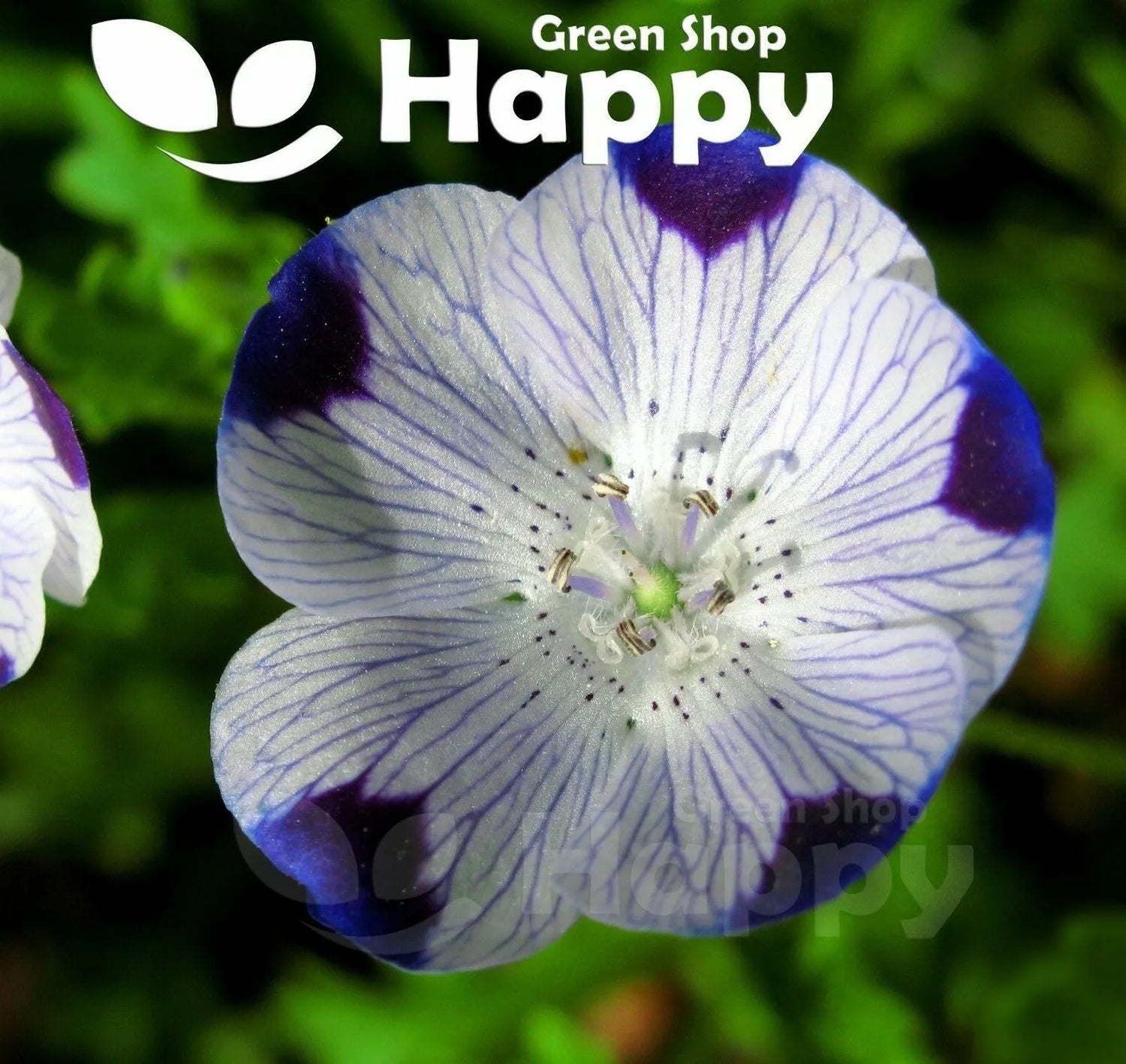
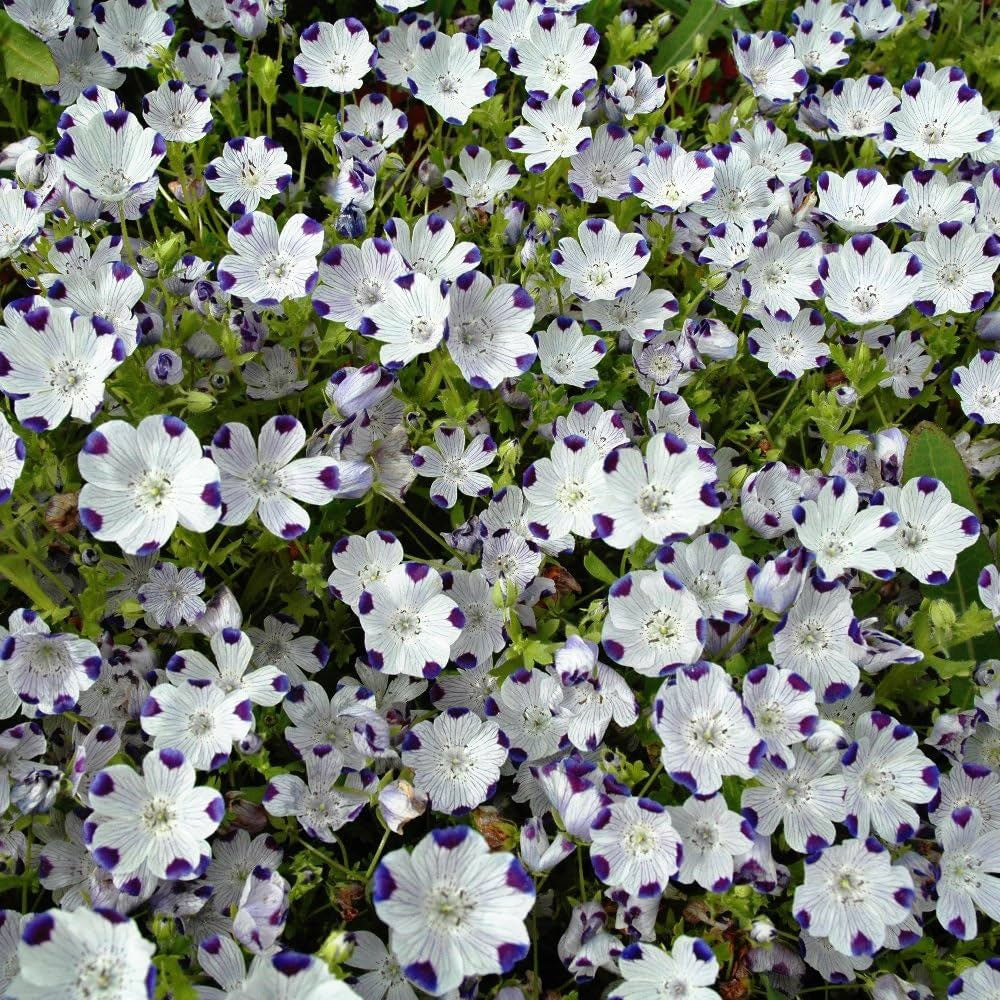
Nemophila ‘Five Spot’ – Seeds (Nemophila maculata)
The Nemophila ‘Five Spot’ is an annual with striking white cup-shaped flowers marked by bold purple spots, giving a unique, eye-catching display. Its compact, spreading habit makes it perfect for borders, rock gardens, and containers, creating a charming carpet of patterned blooms in spring and early summer.
What Makes It Special
-
Distinctive white flowers with deep purple spots
-
Compact, spreading growth habit ideal for mass planting
-
Long-lasting spring display with continuous flowering
-
Adds visual interest and attracts pollinators
Key Features
-
Botanical name: Nemophila maculata
-
Variety: ‘Five Spot’
-
Seed count: Approx. seeds per pack
-
Height/Spread: 15–25 cm tall, spreading 20–30 cm
-
Position: Full sun to partial shade; well-drained soil
-
Flowering period: Spring to early summer
Ideal For
-
Borders and edging
-
Rock and cottage gardens
-
Containers and patio pots
-
Pollinator-friendly gardens
Sowing Instructions
-
When to sow: February–May outdoors or March–April indoors
-
How to sow:
-
Sow seeds thinly on prepared soil
-
Cover lightly with soil
-
Germination: 10–14 days
-
-
After germination:
-
Thin seedlings to 15–20 cm apart
-
Keep soil moist but avoid waterlogging
-
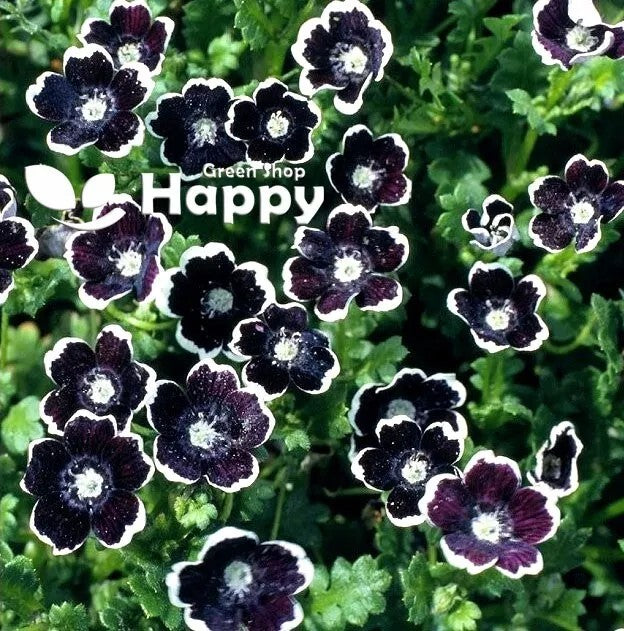
Nemophila ‘Penny Black’ – Seeds (Nemophila menziesii)
The Nemophila ‘Penny Black’ is an annual with striking deep purple to almost black flowers featuring subtle white centers. Its compact, spreading habit makes it ideal for borders, rock gardens, and containers, providing a dramatic and elegant display in spring and early summer.
What Makes It Special
-
Unique deep purple, almost black blooms with white centers
-
Compact, spreading growth habit for mass planting
-
Long-lasting spring display with continuous flowering
-
Adds contrast and drama to mixed flower beds and gardens
Key Features
-
Botanical name: Nemophila menziesii
-
Variety: ‘Penny Black’
-
Seed count: Approx. seeds per pack
-
Height/Spread: 15–25 cm tall, spreading 20–30 cm
-
Position: Full sun to partial shade; well-drained soil
-
Flowering period: Spring to early summer
Ideal For
-
Borders and edging
-
Rock and cottage gardens
-
Containers and patio pots
-
Creating striking color contrast in mixed plantings
Sowing Instructions
-
When to sow: February–May outdoors or March–April indoors
-
How to sow:
-
Sow seeds thinly on prepared soil
-
Cover lightly with soil
-
Germination: 10–14 days
-
-
After germination:
-
Thin seedlings to 15–20 cm apart
-
Keep soil moist but avoid waterlogging
-

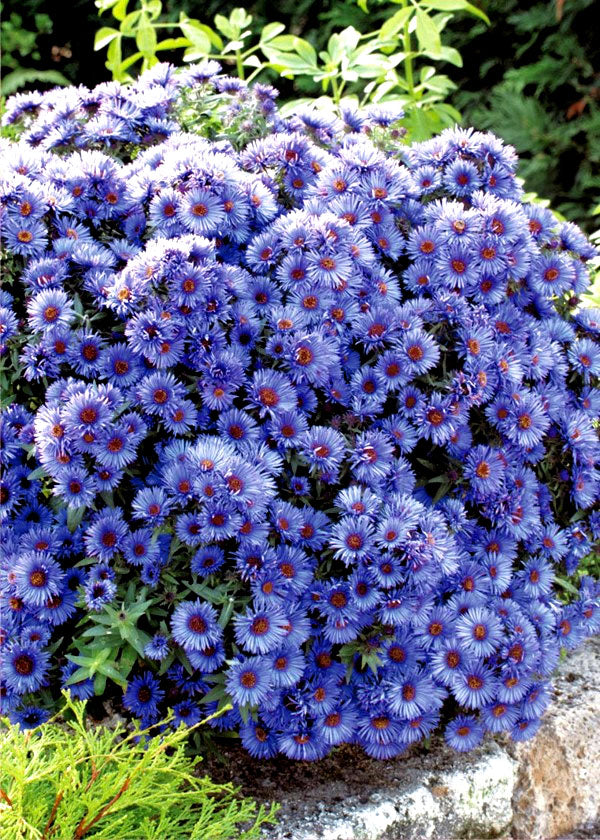

New England Aster ‘Sky Blue’ Seeds (Symphyotrichum novae-angliae)
Brighten your late-season garden with New England Aster ‘Sky Blue’ (Symphyotrichum novae-angliae). This hardy perennial produces masses of sky-blue daisy-like flowers in late summer and autumn, creating a stunning display in borders, meadows, and cutting gardens. Easy to grow and long-flowering, it attracts pollinators and adds vibrant color when many other plants have finished blooming.
How to Grow
-
Sow seeds indoors 6–8 weeks before the last frost or directly outdoors after frost risk has passed.
-
Use well-drained soil in full sun to partial shade.
-
Lightly cover seeds with soil and keep moist until germination (14–21 days).
-
Thin seedlings to 30–40 cm apart once established.
-
Mulch around plants to retain moisture and support healthy growth.
-
Cut back after flowering to maintain plant vigor.
Key Features
-
Sky-blue, daisy-like flowers in late summer and autumn
-
Hardy perennial, long-flowering and easy to grow
-
Ideal for borders, meadows, and cutting gardens
-
Attracts bees, butterflies, and other pollinators
-
Adds vibrant late-season color to garden beds
Ideal For
-
Flower borders and cottage gardens
-
Wildflower meadows and naturalized areas
-
Cutting gardens for bouquets
-
Pollinator-friendly landscapes
Sowing
-
Best time: 6–8 weeks before last frost indoors or after frost outdoors
-
Germination: 14–21 days
-
Sow thinly, cover lightly, and keep soil moist
-
Prefers full sun to partial shade and well-drained soil
Quick Tip
-
For extended blooms, sow successive batches or cut flowers regularly to encourage new growth.

New York Aster ‘Novi-Belgii’ Seeds (Symphyotrichum novi-belgii)
Enhance your late-season garden with New York Aster ‘Novi-Belgii’ (Symphyotrichum novi-belgii). This hardy perennial produces dense clusters of violet-blue daisy-like flowers with golden centers in late summer and autumn, bringing vibrant color to borders, meadows, and cutting gardens. Easy to grow and long-flowering, it attracts pollinators and adds a classic cottage garden charm.
How to Grow
-
Sow seeds indoors 6–8 weeks before the last frost or directly outdoors after frost risk has passed.
-
Use well-drained soil in full sun to partial shade.
-
Lightly cover seeds with soil and keep moist until germination (14–21 days).
-
Thin seedlings to 30–40 cm apart once established.
-
Mulch around plants to retain moisture and support healthy growth.
-
Cut back after flowering to maintain plant vigor.
Key Features
-
Violet-blue, daisy-like flowers with golden centers
-
Hardy perennial, long-flowering and easy to grow
-
Ideal for borders, meadows, and cutting gardens
-
Attracts bees, butterflies, and other pollinators
-
Adds vibrant late-season color to garden beds
Ideal For
-
Flower borders and cottage gardens
-
Wildflower meadows and naturalized areas
-
Cutting gardens for bouquets
-
Pollinator-friendly landscapes
Sowing
-
Best time: 6–8 weeks before last frost indoors or after frost outdoors
-
Germination: 14–21 days
-
Sow thinly, cover lightly, and keep soil moist
-
Prefers full sun to partial shade and well-drained soil
Quick Tip
-
For extended blooms, sow successive batches or cut flowers regularly to encourage new growth.
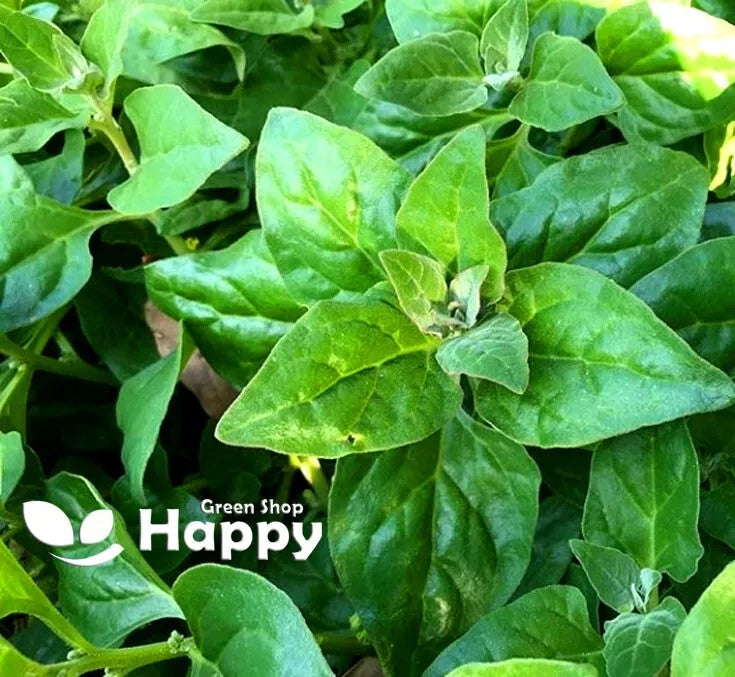
New Zealand Spinach Seeds (Tetragonia tetragonioides)
Grow a heat-tolerant alternative to traditional spinach with New Zealand Spinach (Tetragonia tetragonioides). This hardy, fast-growing leafy green produces succulent, nutrient-rich leaves ideal for salads, steaming, or sautéing. Perfect for summer gardens, it thrives in warm weather when regular spinach struggles, providing a continuous harvest of fresh greens.
How to Grow
-
Sow seeds directly outdoors after the last frost when soil has warmed.
-
Use well-drained, fertile soil in full sun to partial shade.
-
Sow seeds 1–2 cm deep and thin seedlings to 25–30 cm apart.
-
Keep soil consistently moist for best growth.
-
Harvest young leaves regularly or cut mature leaves, leaving the plant to regrow.
Key Features
-
Heat-tolerant alternative to traditional spinach
-
Fast-growing, nutrient-rich leaves
-
Hardy and easy to grow
-
Ideal for salads, steaming, or sautéing
-
Provides continuous harvest throughout warm seasons
Ideal For
-
Vegetable gardens and raised beds
-
Summer harvesting when regular spinach struggles
-
Fresh salads, cooking, and sautéed greens
-
Continuous harvest of nutrient-rich leaves
Sowing
-
Best time: After last frost, when soil is warm
-
Depth: 1–2 cm
-
Spacing: Thin to 25–30 cm apart
-
Prefers full sun to partial shade and fertile, well-drained soil
Quick Tip
-
Regularly harvest outer leaves to encourage continuous growth throughout the season.

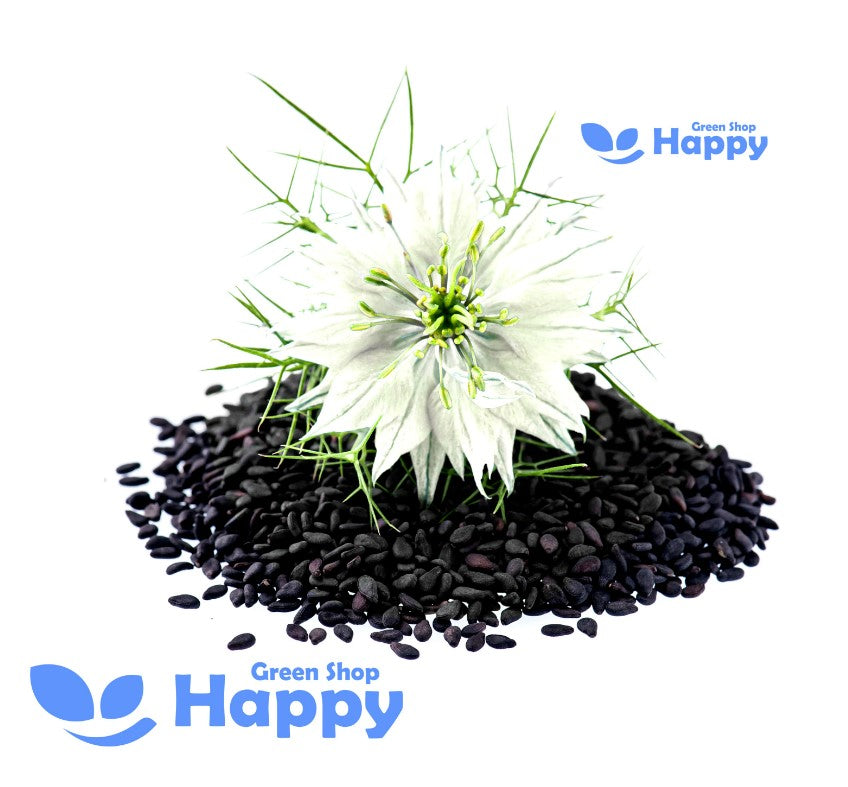
Nigella sativa ‘Black Cumin’ White – Seeds (Nigella sativa)
Nigella sativa ‘Black Cumin’ (Nigella sativa) is a graceful annual valued both as a culinary spice and an ornamental flower. It produces delicate white, star-shaped blooms that float above feathery foliage, followed by decorative seed pods. Known for its aromatic black seeds, often called black cumin, it has been used for centuries in cooking and traditional remedies. Easy to grow and low-maintenance, this dual-purpose plant brings both beauty and practicality to the garden.
Why Grow "Black Cumin" White
-
Delicate white blooms with airy foliage
-
Produces edible black cumin seeds with culinary uses
-
Attractive seed pods for dried arrangements
-
Easy to grow and self-seeding annual
Key Features
-
Type: Annual (Nigella sativa)
-
Height: 20–40 cm
-
Flowering: Summer
-
Position: Full sun
-
Uses: Culinary seeds, borders, containers, dried flowers
Ideal For
-
Herb and kitchen gardens
-
Dual-purpose planting – ornamental and edible
-
Borders and cottage-style displays
-
Cutting and drying seed pods for decoration
Sowing & Growing
-
Sow outdoors: March–May or September for earlier blooms
-
Germination: 10–20 days
-
Thin seedlings: 15–20 cm apart
-
Prefers well-drained soil in full sun
-
Self-seeds freely for naturalized planting
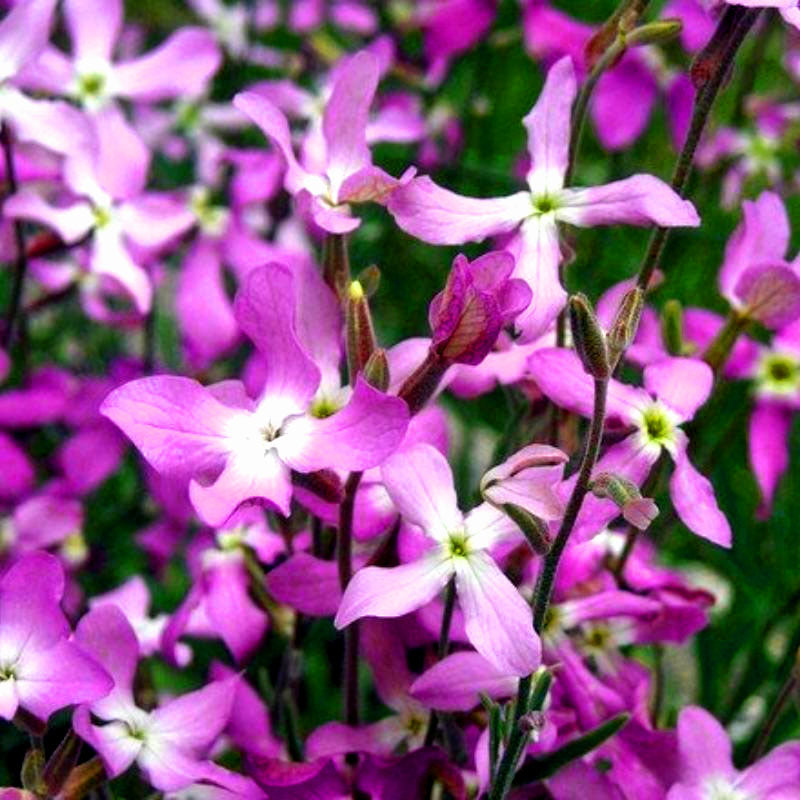
Night Scented Stock – 5 000 Seeds (Matthiola bicornis)
Bring magic to your summer evenings with Night Scented Stock. By day, its blooms are modest, but as dusk falls, they release an irresistible sweet fragrance that perfumes the air. A must-have for evening gardens, patios, and containers.
What Makes It Special
-
Intensely fragrant blooms at night
-
Easy to grow with minimal care
-
Attracts evening pollinators and creates a romantic garden atmosphere
Key Features
-
Height: 40–50 cm
-
Annual, fast-growing
-
Best fragrance released at dusk and night
-
Ideal for evening relaxation spaces
Ideal For
-
Scented night gardens
-
Patio containers near seating areas
-
Borders and cottage gardens
Sowing
-
Sow outdoors Mar–May directly where they are to flower
-
Sow thinly in well-prepared, free-draining soil
-
Cover lightly with soil and keep moist
-
Germination: 10–20 days
-
Thin seedlings to 15–20 cm apart

Oak Leaf Lettuce 'Green Salad Bowl' – Seeds (Lactuca sativa)
A true kitchen garden favorite, Oak Leaf Lettuce 'Green Salad Bowl' is a fast-growing, cut-and-come-again variety with long, deeply notched green leaves that resemble oak foliage. Its mild, tender flavor and crisp texture make it perfect for everyday salads. Easy to grow and slow to bolt, it provides a generous harvest of fresh greens all season long.
How to Grow
. Sow indoors from February to April or directly outdoors from March to July
. Sow thinly, 0.5 cm deep in rows 25–30 cm apart
. Thin seedlings to 20 cm apart, or grow closer for baby leaves
. Prefers full sun and moist, fertile, well-drained soil
. Harvest leaves regularly to encourage continuous cropping
Key Features
. Classic oak leaf lettuce with tender green leaves
. Mild flavor, perfect for salads and sandwiches
. Cut-and-come-again variety for extended harvests
. Slow to bolt, even in warmer conditions
. Easy to grow in beds, borders, or containers
Ideal For
. Fresh everyday salads
. Cut-and-come-again harvesting
. Home gardens, pots, and allotments
. Gardeners seeking reliable, easy lettuce
Sowing & Harvest
. Sow: February – July
. Harvest: May – September
Quick Tip
For the best flavor and texture, pick leaves early in the morning when they’re freshest and most tender.
Showing 540/913


