
Sort by:
869 products
869 products

Pansy Swiss Giant ‘White Silverbride’ Seeds (Viola wittrockiana)
A striking pansy variety, Swiss Giant ‘White Silverbride’ produces large pure-white flowers highlighted with a contrasting dark blotch at the center. Hardy and reliable, it brings elegant color to spring and autumn gardens in borders, beds, and containers.
What Makes It Special
-
Crisp white blooms with a bold dark face
-
Large flowers on compact, sturdy plants
-
Excellent cool-season performance and long bloom time
Key Features
-
Botanical name: Viola wittrockiana
-
Hardy annual/biennial
-
Height: 15–20 cm (6–8 in)
-
Bloom time: Early spring and autumn
Ideal For
-
Borders and garden beds
-
Pots, containers, and window boxes
-
Elegant spring and autumn displays
Sowing
-
Sow indoors Feb–Apr or outdoors May–Jun
-
Lightly cover with soil, keep moist until germination
-
Germination: 10–21 days at 15–20°C
-
Transplant seedlings 15–20 cm apart
-
Flowers in spring and autumn after sowing

Pansy Swiss Giant ‘Yellow’ Seeds (Viola wittrockiana)
A cheerful and vibrant variety, Swiss Giant ‘Yellow’ produces large golden-yellow blooms with a striking dark blotch at the center. Hardy and reliable, this pansy brings a burst of sunshine to spring and autumn displays in beds, borders, and containers.
What Makes It Special
-
Bright golden-yellow blooms with bold dark centers
-
Large flowers on compact, sturdy plants
-
Long-lasting color in cool seasons
Key Features
-
Botanical name: Viola wittrockiana
-
Hardy annual/biennial
-
Height: 15–20 cm (6–8 in)
-
Bloom time: Early spring and autumn
Ideal For
-
Beds and borders
-
Containers, pots, and window boxes
-
Bright seasonal color displays
Sowing
-
Sow indoors Feb–Apr or outdoors May–Jun
-
Lightly cover with soil and keep moist
-
Germination: 10–21 days at 15–20°C
-
Transplant seedlings 15–20 cm apart
-
Flowers in spring and autumn after sowing

Pansy Swiss Pansy Blue ‘Ullswater’ Seeds (Viola wittrockiana)
A classic pansy variety with large, velvety deep-blue blooms and a dark central blotch. Blue ‘Ullswater’ is compact, hardy, and perfect for bringing bold color to spring and autumn gardens in beds, borders, and containers.
What Makes It Special
-
Rich, velvety blue flowers with strong garden presence
-
Reliable variety for cool-season planting
-
Long-lasting blooms from early spring through autumn
Key Features
-
Botanical name: Viola wittrockiana
-
Hardy annual/biennial
-
Height: 15–20 cm (6–8 in)
-
Bloom time: Early spring and autumn
Ideal For
-
Garden beds and borders
-
Containers, pots, and window boxes
-
Cool-season color displays
Sowing
-
Sow indoors Feb–Apr or outdoors May–Jun
-
Cover seeds lightly with soil and keep moist
-
Germination: 10–21 days at 15–20°C
-
Transplant seedlings 15–20 cm apart
-
Flowers in spring and autumn after sowing
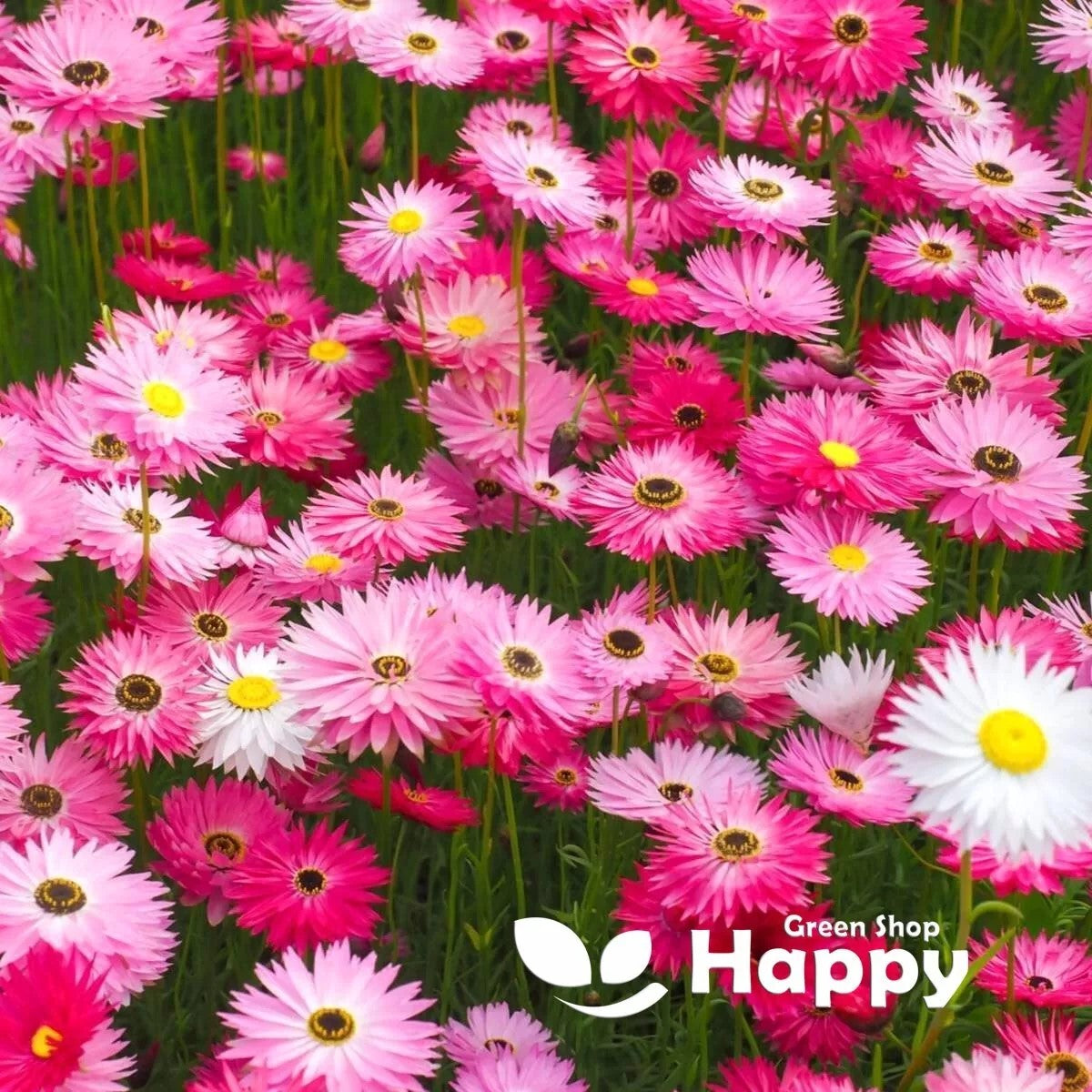
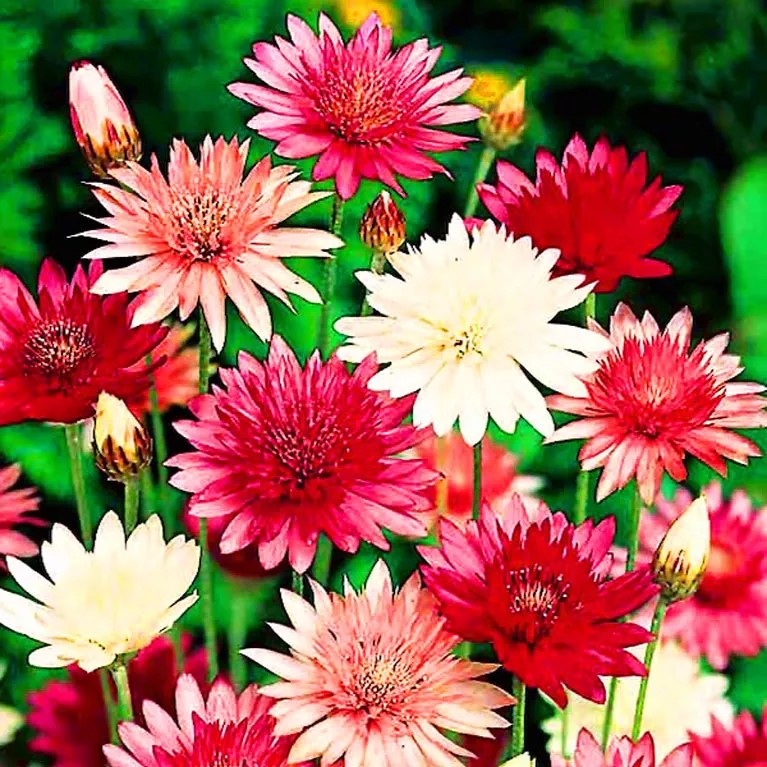
Paper Daisy Everlasting Giant-Flowered Mixture Seeds
The Paper Daisy Everlasting produces large, vibrant, daisy-like blooms that retain their color and shape when dried. This easy-to-grow annual is perfect for fresh-cut arrangements, dried flower crafts, or adding bold, long-lasting color to garden beds and borders. Its mounding habit and sturdy stems make it a versatile addition to any garden.
What Makes It Special
-
Large, colorful daisy-like blooms with excellent longevity
-
Flowers dry naturally, perfect for everlasting arrangements
-
Easy-to-grow, hardy, and low-maintenance
-
Attracts bees and butterflies while adding bold color to borders
Key Features
-
Botanical name: Helichrysum / Xerochrysum bracteatum
-
Variety: Giant-flowered mixture
-
Seed count: Approx. seeds per pack
-
Height/Spread: 40–60 cm tall, 25–35 cm spread
-
Position: Full sun; well-drained soil
-
Flowering period: June–October
Ideal For
-
Fresh-cut or dried flower arrangements
-
Borders, beds, and cottage gardens
-
Pollinator-friendly gardens
-
Container displays and floral crafts
Sowing Instructions
-
When to sow: March–May indoors; April–June outdoors
-
How to sow:
-
Sow seeds on the surface of moist seed compost and press lightly; do not cover too deeply
-
Keep at 18–22°C; germination occurs in 10–14 days
-
-
Transplanting: Prick out seedlings when large enough; plant outside after frost
-
Care: Water regularly and remove faded flowers to encourage continuous blooming
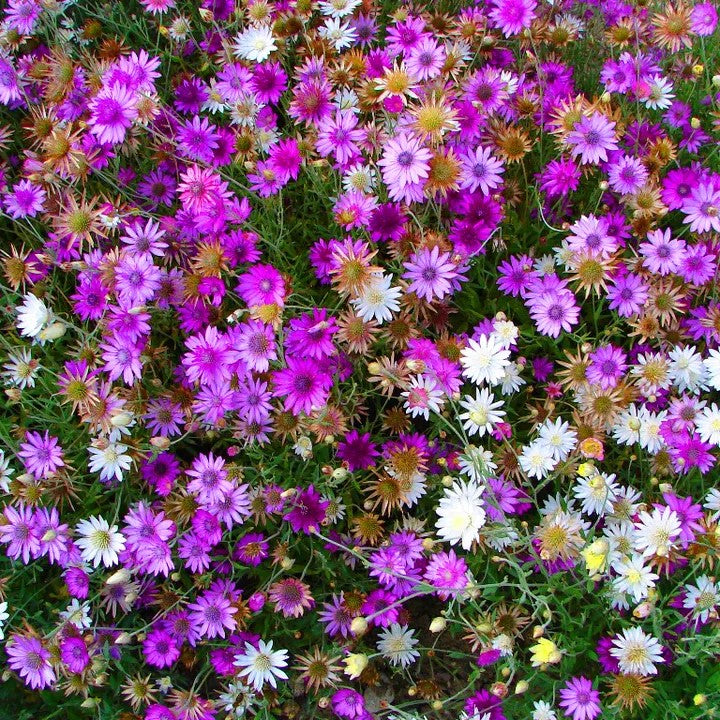
Paper Daisy Immortelle Mix Seeds (Xeranthemum annuum)
The Paper Daisy Immortelle Mix produces a colorful assortment of long-lasting, daisy-like blooms perfect for fresh or dried arrangements. Its compact, upright growth habit and vibrant flowers make it an excellent choice for borders, beds, and container displays. Loved for its ability to retain shape and color when dried, it’s ideal for everlasting bouquets and garden decoration.
What Makes It Special
-
Colorful, long-lasting blooms that dry naturally for arrangements
-
Compact, upright growth ideal for garden beds and containers
-
Easy to grow and low-maintenance
-
Attracts bees and butterflies while adding vibrant summer color
Key Features
-
Botanical name: Xeranthemum annuum
-
Variety: Immortelle Mix
-
Seed count: Approx. seeds per pack
-
Height/Spread: 40–60 cm tall, 25–35 cm spread
-
Position: Full sun; well-drained soil
-
Flowering period: June–October
Ideal For
-
Fresh-cut and dried flower arrangements
-
Garden borders, beds, and cottage gardens
-
Pollinator-friendly plantings
-
Container displays and floral crafts
Sowing Instructions
-
When to sow: March–May indoors; April–June outdoors
-
How to sow:
-
Sow seeds on the surface of moist seed compost and press lightly; do not cover too deeply
-
Germination in 10–14 days at 18–22°C
-
-
Transplanting: Prick out seedlings when large enough; plant outdoors after frost
-
Care: Water regularly and deadhead to prolong flowering and encourage continuous blooms
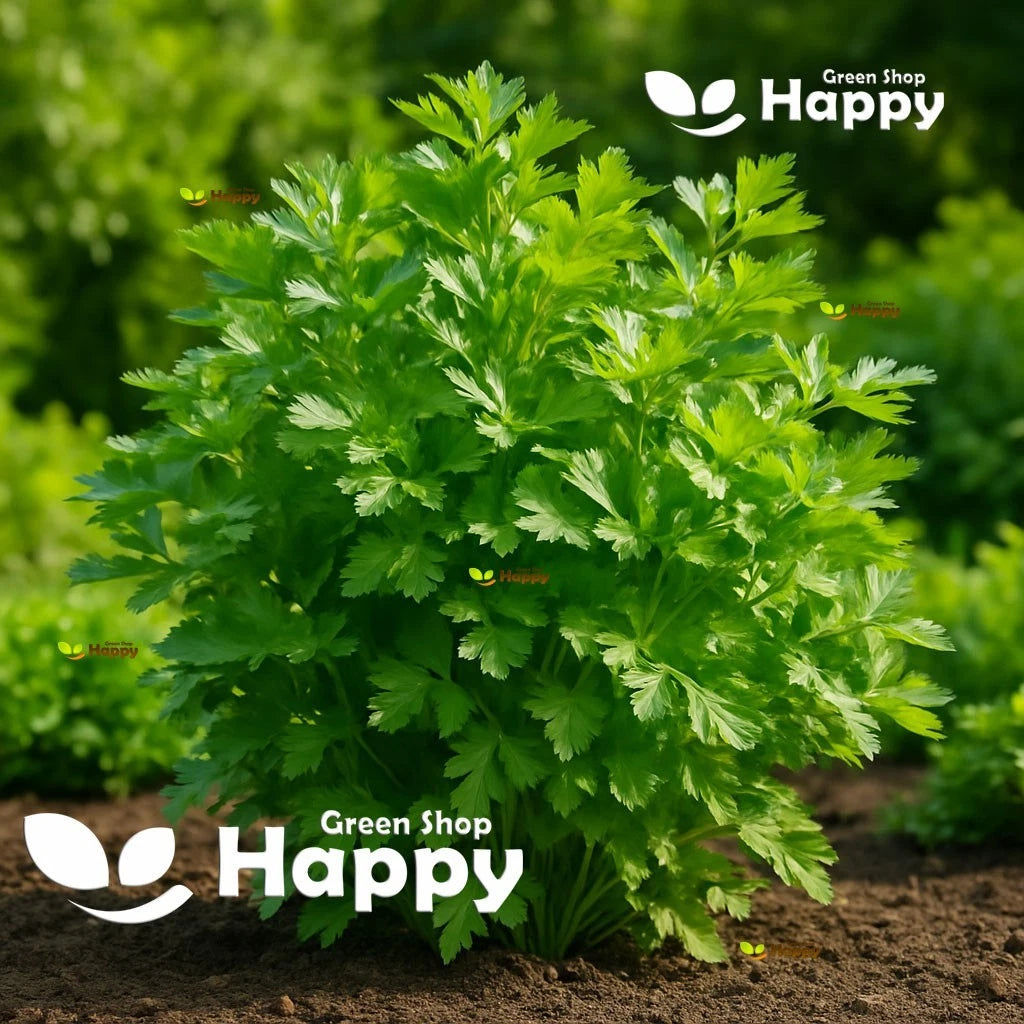
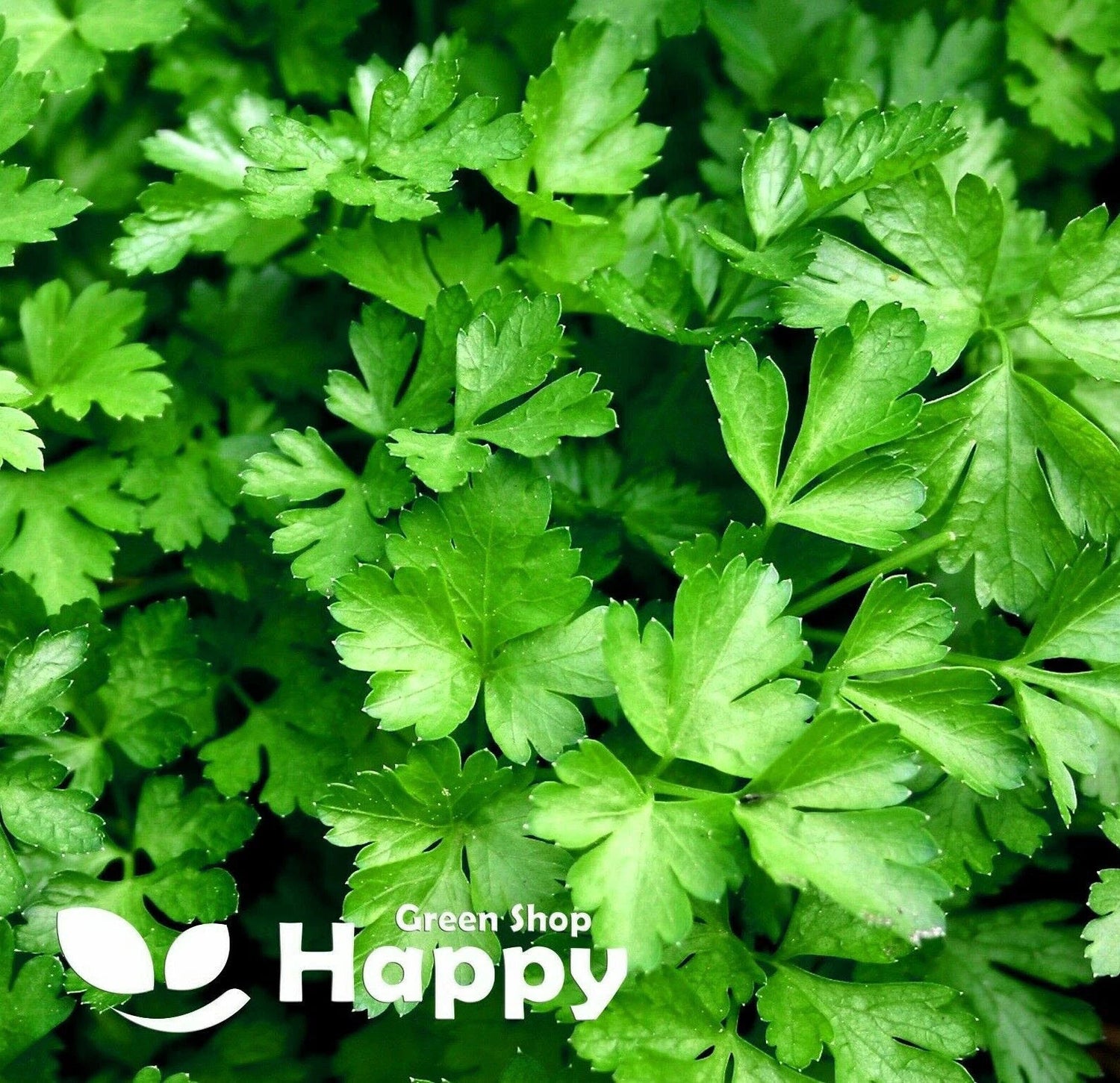
Parsley 'Italian Giant' Seeds (Petroselinum crispum)
Enjoy rich flavor and lush harvests with Parsley 'Italian Giant', a robust flat-leaf variety prized for its strong, aromatic taste and vigorous growth. With large, dark green leaves and a long cutting period, it’s perfect for garnishing, cooking, and seasoning. Easy to grow in the garden or containers, it’s a must-have herb for every kitchen gardener.
How to Grow
-
Sow indoors in early spring or directly outdoors after frost.
-
Use fertile, moist, well-drained soil in sun or partial shade.
-
Sow seeds 0.5 cm deep in rows 25–30 cm apart.
-
Thin seedlings to 20–25 cm apart for strong plants.
-
Harvest regularly to encourage new growth.
Key Features
-
Flat-leaf parsley with strong, aromatic flavor
-
Vigorous, robust growth and large green leaves
-
Long cutting period for continuous harvest
-
Ideal for cooking, garnishing, and seasoning
-
Grows well in beds, pots, and herb gardens
Ideal For
-
Garnishes and fresh salads
-
Cooking and seasoning sauces, soups, and stews
-
Herb gardens and containers
-
Gardeners who want reliable, productive herbs
Sowing
-
Best time: Spring, or indoors earlier
-
Depth: 0.5 cm
-
Spacing: Thin to 20–25 cm apart
-
Prefers moist, fertile, well-drained soil
Quick Tip
-
Soak seeds overnight before sowing to improve germination.

Parsley Hamburg 'Alba' – Seeds (Petroselinum crispum)
Parsley Hamburg 'Alba' is a dual-purpose variety grown both for its large, white, parsnip-like roots and its flavorful parsley leaves. The roots are excellent roasted, boiled, or grated raw into salads, while the leaves can be used fresh as a garnish or in cooking. A versatile and easy-to-grow addition to the kitchen garden.
How to Grow
-
Sow outdoors: March – July, directly into well-prepared soil.
-
Thin seedlings to 15 cm apart in rows 30 cm apart.
-
Prefers fertile, light, well-drained soil.
-
Water regularly for strong root development.
Key Features
-
Root parsley variety with sweet, nutty flavor
-
Dual-purpose: edible roots & aromatic leaves
-
Easy to grow and hardy in most soils
-
Stores well after harvest
-
Great for soups, stews, roasting, and garnishing
Ideal For
-
Root vegetable dishes
-
Fresh parsley leaves for cooking
-
Kitchen gardens and allotments
Sowing & Harvest
-
Sow: March – July
-
Harvest: October – December
Quick Tip
For the best roots, loosen soil well before sowing to allow long, straight growth.
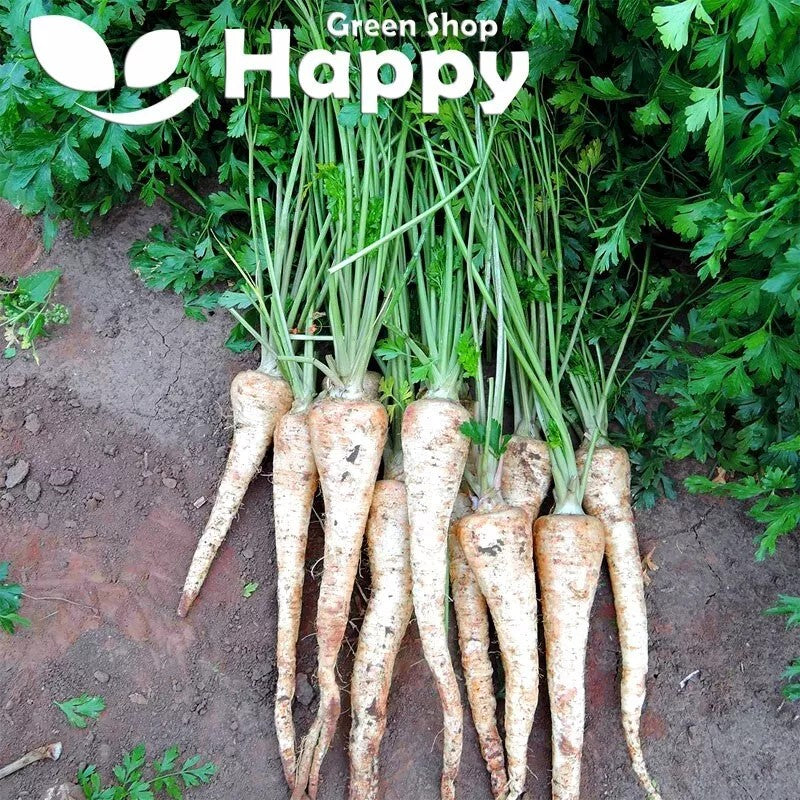
Parsley Root 'Osbourne' Seeds (Petroselinum crispum)
Grow a versatile and flavorful root vegetable with Parsley Root 'Osbourne', a traditional European variety prized for its long, white, carrot-like roots and aromatic leaves. Both root and leaves are edible: the roots are perfect for soups, stews, and roasting, while the leaves can be used fresh like regular parsley. Hardy and easy to grow, it’s a must-have for kitchen gardens.
How to Grow
-
Sow seeds directly outdoors from early spring.
-
Prefers fertile, well-drained soil with full sun exposure.
-
Sow 1 cm deep in rows 30 cm apart.
-
Thin seedlings to 5–10 cm apart.
-
Harvest roots when they reach 15–20 cm long, before heavy frost.
Key Features
-
Long, white, carrot-like roots with sweet, aromatic flavor
-
Dual-purpose: edible roots and flavorful parsley leaves
-
Hardy and reliable in most garden soils
-
Excellent for soups, stews, roasting, and garnishing
-
Traditional European variety with long history
Ideal For
-
Winter soups, stews, and roasted dishes
-
Fresh parsley leaves for salads and garnishing
-
Home gardeners seeking versatile, dual-purpose crops
-
Kitchen gardens and allotments
Sowing
-
Best time: Early spring
-
Depth: 1 cm
-
Row spacing: 30 cm
-
Plant spacing: Thin to 5–10 cm apart
-
Harvest: 90–120 days after sowing
Quick Tip
-
For best flavor, harvest roots before the first hard frost; store in cool, dark conditions.
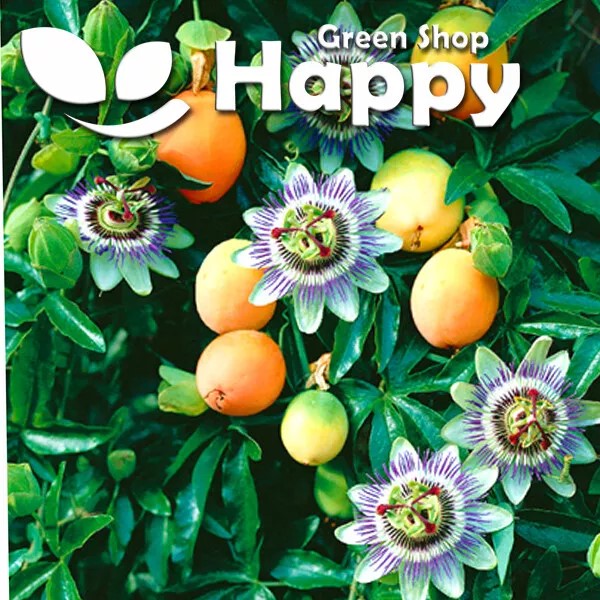
Passion Flower Seeds (Passiflora caerulea)
Exotic and captivating, Passion Flower produces intricate star-shaped blooms with white petals and striking blue-purple filaments. A vigorous climber, it brings drama and elegance to walls, trellises, and fences. Hardy in mild climates and excellent for attracting pollinators, this unique plant also bears ornamental fruit after flowering.
What Makes It Special
-
Exotic, intricate blue-white flowers
-
Vigorous climber for vertical spaces
-
Attracts bees, butterflies, and pollinators
Key Features
-
Botanical name: Passiflora caerulea
-
Hardy perennial climber
-
Height: 3–6 m (10–20 ft) with support
-
Bloom time: Summer to early autumn
Ideal For
-
Covering trellises, walls, and fences
-
Conservatories and greenhouse cultivation
-
Pollinator-friendly and ornamental gardens
Sowing
-
Soak seeds in warm water for 24 hours before sowing
-
Sow indoors Feb–Apr at 20–25°C
-
Germination: 3–8 weeks (sometimes longer)
-
Transplant seedlings to pots, then outdoors after frost
-
Flowers from the second or third year
Showing 558/869


