
Sort by:
869 products
869 products

Patty Pan 'Custard White' – Seeds (Cucurbita pepo)
The Patty Pan 'Custard White' is a striking summer squash variety producing creamy white, scalloped fruits with a tender texture and mild, nutty flavor. These unique squashes can be harvested young for grilling, steaming, and stir-fries or left to mature for stuffing and baking. Both ornamental and delicious, they add variety to your kitchen garden and your plate.
How to Grow
-
Sow seeds indoors from April or directly outdoors from May once the soil has warmed.
-
Plant 2–3 seeds per hole, 2 cm deep, thinning to the strongest seedling.
-
Space plants 60–90 cm apart in sunny, fertile soil.
-
Water regularly and feed for a steady crop.
Key Features
-
Distinctive white, scalloped fruits
-
Tender flesh with mild, nutty flavor
-
Harvest young or mature depending on use
-
Highly productive and ornamental
-
Versatile for grilling, baking, or stuffing
Ideal For
-
Summer vegetable gardens
-
Home cooks seeking versatile squash
-
Decorative harvest baskets and kitchen displays
Sowing & Harvest
-
Sow: April to June
-
Harvest: July to October
Quick Tip
-
Harvest fruits when small and tender for the best flavor and a continuous crop.


🎃 Cucurbita pepo ‘Patty Pan Mix’ – Colourful Scallop Squash Blend with Tender, Nutty Flavour
‘Patty Pan Mix’ is an attractive blend of scallop-shaped summer squashes in vibrant shades of yellow, white, green, and occasionally bi-colour types. These cheerful, flying-saucer–shaped fruits are harvested young for their tender texture and mild, nutty flavour, perfect for grilling, roasting, stuffing, stir-fries, or adding colour to summer dishes. Plants are compact, fast-growing, and exceptionally productive, providing a continuous supply of fruits throughout the season. Ideal for home gardens, raised beds, and small plots.
Key Features
● Colourful mix of scallop (patty pan) summer squashes
● Tender, nutty flavour when picked young
● Extremely productive and quick to mature
● Compact plants suited for smaller spaces
● Excellent for grilling, roasting and stuffing
How to Sow & Grow ‘Patty Pan Mix’ (Cucurbita pepo) – UK
Sow indoors: IV–V (April–May) in pots
Transplant outdoors: V–VI (May–June) once frost danger has passed
Direct outdoors: V–VI (May–June) into warm soil
Harvest: VII–IX (July–September)
Germination temperature: 18–24 °C (64–75 °F)
Average germ time: 7–14 days
Depth: 2–3 cm (¾–1¼ in)
Light required: Yes
Moisture: Keep evenly moist
Environment: Full sun
Soil type: Rich, fertile, moisture-retentive soil
Plant spacing: 60–90 cm (24–36 in)
Height/Spread: Bush type, 45–60 cm (18–24 in) high, wide-spreading mound
Sowing & Growing Tips (variety-specific)
● Harvest when fruits are 5–8 cm (2–3 in) for the best texture and flavour.
● Mulch well to retain soil moisture and reduce weeds.
● Feed regularly once plants begin forming fruits.
● Pick frequently to encourage continuous production.
● Avoid overhead watering to reduce powdery mildew risk.
Special Features
● Vibrant colour mix for gourmet presentation
● Nutty flavour and tender texture when harvested young
● Heavy-cropping plants perfect for summer gardens
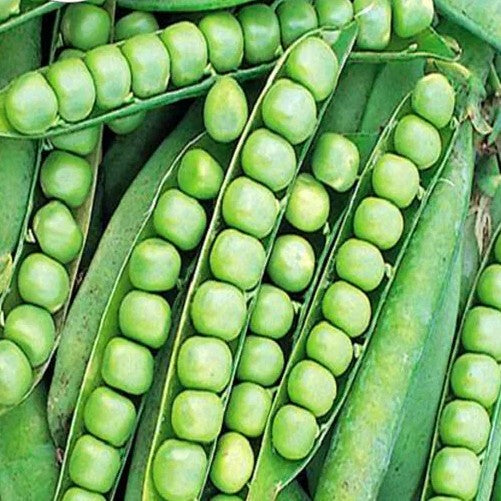
Pea ‘Alderman’ Seeds (Pisum sativum)
Enjoy sweet, tender peas with Pea ‘Alderman’ (Pisum sativum). This classic climbing variety produces long, plump pods filled with flavorful peas, perfect for fresh eating, steaming, or freezing. Hardy and highly productive, it’s ideal for vegetable gardens, allotments, and homegrown culinary delights.
How to Grow
-
Sow seeds directly outdoors from early spring as soon as the soil can be worked.
-
Use well-drained, fertile soil in full sun to partial shade.
-
Sow seeds 3–5 cm deep and 5–7 cm apart in rows 50–60 cm apart.
-
Provide support with stakes, netting, or a trellis for climbing growth.
-
Water consistently, keeping soil moist but not waterlogged.
-
Harvest pods when peas are fully formed but still tender.
Key Features
-
Long, plump, sweet-flavored pods
-
Hardy, climbing, and highly productive
-
Ideal for fresh eating, steaming, or freezing
-
Easy to grow in temperate climates
-
Perfect for vegetable gardens, allotments, and homegrown use
Ideal For
-
Vegetable gardens and allotments
-
Fresh harvest for cooking and freezing
-
Vertical planting with trellises or stakes
-
Companion planting with nitrogen-demanding crops
Sowing
-
Best time: Early spring outdoors
-
Depth: 3–5 cm
-
Spacing: 5–7 cm apart, rows 50–60 cm apart
-
Prefers full sun to partial shade and fertile, well-drained soil
Quick Tip
-
Sow successive batches every 2–3 weeks to enjoy a continuous harvest throughout the season.
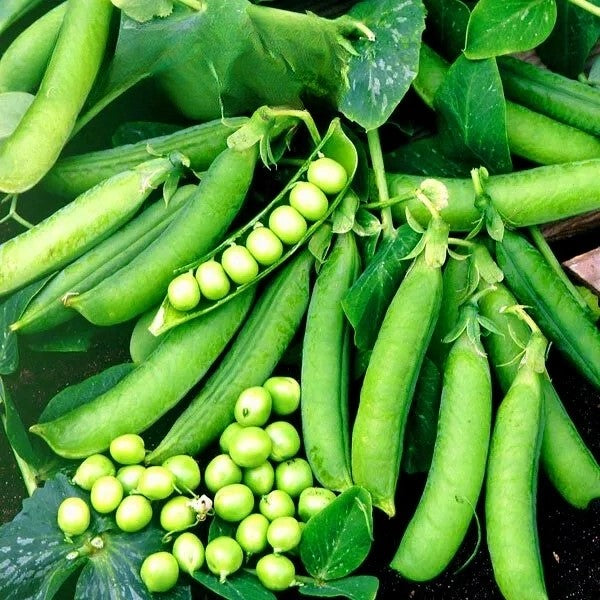
Pea ‘Onward’ Seeds (Pisum sativum)
Enjoy a reliable and early harvest with Pea ‘Onward’ (Pisum sativum). This hardy climbing variety produces long, tender pods filled with sweet, flavorful peas, perfect for fresh eating, steaming, or freezing. Easy to grow and highly productive, it’s ideal for vegetable gardens, allotments, and homegrown culinary use.
How to Grow
-
Sow seeds directly outdoors from early spring as soon as the soil can be worked.
-
Use well-drained, fertile soil in full sun to partial shade.
-
Sow seeds 3–5 cm deep and 5–7 cm apart in rows 50–60 cm apart.
-
Provide stakes, netting, or a trellis for climbing growth.
-
Keep soil consistently moist but not waterlogged.
-
Harvest pods when fully formed but still tender for best flavor.
Key Features
-
Early-maturing climbing variety with long, tender pods
-
Hardy and highly productive
-
Ideal for fresh eating, steaming, or freezing
-
Easy to grow in temperate climates
-
Perfect for vegetable gardens and allotments
Ideal For
-
Vegetable gardens and allotments
-
Fresh harvest for cooking and freezing
-
Climbing support with trellises or stakes
-
Companion planting with nitrogen-fixing crops
Sowing
-
Best time: Early spring outdoors
-
Depth: 3–5 cm
-
Spacing: 5–7 cm apart, rows 50–60 cm apart
-
Prefers full sun to partial shade and fertile, well-drained soil
Quick Tip
-
Sow successive batches every 2–3 weeks to enjoy a continuous early-season harvest.
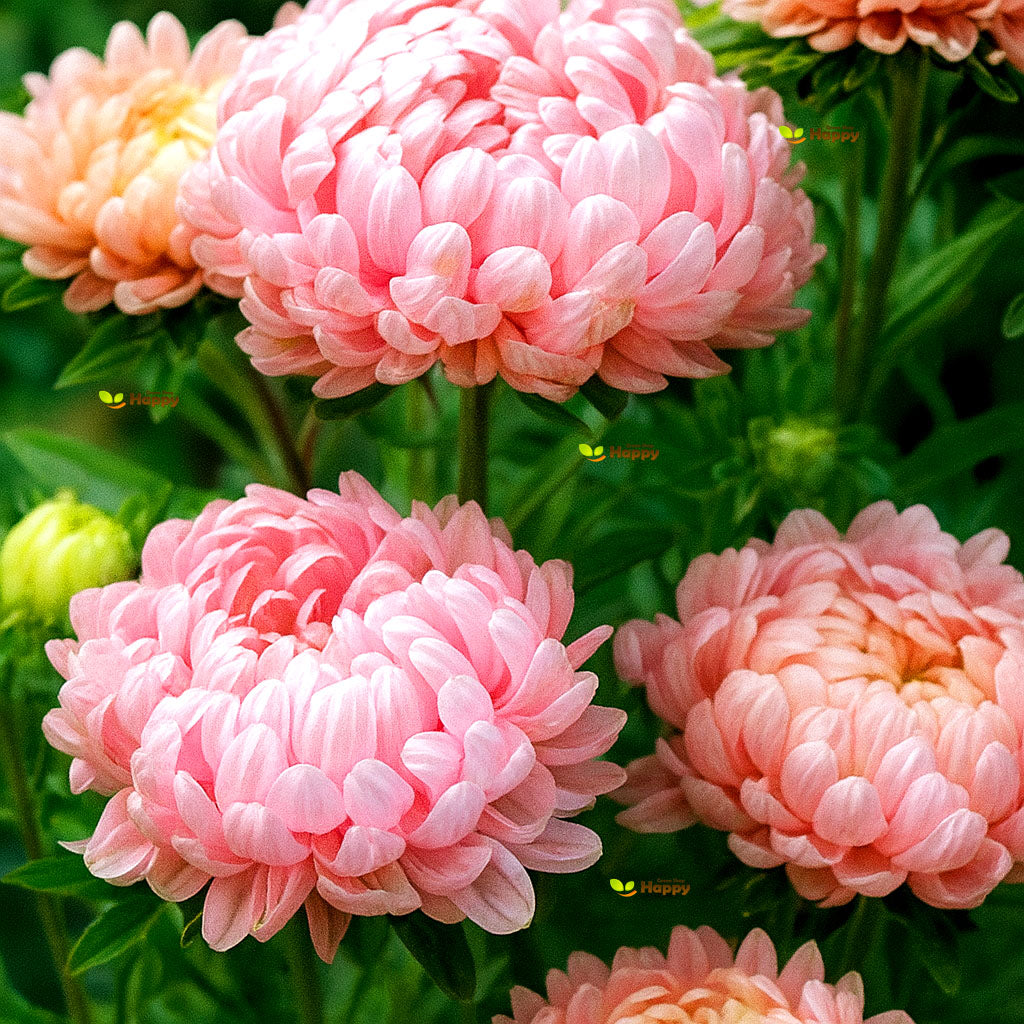

Peony Aster 'Delicate Pink' – Seeds (Callistephus chinensis)
The Peony Aster 'Delicate Pink' is a breathtaking annual with large, fully double flowers that resemble garden peonies. Its soft blush-pink blooms make an elegant display in borders, beds, and cutting gardens. With strong, upright stems and a long flowering season, this variety is also an excellent choice for floral arrangements.
Highlights
-
Large, fully double peony-like blooms
-
Beautiful soft pink color
-
Excellent as a cut flower
-
Long-lasting summer blooms
-
Strong and upright stems
Key Features
-
Botanical Name: Callistephus chinensis
-
Variety: Peony Aster 'Delicate Pink'
-
Seed Count: Approx. seeds per pack
-
Height/Spread: 50–60 cm tall, 25–30 cm spread
-
Position: Full sun, well-drained soil
-
Flowering Period: July–October
Perfect For
-
Cottage gardens
-
Borders and beds
-
Cutting gardens and floral arrangements
-
Elegant pastel displays
Sowing Instructions
-
Sow indoors Feb–Apr at 18–21°C
-
Cover lightly with fine compost or vermiculite
-
Germination: 7–14 days
-
Transplant seedlings when large enough, spacing 25–30 cm apart
-
Harden off before planting outdoors after the last frost
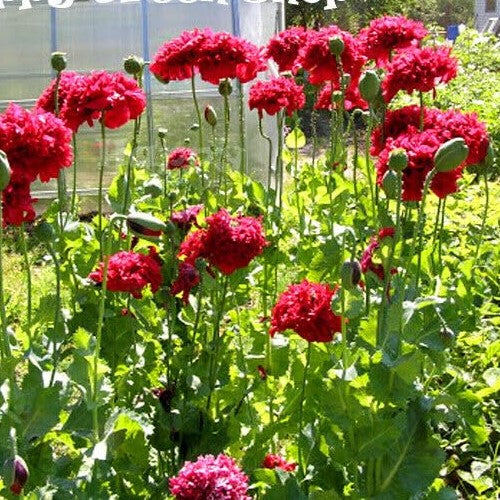
Peony Poppy Red – Seeds
(Papaver paeoniflorum)
The Peony Poppy Red is a breathtaking annual with huge, fully double, peony-like blooms in a deep, velvety crimson red. Its lush, ruffled petals make it one of the most dramatic poppies, creating a bold focal point in borders, cottage gardens, or wildflower meadows. These flowers are not only striking in the garden but also make excellent cut flowers, adding rich color to summer bouquets.
Why Grow Peony Poppy Red?
-
Stunning double flowers resembling peonies
-
Intense, velvety red blooms for dramatic displays
-
Easy to grow and self-seeding
-
Attracts bees and butterflies
Key Features
-
Type: Hardy annual
-
Height: 80–100 cm
-
Flowers: Summer
-
Position: Full sun
-
Soil: Light, well-drained
Ideal For
-
Cottage and wildflower gardens
-
Bold color accents in borders
-
Cut flower arrangements
-
Pollinator-friendly spaces
Sowing & Growing
-
Sow outdoors: March–May or late August–October directly where plants are to flower
-
Scatter thinly over prepared soil, lightly cover, and water gently
-
Germination: 14–21 days
-
Thin seedlings to 20–30 cm apart
-
Care: Deadhead to prolong flowering or leave seed heads for natural reseeding
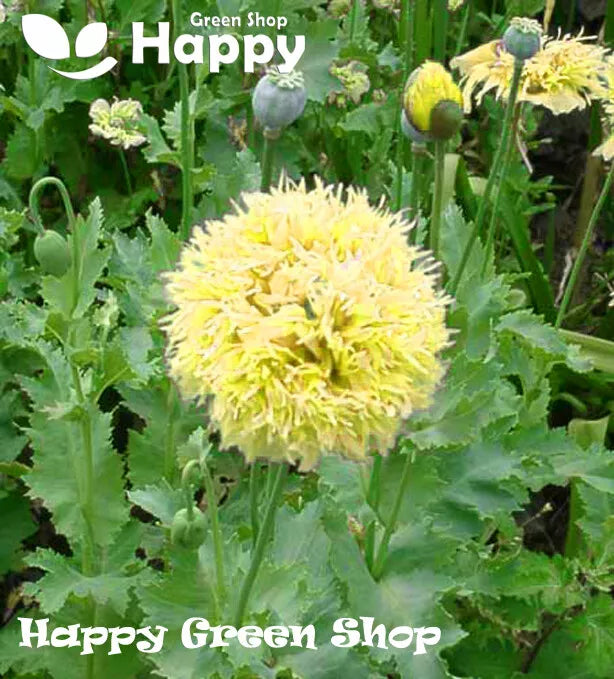
Peony Poppy Yellow – Seeds
(Papaver paeoniflorum)
The Peony Poppy Yellow is a striking annual poppy variety that produces large, double blooms resembling peonies. Its bright, ruffled yellow petals bring a cheerful glow to borders, beds, and cottage gardens. Easy to grow and self-seeding, these stunning flowers make an excellent focal point and are equally beautiful in cut flower arrangements.
Why Grow Peony Poppy Yellow?
-
Large, peony-like double blooms in sunny yellow
-
Easy to grow from seed with minimal care
-
Excellent for borders, beds, and cutting gardens
-
Attracts pollinators and reseeds for naturalizing
Key Features
-
Type: Hardy annual
-
Height: 80–100 cm
-
Flowers: Summer
-
Position: Full sun
-
Soil: Well-drained, moderately fertile
Ideal For
-
Cottage and wildflower gardens
-
Cut flower displays
-
Pollinator-friendly gardens
-
Naturalized planting schemes
Sowing & Growing
-
Sow outdoors: March–May or September–October directly where they are to flower
-
Lightly cover seeds with soil, keep moist
-
Germination: 14–21 days
-
Thin seedlings to 20–30 cm apart
-
Care: Deadhead for continuous blooms or allow to self-seed for natural regrowth

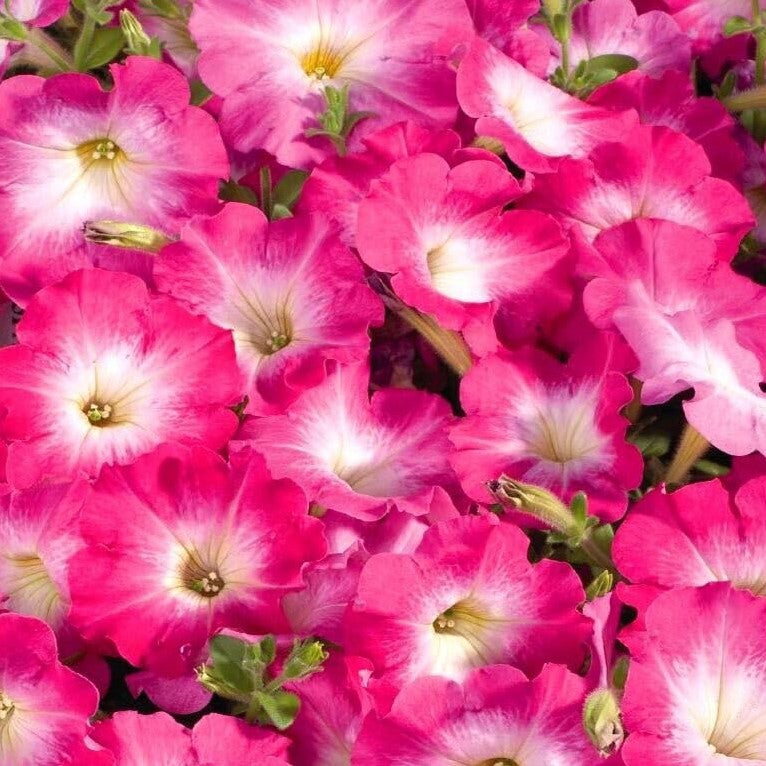
Petunia F1 'Pink Morn' – Seeds (Petunia grandiflora)
A delightful hybrid petunia, 'Pink Morn' produces large trumpet-shaped blooms with soft pink petals that fade into a bright white throat, giving a fresh and cheerful "morning glow" effect. Compact, free-flowering, and long-lasting, this variety is ideal for baskets, containers, and flower beds.
Why Grow Petunia F1 'Pink Morn'?
-
Large, eye-catching blooms with soft pink & white tones
-
Long flowering season from late spring to autumn
-
Weather-tolerant and uniform hybrid variety
-
Great for baskets, pots, and bedding displays
Key Features
-
Type: Half-hardy annual
-
Height: 25–35 cm
-
Spread: 30–40 cm
-
Flowers: Summer to early autumn
-
Position: Full sun, fertile well-drained soil
Ideal For
-
Hanging baskets and window boxes
-
Patio containers and borders
-
Bedding displays with continuous color
-
Mass planting for impact
Sowing & Growing
-
Sow indoors: February–April, lightly press seeds onto moist compost (do not cover)
-
Germination: 7–14 days at 20–24°C
-
Transplant: When seedlings are large enough, harden off and plant out after frost
-
Space plants: 25–30 cm apart
Tip: Deadhead regularly to encourage nonstop flowering.

Petunia Mix – Seeds (Petunia hybrida pendula)
The Petunia Mix is a trailing variety producing a cascade of colorful blooms in shades of pink, purple, red, and white. Its pendulous habit makes it perfect for hanging baskets, window boxes, and containers, creating a vibrant, overflowing display all summer long.
What Makes It Special
-
Cascading trailing habit for dramatic garden displays
-
Mixed vibrant colors for long-lasting visual appeal
-
Continuous flowering from early summer to autumn
-
Ideal for creating striking hanging baskets and container arrangements
Key Features
-
Botanical name: Petunia hybrida pendula
-
Variety: Mix
-
Seed count: Approx. seeds per pack
-
Height/Spread: 20–25 cm tall, trailing 40–50 cm
-
Position: Full sun; fertile, well-drained soil
-
Flowering period: June–October
Ideal For
-
Hanging baskets and window boxes
-
Patio containers and garden planters
-
Adding trailing color to borders and raised beds
-
Brightening balconies and terraces
Sowing Instructions
-
When to sow: February–April indoors
-
How to sow:
-
Surface sow on moist seed compost
-
Press lightly; do not cover
-
Maintain 20–24°C; germination 10–21 days
-
-
After germination:
-
Transplant seedlings into individual pots when large enough
-
Harden off before planting out after the last frost
-
Space 20–25 cm apart for trailing growth
-
Showing 567/869

