
Sort by:
869 products
869 products

🌸 Petunia grandiflora F1 ‘Blue Veined’ – Large-Flowered Hybrid with Striking Veined Blooms
Petunia grandiflora F1 ‘Blue Veined’ is an eye-catching large-flowered petunia hybrid producing bold blue to violet blooms highlighted with distinctive darker veining. The flowers are large and showy, creating strong visual impact in containers, hanging baskets, window boxes and bedding displays. Thanks to F1 hybrid vigour, plants are uniform, free-flowering and reliable, performing well throughout the summer season when given sun and regular feeding.
Key Features
● Large grandiflora flowers with decorative blue veining
● F1 hybrid for strong growth and uniform plants
● Long flowering season from early summer to autumn
● Excellent for containers, baskets and bedding
● High ornamental value with intense colour contrast
How to Sow & Grow Petunia ‘Blue Veined’ (UK)
Sow indoors: II–III (February–March)
Transplant outdoors: V–VI (May–June) after last frost
Direct outdoors: Not recommended
Flowering: VI–X (June–October)
Life cycle: Annual
Germination temperature: 20–22 °C (68–72 °F)
Average germ time: 7–14 days
Depth: Surface sow – do not cover; gently press into compost (light required)
Light required: Yes
Moisture: Keep soil evenly moist
Environment: Full sun (tolerates light shade)
Soil type: Fertile, well-drained compost or soil
Plant spacing: 20–25 cm (8–10 in)
Height: 25–30 cm (10–12 in)
Sowing & Growing Tips (variety-specific)
● Start early under cover for the longest flowering period.
● Provide good light to prevent stretching at seedling stage.
● Feed regularly once flowering begins.
● Remove spent flowers or trim lightly to keep plants tidy.
● Protect young plants from cold and strong winds.
Special Features
● Striking veined flower pattern
● Premium F1 hybrid quality
● Excellent summer performance in containers
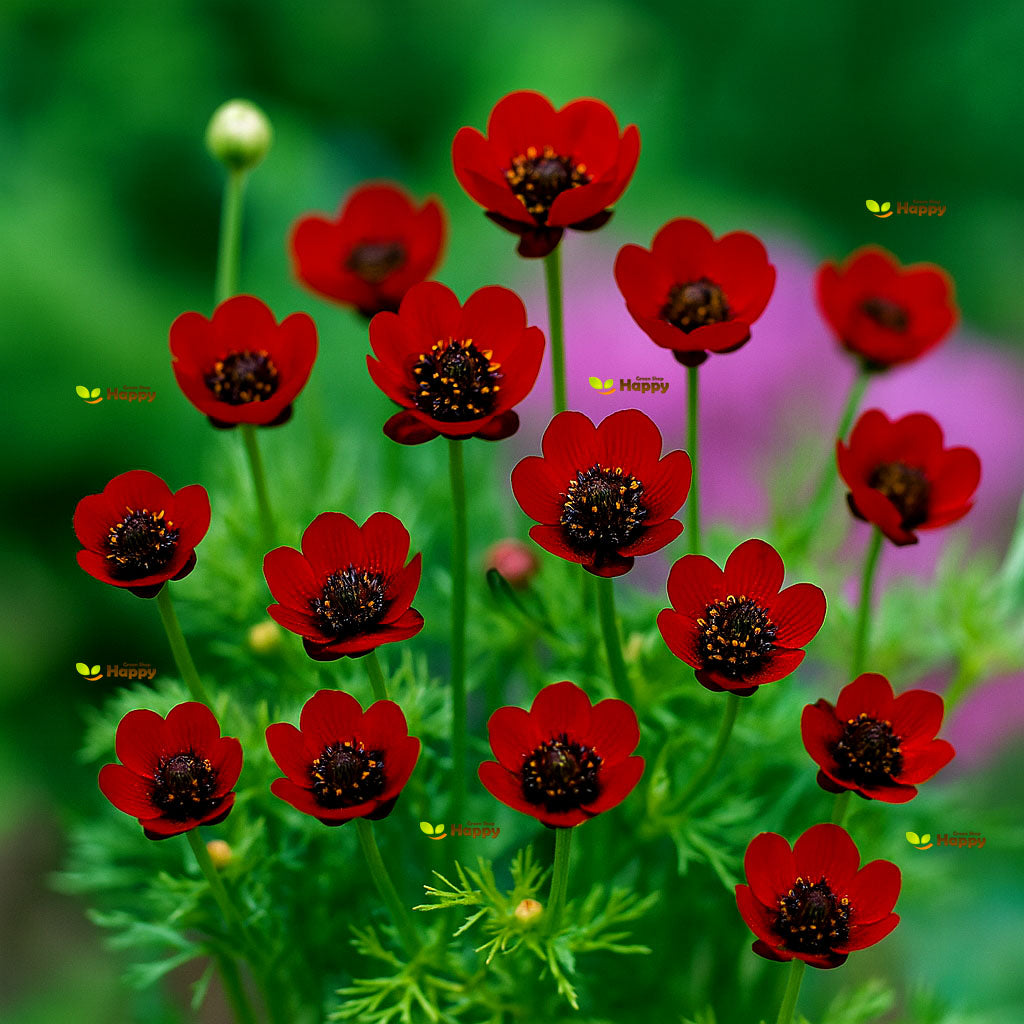
Pheasant’s Eye – Seeds (Adonis aestivalis)
Pheasant’s Eye (Adonis aestivalis) is a charming annual known for its bright red, poppy-like flowers with golden centers. Blooming in late spring to early summer, it adds a striking splash of color to borders, rockeries, and wildflower gardens. Easy to grow and low-maintenance, this variety attracts bees and butterflies, bringing both beauty and wildlife interest to your garden.
Why Grow "Pheasant’s Eye"
-
Bright red flowers with golden centers
-
Long flowering period from late spring to early summer
-
Attracts pollinators like bees and butterflies
-
Ideal for borders, rockeries, and wildflower gardens
Key Features
-
Type: Annual (Adonis aestivalis)
-
Height: 30–40 cm
-
Flowering: Late spring to early summer
-
Position: Full sun
-
Uses: Borders, rockeries, wildflower gardens, pollinator-friendly areas
Ideal For
-
Adding vibrant color to borders and beds
-
Wildflower and cottage garden designs
-
Pollinator-friendly garden planting
-
Gardeners seeking low-maintenance, long-flowering annuals
Sowing & Growing
-
Sow indoors: 6–8 weeks before last frost
-
Sow outdoors: Directly in soil after frost danger has passed
-
Germination: 10–14 days
-
Space seedlings: 20–25 cm apart
-
Prefers well-drained soil and full sun
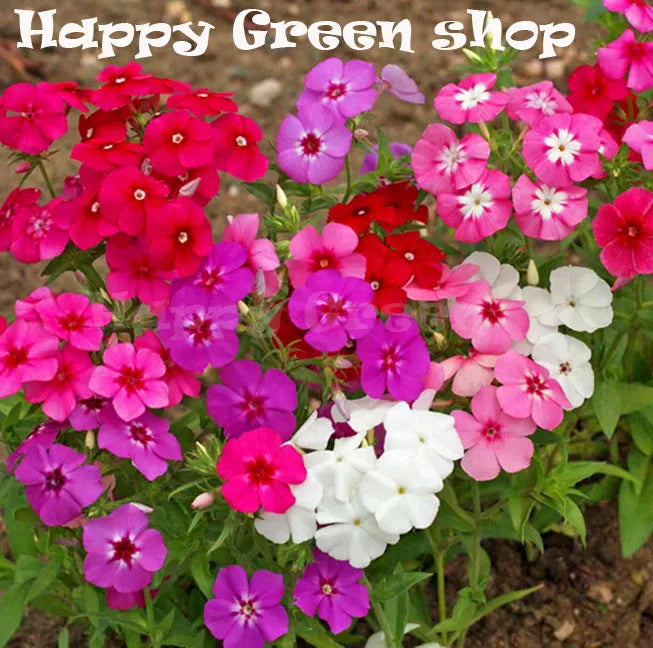
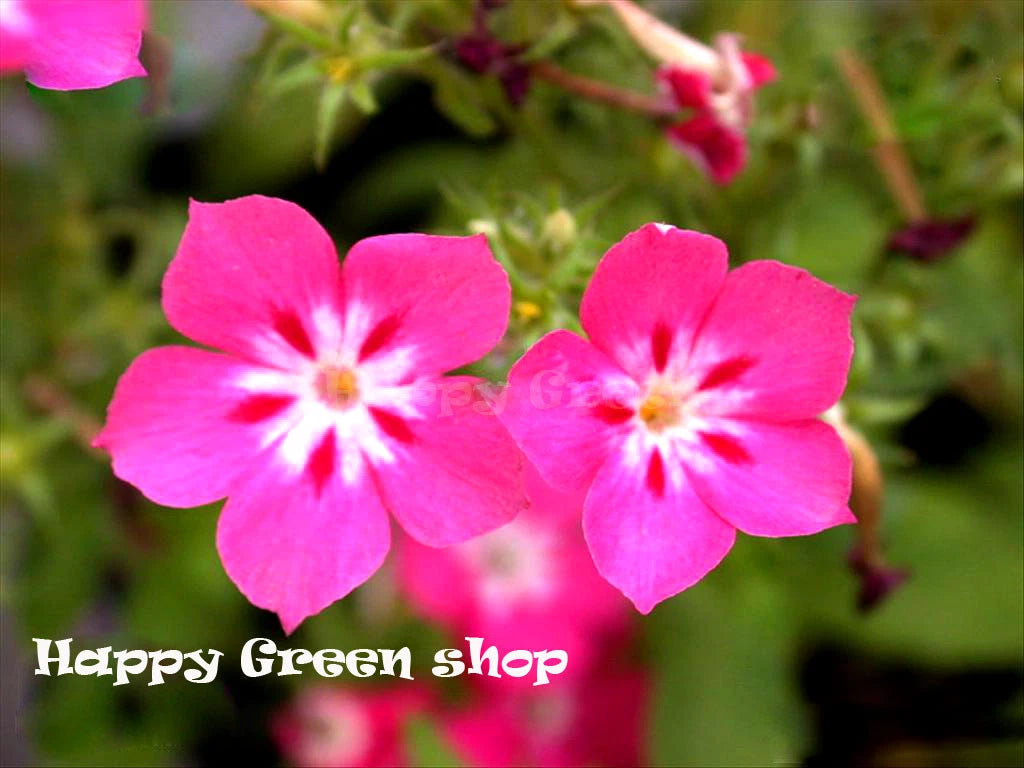
Phlox Cecily Mixed – 300 Seeds (Phlox drummondii nana compacta)
Phlox Cecily Mixed (Phlox drummondii nana compacta) is a compact, low-growing annual that produces vibrant, colorful blooms in a mix of shades. Perfect for borders, rockeries, and containers, it brings a cheerful, long-lasting display from late spring to autumn. Easy to grow and quick to flower, it’s ideal for brightening small garden spaces.
Why Grow "Phlox Cecily Mixed"
-
Compact, dwarf habit ideal for small spaces
-
Vibrant blooms in a variety of colors
-
Long flowering season from late spring to autumn
-
Easy to grow and low-maintenance
Key Features
-
Type: Annual (Phlox drummondii nana compacta)
-
Height: 15–25 cm
-
Flowering: May–October
-
Position: Full sun
-
Uses: Borders, rockeries, containers, cottage gardens
Ideal For
-
Brightening borders and rockeries
-
Container and patio planting
-
Pollinator-friendly garden spaces
-
Small-scale garden beds
Sowing & Growing
-
Sow indoors: February–April in seed trays
-
Sow outdoors: April–May after frost
-
Germination: 7–14 days at 18–22°C
-
Thin seedlings to 15–20 cm apart
-
Prefers full sun and well-drained soil
-
Deadhead to encourage prolonged flowering
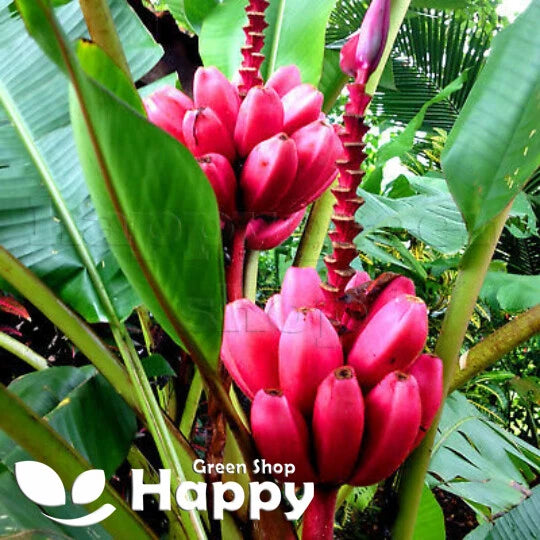
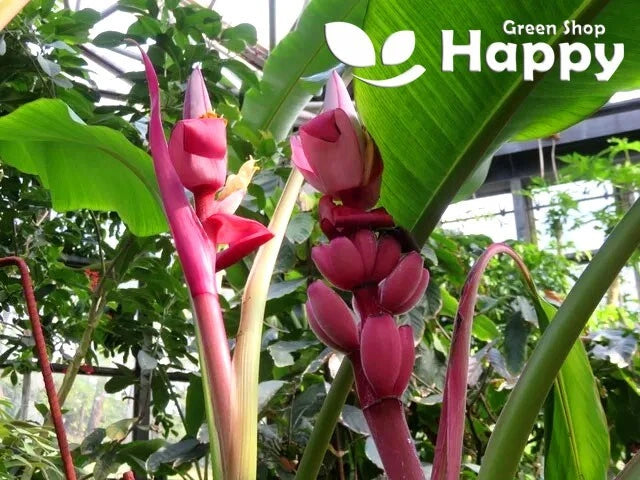
Pink Banana Plant – 10 Seeds (Musa velutina)
The Pink Banana Plant (Musa velutina) is a striking ornamental banana variety known for its vibrant pink fruit and lush tropical foliage. Compact and decorative, it’s perfect for patios, conservatories, or garden beds in warm climates. Fast-growing and easy to maintain, it adds an exotic touch while producing edible, though small, sweet bananas.
Why Grow "Pink Banana Plant"
-
Vibrant pink ornamental fruit
-
Lush tropical foliage for visual impact
-
Compact and easy to grow
-
Produces small edible bananas
Key Features
-
Type: Tender perennial (Musa velutina)
-
Height: 1.5–2 m
-
Flowering/Fruiting: Summer
-
Position: Full sun to partial shade
-
Uses: Containers, patios, conservatories, tropical garden displays
Ideal For
-
Tropical-themed gardens
-
Large containers or patio planting
-
Conservatories and greenhouses
-
Ornamental fruit display
Sowing & Growing
-
Soak seeds for 24–48 hours before sowing
-
Sow indoors: Year-round in warm conditions
-
Germination: 4–12 weeks at 25–28°C
-
Use rich, well-drained compost and keep soil moist
-
Transplant to larger containers as seedlings grow
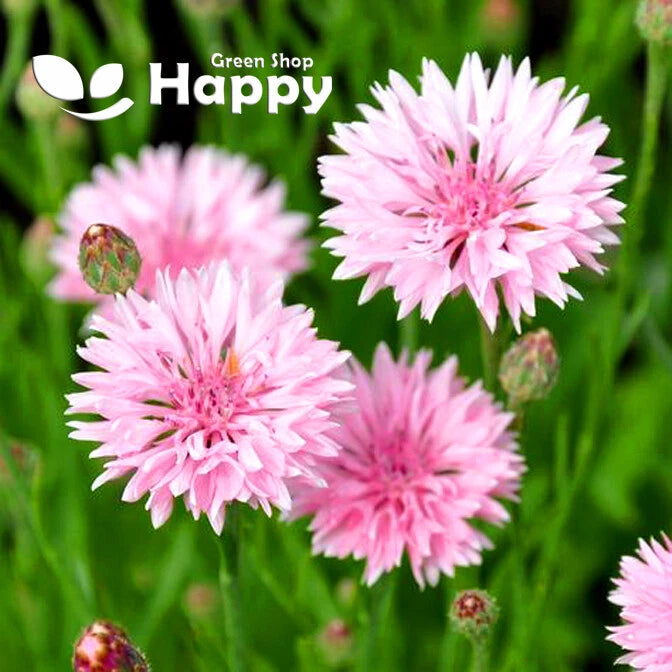
Pink Cornflower 'Tom Pouce Pink' – Seeds
(Centaurea cyanus)
Pink Cornflower 'Tom Pouce Pink' is a charming twist on the classic wildflower, offering soft pink, frilly blooms that brighten any garden. Easy to grow and rich in nectar, this variety attracts bees, butterflies, and other pollinators while providing long-lasting cut flowers with a delicate cottage garden appeal.
Why Grow Pink Cornflower 'Tom Pouce Pink'?
-
Rare, pastel-pink form of the traditional cornflower
-
Pollinator-friendly & easy to grow
-
Excellent as cut flowers or for naturalizing
-
Hardy and adaptable in a range of soils
Key Features
-
Type: Hardy annual
-
Height: 60–80 cm
-
Blooms: June–September
-
Position: Full sun
-
Soil: Light, well-drained soil
Ideal For
-
Wildflower & pollinator gardens
-
Cottage-style plantings
-
Borders & meadows
-
Fresh cut flower arrangements
Sowing & Growing
-
Sow outdoors: March–May or August–September for earlier blooms next year
-
Sow directly into prepared soil, covering lightly
-
Thin seedlings to 15–20 cm apart
-
Germination: 7–14 days
-
Deadhead regularly to encourage more flowers

Pink Thai Egg Tomato – Seeds
(Solanum lycopersicum)
Pink Thai Egg Tomato is a rare heirloom variety from Thailand known for its egg-shaped, rose-pink fruits and exceptional productivity. The smooth, glossy tomatoes grow in clusters and have a sweet, mild flavor with low acidity, making them perfect for fresh salads, salsas, and light cooking. Compact and hardy, this variety thrives in both warm and temperate climates.
Key Features
-
Fruit Shape: Small, egg-shaped
-
Color: Pink to rose-red
-
Flavor: Mild, sweet, and low-acid
-
Growth Habit: Indeterminate
-
Days to Maturity: 70–80 days
-
Yield: Heavy cropper with clusters of uniform fruits
Ideal For
-
Greenhouses, gardens, and containers
-
Fresh eating and gourmet dishes
-
Heirloom and specialty tomato collections
Sowing & Growing
-
Sow indoors: February – April
-
Transplant outdoors: After last frost
-
Harvest: July – October
-
Spacing: 45–60 cm apart
-
Position: Full sun, sheltered
-
Soil: Rich, well-drained compost
Care Tips
-
Support with stakes or cages for best yield.
-
Water regularly and feed with tomato fertilizer once flowering begins.

Poached Egg Plant – 460 Seeds (Limnanthes douglasii)
Brighten your garden with Poached Egg Plant, featuring charming white flowers with golden centers that resemble tiny poached eggs. Ideal for borders, rock gardens, and pollinator-friendly spaces.
What Makes It Special
-
Distinctive white-and-yellow blooms
-
Compact and bushy growth habit
-
Attracts bees and beneficial insects
Key Features
-
Height: 20–30 cm
-
Full sun to partial shade
-
Annual, blooms late spring to early summer
Ideal For
-
Garden borders and rockeries
-
Pollinator-friendly gardens
-
Containers and cottage-style gardens
Sowing
-
Sow directly outdoors in spring after frost
-
Germination: 10–14 days
-
Thin seedlings to 15–20 cm apart

Pointed Red Cabbage ‘Kalibos’ – Seeds
(Brassica oleracea L.)
Pointed Red Cabbage ‘Kalibos’ is an exceptional variety combining the sweet flavor of pointed cabbage with the deep red color of traditional red cabbage. The tight, conical heads are medium-sized, firm, and full of crisp, tender leaves with a mild, slightly sweet taste—perfect for salads, coleslaws, and light cooking.
Key Features
-
Type: Red pointed cabbage
-
Head Shape: Conical, medium-sized, dense
-
Color: Deep purple-red
-
Taste: Sweet, mild, and crisp
-
Days to Maturity: 110–120 days
-
Harvest Period: Late summer to autumn
-
Storage: Good short-term storage variety
Ideal For
-
Home gardens and allotments
-
Fresh salads and coleslaws
-
Cooking, fermenting, and pickling
Sowing & Growing
-
Sow indoors: February – April
-
Transplant outdoors: April – May
-
Harvest: August – October
-
Spacing: 40 × 50 cm
-
Position: Sunny, sheltered spot
-
Soil: Fertile, moist, well-drained soil enriched with compost
Care Tips
-
Keep soil consistently moist for tender heads.
-
Apply organic fertilizer or compost during growth.
-
Protect from cabbage butterflies with netting.

Callistephus chinensis 'Pompon Red with White Centre' is a striking annual China Aster producing compact, fully double pompon-style flowers in a distinctive two-tone combination. Rich red outer petals surround a contrasting creamy-white centre, creating neat, rounded blooms with an eye-catching bicoloured appearance.
The upright, branching plants produce numerous flowers on sturdy stems from summer into early autumn. Excellent both in the garden and for cutting, the compact pompon blooms have good vase life and make an unusual addition to bouquets and floral arrangements. Plants are equally attractive in sunny borders, beds and larger containers.
● Distinctive red and creamy-white bicoloured flowers
● Fully double, neatly rounded pompon-style blooms
● Excellent long-lasting cut flower for bouquets and arrangements
● Upright, branching plants produce numerous flowering stems
● Provides vibrant colour from summer into early autumn
● Cut flower gardens
● Summer borders
● Flower beds
● Large patio containers
● Bouquets and floral arrangements
● Start seeds under cover in early spring for the longest flowering season; transplant outdoors only after frost risk has passed.
● Avoid planting China Asters in the same position year after year, as crop rotation helps reduce the risk of soil-borne aster wilt.
● Water at soil level rather than regularly wetting the foliage, and provide good spacing and airflow between plants to help maintain healthy growth.
● Deadhead regularly to keep plants producing fresh flowers throughout summer and into early autumn.
● For cut flowers, harvest stems when the outer petals have started to open; China Asters are valued for their excellent vase life.
Showing 576/869


