
Sort by:
869 products
869 products

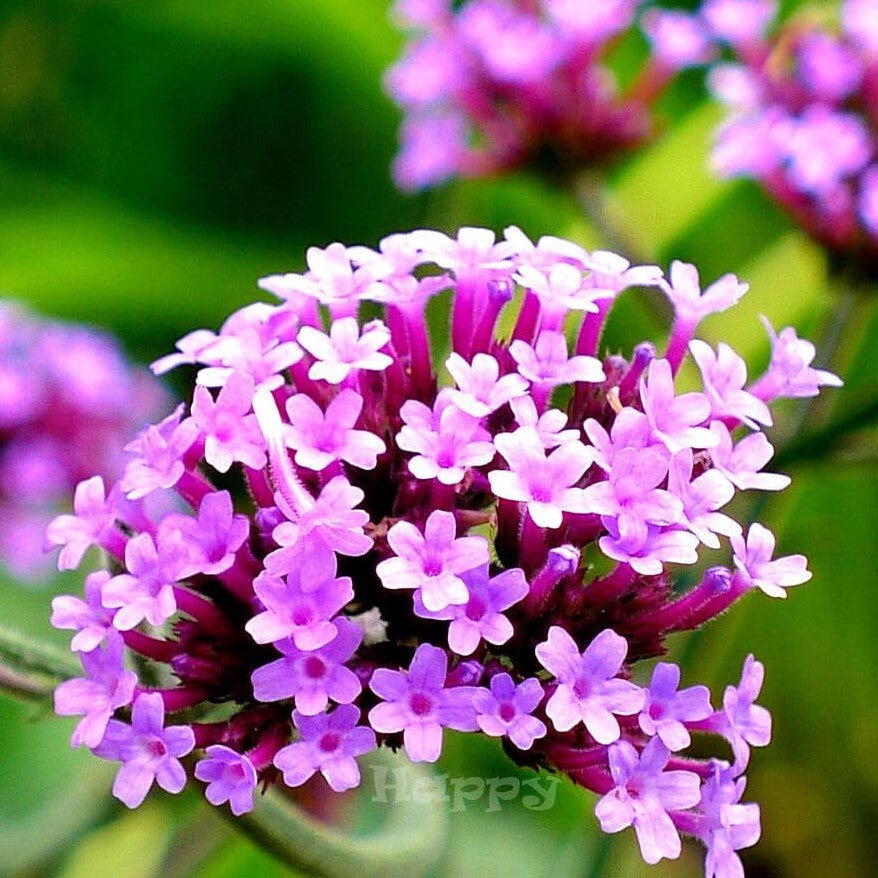

Purpletop Vervain – Seeds
(Verbena bonariensis)
Purpletop Vervain is a tall, airy perennial that produces clusters of vibrant purple flowers atop slender stems. Its long flowering period and graceful form make it ideal for borders, cottage gardens, and pollinator-friendly landscapes. Loved by butterflies and bees, it adds height, color, and elegance to any garden.
Why Grow Purpletop Vervain?
-
Clusters of vibrant purple flowers on tall stems
-
Long-flowering perennial, easy to grow
-
Attracts butterflies and bees
-
Adds height and elegance to borders and cottage gardens
Key Features
-
Type: Perennial
-
Height: 90–150 cm
-
Flowers: Summer to autumn
-
Position: Full sun
-
Soil: Well-drained, moderately fertile
Ideal For
-
Cottage and mixed borders
-
Pollinator-friendly gardens
-
Cut flowers and floral displays
-
Adding height and color to flower beds
Sowing & Growing
-
Sow indoors: February–April in seed trays
-
Sow outdoors: April–May directly in prepared soil
-
Germination: 10–20 days at 18–20°C
-
Spacing: 30–40 cm apart
-
Care: Low maintenance; deadhead to prolong flowering
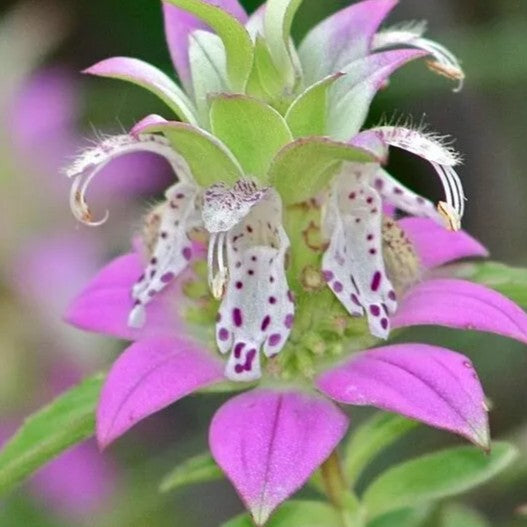
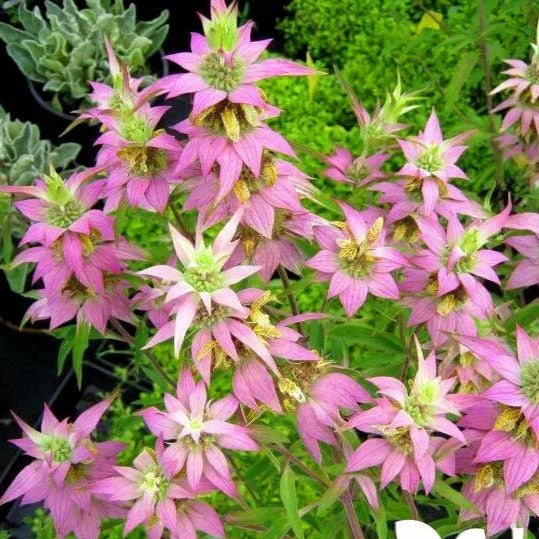
Purplish Lilac Lemon Bee Balm Mint Seeds (Monarda punctata)
Bring a fragrant and colorful touch to your garden with Purplish Lilac Lemon Bee Balm Mint. This striking perennial produces spiky clusters of lilac-purple flowers with lemon-scented foliage, attracting bees, butterflies, and other pollinators. Easy to grow and drought-tolerant, it adds both beauty and ecological value to borders, beds, and wildflower gardens.
Why Grow "Purplish Lilac Lemon"
-
Unique lilac-purple flower spikes with lemon-scented foliage
-
Attracts pollinators like bees and butterflies
-
Drought-tolerant and easy to grow
-
Adds color and texture to borders, beds, and wildflower gardens
Key Features
-
Type: Perennial (Monarda punctata)
-
Height: 60–90 cm
-
Flowering: Summer (June–September)
-
Position: Full sun to partial shade
-
Uses: Borders, flower beds, pollinator gardens, containers
Sowing & Growing
-
Sow indoors: 6–8 weeks before the last frost
-
Sow outdoors: After frost danger has passed
-
Germination: 10–20 days
-
Space seedlings: 30–40 cm apart
-
Prefers well-drained soil and full sun for best flowering
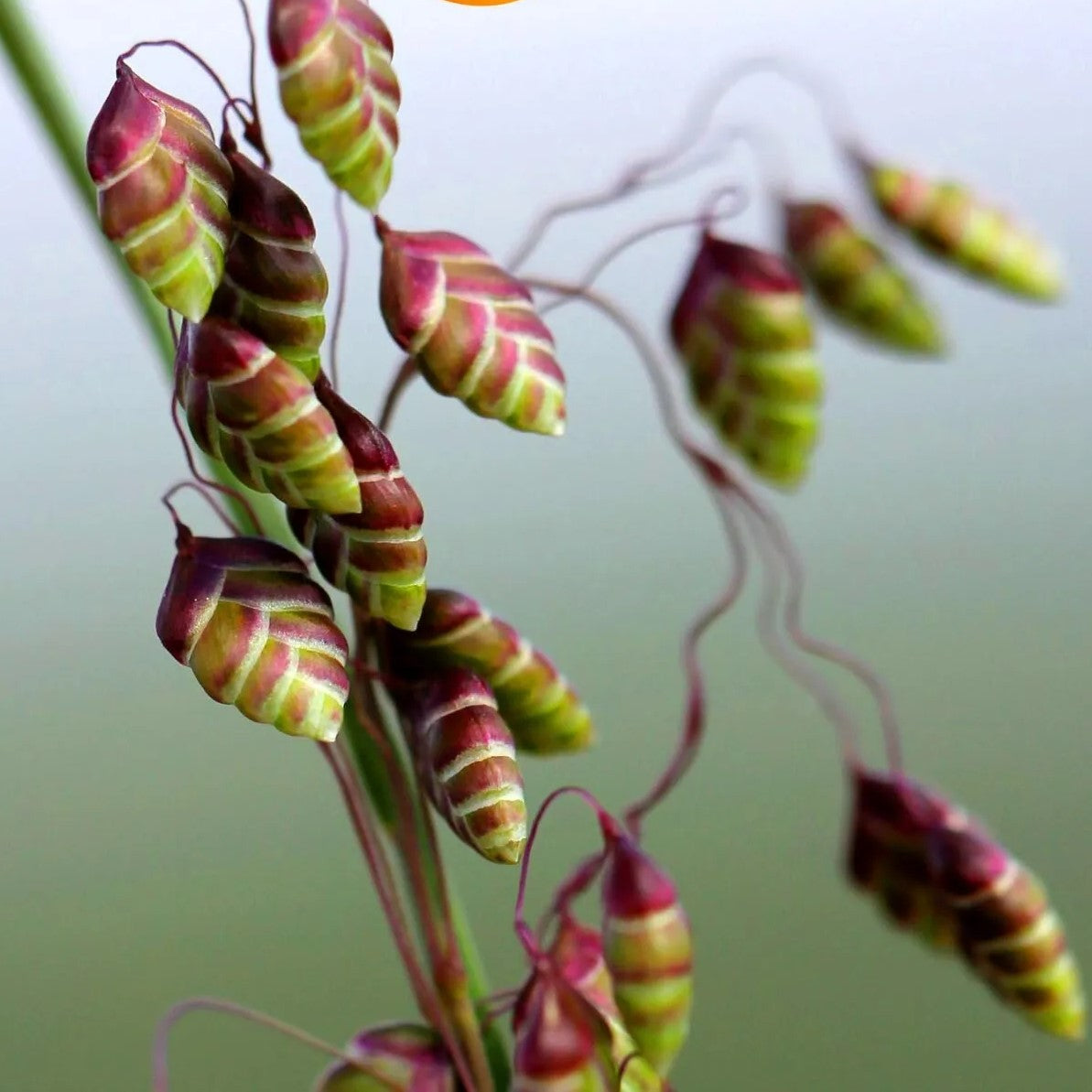
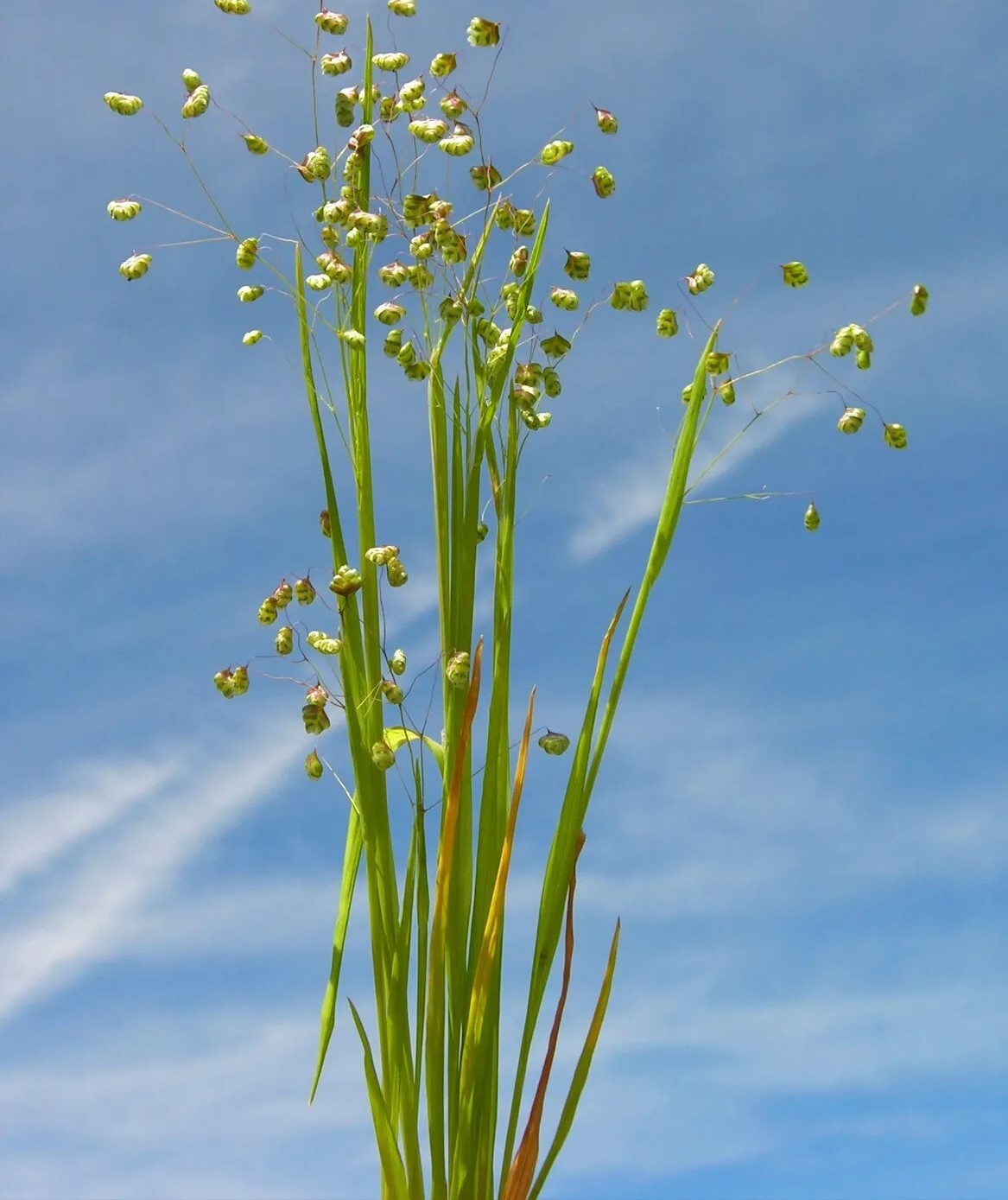
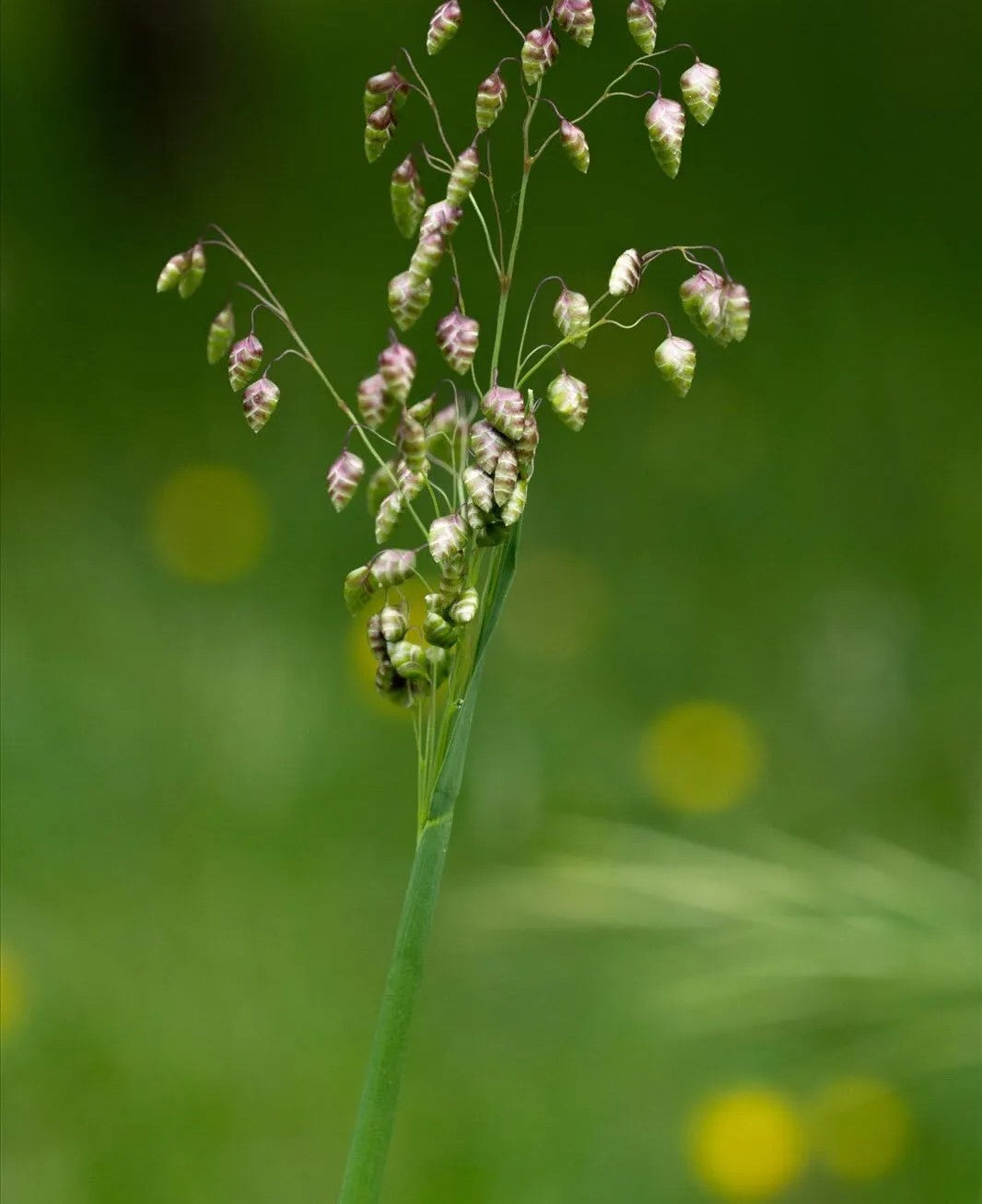
Quaking Grass Seeds (Briza minor)
Quaking Grass is a delicate, annual ornamental grass with airy, heart-shaped seed heads that tremble and shimmer in the breeze. Its fine texture and graceful movement add charm to borders, wildflower meadows, and container plantings. Easy to grow, it also makes attractive cut or dried arrangements.
What Makes It Special
-
Light, quivering heart-shaped seed heads
-
Adds texture and movement to gardens
-
Excellent for cut flowers and dried arrangements
Key Features
-
Botanical name: Briza minor
-
Hardy annual
-
Height: 30–50 cm (12–20 in)
-
Bloom time: Summer
Ideal For
-
Cottage gardens, borders, and wildflower meadows
-
Containers and pots
-
Fresh or dried flower arrangements
Sowing
-
Sow outdoors Mar–May or Sep–Oct
-
Lightly press seeds into soil; do not cover heavily
-
Germination: 10–21 days at 15–20°C
-
Thin seedlings 15–20 cm apart
-
Flowers in the same year
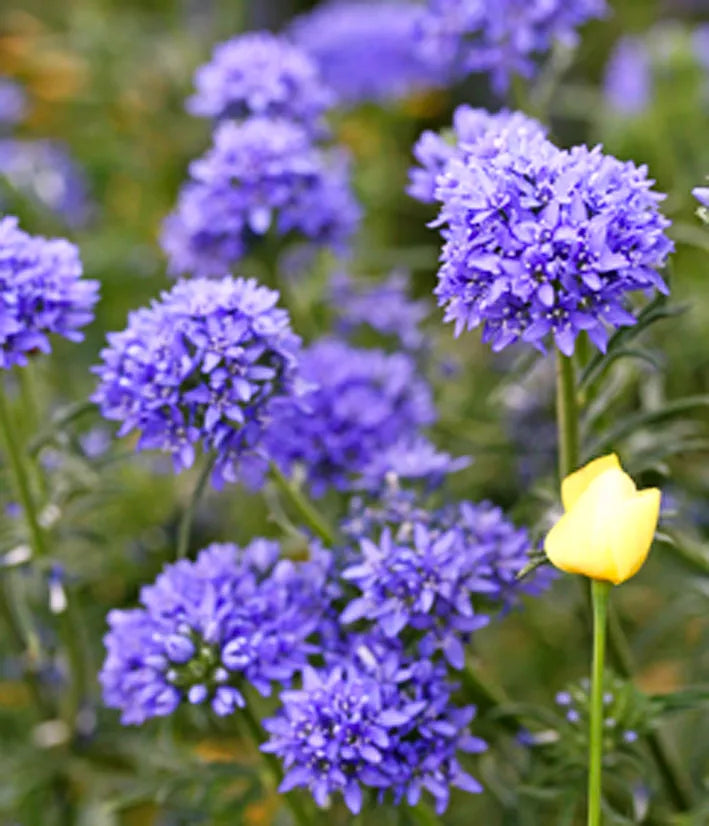
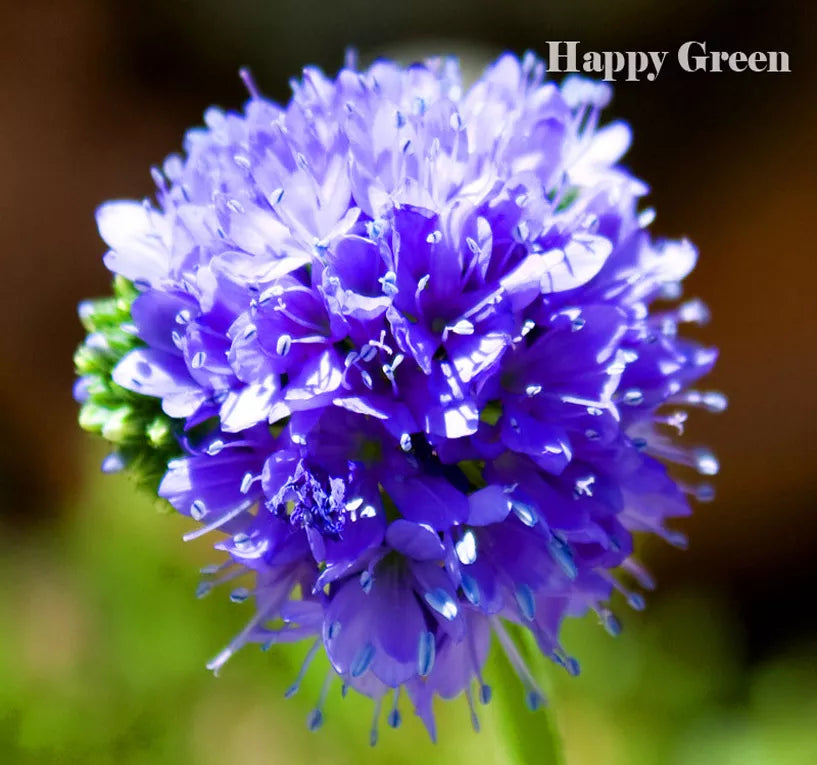
Queen Anne’s Thimbles – Delicate Blue Blooms
Queen Anne’s Thimbles produces charming, compact clusters of pale blue flowers with a sweet, airy appearance. Perfect for borders, wildflower gardens, and pollinator-friendly spaces, these hardy annuals bring a touch of elegance to any garden.
What Makes It Special
-
Delicate, pale blue clustered flowers
-
Compact and airy growth habit
-
Long-flowering and easy to grow
-
Attracts bees and butterflies
Key Features
-
Annual plant
-
Grows 20–40 cm tall
-
Blooms from late spring to summer
-
Thrives in full sun and well-drained soil
-
Drought-tolerant and hardy
Ideal For
-
Garden borders and edges
-
Wildflower and meadow-style gardens
-
Pollinator-friendly gardens
-
Containers and cottage gardens
Sowing
-
Sow directly outdoors after last frost
-
Plant seeds 0.3–0.5 cm deep
-
Germination: 10–14 days at 18–22°C
-
Space 20–25 cm apart
-
Water moderately and provide full sun
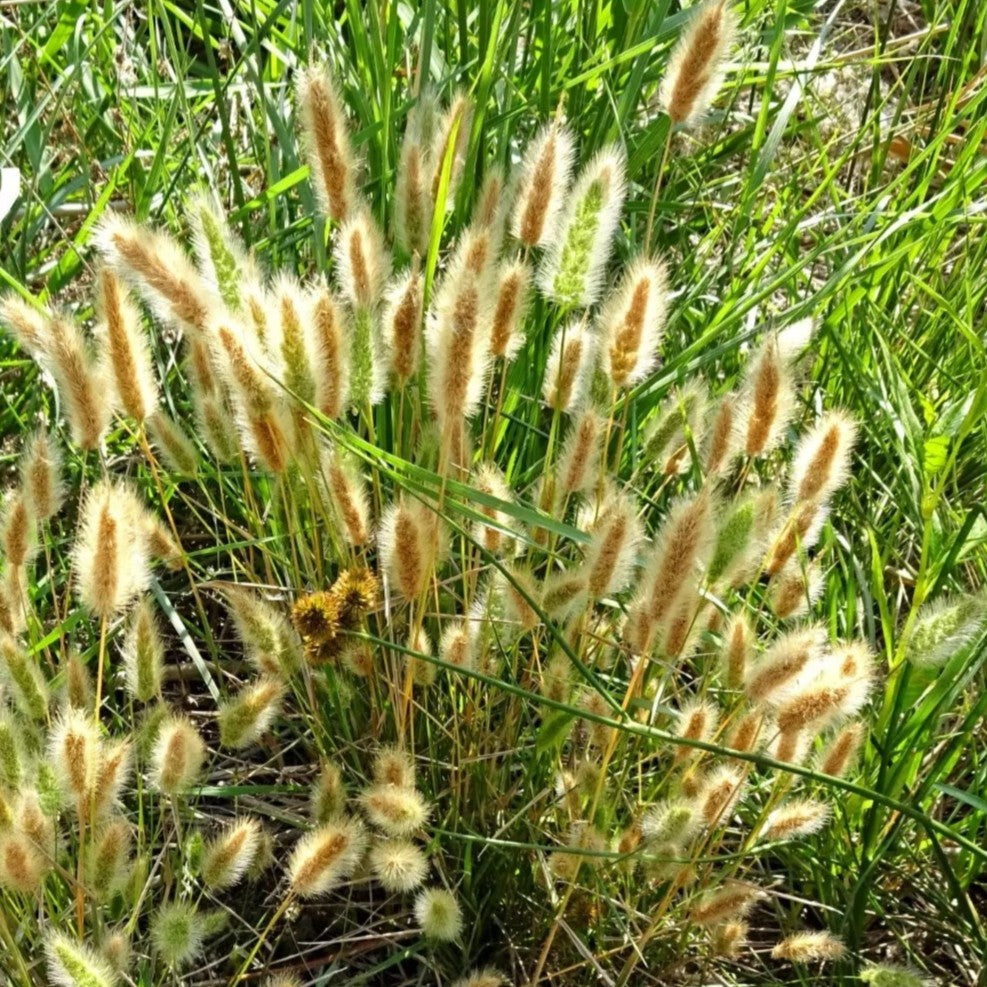
Rabbit’s Foot Grass Seeds – Polypogon monspeliensis
Add a touch of softness and movement to your garden with Rabbit’s Foot Grass (Polypogon monspeliensis). This annual ornamental grass produces charming, fluffy flower heads resembling rabbit’s feet, swaying gracefully in the breeze. Perfect for borders, containers, or dried arrangements, it’s a unique addition to any garden design.
How to Grow
-
Sow directly outdoors in spring after the last frost or start indoors earlier.
-
Use well-drained soil in a sunny to partially shaded location.
-
Lightly press seeds into the soil without covering deeply.
-
Keep soil moist until germination, usually within 7–14 days.
-
Thin seedlings as they grow to allow good air circulation.
-
Harvest flower heads for drying when they are fully developed.
Key Features
-
Produces fluffy, rabbit-foot-like flower heads
-
Adds movement and texture to gardens and containers
-
Annual grass, fast and easy to grow
-
Excellent for dried flower arrangements and crafts
-
Attracts interest as a decorative garden accent
Ideal For
-
Cottage gardens and naturalistic plantings
-
Borders and flower beds
-
Containers and pots
-
Dried floral arrangements and bouquets
Sowing
-
Best time: Spring after frost
-
Germination time: 7–14 days
-
Sow thinly, lightly cover, and keep soil moist
-
Prefers full sun to partial shade
Quick Tip
-
For longer-lasting dried arrangements, cut flower heads just before they fully open and hang them upside down to dry.

Radish ‘Carmen’ Seeds (Raphanus sativus)
Add crisp, vibrant color to your garden with Radish ‘Carmen’ (Raphanus sativus). This fast-growing variety produces round, bright red roots with a mild, crunchy flavor, perfect for fresh salads, garnishes, and quick harvests. Easy to grow and reliable, it’s ideal for both kitchen gardens and raised beds.
How to Grow
-
Sow seeds directly outdoors from early spring to late summer.
-
Use well-drained, fertile soil in full sun.
-
Sow seeds 1–2 cm deep and thin seedlings to 5–8 cm apart.
-
Keep soil consistently moist for best germination and growth (5–10 days).
-
Harvest roots when fully formed but tender for best flavor.
Key Features
-
Round, bright red roots with mild, crunchy flavor
-
Fast-growing and easy to cultivate
-
Ideal for fresh salads, garnishes, and snacking
-
Reliable and productive in temperate climates
-
Suitable for successive sowing for continuous harvest
Ideal For
-
Kitchen gardens and raised beds
-
Fresh salads, garnishes, and cooking
-
Succession sowing for continuous harvest
-
Adding vibrant color to vegetable beds
Sowing
-
Best time: Early spring to late summer outdoors
-
Depth: 1–2 cm
-
Spacing: Thin to 5–8 cm apart
-
Prefers full sun and fertile, well-drained soil
Quick Tip
-
Sow every 2–3 weeks for a steady supply of tender, colorful radishes throughout the season.


Radish ‘Diana’ – Seeds (Raphanus sativus)
Radish ‘Diana’ is an eye-catching variety with unique purple skin tipped in white, producing round roots with crisp, tender flesh. Mild yet refreshing in flavor, this radish adds a splash of color and crunch to salads and snacks. A quick-maturing variety, it is perfect for sowing little and often to ensure continuous harvests throughout the season.
How to Grow
-
Sow direct outdoors: March – September in well-prepared soil.
-
Sow thinly, 1 cm deep in rows 10 cm apart.
-
Thin seedlings to 2–3 cm for best-sized roots.
-
Keep soil moist to avoid woody or split radishes.
Key Features
-
Striking purple and white bicolor skin
-
Round roots with crisp, mild flesh
-
Fast-growing and reliable crop
-
Excellent for successional sowing
-
Adds color and variety to salads
Ideal For
-
Fresh salads and garnishes
-
Healthy snacking straight from the garden
-
Containers, raised beds, and open ground
Sowing & Harvest
-
Sow: March – September
-
Harvest: April – October (ready in 3–4 weeks)
Quick Tip
Harvest young and tender for the best flavor and to enjoy their unique bicolor appearance at its brightest.
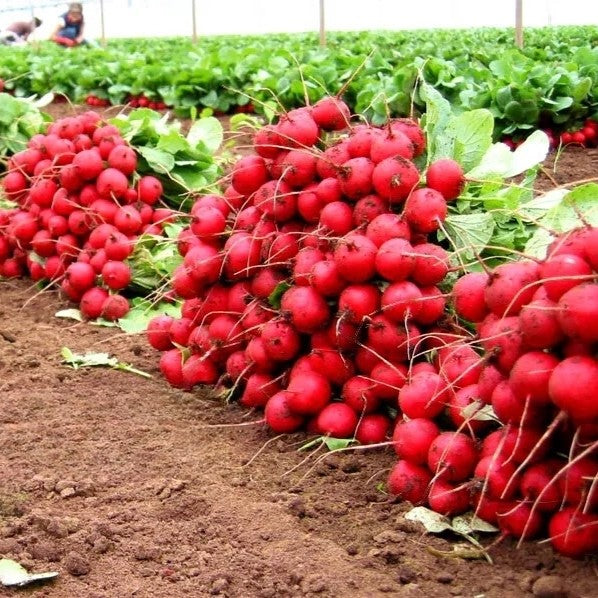
Radish ‘Gigante Siculo’ Seeds (Raphanus sativus)
Grow impressive, crisp radishes with Radish ‘Gigante Siculo’ (Raphanus sativus). This unique variety produces large, elongated roots with mild, sweet flavor, perfect for salads, roasting, or pickling. Easy to grow and fast-maturing, it provides a striking addition to vegetable gardens and kitchen beds.
How to Grow
-
Sow seeds directly outdoors from early spring to late summer.
-
Use well-drained, fertile soil in full sun.
-
Sow seeds 1–2 cm deep and thin seedlings to 10–15 cm apart.
-
Keep soil consistently moist for best growth.
-
Harvest roots when they reach full size but remain tender.
Key Features
-
Large, elongated roots with mild, sweet flavor
-
Fast-maturing and easy to grow
-
Ideal for salads, roasting, or pickling
-
Adds visual interest to vegetable gardens
-
Hardy and productive variety
Ideal For
-
Vegetable gardens and kitchen beds
-
Fresh salads, cooking, and pickling
-
Companion planting with leafy greens
-
Showcasing unique, large radishes in garden displays
Sowing
-
Best time: Early spring to late summer outdoors
-
Depth: 1–2 cm
-
Spacing: Thin to 10–15 cm apart
-
Prefers full sun and fertile, well-drained soil
Quick Tip
-
Sow in successive batches for a continuous supply of large, crisp roots.

Radish 'Jutrzenka' – Seeds (Raphanus sativus)
Radish 'Jutrzenka' is an early, fast-growing variety producing round, bright red roots with crisp, juicy white flesh. Its mild, peppery flavor makes it perfect for fresh salads, sandwiches, and garnishes.
Ideal for spring and early summer sowing, this variety delivers quick harvests and is highly reliable in home gardens, raised beds, and containers.
How to Grow
-
Sow outdoors: March – July
-
Depth: 1–2 cm
-
Spacing: 3–5 cm between plants, rows 15–20 cm apart
-
Position: Full sun to partial shade
-
Soil: Light, fertile, well-drained soil
-
Watering: Keep soil consistently moist for tender roots
Key Features
-
Early and fast-growing radish variety
-
Round, bright red roots with crisp, mild flavor
-
Perfect for fresh salads, sandwiches, and garnishes
-
Suitable for home gardens, raised beds, and containers
-
Quick harvest – ready in 25–30 days
Harvest
-
Harvesting period: April – August
-
Pick roots when small and tender for best flavor.
Short Tip
Thin seedlings early to allow enough space for round, uniform roots to develop.
Showing 612/869


