
Sort by:
869 products
869 products
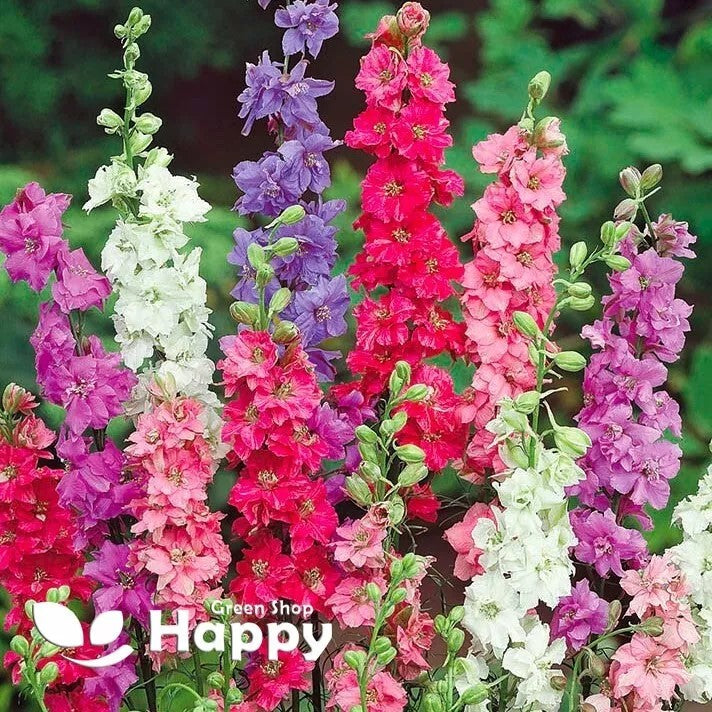
Rocket Larkspur Mix – Seeds (Delphinium consolida)
The Rocket Larkspur Mix is a tall, elegant annual producing spires of delicate flowers in shades of pink, purple, lavender, and white. Perfect for cottage gardens, borders, and cutting gardens, these plants bring vertical interest and charm while also providing excellent flowers for fresh or dried arrangements.
What Makes It Special
-
Tall, graceful flower spikes with a mix of soft, vibrant colors
-
Long-lasting blooms suitable for cutting
-
Cottage garden favorite with classic charm
-
Attracts pollinators and adds vertical interest
Key Features
-
Botanical name: Delphinium consolida
-
Variety: Rocket Larkspur Mix
-
Seed count: Approx. 300 seeds per pack
-
Height/Spread: 75–120 cm tall, 25–35 cm spread
-
Position: Full sun, fertile, well-drained soil
-
Flowering period: Early to late summer
Ideal For
-
Cottage gardens and classic borders
-
Cutting gardens for fresh or dried flowers
-
Pollinator-friendly plantings
-
Adding vertical accents in mixed beds
Sowing Instructions
-
When to sow: March–May or August–September outdoors
-
How to sow:
-
Scatter seeds thinly on prepared soil
-
Cover lightly with soil
-
Germination: 14–28 days
-
-
After germination:
-
Thin seedlings to 20–30 cm apart
-
Stake taller plants if grown in exposed sites
-

Roma Tomato 'Chrobry' F1 Seeds (Solanum lycopersicum)
Grow a high-yielding plum tomato with Roma Tomato 'Chrobry' F1 (Solanum lycopersicum). This vigorous hybrid variety produces uniform, elongated fruits with firm, meaty flesh and few seeds. Perfect for sauces, pastes, and cooking, 'Chrobry' F1 combines excellent flavor with outstanding productivity, making it a must for any kitchen garden.
How to Grow
-
Sow seeds indoors 6–8 weeks before the last frost.
-
Use fertile, well-drained soil in a sunny, warm location.
-
Sow seeds 0.5–1 cm deep, keeping soil moist at 20–25°C until germination (7–14 days).
-
Transplant outdoors or into greenhouses after frost, spacing 45–60 cm apart.
-
Support plants with stakes and harvest when fruits turn deep red.
Key Features
-
High-yielding F1 hybrid plum tomato
-
Produces elongated, uniform red fruits
-
Firm, meaty flesh with few seeds
-
Excellent for sauces, pastes, and cooking
-
Reliable, vigorous, and disease-resistant variety
Ideal For
-
Sauces, soups, and homemade pastes
-
Cooking and preserving
-
Greenhouse or outdoor growing
-
Gardeners seeking a productive, reliable hybrid
Sowing
-
Best time: Indoors 6–8 weeks before last frost
-
Depth: 0.5–1 cm
-
Spacing: 45–60 cm apart
-
Prefers full sun and fertile, well-drained soil
Quick Tip
-
Regular feeding with a tomato fertilizer boosts fruit set and enhances flavor.
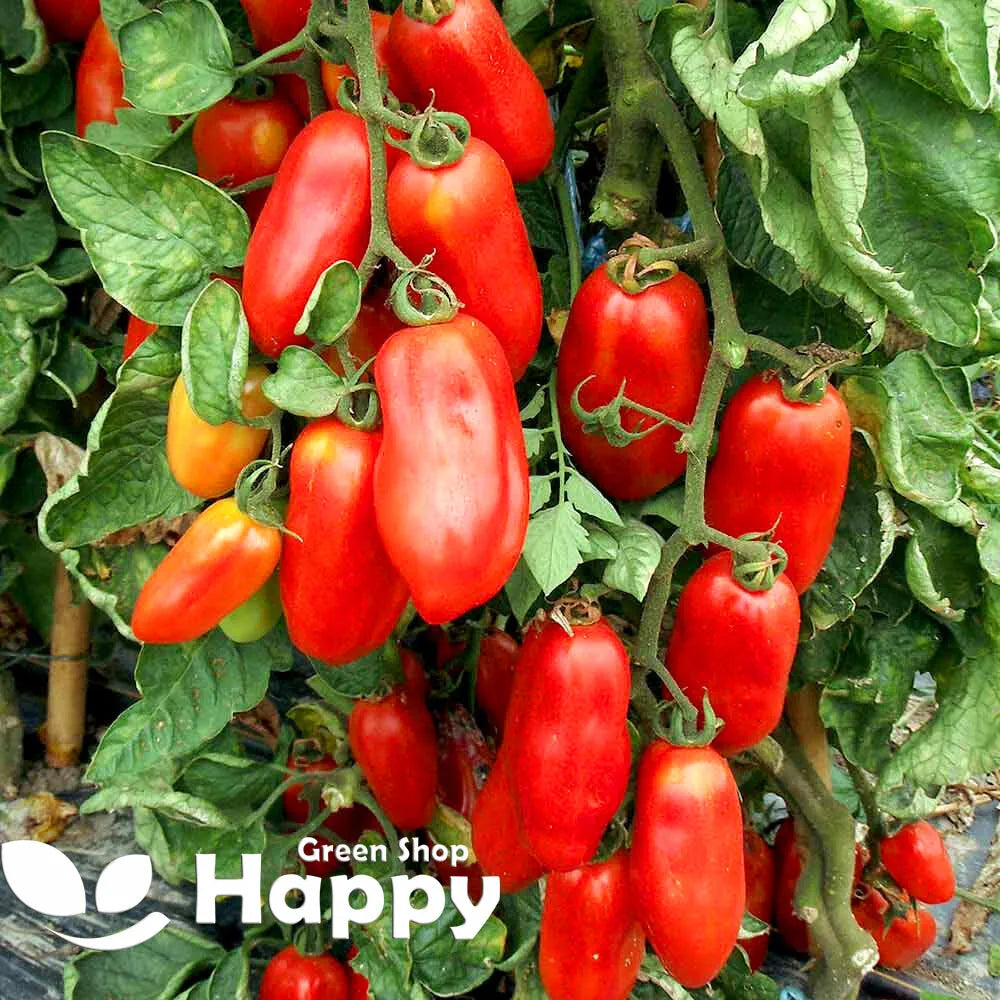
Roma Tomato 'San Marzano 2' – Seeds (Solanum lycopersicum)
The world-famous San Marzano 2 Roma Tomato is a classic Italian plum tomato variety, celebrated for its rich, sweet flavor, meaty texture, and low seed count. Renowned as the finest tomato for sauces, passata, and canning, this variety produces long, blocky fruits with thick flesh and very little water content – perfect for authentic Italian cooking. A must-have for tomato lovers and gardeners seeking reliable, heavy crops.
How to Grow
-
Sow indoors: February – April, 0.5 cm deep in seed trays or pots.
-
Transplant: When seedlings are large enough, pot on and grow in a warm, sunny spot.
-
Plant out: May – June after frost has passed, spacing 45–60 cm apart.
-
Position: Full sun, sheltered site.
-
Support: Needs staking or caging as an indeterminate (cordon) type.
Key Features
-
Famous Italian Roma/Plum tomato variety
-
Thick, meaty flesh – ideal for sauces and canning
-
Produces long, uniform fruits in abundance
-
Excellent flavor – balanced sweetness and acidity
Ideal For
-
Traditional Italian pasta sauces and pizza bases
-
Bottling, drying, or freezing
-
Greenhouses, polytunnels, or outdoor sunny gardens
Sowing & Harvest
-
Sow: February – April
-
Harvest: July – September
Quick Tip
Pinch out side shoots regularly and feed with a tomato fertiliser once flowers set to boost yield and flavor.
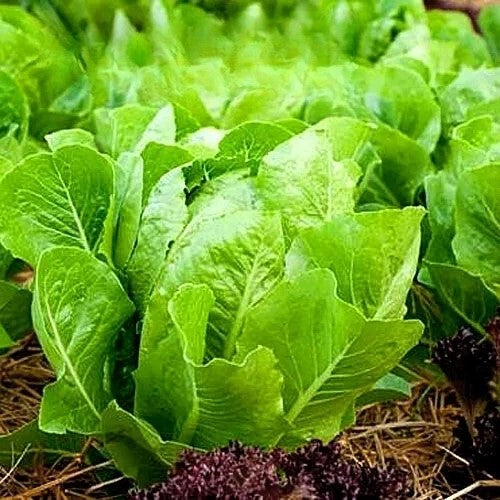
Romaine Lettuce 'White Dunsel' – Seeds (Lactuca sativa)
Romaine Lettuce 'White Dunsel' is a crisp, flavorful variety with pale green, elongated leaves forming a tight, upright head. Its crunchy texture and mild, sweet flavor make it perfect for fresh salads, sandwiches, and wraps.
This variety is fast-growing, reliable, and suitable for spring, summer, and autumn harvests. Ideal for home gardens, raised beds, or containers.
How to Grow
-
Sow outdoors: March – July
-
Depth: 0.5–1 cm
-
Spacing: 20–25 cm between plants, rows 30–35 cm apart
-
Position: Full sun to partial shade
-
Soil: Fertile, well-drained, rich in organic matter
-
Watering: Keep soil consistently moist for tender, crisp leaves
Key Features
-
Crisp, pale green leaves with mild, sweet flavor
-
Forms a tight, upright head
-
Fast-growing and reliable variety
-
Ideal for salads, sandwiches, and wraps
-
Suitable for home gardens, raised beds, and containers
Harvest
-
Harvesting period: 6–8 weeks after sowing
-
Pick outer leaves as needed or harvest entire head when mature.
Short Tip
Succession sow every 2–3 weeks for a continuous supply of fresh leaves.

Roman Chamomile – Seeds
(Anthemis nobilis)
Roman Chamomile is a low-growing perennial herb with delicate, daisy-like white flowers and a sweet apple-like fragrance. Perfect for borders, rockeries, and herb gardens, it is valued for its calming and medicinal properties. Easy to grow and drought-tolerant, it also attracts pollinators, making it a versatile and attractive addition to any garden.
Why Grow Roman Chamomile?
-
Delicate white daisy-like flowers with a sweet fragrance
-
Calming and medicinal herb
-
Low-growing, spreading perennial
-
Attracts bees and butterflies
Key Features
-
Type: Perennial
-
Height: 15–20 cm
-
Flowers: Summer
-
Position: Full sun
-
Soil: Well-drained, moderately fertile
Ideal For
-
Herb gardens and medicinal plantings
-
Borders, rockeries, and groundcover
-
Pollinator-friendly gardens
-
Low-maintenance fragrant displays
Sowing & Growing
-
Sow indoors: February–April in seed trays
-
Sow outdoors: March–May in prepared soil
-
Germination: 14–21 days at 18–20°C
-
Spacing: 20–25 cm apart
-
Care: Moderate watering; trim after flowering to maintain shape
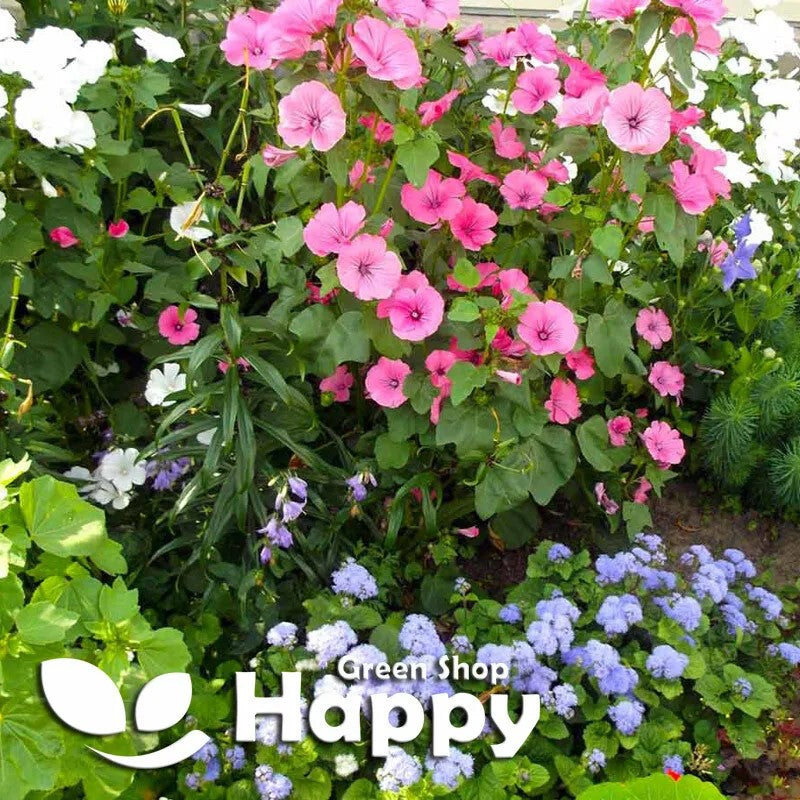
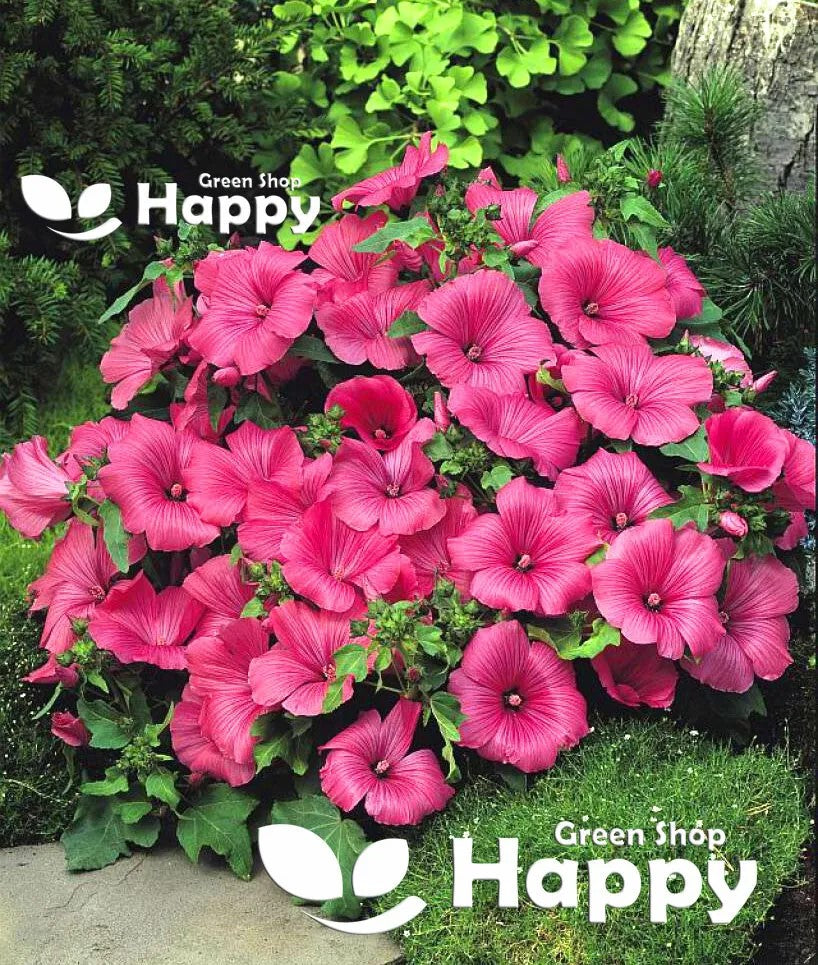
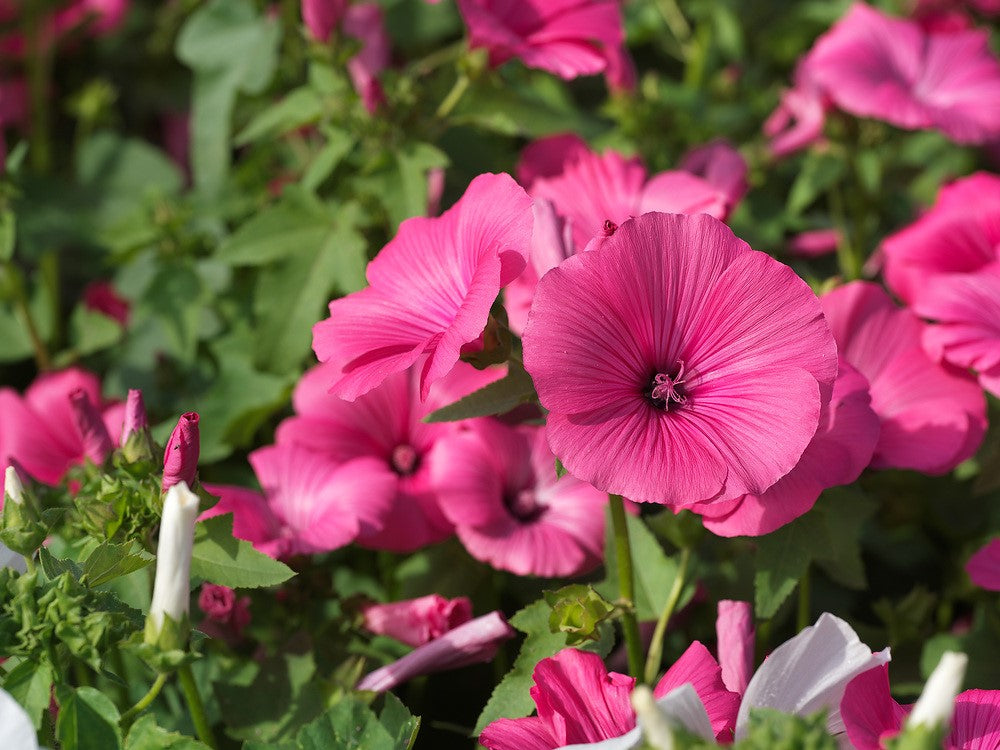
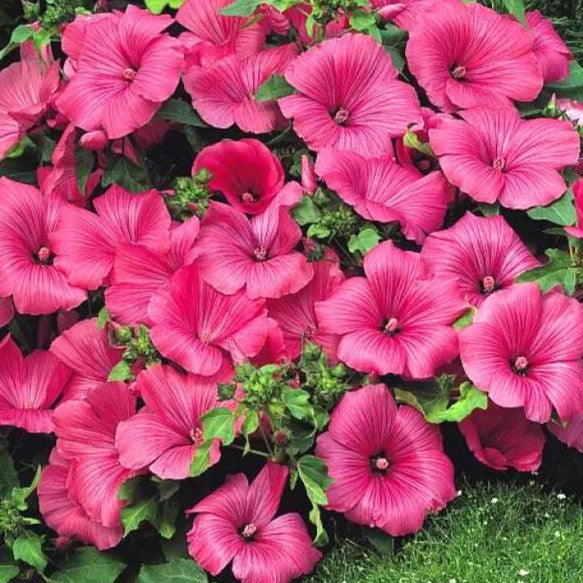
Rose Mallow Mix Seeds (Lavatera trimestris)
Rose Mallow Mix is an easy-to-grow annual producing large, showy, hibiscus-like flowers in shades of pink, rose, and white. Its upright, bushy habit makes it perfect for garden beds, borders, and cottage gardens. Loved for its long flowering season and ability to attract pollinators, it adds a splash of color and elegance to any garden.
What Makes It Special
-
Large, hibiscus-like blooms in a mix of pink, rose, and white
-
Long-flowering, adding color from summer to autumn
-
Compact, bushy growth habit suitable for mixed plantings
-
Attracts bees, butterflies, and other pollinators
Key Features
-
Botanical name: Lavatera trimestris
-
Variety: Mix
-
Seed count: Approx. seeds per pack
-
Height/Spread: 60–100 cm tall, 30–50 cm spread
-
Position: Full sun; fertile, well-drained soil
-
Flowering period: June–October
Ideal For
-
Borders and cottage garden beds
-
Containers and patio displays
-
Pollinator-friendly gardens
-
Cutting gardens for fresh floral arrangements
Sowing Instructions
-
When to sow: March–May indoors; April–June outdoors
-
How to sow:
-
Sow seeds 0.5–1 cm deep in seed trays or pots
-
Germination occurs in 10–14 days at 18–22°C
-
-
Transplanting: Plant seedlings outdoors 30–50 cm apart after frost risk has passed
-
Care: Water moderately; deadhead regularly to prolong flowering
Rose Mallow ‘Ruby Regis’ – Seeds (Lavatera trimestris)
Rose Mallow ‘Ruby Regis’ is a stunning annual that produces large, deep ruby-red, hibiscus-like blooms all summer. Its upright, bushy habit makes it perfect for borders, cottage gardens, and containers, while its long flowering season adds continuous color and charm. Easy to grow and pollinator-friendly, this variety is ideal for brightening garden spaces with bold, dramatic flowers.
Why Grow "Ruby Regis"
-
Large, deep ruby-red, hibiscus-like blooms
-
Long flowering season for continuous summer color
-
Upright, bushy habit ideal for borders and containers
-
Attracts bees, butterflies, and other pollinators
Key Features
-
Type: Annual (Lavatera trimestris)
-
Height: 60–90 cm
-
Flowering: Summer to early autumn
-
Position: Full sun
-
Uses: Borders, cottage gardens, containers, pollinator planting
Ideal For
-
Adding bold red accents to borders and beds
-
Cottage garden and container planting
-
Pollinator-friendly gardens
-
Gardeners seeking easy-to-grow, dramatic flowers
Sowing & Growing
-
Sow indoors: 6–8 weeks before last frost
-
Sow outdoors: Directly after frost danger has passed
-
Germination: 14–21 days
-
Space seedlings: 30–40 cm apart
-
Prefers full sun and well-drained soil
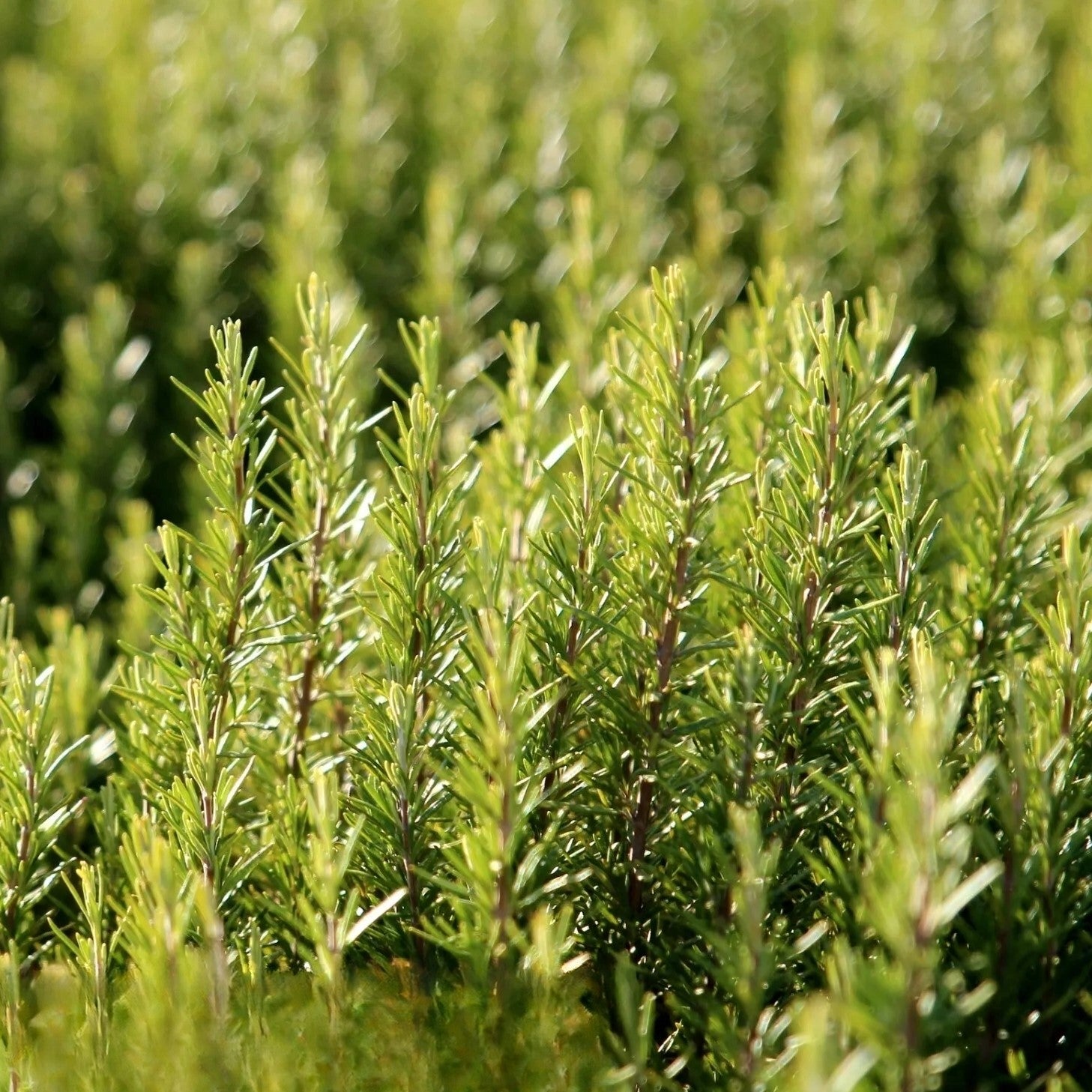
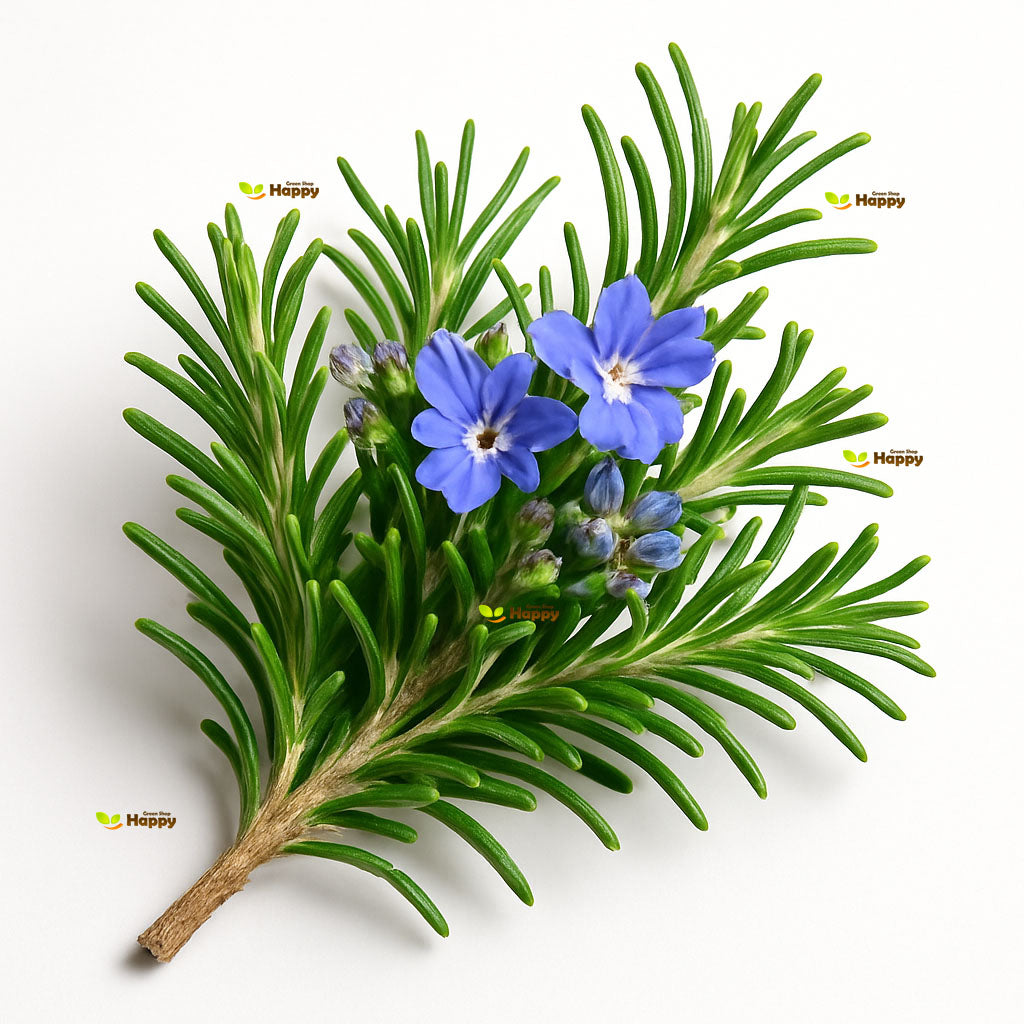
Rosemary – Seeds (Rosmarinus officinalis)
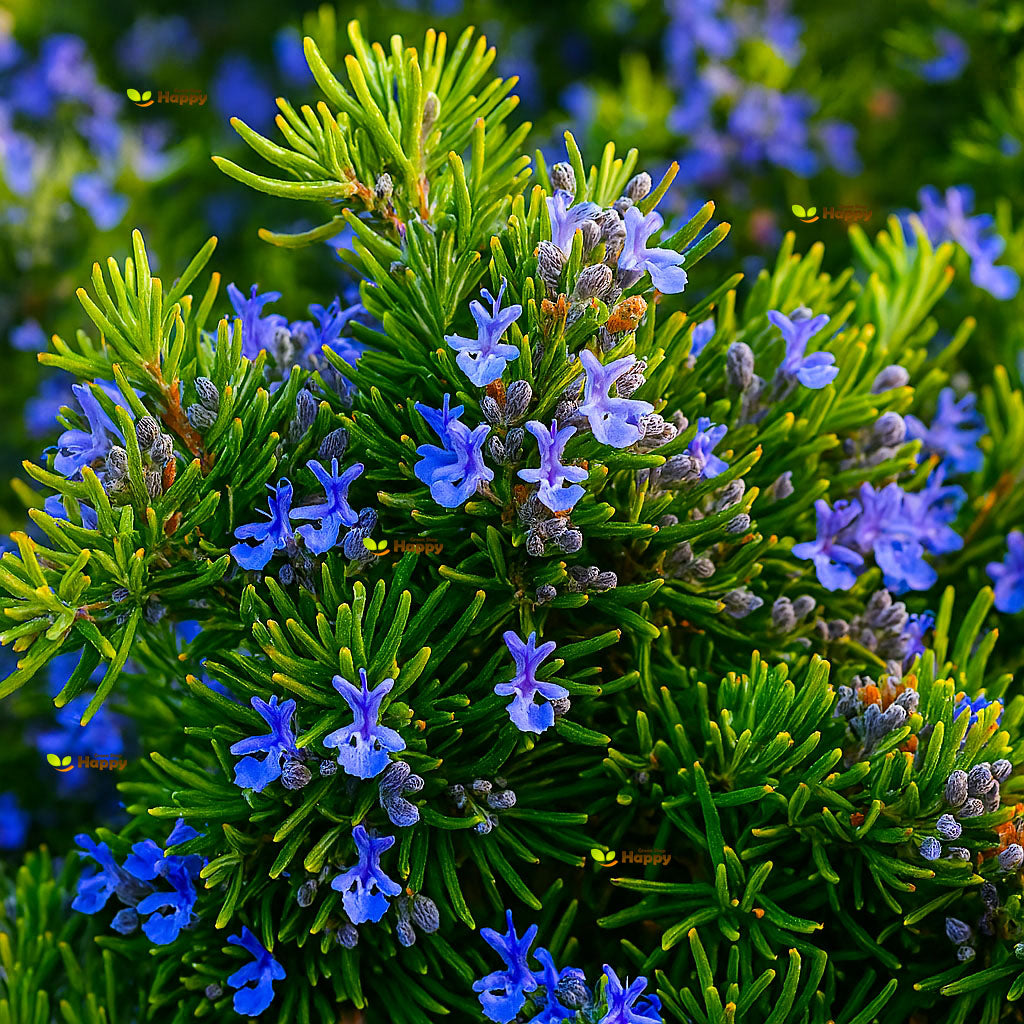
The classic Rosemary is a hardy, evergreen perennial herb valued for its aromatic needle-like leaves and unmistakable flavor. Loved in Mediterranean cooking, it adds depth to roasted meats, potatoes, bread, and sauces. Its strong fragrance also makes it a natural companion plant, helping deter pests in the garden.
Not only culinary, rosemary is also prized for its decorative qualities – perfect for herb gardens, containers, and borders. With its resilience and longevity, rosemary is a must-have for any kitchen garden.
How to Grow
-
Sow indoors: February – April in seed trays or pots
-
Transplant outdoors: After last frost in a sunny spot
-
Soil: Light, well-drained, sandy soil
-
Position: Full sun
-
Care: Water sparingly, avoid waterlogged soil, prune regularly for bushy growth
Key Features
-
Aromatic, evergreen perennial herb
-
Classic Mediterranean flavor for cooking
-
Hardy and drought-tolerant once established
-
Excellent for borders, pots, or herb gardens
-
Natural companion plant with pest-repelling properties
Sowing & Harvest
-
Sow: February – April
-
Harvest: All year once established

Rudbeckia 'Autumn Forest' – Seeds (Rudbeckia hirta)
Rudbeckia 'Autumn Forest' is a striking variety of Black-Eyed Susan with warm, fiery shades of red, bronze, orange, and golden yellow – like the colors of a glowing autumn woodland. Its daisy-like flowers with dark centers bloom generously over summer and early autumn, creating a bold display that attracts bees and butterflies.
What Makes It Special
-
Brilliant mix of autumn-toned blooms
-
Long flowering season with continuous color
-
Pollinator-friendly, attracting bees and butterflies
-
Excellent for cutting, borders, and containers
Key Features
-
Botanical name: Rudbeckia hirta
-
Common name: Black-Eyed Susan
-
Seed count: Approx. seeds per pack
-
Height/Spread: 45–60 cm tall, bushy habit
-
Position: Full sun; fertile, well-drained soil
-
Flowering period: June–October
Ideal For
-
Cottage gardens and wildlife-friendly borders
-
Pollinator-friendly plantings
-
Container displays
-
Cut flower arrangements
Sowing Instructions
-
When to sow: February–April indoors; April–June outdoors
-
How to sow:
-
Sow thinly on the surface of moist compost, press lightly, and cover very lightly with fine compost or vermiculite
-
Maintain 18–22°C; germination takes 7–21 days
-
-
Transplanting: Prick out seedlings when large enough; plant outdoors after frost
-
Care: Deadhead spent blooms to extend flowering. Water well in dry spells.
Showing 648/869


