
Sort by:
869 products
869 products


RUSSELL LUPIN ‘THE GOVERNOR’ SEEDS (Lupinus polyphyllus)
Russell Lupin ‘The Governor’ is a spectacular perennial, admired for its tall, upright flower spikes packed with deep blue and crisp white blooms. Flowering in early to mid-summer, it creates a stunning vertical display in borders, cottage gardens, and mixed beds. A pollinator-friendly favorite, this hardy perennial is both striking and easy to grow.
Why Grow "The Governor"
-
Tall flower spikes with striking blue and white blooms
-
Hardy perennial, easy to grow and long-lasting
-
Attracts bees, butterflies, and other pollinators
-
Ideal for cottage gardens and mixed borders
Key Features
-
Type: Perennial (Lupinus polyphyllus)
-
Height: 90–120 cm
-
Flowering: Early to mid-summer
-
Position: Full sun to partial shade
-
Uses: Borders, cottage gardens, pollinator gardens, cut flowers
Ideal For
-
Adding height and drama to garden borders
-
Cottage and informal garden designs
-
Pollinator-friendly planting schemes
-
Cut flowers for arrangements
Sowing & Growing
-
Sow indoors: 6–8 weeks before the last frost
-
Sow outdoors: Late spring or autumn
-
Germination: 14–30 days (scarify seeds for best results)
-
Space seedlings: 30–45 cm apart
-
Prefers moist, well-drained soil in sun or partial shade
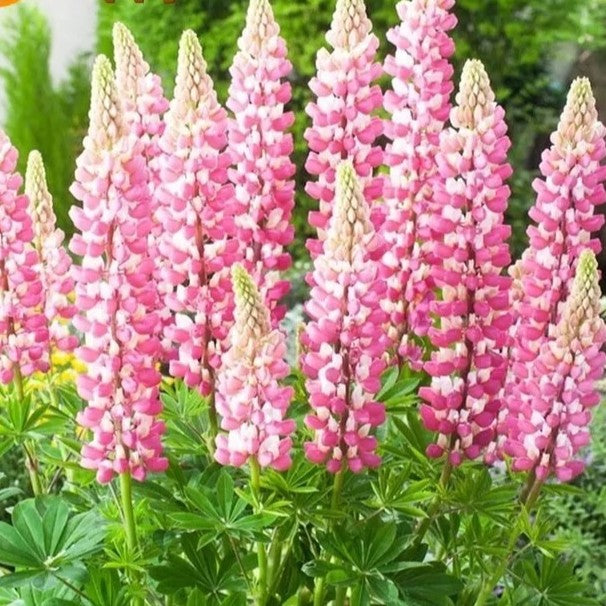
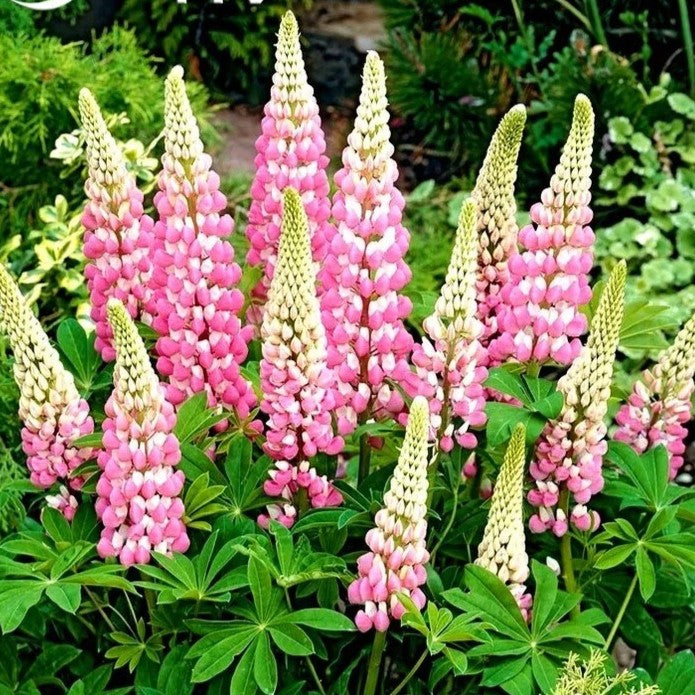
Russell Lupin ‘Chatelaine Pink’ Seeds (Lupinus polyphyllus)
Add romantic charm to your garden with Russell Lupin ‘Chatelaine Pink’ (Lupinus polyphyllus). This hardy perennial produces tall spires of soft pink flowers that rise above lush green foliage, creating a dramatic vertical display. Ideal for borders, cottage gardens, and cut flower arrangements, it blooms from early to mid-summer and attracts pollinators to your garden.
How to Grow
-
Sow indoors in spring or autumn, or directly outdoors after the last frost.
-
Soak seeds in warm water overnight before sowing to improve germination.
-
Use well-drained soil in full sun or partial shade.
-
Cover seeds lightly with soil and keep moist until germination (14–28 days).
-
Transplant seedlings when large enough to handle, spacing 40–50 cm apart.
-
Deadhead spent blooms to encourage a second flowering.
Key Features
-
Tall spires of soft pink blooms for striking vertical accents
-
Hardy perennial, returning year after year
-
Excellent for borders, cottage gardens, and cut flowers
-
Attracts bees, butterflies, and other pollinators
-
Long-flowering, from early to mid-summer
Ideal For
-
Cottage gardens and mixed flower borders
-
Pollinator-friendly landscapes
-
Adding height and structure to garden plantings
-
Fresh cut flower arrangements
Sowing
-
Best time: Spring or autumn
-
Germination: 14–28 days
-
Pre-soak seeds overnight before sowing
-
Prefers sunny, well-drained soil
Quick Tip
-
Avoid disturbing established plants—lupins prefer to remain in place for best performance.
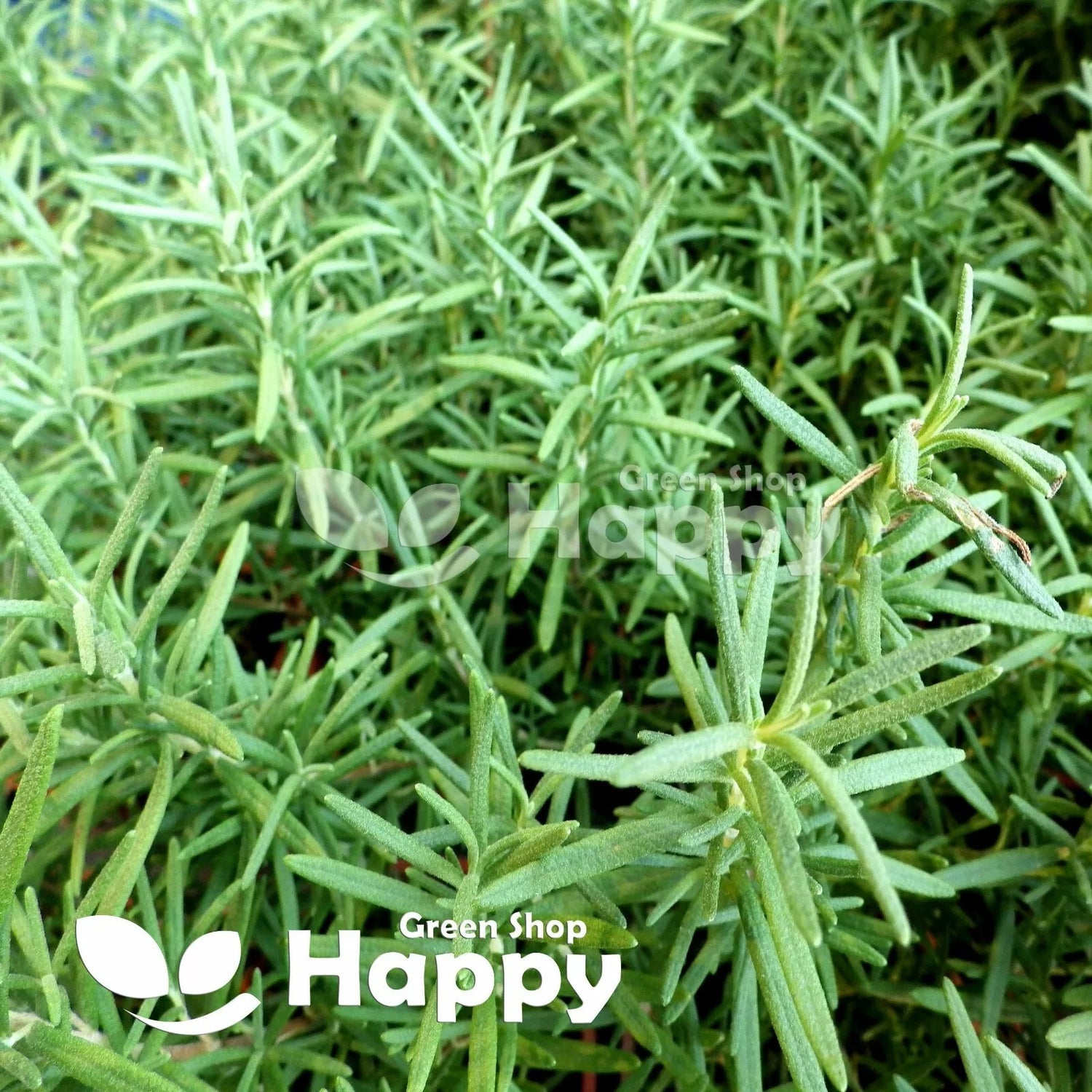
Russian Tarragon – Seeds (Artemisia dracunculus)
Russian Tarragon is a hardy perennial herb valued for its anise-like flavor and aromatic leaves. While milder than French tarragon, it grows easily from seed, making it an excellent choice for gardeners who want a reliable and vigorous herb. Perfect for flavoring chicken, fish, salads, and sauces, it also makes a decorative addition to herb gardens with its fine, slender foliage.
How to Grow
-
Sow indoors: March – May in seed trays or pots.
-
Transplant outdoors: After last frost into a sunny, sheltered position.
-
Soil: Well-drained, light soil.
-
Spacing: 30–45 cm apart.
-
Water moderately, avoid waterlogging.
Key Features
-
Hardy perennial, easy to grow from seed
-
Aromatic leaves with mild anise flavor
-
Reliable alternative to French tarragon
-
Drought-tolerant once established
-
Attractive foliage for herb borders
Ideal For
-
Herb gardens and kitchen gardens
-
Flavoring chicken, fish, soups, and sauces
-
Growing in pots, raised beds, or borders
Sowing & Harvest
-
Sow: March – May
-
Harvest: July – October
Quick Tip
Pinch back growing tips to encourage bushy growth. For best flavor, harvest young leaves before flowering.
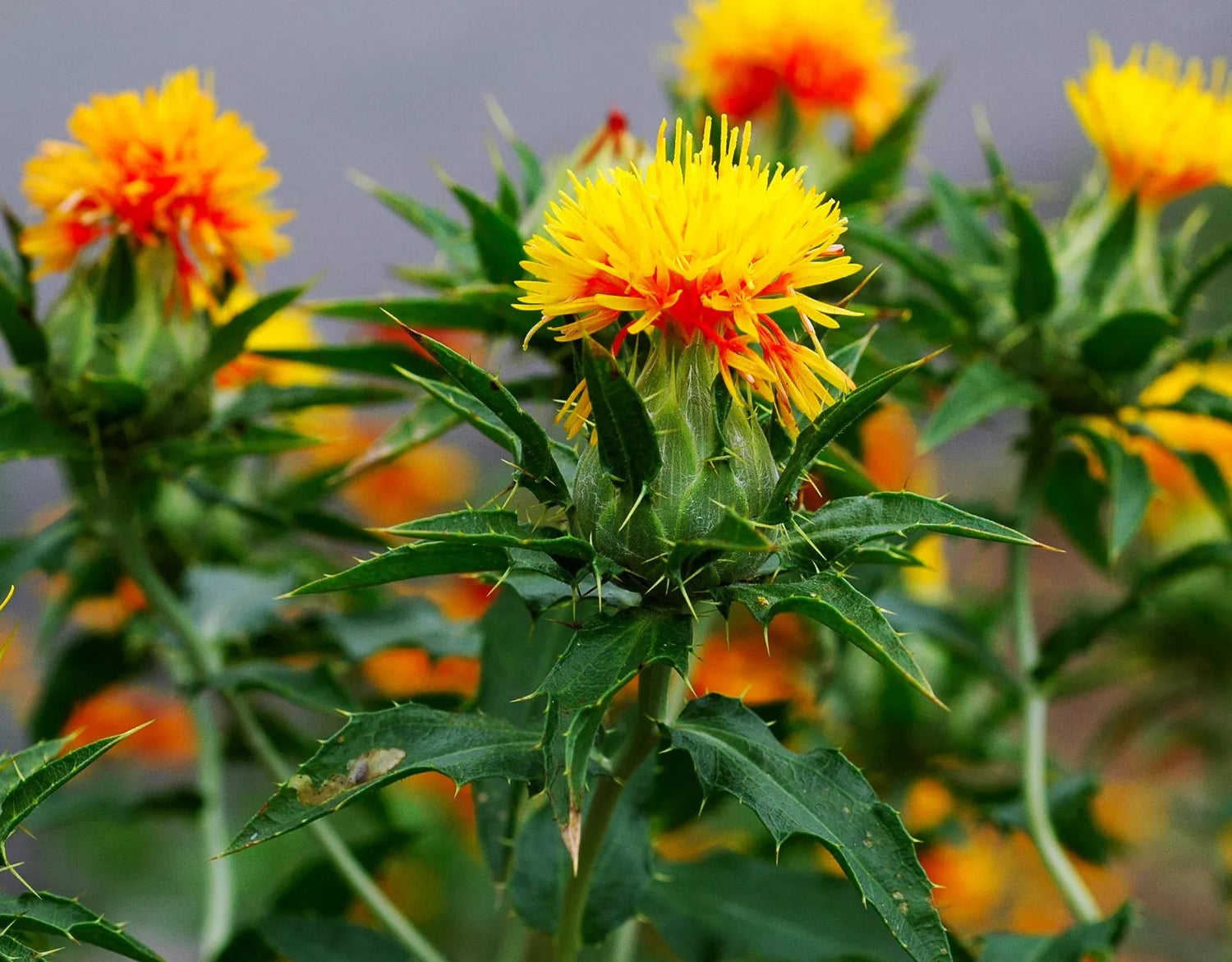
Saffron Thistle Yellow – 20 Seeds (Carthamus tinctorius)
A striking and unusual garden flower, Saffron Thistle Yellow produces bold, spiky thistle-like blooms in golden-yellow shades that add texture and color to borders. This hardy, sun-loving plant is valued not only for its ornamental appeal but also for its long-lasting cut flowers and historical use as a natural dye and saffron substitute.
What Makes It Special
-
Unique thistle-like blooms in glowing yellow
-
Long vase life – excellent cut flower
-
Drought-tolerant and thrives in poor soils
-
Historically used for natural dyes and coloring
Key Features
-
Hardy annual, height: 60–90 cm
-
Prefers full sun and well-drained soil
-
Tolerates drought and poor ground
-
Flowers June–September
Ideal For
-
Striking borders and wildflower gardens
-
Cut flower arrangements and drying
-
Pollinator-friendly planting
-
Low-maintenance, sun-baked spots
Sowing
-
Sow directly outdoors Mar–May in well-drained soil, spacing 25–30 cm apart
-
Cover lightly with soil and water well
-
Germination: 7–21 days
-
Thin seedlings as they grow for stronger plants
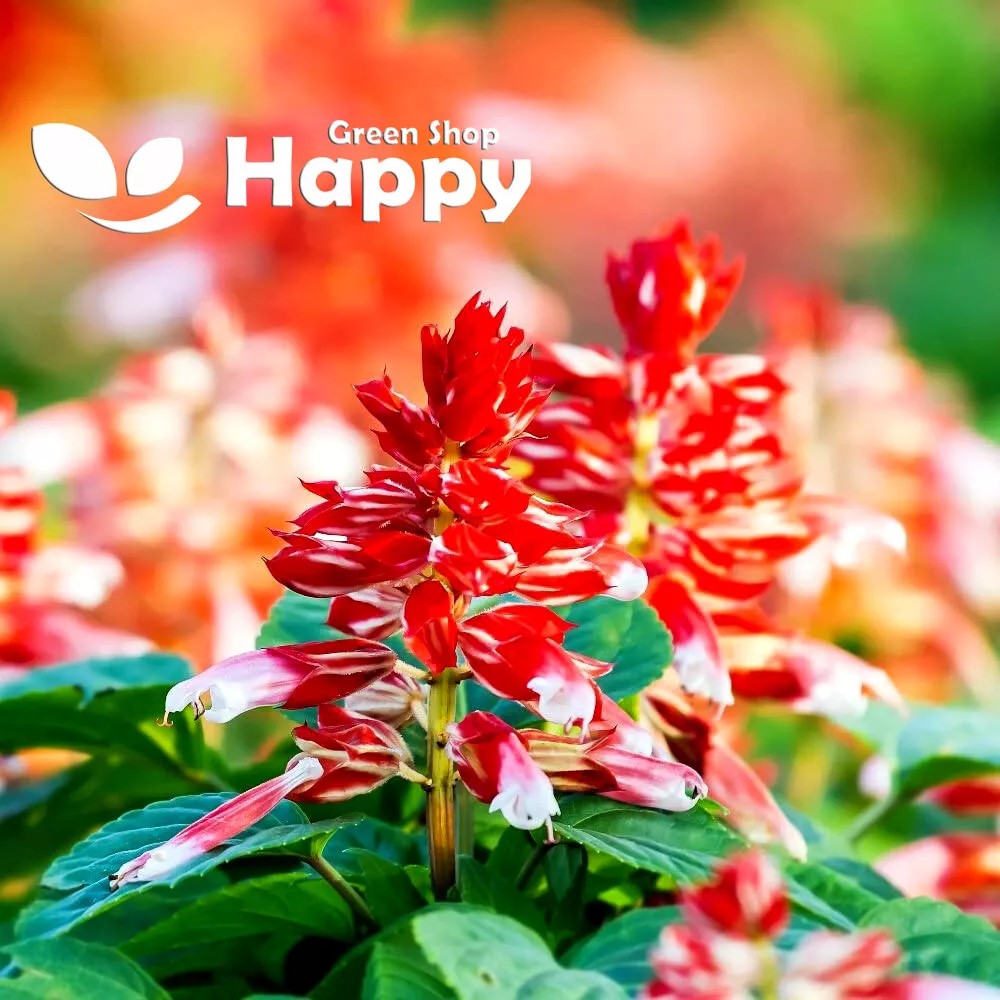
Sage Red-Orange – Seeds (Salvia splendens)
Sage Red-Orange (Salvia splendens) is a vibrant annual producing striking red-orange spikes of tubular flowers. Blooming from summer to autumn, this heat-tolerant plant adds bold color and vertical interest to borders, containers, and cottage-style gardens. Easy to grow and low-maintenance, it attracts hummingbirds, bees, and butterflies, making it perfect for pollinator-friendly planting and long-lasting summer displays.
Why Grow "Red-Orange Sage"
-
Bold red-orange flower spikes
-
Long flowering season from summer to autumn
-
Easy-to-grow, low-maintenance annual
-
Pollinator-friendly and visually striking
Key Features
-
Type: Annual (Salvia splendens)
-
Height: 40–60 cm
-
Flowering: Summer to autumn
-
Position: Full sun
-
Uses: Borders, containers, cottage gardens, pollinator-friendly beds
Ideal For
-
Adding vertical color to borders and mixed beds
-
Cottage and container gardens
-
Pollinator-friendly garden schemes
-
Summer and autumn garden displays
Sowing & Growing
-
Sow indoors: February–April in trays or pots
-
Sow outdoors: April–May after frost
-
Germination: 10–14 days at 18–22°C
-
Thin seedlings 25–30 cm apart
-
Prefers well-drained soil in full sun
-
Water moderately until established
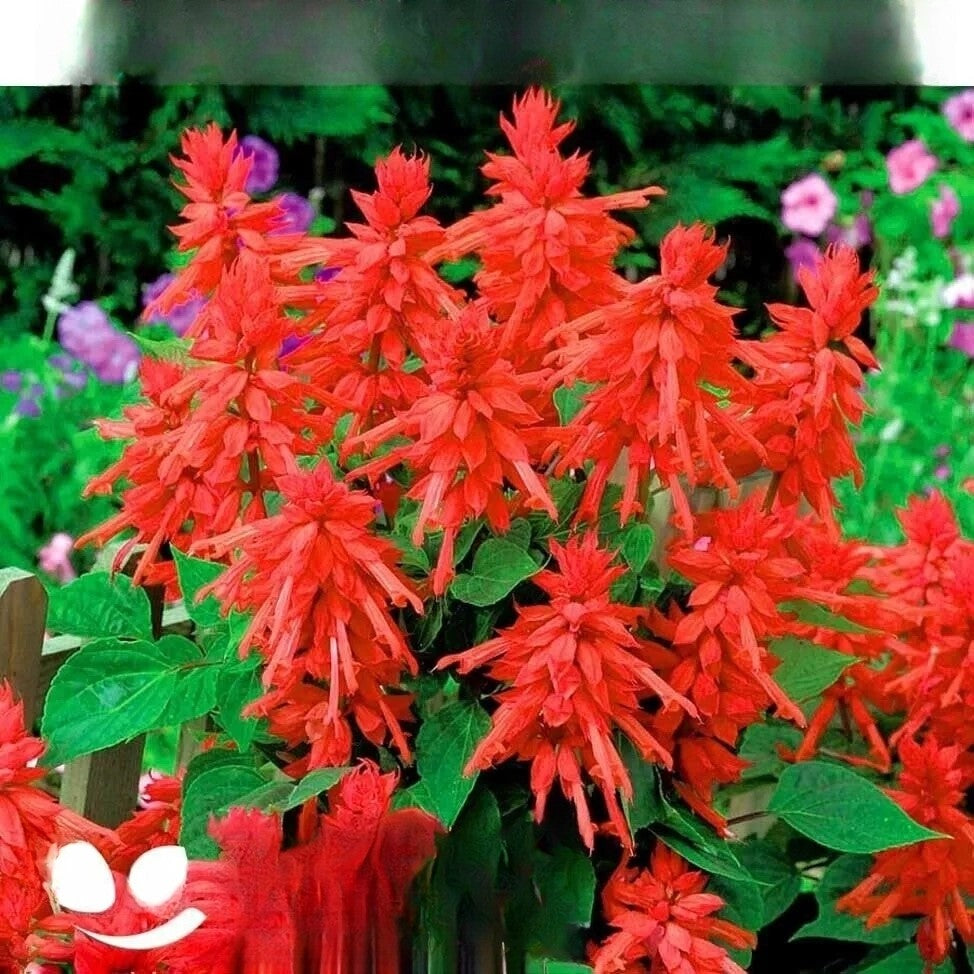
Sage ‘Tango Red’ – Seeds (Salvia splendens)
Sage ‘Tango Red’ (Salvia splendens) is a striking annual that produces dense spikes of vivid scarlet-red flowers from summer until the first frost. With its compact, bushy habit, it’s perfect for borders, bedding schemes, containers, and mass plantings where vibrant, long-lasting color is desired. Easy to grow and low-maintenance, this variety also attracts bees, butterflies, and hummingbirds, making it both ornamental and wildlife-friendly.
Why Grow "Tango Red"
-
Bright scarlet-red flower spikes all summer long
-
Compact and bushy habit for neat displays
-
Attracts bees, butterflies, and hummingbirds
-
Long-flowering, easy-to-grow annual
Key Features
-
Type: Annual (Salvia splendens)
-
Height: 25–40 cm
-
Flowering: Summer to first frost
-
Position: Full sun
-
Uses: Borders, bedding, mass plantings, containers, pollinator gardens
Ideal For
-
Adding vibrant red color to borders and beds
-
Bedding displays and formal garden designs
-
Patio and balcony containers
-
Pollinator-friendly planting
Sowing & Growing
-
Sow indoors: February–April in trays or pots
-
Germination: 14–21 days at 18–22°C
-
Transplant outdoors after last frost
-
Space seedlings: 20–25 cm apart
-
Prefers fertile, well-drained soil in full sun
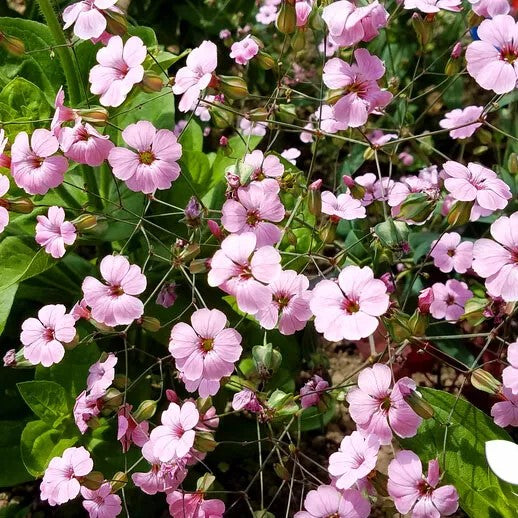
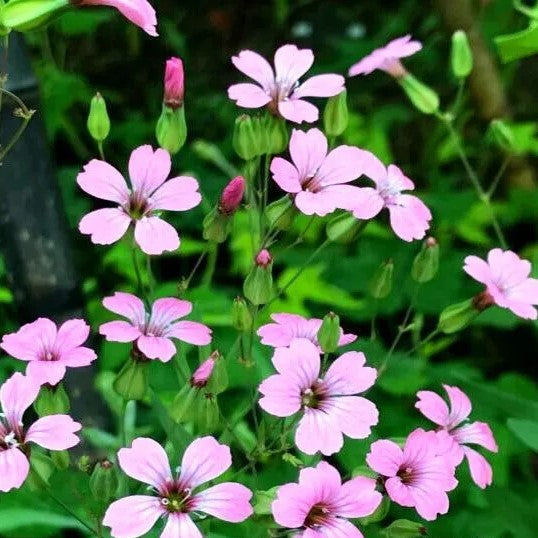
Saponaria ‘Soapwort Pink Beauty’ Seeds (Saponaria vaccaria)
Saponaria ‘Soapwort Pink Beauty’ is a charming perennial known for its delicate, soft pink blooms and aromatic foliage. Blooming from late spring through summer, it adds a graceful touch to borders, rock gardens, and cottage-style plantings. Hardy, low-maintenance, and drought-tolerant, it attracts pollinators and brings long-lasting beauty to any garden.
What Makes It Special
-
Soft pink, delicate blooms over aromatic foliage
-
Long flowering period from late spring to summer
-
Hardy, drought-tolerant, and pollinator-friendly
Key Features
-
Botanical name: Saponaria vaccaria
-
Hardy perennial
-
Height: 30–40 cm
-
Bloom time: Late spring to summer
Ideal For
-
Borders, rock gardens, and cottage gardens
-
Pollinator-friendly plantings
-
Containers and sunny beds
Sowing
-
Sow indoors Feb–Apr or outdoors Apr–Jun
-
Cover seeds lightly with soil
-
Germination: 10–21 days at 18–22°C
-
Space seedlings 25–30 cm apart
-
Flowers from the second year onward
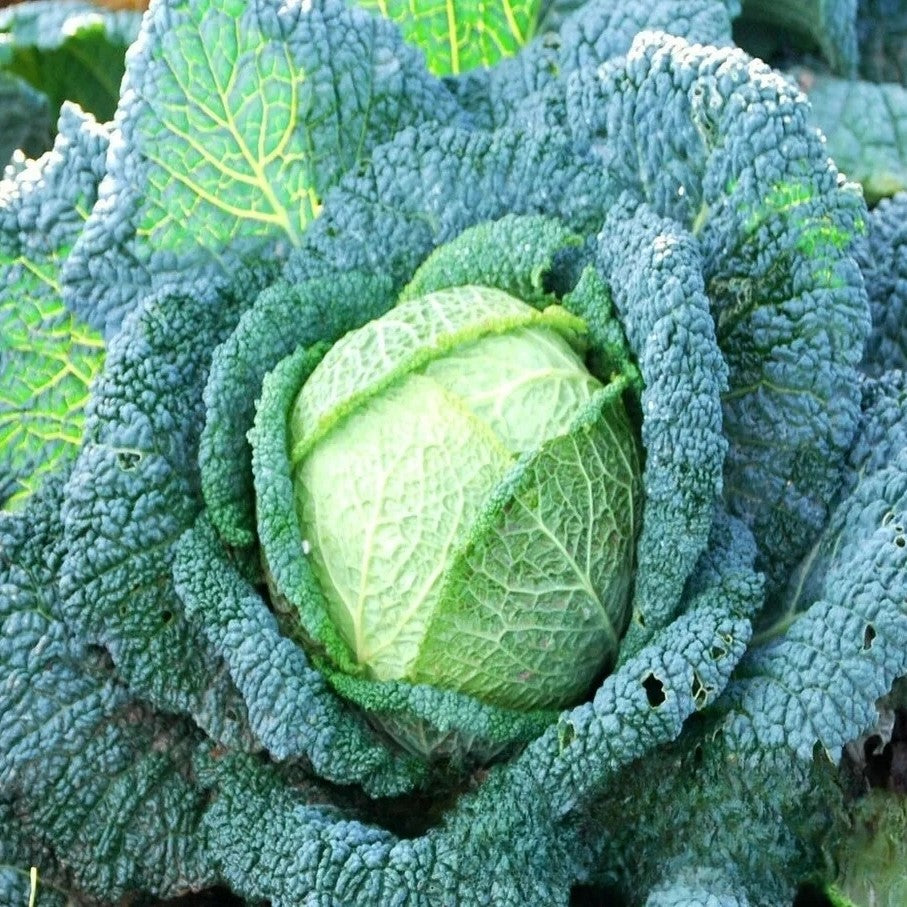
Savoy Cabbage 'Rocket' – Seeds
(Brassica oleracea) – Crisp, Crinkled Leaves & Fast Growth
Savoy Cabbage 'Rocket' is a vigorous, early-maturing variety prized for its tender, crinkled dark-green leaves and compact, dense heads. It delivers a mild, sweet flavor and is ideal for fresh salads, cooking, and steaming. Perfect for home gardens and small-scale cultivation.
Key Features
-
Type: Biennial, grown as annual
-
Heads: Medium-sized, dense, crinkled dark-green leaves
-
Flavor: Mild, sweet, tender
-
Harvest: Early to mid-season
-
Use: Salads, cooking, steaming, stir-fries, freezing
Ideal For
-
Home gardens and allotments
-
Early harvest for fresh culinary use
-
Succession planting for continuous supply
-
Gourmet cooking and healthy meals
Sowing & Growing
-
Sow indoors: February–April for transplanting.
-
Sow outdoors: March–May for summer harvest.
-
Spacing: 45–50 cm between plants, 60–70 cm between rows.
-
Soil: Fertile, well-drained soil with added compost.
-
Sunlight: Full sun for best growth.
-
Harvest: When heads are firm and well-formed.
Care Tips
-
Keep soil consistently moist to prevent splitting.
-
Protect seedlings from cabbage root fly and caterpillars.
-
Fertilize moderately for dense heads.
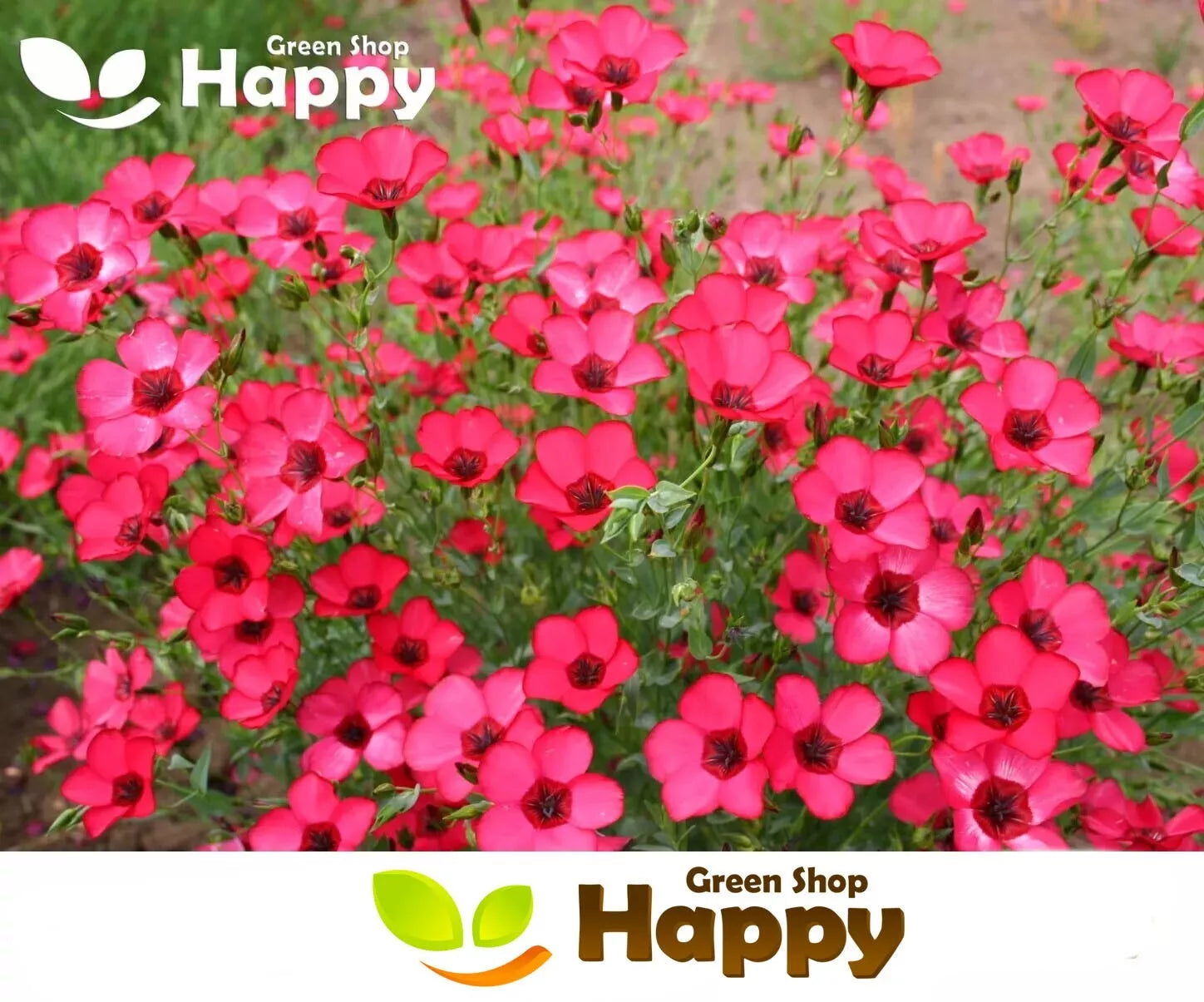
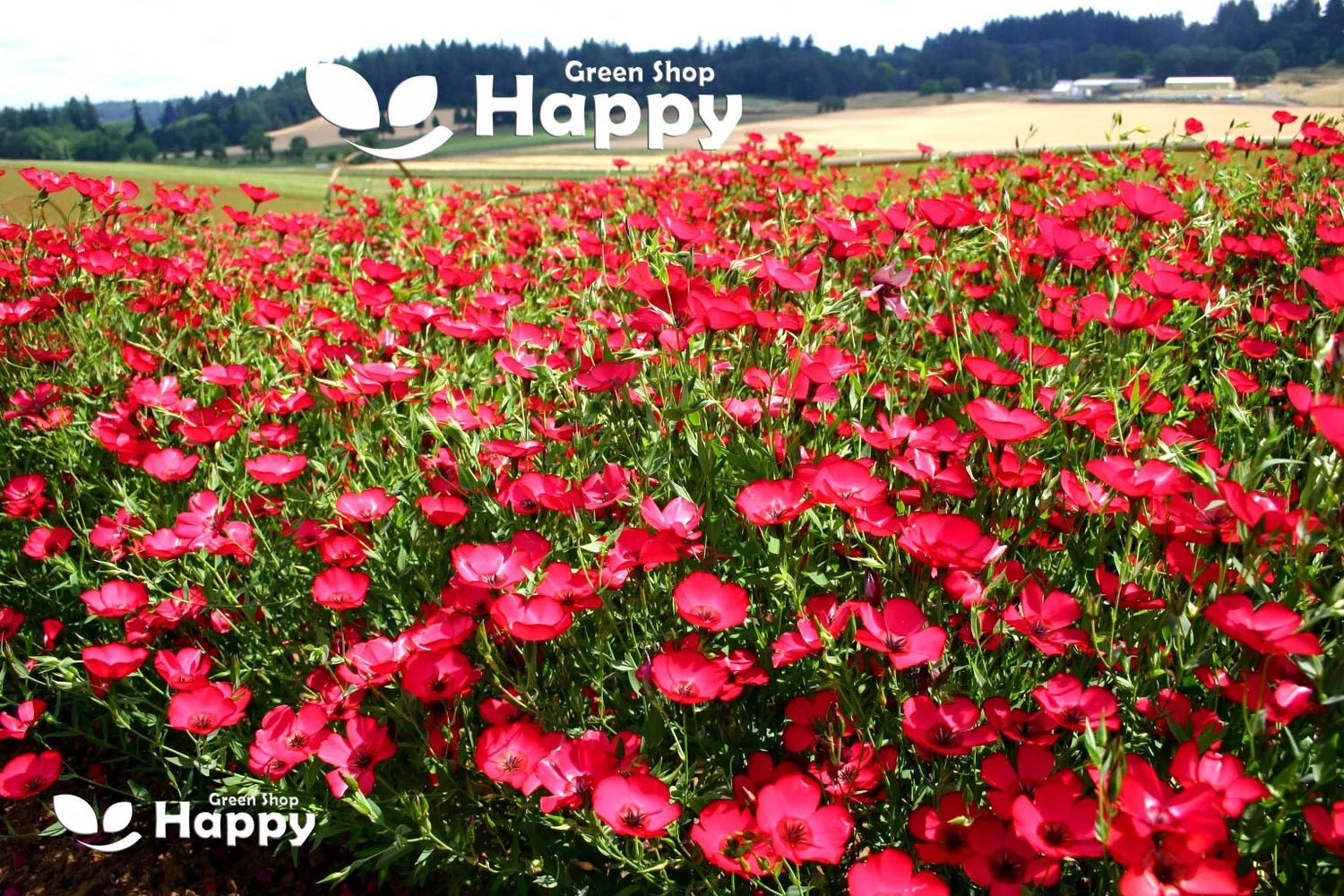
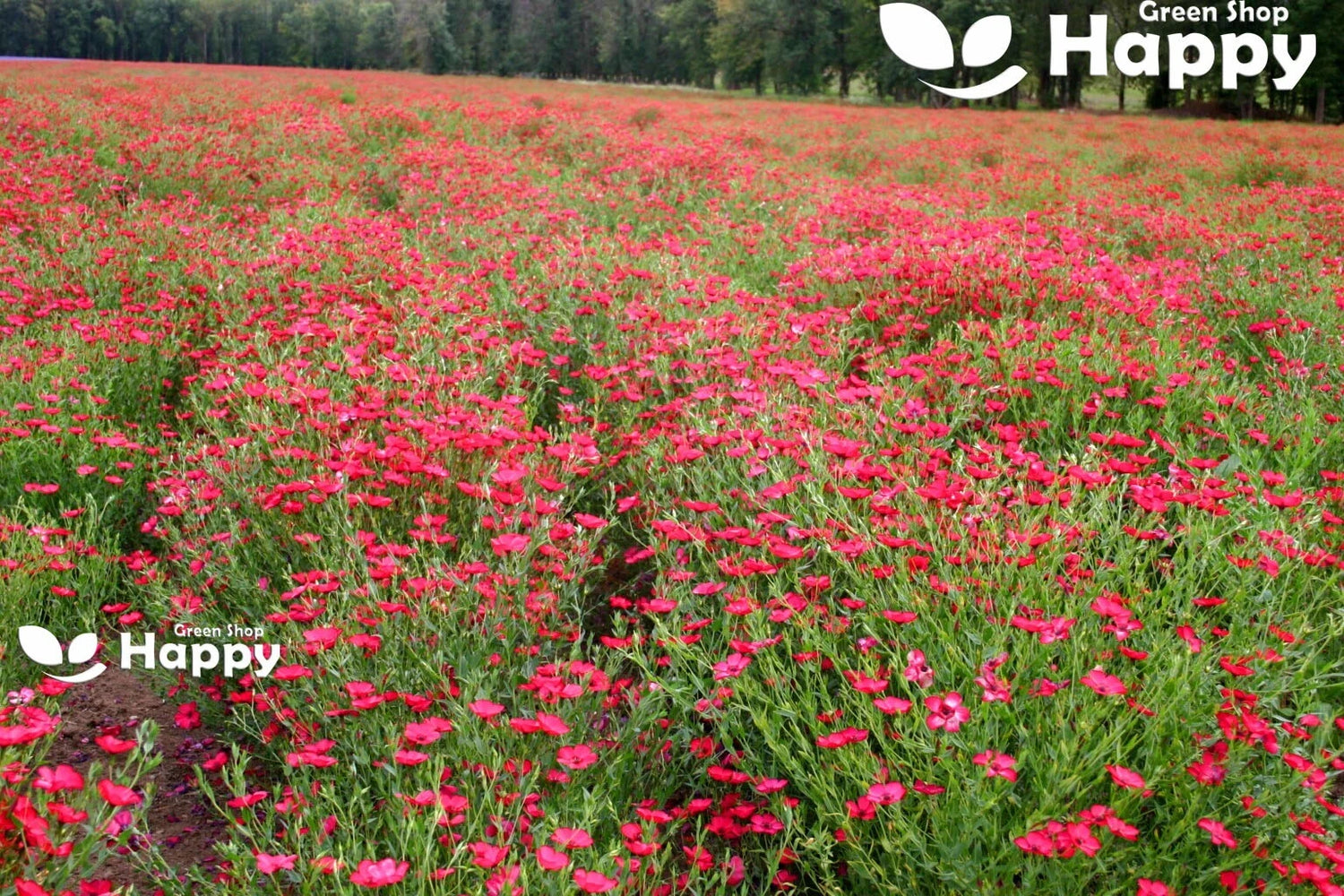
Scarlet Flax – Seeds (Linum grandiflorum)
Scarlet Flax (Linum grandiflorum) is an elegant annual producing vibrant scarlet-red flowers on slender, graceful stems. Blooming from early summer to autumn, this low-maintenance plant adds striking color and delicate texture to borders, cottage gardens, and wildflower mixes. Easy to grow and drought-tolerant once established, Scarlet Flax attracts pollinators while providing long-lasting visual interest in sunny garden settings.
Why Grow "Scarlet Flax"
-
Brilliant scarlet-red flowers on slender stems
-
Long flowering season from early summer to autumn
-
Easy-to-grow, low-maintenance annual
-
Pollinator-friendly and drought-tolerant
Key Features
-
Type: Annual (Linum grandiflorum)
-
Height: 30–50 cm
-
Flowering: Early summer to autumn
-
Position: Full sun
-
Uses: Borders, cottage gardens, wildflower mixes, pollinator gardens
Ideal For
-
Adding bright color to borders and mixed beds
-
Cottage and wildflower-style gardens
-
Pollinator-friendly planting schemes
-
Low-maintenance sunny garden spots
Sowing & Growing
-
Sow indoors: February–April in trays or pots
-
Sow outdoors: April–May directly in soil
-
Germination: 10–14 days at 18–22°C
-
Thin seedlings 20–25 cm apart
-
Prefers well-drained soil in full sun
-
Water moderately until established
Showing 666/869


