Sort by:
868 products
868 products
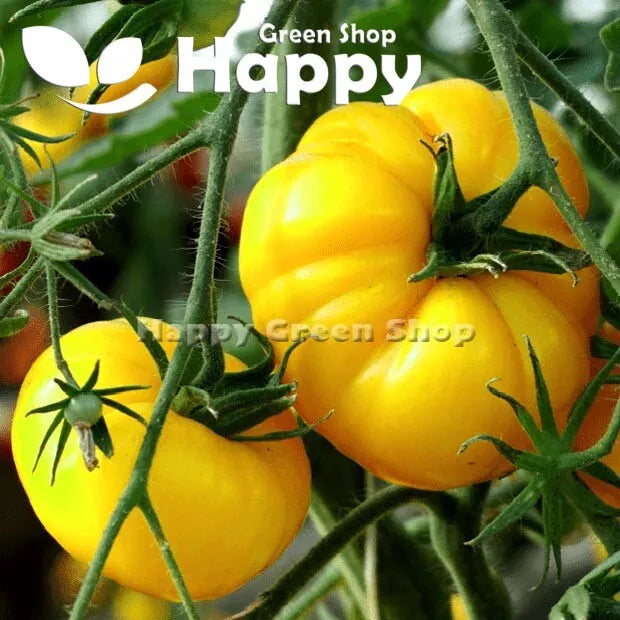
Beefsteak Tomato 'Yellowstone' – Seeds (Solanum lycopersicum)
Grow Beefsteak Tomato 'Yellowstone', a striking heirloom variety known for its large, golden-yellow fruits with a sweet, mild flavor. Perfect for fresh salads, sandwiches, and cooking, this tomato delivers juicy, meaty fruits ideal for slicing. High-yielding and vigorous, 'Yellowstone' is a favorite for gardeners seeking visually stunning and flavorful tomatoes.
How to Grow
. Sow indoors: February – April, 0.5–1 cm deep in seed trays or pots
. Transplant outdoors: After last frost, spacing 50–70 cm apart
. Prefers fertile, well-drained soil with full sun
. Support plants with stakes or cages and water consistently
. Harvest: When fruits are fully colored and slightly soft to the touch
Key Features
. Heirloom yellow beefsteak tomato with large, juicy fruits
. Sweet, mild flavor perfect for fresh eating and cooking
. High-yielding, vigorous growth
. Ideal for salads, sandwiches, sauces, and preserves
. Suitable for greenhouse or open-ground cultivation
Ideal For
. Home gardeners seeking colorful heirloom tomatoes
. Fresh salads, sandwiches, and culinary preparations
. Greenhouse or outdoor garden growing
. Gardeners looking for large, flavorful fruits
Sowing & Harvest
. Sow: February – April
. Harvest: July – September
Quick Tip
Stake or cage plants early to support heavy fruits and prevent damage while ensuring good air circulation.
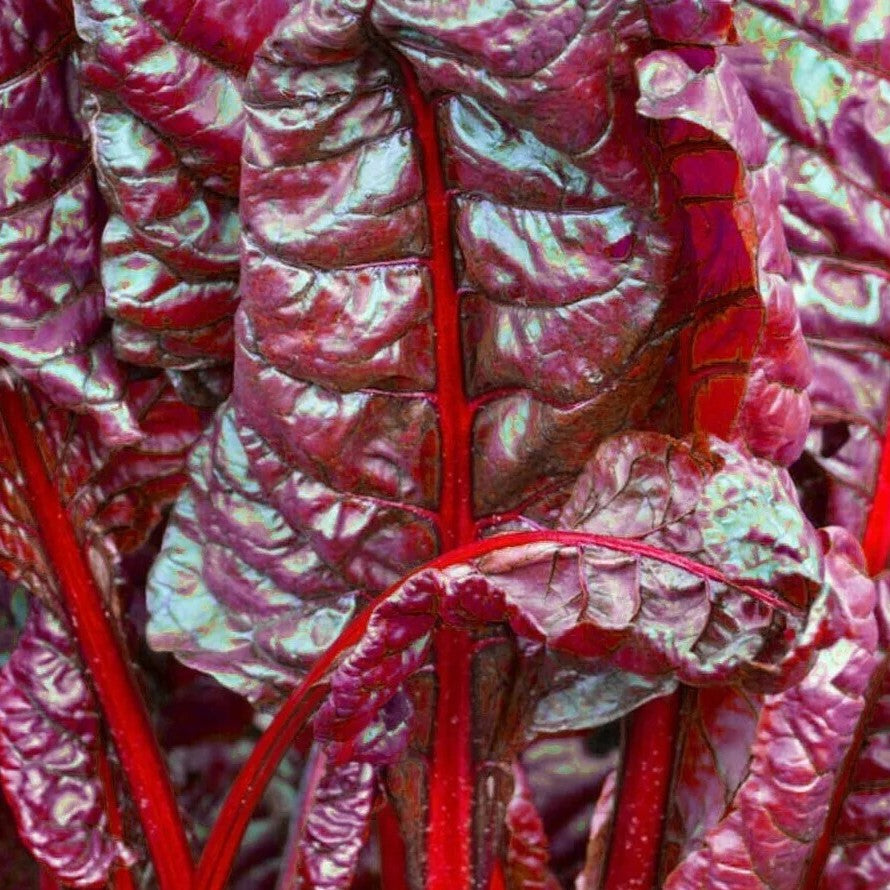
Beet Leaf 'Bull's Blood' – Seeds (Beta vulgaris)
Beet Leaf 'Bull's Blood' is a striking dual-purpose variety, prized for its deep red-purple leaves and tender beet roots. The young leaves are excellent for adding vibrant color and a mild, earthy flavor to salads, while mature leaves can be cooked like spinach. The roots are small but sweet, making them ideal for roasting or boiling.
With its ornamental foliage and culinary versatility, this variety is perfect for gardeners who want both beauty and harvest from the same plant.
How to Grow
-
Sow outdoors: March – July
-
Depth: 1–2 cm
-
Spacing: 10 cm apart in rows 30 cm apart
-
Position: Full sun
-
Soil: Fertile, well-drained, rich in organic matter
-
Watering: Keep soil moist to encourage steady growth
Key Features
-
Dual-purpose variety grown for both leaves and roots
-
Striking dark red-purple foliage adds color to the garden
-
Young leaves ideal for salads, mature leaves for cooking
-
Sweet, tender roots suitable for roasting or boiling
-
Easy to grow and highly ornamental
Harvest
-
Baby leaves: From 30 days
-
Roots: July – October
-
Harvest young leaves regularly to encourage new growth.
Short Tip
Pick leaves when young for the best flavor and continuous regrowth.
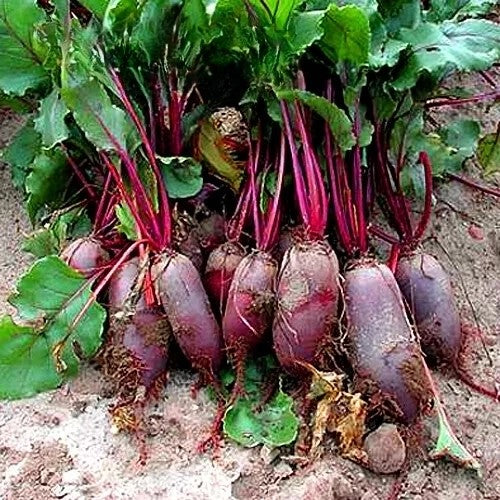
Beetroot 'Alexis' – Seeds
(Beta vulgaris) – Sweet, Tender & Early Harvest Variety
Beetroot 'Alexis' is a reliable, early-maturing variety known for its smooth, uniform, round roots with intensely dark red flesh that remains free of rings. It has a sweet, tender flavor even when roots grow larger, making it suitable for fresh eating, roasting, juicing, and preserving. The variety also shows good resistance to bolting.
Key Features
-
Type: Hardy biennial, grown as annual
-
Roots: Round, uniform, smooth skin
-
Flesh: Deep red, no rings
-
Flavor: Sweet, tender, mild earthy taste
-
Harvest: Early to mid-season
-
Use: Fresh salads, cooking, juicing, pickling, storage
Ideal For
-
Kitchen & home gardens
-
Early cropping with reliable yields
-
Fresh culinary use & winter storage
-
Succession sowing for continuous supply
Sowing & Growing
-
Sow outdoors: April–July, in rows 2–3 cm deep.
-
Spacing: 10 cm between plants, 25–30 cm between rows.
-
Soil: Fertile, light, well-drained, stone-free soil.
-
Harvest: June–October, depending on sowing time.
Care Tips
-
Thin seedlings early to allow roots to swell properly.
-
Keep soil consistently moist for tender, sweet roots.
-
Harvest when small for baby beets or later for larger storage roots.

Beetroot 'Chioggia' – Seeds
(Beta vulgaris) – Traditional Italian Heirloom with Striking Rings
Beetroot 'Chioggia' is a famous Italian heirloom variety known for its stunning candy-striped flesh, with alternating pink and white rings. Sweet, mild, and tender, it’s perfect for eating raw in salads to show off its striking appearance, or cooked for a softer, delicate flavor. Easy to grow and quick to mature, it adds both beauty and taste to the garden and kitchen.
Key Features
-
Type: Biennial root crop, grown as annual
-
Roots: Round, medium-sized with concentric pink and white rings
-
Flavor: Sweet, mild, tender texture
-
Harvest: Summer to autumn
-
Use: Salads, roasting, pickling, juicing
Ideal For
-
Unique and decorative salads
-
Traditional and gourmet cooking
-
Kitchen gardens and allotments
-
Beginner-friendly vegetable growing
Sowing & Growing
-
Sow outdoors: March–July, thin seedlings as they grow.
-
Spacing: 10 cm between plants, 30 cm between rows.
-
Soil: Loose, fertile, well-drained soil.
-
Sunlight: Full sun for best development.
-
Harvest: June–October, when roots reach 5–7 cm in diameter.
Care Tips
-
Keep soil moist for tender, juicy roots.
-
Thin seedlings early to prevent overcrowding.
-
Harvest young for best flavor and color.

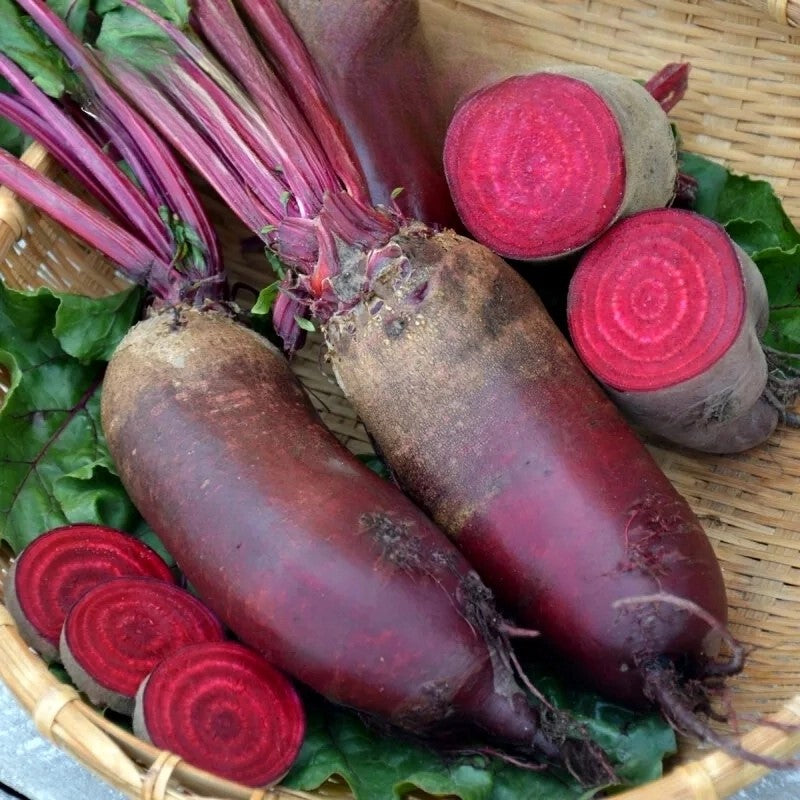
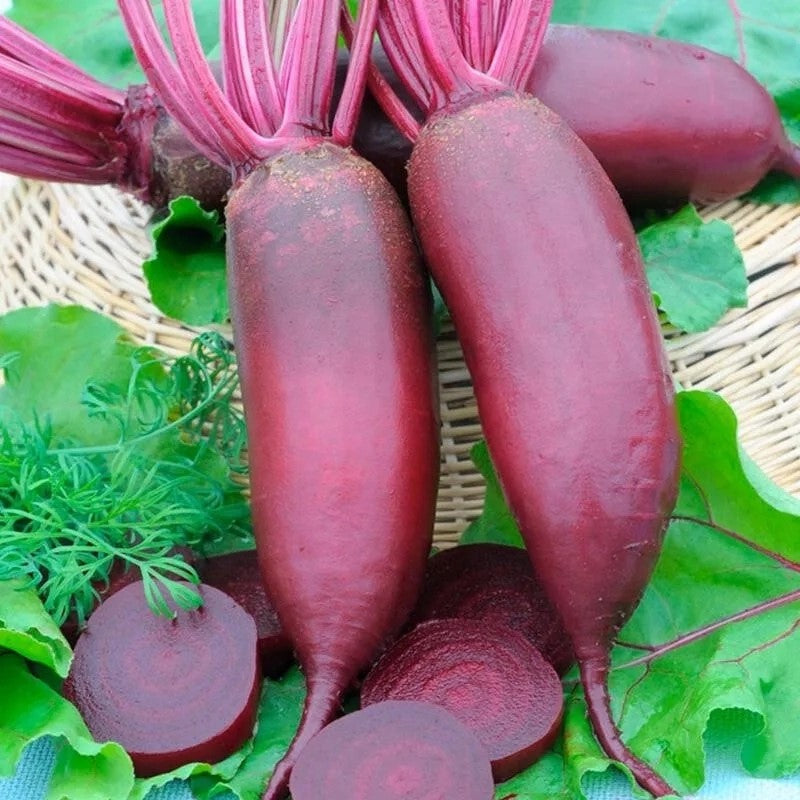
Beetroot (Cylindrica) ‘Kahira’ – Seeds (Beta vulgaris)
Beetroot ‘Kahira’ is a traditional Egyptian cylindrical variety, well-loved for its uniform shape, tender flesh, and sweet earthy flavor. Its elongated roots slice easily into even rounds, making it a favorite for cooking, pickling, and storage. Productive and reliable, ‘Kahira’ is a hardy beetroot that thrives in a wide range of soils and climates.
How to Grow
-
Sow direct outdoors: March – July in well-prepared soil.
-
Sow 2 cm deep in rows 30 cm apart.
-
Thin seedlings to 10 cm apart once established.
-
Keep soil moist for tender, juicy roots.
Key Features
-
Cylindrical roots for easy slicing
-
Sweet, tender flesh with rich flavor
-
High-yielding and uniform growth
-
Great for cooking, salads, and pickling
-
Excellent storage variety
Ideal For
-
Fresh salads, roasting, and boiling
-
Pickling and preserving
-
Long-term storage for winter use
Sowing & Harvest
-
Sow: March – July
-
Harvest: June – October
Quick Tip
Harvest when young for extra tenderness, or allow to mature for larger roots ideal for storage and preserving.

Beetroot 4 Colors – 100 Seeds (Beta vulgaris)
Beetroot 4 Colors is a vibrant mix of red, golden, pink, and striped beets, bringing color and nutrition to your garden. These fast-growing, tender roots are perfect for fresh salads, roasting, pickling, and juicing. Easy to grow and versatile, this mix is ideal for both beginner and experienced gardeners looking to add variety and flavor to their harvest.
Key Features
-
Variety: Red, golden, pink, and striped beets
-
Growth Habit: Compact and fast-growing
-
Maturity: 50–60 days
-
Use: Salads, roasting, pickling, and juicing
-
Flavor: Sweet and earthy
-
Harvest: Can be harvested young as baby beets or fully mature
Ideal For
-
Vegetable garden beds
-
Container growing
-
Colorful salads and culinary use
-
Home gardeners seeking variety
Sowing & Growing
-
Sow outdoors: March–July
-
Depth: 1–2 cm
-
Spacing: 10–15 cm
-
Position: Full sun to partial shade
-
Soil: Fertile, well-drained soil
-
Care: Keep soil moist; thin seedlings for optimal root development

🥕 Beta vulgaris ‘Burpee’s Golden’ – Vibrant Golden Beetroot with Sweet, Mild Flavour
‘Burpee’s Golden’ is a distinctive heirloom beetroot variety producing rich golden-orange roots with a sweet, mild flavour and smooth, tender texture. Unlike red beets, it does not bleed when sliced or cooked, making it ideal for colourful salads, roasting, pickling, and gourmet dishes. The attractive green tops are also excellent as spinach-like greens. Fast-growing and reliable, this variety performs well in beds, raised beds, and containers.
Key Features
● Golden-orange roots with sweet, mild flavour
● Does not bleed when cut or cooked
● Smooth, tender texture ideal for roasting and salads
● Edible green tops, nutritious and versatile
● Fast-growing and suitable for beds or containers
How to Sow & Grow Beetroot ‘Burpee’s Golden’ (UK)
Direct outdoors: III–VII (March–July)
Harvest: VI–X (June–October)
Germination temperature: 8–25 °C (46–77 °F)
Average germ time: 7–14 days
Depth: 2–3 cm (¾–1¼ in)
Light required: Yes
Moisture: Keep soil evenly moist
Environment: Full sun
Soil type: Light, fertile, well-drained soil; avoid fresh manure
Plant spacing: 10 cm (4 in) between plants; 25–30 cm (10–12 in) between rows
Height: 25–35 cm (10–14 in)
Sowing & Growing Tips (variety-specific)
● Thin seedlings early — each seed cluster may contain multiple seeds.
● Harvest young for the sweetest, tender roots.
● Water regularly to avoid woody or tough roots.
● Leaves can be harvested young as nutritious greens.
● Successive sowings ensure continuous cropping.
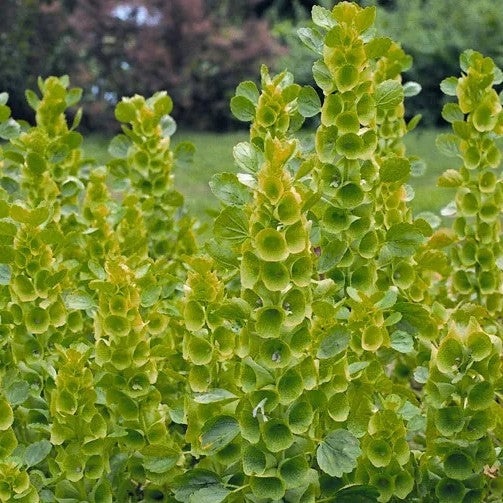
Bells of Ireland – Striking Green Spires for Garden and Bouquets
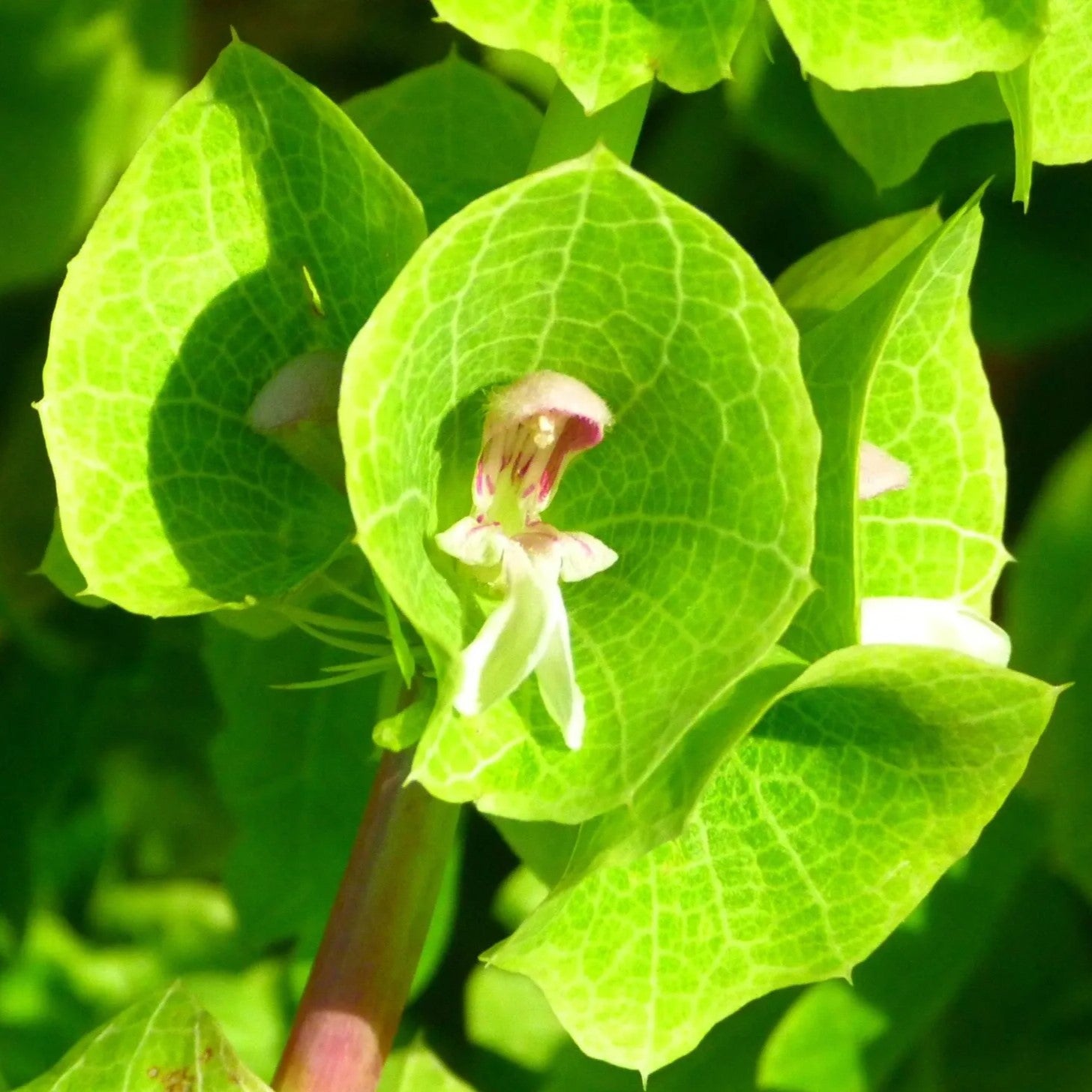
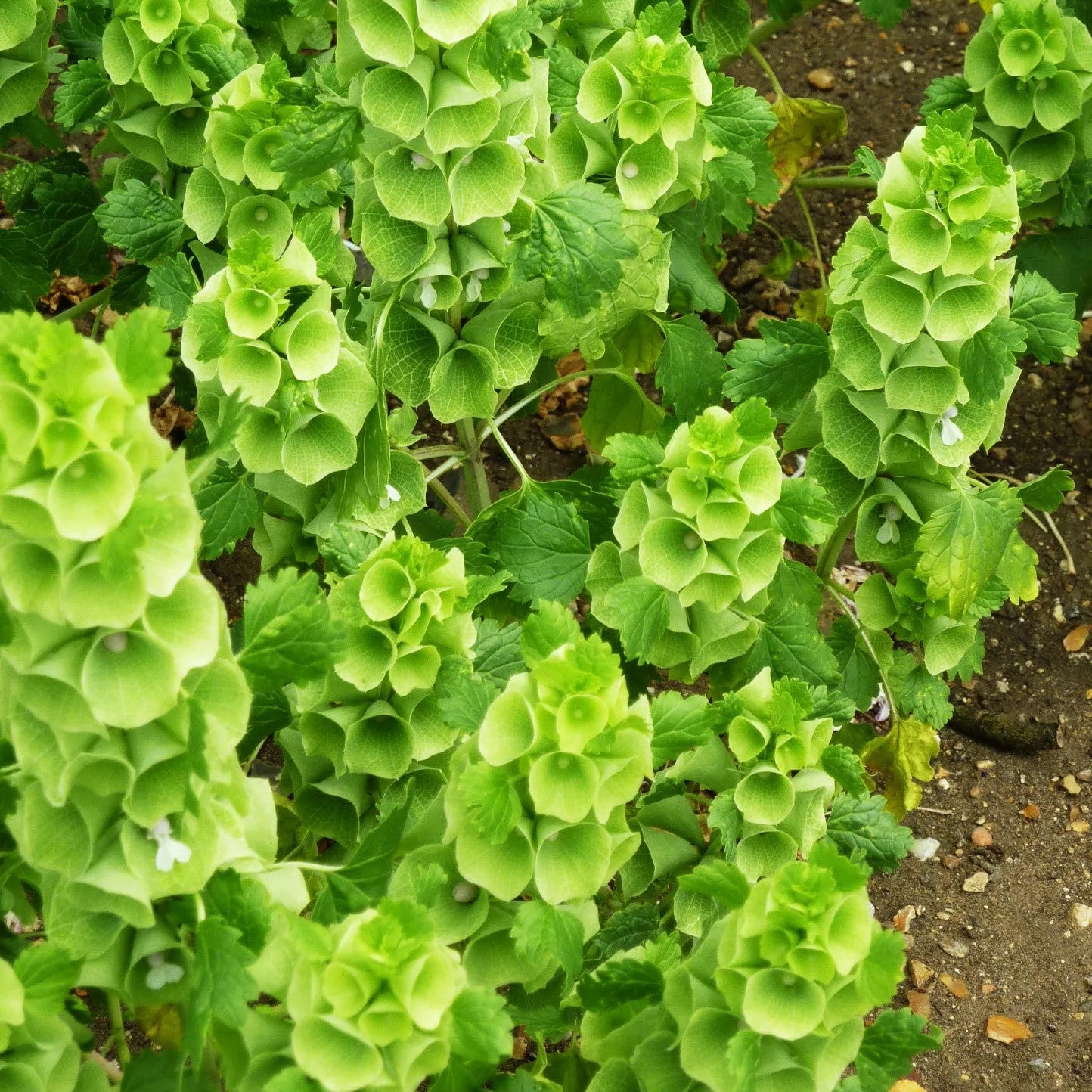
Bells of Ireland (Molucella laevis) produces tall, elegant green spires adorned with cup-shaped calyces, perfect for adding vertical interest to garden beds or floral arrangements. These hardy annuals are easy to grow and provide a unique, fresh green accent that lasts in bouquets.
What Makes It Special
-
Tall, elegant green spires
-
Unique cup-shaped calyces
-
Long-lasting in fresh or dried arrangements
-
Adds vertical interest to gardens and floral displays
Key Features
-
Hardy annual
-
Grows 60–90 cm tall
-
Blooms in mid to late summer
-
Thrives in full sun with well-drained soil
-
Excellent for cutting and drying
Ideal For
-
Garden borders and beds
-
Cut flowers and bouquets
-
Floral arrangements and decorations
-
Adding unique greenery to landscapes
Sowing
-
Sow indoors 6–8 weeks before last frost or direct outdoors after frost
-
Plant seeds 0.5–1 cm deep
-
Germination: 14–21 days at 18–22°C
-
Space 20–30 cm apart
-
Water moderately and ensure full sun

Bird of Paradise – Seeds (Strelitzia reginae)
Bird of Paradise is one of the world’s most striking ornamental plants, prized for its dramatic flowers that resemble tropical birds in flight. With vibrant orange and blue petals, it brings an exotic touch to gardens, patios, or conservatories. Though slow to flower from seed, the reward is a spectacular, long-lasting display that makes it a true centerpiece plant.
Why Grow "Bird of Paradise"
-
Exotic orange-and-blue flowers resembling birds in flight
-
Stunning architectural foliage year-round
-
Long-lived, impressive container or garden plant
-
A tropical showpiece with dramatic visual impact
Key Features
-
Type: Perennial (Strelitzia reginae)
-
Height: 1–1.5 m
-
Flowering: Typically 3–5 years from seed, then annually
-
Position: Full sun to partial shade
-
Uses: Specimen plant, patios, conservatories, tropical-style gardens
Ideal For
-
Creating a tropical centerpiece indoors or outdoors
-
Container growing for patios and conservatories
-
Adding dramatic, exotic flair to gardens
-
Patient gardeners seeking a rewarding long-term plant
Sowing & Growing
-
Scarify seeds and soak in warm water for 24–48 hours before sowing
-
Sow indoors: Anytime with heat (20–25°C)
-
Germination: May take 1–3 months
-
Transplant seedlings into pots, spacing well
-
Requires well-drained soil, regular feeding, and patience to flower
Showing 81/868