
Sort by:
300 products
300 products


Hyssop Seeds (Hyssopus officinalis)
Grow a timeless herb with Hyssop (Hyssopus officinalis), a fragrant perennial prized for its aromatic leaves and striking blue-purple flowers. Traditionally used in herbal teas, remedies, and as a seasoning, hyssop also attracts pollinators and adds beauty to borders, herb gardens, and containers. Hardy and versatile, it’s an essential plant for both culinary and medicinal use.
How to Grow
-
Sow seeds indoors in spring or directly outdoors after the last frost.
-
Use well-drained, light soil in a sunny location.
-
Sow seeds 0.5 cm deep and thin seedlings to 30–40 cm apart.
-
Keep soil lightly moist until germination (14–21 days).
-
Harvest leaves and flowers throughout summer for fresh or dried use.
Key Features
-
Aromatic herb with blue-purple blooms
-
Culinary, medicinal, and herbal tea uses
-
Attracts bees, butterflies, and pollinators
-
Hardy perennial, easy to grow
-
Adds beauty and fragrance to the garden
Ideal For
-
Herb gardens, borders, and containers
-
Herbal teas, remedies, and cooking
-
Attracting pollinators and beneficial insects
-
Gardeners seeking hardy, multipurpose plants
Sowing
-
Best time: Spring indoors or after frost outdoors
-
Depth: 0.5 cm
-
Spacing: 30–40 cm apart
-
Prefers full sun and well-drained soil
Quick Tip
-
Trim plants after flowering to encourage bushier growth and a second flush of blooms.
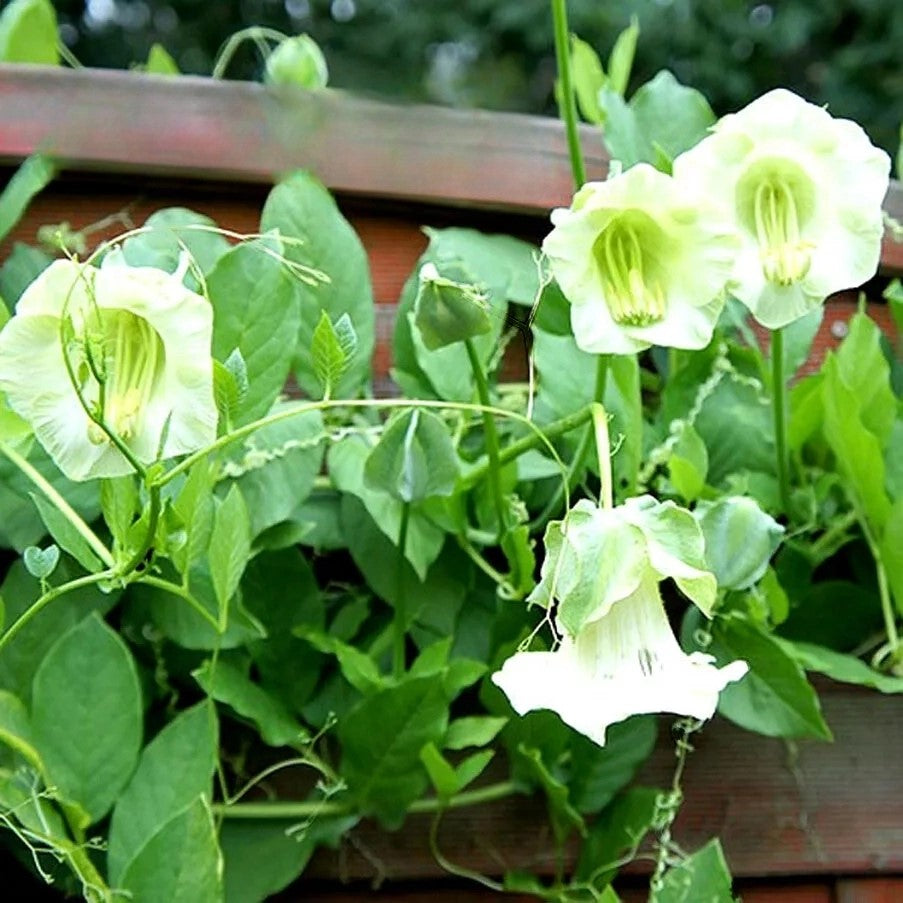
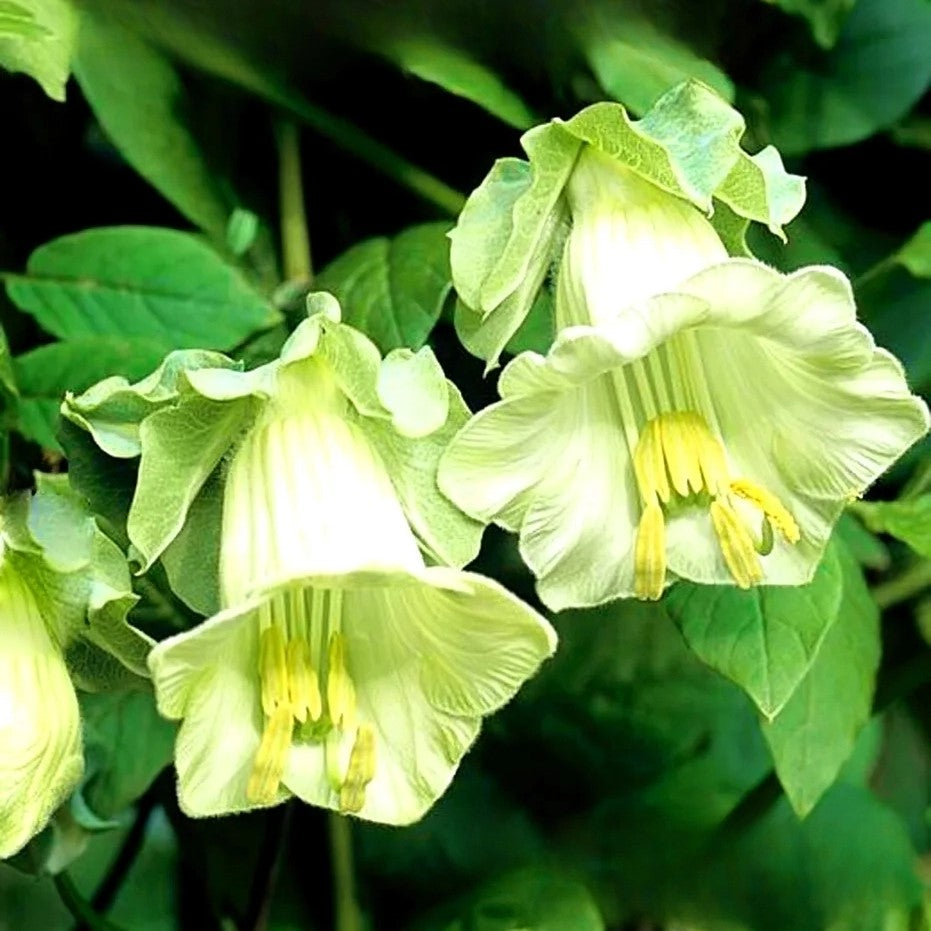
Cup and Saucer White – 15 Seeds (Cobaea scandens)
The Cup and Saucer Vine (White) is a fast-growing climber with elegant, bell-shaped blooms resembling little teacups. Its trailing vines quickly cover fences, arches, and trellises, creating a stunning vertical display. A perfect choice for adding a touch of elegance and charm to summer gardens.
What Makes It Special
-
Unique cup-and-saucer shaped blooms
-
Rapid-growing climbing vine
-
Long-lasting flowers from summer to frost
-
Adds instant charm to vertical garden spaces
Key Features
-
Half-hardy perennial, often grown as an annual
-
Height: up to 3–6 m
-
Large white, bell-shaped flowers
-
Prefers full sun to partial shade
-
Attracts bees and pollinators
Ideal For
-
Fences, walls, arches, pergolas, and trellises
-
Cottage gardens and romantic garden themes
-
Vertical displays and privacy screens
-
Cut flowers for unique arrangements
Sowing
-
Sow indoors 8–10 weeks before the last frost
-
Pre-soak seeds for 12–24 hours before sowing
-
Place seeds on their side, just under the surface of soil
-
Germination: 20–30 days at 18–20°C
-
Harden off and transplant outdoors after frost, spacing 30–45 cm apart
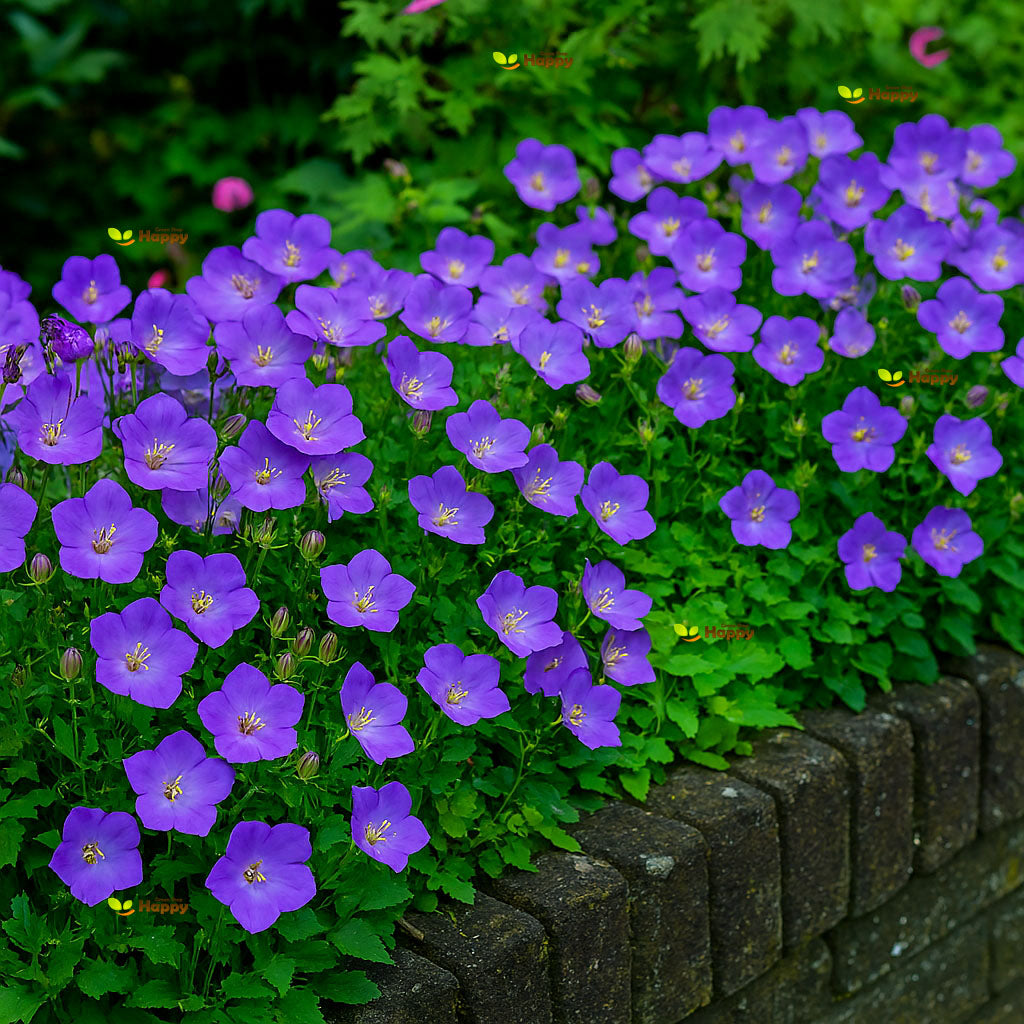
Tussock Bellflower Purple Seeds (Campanula carpatica ‘Purple’)
A compact and hardy perennial, Tussock Bellflower Purple produces charming, deep purple bell-shaped flowers on low mounds of foliage. Ideal for rock gardens, borders, and container planting, this plant adds long-lasting color and attracts pollinators in late spring and early summer.
What Makes It Special
-
Deep purple, bell-shaped flowers on compact mounds
-
Hardy and low-maintenance, perfect for rockeries and borders
-
Attracts bees and butterflies, supporting pollinator gardens
Key Features
-
Botanical name: Campanula carpatica
-
Hardy perennial
-
Height: 15–20 cm (6–8 in)
-
Bloom time: Late spring to early summer
Ideal For
-
Rock gardens and alpine plantings
-
Garden borders and edging
-
Containers, pots, and small garden spaces
Sowing
-
Sow indoors Feb–Apr or outdoors Mar–May
-
Cover lightly with soil and keep moist
-
Germination: 14–28 days at 15–20°C
-
Thin seedlings to 20–25 cm apart
-
Flowers the first or second season after sowing
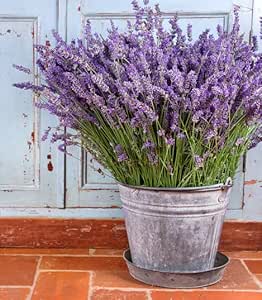
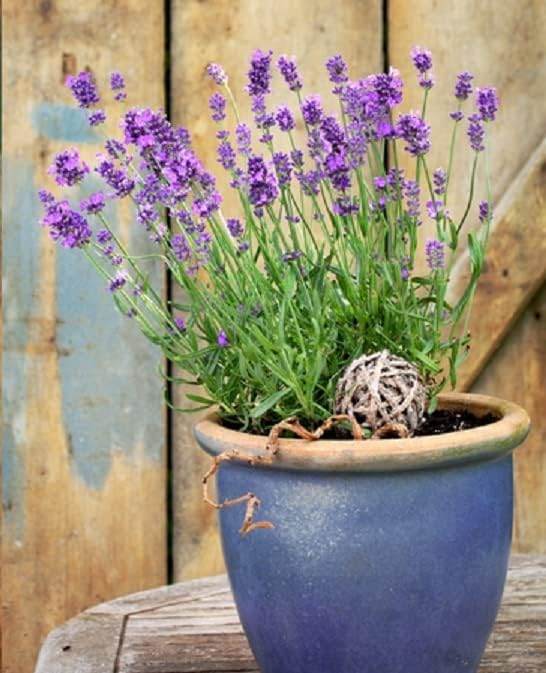
English Lavender Seeds (Lavandula angustifolia)
A classic perennial, English Lavender produces fragrant spikes of purple flowers above aromatic silver-green foliage. Hardy and long-flowering, it’s perfect for borders, cottage gardens, and containers, attracting bees and butterflies while adding scent, color, and texture to any garden.
What Makes It Special
-
Fragrant purple flower spikes with aromatic foliage
-
Hardy, long-flowering, and drought-tolerant
-
Attracts pollinators, supporting bees and butterflies
Key Features
-
Botanical name: Lavandula angustifolia
-
Hardy perennial
-
Height: 30–60 cm (12–24 in)
-
Bloom time: Summer
Ideal For
-
Borders, cottage gardens, and rock gardens
-
Containers, pots, and low-maintenance garden designs
-
Pollinator-friendly and aromatic garden plantings
Sowing
-
Sow indoors Feb–Apr or outdoors Mar–May
-
Cover lightly with soil and keep moist
-
Germination: 14–28 days at 15–20°C
-
Thin seedlings 25–30 cm apart
-
Flowers the first or second season after sowing
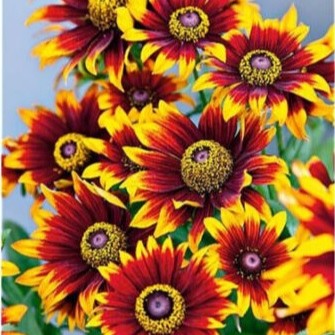
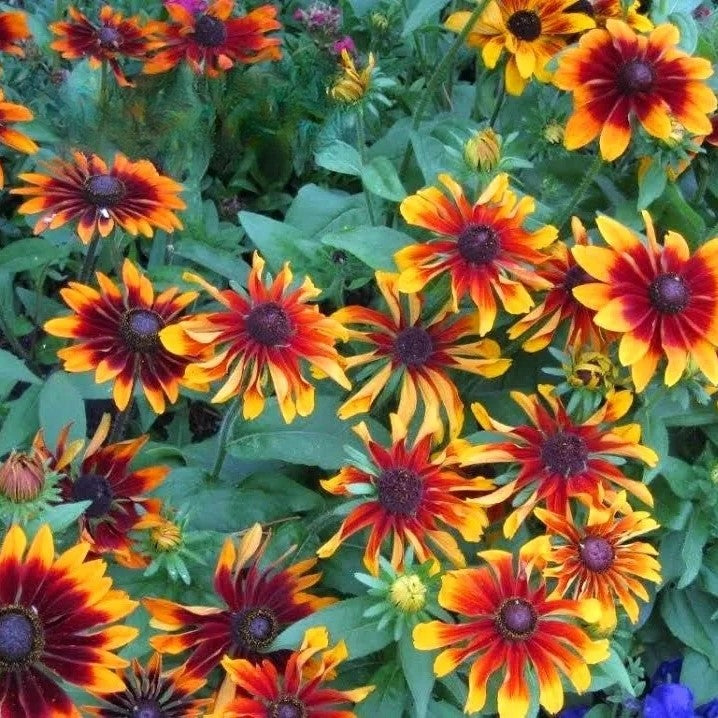
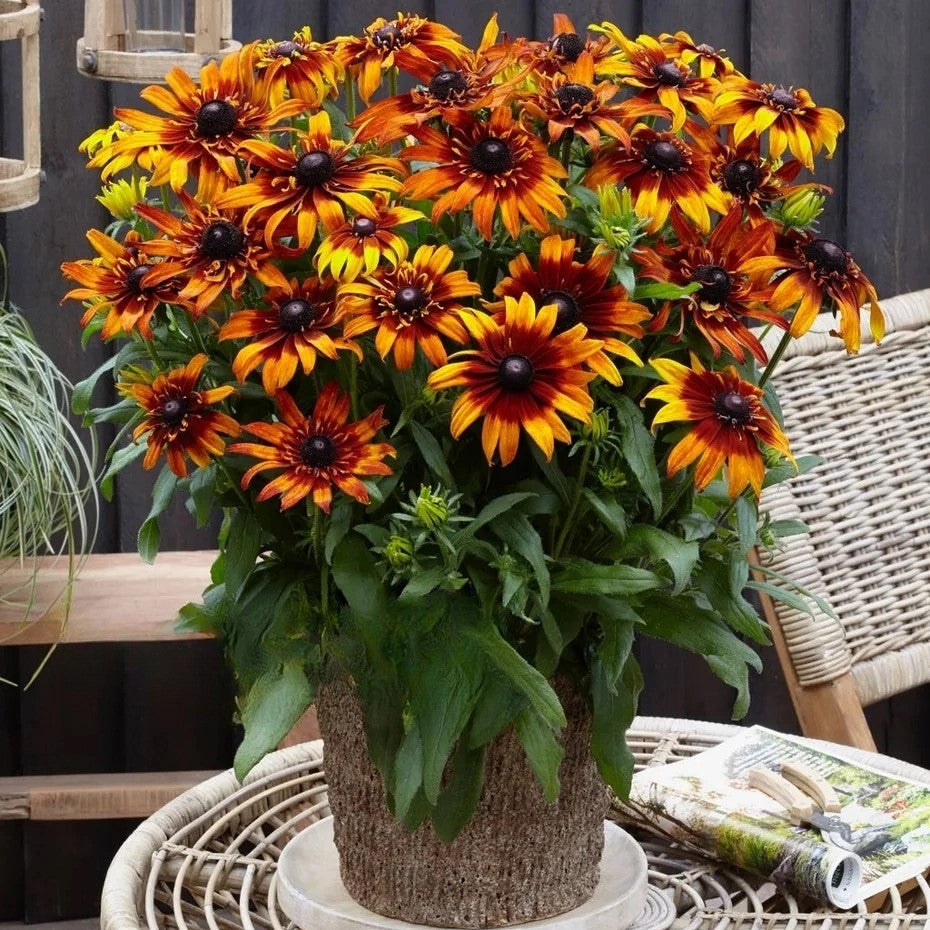
Coneflower 'Orange Fudge' Seeds (Rudbeckia hirta)
Bring warm, glowing color to your garden with Coneflower 'Orange Fudge'. This striking Rudbeckia variety produces rich orange petals with a warm golden touch and dark contrasting centers. Long-flowering and easy to grow, they add bold charm to borders, wildlife gardens, and cut flower arrangements.
What Makes It Special
-
Unique orange blooms with dark centers
-
Long-lasting flowers from summer to autumn
-
Attracts bees, butterflies, and pollinators
Key Features
-
Botanical name: Rudbeckia hirta
-
Hardy annual / short-lived perennial
-
Height: 50–60 cm
-
Blooming period: July–October
-
Drought-tolerant and low maintenance
Ideal For
-
Cottage and wildlife gardens
-
Borders and mixed beds
-
Summer cut flower bouquets
Sowing
-
Sow indoors from February–April or outdoors from May
-
Lightly cover seeds and keep moist (germination: 14–21 days at 18–22°C)
-
Transplant seedlings after frost into sunny, well-drained soil
-
Flowers in the first season
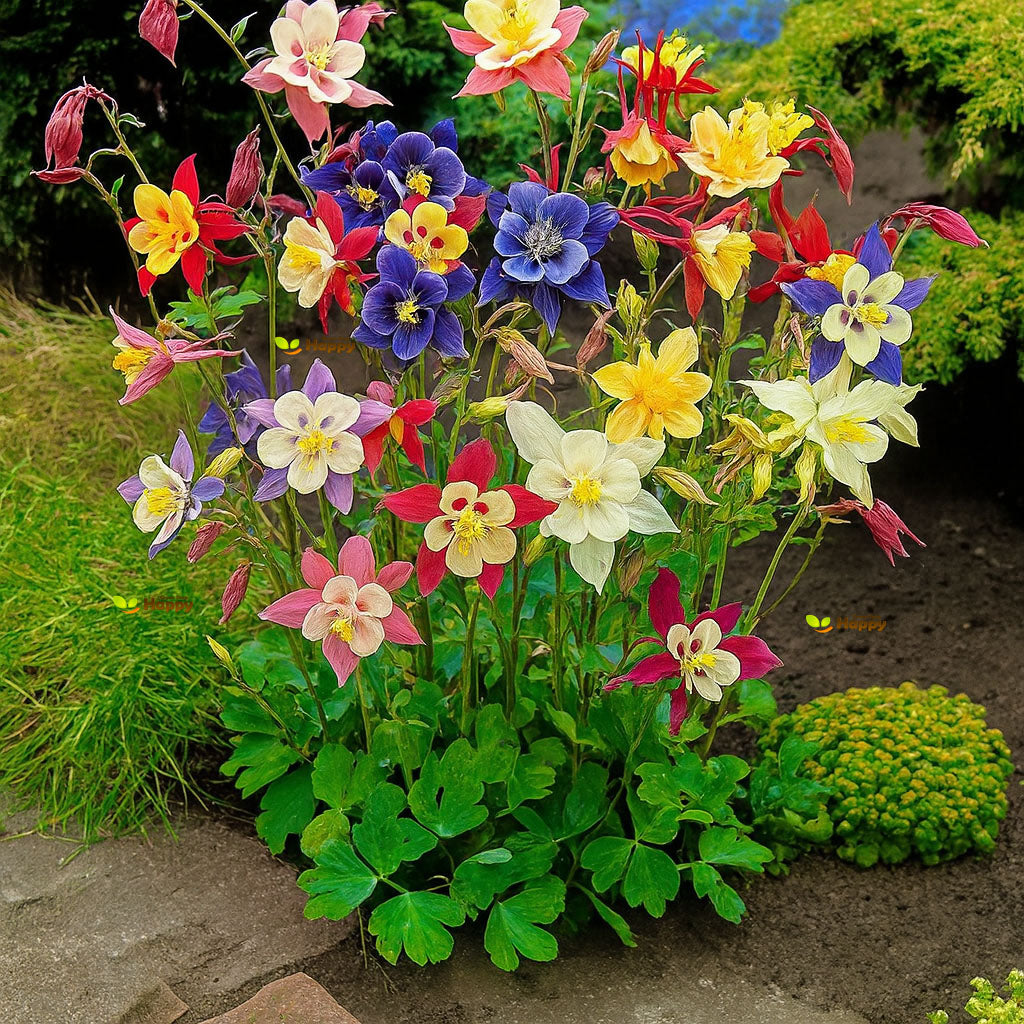
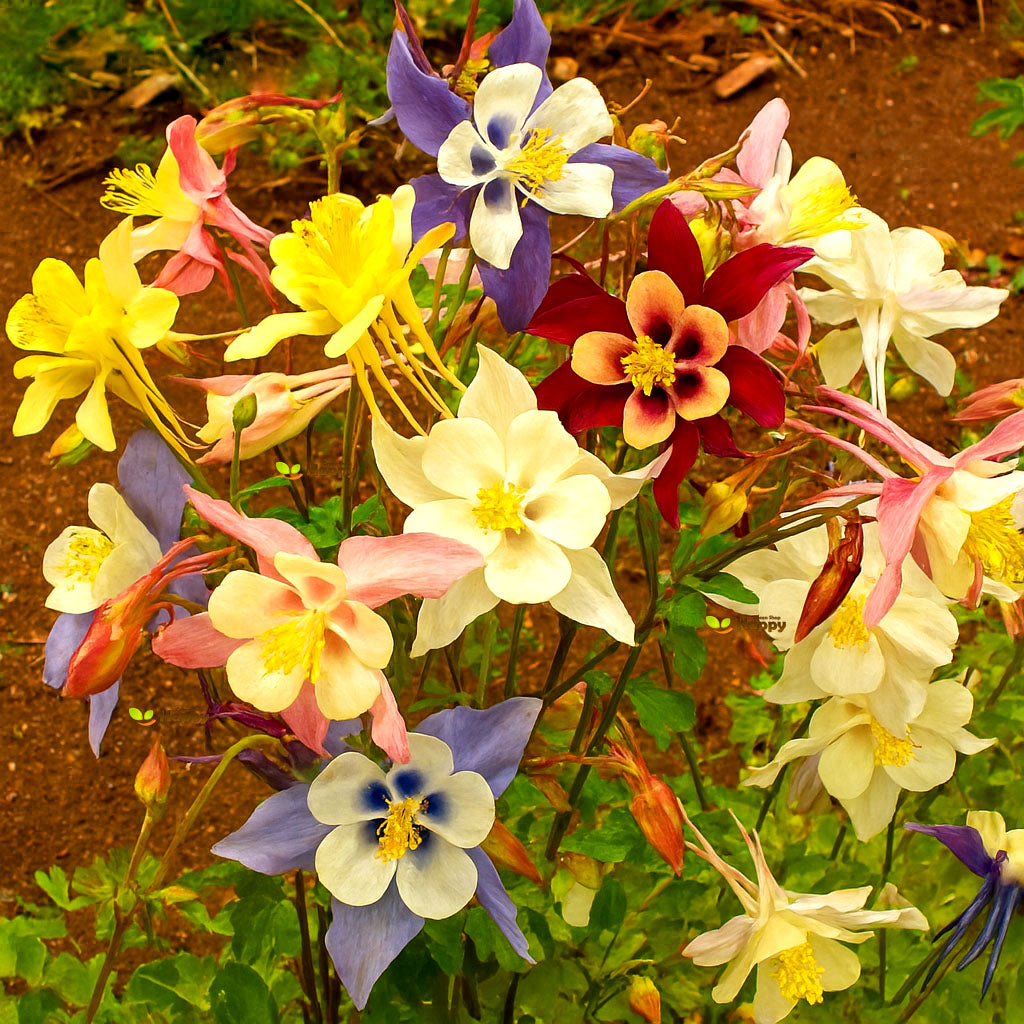
Columbine ‘McKana Giant’ Mix – Seeds (Aquilegia caerulea)
Columbine ‘McKana Giant’ Mix (Aquilegia caerulea) is a striking perennial producing large, showy, spurred flowers in a mix of vibrant colors. Blooming from late spring to early summer, it adds height, elegance, and long-lasting beauty to borders, cottage gardens, and mixed perennial beds. Hardy and easy to grow, this variety attracts bees, butterflies, and other pollinators, making it both decorative and wildlife-friendly.
Why Grow "McKana Giant"
-
Large, showy spurred flowers in vibrant color mix
-
Long flowering season from late spring to early summer
-
Hardy, low-maintenance perennial
-
Pollinator-friendly and ideal for cottage gardens
Key Features
-
Type: Perennial (Aquilegia caerulea)
-
Height: 60–90 cm
-
Flowering: Late spring to early summer
-
Position: Full sun to partial shade
-
Uses: Borders, cottage gardens, mixed perennial beds, pollinator gardens
Ideal For
-
Adding height and elegance to borders and beds
-
Cottage-style and naturalistic gardens
-
Pollinator-friendly planting schemes
-
Long-lasting spring and early summer displays
Sowing & Growing
-
Sow indoors: February–April in trays or pots
-
Sow outdoors: April–May after frost
-
Germination: 14–21 days at 15–20°C
-
Thin seedlings 30–40 cm apart
-
Prefers well-drained soil in full sun to partial shade
-
Mulch in winter for protection in colder regions

Clary Sage – White Swan Seeds (Salvia horminum)
Bring elegance and fragrance to your garden with Clary Sage – White Swan (Salvia horminum). This striking annual herb is prized for its large, pure white bracts that surround tiny flowers, creating a dramatic, eye-catching display. Both ornamental and aromatic, it’s an excellent choice for garden beds, borders, and cut flower arrangements.
How to Grow
-
Sow indoors in early spring or directly outdoors after the last frost.
-
Choose a sunny location with well-drained soil.
-
Lightly cover seeds with fine soil and keep moist until germination (10–20 days).
-
Thin seedlings once large enough to handle, spacing them about 20–25 cm apart.
-
Water regularly but avoid waterlogging.
-
Deadhead spent blooms to encourage prolonged flowering.
Key Features
-
Pure white bracts that create a bold floral display
-
Easy-to-grow annual, fast to flower in a single season
-
Aromatic foliage, often used in traditional remedies and crafts
-
Excellent as a cut flower for fresh or dried arrangements
-
Attracts bees, butterflies, and other pollinators
Ideal For
-
Cottage gardens and flower borders
-
Cutting gardens and bouquets
-
Pollinator-friendly landscapes
-
Containers and decorative pots
Sowing
-
Best time: Early spring indoors or outdoors after frost
-
Germination: 10–20 days
-
Sow thinly, cover lightly, and keep soil consistently moist
-
Prefers full sun and well-drained soil
Quick Tip
-
For a longer display, stagger sowings every few weeks during spring and early summer.
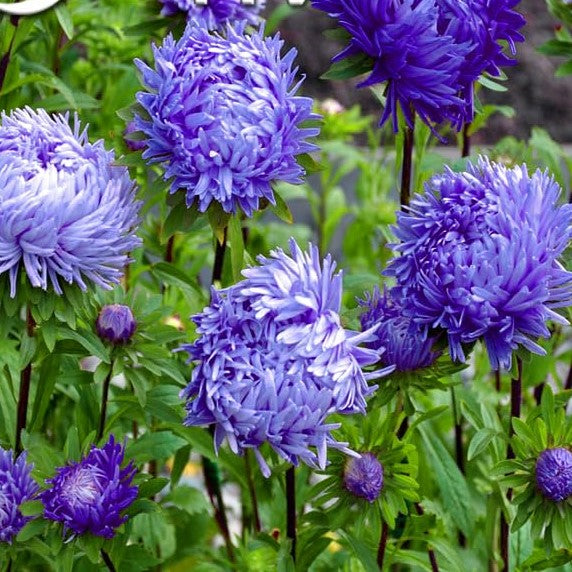
Aster ‘Pavlova’ Deep Blue – Seeds
(Callistephus chinensis)
Aster ‘Pavlova’ Deep Blue produces large, fully double, deep blue flowers that brighten borders and bouquets. Compact and long-flowering, it attracts pollinators and is easy to grow.
Why Grow Aster ‘Pavlova’ Deep Blue?
-
Large, double deep blue blooms
-
Long-flowering annual
-
Attracts bees and butterflies
-
Perfect for borders and cut flowers
Key Features
-
Type: Annual
-
Height: 40–60 cm
-
Flowers: Summer to autumn
-
Position: Full sun
-
Soil: Well-drained, moderately fertile
Ideal For
-
Borders, cottage gardens, and flower beds
-
Pollinator-friendly gardens
-
Cut flowers and bouquets
Sowing & Growing
-
Sow indoors: February–April
-
Sow outdoors: April–May
-
Germination: 10–20 days at 18–20°C
-
Spacing: 25–30 cm
-
Care: Moderate watering; deadhead for continuous blooms

Zinnia Dahlia ‘Peppermint Stick’ Mix – Striking Striped Double Blooms
Zinnia Dahlia ‘Peppermint Stick’ Mix delivers large, fully double blooms in bold red, pink, yellow, and white — each uniquely splashed and striped for a playful, eye-catching effect. Perfect for adding fun color and variety to borders, cutting gardens, and summer arrangements, these hardy plants bloom abundantly from mid-summer to frost.
What Makes It Special
-
Unique candy-striped and speckled petals
-
Adds a whimsical touch to gardens and bouquets
-
Long stems perfect for cutting
-
Thrives in full sun and summer heat
-
Blooms continuously until frost
Key Features
-
Height: 75–90 cm – tall, sturdy plants
-
Each flower is one-of-a-kind in pattern and color
-
Attracts bees, butterflies, and pollinators
-
Low-maintenance and easy to grow
-
Excellent vase life for fresh arrangements
Ideal For
-
Cutting gardens and playful bouquets
-
Tall borders with mixed colors
-
Pollinator-friendly gardens
-
Long-lasting, unique summer displays
Sowing
-
Sow indoors 4–6 weeks before last frost or direct sow after frost danger has passed
-
Cover seeds lightly with fine soil
-
Germination: 5–10 days at 21–24°C
-
Space plants 30–40 cm apart
-
Prefers full sun and well-drained soil
Showing 90/300


