
Sort by:
300 products
300 products

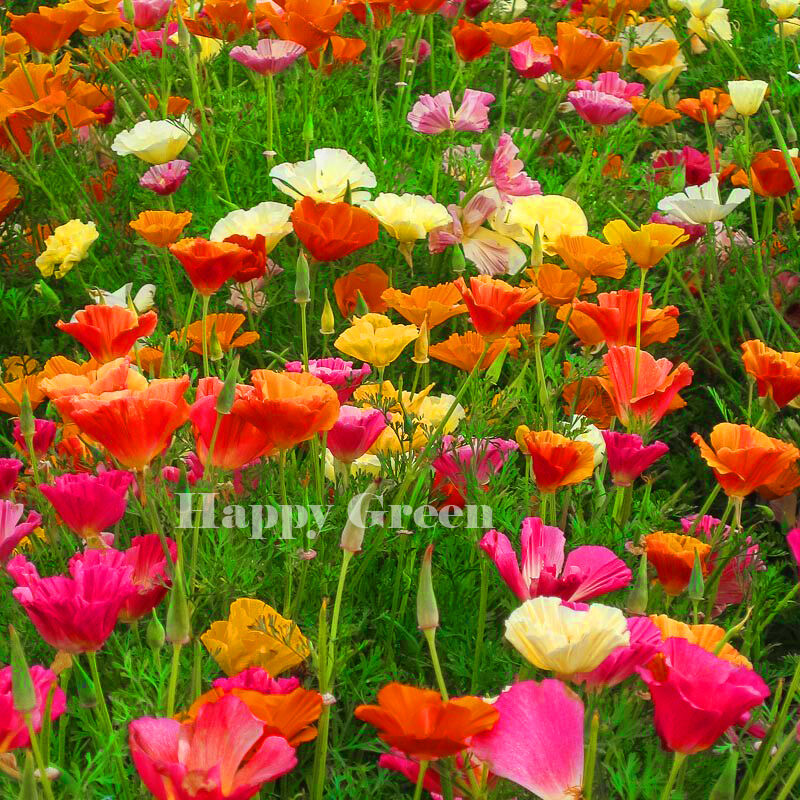
California Poppy Mix – Bright, Cheerful Blooms
California Poppies (Eschscholzia californica) offer vibrant, cup-shaped flowers in a mix of stunning colors that brighten any garden. Hardy and low-maintenance, these annuals thrive in sunny spots and well-drained soil, creating a natural, carefree meadow effect.
What Makes It Special
-
Vibrant, colorful blooms
-
Hardy and drought-tolerant
-
Easy to grow and maintain
-
Creates a natural, meadow-like effect
Key Features
-
Annual plant
-
Grows 30–45 cm tall
-
Blooms from late spring to autumn
-
Thrives in full sun with well-drained soil
-
Attracts bees and pollinators
Ideal For
-
Garden borders and beds
-
Wildflower meadows
-
Container planting
-
Pollinator-friendly gardens
Sowing
-
Sow directly outdoors after last frost
-
Plant seeds 0.5 cm deep
-
Germination: 7–14 days at 15–20°C
-
Space 15–20 cm apart
-
Minimal watering once established

Meadow Flower Mixed Seeds – 1 g
Meadow Flower Mixed Seeds is a vibrant blend of wildflowers designed to create a colorful, natural-looking meadow in your garden. This mix produces blooms in a variety of shapes, sizes, and colors, attracting bees, butterflies, and other pollinators. Ideal for borders, lawns, and wildflower areas, it’s easy to grow and adds long-lasting beauty while supporting local wildlife.
Why Grow "Meadow Flower Mix"
-
Creates a natural, colorful meadow display
-
Attracts bees, butterflies, and pollinators
-
Easy-to-grow, low-maintenance annuals and perennials
-
Adds biodiversity and seasonal interest to your garden
Key Features
-
Type: Mixed wildflower seeds
-
Quantity: 1 g
-
Flowering: Late spring to autumn (varies by species)
-
Position: Full sun to partial shade
-
Uses: Borders, wildflower areas, lawns, pollinator gardens
Ideal For
-
Creating natural meadow-like borders and beds
-
Attracting pollinators and supporting wildlife
-
Low-maintenance, seasonal color displays
-
Gardeners seeking a mix of annuals and perennials for long-lasting blooms
Sowing & Growing
-
Sow directly outdoors: March–May
-
Germination: 10–21 days (varies by species)
-
Thin seedlings as needed, spacing according to plant type
-
Prefers well-drained soil and sunny locations
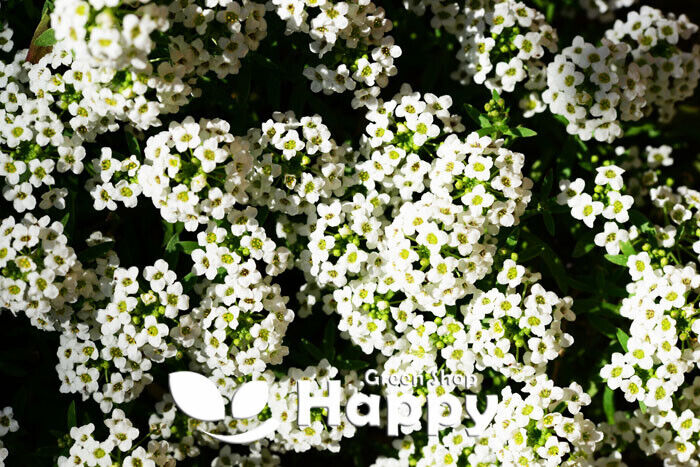
Alyssum 'New Carpet of Snow' Seeds (Lobularia maritima)
Alyssum 'New Carpet of Snow' is a classic, compact annual producing a dense carpet of pure white, honey-scented blooms. Its neat, spreading growth makes it one of the most popular edging plants, creating a bright and fragrant border along paths, beds, and rock gardens. The flowers attract bees and other pollinators, making it both beautiful and beneficial in the garden.
What Makes It Special
-
Pure white, sweetly scented flowers
-
Compact and neat, perfect for edging and ground cover
-
Long-flowering from spring through autumn
-
Easy to grow and drought-tolerant once established
Key Features
-
Botanical name: Lobularia maritima
-
Variety: 'New Carpet of Snow'
-
Seed count: Approx. seeds per pack
-
Height/Spread: 10–15 cm tall, 20–30 cm spread
-
Position: Full sun to partial shade; thrives in well-drained soil
-
Flowering period: May–September
Ideal For
-
Edging borders and pathways
-
Rock gardens and gravel beds
-
Window boxes, planters, and hanging baskets
-
Pollinator-friendly and low-maintenance gardens
Sowing Instructions
-
When to sow: March–May indoors; April–June directly outdoors
-
How to sow:
-
Sow seeds thinly on the soil surface and press gently down (do not cover, needs light to germinate)
-
Germination: 7–14 days at 15–20°C
-
-
Transplanting: Thin seedlings to 10–15 cm apart when large enough to handle
-
Care: Keep soil moist but well-drained; deadhead to prolong flowering.


Sunflower ‘Henry Wilde’ – 40 Seeds (Helianthus annuus)
A true classic among sunflowers, ‘Henry Wilde’ is loved for its tall, sturdy stems and large golden-yellow blooms that radiate summer warmth. This heirloom variety produces impressive flowers with deep brown centres, making it a favourite for cottage gardens, cutting gardens, and wildlife-friendly landscapes.
‘Henry Wilde’ is an easy-to-grow, reliable sunflower ideal for gardeners of all experience levels. Its bold height and vibrant colour make it a perfect backdrop in borders, along fences, or as a statement plant in any sunny spot.
Features & Benefits
-
Tall and statuesque – reaches 1.8–2.2 m
-
Large golden-yellow blooms with classic sunflower form
-
Excellent cut flower – long, strong stems and great vase life
-
Loved by pollinators – attracts bees, butterflies & beneficial insects
-
Bird-friendly – seeds are enjoyed by goldfinches and other wild birds
-
Easy and dependable – vigorous, fast-growing heirloom variety
Growing Information
-
Sowing Time: March–June
-
Germination: 7–14 days at 18–22°C
-
Flowering: July–September
-
Position: Full sun
-
Height: 180–220 cm
-
Spacing: 30–45 cm
-
Soil: Fertile, well-drained; keep evenly moist
How to Grow
Sow seeds directly into the garden after the last frost, planting 1–2 cm deep. For an earlier start, sow individually in pots indoors and transplant once seedlings are strong. Provide support in windy locations. Water regularly, especially during dry spells, to encourage strong stems and big blooms.
Ideal For
-
Back borders & cottage gardens
-
Cutting gardens
-
Wildlife and pollinator gardens
-
Creating natural summer screens
-
Children’s gardening projects

California Poppy ‘Purple Gleam’ – Seeds (Eschscholzia californica)
California Poppy ‘Purple Gleam’ (Eschscholzia californica) is a striking variety with silky lilac-pink flowers that glow in the sun. This hardy, drought-tolerant annual thrives in poor soils and is perfect for borders, rockeries, and wildflower meadows. Flowering from summer into autumn, it brings long-lasting color while attracting bees and butterflies. Easy to grow and self-seeding, it will return year after year with minimal effort.
Why Grow "Purple Gleam"
-
Unique lilac-pink flowers with a shimmering finish
-
Long flowering season from summer to autumn
-
Hardy, drought-tolerant, and low-maintenance
-
Attracts bees, butterflies, and pollinators
Key Features
-
Type: Hardy annual (Eschscholzia californica)
-
Height: 20–30 cm
-
Flowering: Summer to autumn
-
Position: Full sun
-
Uses: Borders, rockeries, meadows, containers, pollinator gardens
Ideal For
-
Naturalistic and wildflower-style gardens
-
Adding soft, unusual color to borders and beds
-
Rockeries and container planting
-
Easy, low-maintenance seasonal color
Sowing & Growing
-
Sow outdoors: March–May or September for earlier blooms
-
Germination: 14–21 days
-
Thin seedlings: 15–20 cm apart
-
Prefers poor to moderately fertile, well-drained soil
-
Self-seeds freely for natural displays


🌼 Cerastium tomentosum Snow-in-Summer – Hardy Perennial Ground Cover with Silvery-White Foliage
Snow-in-Summer is a classic low-growing perennial ground cover prized for its soft, silvery-white foliage and masses of bright white, star-shaped flowers that appear in late spring and early summer. Spreading quickly to form a dense mat, it is ideal for rock gardens, borders, slopes, edging, and gravel gardens. Extremely drought-tolerant once established and thriving in poor soils, this plant is valued for both its ornamental foliage and its carpet-like flowering display.
Key Features
● Masses of white flowers creating a “snowy” effect
● Attractive silver-white foliage all season
● Low-growing, spreading ground cover
● Very hardy and drought-tolerant
● Ideal for rock gardens, edging and dry areas
How to Sow & Grow Snow-in-Summer (UK)
Sow indoors: II–IV (February–April)
Transplant outdoors: IV–V (April–May)
Direct outdoors: IV–VI (April–June)
Flowering: V–VI (May–June)
Life cycle: Perennial
Germination temperature: 15–20 °C (59–68 °F)
Average germ time: 10–21 days
Depth: Surface sow – do not cover; press gently into soil (light required)
Light required: Yes
Moisture: Low to moderate
Environment: Full sun
Soil type: Well-drained, sandy or poor soil
Plant spacing: 25–30 cm (10–12 in)
Height: 15–20 cm (6–8 in)
Sowing & Growing Tips (variety-specific)
● Thrives in dry, sunny locations, where many plants struggle.
● Avoid rich, wet soils to prevent rot.
● Trim after flowering to maintain a neat, compact shape.
● Excellent choice for drought-tolerant and low-maintenance gardens.
● Spreads readily—ideal for filling gaps and slopes.
Special Features
● Classic silver-leaf perennial ground cover
● Excellent for pollinators in spring
● Very low maintenance once established
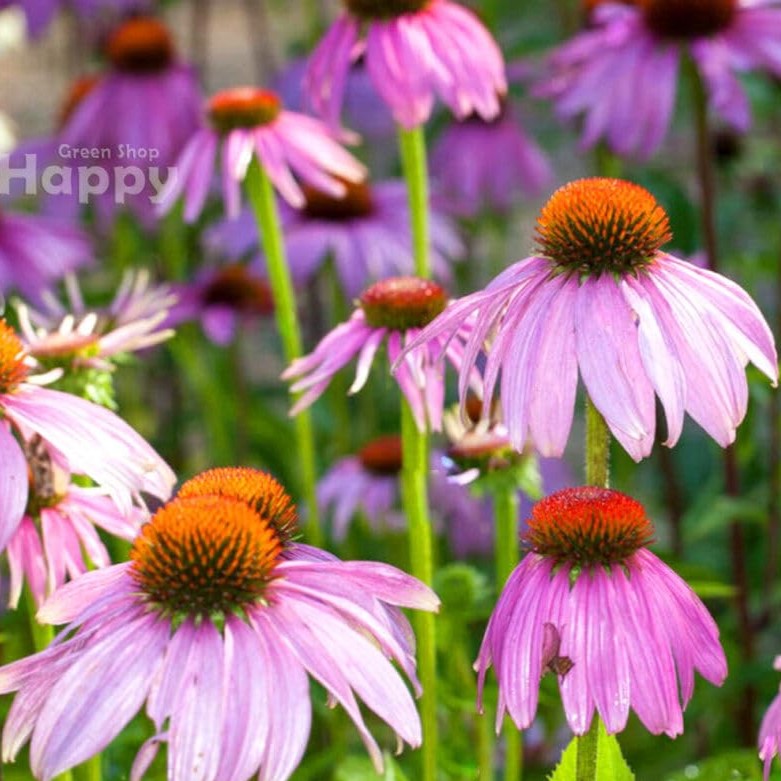
Purple Coneflower 'Starlight' – Seeds
(Echinacea purpurea)
Purple Coneflower 'Starlight' is a hardy perennial known for its striking lavender-purple petals surrounding a prominent orange-brown central cone. Its long-lasting blooms attract pollinators like bees and butterflies, while its robust, upright growth makes it a standout in borders, wildflower meadows, and perennial gardens. This variety is low-maintenance and drought-tolerant, perfect for sustainable planting.
Key Features
-
Type: Perennial
-
Height: 60–90 cm
-
Spread: 40–50 cm
-
Flowering: July–September
-
Position: Full sun to partial shade
-
Soil: Well-drained, moderately fertile
Ideal For
-
Perennial borders and cottage gardens
-
Pollinator-friendly planting
-
Cut flower arrangements
-
Naturalized or meadow-style gardens
Sowing & Growing
-
Sow indoors: February–April at 18–22°C
-
Sow outdoors: April–May, directly in soil
-
Germination: 14–21 days
-
Thin seedlings to 40–50 cm apart
-
Mulch and water moderately; low-maintenance once established

Pot Marigold Dwarf ‘Sunset Buff’ – Apricot – 1,000 Seeds (Calendula officinalis)
The Dwarf Pot Marigold ‘Sunset Buff’ is a charming, compact variety producing apricot-peach blooms with soft golden undertones. Its warm pastel shades bring a unique elegance to beds, borders, and cottage gardens. Easy to grow and long-flowering, this hardy annual is also edible, with petals traditionally used to decorate salads or for natural dye.
Highlights
-
Distinctive apricot–buff blooms with golden tones
-
Compact, dwarf habit – perfect for pots and borders
-
Long flowering season from early summer to autumn
-
Attracts pollinators and beneficial insects
-
Edible petals for salads and herbal uses
Key Features
-
Botanical Name: Calendula officinalis
-
Variety: Dwarf ‘Sunset Buff’ (Apricot)
-
Seed Count: 1,000 seeds per pack
-
Height/Spread: 25–30 cm tall, compact growth
-
Position: Full sun, well-drained soil
-
Flowering Period: June – October
Perfect For
-
Bedding, borders, and cottage gardens
-
Patio pots and containers
-
Pollinator-friendly gardens
-
Edible flower displays and herbal uses
Sowing Instructions
-
Sow outdoors March–May or August–September for overwintering
-
Sow directly into soil, lightly cover seeds
-
Germination: 7–14 days
-
Thin seedlings to 20–25 cm apart
-
Deadhead regularly for prolonged flowering

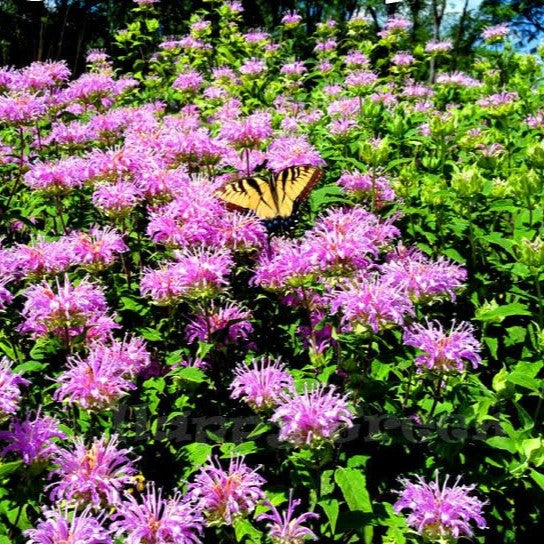
Wild Bergamot – 1,300 Seeds (Monarda fistulosa)
Wild Bergamot (Monarda fistulosa) is a hardy perennial known for its fragrant lavender-pink blooms and aromatic foliage. A favorite of pollinators, it attracts bees, butterflies, and hummingbirds, making it perfect for pollinator gardens, borders, and wildflower meadows. Easy to grow and low-maintenance, it provides long-lasting color and texture from mid-summer to early autumn.
Why Grow "Wild Bergamot"
-
Fragrant lavender-pink blooms
-
Aromatic foliage with medicinal and culinary uses
-
Attracts bees, butterflies, and hummingbirds
-
Hardy and low-maintenance perennial
Key Features
-
Type: Perennial (Monarda fistulosa)
-
Height: 60–90 cm
-
Flowering: July–September
-
Position: Full sun to partial shade
-
Uses: Pollinator gardens, borders, wildflower meadows, cottage gardens
Ideal For
-
Pollinator-friendly gardens
-
Cottage-style or naturalized borders
-
Wildflower meadows
-
Herbal and sensory gardens
Sowing & Growing
-
Sow indoors: February–April in trays
-
Sow outdoors: April–May directly in prepared soil
-
Germination: 10–20 days at 18–22°C
-
Thin seedlings to 30–40 cm apart
-
Prefers well-drained soil and full sun
-
Deadhead to encourage prolonged flowering
Showing 27/300


