
Sort by:
300 products
300 products
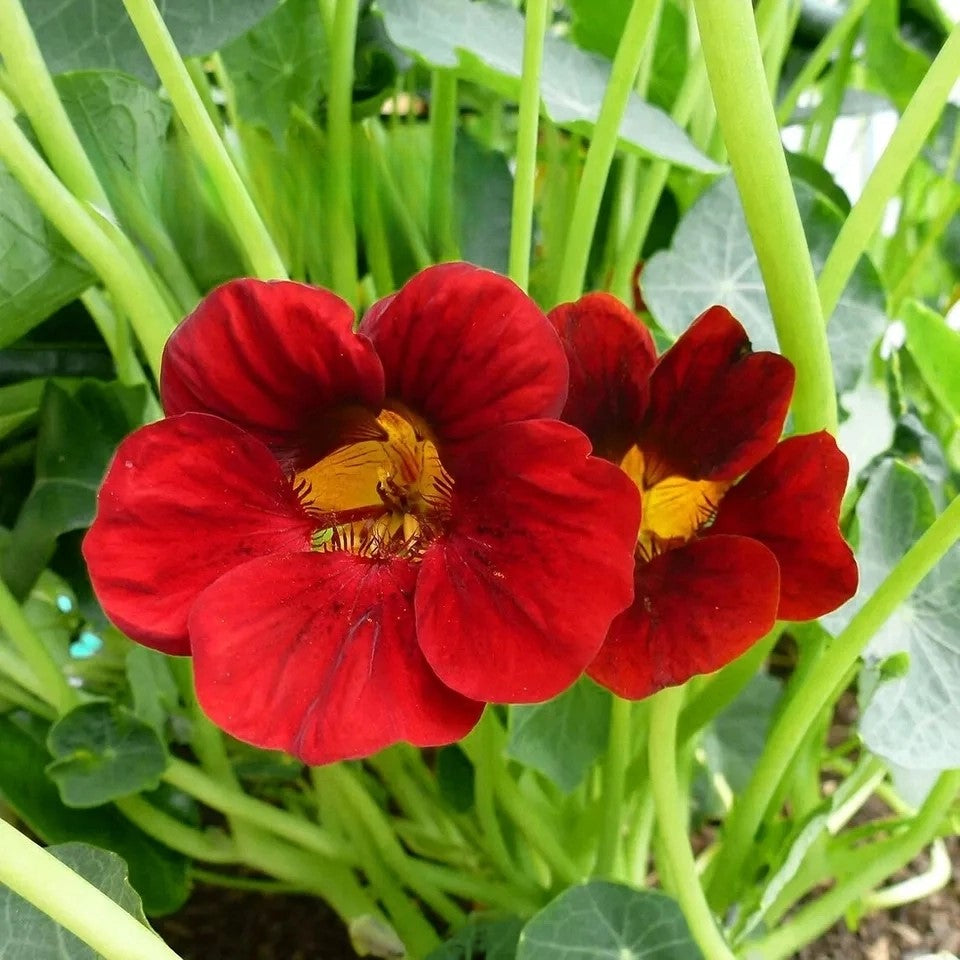
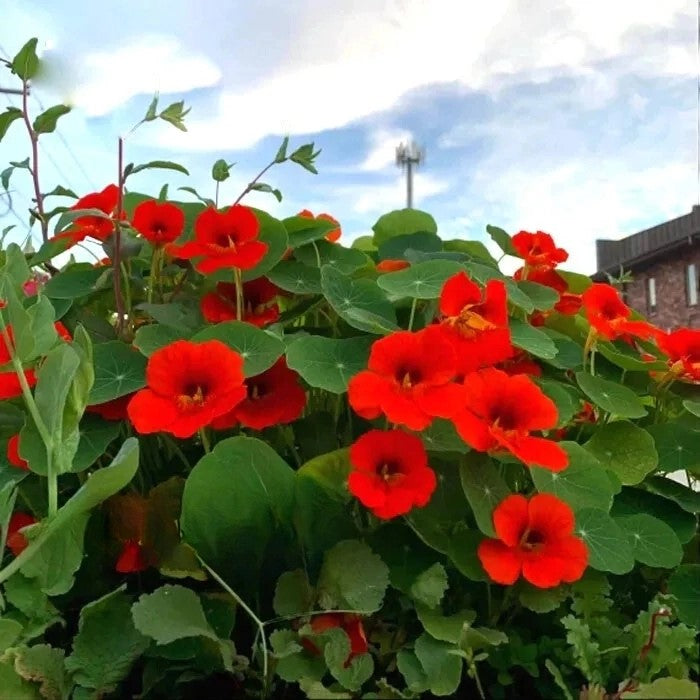
Nasturtium ‘Fiery Festival’ Double Red Seeds (Tropaeolum majus)
Nasturtium ‘Fiery Festival’ is a vibrant annual producing fully double, fiery red blooms with a trailing or bushy habit. Blooming from late spring to autumn, it’s perfect for hanging baskets, containers, and garden borders. Hardy, easy to grow, and edible, its colorful flowers also attract pollinators and add a dramatic splash of color to any garden.
What Makes It Special
-
Fully double, fiery red blooms
-
Edible flowers and attractive to pollinators
-
Hardy, low-maintenance, and long-flowering
Key Features
-
Botanical name: Tropaeolum majus
-
Annual
-
Height: 20–40 cm (bushy) or trailing 50–70 cm
-
Bloom time: Late spring to autumn
Ideal For
-
Hanging baskets, containers, and borders
-
Pollinator-friendly gardens
-
Edible flowers for salads and garnishes
Sowing
-
Sow indoors Feb–Apr or outdoors Apr–Jun
-
Cover seeds lightly with soil
-
Germination: 7–14 days at 18–22°C
-
Space seedlings 25–30 cm apart
-
Flowers the same year
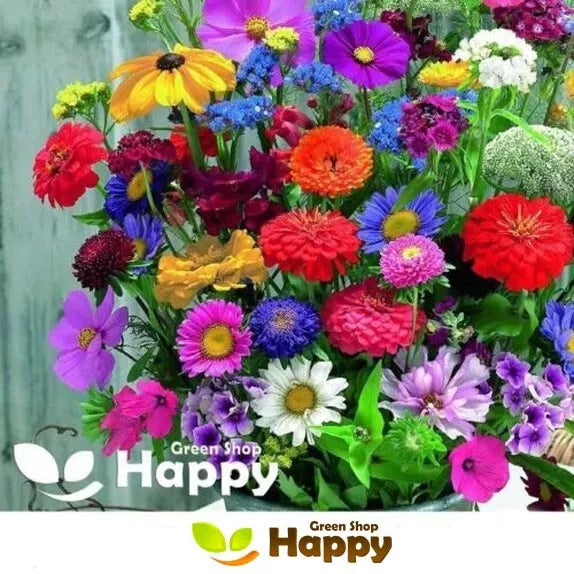
Fragrant Flowers Mix – 1g
The Fragrant Flowers Mix is a carefully selected blend of annuals and perennials chosen for their delightful scents and beautiful blooms. From sweet peas and stocks to aromatic herbs and cottage garden favorites, this mix fills your garden with fragrance from early summer to autumn. Perfect for borders, beds, and containers, it also provides excellent cut flowers to enjoy indoors. Easy to grow and pollinator-friendly, this mix combines beauty, scent, and biodiversity in one packet.
Why Grow "Fragrant Flowers Mix"
-
A blend of scented annuals and perennials
-
Long season of blooms with sweet fragrance
-
Great for cut flowers and bouquets
-
Attracts bees, butterflies, and pollinators
Key Features
-
Type: Annuals & perennials mix
-
Packet: 1 g (sufficient for a generous area)
-
Flowering: Summer to autumn
-
Position: Full sun to partial shade
-
Uses: Borders, containers, cut flowers, pollinator gardens
Ideal For
-
Adding fragrance to garden paths and seating areas
-
Cottage and wildflower-style planting
-
Pollinator-friendly gardens
-
Cut flower arrangements
Sowing & Growing
-
Sow outdoors: March–May directly in soil
-
Germination: 14–28 days depending on species
-
Thin seedlings as required for strong growth
-
Prefers well-drained soil in a sunny position
-
Water regularly until established

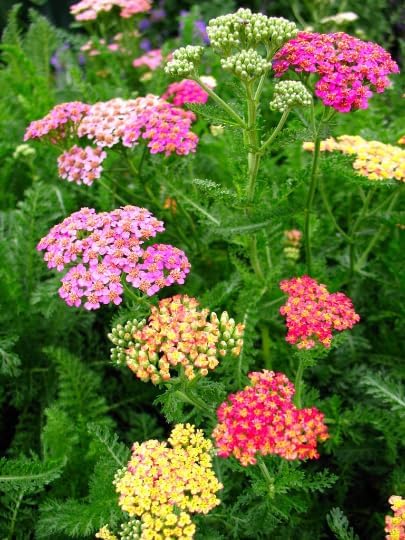

Yarrow ‘Pastel’ Mix Seeds (Achillea millefolium)
A hardy and long-flowering perennial, Yarrow ‘Pastel’ Mix produces flat-topped clusters of delicate blooms in soft shades of pink, peach, and cream. Compact and drought-tolerant, it’s perfect for borders, cottage gardens, and wildflower meadows, attracting bees and butterflies.
What Makes It Special
-
Soft pastel blooms in pink, peach, and cream
-
Hardy, drought-tolerant, and long-flowering
-
Attracts pollinators, enhancing wildlife-friendly gardens
Key Features
-
Botanical name: Achillea millefolium
-
Hardy perennial
-
Height: 30–60 cm (12–24 in)
-
Bloom time: Summer
Ideal For
-
Borders, beds, and cottage gardens
-
Wildflower meadows and pollinator-friendly plantings
-
Containers and low-maintenance garden designs
Sowing
-
Sow indoors Feb–Apr or outdoors Mar–May
-
Cover lightly with soil and keep moist
-
Germination: 14–21 days at 15–20°C
-
Thin seedlings 25–30 cm apart
-
Flowers the first or second season after sowing
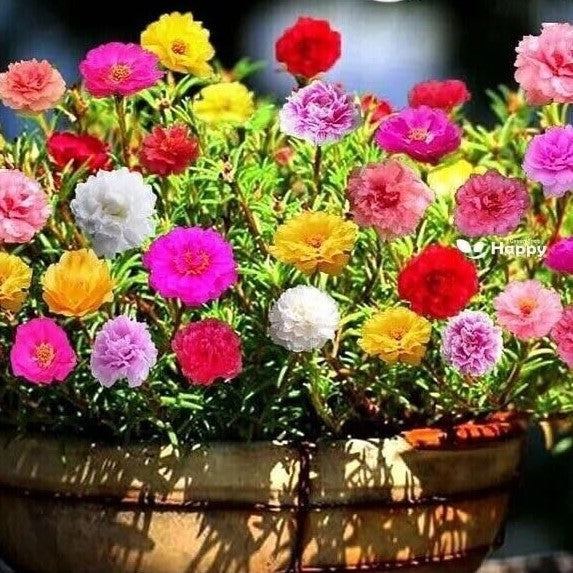
Moss Rose Extra Double Mix Seeds (Portulaca grandiflora)
Moss Rose Extra Double Mix (Portulaca grandiflora) is a vibrant annual producing a profusion of double, colorful blooms in shades of pink, red, yellow, orange, and white. Its low-growing, spreading habit makes it perfect for rockeries, borders, containers, and sunny garden beds. Fast-growing and drought-tolerant, it attracts pollinators while brightening up any garden with long-lasting summer color.
Why Grow "Extra Double Mix"
-
Abundant double blooms in vibrant mixed colors
-
Low-growing, spreading habit ideal for ground cover
-
Long flowering period from summer to autumn
-
Drought-tolerant and low-maintenance
-
Attracts bees and butterflies
Key Features
-
Type: Annual (Portulaca grandiflora)
-
Height: 10–20 cm
-
Flowering: June–September
-
Position: Full sun
-
Uses: Rockeries, borders, containers, ground cover, pollinator-friendly gardens
Ideal For
-
Sunny borders and garden beds
-
Rockeries and container displays
-
Pollinator-friendly gardens
-
Low-maintenance and drought-tolerant planting
Sowing & Growing
-
Sow indoors: March–April in seed trays or pots
-
Sow outdoors: After last frost in prepared soil
-
Germination: 7–14 days at 18–22°C
-
Thin seedlings to 15–20 cm apart
-
Prefers full sun and well-drained soil
-
Deadhead occasionally to prolong flowering


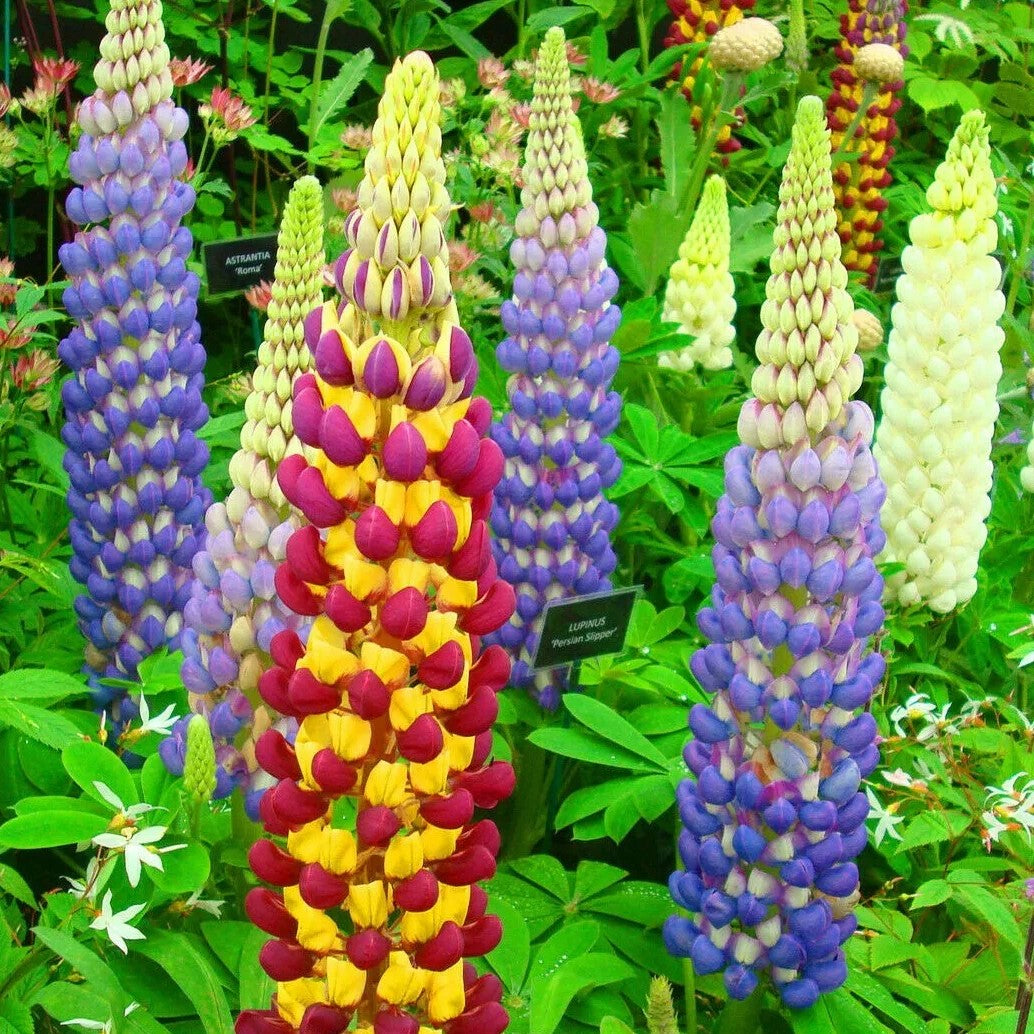
Lupine Mix Seeds (Lupinus polyphyllus)
A cottage garden classic, Lupine Mix produces tall spires of pea-like flowers in a rainbow of colors, rising above lush green foliage. Hardy and dramatic, these blooms create striking vertical accents in borders and wildflower plantings, while attracting bees, butterflies, and pollinators.
What Makes It Special
-
Tall spires of vibrant, multicolored flowers
-
Hardy, dramatic, and ideal for vertical interest
-
Attracts bees, butterflies, and pollinators
Key Features
-
Botanical name: Lupinus polyphyllus
-
Hardy perennial
-
Height: 80–120 cm (32–48 in)
-
Bloom time: Early to mid-summer
Ideal For
-
Cottage gardens and mixed perennial borders
-
Wildflower plantings and pollinator gardens
-
Cut flower arrangements
Sowing
-
Sow indoors Mar–Apr or outdoors Apr–Jun
-
Nick seed coat lightly and soak overnight for better germination
-
Cover lightly with soil and keep moist
-
Germination: 14–30 days at 15–20°C
-
Thin seedlings 30–40 cm apart
-
Flowers the second year after sowing

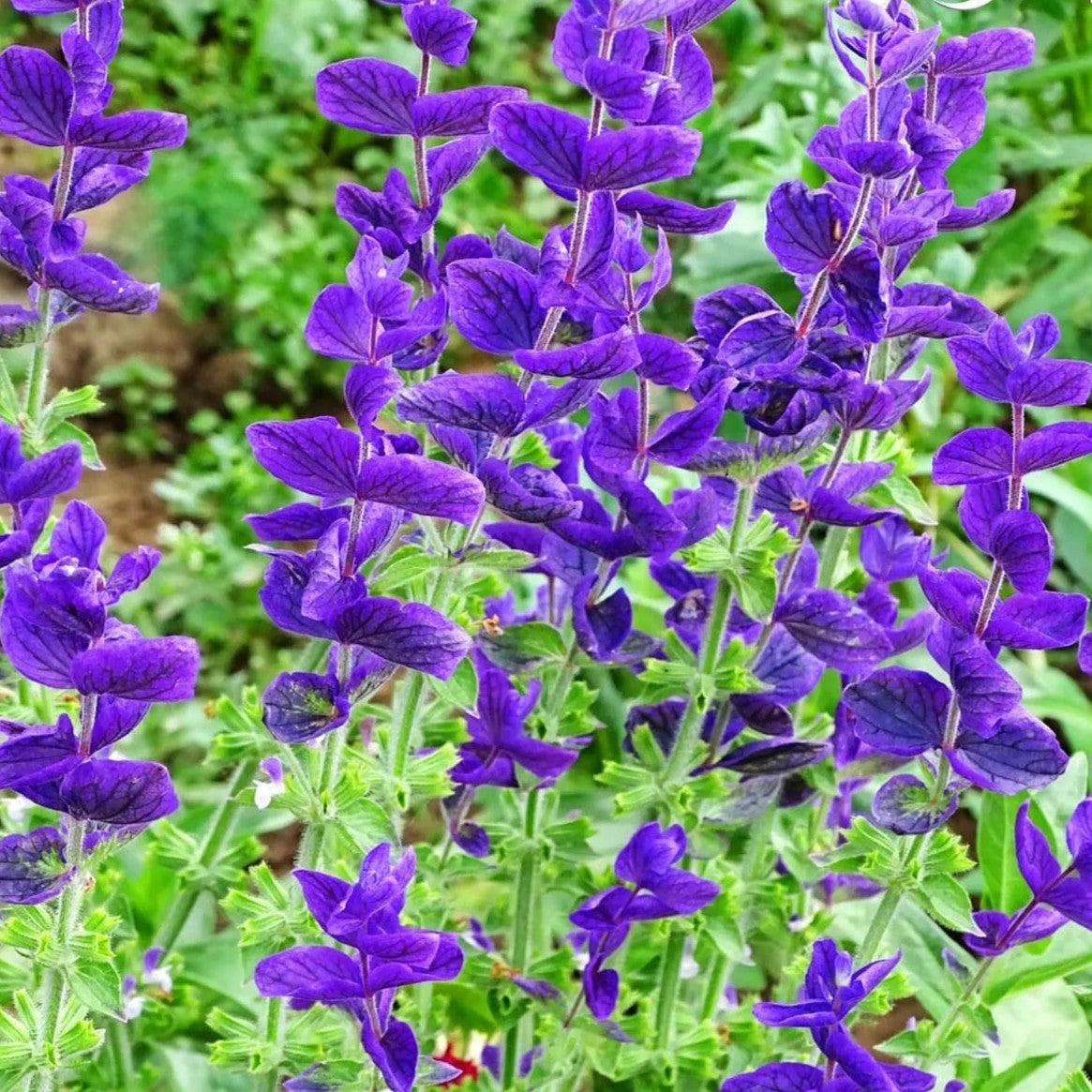
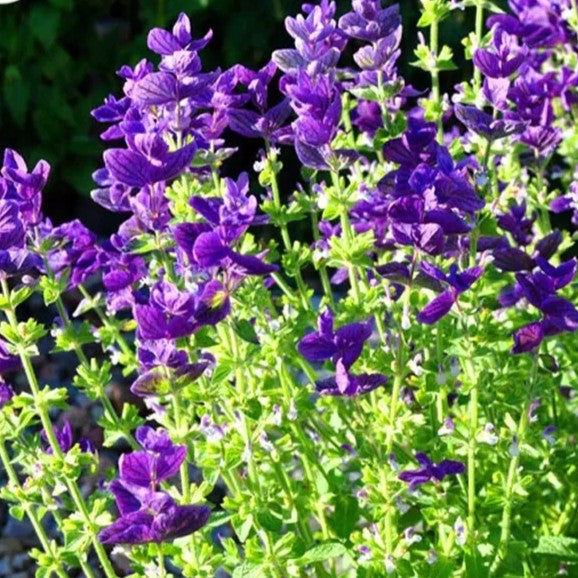
🌸 Salvia horminum ‘Blue Monday’ – Clary Sage with Intense Blue Bracts for Summer Colour
‘Blue Monday’ is a striking annual clary sage grown primarily for its vivid blue bracts, which surround small, discreet flowers and provide long-lasting ornamental impact. The upright, well-branched plants create strong vertical accents in the garden, making this variety especially effective in borders, cottage gardens and cut-flower beds.
The colourful bracts retain their intensity for weeks and are excellent for fresh and dried arrangements. Easy to grow and tolerant of summer heat, ‘Blue Monday’ performs best when planted in groups for maximum visual effect and is also attractive to bees and pollinators.
Key Features
● Intense blue decorative bracts with long-lasting colour
● Upright, well-branched growth habit
● Excellent for borders, cutting and drying
● Easy to grow and heat tolerant
● Attractive to bees and beneficial insects
How to Sow & Grow Clary Sage ‘Blue Monday’ (UK)
Direct sowing recommended
Direct outdoors (spring): IV–V (April–May)
Direct outdoors (autumn): IX–X (September–October) (overwintering for earlier flowering)
Flowering: VI–IX (June–September)
Life cycle: Annual
Germination temperature: 15–20 °C (59–68 °F)
Average germ time: 10–21 days
Depth: 0.5 cm (¼ in)
Light required: Yes
Moisture: Moderate
Environment: Full sun
Soil type: Well-drained soil; tolerates poorer soils
Plant spacing: 25–30 cm (10–12 in)
Height: 40–60 cm (16–24 in)
Sowing & Growing Tips (variety-specific)
● Autumn sowing produces stronger plants and earlier flowering.
● Avoid overly rich soil to maintain compact growth.
● Deadhead lightly or harvest stems to encourage continued display.
● Excellent choice for naturalistic and pollinator-friendly plantings.
● Ideal for both fresh and dried flower use.
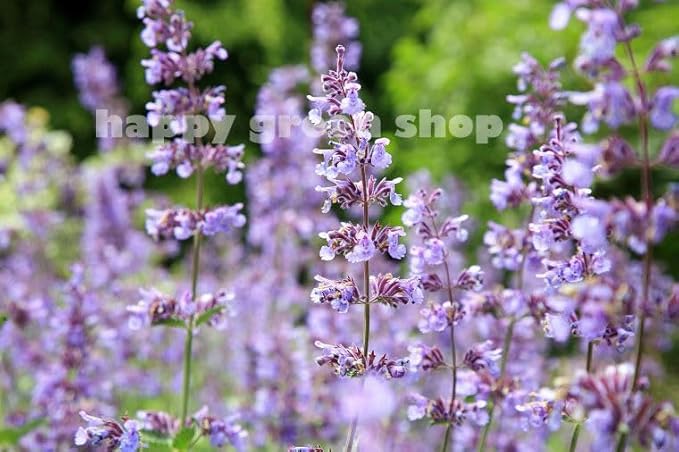
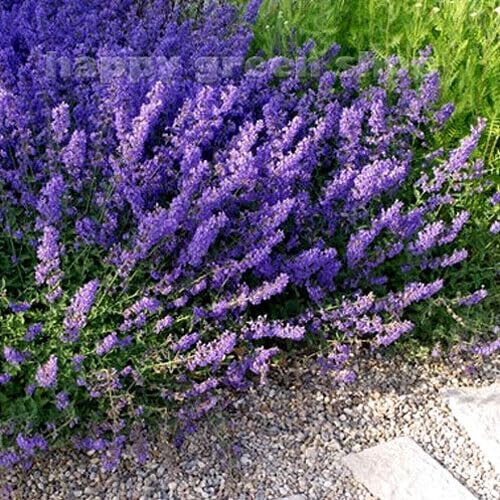
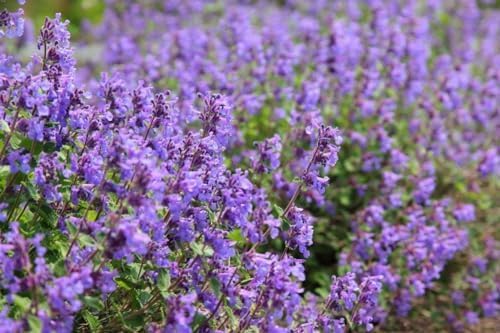
Garden Catmint Seeds (Nepeta mussinii)
A hardy perennial, Garden Catmint produces spikes of soft lavender-blue flowers over aromatic gray-green foliage. Long-flowering and drought-tolerant, it’s perfect for borders, cottage gardens, and pollinator-friendly landscapes, attracting bees and butterflies while adding texture and fragrance.
What Makes It Special
-
Soft lavender-blue blooms over aromatic foliage
-
Hardy, long-flowering, and drought-tolerant
-
Attracts bees, butterflies, and other pollinators
Key Features
-
Botanical name: Nepeta mussinii
-
Hardy perennial
-
Height: 30–60 cm (12–24 in)
-
Bloom time: Late spring to early autumn
Ideal For
-
Borders, cottage gardens, and mixed perennial beds
-
Pollinator-friendly landscapes
-
Containers and low-maintenance garden designs
Sowing
-
Sow indoors Feb–Apr or outdoors Mar–May
-
Cover lightly with soil and keep moist
-
Germination: 10–21 days at 15–20°C
-
Thin seedlings 30–40 cm apart
-
Flowers the first or second season after sowing
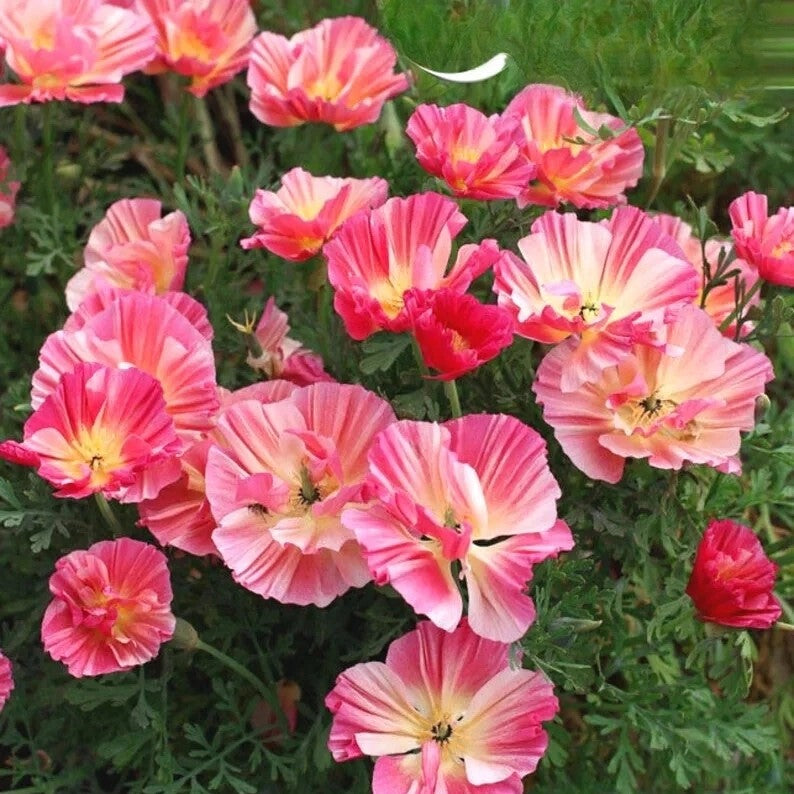
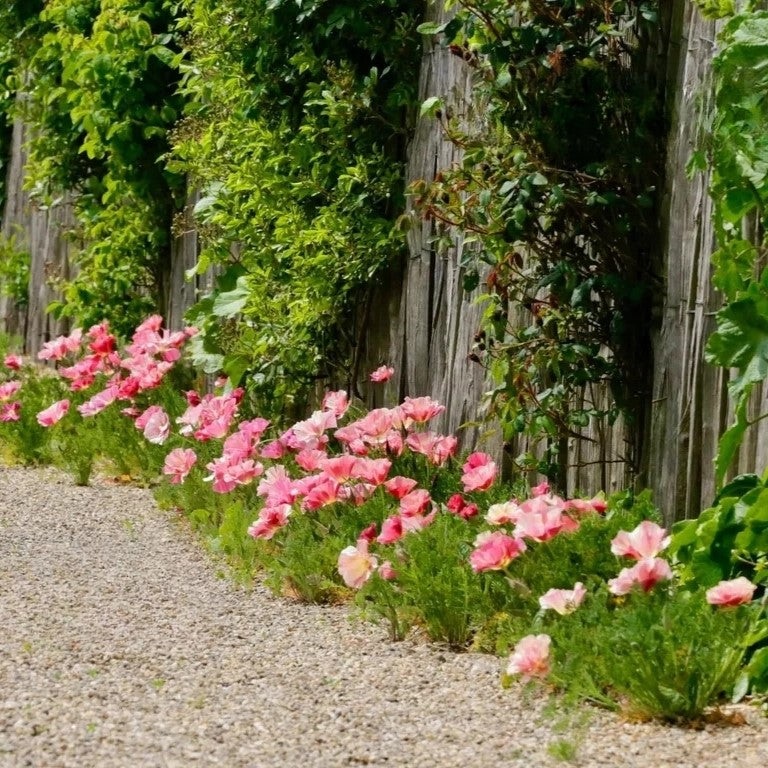
California Poppy Frilly Fun Appleblossom - 200 seeds (Eschscholzia californica)
£1.24
Unit price perCalifornia Poppy Frilly Fun Appleblossom - 200 seeds (Eschscholzia californica)
£1.24
Unit price perCalifornia Poppy Frilly Fun Appleblossom – Seeds (Eschscholzia californica)
California Poppy ‘Frilly Fun Appleblossom’ is a cheerful, low-maintenance annual that produces abundant frilly, soft pink blooms all summer long. This compact, hardy variety creates a carpet of pastel color in borders, rockeries, and containers. Fast-growing and drought-tolerant, it’s perfect for brightening gardens while attracting bees and other pollinators.
Why Grow "Frilly Fun Appleblossom"
-
Frilly, soft pink blooms with abundant summer color
-
Compact, low-maintenance, and hardy
-
Drought-tolerant and fast-growing
-
Attracts bees and pollinators
Key Features
-
Type: Annual (Eschscholzia californica)
-
Height: 20–30 cm
-
Flowering: Late spring to summer
-
Position: Full sun
-
Uses: Borders, rockeries, containers, pollinator gardens
Ideal For
-
Adding pastel color to borders and beds
-
Rockeries and container planting
-
Pollinator-friendly gardens
-
Beginner gardeners seeking easy-to-grow flowers
Sowing & Growing
-
Sow outdoors: Early spring after frost danger has passed
-
Germination: 7–14 days
-
Thin seedlings: 15–20 cm apart
-
Prefers full sun and well-drained soil
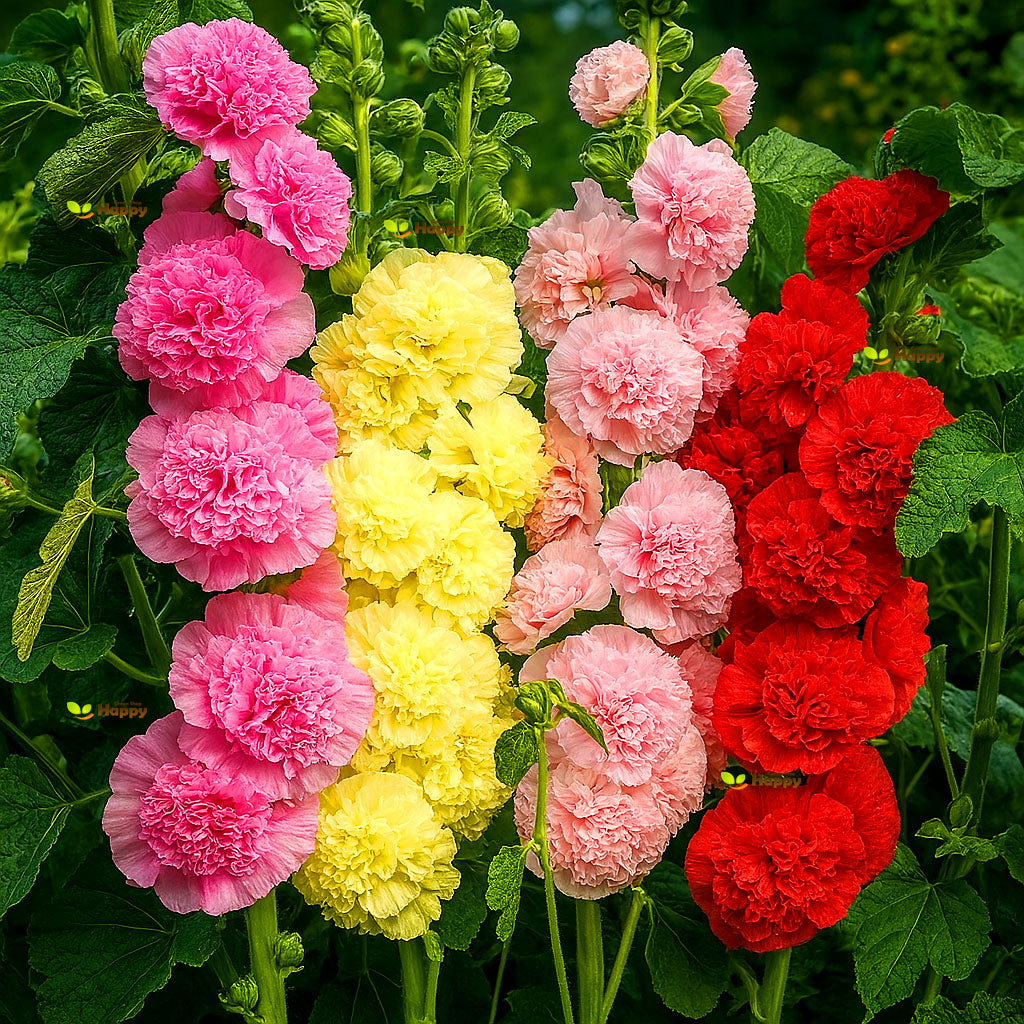
Hollyhock ‘Chaters Double Triumph Mix’ Seeds (Althaea rosea)
A true cottage garden classic, the Hollyhock ‘Chaters Double Triumph Mix’ produces tall, stately flower spikes adorned with large, fully double blooms in a rich blend of colors – from soft pastels to vibrant shades. These majestic perennials (often grown as biennials) create a dramatic vertical accent at the back of borders, alongside walls, or in wildflower-style gardens.
What Makes It Special
-
Stunning double blooms in a wide range of colors
-
Impressive tall spires up to 1.8–2.5 m high
-
Attracts bees, butterflies, and pollinators
-
A long-standing favorite in cottage and traditional gardens
Key Features
-
Botanical name: Althaea rosea
-
Common name: Hollyhock Chaters Double Triumph Mix
-
Seed count: Approx. per pack (customizable)
-
Height/Spread: 180–250 cm tall, 50–60 cm spread
-
Position: Full sun; well-drained fertile soil
-
Flowering period: July – September (second year from sowing)
-
Lifespan: Hardy biennial/perennial
Ideal For
-
Cottage and traditional garden borders
-
Planting against walls and fences
-
Pollinator-friendly gardens
-
Creating dramatic vertical height in displays
Sowing Instructions
-
When to sow: Indoors March–May or directly outdoors May–June.
-
How to sow:
-
Sow seeds thinly in trays or pots of moist seed compost, cover lightly.
-
Keep at 15–20°C for germination (14–21 days).
-
Transplant seedlings when large enough, spacing 45–60 cm apart.
-
-
Care: Provide support in exposed areas. Deadhead faded flowers to encourage further blooming.
Showing 72/300


