
Sort by:
49 products
49 products
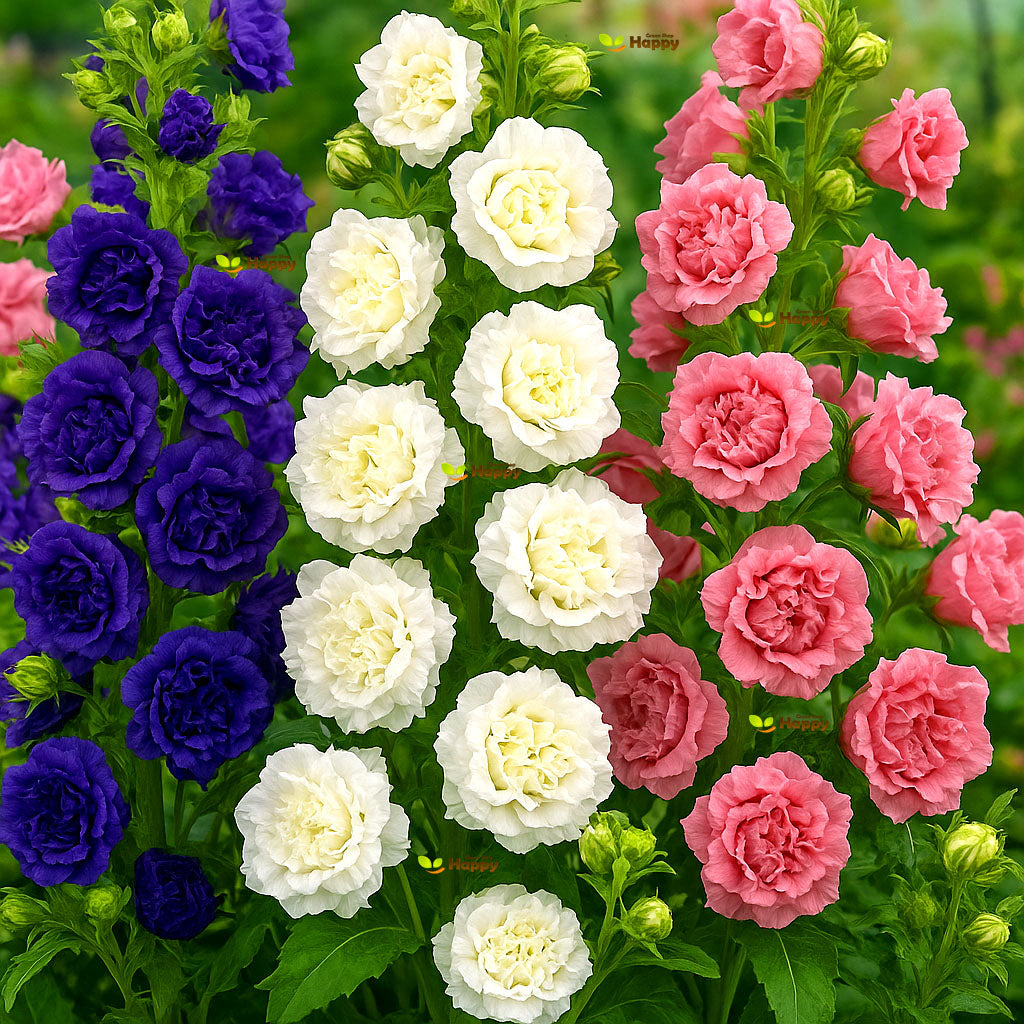
Canterbury Bells Double Mix – Seeds
(Campanula medium)
Canterbury Bells ‘Double Mix’ is a traditional cottage garden favorite, producing tall spires filled with large, fully double bell-shaped blooms. This colorful mix features shades of blue, pink, white, and lavender, bringing old-fashioned charm and elegance to borders, beds, and cutting gardens.
Why Grow Canterbury Bells Double Mix?
-
Stunning double blooms in soft pastel shades
-
Classic cottage garden plant with tall spires
-
Long-lasting cut flowers for arrangements
-
Reliable biennial, flowering the following year
Key Features
-
Type: Biennial
-
Height: 60–90 cm
-
Flowers: Early to mid-summer (second year)
-
Position: Full sun to partial shade
-
Soil: Well-drained, fertile soil
Ideal For
-
Cottage and traditional gardens
-
Flower borders and background planting
-
Cut flower arrangements
-
Pollinator-friendly spaces
Sowing & Growing
-
Sow indoors: May–July in trays of fine compost (do not cover seeds – light aids germination)
-
Germination: 14–21 days at 18–22°C
-
Transplant: Prick out seedlings and grow on before planting out in autumn
-
Care: Water regularly, deadhead faded blooms, and stake taller plants if needed
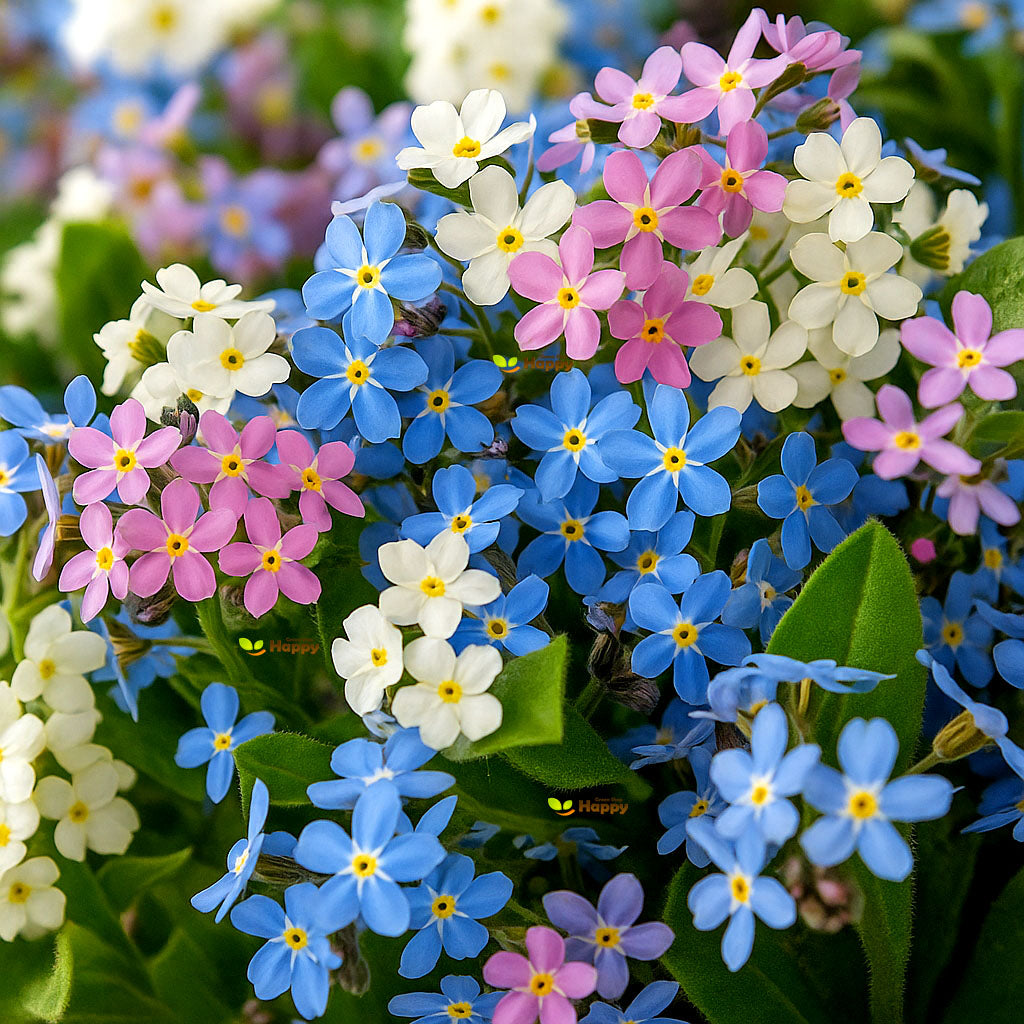
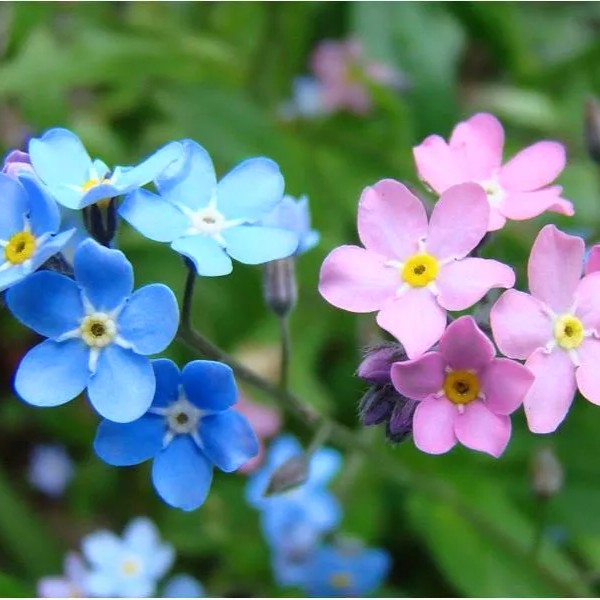
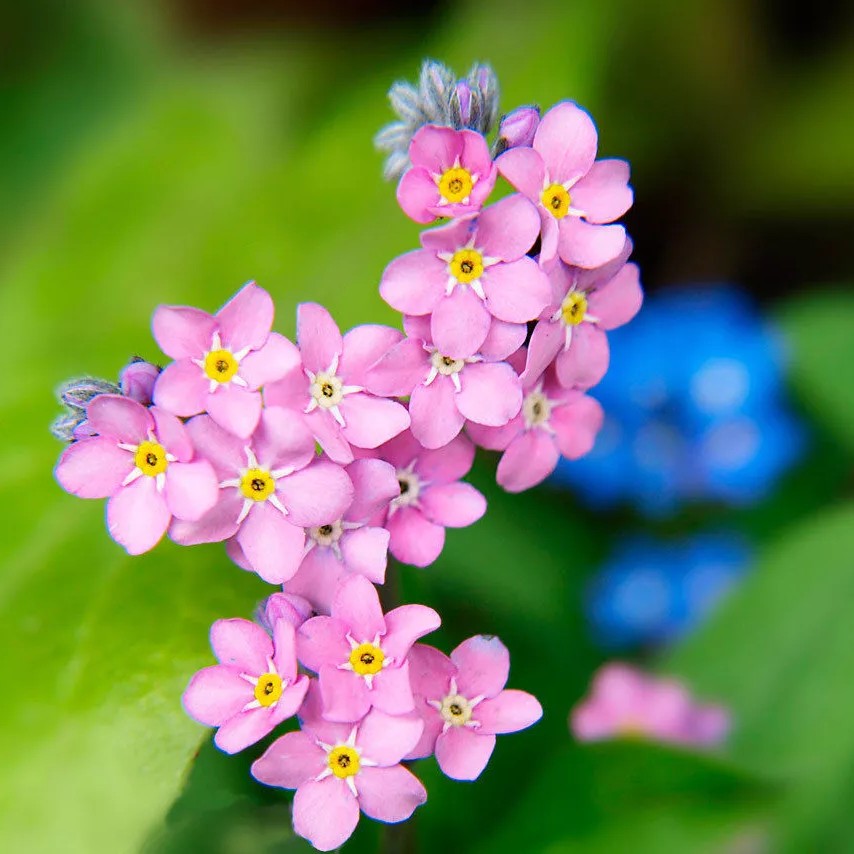
Alpine Forget-Me-Not Mix Seeds (Myosotis alpestris)
The Alpine Forget-Me-Not Mix is a charming, low-growing perennial that produces masses of tiny star-shaped flowers in soft shades of blue, pink, and white. Known for their delicate beauty and sentimental symbolism, forget-me-nots are perfect for naturalizing in borders, rock gardens, and wildflower meadows. These compact plants are especially suited for alpine and cottage garden settings, where they create a cheerful carpet of spring color.
What Makes It Special
-
Beloved for their dainty flowers and long-lasting symbolism of remembrance
-
Compact, low-growing plants ideal for rock gardens and alpine beds
-
Early-season blooms bring vibrant color to spring gardens
-
Excellent for naturalizing and combining with tulips or daffodils
Key Features
-
Botanical name: Myosotis alpestris
-
Variety: Alpine Mix
-
Height/Spread: 15–25 cm tall, 15–20 cm spread
-
Position: Full sun to partial shade; thrives in moist, well-drained soil
-
Flowering period: Spring to early summer
-
Lifespan: Hardy perennial (often grown as biennial in some climates)
Ideal For
-
Rock gardens and alpine beds
-
Cottage gardens and wildflower meadows
-
Spring bulb companions (daffodils, tulips)
-
Borders, edging, and naturalized plantings
Sowing Instructions
-
When to sow: Late spring to early summer (May–July) for flowers the following year.
-
How to sow:
-
Sow thinly in trays or directly in a prepared bed.
-
Cover lightly with fine soil or compost.
-
Keep soil moist until germination (1–3 weeks).
-
-
Transplant/Thin: Space plants 15–20 cm apart.
-
Care: Prefers cool, moist conditions. Allow some plants to self-seed for naturalized drifts.
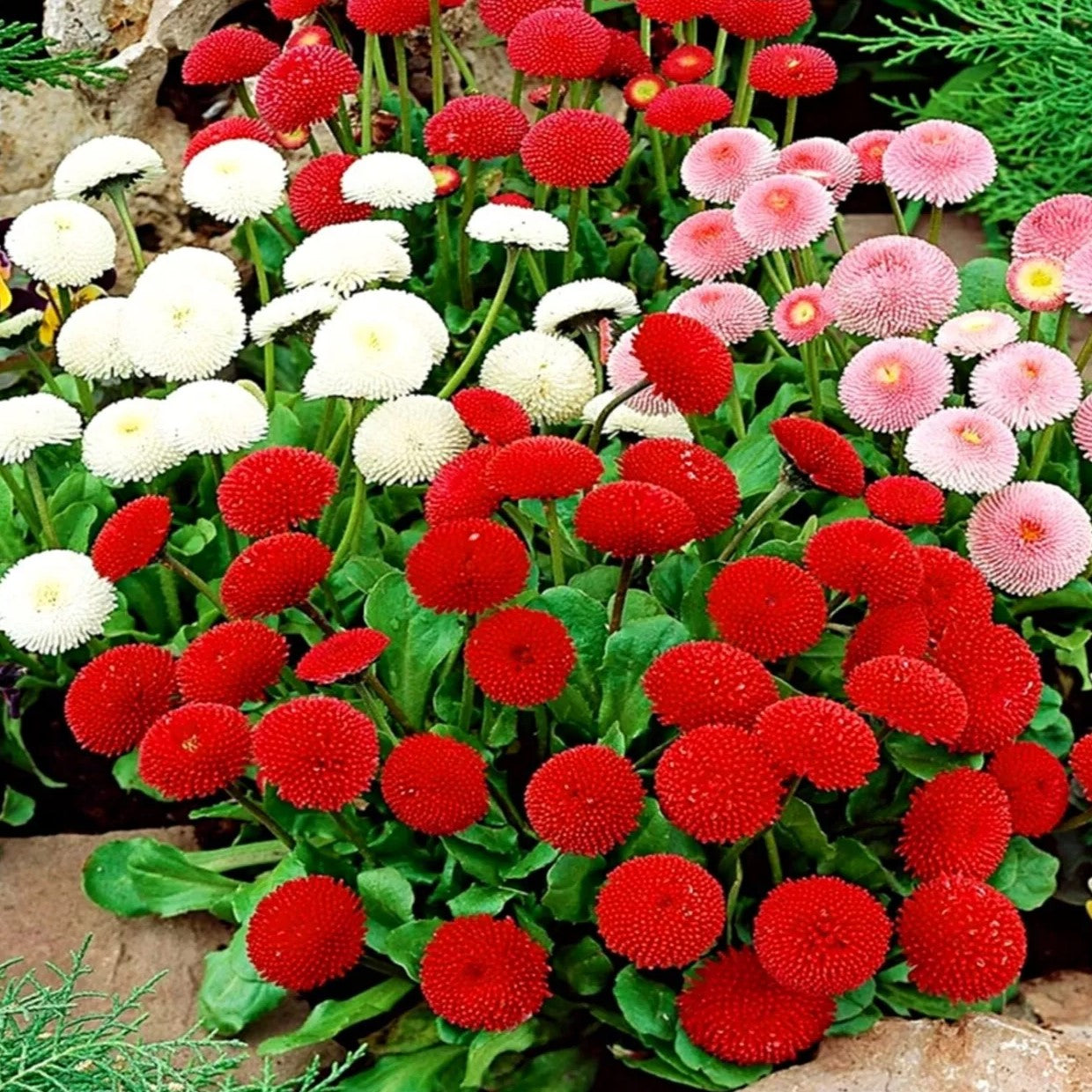
English Daisy 'Pomponette' Mixed Seeds (Bellis perennis)
The English Daisy ‘Pomponette’ is a charming cottage garden favorite, loved for its dense pompon-like blooms in shades of red, pink, and white. Compact and cheerful, these dainty flowers create vibrant color displays in borders, pots, and spring bedding schemes. Their long flowering period and old-fashioned charm make them a must-have for any traditional garden.
What Makes It Special
-
Produces unique pompon-style blooms in bright mixed colors
-
Hardy, compact, and reliable for early spring displays
-
A classic cottage garden flower with enduring charm
-
Excellent for edging, borders, and containers
Key Features
-
Botanical name: Bellis perennis
-
Variety: Pomponette Mixed
-
Height/Spread: 15–20 cm tall, 15–20 cm spread
-
Position: Full sun or partial shade; prefers moist, well-drained soil
-
Flowering period: Early spring to early summer
-
Lifespan: Perennial, often grown as a biennial
Ideal For
-
Cottage and traditional gardens
-
Spring bedding displays with tulips and primroses
-
Pots, containers, and window boxes
-
Low-growing borders and edging
-
Naturalizing in lawns or meadow-style gardens
Sowing Instructions
-
When to sow: Late spring to mid-summer (May–July) for flowering the following spring.
-
How to sow:
-
Sow thinly on the surface of moist seed compost and press lightly.
-
Do not cover, as seeds need light to germinate.
-
Keep moist at 15–20°C. Germination takes 14–28 days.
-
-
Transplant/Thin: Move seedlings to individual pots or trays when large enough. Plant outdoors 15–20 cm apart.
-
Care: Remove faded blooms to prolong flowering. Protect from harsh frost in the first year.
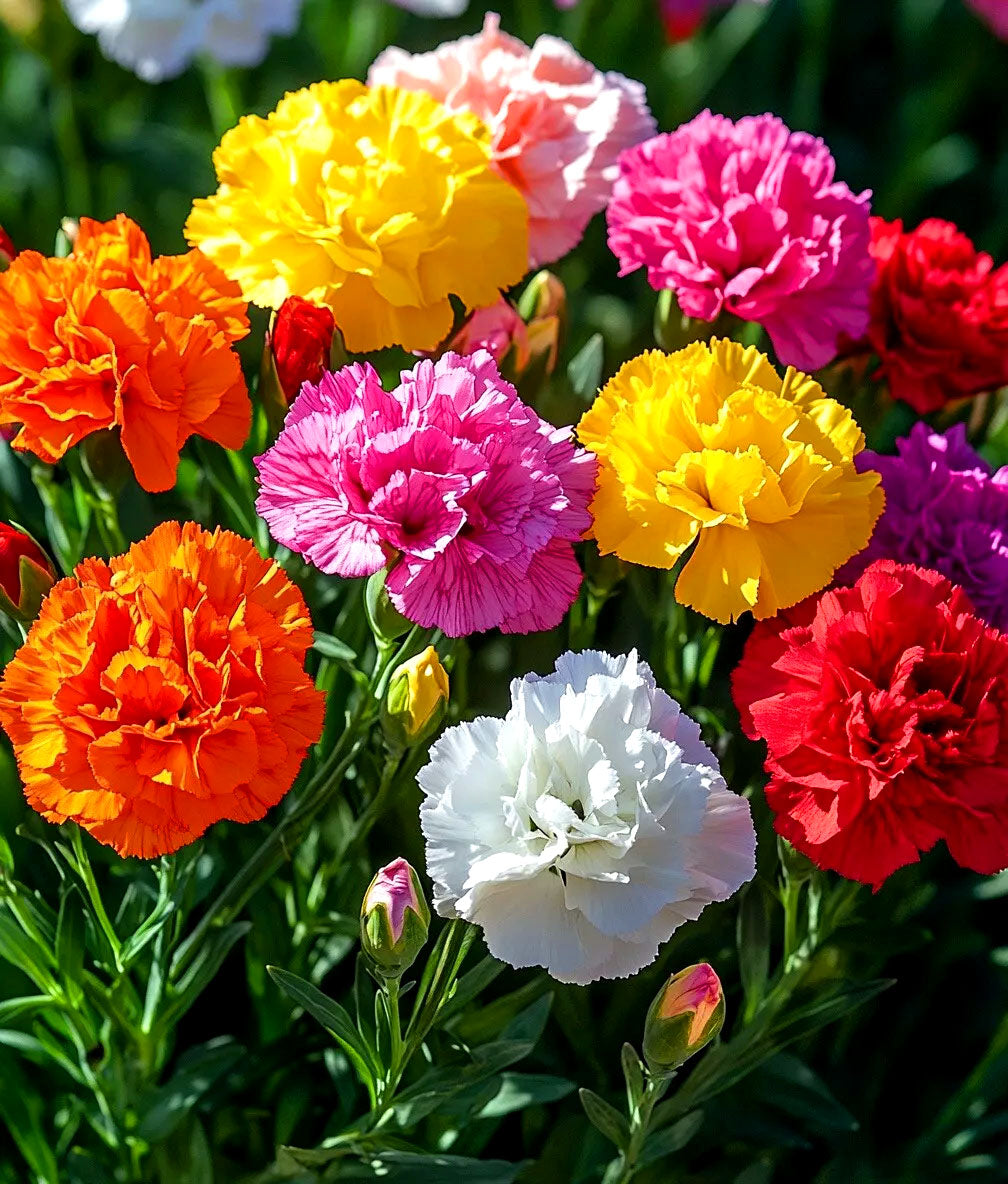

Carnation Mix Chabaud – Elegant Fragrant Blooms
Carnation Mix Chabaud produces charming, fragrant flowers in a variety of colors. Perfect for borders, rock gardens, and cut flower arrangements.
What Makes It Special
-
Delightfully fragrant blooms
-
Variety of vibrant colors
-
Long-flowering and easy to grow
-
Ideal for fresh bouquets and garden charm
Key Features
-
Annual or biennial plant
-
Grows 30–50 cm tall
-
Blooms late spring to summer
-
Thrives in full sun and well-drained soil
-
Compact and bushy growth
Ideal For
-
Garden borders and flower beds
-
Rock gardens and patios
-
Cut flowers and bouquets
-
Pollinator-friendly gardens
Sowing
-
Sow indoors 6–8 weeks before last frost or directly outdoors after frost
-
Plant seeds 0.3–0.5 cm deep
-
Germination: 10–14 days at 18–22°C
-
Space 15–20 cm apart
-
Water moderately and provide full sun

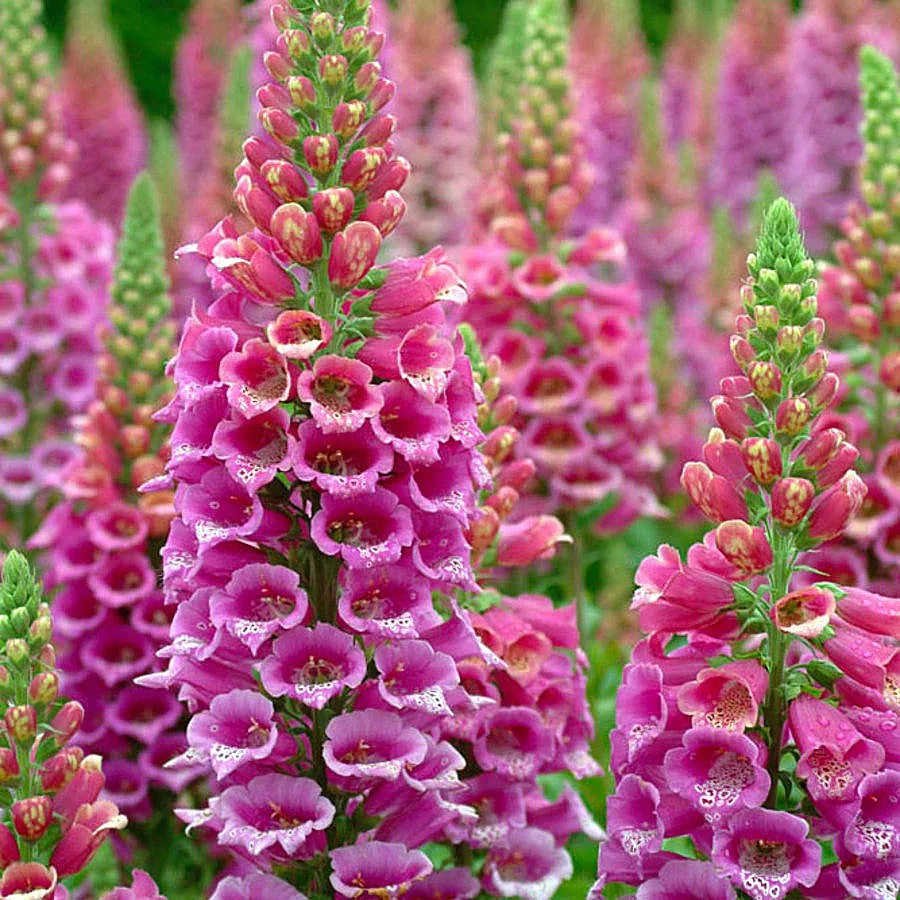

Foxglove 'Excelsior' Mix Seeds (Digitalis purpurea – Biennial)
The Foxglove 'Excelsior' Mix is one of the most admired cottage garden classics, producing tall, elegant spires of tubular flowers in shades of rose, lavender, purple, cream, and white, often marked with speckled throats. Unlike traditional foxgloves, the Excelsior strain displays its flowers all around the stem, creating a fuller and more impressive floral column. As a biennial, it flowers in the second year after sowing and readily self-seeds for future displays.
What Makes It Special
-
Traditional cottage garden favorite with tall, majestic flower spikes
-
Excelsior strain bears blooms on all sides of the stem for maximum impact
-
Attracts bees, butterflies, and hummingbirds
-
Excellent cut flower and stunning for borders or woodland plantings
Key Features
-
Botanical name: Digitalis purpurea
-
Variety: 'Excelsior' Mix
-
Height/Spread: 120–150 cm tall, 40–60 cm spread
-
Position: Partial shade to sun; prefers rich, moist, well-drained soil
-
Flowering period: Late spring to mid-summer (second year)
-
Lifespan: Biennial, often self-seeds for naturalized displays
Ideal For
-
Cottage and woodland-style gardens
-
Back borders for height and structure
-
Naturalizing in shaded areas
-
Pollinator-friendly gardens
Sowing Instructions
-
When to sow: Late spring to summer (May–July) for flowering the following year.
-
How to sow:
-
Sow seeds on the surface of moist compost (do not cover – light aids germination).
-
Keep at 18–22°C until germination (14–30 days).
-
Transplant seedlings 45 cm apart in borders or beds.
-
-
Care: Water regularly, especially in dry spells. Remove spent flower spikes to extend blooming, or allow some to seed for natural regeneration.
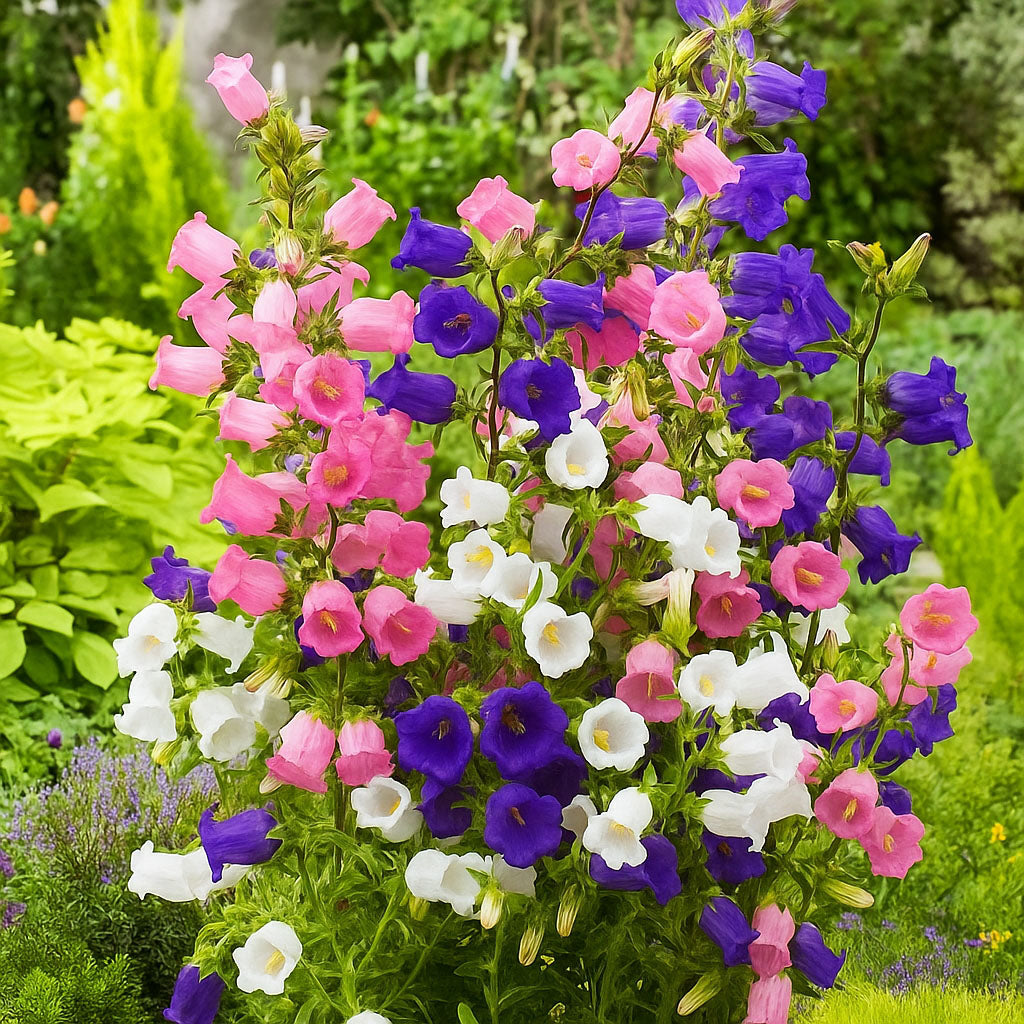
Canterbury Bells Mix Seeds (Campanula medium)
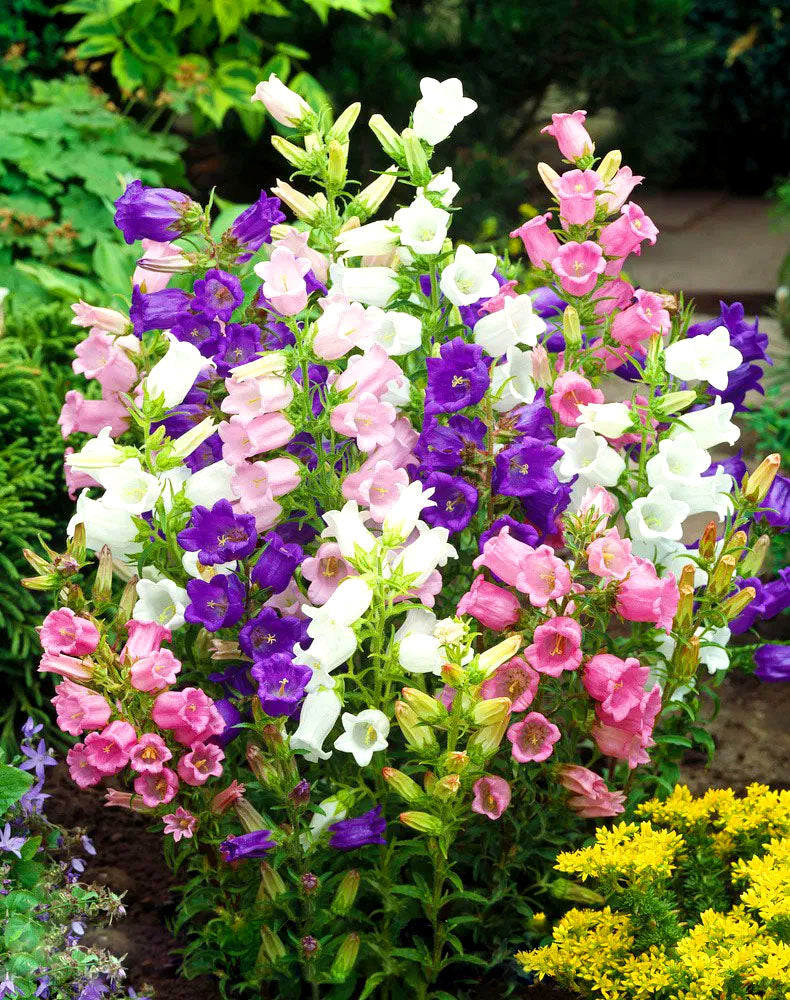
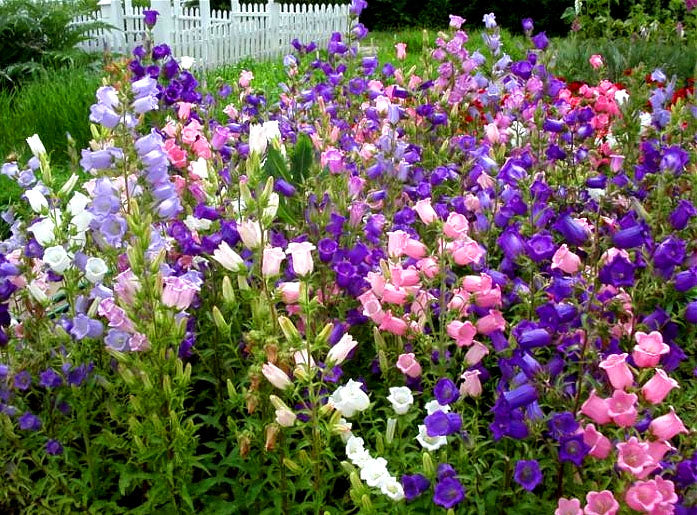
Canterbury Bells are classic biennial flowers cherished for their bell-shaped blooms in a range of vibrant colors. This mix produces tall, elegant stems covered in large, showy flowers that brighten borders, cottage gardens, and cut flower arrangements. With their long-lasting blooms and architectural form, they are perfect for adding vertical interest and charm to any garden.
What Makes It Special
-
Produces bell-shaped flowers in multiple colors
-
Tall, upright growth adds vertical structure to borders
-
Excellent for cut flowers with a long vase life
-
Biennial: flowers in the second year for a reliable display
Key Features
-
Botanical name: Campanula medium
-
Common name: Canterbury Bells
-
Seed count: Approx. seeds per pack
-
Height/Spread: 60–90 cm tall, 25–30 cm spread
-
Position: Full sun to partial shade, well-drained soil
-
Flowering period: Second year; early to mid-summer
-
Lifespan: Biennial
Ideal For
-
Borders and cottage-style gardens
-
Cut flower arrangements
-
Mixed flower beds
-
Pollinator-friendly gardens
Sowing Instructions
-
When to sow:
-
Indoors: February–March for transplanting
-
Outdoors: April–May in well-prepared soil
-
-
How to sow:
-
Sow seeds thinly on surface and lightly press into soil
-
Keep soil moist until germination (10–20 days)
-
-
Transplant/Thin: Space seedlings 25–30 cm apart
-
Care: Protect young plants from frost; stake taller varieties if needed
Sweet William Flower Mix "Herald of Spring" - 700 seeds (Dianthus barbatus)
£1.24
Unit price perSweet William Flower Mix "Herald of Spring" - 700 seeds (Dianthus barbatus)
£1.24
Unit price perSweet William Flower Mix ‘Herald of Spring’ Seeds (Dianthus barbatus) – 700 Seeds
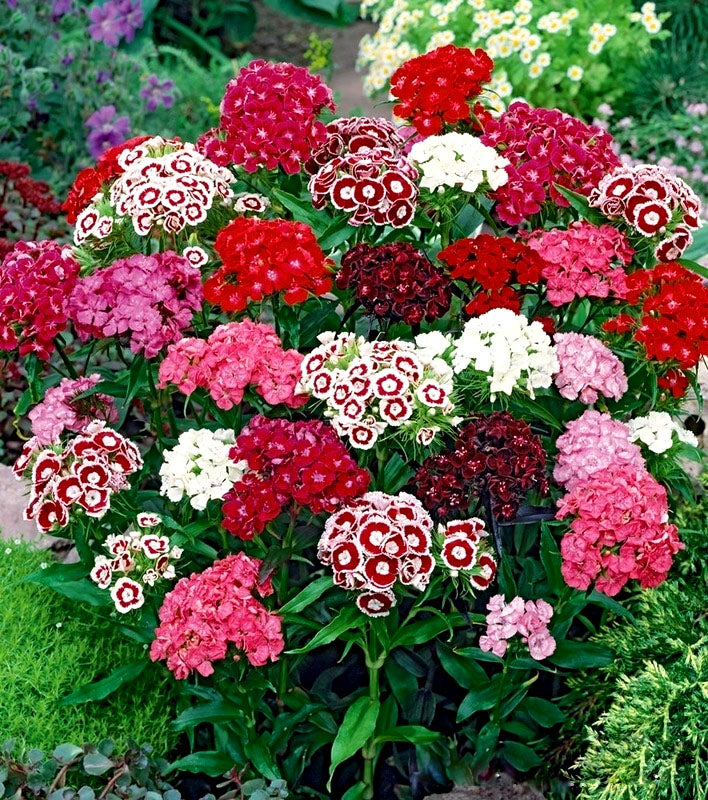
Celebrate spring with Sweet William Flower Mix ‘Herald of Spring’ (Dianthus barbatus). This vibrant annual mix produces clusters of fragrant, brightly colored blooms in shades of pink, red, and white. Perfect for borders, cottage gardens, and cutting gardens, it’s easy to grow, long-flowering, and attracts pollinators for a lively garden display.
How to Grow
-
Sow directly outdoors in spring after the last frost or indoors 6–8 weeks earlier.
-
Use well-drained soil in full sun to partial shade.
-
Scatter seeds thinly and cover lightly with soil.
-
Keep soil moist until germination (10–14 days).
-
Thin seedlings to 20–30 cm apart for healthy growth.
-
Deadhead regularly to encourage continuous flowering.
Key Features
-
Clusters of fragrant blooms in pink, red, and white shades
-
Hardy, easy-to-grow annual or biennial depending on climate
-
Long-flowering and attractive to pollinators
-
Ideal for borders, cottage gardens, and cutting gardens
-
Compact growth habit perfect for edging and containers
Ideal For
-
Flower beds, borders, and cottage gardens
-
Cutting gardens for fresh bouquets
-
Pollinator-friendly plantings
-
Containers and patio planters
Sowing
-
Best time: Spring outdoors or 6–8 weeks earlier indoors
-
Germination: 10–14 days
-
Sow thinly, cover lightly, and keep soil moist
-
Prefers full sun and well-drained soil
Quick Tip
-
For a prolonged display, sow successive batches every 2–3 weeks during spring.

Dwarf Foxglove 'Foxy' Mix – 8000 Seeds (Digitalis purpurea)
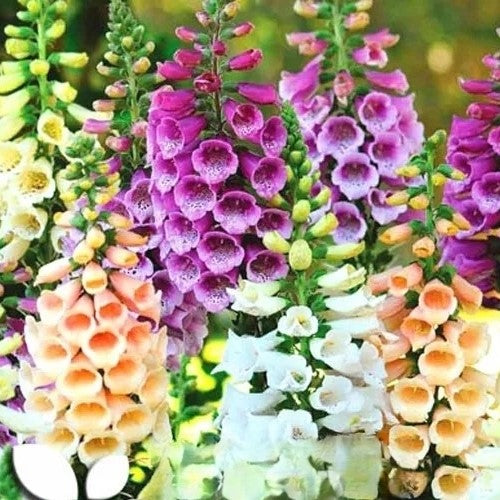
Add cottage garden charm with Dwarf Foxglove 'Foxy', a compact variety that produces spires of trumpet-shaped blooms in shades of pink, purple, cream, and white. Unlike taller foxgloves, 'Foxy' grows to a manageable height, making it perfect for smaller gardens, beds, borders, and containers. Loved by bees and pollinators, it’s a classic for wildlife-friendly planting.
What Makes It Special
-
Compact foxglove, only 60–80 cm tall
-
Mix of soft, romantic colors with speckled throats
-
Blooms in the first year from seed
-
Perfect for beds, borders, and wildlife gardens
Key Features
-
Pack Size: 8000 seeds
-
Height: 60–80 cm
-
Biennial (flowers in year one if sown early)
-
Attracts bees and other pollinators
Ideal For
-
Cottage and wildlife gardens
-
Beds, borders, and mixed plantings
-
Containers and small gardens
-
Pollinator-friendly spaces
Sowing
-
Sow indoors Jan–May on moist seed compost, press seeds lightly (do not cover, needs light to germinate)
-
Germination: 14–21 days at 18–22°C
-
Transplant outdoors after frost, spacing 25–30 cm
-
Flowers: June–August
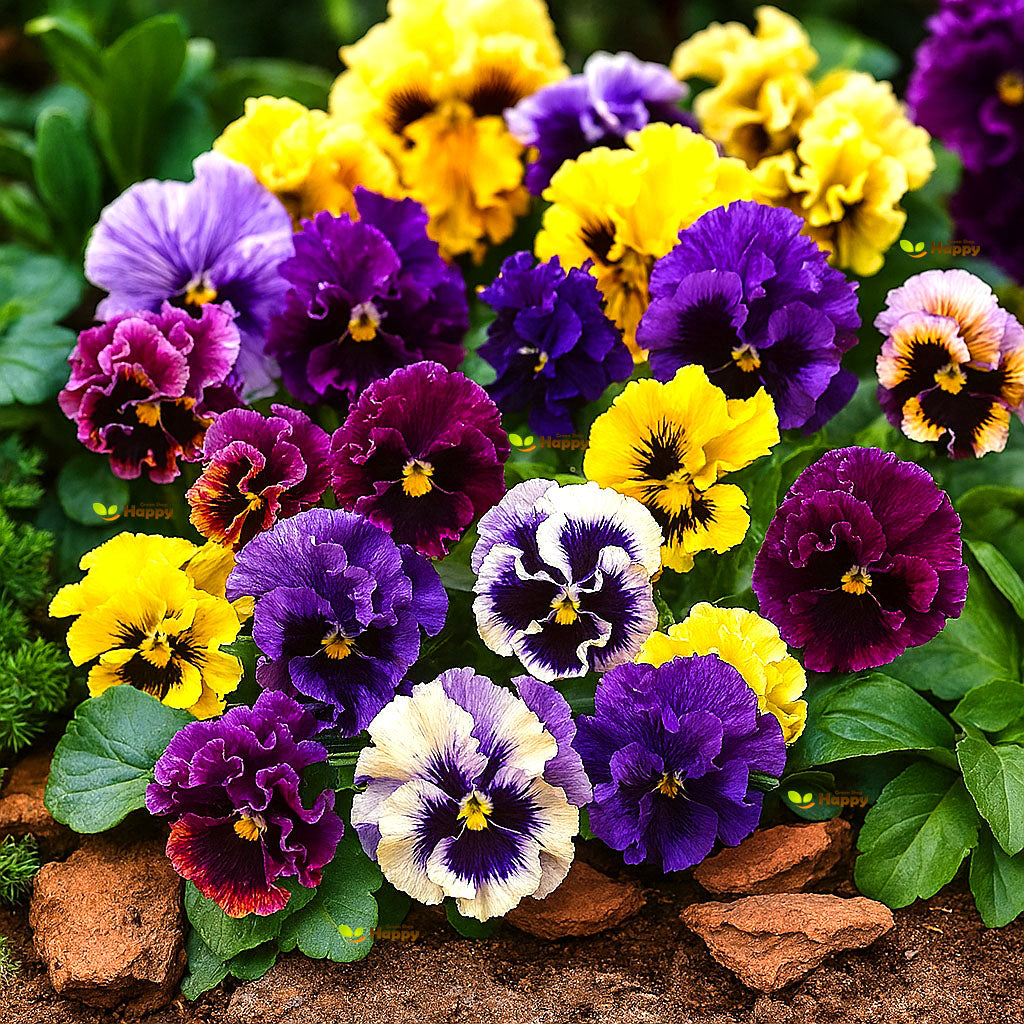
Pansy ‘Can Can’ Mixed Seeds (Viola wittrockiana)
A unique and eye-catching mix, Pansy ‘Can Can’ features large, ruffled blooms in a dazzling range of colors. Compact and hardy, this variety adds texture and vibrant charm to beds, borders, and containers, providing continuous displays from spring through autumn.
What Makes It Special
-
Distinctive ruffled petals for a frilled effect
-
Wide color mix, from bright tones to soft pastels
-
Long flowering season with lasting garden appeal
Key Features
-
Botanical name: Viola wittrockiana
-
Hardy annual/biennial
-
Height: 15–20 cm (6–8 in)
-
Bloom time: Early spring and autumn
Ideal For
-
Beds and borders
-
Pots, containers, and window boxes
-
Adding texture and variety to seasonal displays
Sowing
-
Sow indoors Feb–Apr or outdoors May–Jun
-
Lightly cover seeds with soil and keep moist
-
Germination: 10–21 days at 15–20°C
-
Transplant seedlings 15–20 cm apart
-
Flowers in spring and autumn after sowing
Showing 9/49


