
Sort by:
22 products
22 products
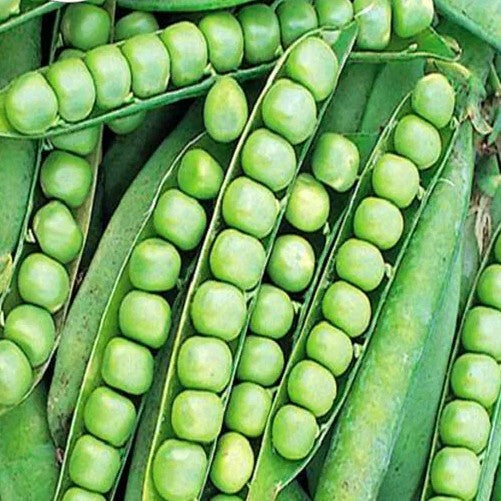
Pea ‘Alderman’ Seeds (Pisum sativum)
Enjoy sweet, tender peas with Pea ‘Alderman’ (Pisum sativum). This classic climbing variety produces long, plump pods filled with flavorful peas, perfect for fresh eating, steaming, or freezing. Hardy and highly productive, it’s ideal for vegetable gardens, allotments, and homegrown culinary delights.
How to Grow
-
Sow seeds directly outdoors from early spring as soon as the soil can be worked.
-
Use well-drained, fertile soil in full sun to partial shade.
-
Sow seeds 3–5 cm deep and 5–7 cm apart in rows 50–60 cm apart.
-
Provide support with stakes, netting, or a trellis for climbing growth.
-
Water consistently, keeping soil moist but not waterlogged.
-
Harvest pods when peas are fully formed but still tender.
Key Features
-
Long, plump, sweet-flavored pods
-
Hardy, climbing, and highly productive
-
Ideal for fresh eating, steaming, or freezing
-
Easy to grow in temperate climates
-
Perfect for vegetable gardens, allotments, and homegrown use
Ideal For
-
Vegetable gardens and allotments
-
Fresh harvest for cooking and freezing
-
Vertical planting with trellises or stakes
-
Companion planting with nitrogen-demanding crops
Sowing
-
Best time: Early spring outdoors
-
Depth: 3–5 cm
-
Spacing: 5–7 cm apart, rows 50–60 cm apart
-
Prefers full sun to partial shade and fertile, well-drained soil
Quick Tip
-
Sow successive batches every 2–3 weeks to enjoy a continuous harvest throughout the season.
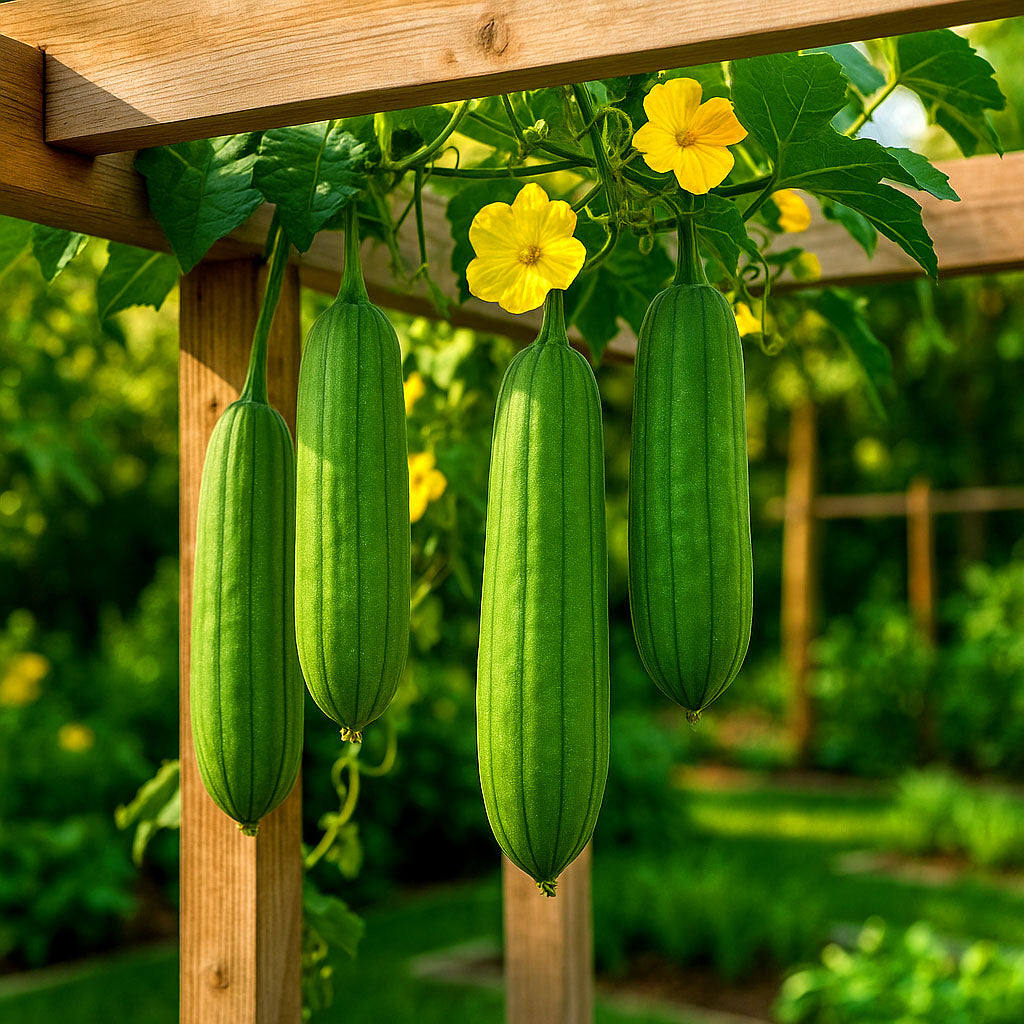
🧽 Luffa cylindrica Loofah / Sponge Gourd – Fast-Growing Climber for Edible Young Fruits & Natural Sponges
Luffa cylindrica is a vigorous, warm-season climbing plant grown both as a vegetable and for producing natural loofah sponges. When harvested young, the smooth green fruits are tender and mild, ideal for stir-fries and curries. Left to fully mature, the fruits dry into fibrous sponges perfect for eco-friendly household and personal care use. With its large leaves, yellow flowers, and strong vines, luffa is also an attractive plant for greenhouses, tunnels, and sunny walls.
Key Features
● Dual-purpose plant: edible young fruits or natural sponges
● Fast-growing, vigorous climbing habit
● Large yellow flowers attractive to pollinators
● Ideal for greenhouses, polytunnels and warm gardens
● Sustainable, plastic-free sponge alternative
How to Sow & Grow Luffa cylindrica (UK)
Sow indoors: III–IV (March–April) in pots
Transplant outdoors: V–VI (May–June) once frost risk has passed and nights stay warm
Direct outdoors: Not recommended in cool climates
Harvest (edible): VII–IX (July–September)
Harvest (sponges): IX–X (September–October)
Germination temperature: 22–28 °C (72–82 °F)
Average germ time: 7–14 days
Depth: 2–3 cm (¾–1¼ in)
Light required: Yes
Moisture: Regular watering; do not allow to dry out
Environment: Full sun
Soil type: Rich, fertile, well-drained soil with added compost
Plant spacing: 60–90 cm (24–36 in)
Vine length: 3–5 m (10–16 ft)
Sowing & Growing Tips (variety-specific)
● Provide strong supports for climbing vines.
● Start seeds indoors for best results in the UK.
● Harvest young fruits frequently for vegetable use.
● Allow fruits to fully mature and dry on the vine for sponges.
● Peel and rinse mature fruits to reveal the natural loofah fibre.
Special Features
● Produces genuine natural loofah sponges
● Edible fruits when young, fibrous sponges when mature
● Excellent choice for sustainable living gardens
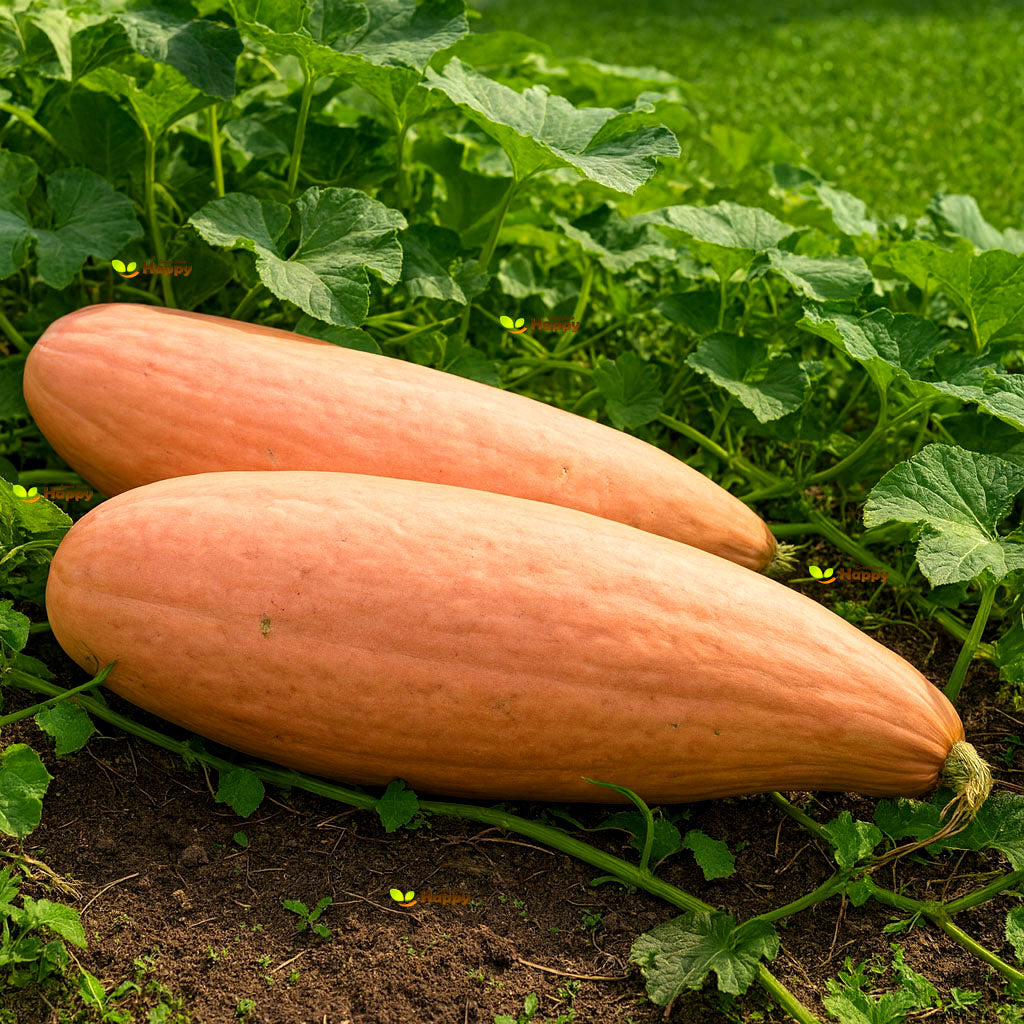
Squash ‘Pink Banana Jumbo’ – 10 Seeds
(Cucurbita maxima) – Heirloom Variety
Squash ‘Pink Banana Jumbo’ is a classic heirloom winter squash prized for its massive size, sweet, fine-textured flesh, and excellent storage qualities. The elongated fruits grow up to 60–90 cm long and can weigh up to 20–30 kg, featuring smooth pink-orange skin and richly flavored orange flesh that’s perfect for baking, soups, roasting, and purées.
Key Features
-
Type: Heirloom winter squash
-
Fruit Size: 60–90 cm long, 20–30 kg
-
Color: Pink-orange skin with deep orange flesh
-
Taste: Sweet, smooth, and nutty flavor
-
Days to Maturity: 100–110 days
-
Harvest: Late summer to autumn
-
Storage: Excellent long-term keeper
Ideal For
-
Home gardens and allotments
-
Farmers’ markets and heritage collections
-
Baking, soups, roasting, and preserves
Sowing & Growing
-
Sow indoors: April – May (18–22 °C) in individual pots
-
Plant outdoors: Late May – June after frost
-
Spacing: 100 × 100 cm (allow plenty of room for vines)
-
Position: Full sun in rich, well-drained soil
-
Watering: Regular and consistent moisture for best fruit set
Care Tips
-
Add compost or manure before planting for vigorous growth.
-
Mulch to retain soil moisture and suppress weeds.
-
Harvest when skin hardens and stems begin to dry.


Cucumber ‘Everest’ – Seeds
(Cucumis sativus) – Reliable F1 Hybrid
The ‘Everest’ cucumber is a highly productive, disease-resistant hybrid that produces slender, dark green cucumbers with a smooth skin and excellent flavor. Ideal for both greenhouse and outdoor cultivation, this variety is well-regarded for its vigorous growth, heavy yields, and resistance to common cucumber diseases such as powdery mildew. Fruits are crisp, refreshing, and perfect for salads, sandwiches, or fresh eating straight from the vine.
Key Features
-
Plant type: Annual, climbing/vining
-
Fruit: Slender, smooth-skinned cucumbers
-
Length: 18–22 cm
-
Color: Dark green
-
Flavor: Crisp, refreshing
-
Position: Full sun
-
Soil: Rich, fertile, well-drained
Ideal For
-
Greenhouse or outdoor growing
-
Fresh salads and raw eating
-
Consistent, high-yield production
-
Gardeners seeking disease-resistant cucumbers
Sowing & Growing
-
Sow indoors: March–April, 1 cm deep in pots.
-
Germination: 7–14 days at 20–25°C.
-
Transplant: May, after last frost.
-
Spacing: 60 cm apart in rows, 150 cm between rows.
-
Harvest: July–September.
Care Tips
-
Provide support (trellis or netting) for climbing vines.
-
Water consistently; keep soil moist but not soggy.
-
Feed with a high-potash fertilizer regularly once flowering starts.
-
Pick fruits frequently to encourage further cropping.
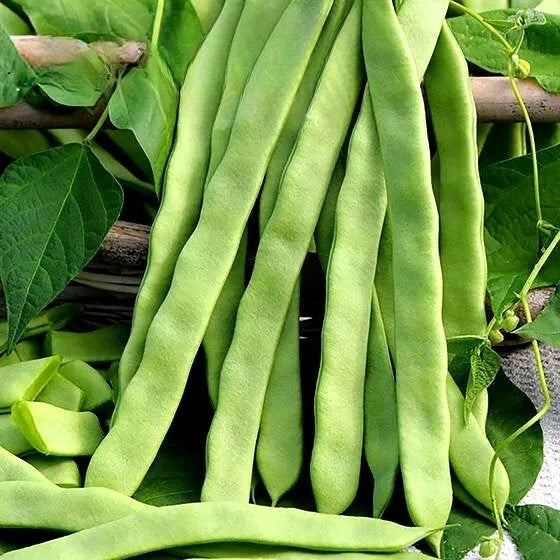
Italian Climbing Black Bean Super Marconi Grano Nero - 20 seeds (Phaseolus vulgaris)
£1.24
Unit price perItalian Climbing Black Bean Super Marconi Grano Nero - 20 seeds (Phaseolus vulgaris)
£1.24
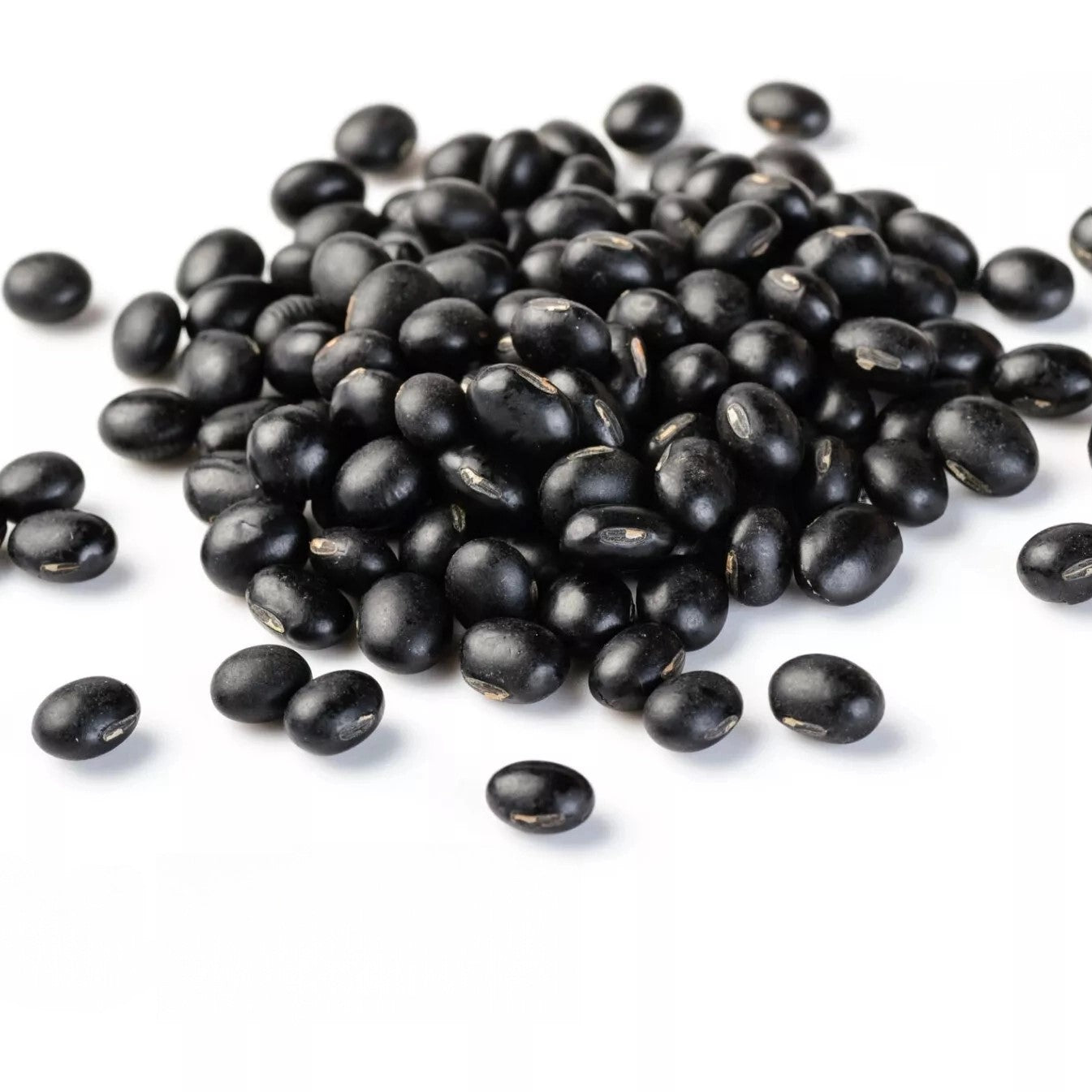
Unit price perItalian Climbing Black Bean 'Super Marconi Grano Nero' – Seeds
(Phaseolus vulgaris) – Heirloom Italian Pole Bean
The ‘Super Marconi Grano Nero’ climbing bean is a traditional Italian variety known for its long, flat pods and striking black beans inside. Highly productive, vigorous, and climbing up to 2–3 meters, it requires staking or trellising. Its pods are tender and delicious when young, while the mature black beans can be dried and stored for hearty soups, stews, and traditional Italian dishes.
Key Features
-
Type: Climbing pole bean (annual legume)
-
Height: 200–300 cm with support
-
Pods: Long, flat, tender, up to 20–25 cm
-
Seeds: Black beans inside when mature
-
Harvest: 65–75 days from sowing
-
Special: Dual-purpose – eat fresh pods or dry beans
Ideal For
-
Fresh harvesting as flat green beans
-
Drying and storing beans for winter dishes
-
Italian and Mediterranean cuisine
-
Vertical gardening with trellises or poles
Sowing & Growing
-
Sow outdoors: May–July, once soil warms (min. 15°C)
-
Spacing: 50 cm between rows, 10–15 cm between plants
-
Support: Needs poles, netting, or trellis
-
Soil: Fertile, well-drained, rich in organic matter
-
Sunlight: Full sun
-
Watering: Consistent, especially during pod setting
Care Tips
-
Harvest young pods regularly to encourage continuous production.
-
Allow some pods to fully mature for drying black beans.
-
Rotate crops yearly to maintain healthy soil.


Trailing Strawberry ‘Rainbow Treasure’ – Seeds (Fragaria ananassa)
Trailing Strawberry ‘Rainbow Treasure’ (Fragaria ananassa) is a delicious and decorative variety that produces sweet, juicy berries along trailing stems. Ideal for hanging baskets, containers, and window boxes, this strawberry delivers a continuous harvest from early summer to autumn. Hardy, easy to grow, and compact, it also produces attractive flowers that attract pollinators, making it a beautiful and productive addition to any garden.
Why Grow "Rainbow Treasure"
-
Sweet, juicy strawberries with continuous summer-to-autumn harvest
-
Trailing habit perfect for hanging baskets and containers
-
Compact, easy-to-grow, and hardy variety
-
Attractive flowers that attract bees and pollinators
Key Features
-
Type: Perennial (Fragaria ananassa)
-
Height: 15–20 cm (trailing)
-
Flowering/Fruiting: Early summer to autumn
-
Position: Full sun
-
Uses: Hanging baskets, containers, window boxes, garden edges
Ideal For
-
Patio and balcony containers
-
Hanging baskets and decorative displays
-
Small-space or urban gardens
-
Pollinator-friendly gardens
Sowing & Growing
-
Sow indoors: February–April in trays or pots
-
Germination: 14–21 days at 18–20°C
-
Transplant outdoors after frost, spacing 20–25 cm
-
Prefers fertile, well-drained soil in full sun
-
Regular watering encourages fruiting
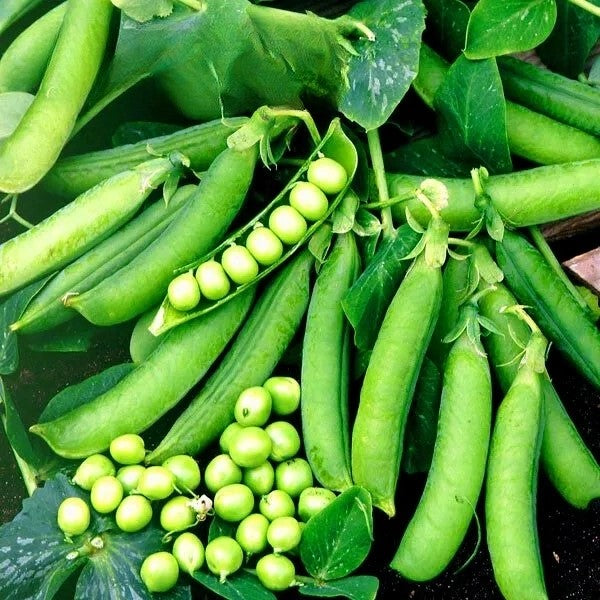
Pea ‘Onward’ Seeds (Pisum sativum)
Enjoy a reliable and early harvest with Pea ‘Onward’ (Pisum sativum). This hardy climbing variety produces long, tender pods filled with sweet, flavorful peas, perfect for fresh eating, steaming, or freezing. Easy to grow and highly productive, it’s ideal for vegetable gardens, allotments, and homegrown culinary use.
How to Grow
-
Sow seeds directly outdoors from early spring as soon as the soil can be worked.
-
Use well-drained, fertile soil in full sun to partial shade.
-
Sow seeds 3–5 cm deep and 5–7 cm apart in rows 50–60 cm apart.
-
Provide stakes, netting, or a trellis for climbing growth.
-
Keep soil consistently moist but not waterlogged.
-
Harvest pods when fully formed but still tender for best flavor.
Key Features
-
Early-maturing climbing variety with long, tender pods
-
Hardy and highly productive
-
Ideal for fresh eating, steaming, or freezing
-
Easy to grow in temperate climates
-
Perfect for vegetable gardens and allotments
Ideal For
-
Vegetable gardens and allotments
-
Fresh harvest for cooking and freezing
-
Climbing support with trellises or stakes
-
Companion planting with nitrogen-fixing crops
Sowing
-
Best time: Early spring outdoors
-
Depth: 3–5 cm
-
Spacing: 5–7 cm apart, rows 50–60 cm apart
-
Prefers full sun to partial shade and fertile, well-drained soil
Quick Tip
-
Sow successive batches every 2–3 weeks to enjoy a continuous early-season harvest.
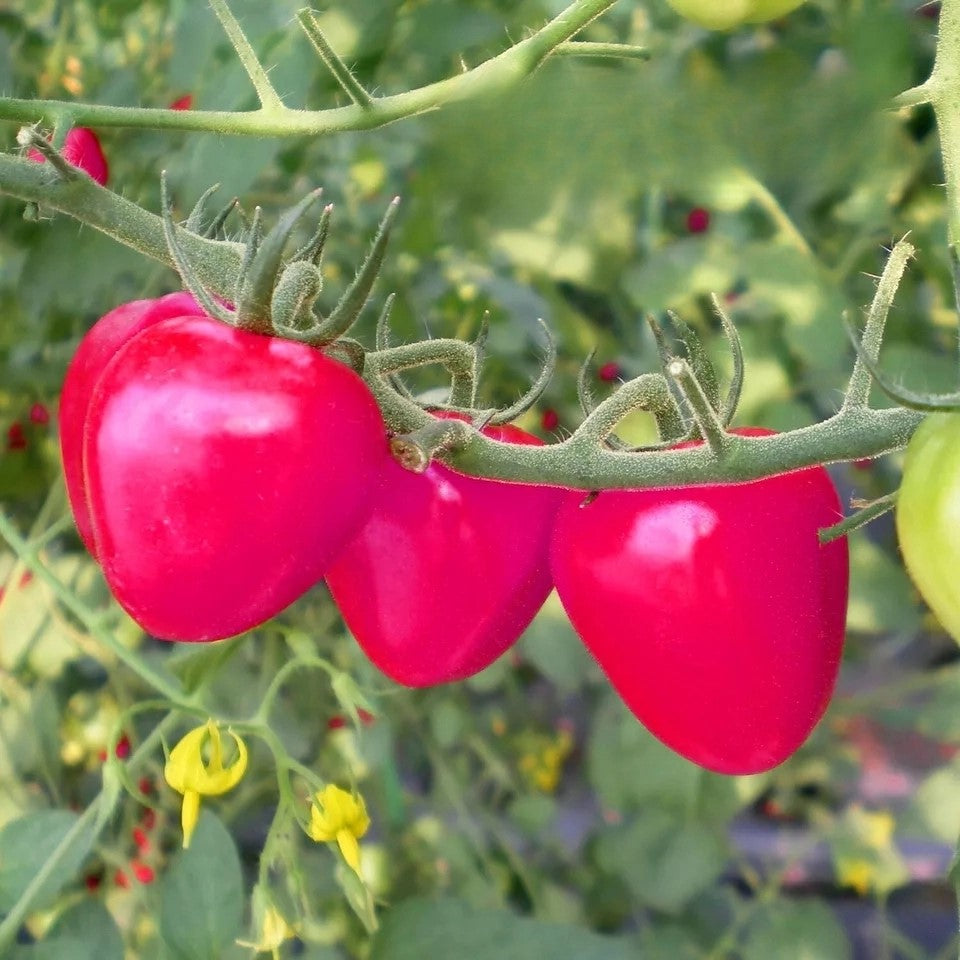
Tomato ‘Herodes’ – Seeds
(Lycopersicon esculentum) – Heirloom Beefsteak Tomato
The ‘Herodes’ tomato is a traditional heirloom beefsteak variety from Eastern Europe, valued for its large, meaty fruits and outstanding flavor. The fruits ripen to a deep rosy-red with pink undertones, offering a rich, sweet, and slightly tangy taste – perfect for slicing, salads, and summer sandwiches. Highly productive, vigorous, and disease-tolerant, this indeterminate variety continues to set fruit throughout the season.
Key Features
-
Type: Indeterminate (climbing)
-
Fruit: Large beefsteak, 250–400 g
-
Color: Rosy red/pink
-
Flavor: Sweet, rich, and meaty
-
Height: 150–200 cm
-
Position: Full sun
-
Soil: Fertile, well-drained, moisture-retentive
Ideal For
-
Fresh slicing and caprese salads
-
Summer sandwiches and burgers
-
Juices, sauces, and preserves
-
Greenhouses, polytunnels, or sunny outdoor beds
Sowing & Growing
-
Sow indoors: February–April, 0.5 cm deep in trays/pots.
-
Germination: 7–14 days at 20–25°C.
-
Transplant: Pot on when true leaves appear.
-
Plant out: May–June, after frost, spacing 50 cm apart.
-
Harvest: July–September.
Care Tips
-
Requires staking or caging.
-
Remove side shoots for better airflow and larger fruits.
-
Feed with high-potash fertilizer once flowers set.

Tomato Trailing 'Ola Polka' Seeds (Solanum lycopersicum)
Bring sunshine to your garden with Tomato Trailing 'Ola Polka' (Solanum lycopersicum). This compact, trailing variety produces an abundance of small, golden-yellow fruits with a sweet, tangy flavor. Perfect for hanging baskets, containers, and patios, ‘Ola Polka’ is highly decorative and productive, making it an excellent choice for limited spaces or decorative edible displays.
How to Grow
-
Sow seeds indoors 6–8 weeks before the last frost.
-
Use fertile, well-drained soil in full sun.
-
Sow 0.5 cm deep and keep soil moist at 20–25°C until germination (7–14 days).
-
Transplant into containers, hanging baskets, or outdoor beds after frost.
-
Water regularly and feed with a tomato fertilizer for best results.
Key Features
-
Compact, trailing tomato variety
-
Produces sweet golden-yellow fruits
-
Perfect for hanging baskets and containers
-
Decorative and productive for small spaces
-
Easy to grow and maintain
Ideal For
-
Hanging baskets and patio pots
-
Container gardening in small spaces
-
Snacking, salads, and garnishes
-
Decorative edible displays
Sowing
-
Best time: Indoors 6–8 weeks before last frost
-
Depth: 0.5 cm
-
Transplant: After last frost into baskets or containers
-
Prefers full sun and fertile, well-drained soil
Quick Tip
-
Regular feeding encourages continuous flowering and heavy crops of golden fruit.
Showing 18/22


