
Sort by:
290 products
290 products
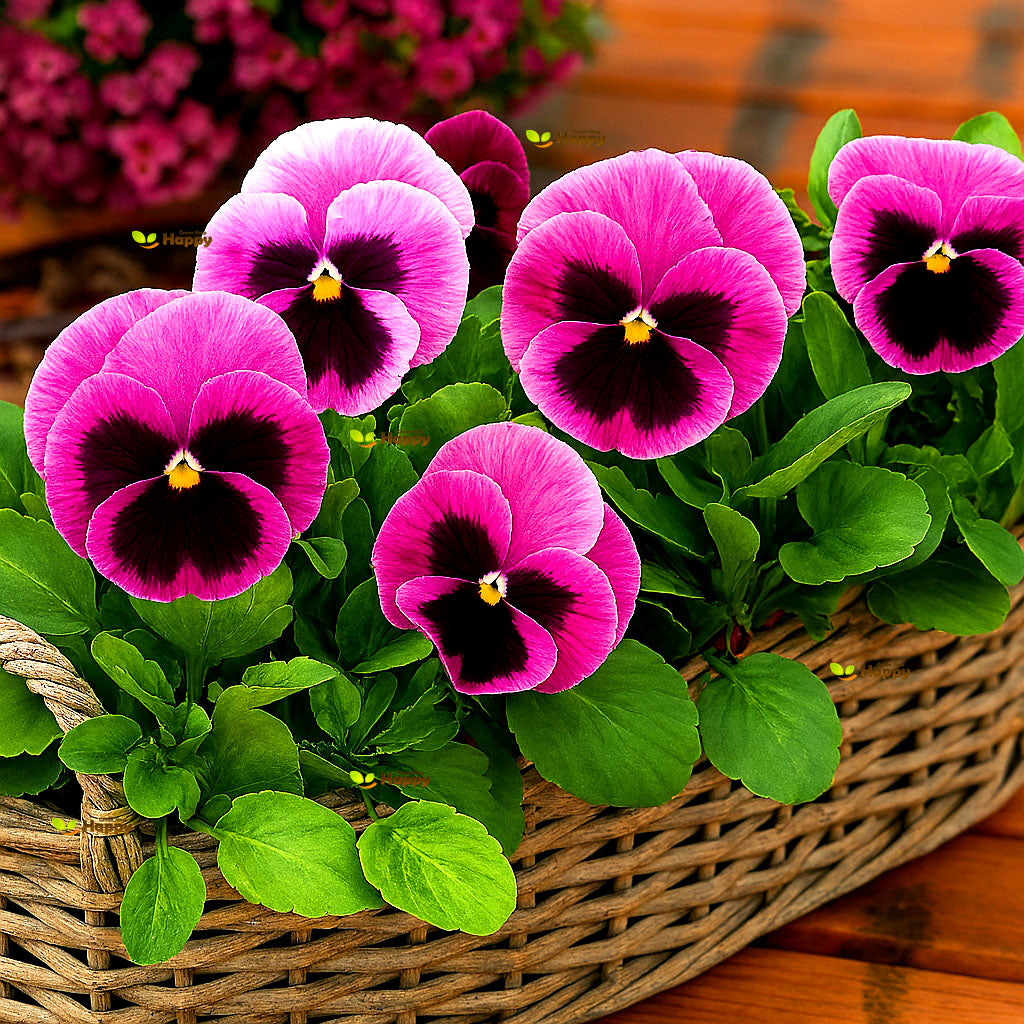
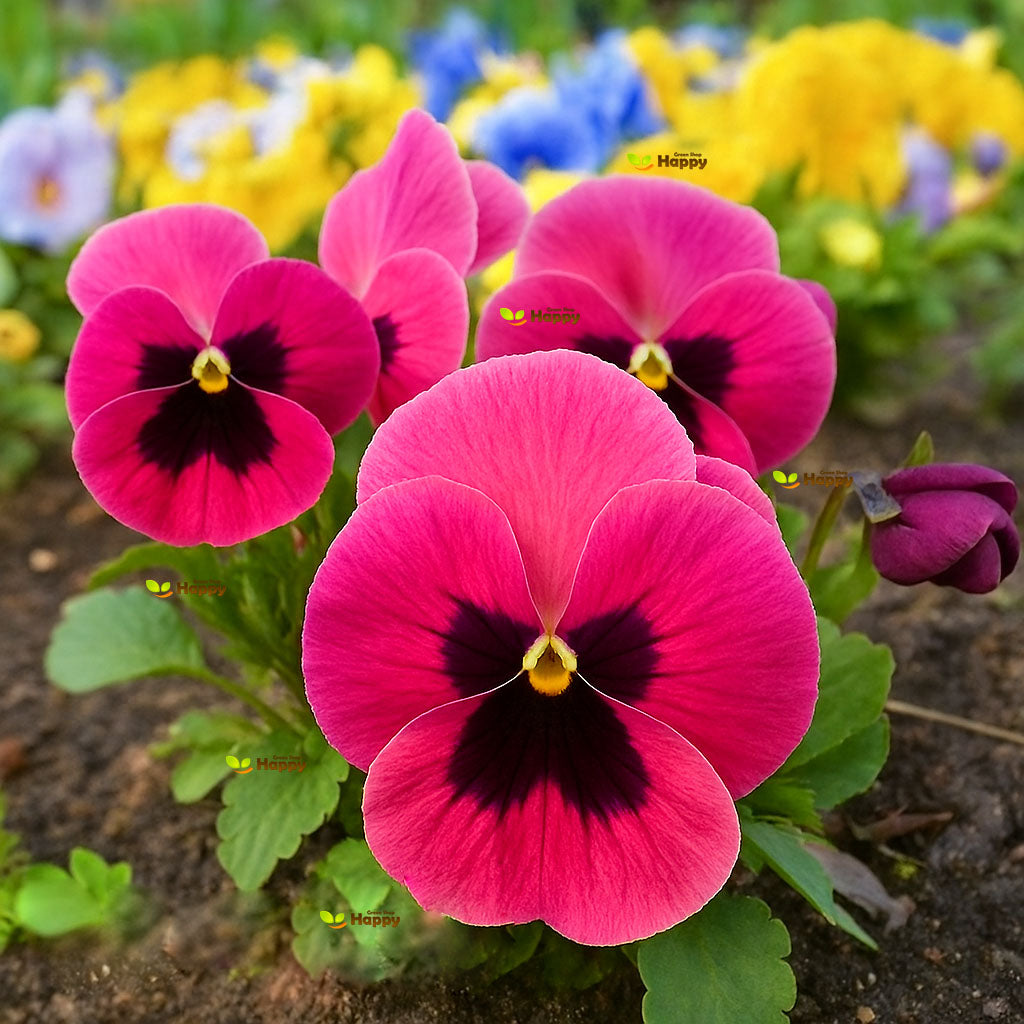
Pansy Swiss Giant ‘Pink’ Seeds (Viola wittrockiana)
A charming pansy variety with large soft pink blooms and a subtle dark center, Swiss Giant ‘Pink’ adds elegance and gentle color to garden beds, borders, and containers. Hardy and easy to grow, it provides long-lasting displays in spring and autumn.
What Makes It Special
-
Large pastel-pink flowers with a delicate face
-
Compact, hardy plants ideal for cool seasons
-
Long flowering period for continuous color
Key Features
-
Botanical name: Viola wittrockiana
-
Hardy annual/biennial
-
Height: 15–20 cm (6–8 in)
-
Bloom time: Early spring and autumn
Ideal For
-
Borders and flower beds
-
Pots, containers, and window boxes
-
Cool-season garden displays
Sowing
-
Sow indoors Feb–Apr or outdoors May–Jun
-
Lightly cover seeds with soil and keep moist
-
Germination: 10–21 days at 15–20°C
-
Transplant seedlings 15–20 cm apart
-
Flowers in spring and autumn after sowing
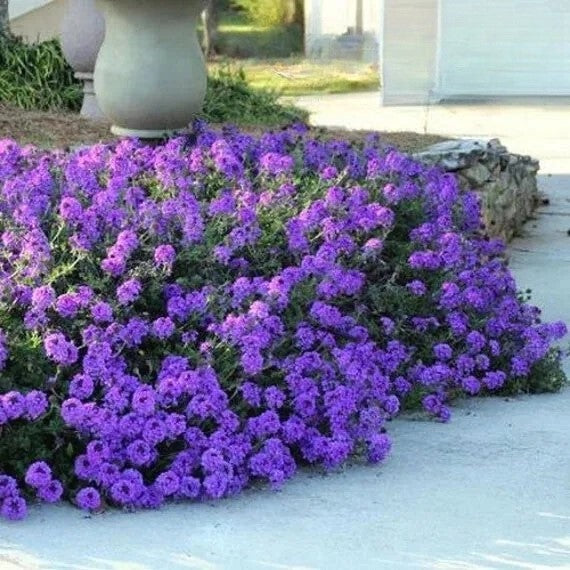
Moss Verbena – Bright, Low-Growing Blooms
Moss Verbena (Verbena tenuisecta) produces a carpet of delicate, star-shaped flowers in shades of purple, pink, and white. Its fine, moss-like foliage and trailing habit make it perfect for borders, rock gardens, and containers. This heat-tolerant, long-flowering annual attracts pollinators and adds vibrant color throughout the summer.
What Makes It Special
-
Low-growing, trailing habit ideal for ground cover
-
Long-lasting blooms in bright, cheerful colors
-
Attracts bees and butterflies
-
Drought-tolerant once established
Key Features
-
Height: 15–20 cm
-
Spreads 30–40 cm
-
Annual – blooms the first year from seed
-
Thrives in full sun and well-drained soil
-
Continuous flowering summer to frost
Ideal For
-
Borders, rock gardens, and containers
-
Pollinator-friendly gardens
-
Summer color displays and edging
-
Hanging baskets and window boxes
Sowing
-
-
Sow indoors 6–8 weeks before last frost or direct in spring
-
Cover seeds lightly with compost
-
Germination: 10–14 days at 18–21°C
-
Space seedlings 20–25 cm apart
-
Full sun and regular watering for best blooms
-
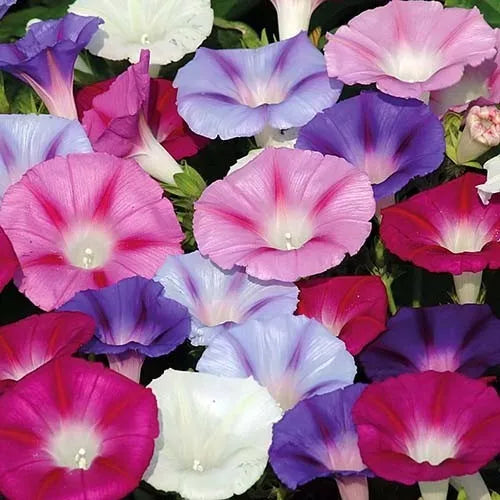
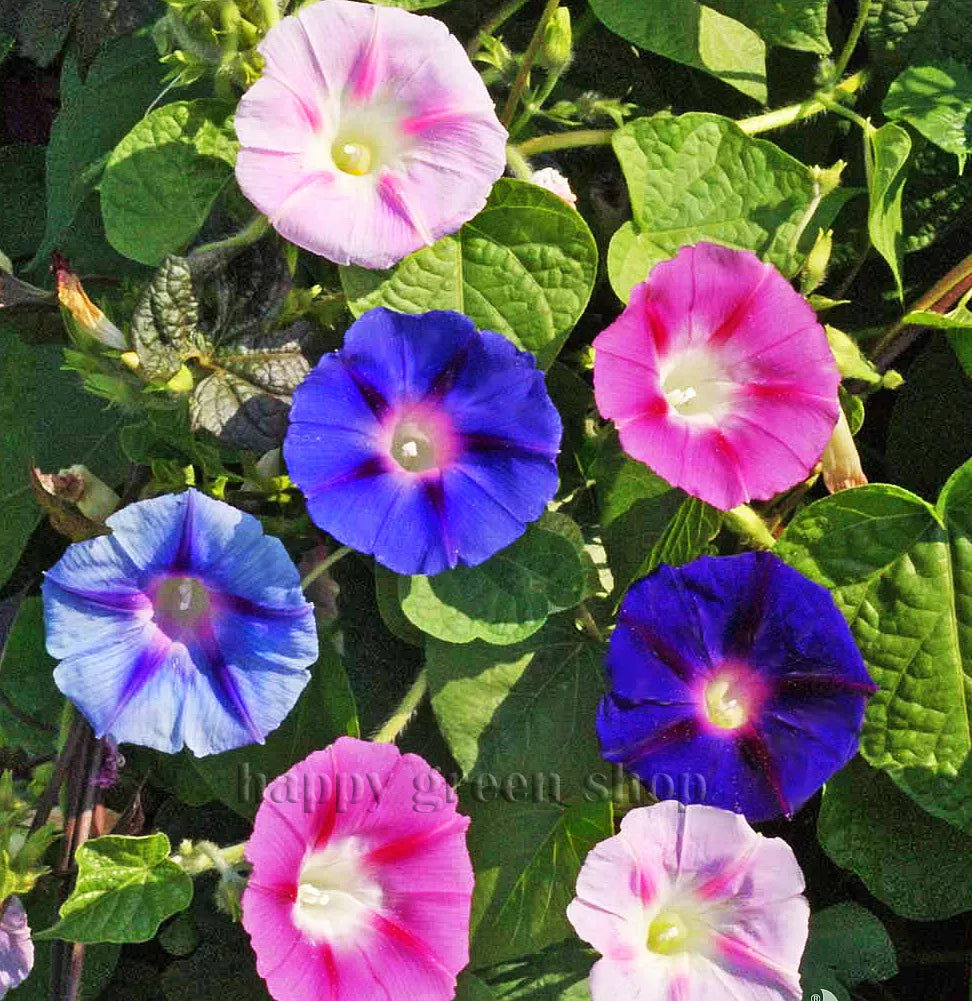
Morning Glory Mix Seeds (Ipomoea tricolor)
Morning Glory Mix is a vibrant climbing annual featuring trumpet-shaped flowers in a variety of colors, including blue, pink, purple, and white. Its rapid growth and twining habit make it perfect for trellises, fences, arches, and containers. Loved for its colorful display and long flowering season, it adds vertical charm to any garden.
What Makes It Special
-
Trumpet-shaped blooms in multiple colors for a dynamic display
-
Fast-growing climber ideal for vertical gardening
-
Long-flowering from summer to autumn
-
Attracts pollinators like bees and butterflies
Key Features
-
Botanical name: Ipomoea tricolor
-
Variety: Mix
-
Seed count: Approx. seeds per pack
-
Height/Spread: Climbs 2–3 m; spread depends on support
-
Position: Full sun; fertile, well-drained soil
-
Flowering period: July–October
Ideal For
-
Trellises, fences, pergolas, and arches
-
Containers with support for vertical growth
-
Pollinator-friendly gardens
-
Adding vibrant color to summer and autumn garden spaces
Sowing Instructions
-
When to sow: February–April indoors; March–May outdoors
-
How to sow:
-
Scarify or soak seeds overnight for faster germination
-
Sow seeds 1–2 cm deep in pots or seed trays
-
Germination occurs in 7–14 days at 20–25°C
-
-
Transplanting: Plant outdoors with support after frost
-
Care: Water moderately; provide trellis or support; pinch tips for bushier growth

Sweet William ‘Pinocchio’ Mix – Seeds
(Dianthus barbatus) – Biennial/Short-lived Perennial
The Sweet William ‘Pinocchio’ Mix is a compact variety that produces charming clusters of vividly colored flowers in shades of red, pink, white, and bicolor. Its fragrant, long-lasting blooms make it a favorite for borders, rock gardens, and cut flowers. Compact in habit, it’s perfect for smaller spaces and containers while still bringing cottage-garden charm.
Key Features
-
Type: Biennial / short-lived perennial
-
Height: 25–30 cm
-
Blooming period: May–July (from second year)
-
Position: Full sun to partial shade
-
Soil: Well-drained, fertile soil
Ideal For
-
Borders and edging
-
Rock and cottage gardens
-
Containers and small gardens
-
Long-lasting cut flowers
Sowing & Growing
-
Sow indoors: February–April at 18–20°C
-
Sow outdoors: May–June for flowering the following year
-
Sowing depth: Surface sow, lightly cover with fine soil
-
Spacing: 15–20 cm apart
-
Care: Deadhead regularly; mulch in winter for protection

Mexican Tarragon – Seeds
(Tagetes lucida) – Perennial Herb / Ornamental
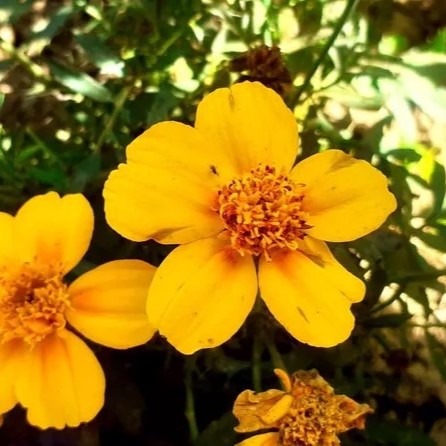
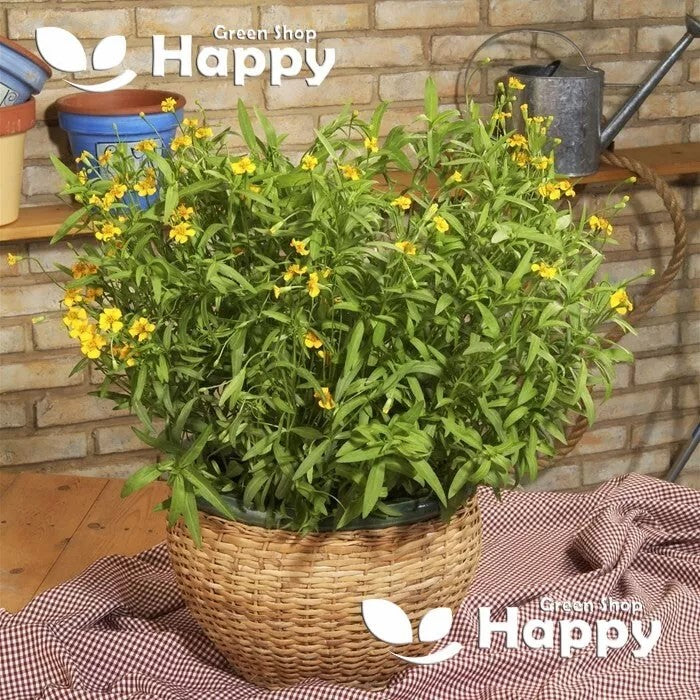
Mexican Tarragon, also known as Sweet Mace or Spanish Tarragon, is a versatile plant prized both as a culinary herb and a decorative flower. It produces bright golden-yellow blossoms and aromatic leaves with a distinctive anise-like flavor, often used as a substitute for French tarragon in cooking. Highly valued in traditional medicine and rituals, it is also a magnet for pollinators like bees and butterflies.
Key Features
-
Type: Tender perennial (often grown as annual in cooler climates)
-
Height: 45–75 cm
-
Spread: 30–40 cm
-
Flowers: Clusters of golden-yellow blooms
-
Blooming period: Summer to autumn
-
Position: Full sun
-
Soil: Well-drained, moderately fertile soil
-
Other: Aromatic foliage; edible herb
Ideal For
-
Herb and kitchen gardens
-
Summer borders and cottage gardens
-
Pollinator-friendly gardens
-
Containers and pots
-
Edible landscaping
Culinary & Herbal Uses
-
Leaves used fresh or dried in soups, sauces, chicken, and fish dishes
-
Herbal teas with calming properties
-
Traditional medicinal and ceremonial uses
Sowing & Growing
-
Sow indoors: February–April in seed trays with light soil.
-
Germination: 7–14 days at 18–22°C.
-
Transplant: Harden off and plant outdoors after the last frost.
-
Care: Prefers sunny, warm positions. Pinch young shoots to encourage bushiness. Harvest leaves before flowering for best flavor.
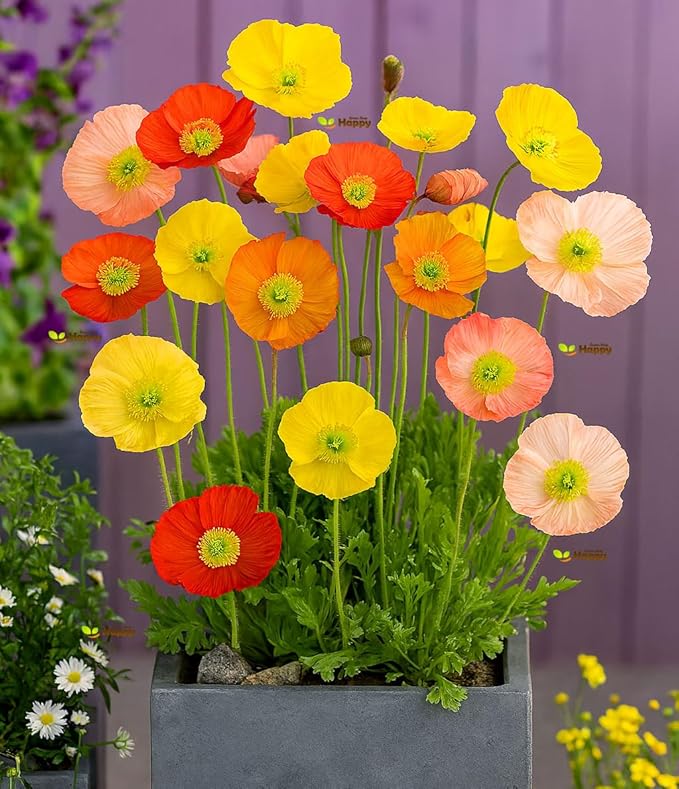
Iceland Poppy ‘F2 Wind Song’ Mix Seeds (Papaver nudicaule)
A delicate and charming mix, Iceland Poppy ‘F2 Wind Song’ produces vibrant, papery blooms in shades of pink, orange, yellow, and white. Hardy and long-flowering, these poppies are perfect for borders, rock gardens, and wildflower-style plantings, bringing cheerful color from late spring into summer.
What Makes It Special
-
Soft, papery flowers in a mix of pastel and bright shades
-
Hardy, compact plants that thrive in cooler climates
-
Attracts bees and pollinators, enhancing wildlife-friendly gardens
Key Features
-
Botanical name: Papaver nudicaule
-
Hardy perennial (often grown as an annual)
-
Height: 30–45 cm (12–18 in)
-
Bloom time: Late spring to early summer
Ideal For
-
Borders, beds, and rock gardens
-
Wildflower and cottage-style plantings
-
Containers and pots for bright seasonal color
Sowing
-
Sow indoors Feb–Apr or outdoors Mar–May
-
Scatter seeds on the surface of well-drained soil; do not cover
-
Germination: 14–28 days at 15–20°C
-
Thin seedlings to 20–30 cm apart
-
Flowers the same year when sown in spring
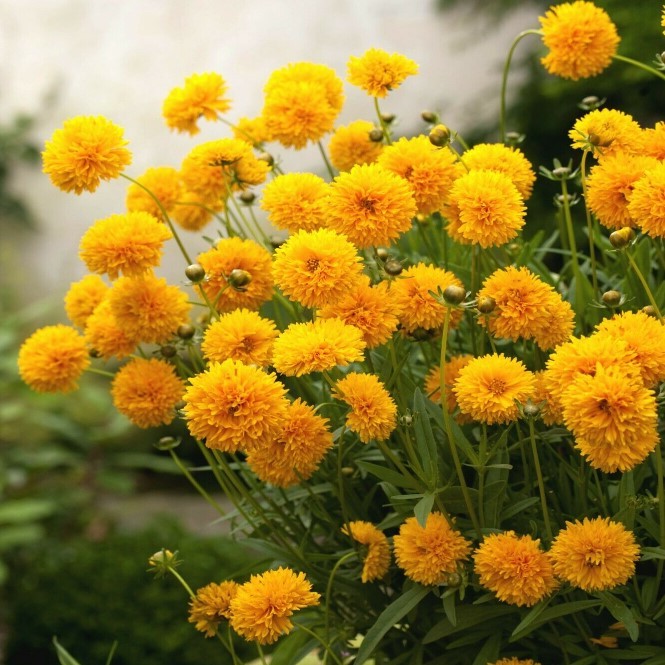
Coreopsis ‘Golden Globe’ Yellow Seeds (Coreopsis grandiflora)
Coreopsis ‘Golden Globe’ is a hardy perennial with bright golden-yellow, daisy-like flowers that bloom profusely from early summer to autumn. Compact and bushy, it’s perfect for borders, containers, and sunny garden beds. Easy to grow and drought-tolerant, it attracts bees and butterflies, adding cheerful color and pollinator-friendly appeal.
What Makes It Special
-
Vivid golden-yellow blooms all summer
-
Compact, bushy habit ideal for borders and containers
-
Attracts bees, butterflies, and other pollinators
Key Features
-
Botanical name: Coreopsis grandiflora
-
Hardy perennial
-
Height: 40–50 cm
-
Bloom time: Early summer to autumn
Ideal For
-
Borders, containers, and sunny beds
-
Pollinator-friendly gardens
-
Cottage and wildflower-style plantings
Sowing
-
Sow indoors Feb–Apr or outdoors Apr–Jun
-
Cover seeds lightly with soil
-
Germination: 14–21 days at 18–22°C
-
Space seedlings 30–35 cm apart
-
Flowers from the second year onward

Celosia Giant Mix – Towering Plumes of Fiery Color
Celosia Giant Mix produces bold, feathery plumes in brilliant shades of red, orange, yellow, and pink. These tall, show-stopping blooms add vibrant color and striking texture to summer borders, cutting gardens, and large containers. Flowering nonstop until frost, they bring drama and height to any display.
What Makes It Special
-
Extra-tall plumed celosia for maximum impact
-
Brilliant mix of fiery summer colors
-
Excellent for cut and dried floral arrangements
-
Thrives in hot, sunny conditions
-
Long-flowering from summer to frost
Key Features
-
Height: 80–100 cm – perfect for back borders
-
Heat- and drought-tolerant once established
-
Adds height and structure to garden designs
-
Attracts bees and butterflies
-
Easy to grow and low-maintenance
Ideal For
-
Back borders and cutting gardens
-
Large pots and planters
-
Dried flower crafts and arrangements
-
Bold, tropical-inspired displays
Sowing
-
Sow indoors 6–8 weeks before last frost or direct sow after frost danger has passed
-
Lightly press seeds into soil, do not cover heavily
-
Germination: 7–14 days at 21–24°C
-
Space plants 25–30 cm apart
-
Prefers full sun and well-drained soil

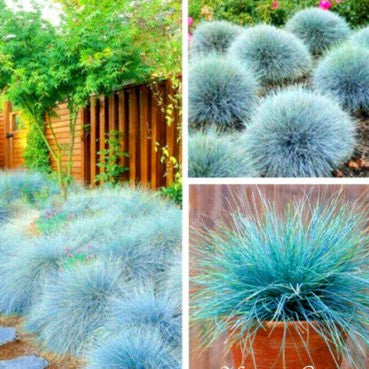
Blue Fescue Grass Seeds (Festuca glauca)
Blue Fescue is a compact, clump-forming ornamental grass prized for its striking silvery-blue foliage and neat rounded habit. It provides year-round interest and a beautiful contrast to flowering plants, rock gardens, or modern landscapes. Easy to grow and low-maintenance, this grass is a top choice for adding texture and color to gardens.
What Makes It Special
-
Stunning steel-blue foliage that keeps its color year-round
-
Compact, tufted shape – perfect for edging or groundcover
-
Extremely hardy and drought-tolerant once established
-
Low-maintenance and versatile in garden design
Key Features
-
Botanical name: Festuca glauca
-
Common name: Blue Fescue
-
Seed count: Approx. seeds per pack
-
Height/Spread: 20–30 cm tall, 25–30 cm spread
-
Position: Full sun; well-drained soil (thrives in poor, dry soils)
-
Flowering period: Summer (produces delicate flower spikes)
-
Lifespan: Hardy perennial
Ideal For
-
Rock gardens and alpine displays
-
Borders and edging along paths
-
Containers and modern minimalist gardens
-
Drought-tolerant or low-maintenance landscapes
-
Adding color contrast to mixed plantings
Sowing Instructions
-
When to sow: February–April indoors or May–June outdoors
-
How to sow:
-
Sow thinly on the surface of moist, well-draining compost
-
Press seeds lightly into the soil, do not cover deeply (light aids germination)
-
Keep at 15–20°C; germination in 14–28 days
-
-
Transplant: When seedlings are large enough, prick out and grow in pots before planting out
-
Planting out: Choose a sunny spot with free-draining soil; avoid overly wet conditions
-
Care: Minimal maintenance required. Cut back old leaves in early spring to encourage fresh growth.
Showing 99/290


