
Sort by:
290 products
290 products
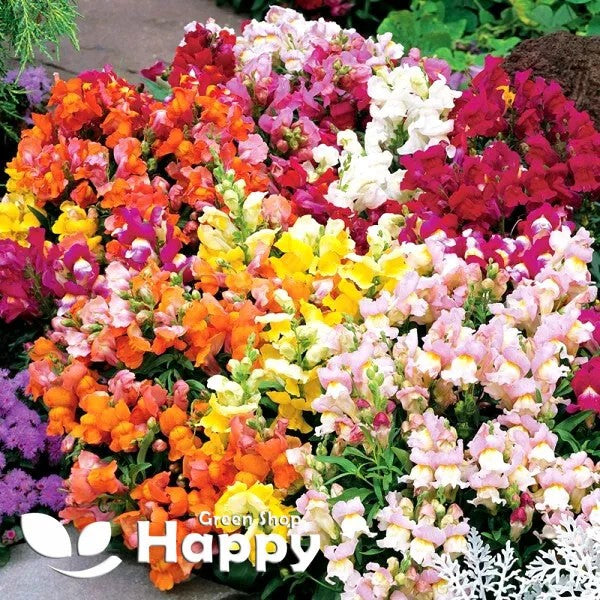
Dwarf Snapdragon Mixed Seeds (Antirrhinum majus ‘Nanum’)
Dwarf Snapdragon Mixed is a compact, bushy variety producing charming spikes of colorful flowers in a wide range of shades. Unlike tall snapdragons, this dwarf form is perfect for containers, edging, and the front of borders. With its cheerful blooms and long flowering season, it’s an easy way to brighten up your summer garden.
What Makes It Special
-
Compact and bushy growth habit
-
Bright, tubular flowers in assorted colors
-
Long-lasting summer display
-
Great for pots, window boxes, and borders
Key Features
-
Botanical name: Antirrhinum majus ‘Nanum’
-
Variety: Mixed
-
Seed count: Approx. seeds per pack
-
Height/Spread: 20–30 cm tall, 15–20 cm spread
-
Position: Full sun; well-drained, fertile soil
-
Flowering period: June–September
Ideal For
-
Containers, window boxes, and patio pots
-
Fronts of borders and garden edging
-
Pollinator-friendly gardens
-
Summer bedding displays
Sowing Instructions
-
When to sow: February–April indoors; March–May outdoors
-
How to sow:
-
Sow seeds thinly on the surface of moist seed compost; press lightly but do not cover
-
Germination takes 10–14 days at 18–20°C
-
-
Transplanting: Harden off seedlings and plant outdoors 15–20 cm apart after frost risk has passed
-
Care: Keep soil evenly moist and deadhead regularly to extend flowering


Angel Wings 'Dr Badger's' hybrids mix - 1600 seeds (Schizanthus wisetonensis)
£1.24
Unit price perAngel Wings 'Dr Badger's' hybrids mix - 1600 seeds (Schizanthus wisetonensis)
£1.24
Unit price perAngel Wings ‘Dr Badger’s’ Hybrids Mix – 1,000 Seeds (Schizanthus wisetonensis)
Angel Wings ‘Dr Badger’s’ Hybrids (Schizanthus wisetonensis) is a stunning annual producing delicate, fringed blooms in a mix of vibrant colors. Its compact, bushy habit makes it perfect for borders, containers, and rockeries. Easy to grow and long-flowering, it adds a touch of exotic beauty to gardens while attracting pollinators.
Why Grow "Dr Badger’s Hybrids"
-
Fringed, vibrant blooms in assorted colors
-
Compact, bushy growth habit
-
Long flowering season from summer to autumn
-
Attracts bees and butterflies
Key Features
-
Type: Annual (Schizanthus wisetonensis)
-
Height: 20–40 cm
-
Flowering: June–September
-
Position: Full sun to partial shade
-
Uses: Borders, containers, rockeries, pollinator-friendly gardens
Ideal For
-
Cottage-style and ornamental borders
-
Container planting and patios
-
Pollinator-friendly gardens
-
Rockeries and small garden beds
Sowing & Growing
-
Sow indoors: February–April in seed trays or pots
-
Sow outdoors: After last frost in prepared soil
-
Germination: 10–20 days at 18–20°C
-
Thin seedlings to 15–20 cm apart
-
Prefers well-drained soil and sunny positions
-
Deadhead occasionally to encourage prolonged flowering
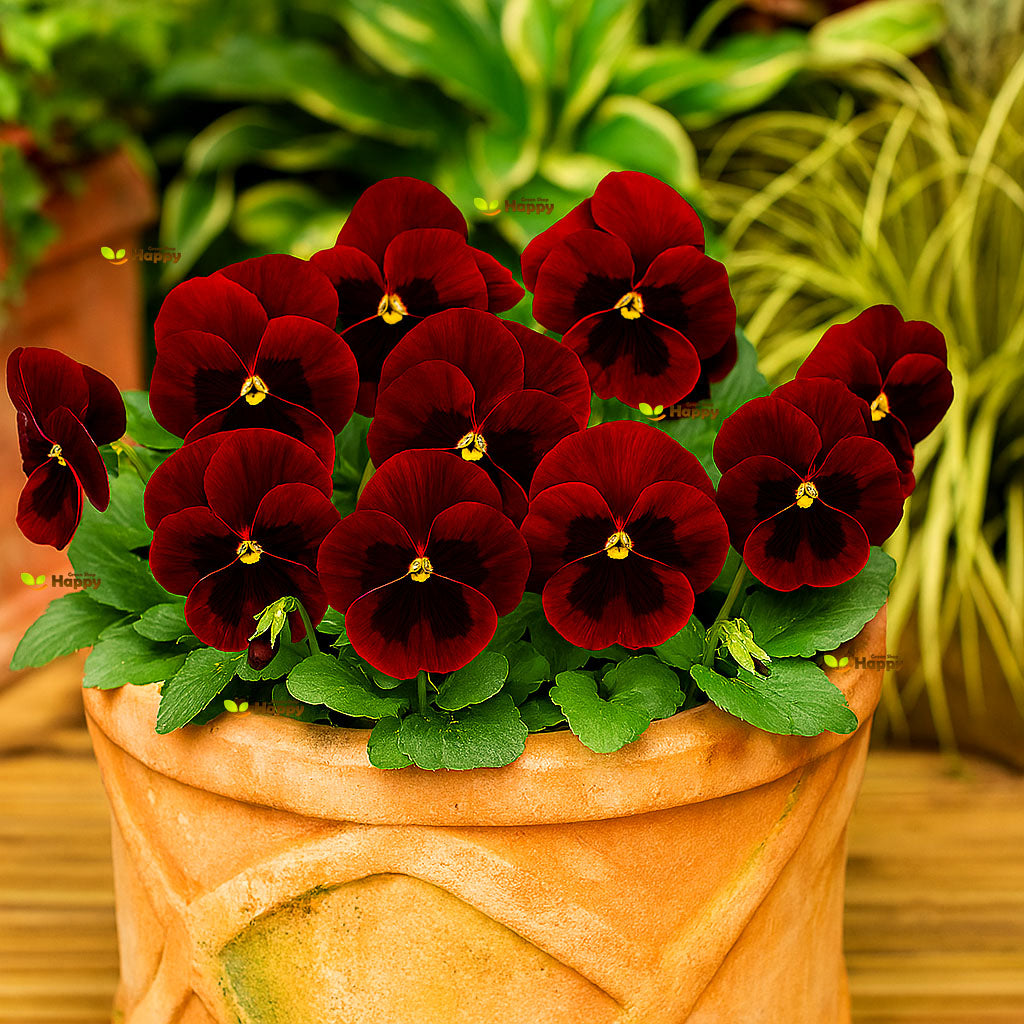
Pansy Swiss Giant ‘Red Claret’ Seeds (Viola wittrockiana)
A bold and dramatic pansy variety, Swiss Giant ‘Red Claret’ produces large velvety blooms in deep wine-red shades with a striking dark center. Hardy and reliable, it’s perfect for adding rich color to spring and autumn displays in beds, borders, and containers.
What Makes It Special
-
Large velvety blooms in deep claret-red
-
Compact and hardy for cool-season planting
-
Long flowering season with lasting garden impact
Key Features
-
Botanical name: Viola wittrockiana
-
Hardy annual/biennial
-
Height: 15–20 cm (6–8 in)
-
Bloom time: Early spring and autumn
Ideal For
-
Beds and borders
-
Containers, pots, and window boxes
-
Seasonal color in cool weather
Sowing
-
Sow indoors Feb–Apr or outdoors May–Jun
-
Cover seeds lightly with soil and keep moist
-
Germination: 10–21 days at 15–20°C
-
Transplant seedlings 15–20 cm apart
-
Flowers in spring and autumn after sowing
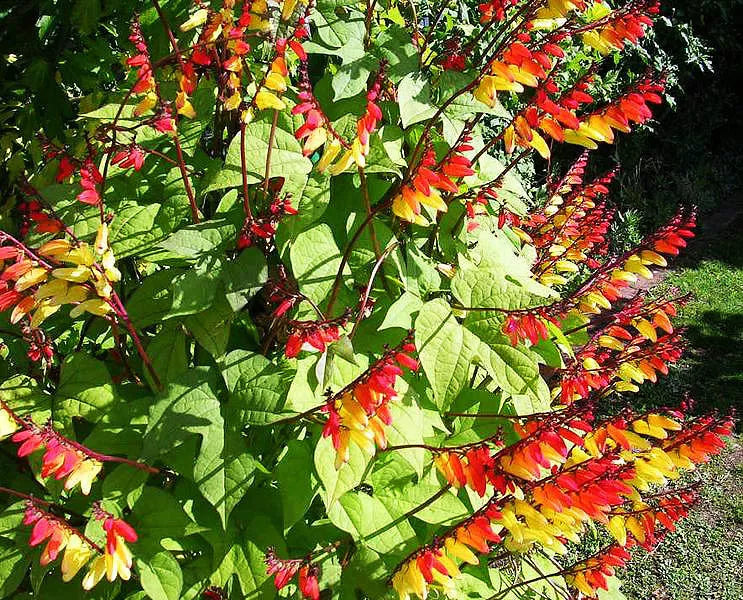
Mina 'Spanish Flag' – 65 Seeds (Mina lobata)
Bring vibrant color and vertical drama to your garden with Mina lobata, also known as the Spanish Flag or Exotic Love Vine. This spectacular climber produces cascades of flame-like flower spikes that open red, then mature through orange, yellow, and finally creamy white—creating a dazzling tricolor effect all season long. Fast-growing and easy to train, it’s a showstopper for trellises, arches, and fences.
What Makes It Special
-
Striking multi-colored flower spikes in fiery shades
-
A vigorous annual climber that covers structures quickly
-
Long-lasting blooms from summer to frost
Key Features
-
Height: up to 3–5 m with support
-
Annual, fast-growing
-
Blooms from midsummer to autumn
-
Perfect for vertical gardening and decorative screening
Ideal For
-
Trellises, arches, pergolas, and fences
-
Adding a tropical flair to summer gardens
-
Containers with climbing supports
Sowing
-
Sow indoors Feb–Apr at 18–22°C
-
Germination: 10–21 days
-
Harden off and plant outdoors after last frost in full sun
-
Provide strong support for climbing
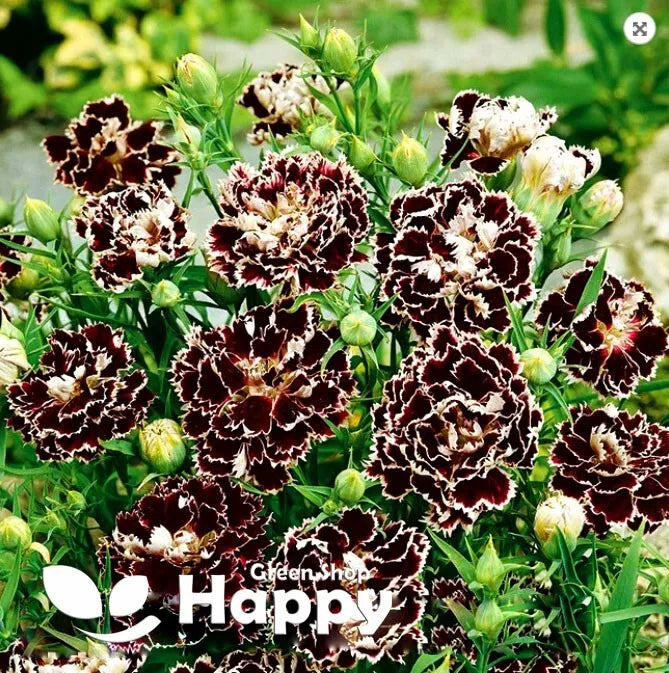
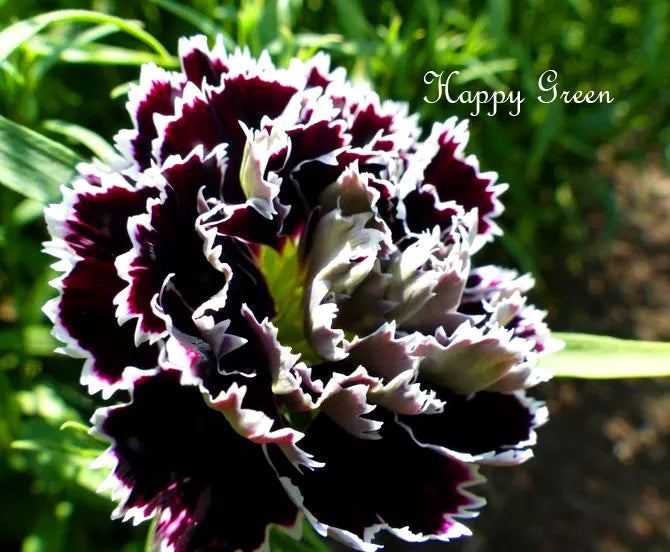
Carnation Black – Seeds (Dianthus heddewigii ‘Chianti’)
Carnation ‘Black Chianti’ is a dramatic annual with deep, velvety maroon to near-black blooms that make a bold statement in beds, borders, and cut arrangements. Its compact habit, long flowering season, and striking color bring elegance and contrast to any garden. Easy to grow and perfect for adding depth to mixed displays.
Why Grow "Black Chianti"
-
Striking near-black, velvety blooms
-
Compact and easy to grow
-
Long flowering season
-
Great for cutting and arrangements
Key Features
-
Type: Hardy annual (Dianthus heddewigii)
-
Height: 30–45 cm
-
Flowering: June–September
-
Position: Full sun, well-drained soil
-
Uses: Borders, containers, cut flowers
Ideal For
-
Bold bedding schemes
-
Patio containers
-
Cottage and modern gardens
-
Dark accents in floral displays
Sowing & Growing
-
Sow indoors: February–April in trays/pots
-
Sow outdoors: April–June in prepared soil
-
Germination: 7–14 days at 18–22°C
-
Transplant or thin to 20–25 cm apart
-
Remove spent blooms to extend flowering
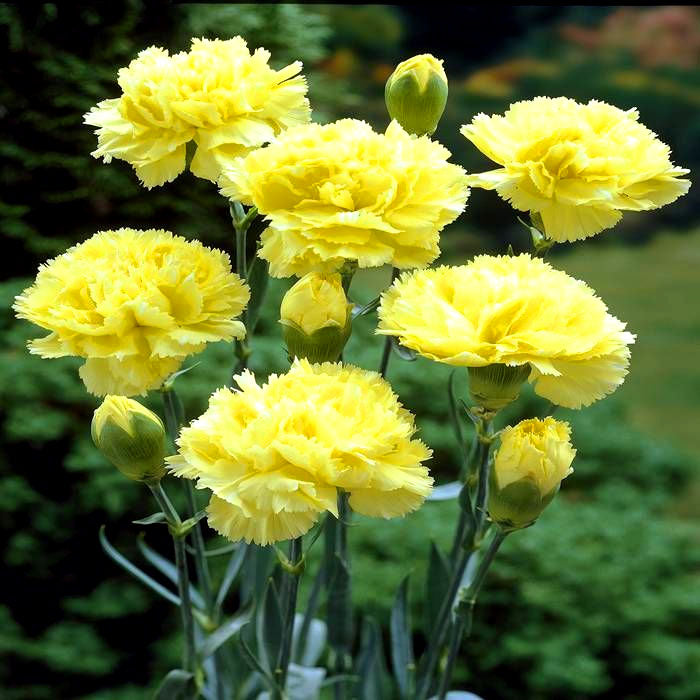
Carnation 'Marie Chabaud' - 350 seeds (Dianthus caryophyllus) Cutting Flower
£1.24
Unit price perCarnation 'Marie Chabaud' - 350 seeds (Dianthus caryophyllus) Cutting Flower
£1.24
Unit price perCarnation ‘Marie Chabaud’ Seeds (Dianthus caryophyllus) – Cutting Flower
Bring classic elegance to your garden with Carnation ‘Marie Chabaud’ (Dianthus caryophyllus). This hardy annual produces large, fragrant blooms in soft pink shades, perfect for cutting gardens, borders, and containers. Long-flowering and easy to grow, it’s ideal for fresh bouquets and floral arrangements.
How to Grow
-
Sow indoors 8–10 weeks before the last frost or directly outdoors after frost risk has passed.
-
Use well-drained, fertile soil in full sun.
-
Lightly cover seeds with soil and keep moist until germination (10–14 days).
-
Transplant seedlings when large enough to handle, spacing 20–25 cm apart.
-
Water regularly and remove spent flowers to encourage continuous blooming.
Key Features
-
Large, fragrant blooms in soft pink shades
-
Long-flowering, ideal for cutting gardens
-
Hardy and easy to grow
-
Perfect for fresh bouquets and floral arrangements
-
Attracts pollinators including bees and butterflies
Ideal For
-
Cutting gardens for fresh flowers
-
Flower beds, borders, and containers
-
Pollinator-friendly gardens
-
Floral arrangements and bouquets
Sowing
-
Best time: 8–10 weeks before last frost indoors or after frost outdoors
-
Germination: 10–14 days
-
Sow thinly, cover lightly, and keep soil moist
-
Prefers full sun and fertile, well-drained soil
Quick Tip
-
Regularly deadhead to prolong flowering and maintain healthy, vibrant blooms throughout the season.
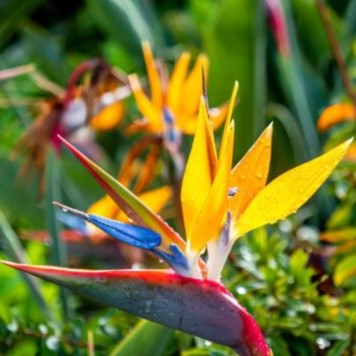
Bird of Paradise – Seeds (Strelitzia reginae)
Bird of Paradise is one of the world’s most striking ornamental plants, prized for its dramatic flowers that resemble tropical birds in flight. With vibrant orange and blue petals, it brings an exotic touch to gardens, patios, or conservatories. Though slow to flower from seed, the reward is a spectacular, long-lasting display that makes it a true centerpiece plant.
Why Grow "Bird of Paradise"
-
Exotic orange-and-blue flowers resembling birds in flight
-
Stunning architectural foliage year-round
-
Long-lived, impressive container or garden plant
-
A tropical showpiece with dramatic visual impact
Key Features
-
Type: Perennial (Strelitzia reginae)
-
Height: 1–1.5 m
-
Flowering: Typically 3–5 years from seed, then annually
-
Position: Full sun to partial shade
-
Uses: Specimen plant, patios, conservatories, tropical-style gardens
Ideal For
-
Creating a tropical centerpiece indoors or outdoors
-
Container growing for patios and conservatories
-
Adding dramatic, exotic flair to gardens
-
Patient gardeners seeking a rewarding long-term plant
Sowing & Growing
-
Scarify seeds and soak in warm water for 24–48 hours before sowing
-
Sow indoors: Anytime with heat (20–25°C)
-
Germination: May take 1–3 months
-
Transplant seedlings into pots, spacing well
-
Requires well-drained soil, regular feeding, and patience to flower
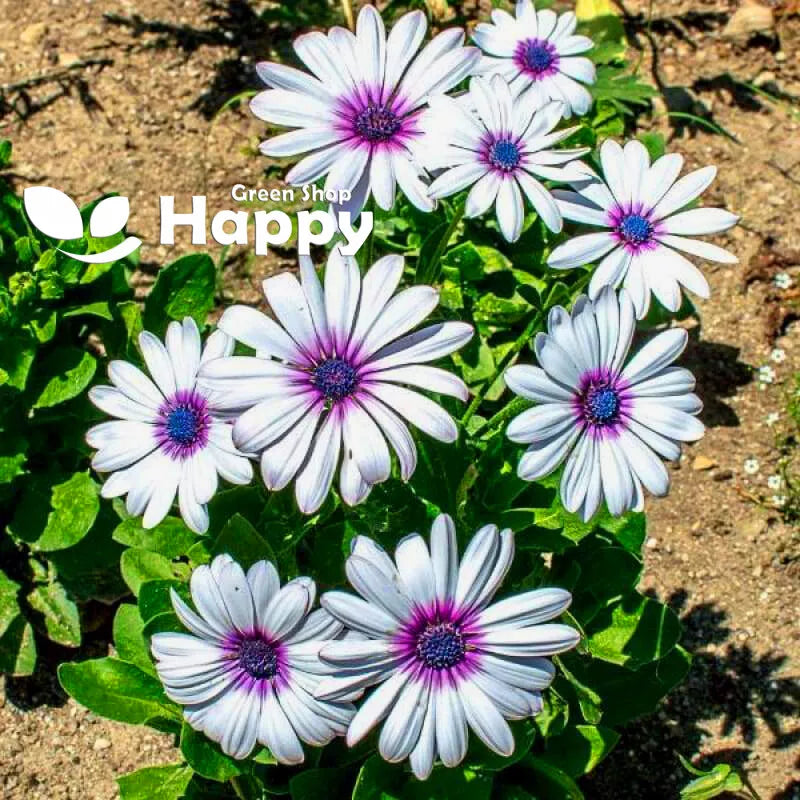
African Daisy ‘Polar Star’ Seeds (Dimorphotheca pluvialis)
African Daisy ‘Polar Star’ is a striking annual with pure white, daisy-like blooms featuring a contrasting dark center. Blooming from late spring to autumn, it adds a crisp, clean look to borders, containers, and rock gardens. Hardy, drought-tolerant, and long-flowering, it’s perfect for sunny locations and pollinator-friendly plantings.
What Makes It Special
-
Pure white blooms with a contrasting dark center
-
Long-lasting, sun-loving, and drought-tolerant
-
Attracts bees and butterflies
Key Features
-
Botanical name: Dimorphotheca pluvialis
-
Annual
-
Height: 25–40 cm
-
Bloom time: Late spring to autumn
Ideal For
-
Borders, containers, and rock gardens
-
Sunny, well-drained spots
-
Pollinator-friendly gardens
Sowing
-
Sow indoors Feb–Apr or outdoors Apr–Jun
-
Cover seeds lightly with soil
-
Germination: 10–14 days at 18–22°C
-
Space seedlings 20–25 cm apart
-
Flowers the same year
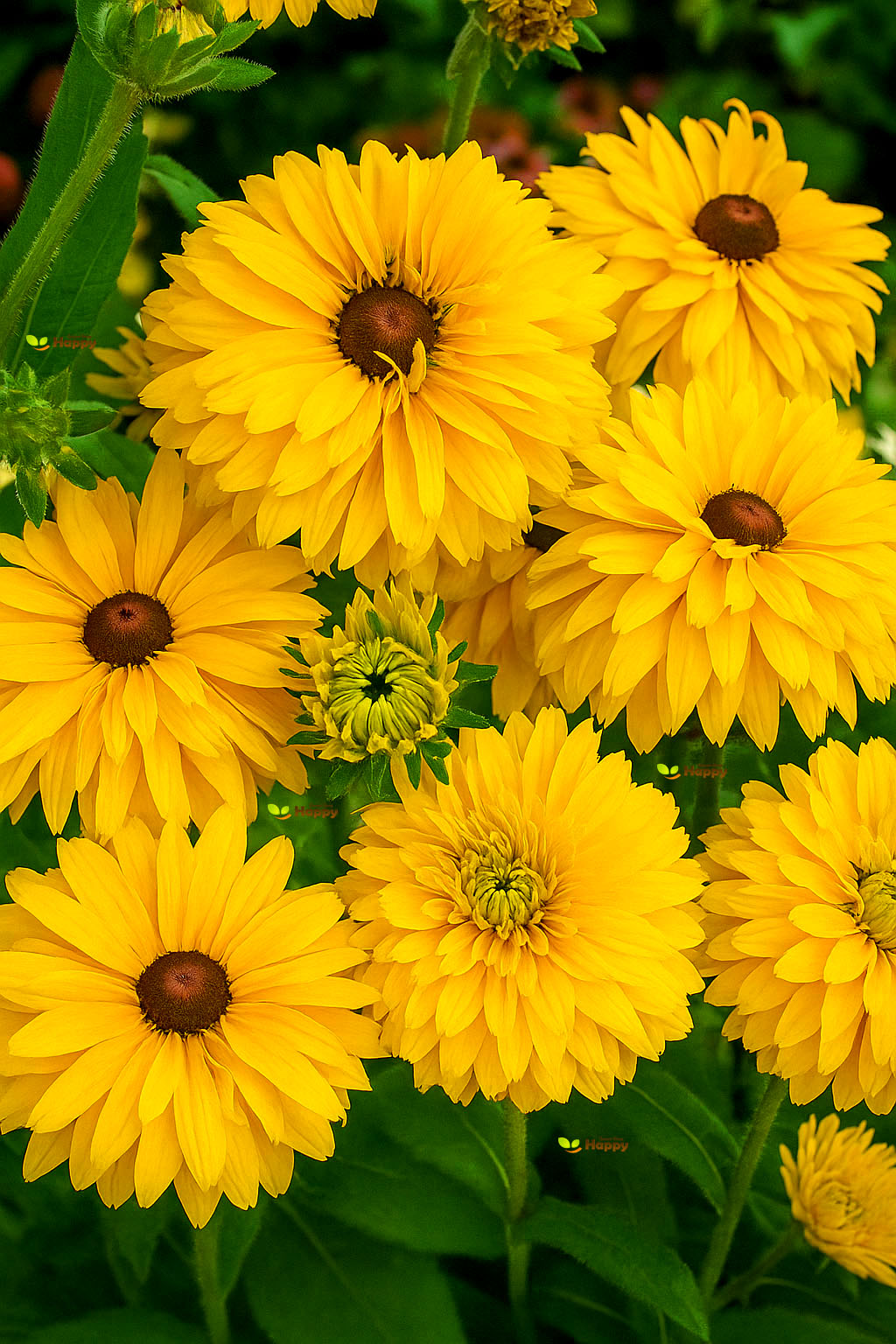

Rudbeckia ‘Golden Daises’ Seeds (Rudbeckia hirta)
Bring cheerful sunshine to your garden with Rudbeckia ‘Golden Daises’ (Rudbeckia hirta). This hardy annual produces bright golden-yellow daisy-like flowers with dark centers, perfect for borders, beds, and cutting gardens. Easy to grow and long-flowering, it attracts pollinators and adds bold, eye-catching color from summer through autumn.
How to Grow
-
Sow seeds directly outdoors in spring after the last frost or indoors 6–8 weeks earlier.
-
Use well-drained soil in full sun.
-
Scatter seeds thinly and cover lightly with soil.
-
Keep soil moist until germination (7–14 days).
-
Thin seedlings to 25–30 cm apart once established.
-
Deadhead spent flowers to encourage continuous blooming.
Key Features
-
Bright golden-yellow daisy-like flowers with dark centers
-
Hardy annual, easy to grow and long-flowering
-
Ideal for borders, beds, and cutting gardens
-
Attracts bees, butterflies, and other pollinators
-
Adds bold, cheerful color to summer and autumn gardens
Ideal For
-
Flower borders and cottage gardens
-
Cutting gardens for fresh bouquets
-
Pollinator-friendly landscapes
-
Containers, patio planters, and naturalized plantings
Sowing
-
Best time: Spring outdoors or 6–8 weeks earlier indoors
-
Germination: 7–14 days
-
Sow thinly, cover lightly, and keep soil moist
-
Prefers full sun and well-drained soil
Quick Tip
-
Deadhead regularly to maintain vibrant blooms and extend the flowering season.
Showing 117/290


