
Sort by:
299 products
299 products

Herb Sage – Seeds
(Salvia officinalis)
Herb Sage is a hardy perennial herb prized for its aromatic leaves and culinary versatility. Perfect for seasoning meats, soups, and sauces, its gray-green foliage also adds texture and fragrance to herb gardens. Easy to grow and drought-tolerant once established, it attracts pollinators and enhances both edible and ornamental plantings.
Why Grow Herb Sage?
-
Aromatic leaves for culinary and medicinal use
-
Hardy perennial, drought-tolerant once established
-
Attracts bees and pollinators
-
Adds texture and fragrance to gardens
Key Features
-
Type: Perennial herb
-
Height: 30–60 cm
-
Flowers: Blue-purple, late spring to summer
-
Position: Full sun
-
Soil: Well-drained, moderately fertile
Ideal For
-
Herb and culinary gardens
-
Pollinator-friendly plantings
-
Containers, borders, and rockeries
-
Perennial garden beds
Sowing & Growing
-
Sow indoors: February–April in seed trays
-
Sow outdoors: April–May directly in prepared soil
-
Germination: 14–21 days at 18–20°C
-
Spacing: 25–30 cm apart
-
Care: Moderate watering; prune after flowering to encourage fresh growth
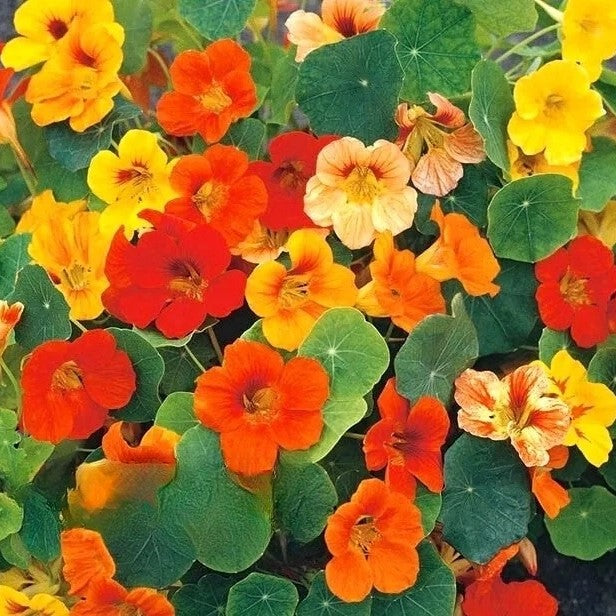
Nasturtium 'Honolulu' Seeds (Tropaeolum nanum)
Nasturtium 'Honolulu' is a charming dwarf annual with bright, cheerful flowers in shades of red, orange, and yellow. Its compact growth habit makes it ideal for containers, window boxes, and small garden beds. Easy to grow and low-maintenance, it adds a splash of vibrant color while attracting pollinators.
What Makes It Special
-
Bright, cheerful blooms in red, orange, and yellow
-
Compact, dwarf growth ideal for small spaces and containers
-
Easy to grow and low-maintenance
-
Attracts pollinators like bees and butterflies
Key Features
-
Botanical name: Tropaeolum nanum
-
Variety: 'Honolulu'
-
Seed count: Approx. seeds per pack
-
Height/Spread: 15–25 cm tall, 20–30 cm spread
-
Position: Full sun; well-drained soil
-
Flowering period: June–September
Ideal For
-
Containers, window boxes, and small garden beds
-
Borders and edging
-
Pollinator-friendly gardens
-
Brightening patios and terraces
Sowing Instructions
-
When to sow: March–May indoors or outdoors
-
How to sow:
-
Sow seeds 1–2 cm deep in seed trays or directly in pots
-
Germination occurs in 7–14 days at 18–22°C
-
-
Transplanting: Plant seedlings outdoors after frost, spacing 15–20 cm apart
-
Care: Water moderately; remove faded flowers to encourage continuous blooming
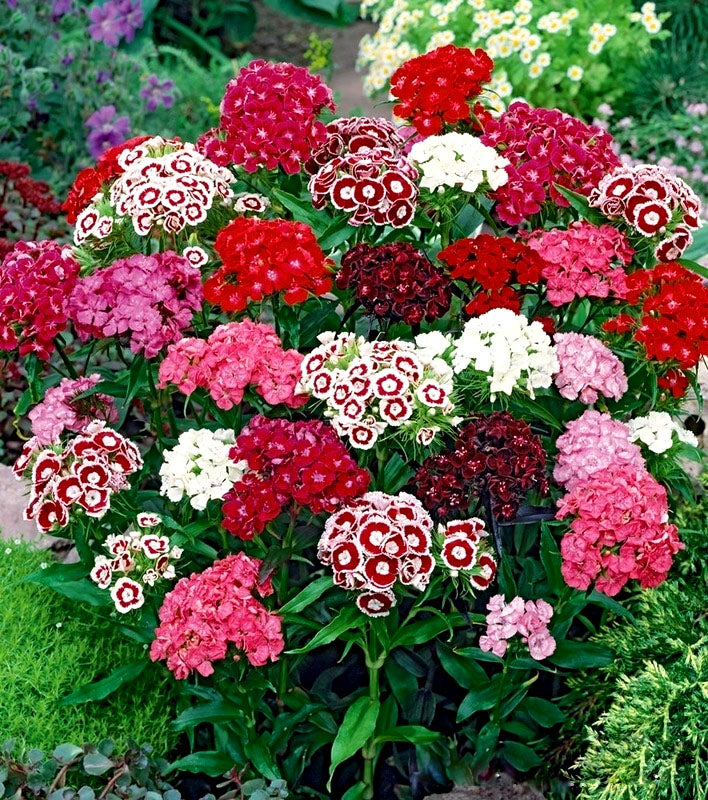
Sweet William Flower Mix "Herald of Spring" - 700 seeds (Dianthus barbatus)
£1.24
Unit price perSweet William Flower Mix "Herald of Spring" - 700 seeds (Dianthus barbatus)
£1.24
Unit price perSweet William Flower Mix ‘Herald of Spring’ Seeds (Dianthus barbatus) – 700 Seeds
Celebrate spring with Sweet William Flower Mix ‘Herald of Spring’ (Dianthus barbatus). This vibrant annual mix produces clusters of fragrant, brightly colored blooms in shades of pink, red, and white. Perfect for borders, cottage gardens, and cutting gardens, it’s easy to grow, long-flowering, and attracts pollinators for a lively garden display.
How to Grow
-
Sow directly outdoors in spring after the last frost or indoors 6–8 weeks earlier.
-
Use well-drained soil in full sun to partial shade.
-
Scatter seeds thinly and cover lightly with soil.
-
Keep soil moist until germination (10–14 days).
-
Thin seedlings to 20–30 cm apart for healthy growth.
-
Deadhead regularly to encourage continuous flowering.
Key Features
-
Clusters of fragrant blooms in pink, red, and white shades
-
Hardy, easy-to-grow annual or biennial depending on climate
-
Long-flowering and attractive to pollinators
-
Ideal for borders, cottage gardens, and cutting gardens
-
Compact growth habit perfect for edging and containers
Ideal For
-
Flower beds, borders, and cottage gardens
-
Cutting gardens for fresh bouquets
-
Pollinator-friendly plantings
-
Containers and patio planters
Sowing
-
Best time: Spring outdoors or 6–8 weeks earlier indoors
-
Germination: 10–14 days
-
Sow thinly, cover lightly, and keep soil moist
-
Prefers full sun and well-drained soil
Quick Tip
-
For a prolonged display, sow successive batches every 2–3 weeks during spring.

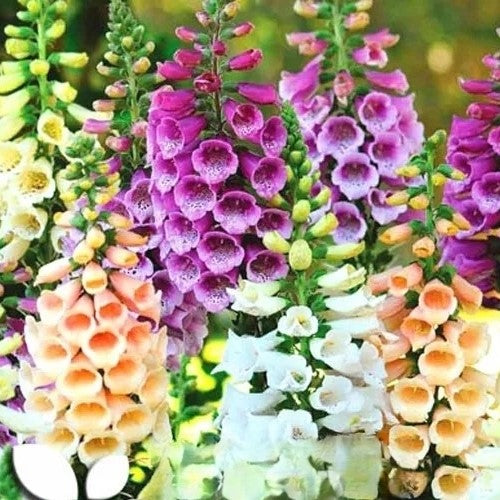
Dwarf Foxglove 'Foxy' Mix – 8000 Seeds (Digitalis purpurea)
Add cottage garden charm with Dwarf Foxglove 'Foxy', a compact variety that produces spires of trumpet-shaped blooms in shades of pink, purple, cream, and white. Unlike taller foxgloves, 'Foxy' grows to a manageable height, making it perfect for smaller gardens, beds, borders, and containers. Loved by bees and pollinators, it’s a classic for wildlife-friendly planting.
What Makes It Special
-
Compact foxglove, only 60–80 cm tall
-
Mix of soft, romantic colors with speckled throats
-
Blooms in the first year from seed
-
Perfect for beds, borders, and wildlife gardens
Key Features
-
Pack Size: 8000 seeds
-
Height: 60–80 cm
-
Biennial (flowers in year one if sown early)
-
Attracts bees and other pollinators
Ideal For
-
Cottage and wildlife gardens
-
Beds, borders, and mixed plantings
-
Containers and small gardens
-
Pollinator-friendly spaces
Sowing
-
Sow indoors Jan–May on moist seed compost, press seeds lightly (do not cover, needs light to germinate)
-
Germination: 14–21 days at 18–22°C
-
Transplant outdoors after frost, spacing 25–30 cm
-
Flowers: June–August

Cloud Grass Seeds (Agrostis nubelosa)
A graceful ornamental grass, Cloud Grass produces airy, feathery plumes that sway elegantly in the breeze. Hardy and low-maintenance, it adds movement, texture, and a soft, cloud-like appearance to borders, rock gardens, and naturalistic plantings throughout the growing season.
What Makes It Special
-
Light, airy plumes for a soft, cloud-like effect
-
Hardy and drought-tolerant with minimal maintenance
-
Adds texture, movement, and elegance to garden designs
Key Features
-
Botanical name: Agrostis nubelosa
-
Hardy perennial
-
Height: 30–60 cm (12–24 in)
-
Bloom time: Summer
Ideal For
-
Borders, rock gardens, and naturalistic plantings
-
Containers and low-maintenance garden designs
-
Adding movement and texture to mixed plantings
Sowing
-
Sow indoors Feb–Apr or outdoors Mar–May
-
Cover lightly with soil and keep moist
-
Germination: 14–21 days at 15–20°C
-
Thin seedlings 15–20 cm apart
-
Flowers the first or second season after sowing

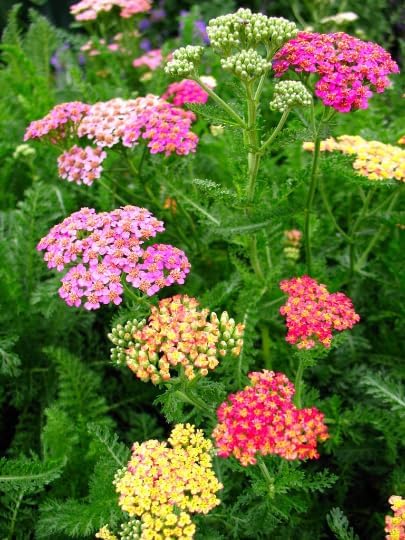

Yarrow ‘Pastel’ Mix Seeds (Achillea millefolium)
A hardy and long-flowering perennial, Yarrow ‘Pastel’ Mix produces flat-topped clusters of delicate blooms in soft shades of pink, peach, and cream. Compact and drought-tolerant, it’s perfect for borders, cottage gardens, and wildflower meadows, attracting bees and butterflies.
What Makes It Special
-
Soft pastel blooms in pink, peach, and cream
-
Hardy, drought-tolerant, and long-flowering
-
Attracts pollinators, enhancing wildlife-friendly gardens
Key Features
-
Botanical name: Achillea millefolium
-
Hardy perennial
-
Height: 30–60 cm (12–24 in)
-
Bloom time: Summer
Ideal For
-
Borders, beds, and cottage gardens
-
Wildflower meadows and pollinator-friendly plantings
-
Containers and low-maintenance garden designs
Sowing
-
Sow indoors Feb–Apr or outdoors Mar–May
-
Cover lightly with soil and keep moist
-
Germination: 14–21 days at 15–20°C
-
Thin seedlings 25–30 cm apart
-
Flowers the first or second season after sowing
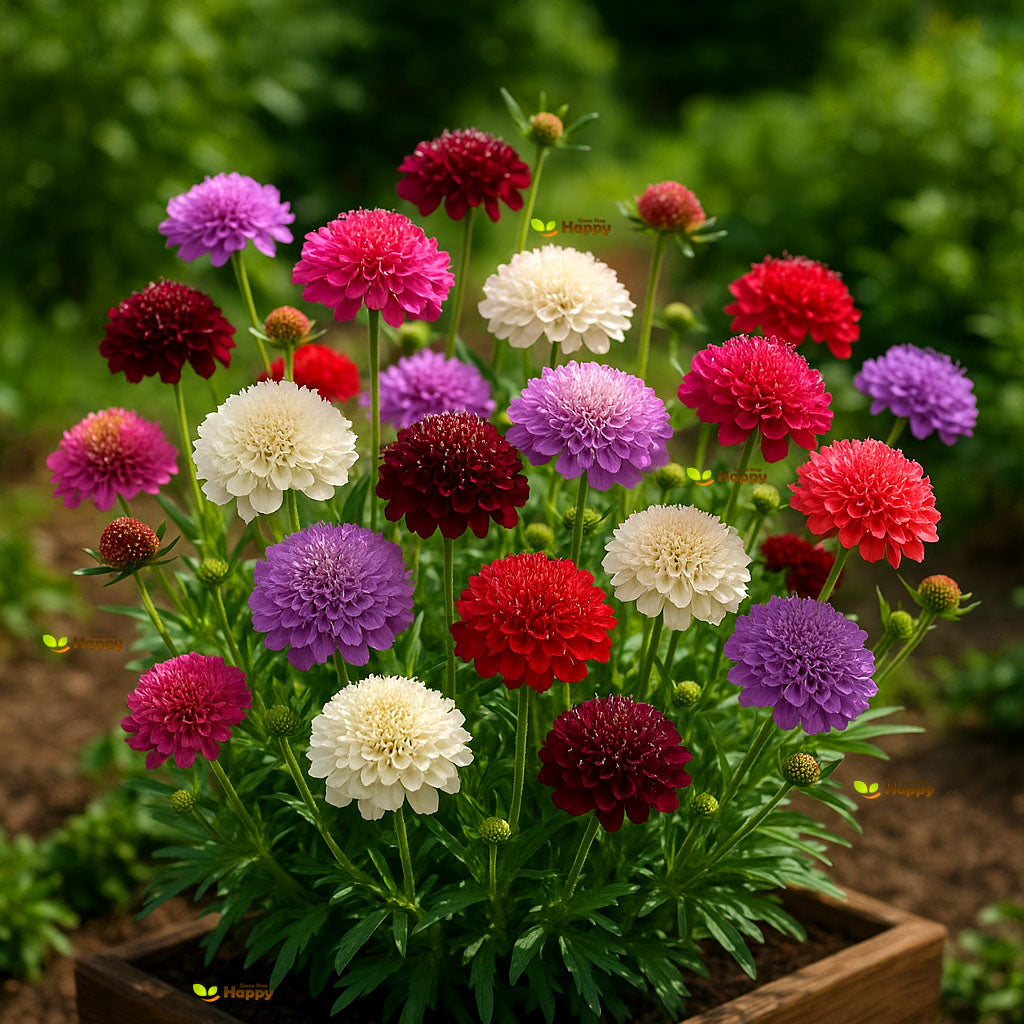
Sweet Scabious Dwarf Double Mix – Seeds
(Scabiosa atropurpurea)
Sweet Scabious Dwarf Double Mix produces compact, bushy plants adorned with fully double, colourful blooms in shades of pink, lavender, and cream. Long-flowering and easy to grow, these dwarf scabious plants are perfect for borders, rockeries, and container displays. They attract butterflies and bees, making them a pollinator-friendly garden choice.
Why Grow Sweet Scabious Dwarf Double Mix?
-
Fully double, colourful flowers in pink, lavender, and cream
-
Compact and long-flowering
-
Attracts pollinators like bees and butterflies
-
Ideal for borders, rockeries, and containers
Key Features
-
Type: Annual / short-lived perennial
-
Height: 25–35 cm
-
Flowers: Summer to early autumn
-
Position: Full sun
-
Soil: Well-drained, moderately fertile
Ideal For
-
Cottage and mixed borders
-
Rockeries and containers
-
Pollinator-friendly gardens
-
Low-maintenance ornamental planting
Sowing & Growing
-
Sow indoors: February–April in seed trays
-
Sow outdoors: April–May directly in prepared soil
-
Germination: 10–20 days at 18–20°C
-
Thin seedlings to 20–25 cm apart
-
Care: Water moderately; deadhead to prolong flowering
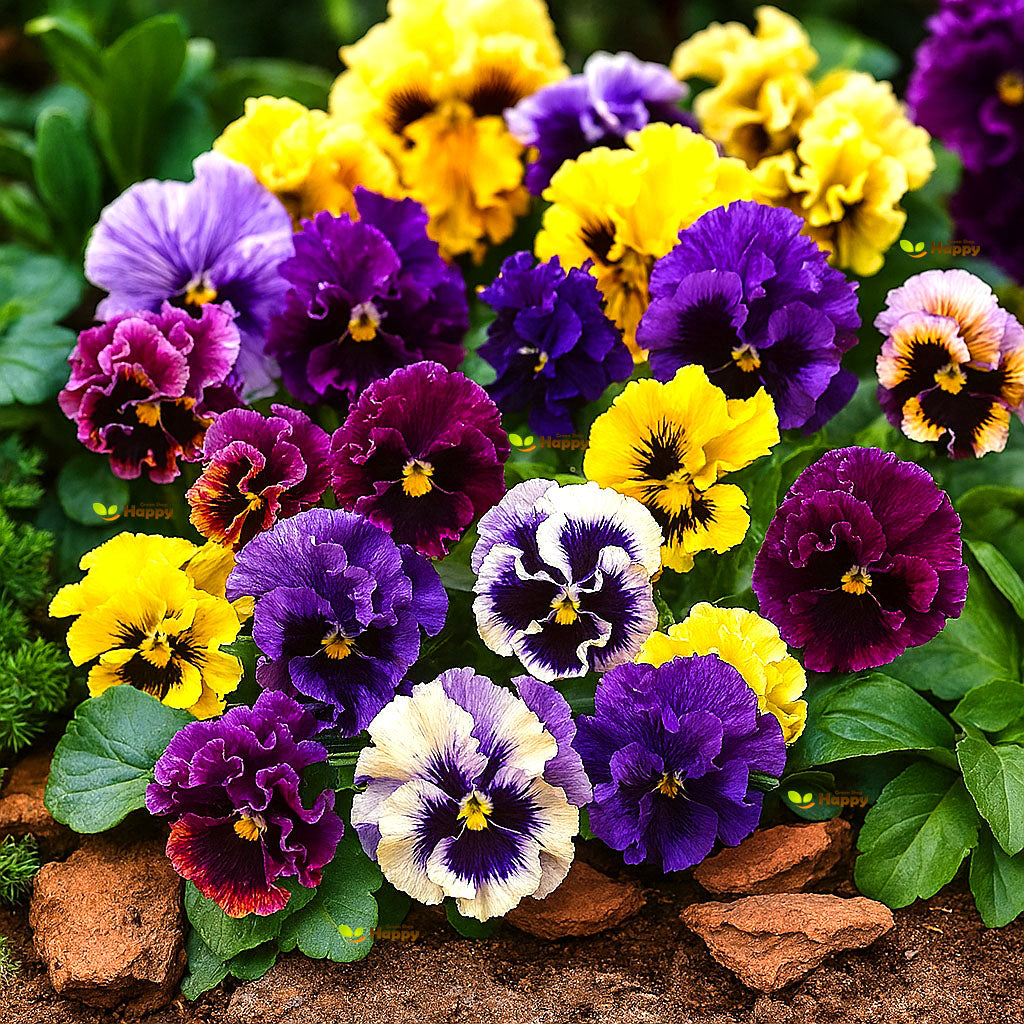
Pansy ‘Can Can’ Mixed Seeds (Viola wittrockiana)
A unique and eye-catching mix, Pansy ‘Can Can’ features large, ruffled blooms in a dazzling range of colors. Compact and hardy, this variety adds texture and vibrant charm to beds, borders, and containers, providing continuous displays from spring through autumn.
What Makes It Special
-
Distinctive ruffled petals for a frilled effect
-
Wide color mix, from bright tones to soft pastels
-
Long flowering season with lasting garden appeal
Key Features
-
Botanical name: Viola wittrockiana
-
Hardy annual/biennial
-
Height: 15–20 cm (6–8 in)
-
Bloom time: Early spring and autumn
Ideal For
-
Beds and borders
-
Pots, containers, and window boxes
-
Adding texture and variety to seasonal displays
Sowing
-
Sow indoors Feb–Apr or outdoors May–Jun
-
Lightly cover seeds with soil and keep moist
-
Germination: 10–21 days at 15–20°C
-
Transplant seedlings 15–20 cm apart
-
Flowers in spring and autumn after sowing
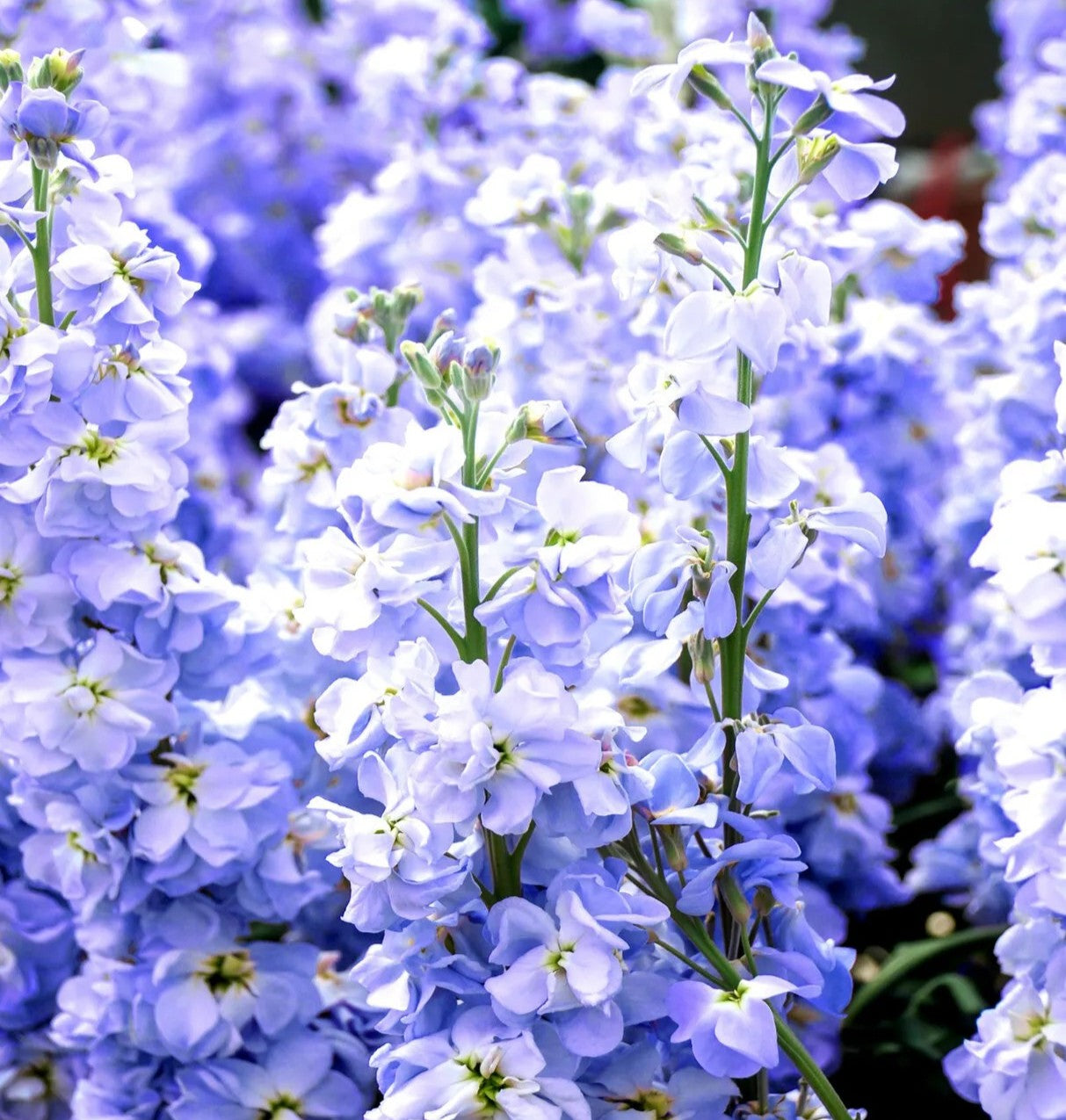
Matthiola Stock Ten Week Light Blue – Seeds (Matthiola incana)
Matthiola Stock Ten Week Light Blue (Matthiola incana) is a charming annual known for its elegant spikes of soft, light blue blooms. Flowering just 10 weeks after sowing, this variety combines quick growth with long-lasting beauty. Renowned for its delightful fragrance, it is perfect for borders, beds, and containers, as well as cut flower arrangements. A cottage garden favorite, it brings both color and scent into your summer garden.
Why Grow "Ten Week Light Blue"
-
Soft light blue flower spikes with a sweet fragrance
-
Quick to flower – just 10 weeks from sowing
-
Ideal as cut flowers with long-lasting blooms
-
Compact, easy-to-grow annual
Key Features
-
Type: Half-hardy annual (Matthiola incana)
-
Height: 25–40 cm
-
Flowering: Early to late summer
-
Position: Full sun
-
Uses: Borders, cottage gardens, containers, cut flowers
Ideal For
-
Adding soft pastel color to summer borders
-
Fragrant cottage-style planting
-
Cut flower bouquets and arrangements
-
Quick and rewarding garden displays
Sowing & Growing
-
Sow indoors: February–April in trays or pots
-
Germination: 10–20 days at 15–18°C
-
Transplant outdoors after frost danger has passed
-
Space seedlings: 20–25 cm apart
-
Prefers fertile, well-drained soil in full sun
Showing 45/299


