
Sort by:
299 products
299 products

Rudbeckia 'Autumn Forest' – Seeds (Rudbeckia hirta)
Rudbeckia 'Autumn Forest' is a striking variety of Black-Eyed Susan with warm, fiery shades of red, bronze, orange, and golden yellow – like the colors of a glowing autumn woodland. Its daisy-like flowers with dark centers bloom generously over summer and early autumn, creating a bold display that attracts bees and butterflies.
What Makes It Special
-
Brilliant mix of autumn-toned blooms
-
Long flowering season with continuous color
-
Pollinator-friendly, attracting bees and butterflies
-
Excellent for cutting, borders, and containers
Key Features
-
Botanical name: Rudbeckia hirta
-
Common name: Black-Eyed Susan
-
Seed count: Approx. seeds per pack
-
Height/Spread: 45–60 cm tall, bushy habit
-
Position: Full sun; fertile, well-drained soil
-
Flowering period: June–October
Ideal For
-
Cottage gardens and wildlife-friendly borders
-
Pollinator-friendly plantings
-
Container displays
-
Cut flower arrangements
Sowing Instructions
-
When to sow: February–April indoors; April–June outdoors
-
How to sow:
-
Sow thinly on the surface of moist compost, press lightly, and cover very lightly with fine compost or vermiculite
-
Maintain 18–22°C; germination takes 7–21 days
-
-
Transplanting: Prick out seedlings when large enough; plant outdoors after frost
-
Care: Deadhead spent blooms to extend flowering. Water well in dry spells.
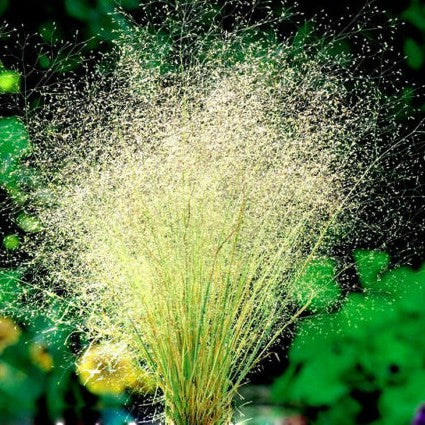
Cloud Grass Seeds (Agrostis nubelosa)
A graceful ornamental grass, Cloud Grass produces airy, feathery plumes that sway elegantly in the breeze. Hardy and low-maintenance, it adds movement, texture, and a soft, cloud-like appearance to borders, rock gardens, and naturalistic plantings throughout the growing season.
What Makes It Special
-
Light, airy plumes for a soft, cloud-like effect
-
Hardy and drought-tolerant with minimal maintenance
-
Adds texture, movement, and elegance to garden designs
Key Features
-
Botanical name: Agrostis nubelosa
-
Hardy perennial
-
Height: 30–60 cm (12–24 in)
-
Bloom time: Summer
Ideal For
-
Borders, rock gardens, and naturalistic plantings
-
Containers and low-maintenance garden designs
-
Adding movement and texture to mixed plantings
Sowing
-
Sow indoors Feb–Apr or outdoors Mar–May
-
Cover lightly with soil and keep moist
-
Germination: 14–21 days at 15–20°C
-
Thin seedlings 15–20 cm apart
-
Flowers the first or second season after sowing
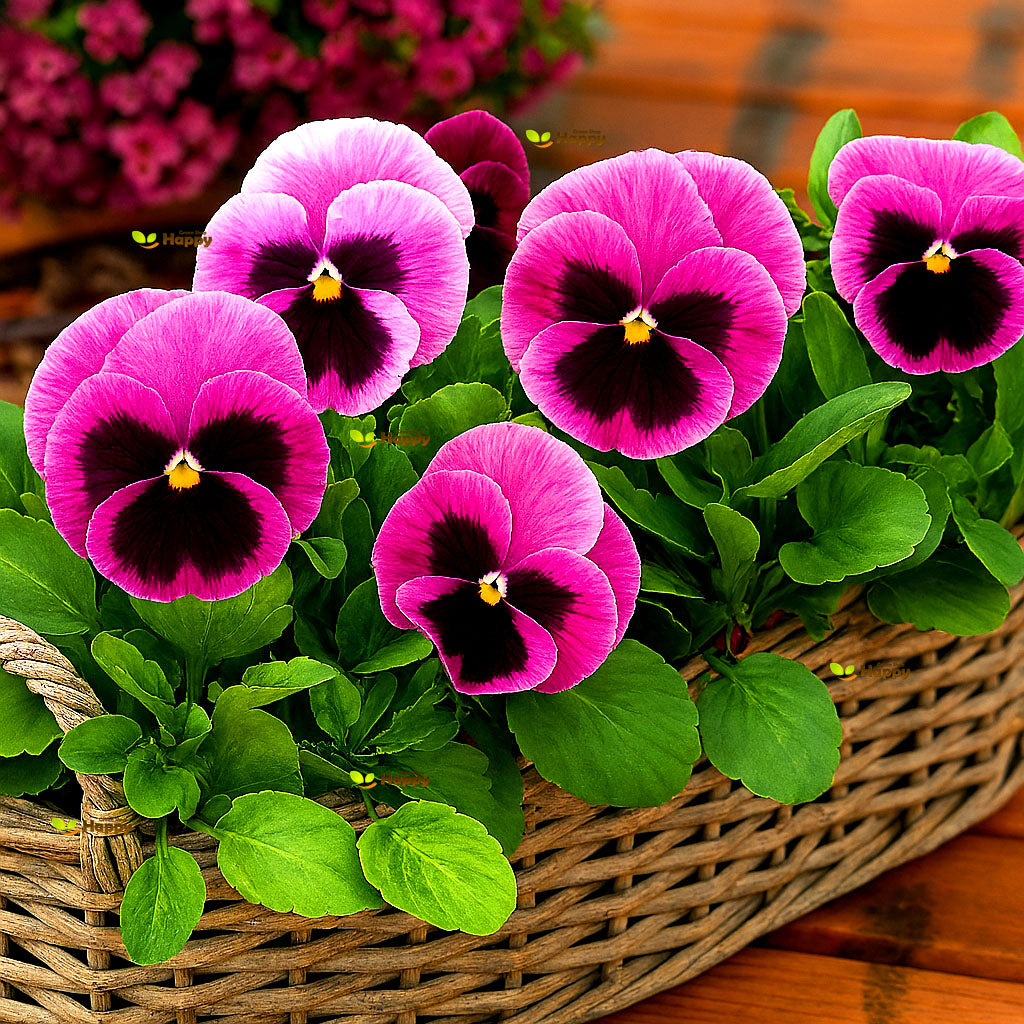
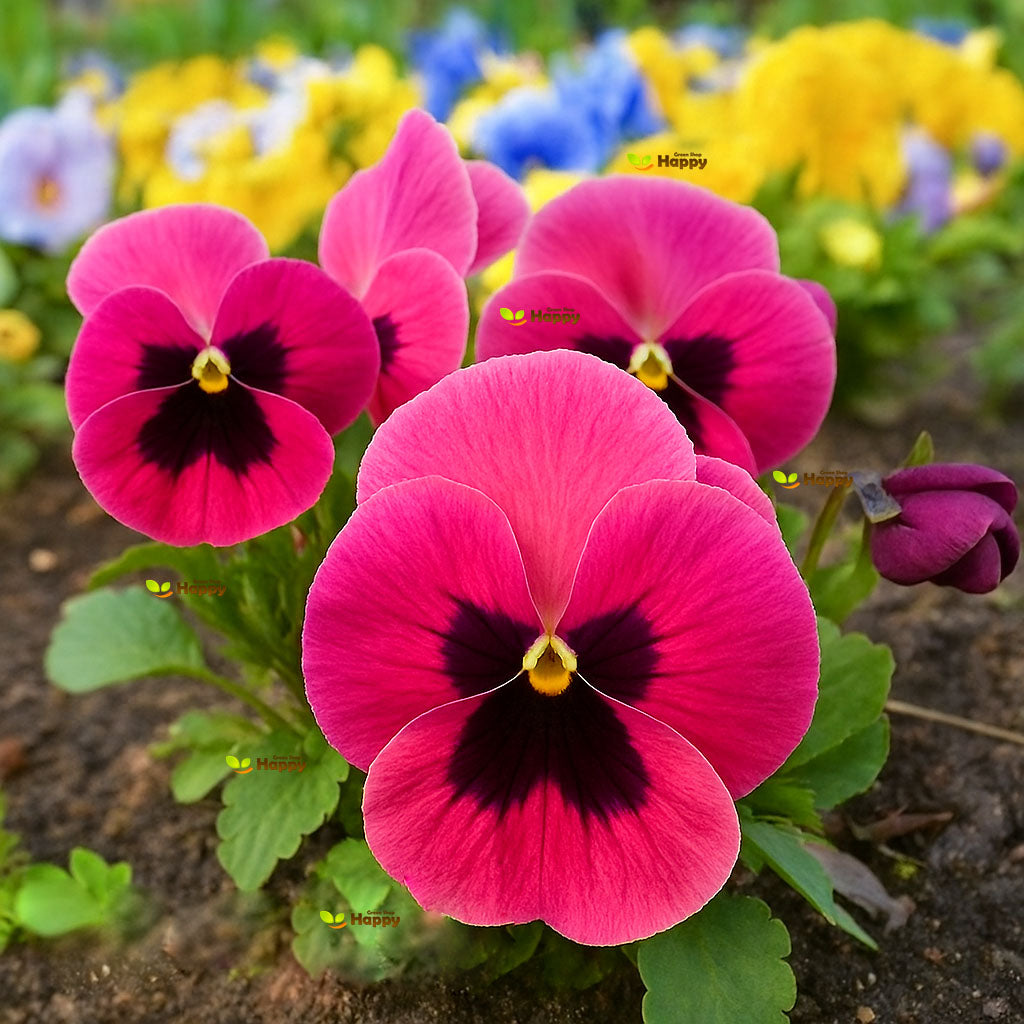
Pansy Swiss Giant ‘Pink’ Seeds (Viola wittrockiana)
A charming pansy variety with large soft pink blooms and a subtle dark center, Swiss Giant ‘Pink’ adds elegance and gentle color to garden beds, borders, and containers. Hardy and easy to grow, it provides long-lasting displays in spring and autumn.
What Makes It Special
-
Large pastel-pink flowers with a delicate face
-
Compact, hardy plants ideal for cool seasons
-
Long flowering period for continuous color
Key Features
-
Botanical name: Viola wittrockiana
-
Hardy annual/biennial
-
Height: 15–20 cm (6–8 in)
-
Bloom time: Early spring and autumn
Ideal For
-
Borders and flower beds
-
Pots, containers, and window boxes
-
Cool-season garden displays
Sowing
-
Sow indoors Feb–Apr or outdoors May–Jun
-
Lightly cover seeds with soil and keep moist
-
Germination: 10–21 days at 15–20°C
-
Transplant seedlings 15–20 cm apart
-
Flowers in spring and autumn after sowing

Love-in-a-Mist 'Miss Jekyll' Double Mix Seeds (Nigella damascena)
Love-in-a-Mist 'Miss Jekyll' Double Mix is an elegant annual with double, papery blooms in shades of blue, white, and pink, surrounded by delicate feathery foliage. Its airy, cottage-garden charm makes it perfect for borders, containers, and cutting gardens. Loved for its intricate blooms and long flowering season, it adds whimsical beauty to any garden.
What Makes It Special
-
Double, papery blooms in a mix of blue, white, and pink
-
Delicate, feathery foliage creates an airy, cottage-garden effect
-
Long-flowering and easy to grow
-
Attracts pollinators and makes excellent cut flowers
Key Features
-
Botanical name: Nigella damascena
-
Variety: 'Miss Jekyll' Double Mix
-
Seed count: Approx. seeds per pack
-
Height/Spread: 30–40 cm tall, 15–20 cm spread
-
Position: Full sun; fertile, well-drained soil
-
Flowering period: June–September
Ideal For
-
Borders and cottage gardens
-
Containers and patio displays
-
Cutting gardens and floral arrangements
-
Pollinator-friendly gardens
Sowing Instructions
-
When to sow: March–May outdoors; February–April indoors
-
How to sow:
-
Sow seeds thinly on the surface of moist seed compost and press lightly; do not cover
-
Germination occurs in 10–14 days at 15–20°C
-
-
Transplanting: Thin seedlings to 15–20 cm apart after germination
-
Care: Water moderately; deadhead for prolonged flowering
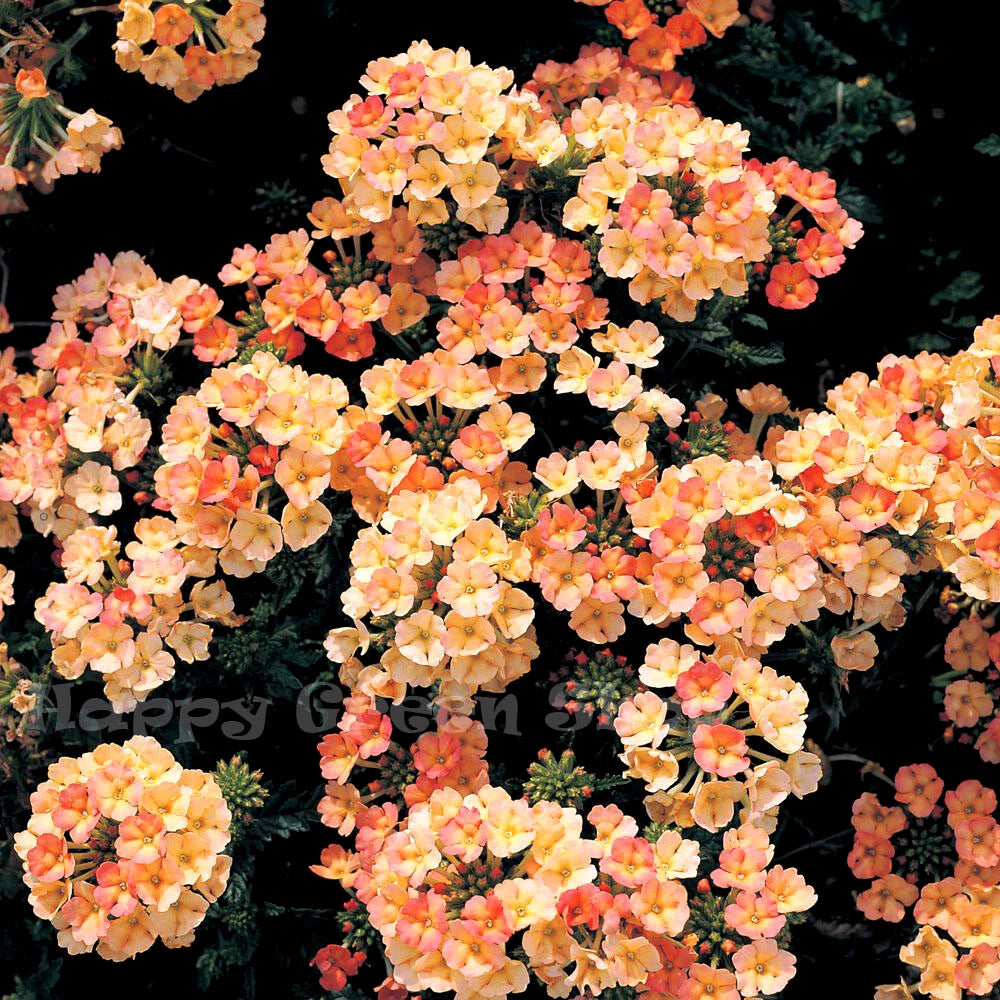
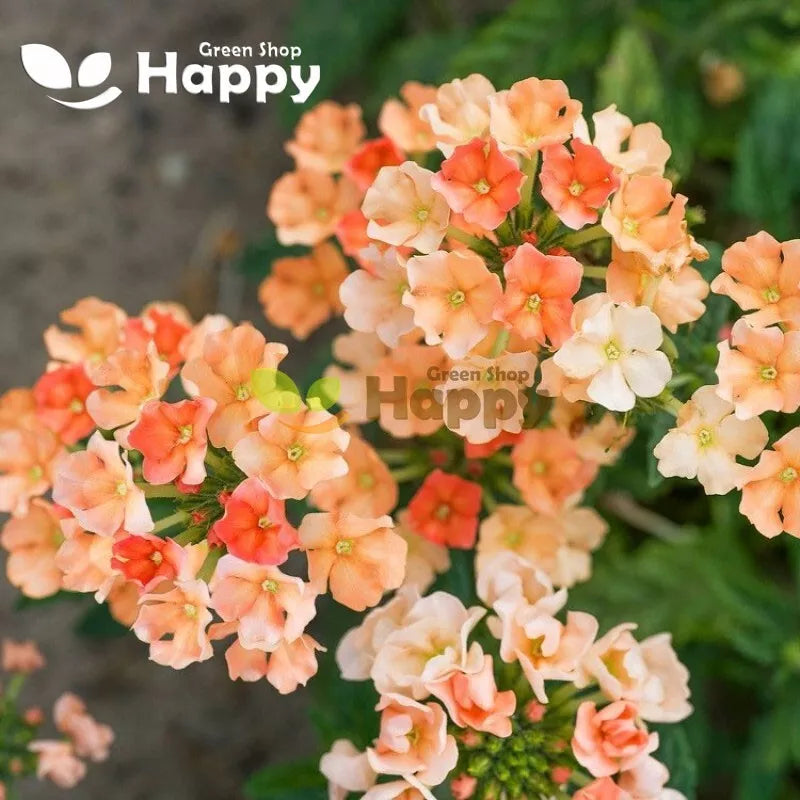
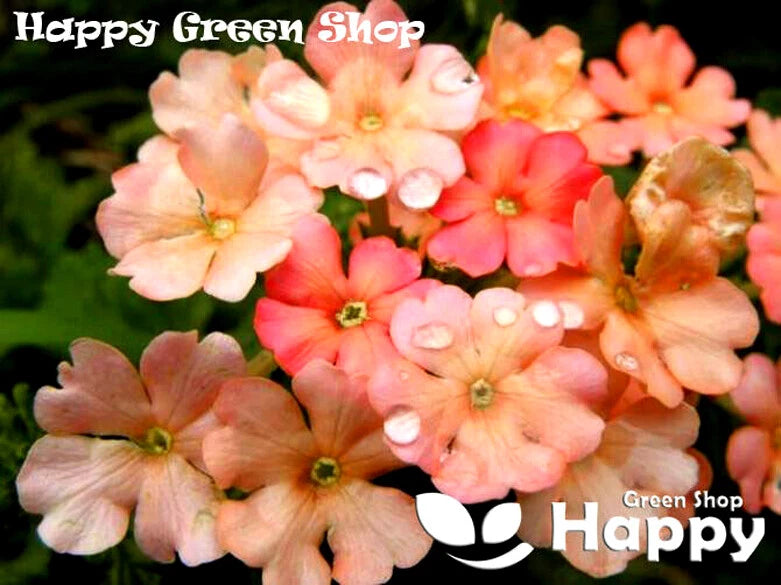
Dwarf Verbena 'Apricot' – Seeds (Verbena hybrida nana)
Dwarf Verbena 'Apricot' is a compact, free-flowering annual that brings a soft, warm glow to garden beds, borders, and containers. With its clusters of delicate apricot-colored blooms, this charming plant is ideal for edging pathways, filling pots, or creating cheerful bedding displays. Known for its long flowering season, it will brighten up your garden from summer into autumn.
Why Grow Dwarf Verbena 'Apricot'?
-
Compact, dwarf-growing variety – perfect for small spaces
-
Long-lasting apricot blooms in dense clusters
-
Attracts bees, butterflies, and other pollinators
-
Excellent for beds, borders, window boxes, and pots
Key Features
-
Type: Annual flower
-
Height: 20–25 cm
-
Spread: 20–25 cm
-
Flowering: June–October
-
Position: Full sun
-
Soil: Well-drained, fertile soil
Sowing & Growing
-
Sow indoors: February–April, cover lightly with compost
-
Germination: 14–21 days at 18–22°C
-
Transplant outdoors after last frost, spacing 20–25 cm apart
-
Deadhead spent blooms to prolong flowering
Tip: Ideal for bedding schemes when mixed with other pastel shades for a soft summer display.

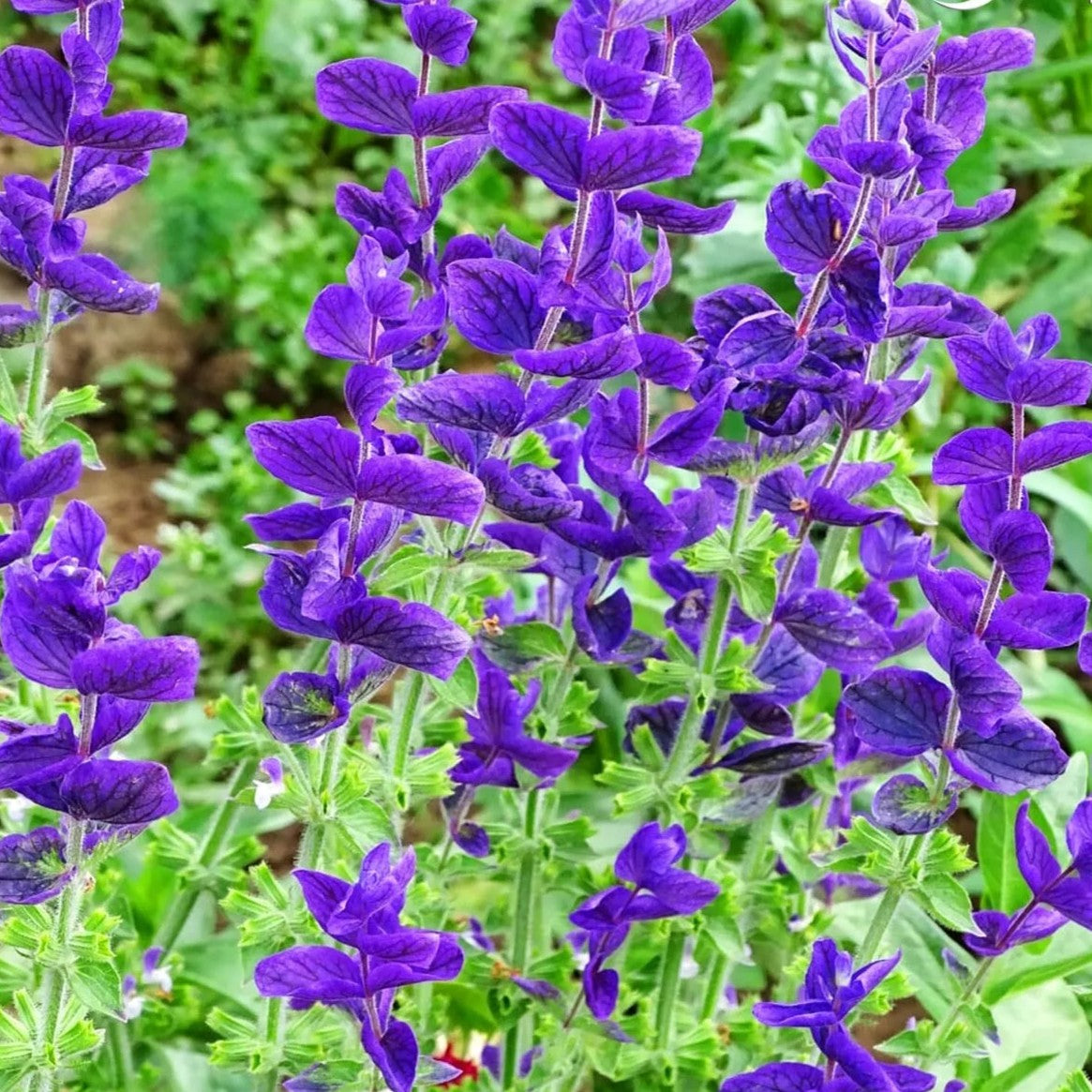
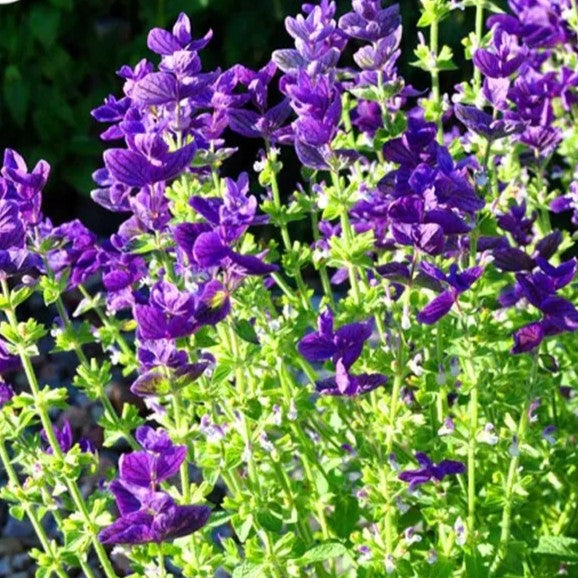
🌸 Salvia horminum ‘Blue Monday’ – Clary Sage with Intense Blue Bracts for Summer Colour
‘Blue Monday’ is a striking annual clary sage grown primarily for its vivid blue bracts, which surround small, discreet flowers and provide long-lasting ornamental impact. The upright, well-branched plants create strong vertical accents in the garden, making this variety especially effective in borders, cottage gardens and cut-flower beds.
The colourful bracts retain their intensity for weeks and are excellent for fresh and dried arrangements. Easy to grow and tolerant of summer heat, ‘Blue Monday’ performs best when planted in groups for maximum visual effect and is also attractive to bees and pollinators.
Key Features
● Intense blue decorative bracts with long-lasting colour
● Upright, well-branched growth habit
● Excellent for borders, cutting and drying
● Easy to grow and heat tolerant
● Attractive to bees and beneficial insects
How to Sow & Grow Clary Sage ‘Blue Monday’ (UK)
Direct sowing recommended
Direct outdoors (spring): IV–V (April–May)
Direct outdoors (autumn): IX–X (September–October) (overwintering for earlier flowering)
Flowering: VI–IX (June–September)
Life cycle: Annual
Germination temperature: 15–20 °C (59–68 °F)
Average germ time: 10–21 days
Depth: 0.5 cm (¼ in)
Light required: Yes
Moisture: Moderate
Environment: Full sun
Soil type: Well-drained soil; tolerates poorer soils
Plant spacing: 25–30 cm (10–12 in)
Height: 40–60 cm (16–24 in)
Sowing & Growing Tips (variety-specific)
● Autumn sowing produces stronger plants and earlier flowering.
● Avoid overly rich soil to maintain compact growth.
● Deadhead lightly or harvest stems to encourage continued display.
● Excellent choice for naturalistic and pollinator-friendly plantings.
● Ideal for both fresh and dried flower use.

Thunbergia 'Sunrise' Mixed Seeds (Thunbergia alata)
Thunbergia 'Sunrise' is a vibrant climbing plant producing trumpet-shaped flowers in warm, sunrise-inspired colors. Its fast-growing vines and lush foliage make it perfect for trellises, fences, arches, and hanging baskets, adding tropical charm and color to any garden or patio.
What Makes It Special
-
Bright trumpet-shaped blooms in orange, yellow, and warm hues
-
Fast-growing climber with lush green foliage
-
Ideal for creating vertical displays and adding tropical flair
-
Perfect for containers, trellises, and pergolas
Key Features
-
Botanical name: Thunbergia alata
-
Common name: Thunbergia 'Sunrise' Mixed
-
Seed count: 35 seeds per pack
-
Height/Spread: 2–3 m tall, climbing habit
-
Position: Full sun to partial shade, well-drained soil
-
Flowering period: Summer to early autumn
-
Lifespan: Annual in temperate zones; perennial in frost-free areas
Ideal For
-
Trellises, fences, and arches
-
Hanging baskets and patio containers
-
Vertical gardens or pergolas
-
Adding bright, tropical color to any garden
Sowing Instructions
-
When to sow: March–May indoors or after last frost outdoors
-
How to sow:
-
Soak seeds for 12–24 hours before sowing to improve germination
-
Sow 0.5–1 cm deep in moist, well-drained soil
-
Keep soil warm and moist until seedlings appear (10–20 days)
-
-
Support: Provide trellis or climbing support as plants grow
-
Care: Regular watering and feeding encourage lush growth and abundant flowers

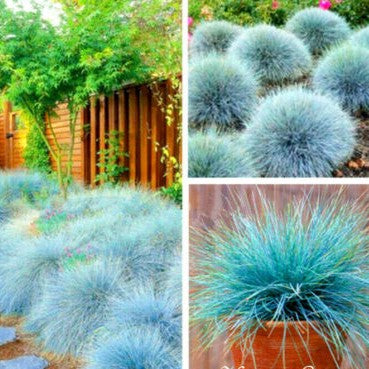
Blue Fescue Grass Seeds (Festuca glauca)
Blue Fescue is a compact, clump-forming ornamental grass prized for its striking silvery-blue foliage and neat rounded habit. It provides year-round interest and a beautiful contrast to flowering plants, rock gardens, or modern landscapes. Easy to grow and low-maintenance, this grass is a top choice for adding texture and color to gardens.
What Makes It Special
-
Stunning steel-blue foliage that keeps its color year-round
-
Compact, tufted shape – perfect for edging or groundcover
-
Extremely hardy and drought-tolerant once established
-
Low-maintenance and versatile in garden design
Key Features
-
Botanical name: Festuca glauca
-
Common name: Blue Fescue
-
Seed count: Approx. seeds per pack
-
Height/Spread: 20–30 cm tall, 25–30 cm spread
-
Position: Full sun; well-drained soil (thrives in poor, dry soils)
-
Flowering period: Summer (produces delicate flower spikes)
-
Lifespan: Hardy perennial
Ideal For
-
Rock gardens and alpine displays
-
Borders and edging along paths
-
Containers and modern minimalist gardens
-
Drought-tolerant or low-maintenance landscapes
-
Adding color contrast to mixed plantings
Sowing Instructions
-
When to sow: February–April indoors or May–June outdoors
-
How to sow:
-
Sow thinly on the surface of moist, well-draining compost
-
Press seeds lightly into the soil, do not cover deeply (light aids germination)
-
Keep at 15–20°C; germination in 14–28 days
-
-
Transplant: When seedlings are large enough, prick out and grow in pots before planting out
-
Planting out: Choose a sunny spot with free-draining soil; avoid overly wet conditions
-
Care: Minimal maintenance required. Cut back old leaves in early spring to encourage fresh growth.
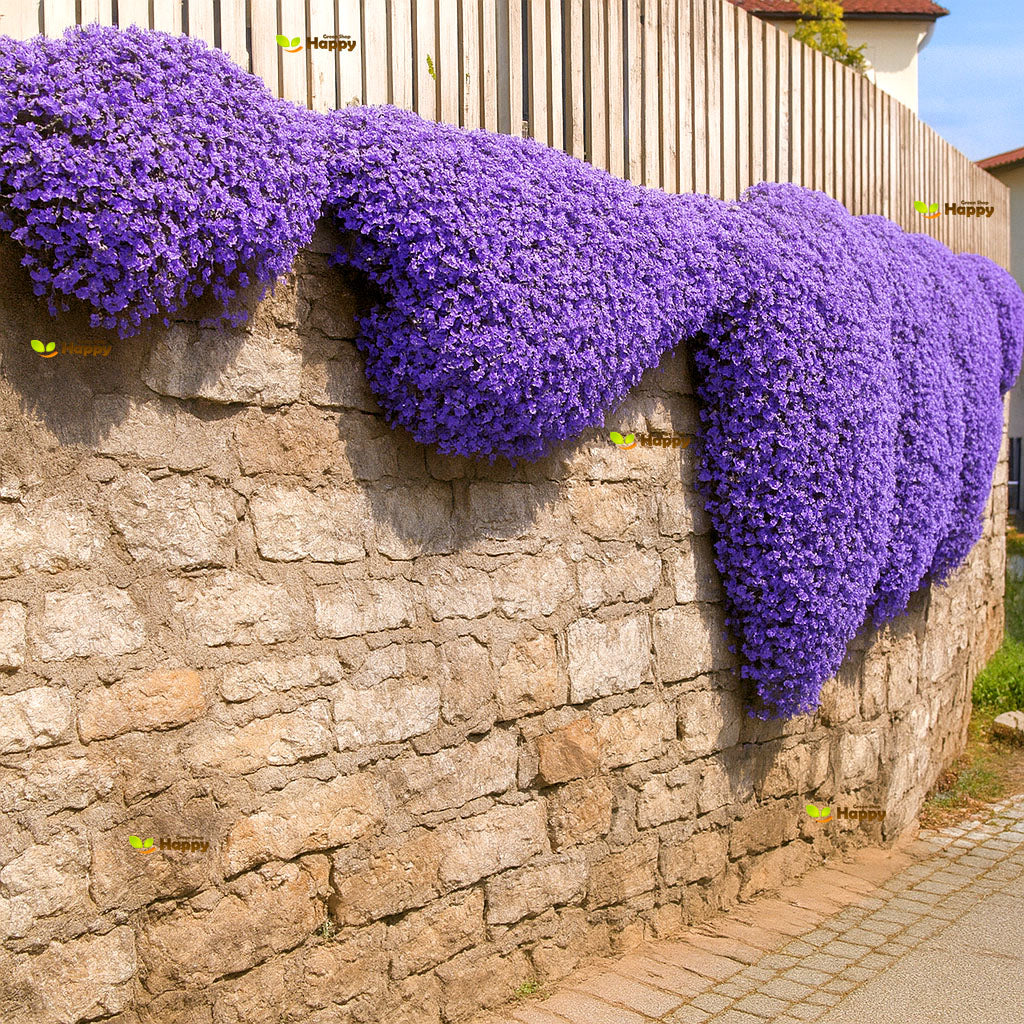
Rock Cress 'Cascade Mix' Seeds (Aubrieta cultorum hybrida)
Rock Cress 'Cascade Mix' is a low-growing perennial that creates a carpet of vibrant spring color. Its trailing habit and masses of purple, pink, red, and violet blooms spill beautifully over walls, borders, and rock gardens. Hardy and easy to grow, it’s a spring favorite for adding rich groundcover.
What Makes It Special
-
Produces a cascade of bright spring flowers
-
Excellent for rockeries, walls, and edging
-
Hardy and long-lasting groundcover
Key Features
-
Botanical name: Aubrieta cultorum hybrida
-
Hardy perennial
-
Height: 10–15 cm
-
Bloom time: Spring to early summer
Ideal For
-
Rock gardens and slopes
-
Edging and groundcover
-
Walls, containers, and cottage gardens
Sowing
-
Sow indoors Feb–Apr or outdoors Apr–Jun
-
Lightly cover seeds with soil
-
Germination: 14–21 days at 18–20°C
-
Transplant 20–25 cm apart
-
Flowers from the second year onward
Showing 54/299


