
Sort by:
299 products
299 products
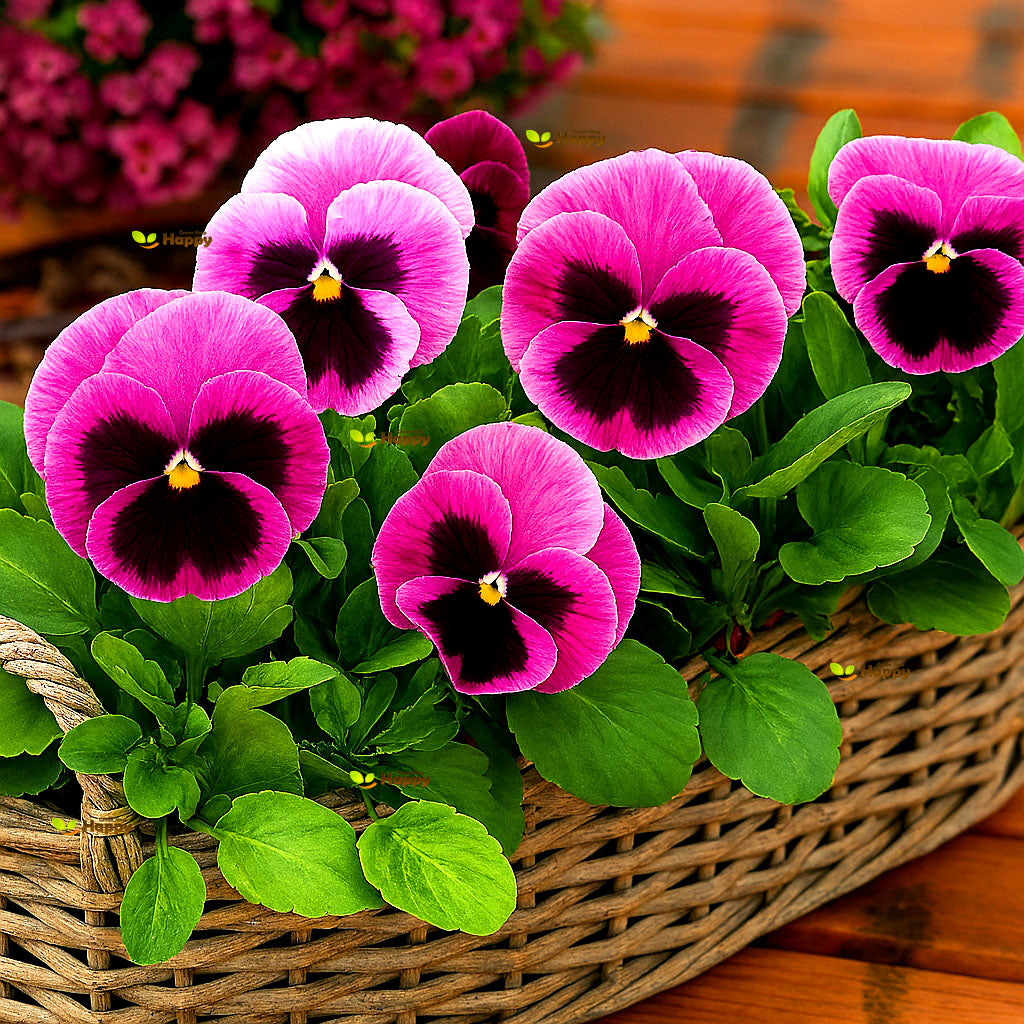
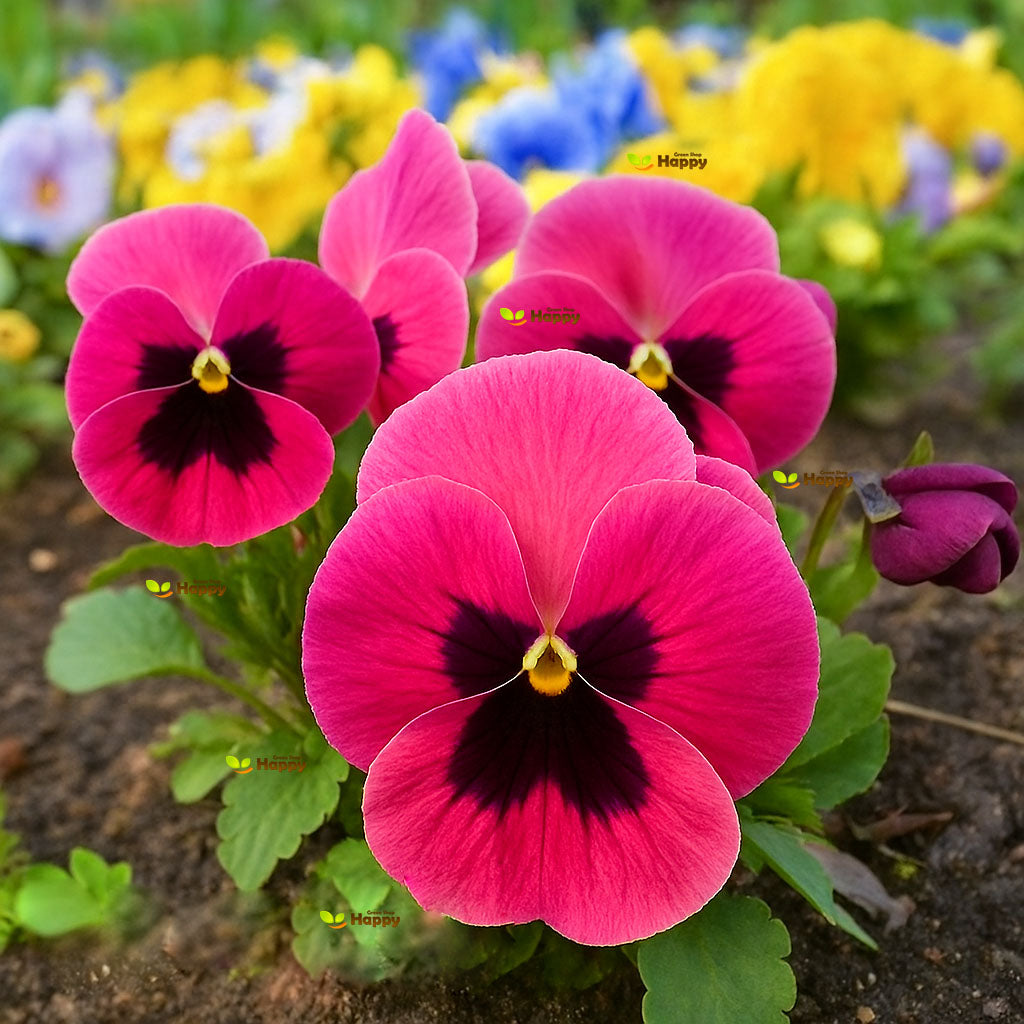
Pansy Swiss Giant ‘Pink’ Seeds (Viola wittrockiana)
A charming pansy variety with large soft pink blooms and a subtle dark center, Swiss Giant ‘Pink’ adds elegance and gentle color to garden beds, borders, and containers. Hardy and easy to grow, it provides long-lasting displays in spring and autumn.
What Makes It Special
-
Large pastel-pink flowers with a delicate face
-
Compact, hardy plants ideal for cool seasons
-
Long flowering period for continuous color
Key Features
-
Botanical name: Viola wittrockiana
-
Hardy annual/biennial
-
Height: 15–20 cm (6–8 in)
-
Bloom time: Early spring and autumn
Ideal For
-
Borders and flower beds
-
Pots, containers, and window boxes
-
Cool-season garden displays
Sowing
-
Sow indoors Feb–Apr or outdoors May–Jun
-
Lightly cover seeds with soil and keep moist
-
Germination: 10–21 days at 15–20°C
-
Transplant seedlings 15–20 cm apart
-
Flowers in spring and autumn after sowing
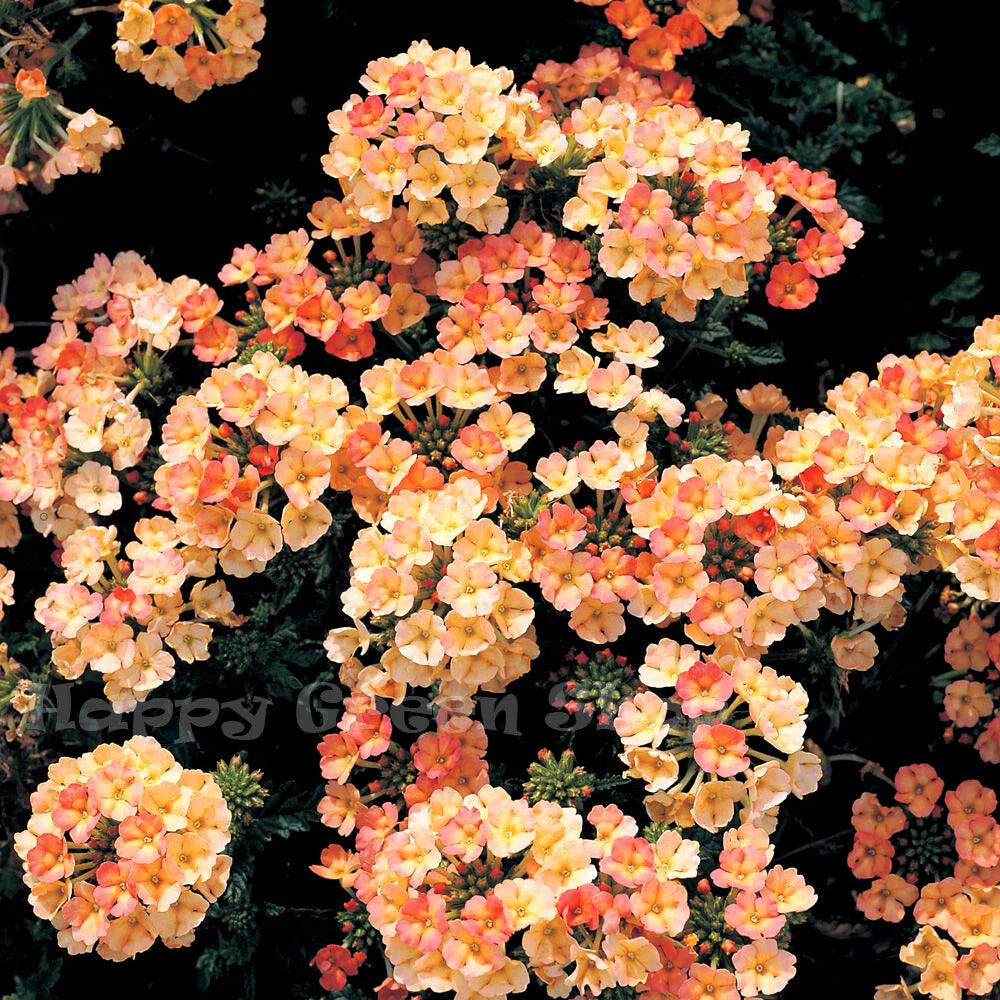
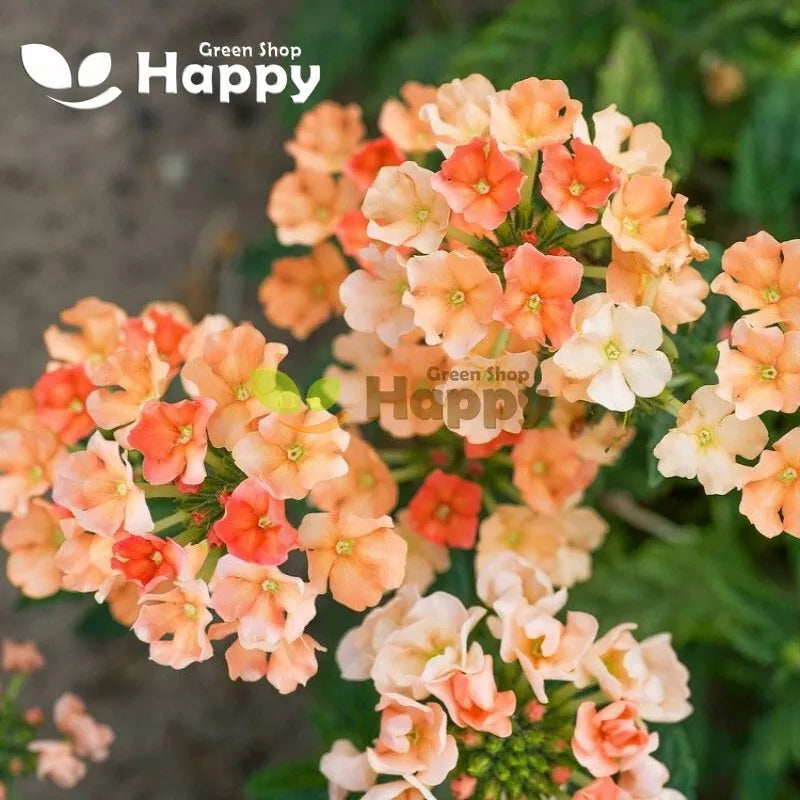
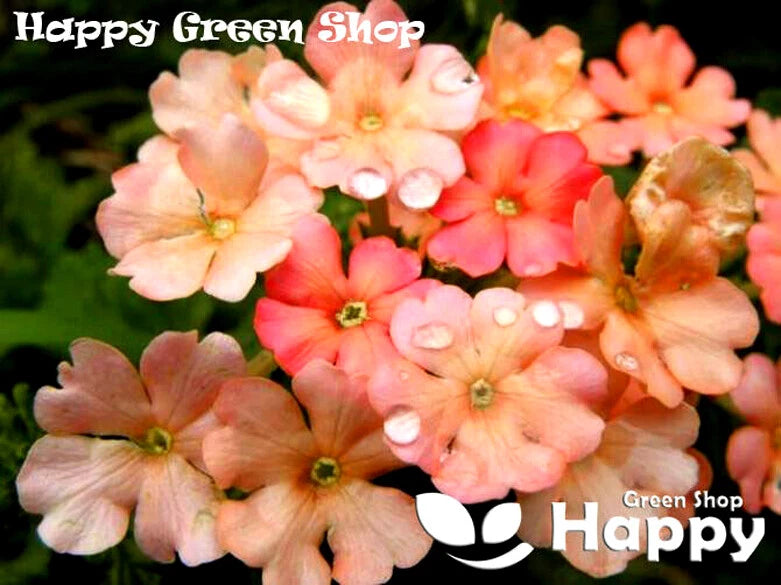
Dwarf Verbena 'Apricot' – Seeds (Verbena hybrida nana)
Dwarf Verbena 'Apricot' is a compact, free-flowering annual that brings a soft, warm glow to garden beds, borders, and containers. With its clusters of delicate apricot-colored blooms, this charming plant is ideal for edging pathways, filling pots, or creating cheerful bedding displays. Known for its long flowering season, it will brighten up your garden from summer into autumn.
Why Grow Dwarf Verbena 'Apricot'?
-
Compact, dwarf-growing variety – perfect for small spaces
-
Long-lasting apricot blooms in dense clusters
-
Attracts bees, butterflies, and other pollinators
-
Excellent for beds, borders, window boxes, and pots
Key Features
-
Type: Annual flower
-
Height: 20–25 cm
-
Spread: 20–25 cm
-
Flowering: June–October
-
Position: Full sun
-
Soil: Well-drained, fertile soil
Sowing & Growing
-
Sow indoors: February–April, cover lightly with compost
-
Germination: 14–21 days at 18–22°C
-
Transplant outdoors after last frost, spacing 20–25 cm apart
-
Deadhead spent blooms to prolong flowering
Tip: Ideal for bedding schemes when mixed with other pastel shades for a soft summer display.
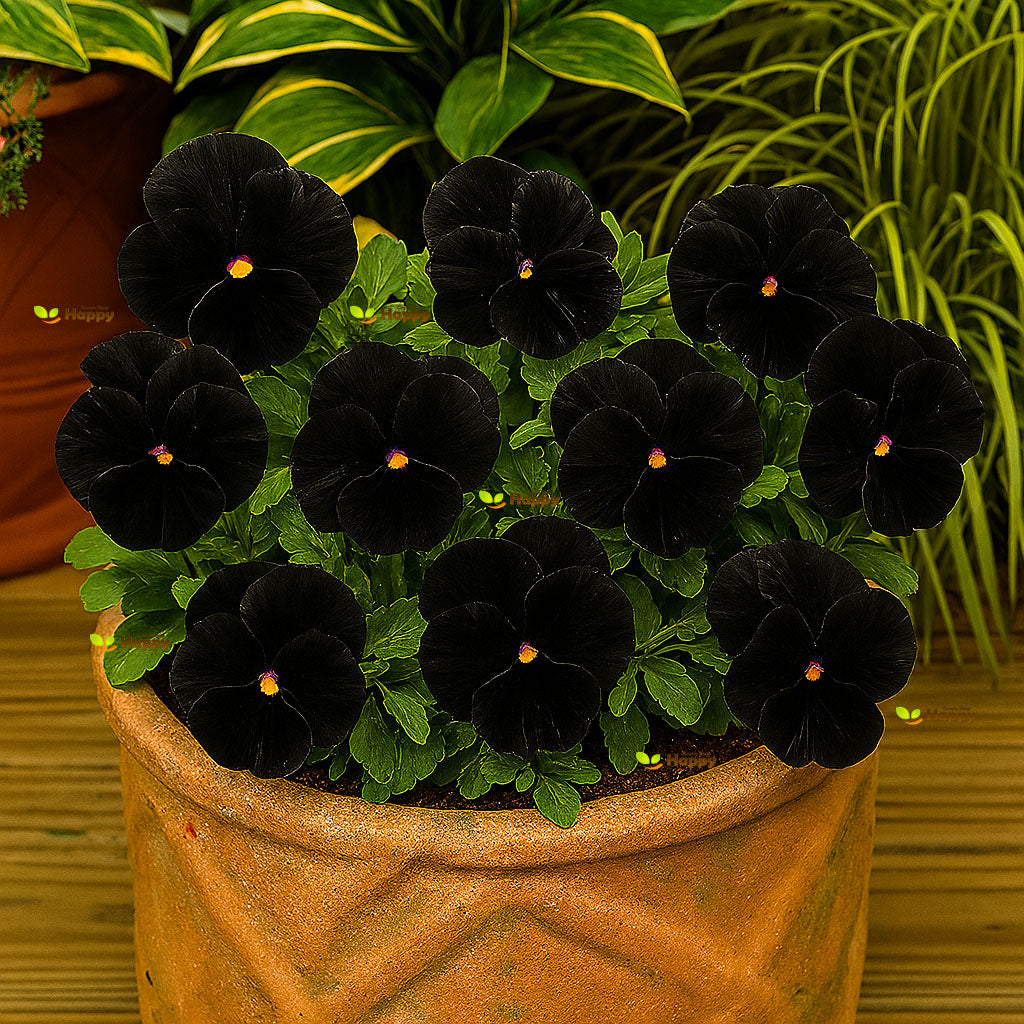
Pansy ‘Clear Crystals Black’ – Seeds (Viola wittrockiana)
Pansy ‘Clear Crystals Black’ (Viola wittrockiana) is a dramatic and elegant variety with large, velvety, jet-black blooms. Compact and easy to grow, it flowers from early spring through summer, and again in autumn with lasting displays. Perfect for borders, bedding, window boxes, and containers, these striking flowers also make excellent companions in mixed plantings. Hardy and reliable, pansies add bold contrast to the garden while attracting pollinators.
Why Grow "Clear Crystals Black"
-
Striking velvety black blooms for dramatic displays
-
Long flowering season from spring to autumn
-
Compact, hardy, and easy to grow
-
Great for borders, containers, and window boxes
Key Features
-
Type: Hardy annual/biennial (Viola wittrockiana)
-
Height: 15–20 cm
-
Flowering: Spring to autumn
-
Position: Full sun or partial shade
-
Uses: Bedding, borders, containers, window boxes, pollinator gardens
Ideal For
-
Adding dramatic color contrast to displays
-
Early spring and autumn garden interest
-
Compact planting in pots and containers
-
Pollinator-friendly planting schemes
Sowing & Growing
-
Sow indoors: February–April or July–September
-
Germination: 10–20 days at 15–20°C
-
Transplant seedlings 15–20 cm apart
-
Prefers rich, moist but well-drained soil
-
Deadhead regularly to prolong blooming

Love-in-a-Mist 'Miss Jekyll' Double Mix Seeds (Nigella damascena)
Love-in-a-Mist 'Miss Jekyll' Double Mix is an elegant annual with double, papery blooms in shades of blue, white, and pink, surrounded by delicate feathery foliage. Its airy, cottage-garden charm makes it perfect for borders, containers, and cutting gardens. Loved for its intricate blooms and long flowering season, it adds whimsical beauty to any garden.
What Makes It Special
-
Double, papery blooms in a mix of blue, white, and pink
-
Delicate, feathery foliage creates an airy, cottage-garden effect
-
Long-flowering and easy to grow
-
Attracts pollinators and makes excellent cut flowers
Key Features
-
Botanical name: Nigella damascena
-
Variety: 'Miss Jekyll' Double Mix
-
Seed count: Approx. seeds per pack
-
Height/Spread: 30–40 cm tall, 15–20 cm spread
-
Position: Full sun; fertile, well-drained soil
-
Flowering period: June–September
Ideal For
-
Borders and cottage gardens
-
Containers and patio displays
-
Cutting gardens and floral arrangements
-
Pollinator-friendly gardens
Sowing Instructions
-
When to sow: March–May outdoors; February–April indoors
-
How to sow:
-
Sow seeds thinly on the surface of moist seed compost and press lightly; do not cover
-
Germination occurs in 10–14 days at 15–20°C
-
-
Transplanting: Thin seedlings to 15–20 cm apart after germination
-
Care: Water moderately; deadhead for prolonged flowering
Sweet Pea Extra Dwarf 'Little Sweetheart' Mix - 20 seeds (Lathyrus odoratus)
£1.24
Unit price perSweet Pea Extra Dwarf 'Little Sweetheart' Mix - 20 seeds (Lathyrus odoratus)
£1.24
Unit price perSweet Pea Extra Dwarf 'Little Sweetheart' Mix Seeds (Lathyrus odoratus)
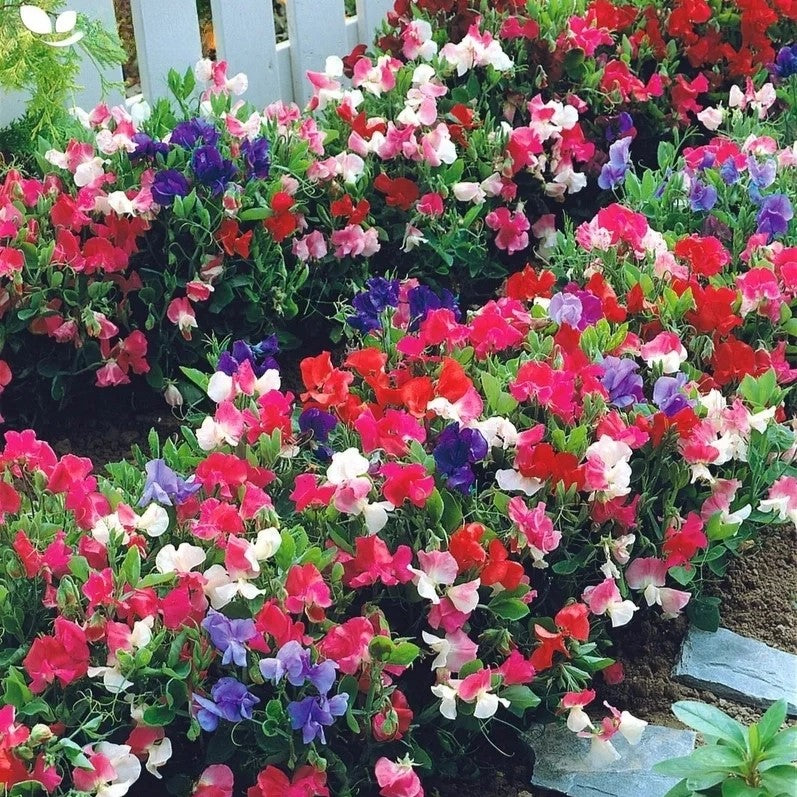
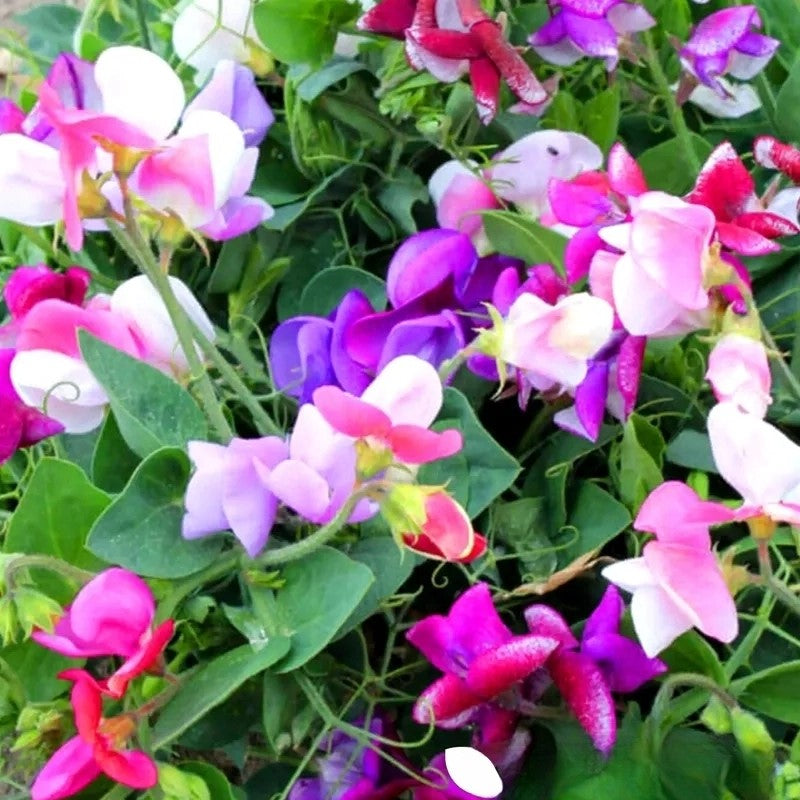
A delightful, compact variety of sweet pea, 'Little Sweetheart' produces a charming mix of fragrant blooms in shades of pink, purple, lavender, red, and white. Unlike traditional climbing sweet peas, this extra dwarf mix forms neat, bushy plants that stay low and compact—perfect for borders, pots, and containers. Their sweet fragrance and bright colors make them a summer favorite.
Why Grow 'Little Sweetheart'
-
Extra dwarf, bushy growth – no staking or trellising required
-
Abundant, colorful blooms with classic sweet pea fragrance
-
Ideal for borders, pots, and small gardens
Key Features
-
Type: Hardy annual
-
Height: 20–30 cm (extra dwarf)
-
Flowering: June–September
-
Position: Full sun
-
Uses: Containers, borders, edging, cut flowers
Sowing & Growing
-
Sow indoors: February–April in pots or trays
-
Sow outdoors: April–May in prepared soil
-
Germination: 10–20 days at 15–20°C
-
Plant out after frost, spacing 15–20 cm apart
-
Keep soil moist, avoid waterlogging
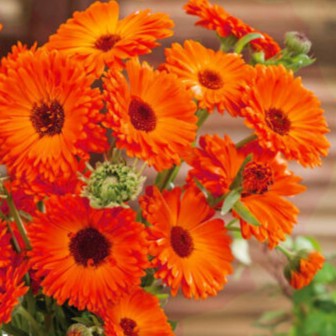
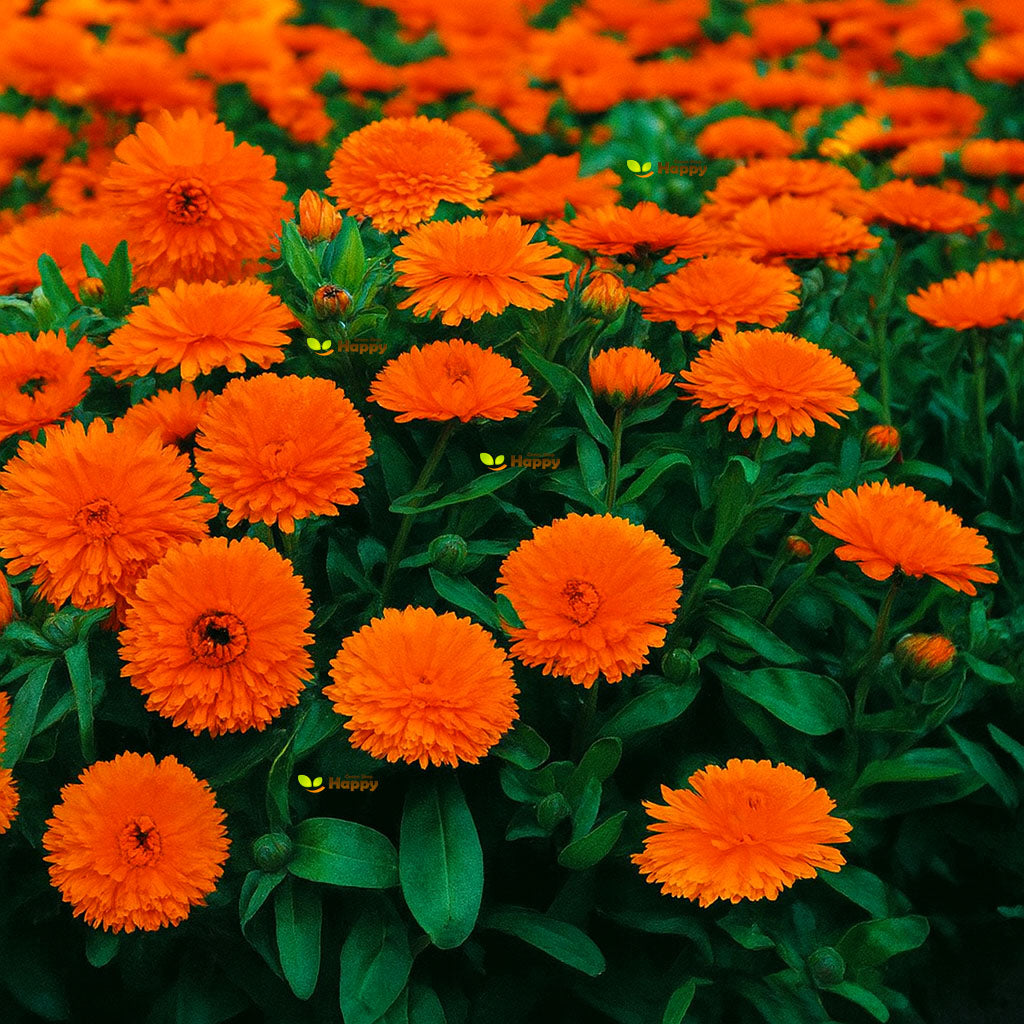
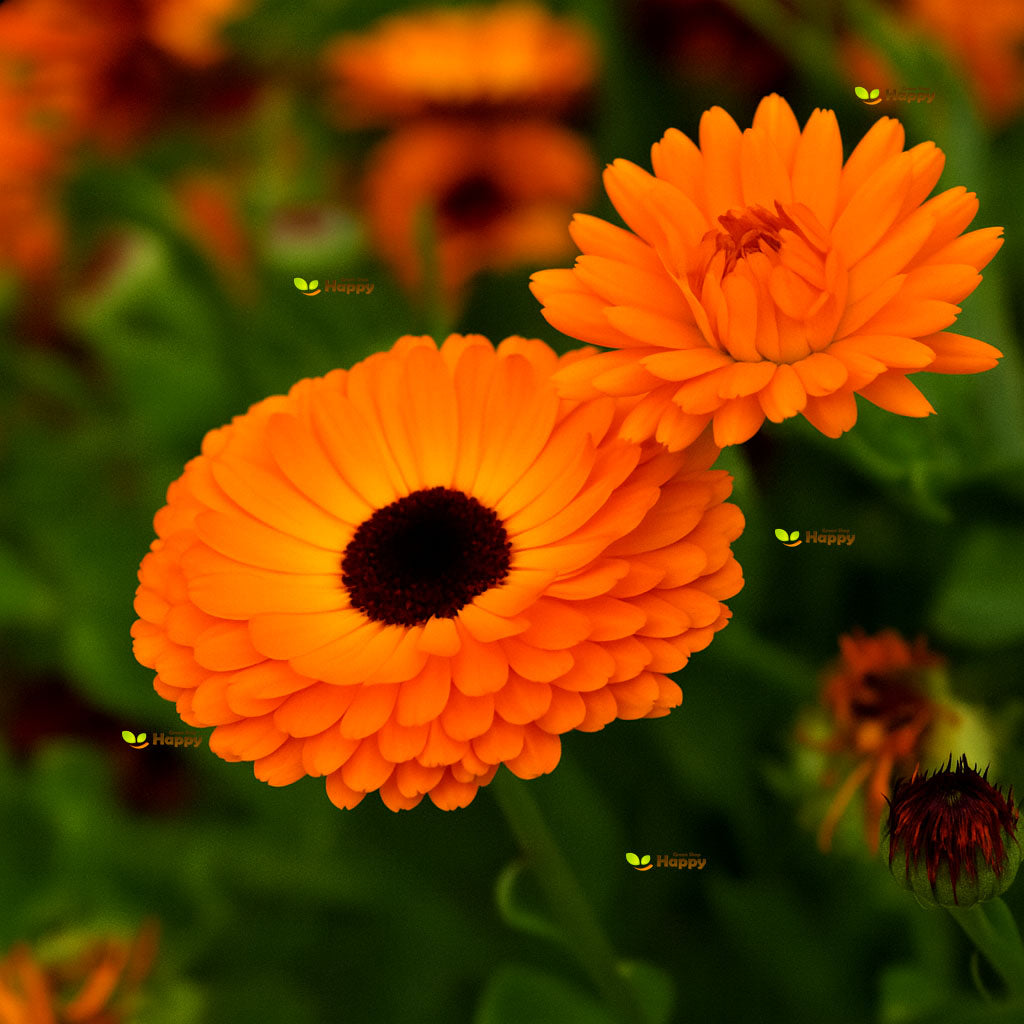
Pot Marigold ‘Geisha Girl’ Seeds (Calendula officinalis)
A charming and easy-to-grow annual, Pot Marigold ‘Geisha Girl’ produces bright, double orange blooms with a cheerful, ruffled appearance. Hardy and long-flowering, this variety is perfect for borders, containers, and edible gardens, attracting pollinators while adding vibrant color from spring through autumn.
What Makes It Special
-
Double, ruffled orange blooms with a striking presence
-
Hardy and low-maintenance, ideal for novice gardeners
-
Attracts bees and butterflies, supports pollinator-friendly gardens
Key Features
-
Botanical name: Calendula officinalis
-
Hardy annual
-
Height: 30–40 cm (12–16 in)
-
Bloom time: Spring to autumn
Ideal For
-
Borders, beds, and edging
-
Containers, pots, and window boxes
-
Pollinator-friendly and edible gardens
Sowing
-
Sow indoors Feb–Apr or outdoors Mar–May
-
Cover lightly with soil and keep moist
-
Germination: 7–14 days at 15–20°C
-
Thin seedlings to 25–30 cm apart
-
Flowers the same year after sowing
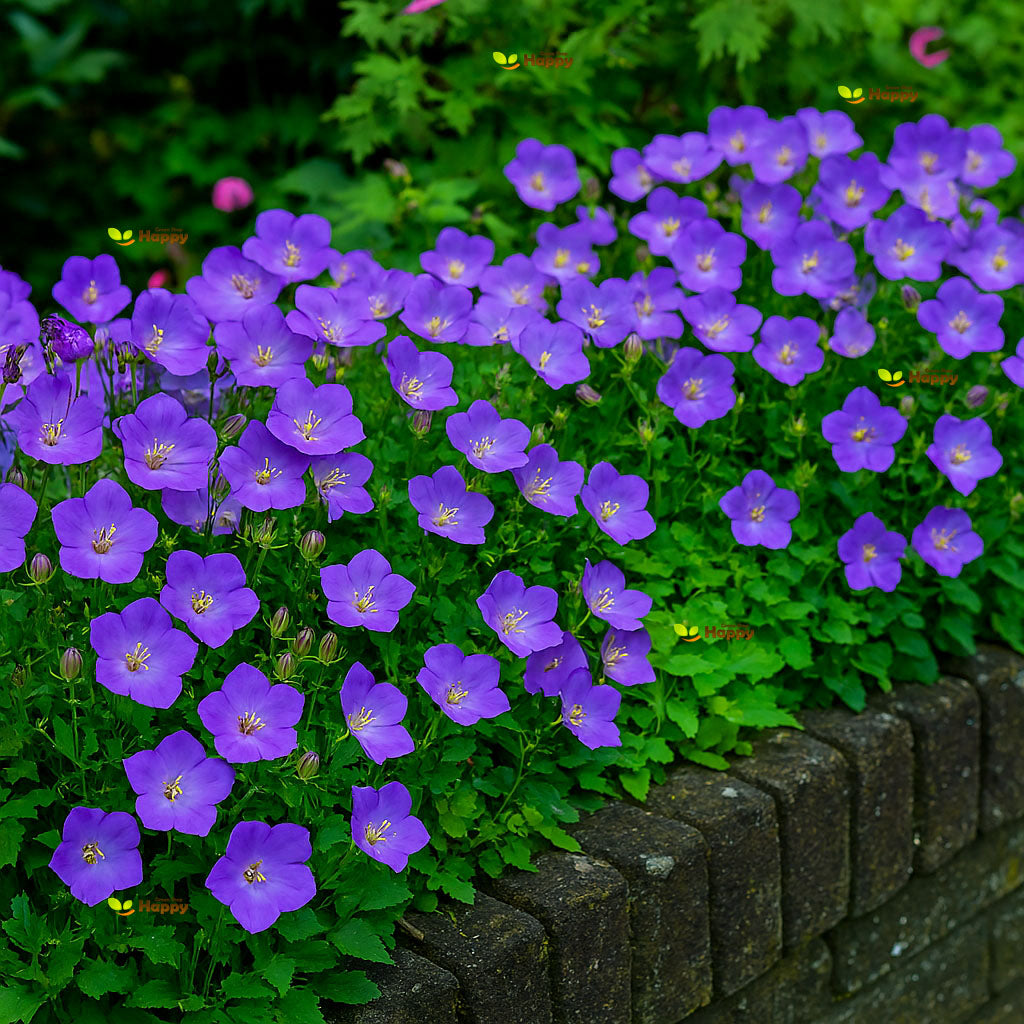
Tussock Bellflower Purple Seeds (Campanula carpatica ‘Purple’)
A compact and hardy perennial, Tussock Bellflower Purple produces charming, deep purple bell-shaped flowers on low mounds of foliage. Ideal for rock gardens, borders, and container planting, this plant adds long-lasting color and attracts pollinators in late spring and early summer.
What Makes It Special
-
Deep purple, bell-shaped flowers on compact mounds
-
Hardy and low-maintenance, perfect for rockeries and borders
-
Attracts bees and butterflies, supporting pollinator gardens
Key Features
-
Botanical name: Campanula carpatica
-
Hardy perennial
-
Height: 15–20 cm (6–8 in)
-
Bloom time: Late spring to early summer
Ideal For
-
Rock gardens and alpine plantings
-
Garden borders and edging
-
Containers, pots, and small garden spaces
Sowing
-
Sow indoors Feb–Apr or outdoors Mar–May
-
Cover lightly with soil and keep moist
-
Germination: 14–28 days at 15–20°C
-
Thin seedlings to 20–25 cm apart
-
Flowers the first or second season after sowing
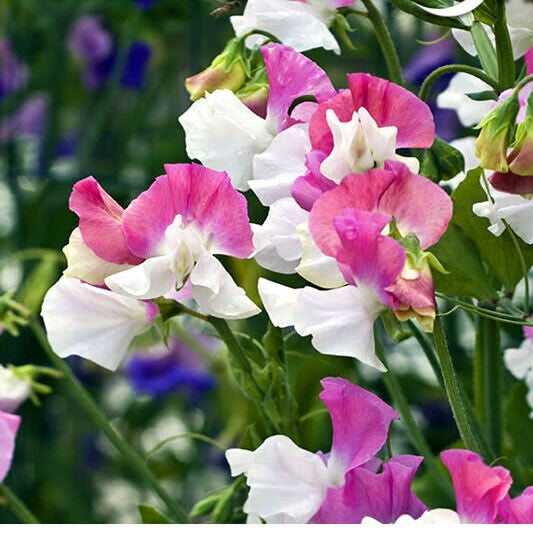
Sweet Pea Perfume ‘Promise’ – Seeds (Lathyrus odoratus)
Sweet Pea Perfume ‘Promise’ is a fragrant annual climber producing elegant, soft pink blooms that release a delightful scent all summer. Perfect for trellises, fences, obelisks, and window boxes, its long flowering season and compact climbing habit make it ideal for adding both color and fragrance to borders and containers. Easy to grow, it’s a favorite for gardeners seeking beautiful, aromatic blooms.
Why Grow "Perfume ‘Promise’"
-
Soft pink, fragrant blooms
-
Long flowering season from summer onwards
-
Compact climber suitable for trellises and containers
-
Adds both color and sweet scent to gardens
Key Features
-
Type: Annual climber (Lathyrus odoratus)
-
Height: 150–180 cm
-
Flowering: Summer
-
Position: Full sun
-
Uses: Trellises, fences, obelisks, window boxes, cut flowers
Ideal For
-
Vertical displays in small or large gardens
-
Patio and container planting
-
Pollinator-friendly garden designs
-
Gardeners seeking fragrant, long-flowering climbers
Sowing & Growing
-
Sow indoors: February–April
-
Sow outdoors: After last frost in well-drained soil
-
Germination: 10–20 days at 15–20°C
-
Space seedlings: 20–25 cm apart
-
Provide support for climbing


Snowland Daisy 'Pure White' Seeds (Chrysanthemum paludosum)
Add a touch of brightness to your garden with the charming Snowland Daisy 'Pure White'. These compact, bushy plants are covered with masses of pure white blooms and sunny yellow centers, creating a cheerful carpet of flowers. Perfect for edging, containers, or rock gardens, they provide long-lasting color throughout the summer.
What Makes It Special
-
Masses of pure white blooms with golden centers
-
Compact, low-growing habit for neat displays
-
Excellent for borders, pots, and edging
Key Features
-
Botanical name: Chrysanthemum paludosum
-
Annual
-
Height: 20–25 cm
-
Blooming period: Summer to autumn
-
Sun-loving and easy to grow
Ideal For
-
Rock gardens and ground cover
-
Patio pots and containers
-
Flower bed edging and borders
Sowing
-
Sow indoors from March–April or directly outdoors from May
-
Cover lightly with soil, keep moist until germination (7–14 days at 18–20°C)
-
Thin and transplant seedlings once large enough to handle
-
Flowers from June onwards
Showing 63/299


