
Sort by:
299 products
299 products
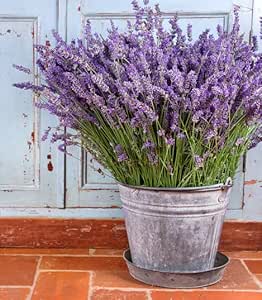
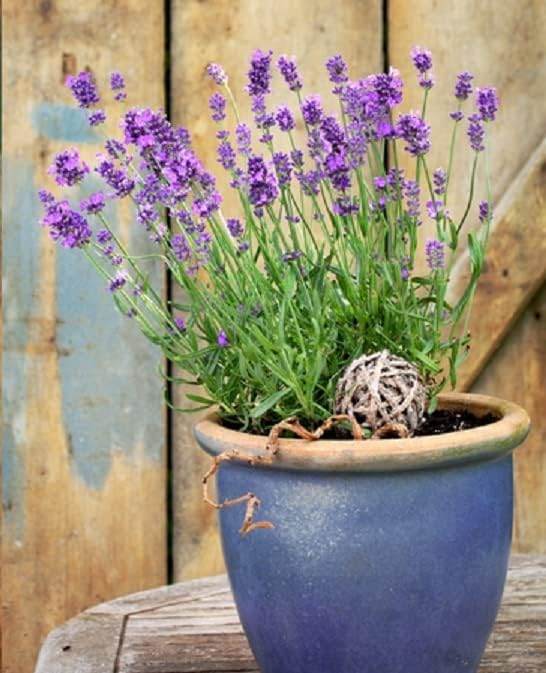
English Lavender Seeds (Lavandula angustifolia)
A classic perennial, English Lavender produces fragrant spikes of purple flowers above aromatic silver-green foliage. Hardy and long-flowering, it’s perfect for borders, cottage gardens, and containers, attracting bees and butterflies while adding scent, color, and texture to any garden.
What Makes It Special
-
Fragrant purple flower spikes with aromatic foliage
-
Hardy, long-flowering, and drought-tolerant
-
Attracts pollinators, supporting bees and butterflies
Key Features
-
Botanical name: Lavandula angustifolia
-
Hardy perennial
-
Height: 30–60 cm (12–24 in)
-
Bloom time: Summer
Ideal For
-
Borders, cottage gardens, and rock gardens
-
Containers, pots, and low-maintenance garden designs
-
Pollinator-friendly and aromatic garden plantings
Sowing
-
Sow indoors Feb–Apr or outdoors Mar–May
-
Cover lightly with soil and keep moist
-
Germination: 14–28 days at 15–20°C
-
Thin seedlings 25–30 cm apart
-
Flowers the first or second season after sowing

Petunia Mix – Seeds (Petunia hybrida pendula)
The Petunia Mix is a trailing variety producing a cascade of colorful blooms in shades of pink, purple, red, and white. Its pendulous habit makes it perfect for hanging baskets, window boxes, and containers, creating a vibrant, overflowing display all summer long.
What Makes It Special
-
Cascading trailing habit for dramatic garden displays
-
Mixed vibrant colors for long-lasting visual appeal
-
Continuous flowering from early summer to autumn
-
Ideal for creating striking hanging baskets and container arrangements
Key Features
-
Botanical name: Petunia hybrida pendula
-
Variety: Mix
-
Seed count: Approx. seeds per pack
-
Height/Spread: 20–25 cm tall, trailing 40–50 cm
-
Position: Full sun; fertile, well-drained soil
-
Flowering period: June–October
Ideal For
-
Hanging baskets and window boxes
-
Patio containers and garden planters
-
Adding trailing color to borders and raised beds
-
Brightening balconies and terraces
Sowing Instructions
-
When to sow: February–April indoors
-
How to sow:
-
Surface sow on moist seed compost
-
Press lightly; do not cover
-
Maintain 20–24°C; germination 10–21 days
-
-
After germination:
-
Transplant seedlings into individual pots when large enough
-
Harden off before planting out after the last frost
-
Space 20–25 cm apart for trailing growth
-

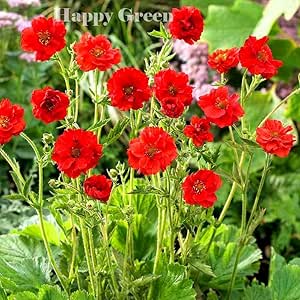
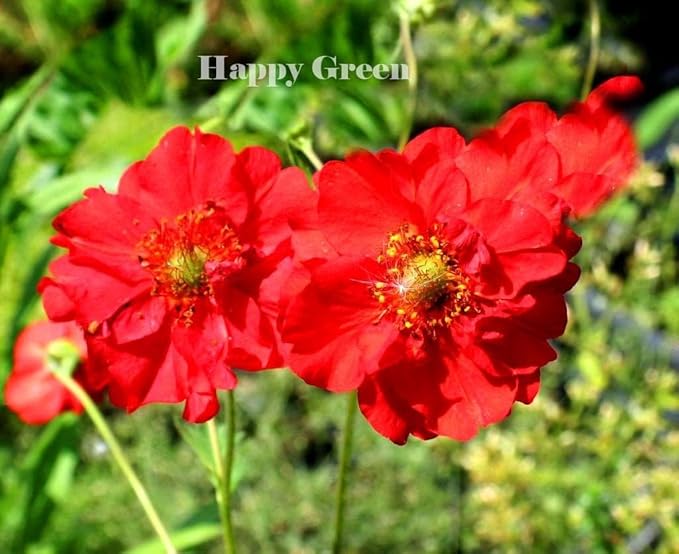
Mrs. J. Bradshaw ‘Brilliant Scarlett’ Seeds (Geum chiloense)
A vibrant perennial, Mrs. J. Bradshaw ‘Brilliant Scarlett’ produces striking, fiery scarlet blooms on sturdy stems above clumps of fresh green foliage. Hardy and long-flowering, it’s perfect for borders, cottage gardens, and mixed perennial beds, attracting pollinators and adding bold color from late spring to summer.
What Makes It Special
-
Brilliant scarlet flowers with strong garden presence
-
Hardy, long-flowering perennial ideal for dramatic displays
-
Attracts bees and butterflies, supporting pollinator gardens
Key Features
-
Botanical name: Geum chiloense
-
Hardy perennial
-
Height: 50–70 cm (20–28 in)
-
Bloom time: Late spring to summer
Ideal For
-
Garden borders and cottage-style plantings
-
Mixed perennial beds and containers
-
Pollinator-friendly landscapes
Sowing
-
Sow indoors Feb–Apr or outdoors Mar–May
-
Cover lightly with soil and keep moist
-
Germination: 14–28 days at 15–20°C
-
Thin seedlings 30–40 cm apart
-
Flowers the first or second season after sowing


Hyssop Seeds (Hyssopus officinalis)
Grow a timeless herb with Hyssop (Hyssopus officinalis), a fragrant perennial prized for its aromatic leaves and striking blue-purple flowers. Traditionally used in herbal teas, remedies, and as a seasoning, hyssop also attracts pollinators and adds beauty to borders, herb gardens, and containers. Hardy and versatile, it’s an essential plant for both culinary and medicinal use.
How to Grow
-
Sow seeds indoors in spring or directly outdoors after the last frost.
-
Use well-drained, light soil in a sunny location.
-
Sow seeds 0.5 cm deep and thin seedlings to 30–40 cm apart.
-
Keep soil lightly moist until germination (14–21 days).
-
Harvest leaves and flowers throughout summer for fresh or dried use.
Key Features
-
Aromatic herb with blue-purple blooms
-
Culinary, medicinal, and herbal tea uses
-
Attracts bees, butterflies, and pollinators
-
Hardy perennial, easy to grow
-
Adds beauty and fragrance to the garden
Ideal For
-
Herb gardens, borders, and containers
-
Herbal teas, remedies, and cooking
-
Attracting pollinators and beneficial insects
-
Gardeners seeking hardy, multipurpose plants
Sowing
-
Best time: Spring indoors or after frost outdoors
-
Depth: 0.5 cm
-
Spacing: 30–40 cm apart
-
Prefers full sun and well-drained soil
Quick Tip
-
Trim plants after flowering to encourage bushier growth and a second flush of blooms.

Clary Sage – White Swan Seeds (Salvia horminum)
Bring elegance and fragrance to your garden with Clary Sage – White Swan (Salvia horminum). This striking annual herb is prized for its large, pure white bracts that surround tiny flowers, creating a dramatic, eye-catching display. Both ornamental and aromatic, it’s an excellent choice for garden beds, borders, and cut flower arrangements.
How to Grow
-
Sow indoors in early spring or directly outdoors after the last frost.
-
Choose a sunny location with well-drained soil.
-
Lightly cover seeds with fine soil and keep moist until germination (10–20 days).
-
Thin seedlings once large enough to handle, spacing them about 20–25 cm apart.
-
Water regularly but avoid waterlogging.
-
Deadhead spent blooms to encourage prolonged flowering.
Key Features
-
Pure white bracts that create a bold floral display
-
Easy-to-grow annual, fast to flower in a single season
-
Aromatic foliage, often used in traditional remedies and crafts
-
Excellent as a cut flower for fresh or dried arrangements
-
Attracts bees, butterflies, and other pollinators
Ideal For
-
Cottage gardens and flower borders
-
Cutting gardens and bouquets
-
Pollinator-friendly landscapes
-
Containers and decorative pots
Sowing
-
Best time: Early spring indoors or outdoors after frost
-
Germination: 10–20 days
-
Sow thinly, cover lightly, and keep soil consistently moist
-
Prefers full sun and well-drained soil
Quick Tip
-
For a longer display, stagger sowings every few weeks during spring and early summer.
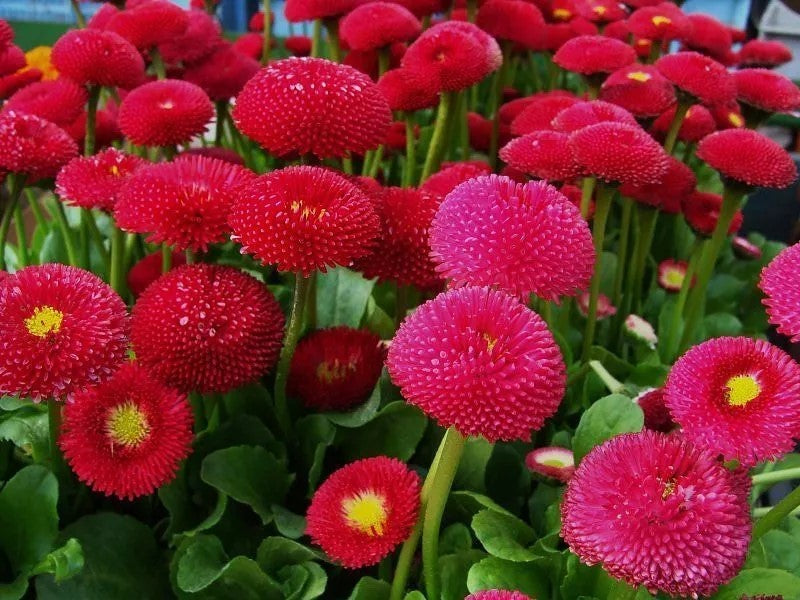
English Daisy 'Pomponette' Red Seeds (Bellis perennis)
The English Daisy ‘Pomponette’ Red is a compact and eye-catching spring flower that produces dense, pompon-shaped double blooms in deep crimson to bright scarlet shades. Perfect for borders, edging, containers, or spring bedding, these hardy daisies bring vibrant early-season color and combine beautifully with tulips, violas, and forget-me-nots.
What Makes It Special
-
Striking pompon-style flowers in vivid red tones
-
Compact and hardy perennial, often grown as a biennial
-
Early-flowering, adding bold color in spring
-
Easy to grow and reliable in many garden settings
Key Features
-
Botanical name: Bellis perennis
-
Variety: Pomponette Red
-
Height/Spread: 15–20 cm tall, 15–20 cm spread
-
Position: Full sun or partial shade; moist, fertile, well-drained soil
-
Flowering period: Early spring to early summer
-
Lifespan: Perennial, usually treated as a biennial
Ideal For
-
Spring borders and edging
-
Containers, pots, and window boxes
-
Cottage gardens and traditional bedding displays
-
Pairing with spring bulbs like tulips, daffodils, and hyacinths
-
Adding a bold red highlight among softer pastel flowers
Sowing Instructions
-
When to sow: May to July for flowers the following spring.
-
How to sow:
-
Sow on the surface of moist seed compost, as seeds need light to germinate.
-
Keep at 15–20°C; germination takes 14–28 days.
-
-
Transplant/Thin: Prick out seedlings when large enough, then grow on in cooler conditions. Harden off before planting 15–20 cm apart.
-
Care: Remove faded flowers to prolong blooming. Protect young plants from severe frost.
Angel Wings Mix Seeds (Schizanthus wisetonensis)
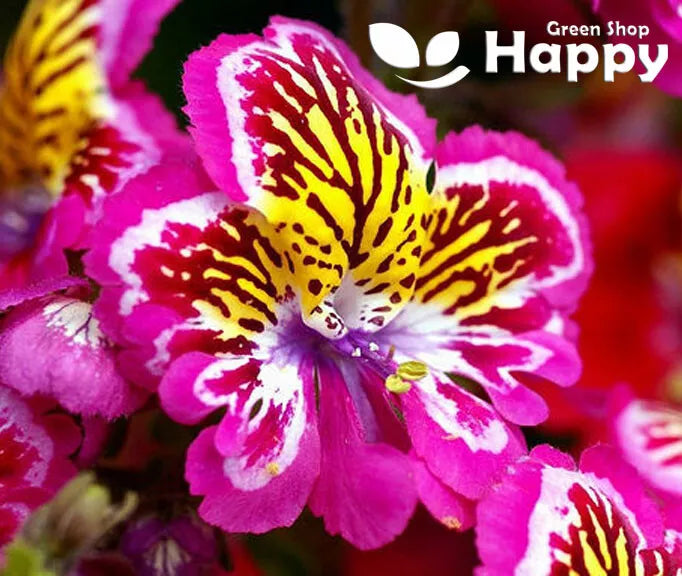
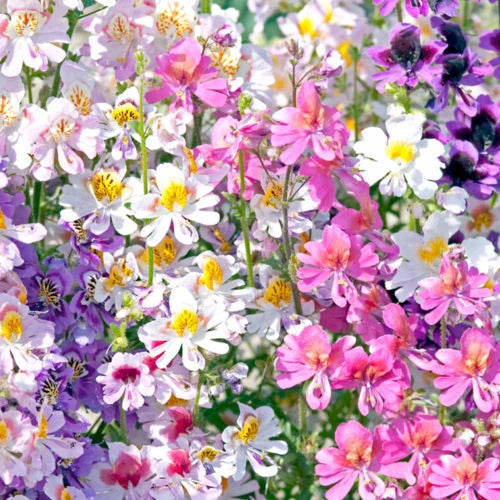
Add a touch of exotic charm to your garden with Angel Wings Mix, also known as the Poor Man’s Orchid. This striking annual produces delicate, orchid-like blooms in a brilliant mix of pink, purple, red, and white, often with intricate markings. Compact and free-flowering, it’s perfect for borders, containers, and adding a vibrant splash of color all summer long.
What Makes It Special
-
Orchid-like flowers at a fraction of the effort
-
Vibrant multi-colored blooms with intricate patterns
-
Long-lasting summer display
Key Features
-
Height: 30–45 cm
-
Annual, bushy habit
-
Blooms: early summer to autumn
-
Easy to grow and prolific flowerer
Ideal For
-
Borders, bedding, and cottage gardens
-
Containers and patio pots
-
Pollinator-friendly displays
Sowing
-
Sow indoors Feb–Apr at 15–18°C
-
Germination: 14–21 days
-
Transplant seedlings when large enough to handle
-
Plant out after last frost in sun or partial shade
Rock Cress 'Cascade Mix' Seeds (Aubrieta cultorum hybrida)
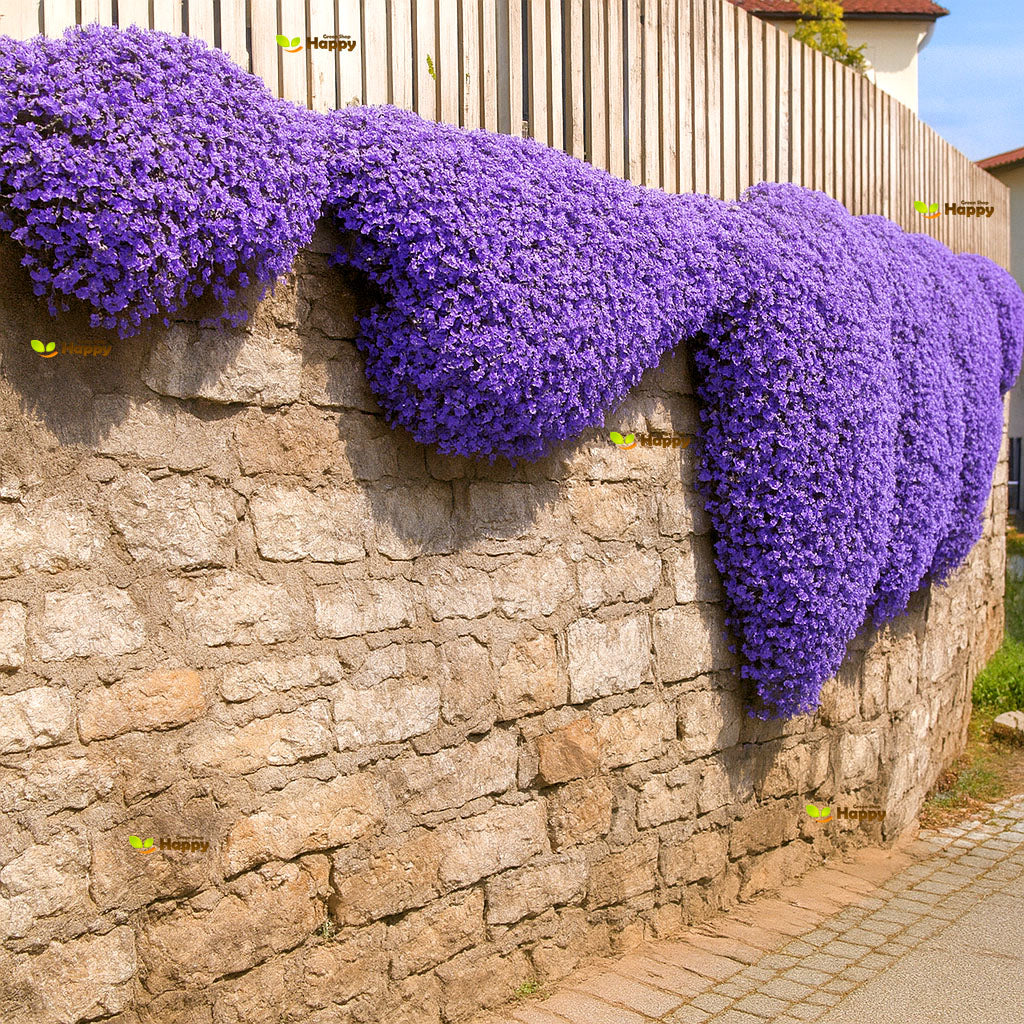
Rock Cress 'Cascade Mix' is a low-growing perennial that creates a carpet of vibrant spring color. Its trailing habit and masses of purple, pink, red, and violet blooms spill beautifully over walls, borders, and rock gardens. Hardy and easy to grow, it’s a spring favorite for adding rich groundcover.
What Makes It Special
-
Produces a cascade of bright spring flowers
-
Excellent for rockeries, walls, and edging
-
Hardy and long-lasting groundcover
Key Features
-
Botanical name: Aubrieta cultorum hybrida
-
Hardy perennial
-
Height: 10–15 cm
-
Bloom time: Spring to early summer
Ideal For
-
Rock gardens and slopes
-
Edging and groundcover
-
Walls, containers, and cottage gardens
Sowing
-
Sow indoors Feb–Apr or outdoors Apr–Jun
-
Lightly cover seeds with soil
-
Germination: 14–21 days at 18–20°C
-
Transplant 20–25 cm apart
-
Flowers from the second year onward

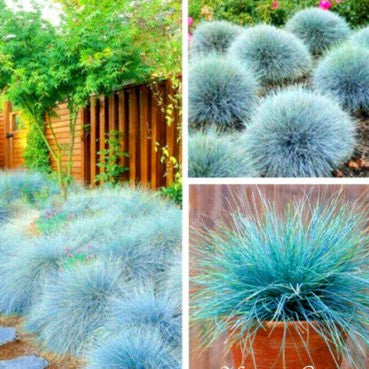
Blue Fescue Grass Seeds (Festuca glauca)
Blue Fescue is a compact, clump-forming ornamental grass prized for its striking silvery-blue foliage and neat rounded habit. It provides year-round interest and a beautiful contrast to flowering plants, rock gardens, or modern landscapes. Easy to grow and low-maintenance, this grass is a top choice for adding texture and color to gardens.
What Makes It Special
-
Stunning steel-blue foliage that keeps its color year-round
-
Compact, tufted shape – perfect for edging or groundcover
-
Extremely hardy and drought-tolerant once established
-
Low-maintenance and versatile in garden design
Key Features
-
Botanical name: Festuca glauca
-
Common name: Blue Fescue
-
Seed count: Approx. seeds per pack
-
Height/Spread: 20–30 cm tall, 25–30 cm spread
-
Position: Full sun; well-drained soil (thrives in poor, dry soils)
-
Flowering period: Summer (produces delicate flower spikes)
-
Lifespan: Hardy perennial
Ideal For
-
Rock gardens and alpine displays
-
Borders and edging along paths
-
Containers and modern minimalist gardens
-
Drought-tolerant or low-maintenance landscapes
-
Adding color contrast to mixed plantings
Sowing Instructions
-
When to sow: February–April indoors or May–June outdoors
-
How to sow:
-
Sow thinly on the surface of moist, well-draining compost
-
Press seeds lightly into the soil, do not cover deeply (light aids germination)
-
Keep at 15–20°C; germination in 14–28 days
-
-
Transplant: When seedlings are large enough, prick out and grow in pots before planting out
-
Planting out: Choose a sunny spot with free-draining soil; avoid overly wet conditions
-
Care: Minimal maintenance required. Cut back old leaves in early spring to encourage fresh growth.
Showing 72/299


