
Cottage Garden Flower Seeds

Sort by:
260 products
260 products


Angel Wings 'Dr Badger's' hybrids mix - 1600 seeds (Schizanthus wisetonensis)
£1.24
Unit price perAngel Wings 'Dr Badger's' hybrids mix - 1600 seeds (Schizanthus wisetonensis)
£1.24
Unit price perAngel Wings ‘Dr Badger’s’ Hybrids Mix – 1,000 Seeds (Schizanthus wisetonensis)
Angel Wings ‘Dr Badger’s’ Hybrids (Schizanthus wisetonensis) is a stunning annual producing delicate, fringed blooms in a mix of vibrant colors. Its compact, bushy habit makes it perfect for borders, containers, and rockeries. Easy to grow and long-flowering, it adds a touch of exotic beauty to gardens while attracting pollinators.
Why Grow "Dr Badger’s Hybrids"
-
Fringed, vibrant blooms in assorted colors
-
Compact, bushy growth habit
-
Long flowering season from summer to autumn
-
Attracts bees and butterflies
Key Features
-
Type: Annual (Schizanthus wisetonensis)
-
Height: 20–40 cm
-
Flowering: June–September
-
Position: Full sun to partial shade
-
Uses: Borders, containers, rockeries, pollinator-friendly gardens
Ideal For
-
Cottage-style and ornamental borders
-
Container planting and patios
-
Pollinator-friendly gardens
-
Rockeries and small garden beds
Sowing & Growing
-
Sow indoors: February–April in seed trays or pots
-
Sow outdoors: After last frost in prepared soil
-
Germination: 10–20 days at 18–20°C
-
Thin seedlings to 15–20 cm apart
-
Prefers well-drained soil and sunny positions
-
Deadhead occasionally to encourage prolonged flowering
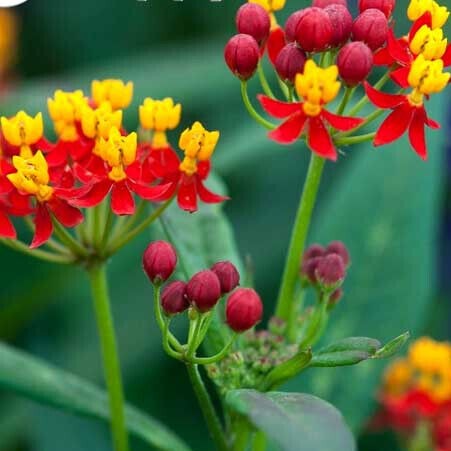
Mexican Butterfly Weed ‘Red’ – Seeds (Asclepias curassavica)
Mexican Butterfly Weed ‘Red’ is a vibrant, nectar-rich perennial attracting butterflies, bees, and hummingbirds. Its bright red, clustered flowers bloom from summer to autumn, creating a bold splash of color in borders, beds, and pollinator gardens. Easy to grow and low-maintenance, this variety supports wildlife while adding tropical flair and long-lasting beauty to your garden.
Why Grow "Red Mexican Butterfly Weed"
-
Bright red, clustered flowers from summer to autumn
-
Nectar-rich, attracting butterflies, bees, and hummingbirds
-
Low-maintenance and easy to grow
-
Perfect for pollinator-friendly gardens and vibrant borders
Key Features
-
Type: Perennial (Asclepias curassavica)
-
Height: 60–90 cm
-
Flowering: Summer to autumn
-
Position: Full sun
-
Uses: Borders, beds, pollinator gardens, wildlife-friendly planting
Ideal For
-
Supporting pollinators and wildlife in the garden
-
Adding bright red color to borders and beds
-
Cottage and mixed garden designs
-
Gardeners seeking low-maintenance, nectar-rich plants
Sowing & Growing
-
Sow indoors: 6–8 weeks before last frost
-
Sow outdoors: After frost danger has passed
-
Germination: 10–20 days
-
Space seedlings: 30–40 cm apart
-
Prefers well-drained soil and full sun
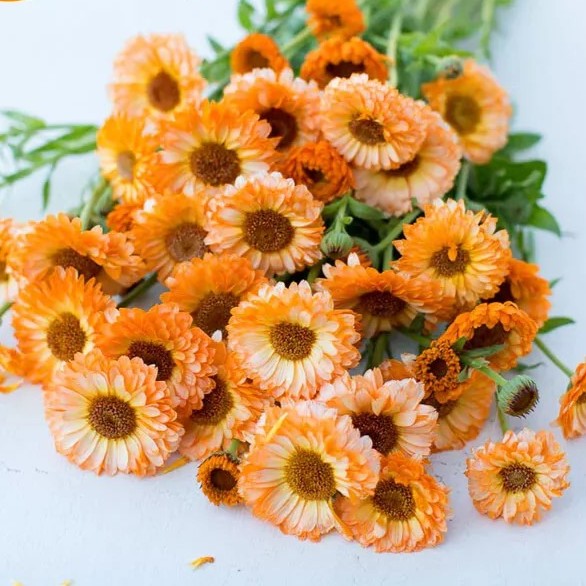
Pot Marigold ‘Double Pink Surprise’ Seeds (Calendula officinalis)
Pot Marigold ‘Double Pink Surprise’ is an annual flower bursting with charming double blooms in soft pink shades. Blooming from early summer to autumn, it adds vibrant color to borders, containers, and cottage gardens. Easy to grow and hardy, it also attracts pollinators and makes excellent cut or edible flowers.
What Makes It Special
-
Double soft pink blooms with long flowering season
-
Hardy and easy-to-grow annual
-
Attracts bees and butterflies; edible petals
Key Features
-
Botanical name: Calendula officinalis
-
Annual
-
Height: 30–50 cm
-
Bloom time: Early summer to autumn
Ideal For
-
Borders, containers, and cottage gardens
-
Pollinator-friendly plantings
-
Cut flowers and edible flower gardens
Sowing
-
Sow outdoors Mar–Jun or indoors Feb–Apr
-
Cover seeds lightly with soil
-
Germination: 7–14 days at 15–20°C
-
Thin seedlings 25–30 cm apart
-
Flowers the same year


Dwarf Nasturtium 'Peach Melba' – Seeds
(Tropaeolum nanum)
Dwarf Nasturtium 'Peach Melba' is a compact, low-growing annual that produces vibrant peach-colored blooms with subtle apricot tones. Its trailing habit makes it perfect for borders, containers, and hanging baskets. Easy to grow and fast-flowering, this variety also attracts pollinators like bees and butterflies, adding colour and life to your garden.
Key Features
-
Type: Half-hardy annual
-
Height: 15–25 cm
-
Spread: 25–35 cm
-
Flowering: June–September
-
Position: Full sun
-
Soil: Well-drained, moderately fertile
Ideal For
-
Containers and hanging baskets
-
Borders and edging
-
Pollinator-friendly gardens
-
Cottage-style planting
Sowing & Growing
-
Sow indoors: March–April at 18–22°C
-
Sow outdoors: May, after frost risk has passed
-
Germination: 7–14 days
-
Thin or transplant to 20–25 cm spacing
-
Deadhead to encourage continuous flowering
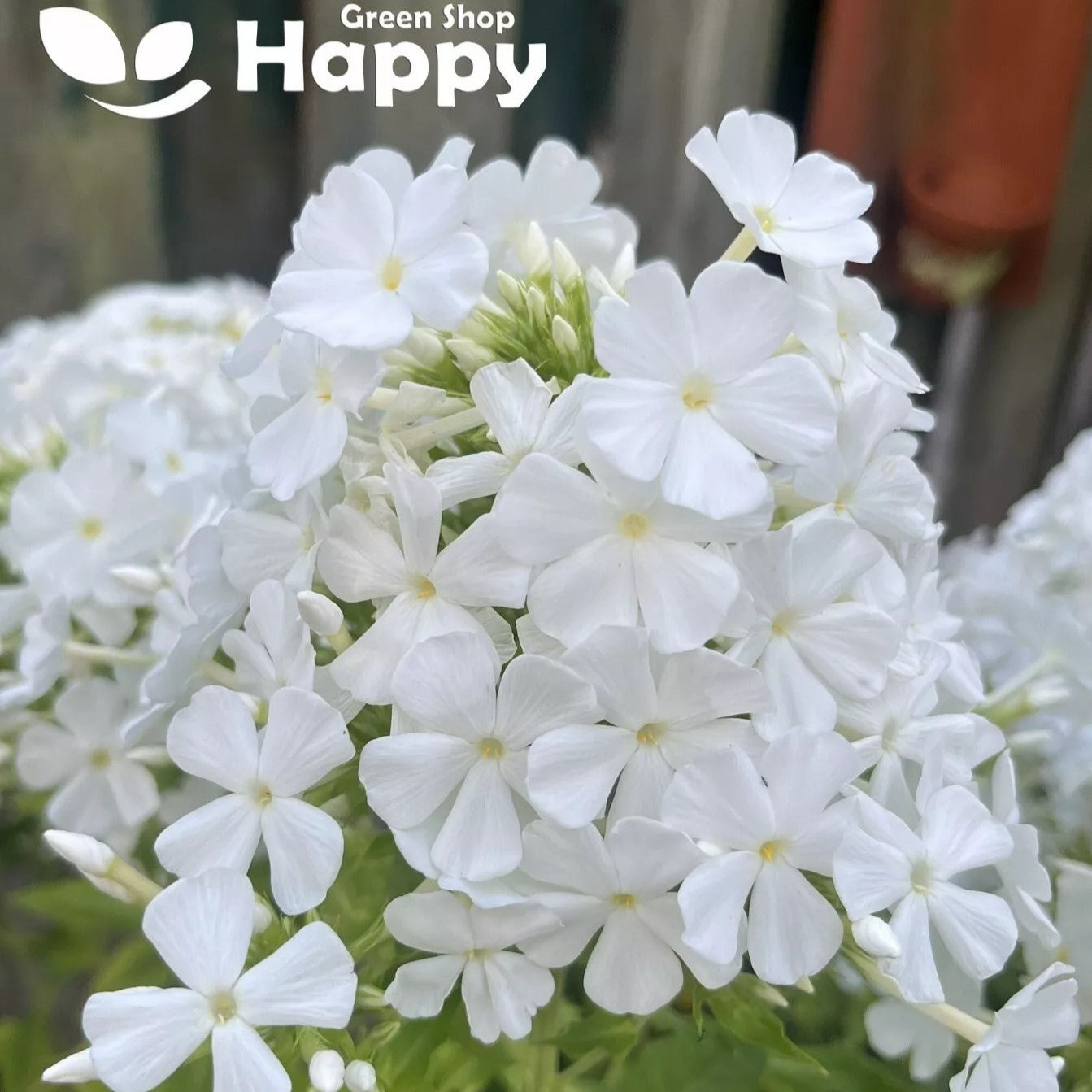
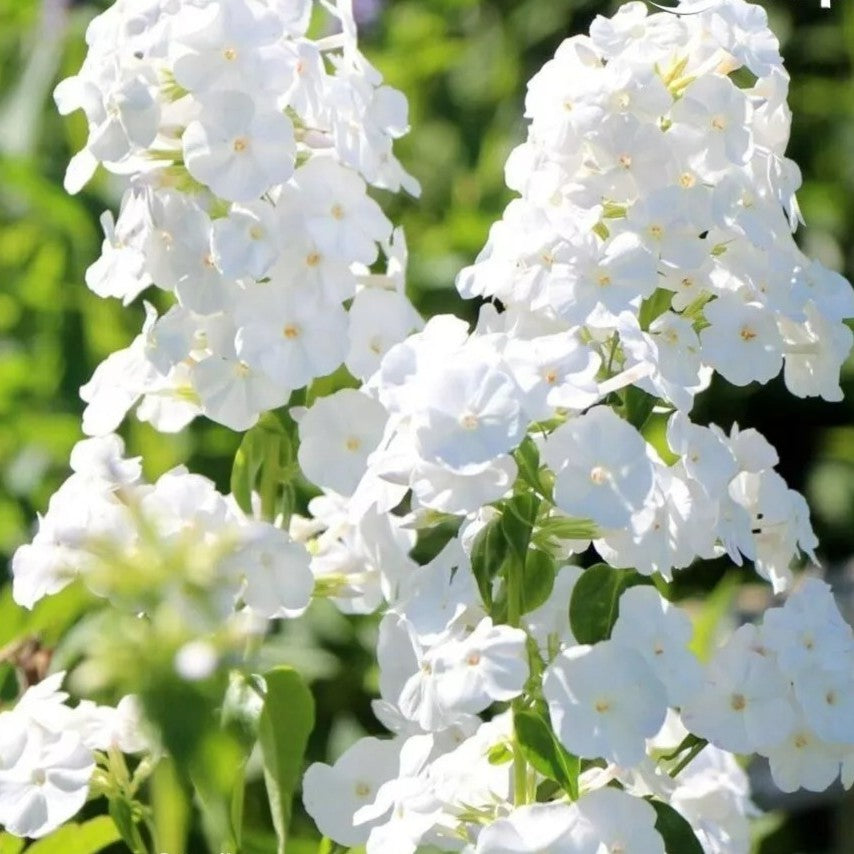
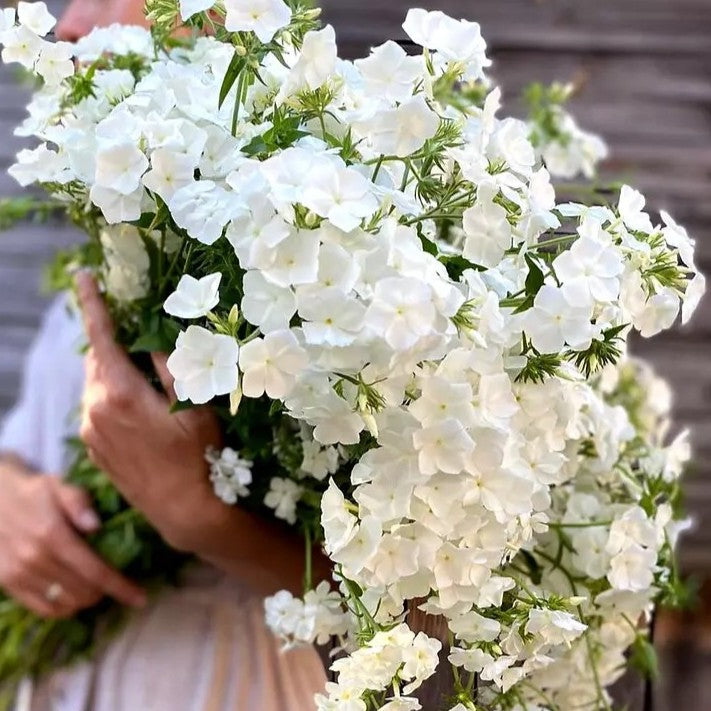
Drummond’s Phlox Alba Seeds (Phlox drummondii grandiflora)
Bring timeless elegance to your garden with Drummond’s Phlox Alba (Phlox drummondii grandiflora). This annual variety is prized for its large, pure white blooms that create a striking display in beds, borders, or containers. Flowering over a long season, Phlox Alba is easy to grow and makes an excellent choice for both beginner and experienced gardeners.
How to Grow
-
Sow indoors in early spring or outdoors after the last frost.
-
Use well-drained soil in a sunny location.
-
Lightly cover seeds with fine soil and keep moist until germination (10–20 days).
-
Thin seedlings to 15–20 cm apart to allow for healthy growth.
-
Water regularly, especially during dry periods, but avoid waterlogging.
-
Pinch back young plants to encourage bushier growth.
Key Features
-
Produces masses of large, pure white flowers
-
Compact and bushy habit, ideal for borders and beds
-
Long flowering season from summer into autumn
-
Great for cutting, bouquets, and floral arrangements
-
Attracts bees, butterflies, and other pollinators
Ideal For
-
Cottage gardens and mixed flower borders
-
Containers, window boxes, and patio pots
-
Cutting gardens for fresh bouquets
-
Pollinator-friendly plantings
Sowing
-
Best time: Early spring indoors or after frost outdoors
-
Germination: 10–20 days
-
Sow thinly, cover lightly, and keep soil moist
-
Prefers full sun and well-drained soil
Quick Tip
-
For continuous blooms, deadhead spent flowers regularly to prolong flowering throughout the season.
St. John’s Wort – Seeds (Hypericum perforatum)
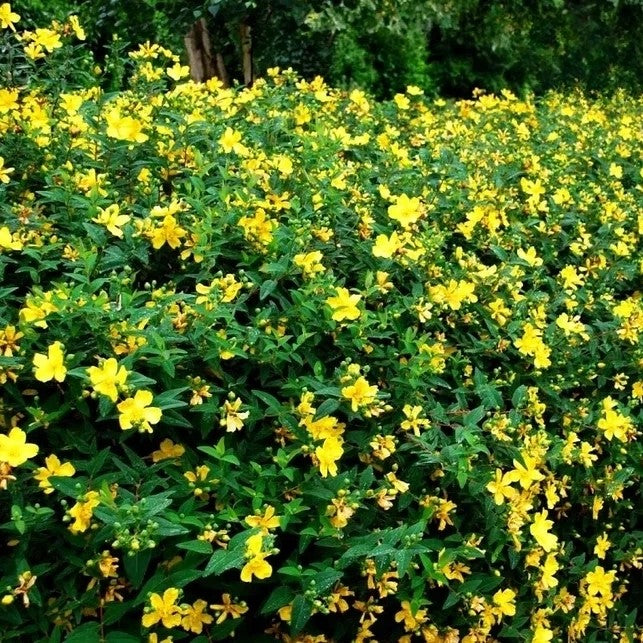
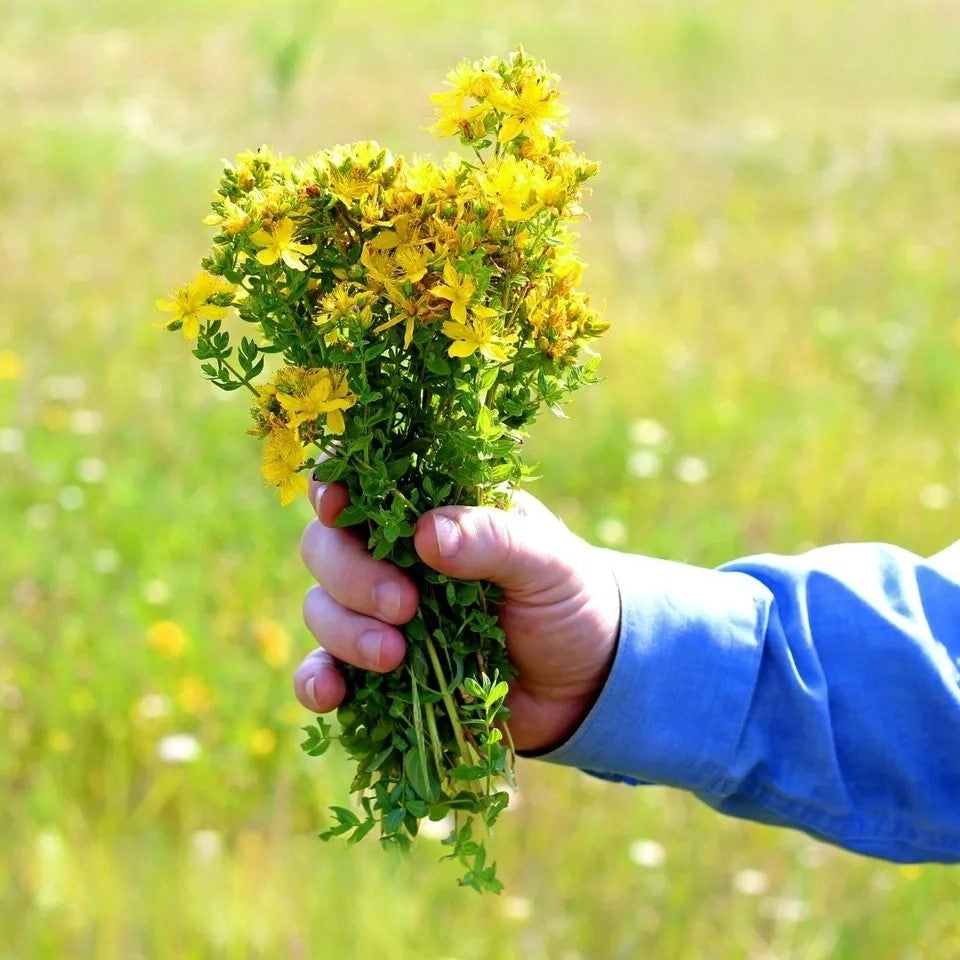
St. John’s Wort (Hypericum perforatum) is a hardy perennial herb known for its bright yellow star-shaped flowers and long history of use in traditional herbal medicine. It grows easily in gardens, meadows, or wildflower plantings, attracting pollinators while adding natural beauty.
Often valued for its ornamental and herbal qualities, St. John’s Wort thrives in poor soils and sunny locations, making it a low-maintenance addition to cottage gardens and naturalized landscapes.
How to Grow
-
Sow indoors: February – April
-
Sow outdoors: April – June, or autumn for natural stratification
-
Depth: Surface sow – seeds need light to germinate
-
Spacing: 30 cm between plants
-
Position: Full sun to partial shade
-
Soil: Well-drained, moderately fertile, sandy or rocky soils
Key Features
-
Perennial herb with golden yellow, star-shaped blooms
-
Attracts bees and pollinators
-
Grows well in poor, dry soils – low maintenance
-
Suitable for borders, meadows, and herb gardens
-
Traditional herb, long valued in folklore and medicine
Flowering & Harvest
-
Flowering time: June – September
-
Blooms can be collected at peak flowering if used for herbal purposes.
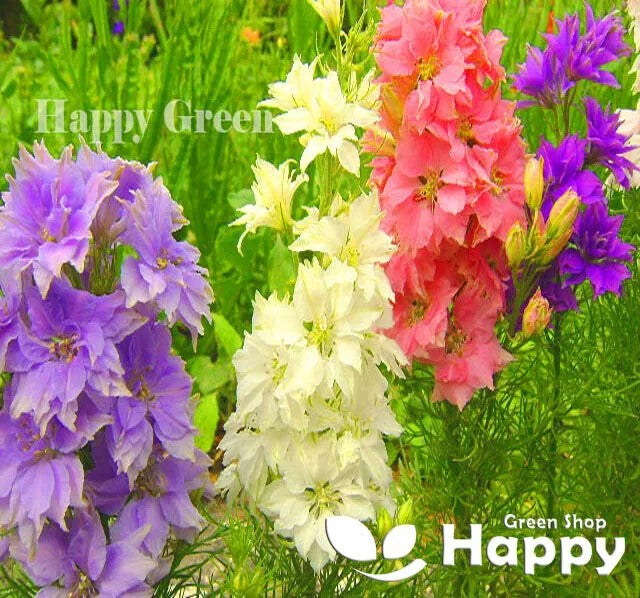
Rocket Larkspur Mix – Seeds (Delphinium ajacis)
The Rocket Larkspur Mix is a stunning annual that brings tall, elegant spikes of pink, blue, lavender, purple, and white blooms to the summer garden. A cottage garden classic, this mix produces stately flower spires that make a striking vertical accent in beds, borders, and cutting gardens. Its graceful flowers also make excellent, long-lasting cut blooms for fresh or dried arrangements.
Highlights
-
Tall, upright spires with a vibrant color mix
-
Cottage garden favorite with delicate, airy blooms
-
Excellent cut flower for bouquets and arrangements
-
Hardy annual – easy to grow and maintain
-
Attracts pollinators
Key Features
-
Botanical Name: Delphinium ajacis
-
Variety: Rocket Larkspur Mix
-
Seed Count: [Specify count if available]
-
Height/Spread: 75–120 cm tall, 30–40 cm spread
-
Position: Full sun, well-drained soil
-
Flowering Period: June – August
Perfect For
-
Cottage gardens and borders
-
Tall accents in mixed beds
-
Cutting gardens (fresh & dried flowers)
-
Pollinator-friendly landscapes
Sowing Instructions
-
Sow outdoors March–May or August–September for overwintering
-
Scatter thinly in prepared soil, cover lightly with soil
-
Germination: 14–28 days
-
Thin seedlings to 25–30 cm apart
-
Stake taller plants if needed for support

Oriental Poppy Mix – Seeds (Papaver orientale)
Oriental Poppy Mix (Papaver orientale) is a stunning perennial producing large, vibrant blooms in a range of reds, oranges, pinks, and whites. Flowering in late spring to early summer, these bold poppies add dramatic color and texture to borders, rock gardens, and cottage-style beds. Hardy and low-maintenance, they attract pollinators and make excellent cut flowers for striking summer bouquets.
Why Grow "Oriental Poppy Mix"
-
Large, showy blooms in mixed vibrant colors
-
Late spring to early summer flowering
-
Hardy, low-maintenance perennial
-
Ideal for cut flowers and pollinator-friendly gardens
Key Features
-
Type: Perennial (Papaver orientale)
-
Height: 60–90 cm
-
Flowering: Late spring to early summer
-
Position: Full sun
-
Uses: Borders, rock gardens, cottage gardens, cut flowers
Ideal For
-
Bold, colorful perennial borders
-
Rockeries and cottage-style planting
-
Pollinator-friendly gardens
-
Cut flowers and summer bouquets
Sowing & Growing
-
Sow indoors: February–April in trays or pots
-
Sow outdoors: March–May directly in soil
-
Germination: 14–21 days at 18–20°C
-
Thin seedlings 30–40 cm apart
-
Prefers well-drained soil in full sun
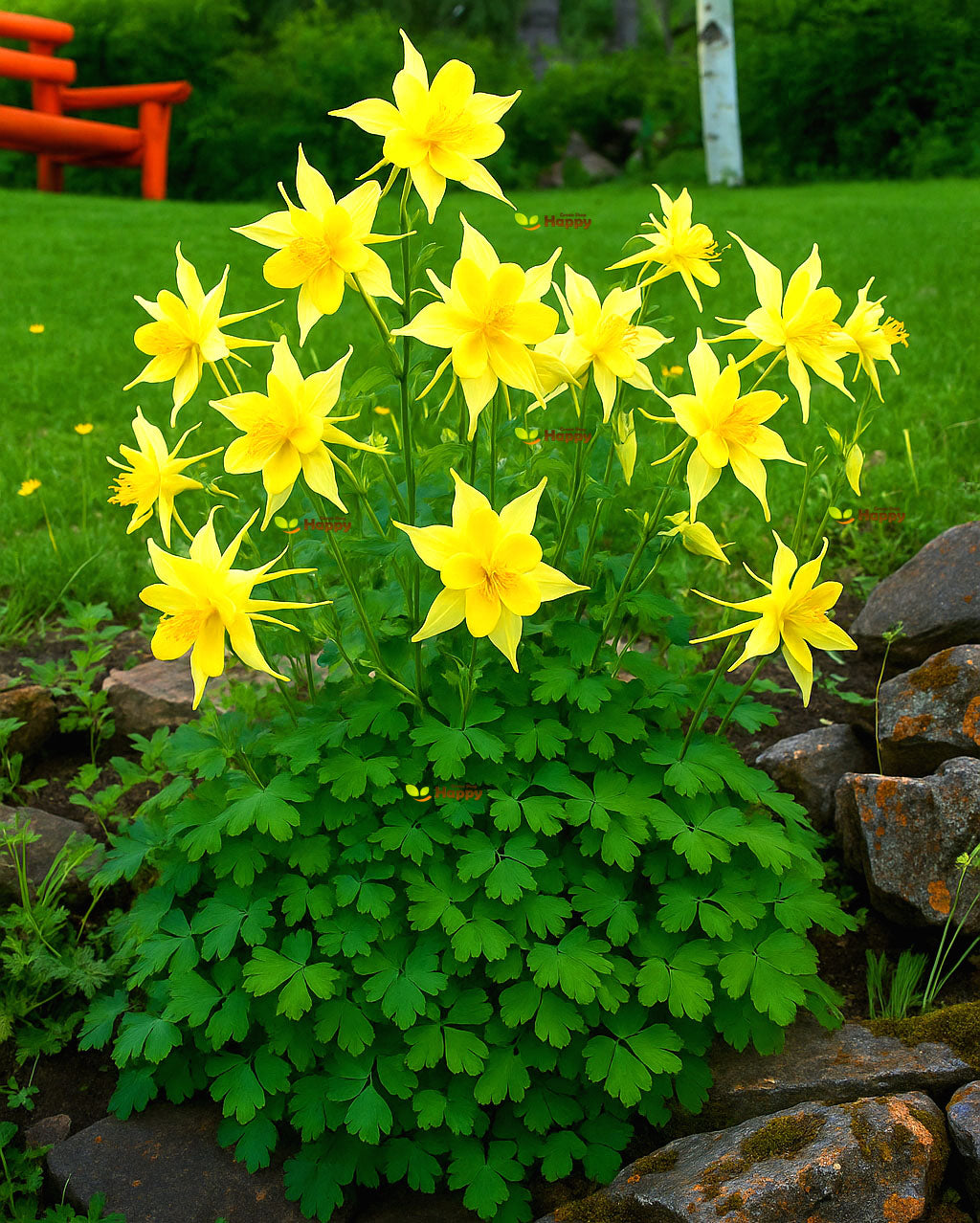
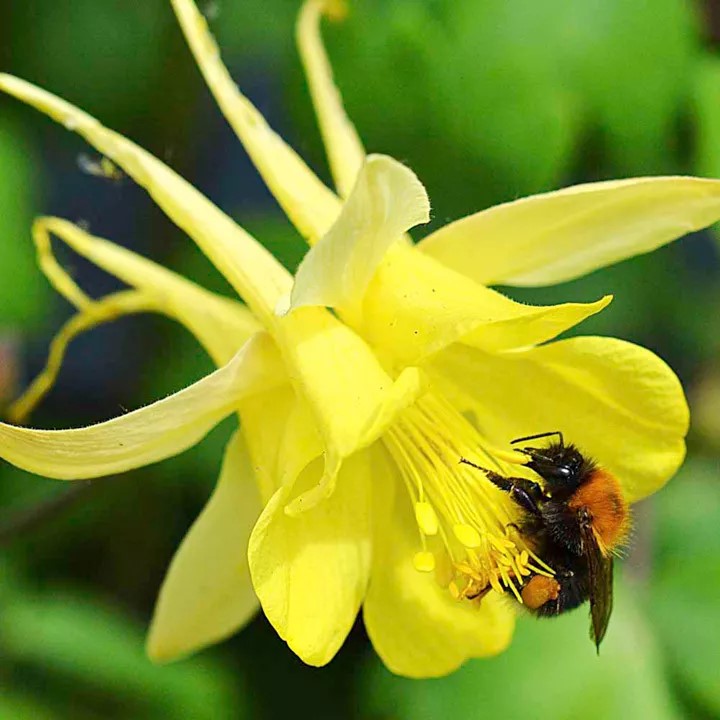
Golden Columbine Seeds (Aquilegia chrysantha)
Bright and graceful, Golden Columbine produces striking yellow, spurred flowers that nod delicately above fern-like foliage. Native to North America, this hardy perennial is known for its long spurs and cheerful color, bringing light and elegance to borders, rock gardens, and natural plantings. Highly attractive to hummingbirds, bees, and butterflies.
What Makes It Special
-
Brilliant golden-yellow blooms with long spurs
-
Native perennial, hardy and easy to grow
-
Excellent for pollinator-friendly gardens
Key Features
-
Botanical name: Aquilegia chrysantha
-
Hardy perennial
-
Height: 60–90 cm (24–36 in)
-
Bloom time: Late spring to early summer
Ideal For
-
Cottage and rock gardens
-
Wildlife and pollinator-friendly spaces
-
Naturalized and woodland plantings
Sowing
-
Sow indoors Feb–Apr or outdoors Apr–Jun
-
Lightly cover seeds; needs some light to germinate
-
Germination: 21–35 days at 15–20°C
-
Thin seedlings 30 cm apart
-
Flowers from the second year after sowing
Showing 117/260


