
Cottage Garden Flower Seeds

Sort by:
260 products
260 products
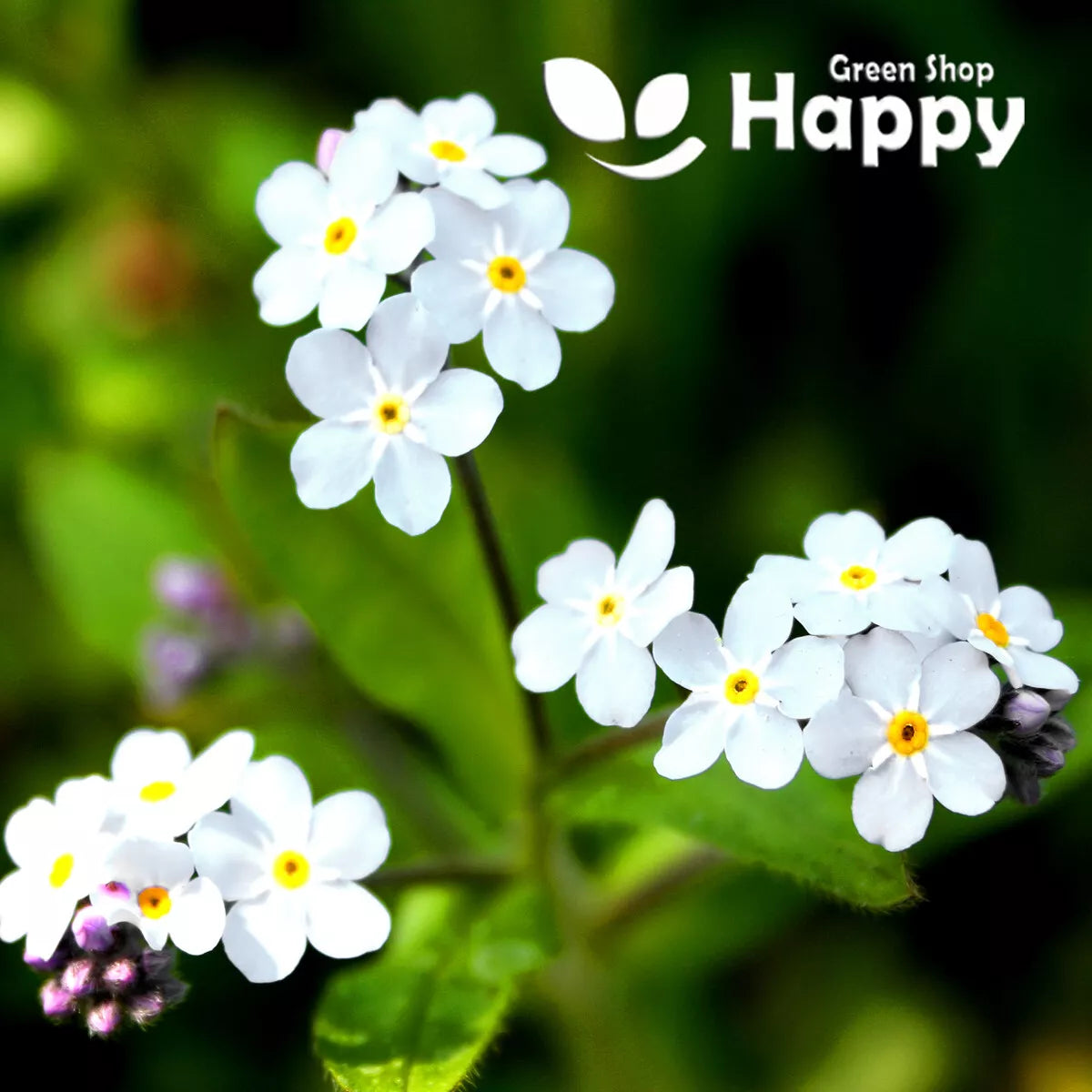
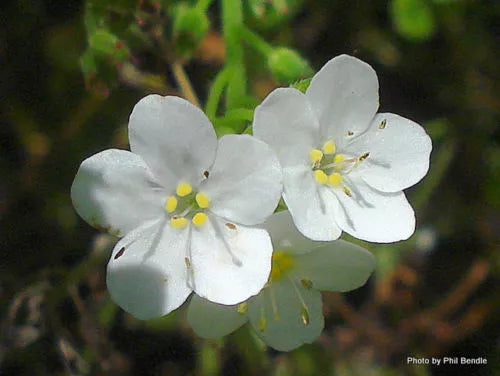
Alpine Forget-Me-Not White Seeds (Myosotis alpestris)
The Alpine Forget-Me-Not White is a rare and elegant form of the classic alpine flower, producing clusters of pure white star-like blooms with delicate yellow centers. Compact and easy to grow, this hardy perennial is perfect for adding a touch of brightness to shady corners, rockeries, and spring borders. Its soft charm makes it a beautiful companion to blue and pink varieties, creating a natural alpine display.
What Makes It Special
-
Unusual snow-white blooms, less common than the classic blue
-
Hardy and resilient, ideal for cool and mountainous conditions
-
A symbol of purity, remembrance, and enduring affection
-
Pairs beautifully with colored alpine flowers and spring bulbs
Key Features
-
Botanical name: Myosotis alpestris
-
Variety: Alpine White
-
Height/Spread: 15–25 cm tall, 15–20 cm spread
-
Position: Full sun to partial shade; prefers moist, well-drained soil
-
Flowering period: Spring to early summer
-
Lifespan: Hardy perennial (often grown as a biennial)
Ideal For
-
Rock gardens and alpine borders
-
Shady garden spots
-
Cottage and wildflower gardens
-
Mixed displays with blue and pink forget-me-nots
-
Spring bulb underplanting (tulips, daffodils, hyacinths)
Sowing Instructions
-
When to sow: Late spring to mid-summer (May–July) for blooms the following spring.
-
How to sow:
-
Sow thinly on trays or directly into finely raked soil outdoors.
-
Cover lightly with soil or compost.
-
Keep moist until germination (10–21 days).
-
-
Transplant/Thin: Space seedlings 15–20 cm apart when large enough to handle.
-
Care: Allow to self-seed naturally for repeat displays year after year.
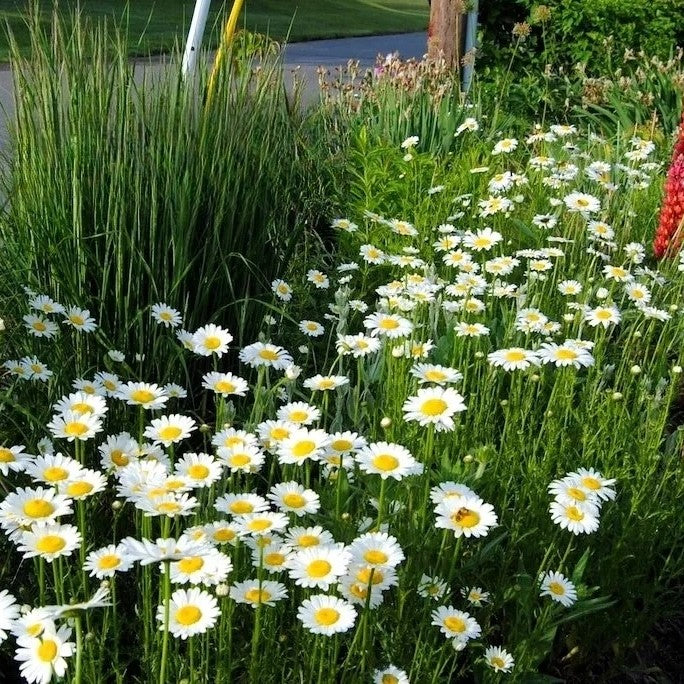
Ox-Eye Daisy 'May Queen' Seeds (Chrysanthemum leucanthemum)
The Ox-Eye Daisy ‘May Queen’ (Chrysanthemum leucanthemum) is a charming, classic wildflower with cheerful white petals and sunny yellow centers. This hardy perennial is valued for its reliability, low maintenance, and ability to naturalize in meadows, borders, and wildlife gardens. Blooming in late spring through summer, it attracts bees, butterflies, and other pollinators.
What Makes It Special
-
Large, daisy-like blooms with a natural cottage garden look
-
Hardy perennial that self-seeds and spreads easily
-
Perfect for wildflower meadows and pollinator-friendly gardens
Key Features
-
Botanical name: Chrysanthemum leucanthemum
-
Perennial wildflower
-
Height: 60–80 cm
-
Spread: 30–40 cm
-
Flowering: May–July
Ideal For
-
Wildflower meadows and naturalizing
-
Cottage and wildlife gardens
-
Pollinator-friendly planting
Sowing
-
Sow outdoors: March–May or August–October, directly where they are to flower
-
Germination: 14–28 days
-
Thin seedlings to 30 cm apart
-
Thrives in full sun and well-drained soil
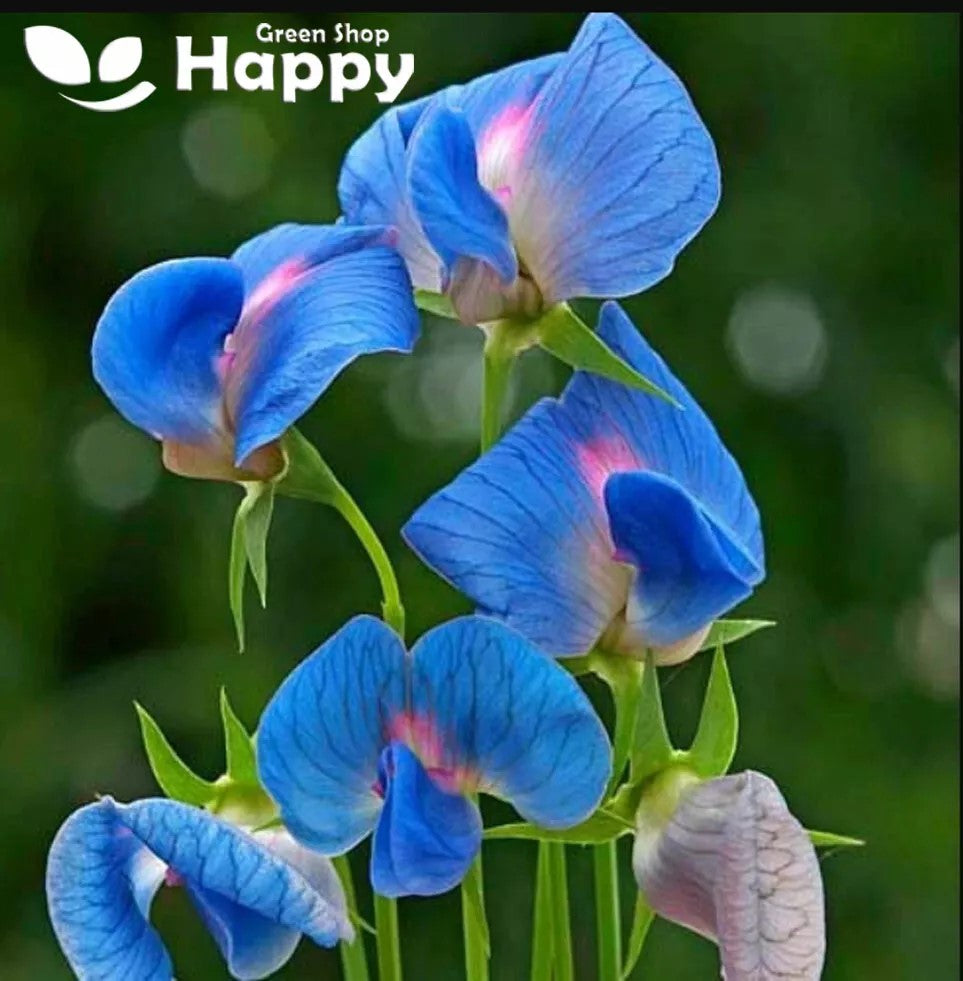
Indian Pea ‘Azureus’ – Blue-Pink Flowers – Seeds (Lathyrus sativus)
The Indian Pea ‘Azureus’ (Lathyrus sativus) is a striking and unusual climbing annual, producing delicate blue to pink pea-like blossoms above fine green foliage. Fast-growing and drought-tolerant, it thrives in poor soils and adds a natural, airy charm to borders, trellises, and wild gardens. A hardy species, it has long been valued for its ornamental and agricultural qualities.
Why Grow Indian Pea ‘Azureus’?
-
Unusual pea-like flowers in blue and pink shades
-
Climbing habit perfect for trellises and supports
-
Hardy, drought-tolerant, and easy to grow
-
Adds a natural wildflower look to gardens
Key Features
-
Type: Hardy annual
-
Height: 100–150 cm
-
Spread: 30–40 cm
-
Flowering: June–August
-
Position: Full sun
-
Soil: Poor to moderately fertile, well-drained
Ideal For
-
Trellises, arches, and fences
-
Cottage and wild gardens
-
Pollinator-friendly plantings
-
Drought-prone or low-maintenance sites
Sowing & Growing
-
Sow outdoors: March–May directly in soil
-
Germination: 10–20 days at 15–20°C
-
Thin seedlings: 20–30 cm apart
-
Provide support for climbing stems
-
Water regularly in dry spells
Tip: Pair with other climbing annuals for a colorful vertical display.
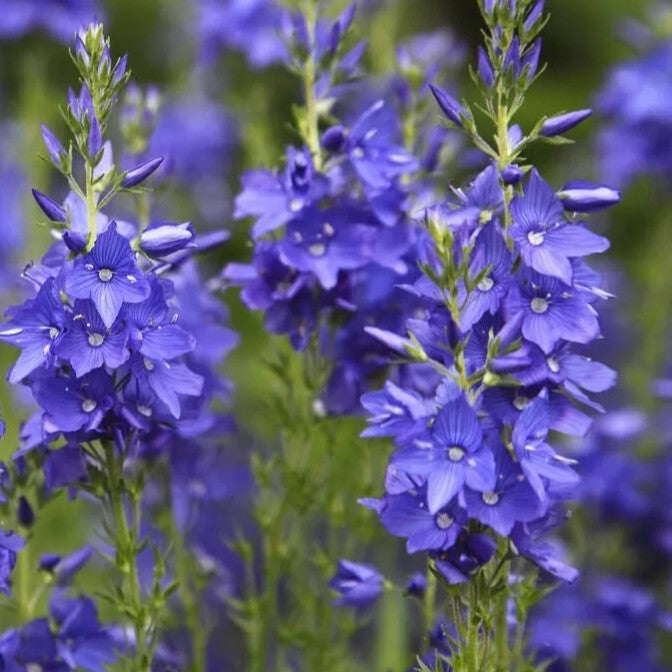
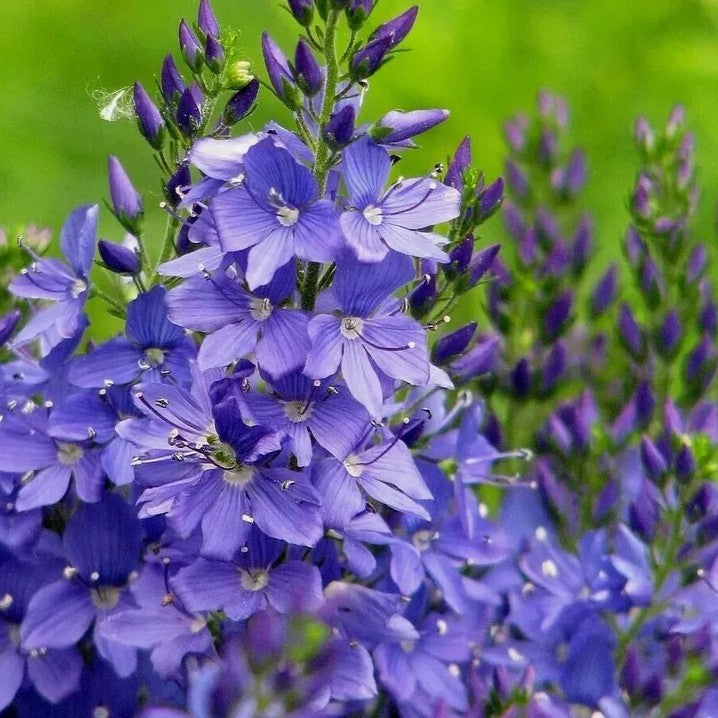
Speedwell Royal Blue Seeds (Veronica teucrium)
Speedwell Royal Blue is a hardy perennial featuring striking vertical spikes of deep royal blue flowers above glossy green foliage. Its long flowering period makes it ideal for borders, cottage gardens, and pollinator-friendly plantings. Low-maintenance and elegant, it also works beautifully in mixed perennial beds.
What Makes It Special
-
Bold vertical spikes of royal blue flowers
-
Hardy and long-flowering perennial
-
Attracts bees, butterflies, and other pollinators
Key Features
-
Botanical name: Veronica teucrium
-
Hardy perennial
-
Height: 40–60 cm (16–24 in)
-
Bloom time: Early summer to late summer
Ideal For
-
Cottage gardens and perennial borders
-
Pollinator-friendly gardens
-
Mixed beds and wildlife plantings
Sowing
-
Sow indoors Feb–Apr or outdoors Apr–Jun
-
Cover seeds lightly with soil; keep moist
-
Germination: 14–28 days at 18–22°C
-
Thin seedlings 30 cm apart
-
Flowers the second year after sowing

Alpine Forget-Me-Not Pink Seeds (Myosotis alpestris)
The Alpine Forget-Me-Not Pink is a delightful variation of the classic alpine flower, producing clusters of soft pink star-like blooms with cheerful yellow centers. Compact, hardy, and easy to grow, this alpine treasure brings a gentle pastel touch to borders, rock gardens, and naturalized plantings. Its romantic tones make it especially beautiful when planted alongside the traditional blue and rare white forms.
What Makes It Special
-
Uncommon pink form of the traditional alpine flower
-
Hardy and resilient, thrives in cool climates and rocky soil
-
A symbol of remembrance and affection, with a softer romantic hue
-
Perfect companion to blue and white alpine forget-me-nots
Key Features
-
Botanical name: Myosotis alpestris
-
Variety: Alpine Pink
-
Height/Spread: 15–25 cm tall, 15–20 cm spread
-
Position: Full sun to partial shade; prefers moist, well-drained soil
-
Flowering period: Spring to early summer
-
Lifespan: Hardy perennial (commonly grown as a biennial)
Ideal For
-
Rock gardens and alpine displays
-
Mixed pastel-themed borders
-
Cottage and wildflower gardens
-
Planting with spring bulbs (tulips, daffodils, hyacinths)
-
Combining with blue and white forget-me-nots for a tricolor effect
Sowing Instructions
-
When to sow: Late spring to mid-summer (May–July) for blooms the following spring.
-
How to sow:
-
Sow thinly on trays or directly outdoors into finely raked soil.
-
Cover lightly with soil or compost.
-
Keep moist until germination (10–21 days).
-
-
Transplant/Thin: Space seedlings 15–20 cm apart once large enough to handle.
-
Care: Allow plants to self-seed for naturalized displays year after year.
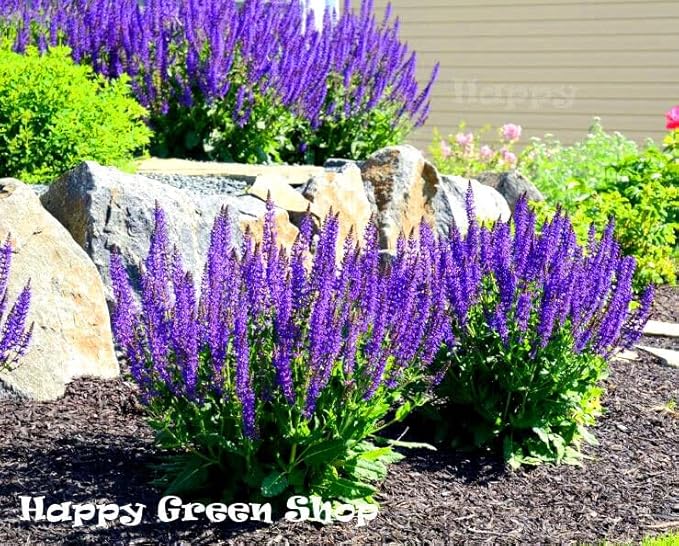
Woodland Sage Seeds (Salvia nemorosa)
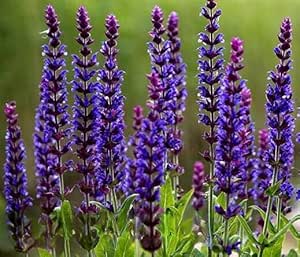
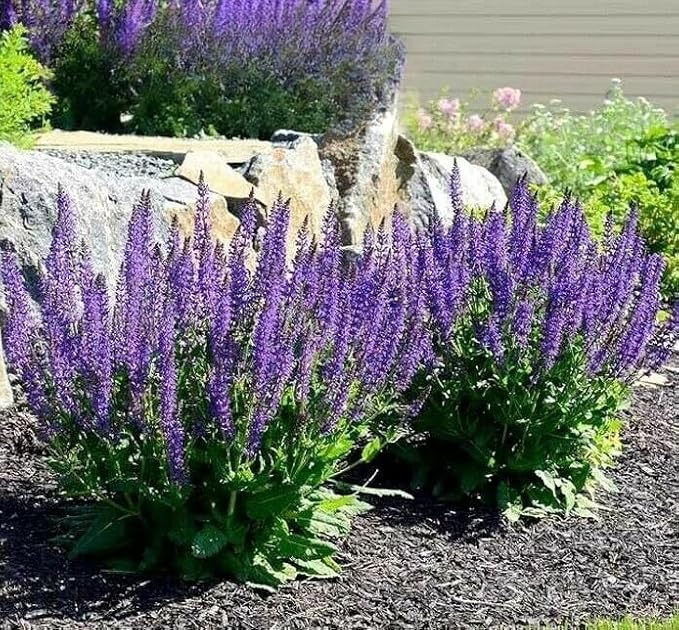
Woodland Sage is a hardy perennial prized for its upright spires of violet-blue flowers that bloom from early summer into autumn. With aromatic foliage and a long flowering season, it’s a pollinator magnet, attracting bees and butterflies all season long. Easy to grow and drought-tolerant once established, it’s a reliable choice for borders, cottage gardens, and naturalistic plantings.
What Makes It Special
-
Striking violet-blue flower spikes that bloom for months
-
Attracts bees, butterflies, and pollinators
-
Low-maintenance, hardy, and drought-tolerant
Key Features
-
Botanical name: Salvia nemorosa
-
Hardy perennial
-
Height: 40–60 cm (16–24 in)
-
Bloom time: Early summer to autumn
-
Aromatic foliage
Ideal For
-
Borders and cottage gardens
-
Pollinator-friendly plantings
-
Naturalistic and dry gardens
Sowing
-
Sow indoors Feb–Apr or outdoors Apr–Jun
-
Press seeds lightly into soil; do not cover deeply
-
Germination: 14–21 days at 18–22°C
-
Space plants 30–40 cm apart
-
Flowers from the second year onward

Statice ‘Petit Bouquet’ Mix – Seeds
(Limonium sinuatum) – Annual Cut Flower
The Statice ‘Petit Bouquet’ mix produces compact plants covered in clusters of papery flowers in shades of blue, pink, yellow, white, and lavender. Known for their exceptional vase life, these blooms remain vibrant whether fresh or dried, making them a favorite for bouquets and floral crafts.
Key Features
-
Type: Annual
-
Height: 30–45 cm
-
Blooming period: June–September
-
Position: Full sun
-
Soil: Well-drained, sandy or loamy soil
Ideal For
-
Fresh and dried flower arrangements
-
Borders and cottage gardens
-
Cutting gardens
-
Long-lasting floral crafts
Sowing & Growing
-
Sow indoors: March–April, in trays or pots at 18–22°C
-
Sow outdoors: May, after last frost
-
Sowing depth: 0.5 cm
-
Spacing: 25–30 cm apart
-
Care: Prefers sunny, sheltered spots; drought-tolerant once established
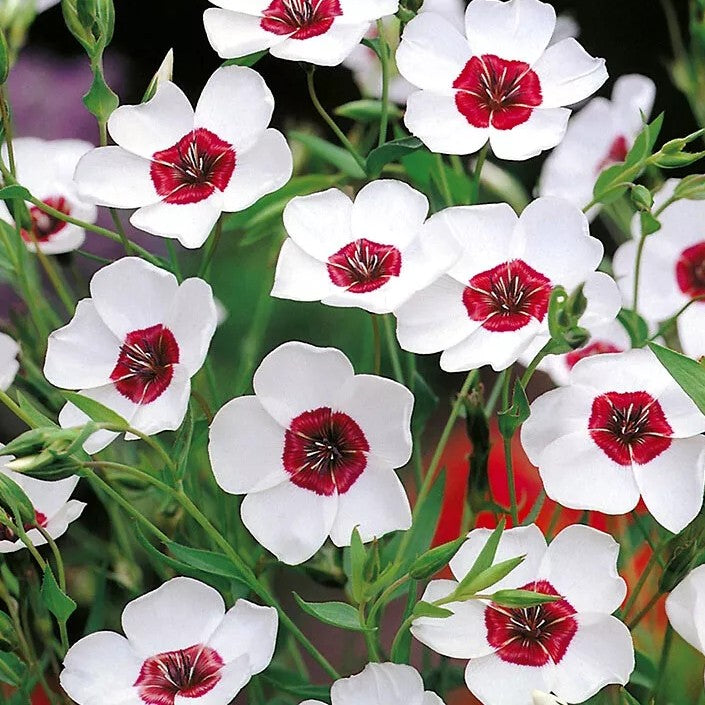
Flax 'Bright Eyes' – 400 Seeds (Linum grandiflorum)
Add a splash of vibrant red with delicate black-centered blooms with Flax 'Bright Eyes'. These charming annuals brighten gardens, borders, and containers with a natural, meadow-like feel.
What Makes It Special
-
Brilliant red petals with a striking black center
-
Delicate, dainty flowers for a soft garden look
-
Easy to grow and long-flowering
-
Attracts bees and butterflies
Key Features
-
Height: 30–40 cm
-
Full sun loving, drought-tolerant
-
Blooms: late spring to summer
-
Annual, self-seeding
Ideal For
-
Borders, rock gardens, and wildflower meadows
-
Pollinator-friendly gardens
-
Cottage-style and naturalistic plantings
-
Containers and window boxes
Sowing
-
Sow outdoors after last frost
-
Cover lightly with soil and keep moist
-
Germination: 10–14 days
-
Thin seedlings to 15–20 cm apart
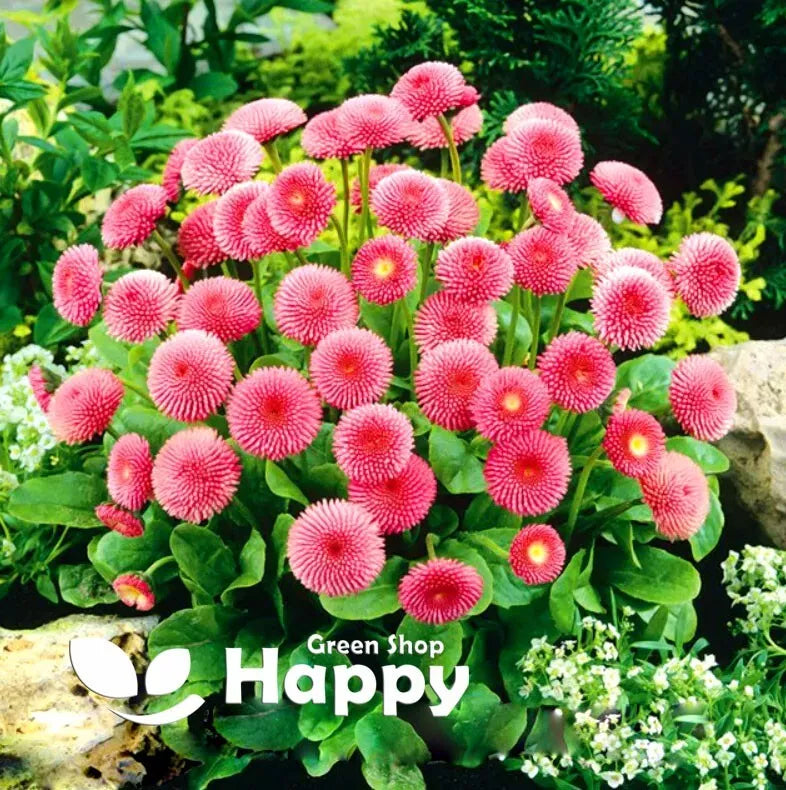
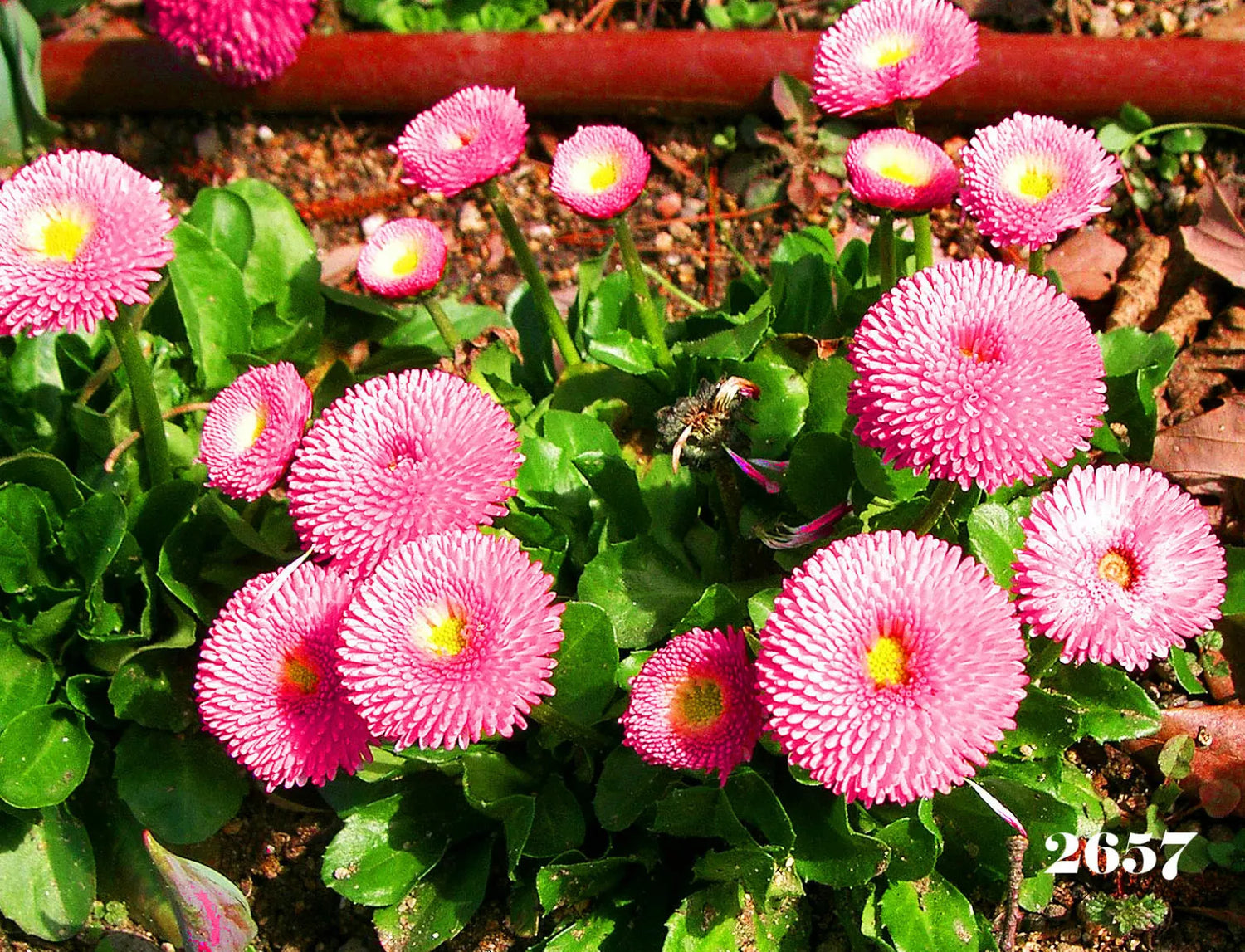
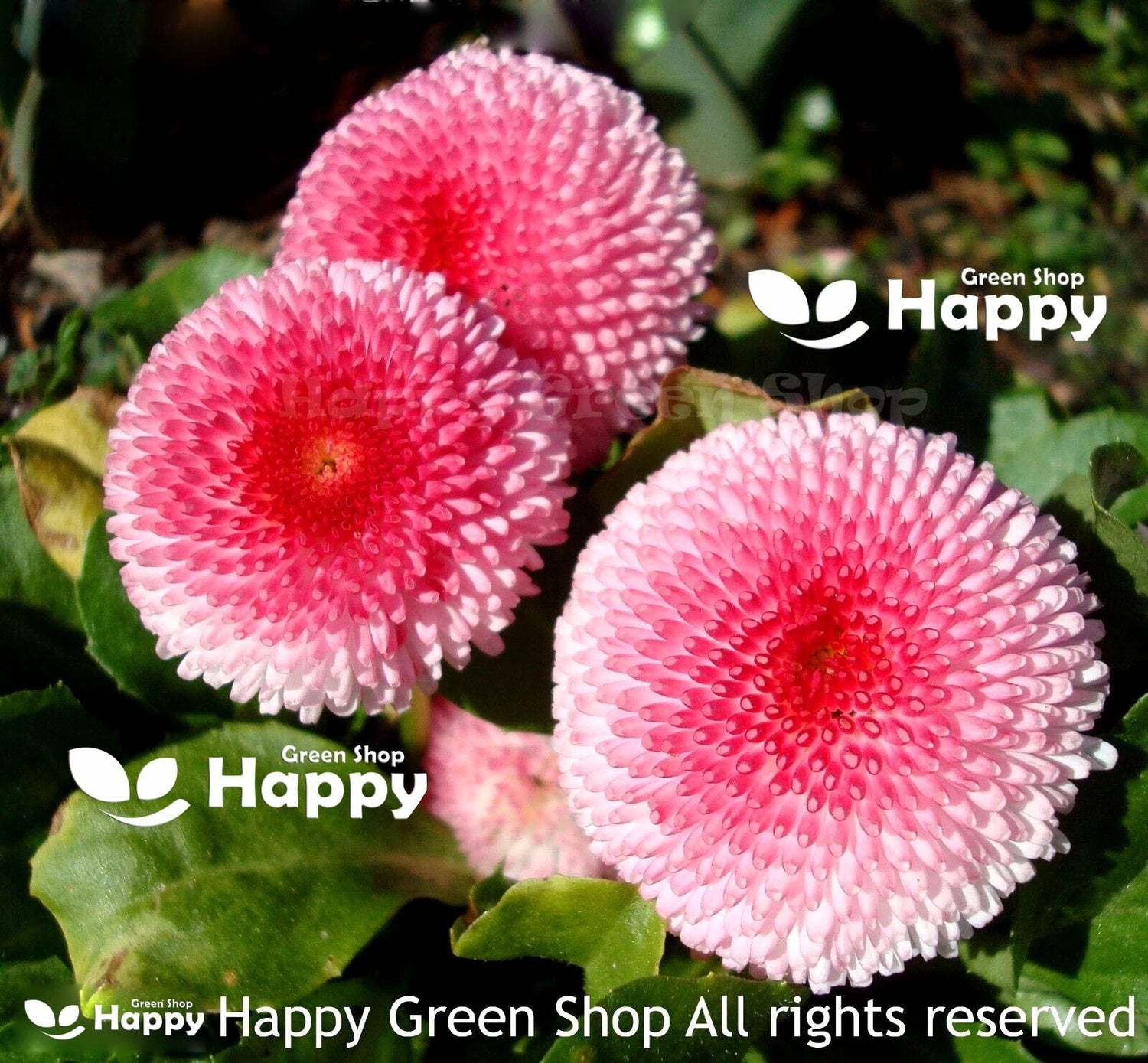
English Daisy 'Pomponette' Pink Seeds (Bellis perennis)
The English Daisy ‘Pomponette’ Pink is a charming variety that produces neat, double pompon-shaped blooms in rich shades of soft to deep pink. Compact and easy to grow, it adds a delightful splash of color to borders, containers, and spring bedding displays. A timeless favorite, perfect for pairing with tulips, violas, and primroses.
What Makes It Special
-
Distinctive pompon-style flowers in shades of pink
-
Compact, hardy, and low-maintenance
-
Early and long flowering from spring through early summer
-
Ideal for creating vibrant, colorful borders and edging
Key Features
-
Botanical name: Bellis perennis
-
Variety: Pomponette Pink
-
Height/Spread: 15–20 cm tall, 15–20 cm spread
-
Position: Full sun or partial shade; prefers moist, well-drained soil
-
Flowering period: Early spring to early summer
-
Lifespan: Perennial, often grown as a biennial
Ideal For
-
Cottage gardens and spring bedding schemes
-
Bright borders and edging
-
Containers, pots, and window boxes
-
Pairing with spring bulbs such as tulips and daffodils
-
Creating a soft pink contrast in mixed planting displays
Sowing Instructions
-
When to sow: Late spring to mid-summer (May–July) for flowers the following spring.
-
How to sow:
-
Sow thinly on the surface of moist seed compost.
-
Do not cover, as seeds need light to germinate.
-
Maintain moisture at 15–20°C. Germination takes 14–28 days.
-
-
Transplant/Thin: When seedlings are large enough, transplant into pots or trays. Harden off before planting outdoors 15–20 cm apart.
-
Care: Deadhead regularly to encourage more blooms. Protect young plants from harsh frost.
Showing 126/260


