
Cottage Garden Flower Seeds

Sort by:
260 products
260 products
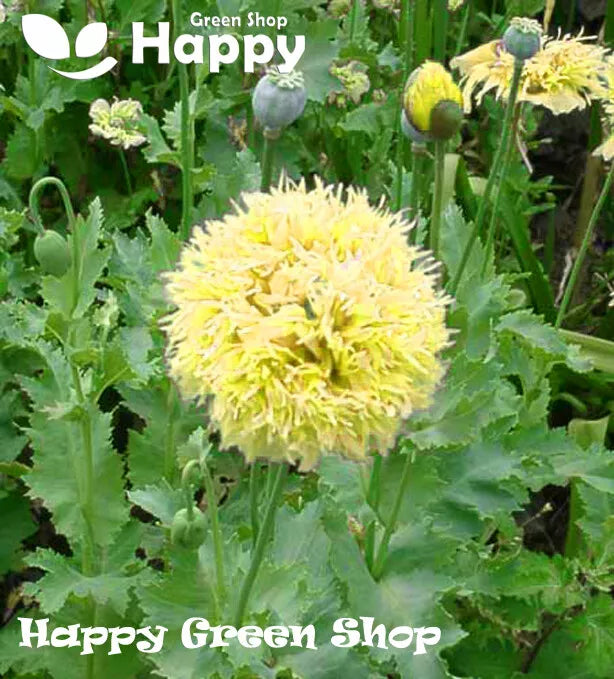
Peony Poppy Yellow – Seeds
(Papaver paeoniflorum)
The Peony Poppy Yellow is a striking annual poppy variety that produces large, double blooms resembling peonies. Its bright, ruffled yellow petals bring a cheerful glow to borders, beds, and cottage gardens. Easy to grow and self-seeding, these stunning flowers make an excellent focal point and are equally beautiful in cut flower arrangements.
Why Grow Peony Poppy Yellow?
-
Large, peony-like double blooms in sunny yellow
-
Easy to grow from seed with minimal care
-
Excellent for borders, beds, and cutting gardens
-
Attracts pollinators and reseeds for naturalizing
Key Features
-
Type: Hardy annual
-
Height: 80–100 cm
-
Flowers: Summer
-
Position: Full sun
-
Soil: Well-drained, moderately fertile
Ideal For
-
Cottage and wildflower gardens
-
Cut flower displays
-
Pollinator-friendly gardens
-
Naturalized planting schemes
Sowing & Growing
-
Sow outdoors: March–May or September–October directly where they are to flower
-
Lightly cover seeds with soil, keep moist
-
Germination: 14–21 days
-
Thin seedlings to 20–30 cm apart
-
Care: Deadhead for continuous blooms or allow to self-seed for natural regrowth

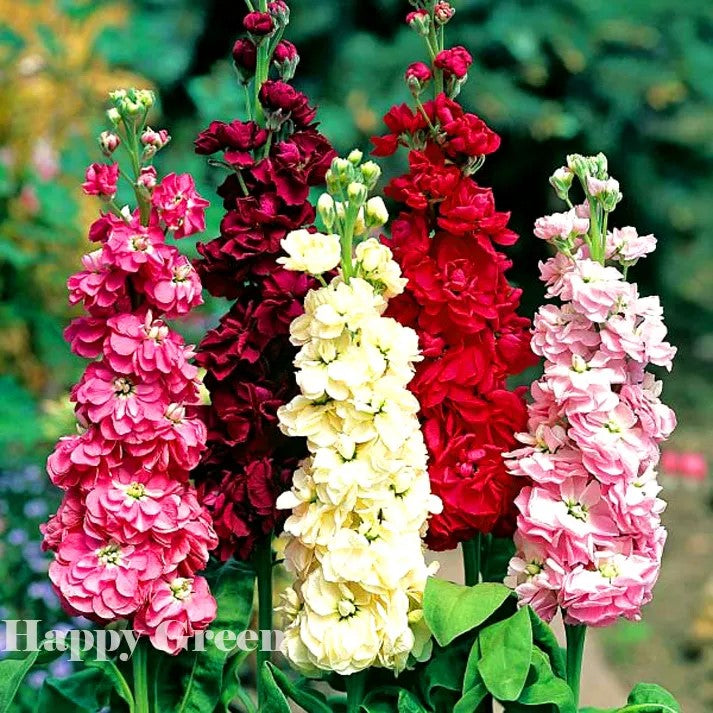
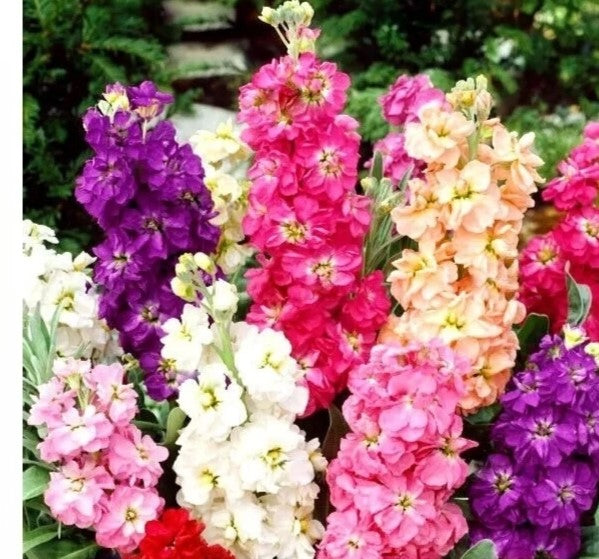
Dwarf Stock ‘Brompton Winter’ – Seeds (Matthiola incana)
Dwarf Stock ‘Brompton Winter’ (Matthiola incana) is a charming annual producing fragrant, compact clusters of flowers in shades of pink, white, and lavender. Blooming from late autumn to early spring, it adds color and scent to borders, containers, and cottage gardens during the cooler months. Easy to grow and low-maintenance, this variety attracts pollinators and is perfect for creating a cheerful winter or early spring display.
Why Grow "Brompton Winter"
-
Fragrant, compact flower clusters in pink, white, and lavender
-
Blooming season from late autumn to early spring
-
Low-maintenance, hardy annual
-
Pollinator-friendly and ideal for winter color
Key Features
-
Type: Annual (Matthiola incana)
-
Height: 25–35 cm
-
Flowering: Late autumn to early spring
-
Position: Full sun to partial shade
-
Uses: Borders, containers, cottage gardens, pollinator-friendly planting
Ideal For
-
Adding winter and early spring color to borders and beds
-
Container and window box planting
-
Pollinator-friendly garden schemes
-
Low-maintenance fragrant displays
Sowing & Growing
-
Sow indoors: August–October in trays or pots
-
Sow outdoors: September–November directly in soil (mild climates)
-
Germination: 7–14 days at 15–20°C
-
Thin seedlings 20–25 cm apart
-
Prefers well-drained soil in full sun to partial shade
-
Water moderately until established
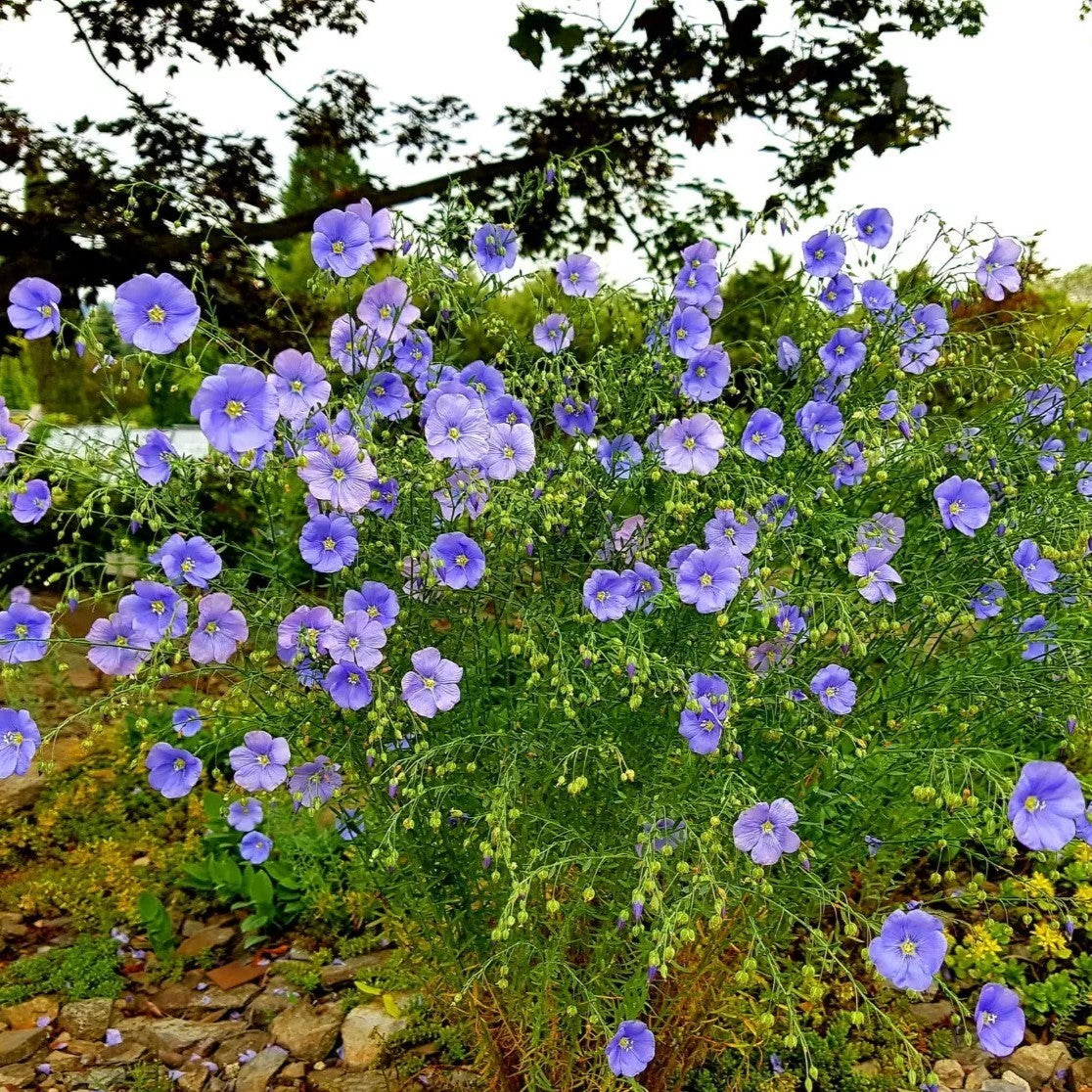
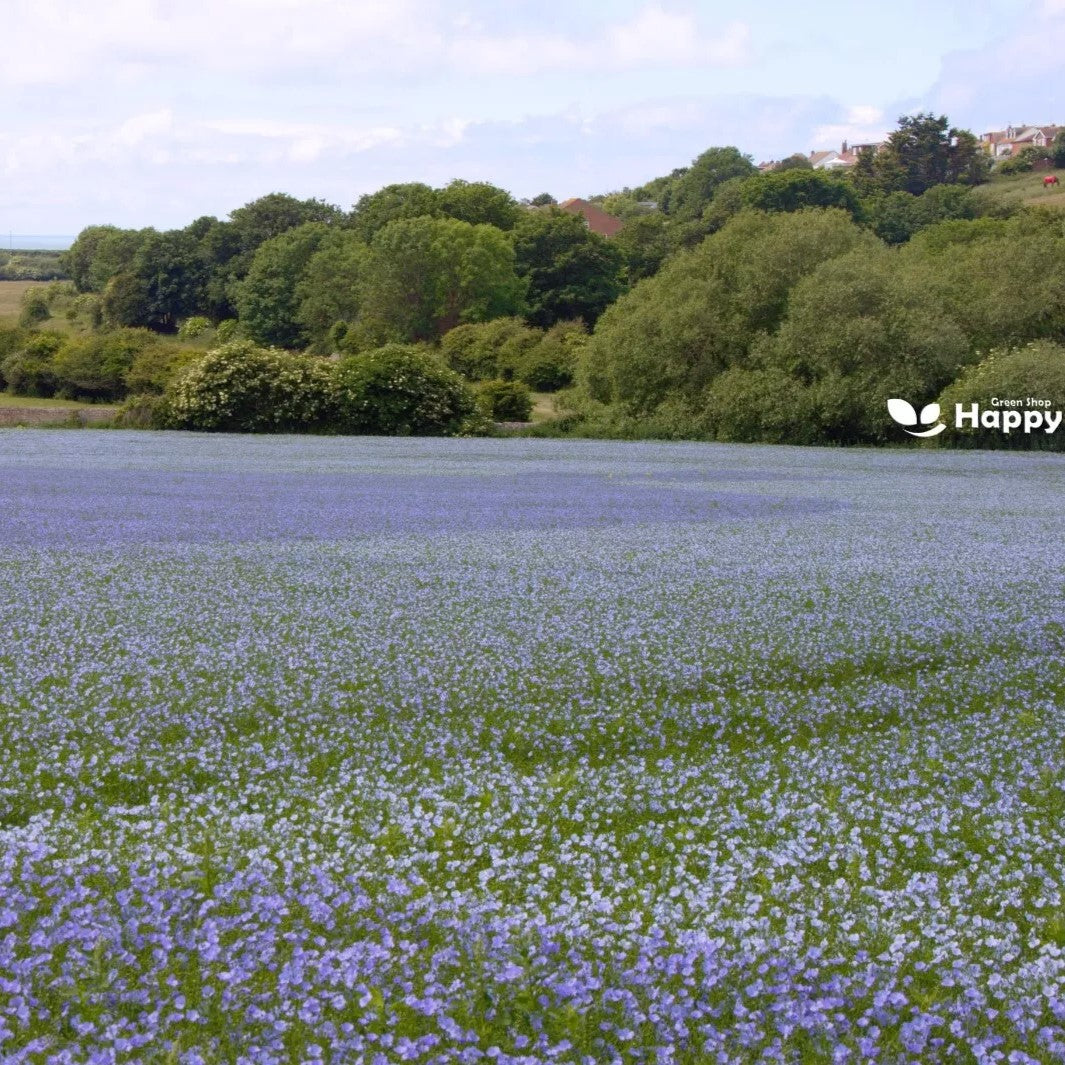
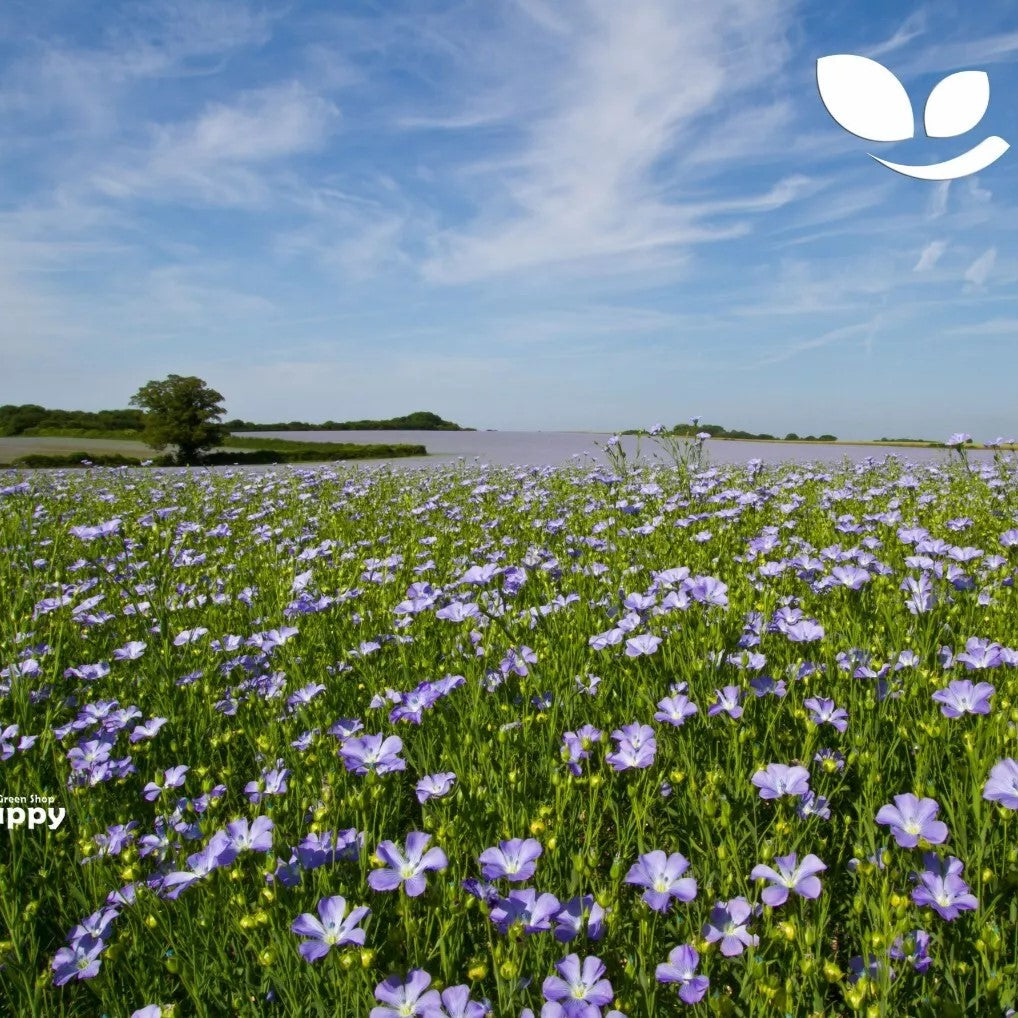
COMMON FLAX SEEDS (Linum usitatissimum)
Common Flax is a graceful annual grown for both beauty and usefulness. Its slender stems are topped with delicate sky-blue flowers, creating a soft, natural look in borders, beds, and wildflower gardens. Easy to grow and low-maintenance, it also produces valuable seeds traditionally used for culinary and health purposes.
Why Grow "Common Flax"
-
Delicate sky-blue blooms with natural charm
-
Easy-to-grow, low-maintenance annual
-
Produces edible seeds
-
Ideal for borders, beds, and wildflower gardens
Key Features
-
Type: Annual (Linum usitatissimum)
-
Height: 40–60 cm
-
Flowering: Summer (June–August)
-
Position: Full sun
-
Uses: Borders, flower beds, wildflower areas, seed harvesting
Ideal For
-
Adding soft blue tones to borders and cottage gardens
-
Wildflower meadows and naturalized areas
-
Harvesting flax seeds for home use
-
Beginner-friendly gardening
Sowing & Growing
-
Sow outdoors: Directly into soil in spring after frost
-
Germination: 10–14 days
-
Thin seedlings: 10–15 cm apart
-
Prefers full sun and well-drained soil
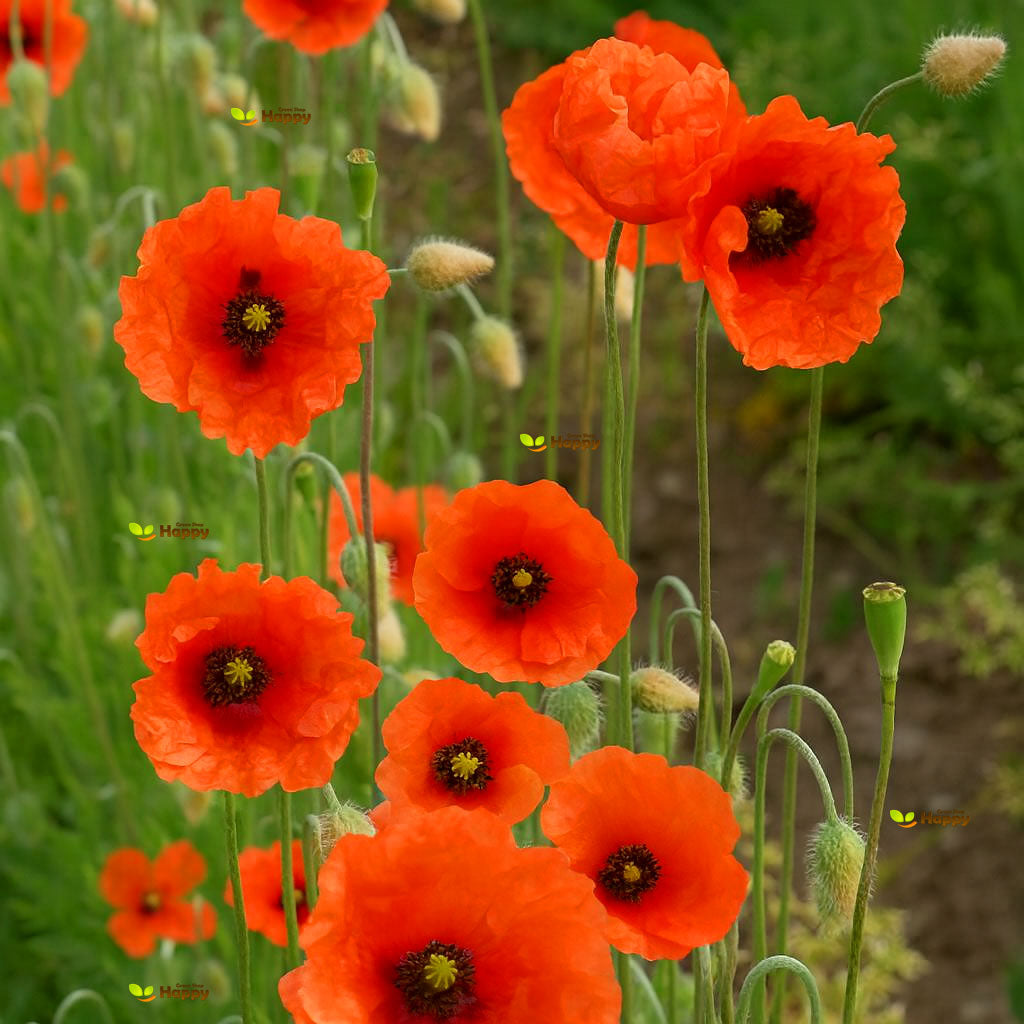
Wild Poppy ‘Blindeyes’ Seeds (Papaver dobium)
Bring natural charm and bold color to your garden with Wild Poppy ‘Blindeyes’ (Papaver dobium). This hardy annual produces vibrant, single red blooms with dark centers, perfect for borders, wildflower meadows, and cutting gardens. Easy to grow and long-flowering, it attracts pollinators and adds a striking, naturalized look to any garden space.
How to Grow
-
Sow seeds directly outdoors in early spring or autumn.
-
Use well-drained soil in full sun.
-
Scatter seeds thinly and press lightly onto the soil; do not cover deeply.
-
Keep soil moist until germination (10–20 days).
-
Thin seedlings to 20–25 cm apart once established.
-
Deadhead spent flowers to encourage continuous blooming.
Key Features
-
Vibrant red single blooms with dark centers
-
Hardy annual, easy to grow and long-flowering
-
Ideal for borders, meadows, and cutting gardens
-
Attracts bees, butterflies, and other pollinators
-
Naturalized and cottage garden appeal
Ideal For
-
Flower borders and cottage gardens
-
Wildflower meadows and naturalized plantings
-
Cutting gardens for fresh bouquets
-
Pollinator-friendly landscapes
Sowing
-
Best time: Early spring or autumn directly outdoors
-
Germination: 10–20 days
-
Sow thinly, press lightly, do not cover deeply
-
Prefers full sun and well-drained soil
Quick Tip
-
For a continuous display, sow in drifts or clusters and remove spent blooms regularly.
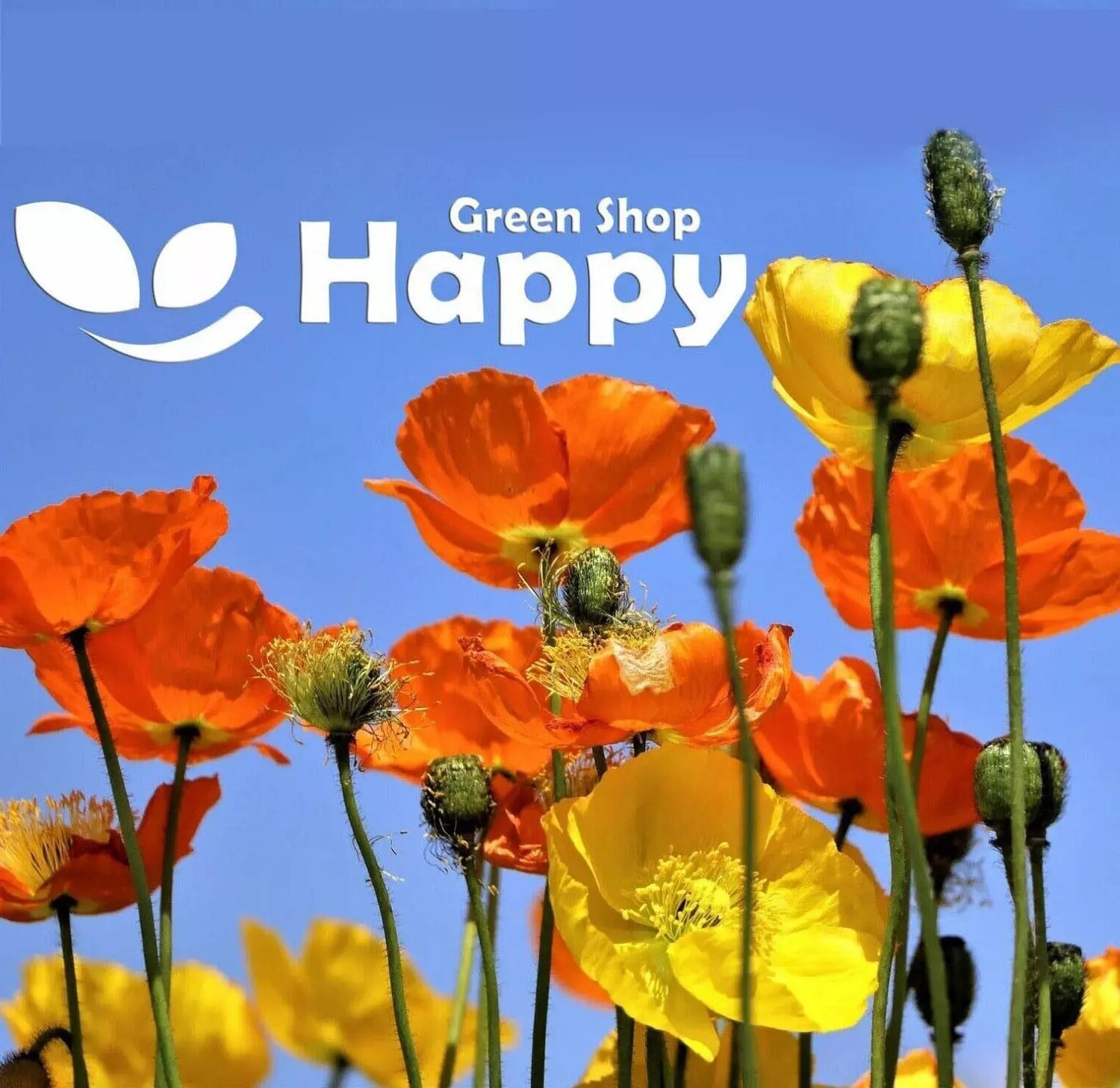
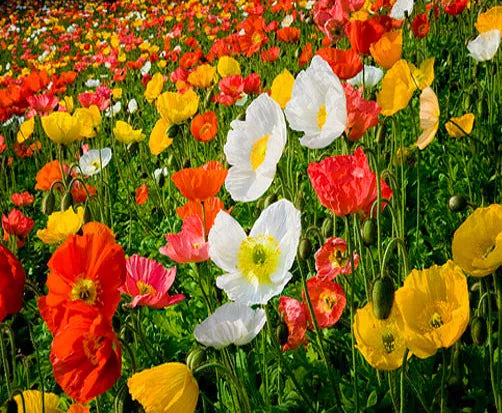
English Poppy ‘Shirley’ Mix – Seeds (Papaver rhoeas)
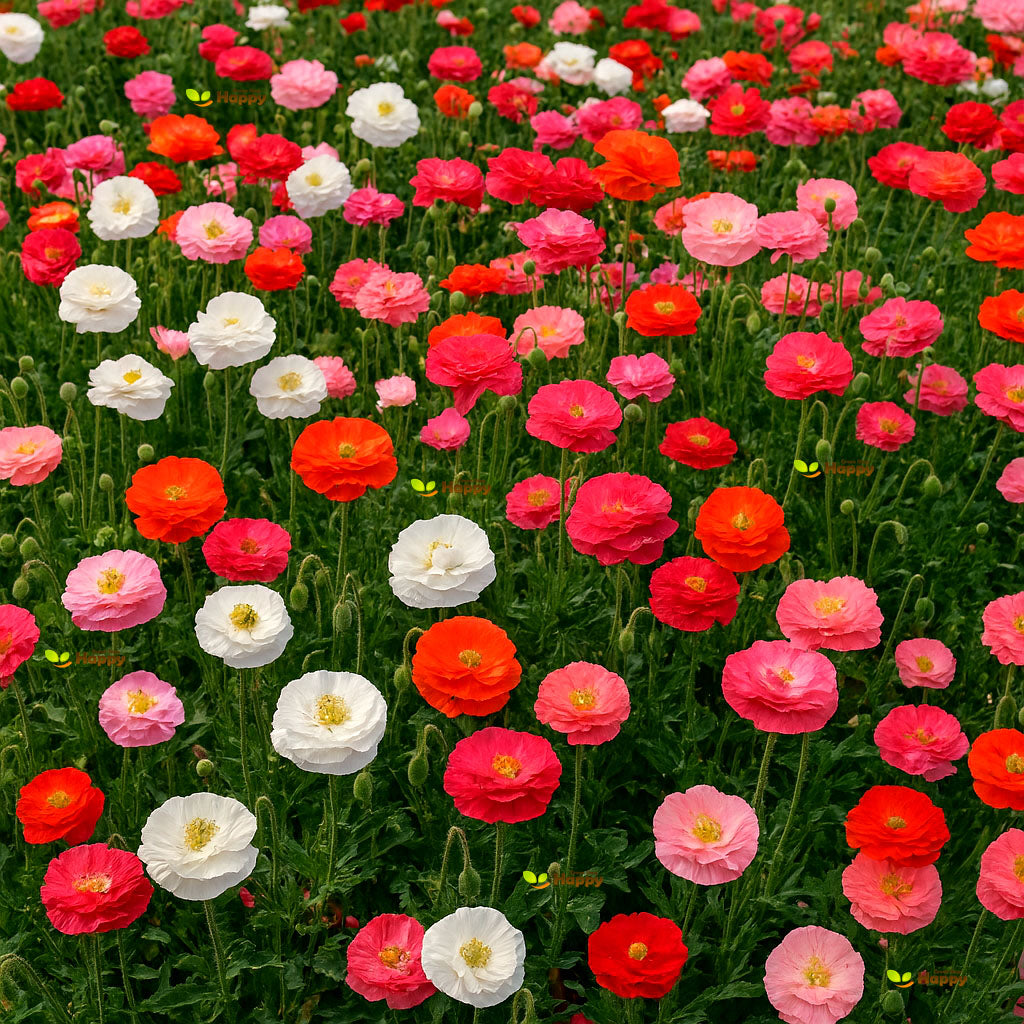
A timeless cottage garden favorite, English Poppy ‘Shirley’ Mix produces masses of delicate, tissue-paper blooms in shades of red, pink, white, and soft bicolors. Graceful and airy, they sway beautifully in the breeze, adding charm to borders, meadows, and wildflower plantings.
What Makes It Special
-
Romantic, old-fashioned blooms in pastel and vivid tones
-
Attracts bees, butterflies, and other pollinators
-
Easy to grow directly in the garden
Key Features
-
Height: 60–75 cm
-
Annual, quick-flowering
-
Self-seeds for natural drifts year after year
-
Perfect for cutting gardens and wildflower meadows
Ideal For
-
Cottage gardens and borders
-
Wildflower plantings and meadows
-
Cutting for informal bouquets
Sowing
-
Sow outdoors Mar–May or Aug–Oct directly into prepared soil
-
Scatter seeds thinly, lightly cover with soil
-
Keep soil moist until germination (10–20 days)
-
Thin to 20–25 cm apart for best displays
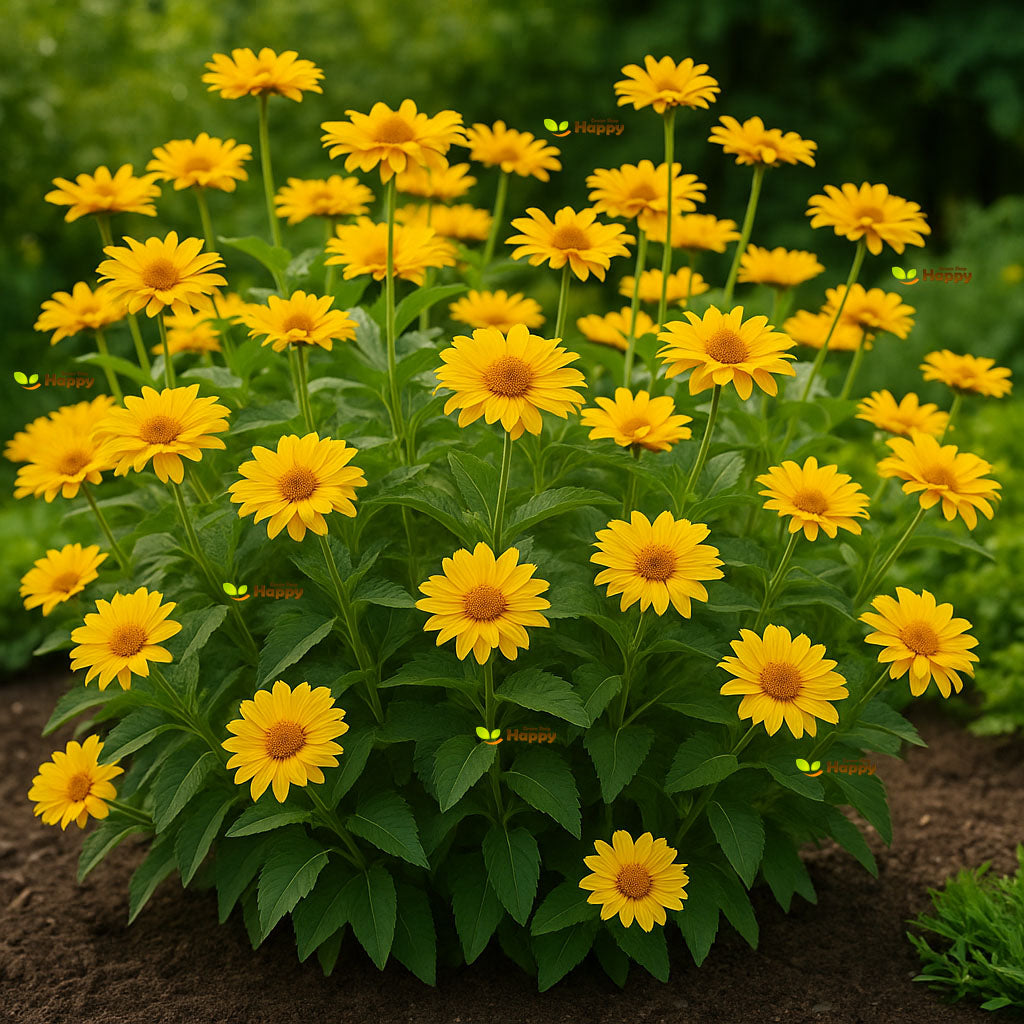
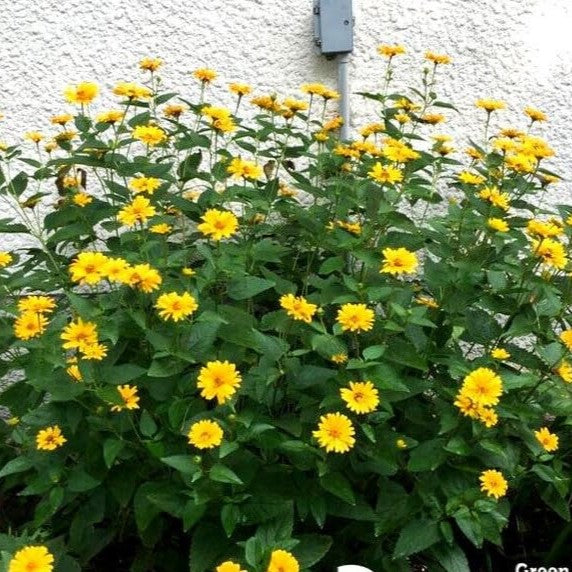
Summer Sun – Seeds (Heliopsis scabra)
Summer Sun (Heliopsis scabra) is a hardy perennial known for its bright, golden-yellow, daisy-like flowers that bloom from mid-summer to early autumn. With tall, upright stems and lush green foliage, this variety adds long-lasting color and height to borders, cottage gardens, and mixed perennial beds. Easy to grow and low-maintenance, it attracts pollinators and provides a cheerful, sunny display all summer long.
Why Grow "Summer Sun"
-
Vibrant golden-yellow daisy-like blooms
-
Long flowering season from mid-summer to early autumn
-
Hardy, low-maintenance perennial
-
Attracts bees, butterflies, and other pollinators
Key Features
-
Type: Perennial (Heliopsis scabra)
-
Height: 60–90 cm
-
Flowering: Mid-summer to early autumn
-
Position: Full sun
-
Uses: Borders, cottage gardens, mixed perennial beds, pollinator-friendly gardens
Ideal For
-
Adding bright color and height to summer borders
-
Cottage and perennial garden beds
-
Pollinator-friendly garden planting
-
Long-lasting summer displays
Sowing & Growing
-
Sow indoors: February–April in trays or pots
-
Sow outdoors: April–May directly in soil
-
Germination: 10–20 days at 18–22°C
-
Thin seedlings 30–40 cm apart
-
Prefers well-drained soil in full sun
-
Water moderately until established
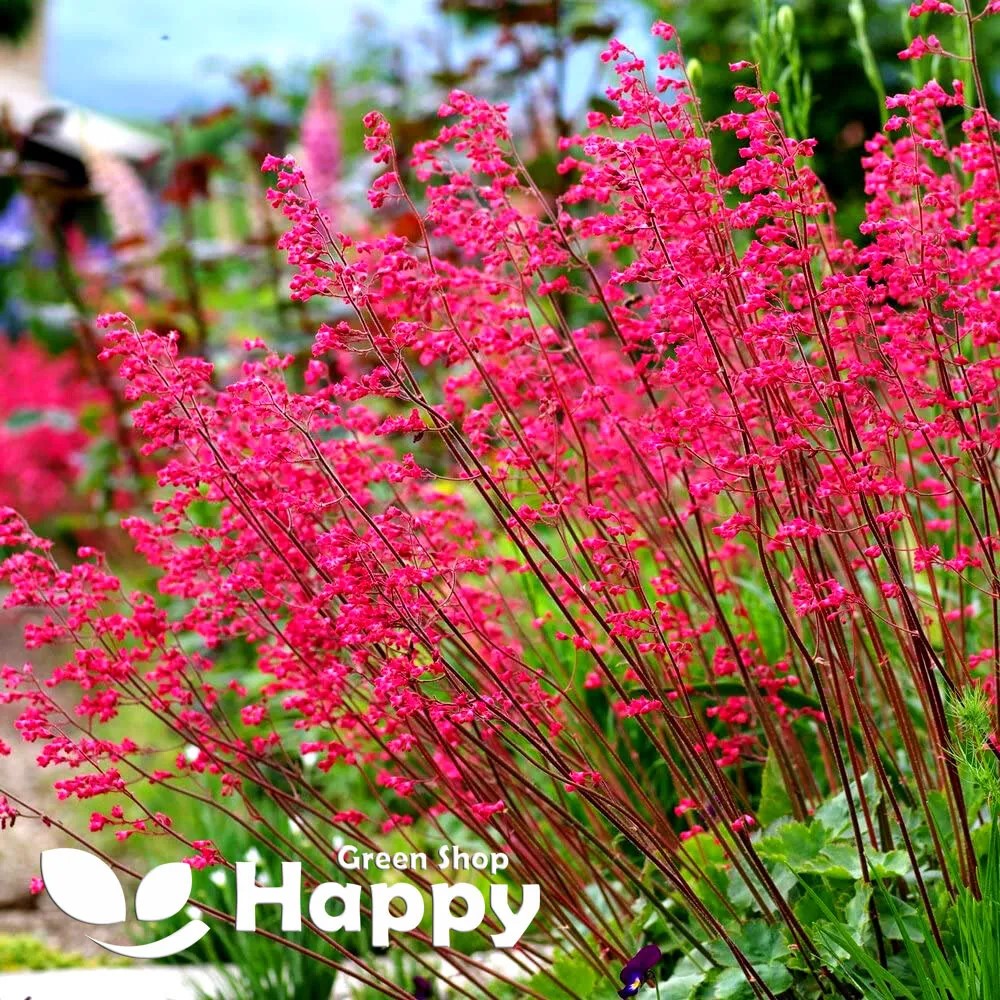
Red Coral Bells Seeds (Heuchera sanguinea)
Red Coral Bells is a striking perennial valued for its dainty spikes of bright red, bell-shaped flowers and attractive clumps of scalloped foliage. Blooming from late spring into summer, it’s loved by hummingbirds and makes a charming addition to borders, containers, and cottage gardens.
What Makes It Special
-
Brilliant red flower spikes above neat foliage
-
Attracts pollinators, especially hummingbirds
-
Long-lasting blooms for garden and cut flowers
Key Features
-
Botanical name: Heuchera sanguinea
-
Hardy perennial
-
Height: 30–45 cm
-
Bloom time: Late spring to summer
Ideal For
-
Borders and cottage gardens
-
Containers and edging
-
Wildlife and pollinator-friendly plantings
Sowing
-
Sow indoors Feb–Apr on the soil surface (do not cover)
-
Germination: 14–28 days at 18–22°C
-
Transplant 25–30 cm apart
-
Flowers from the second year onward
Poppy Shirley Double Mix – Seeds
(Papaver rhoeas)
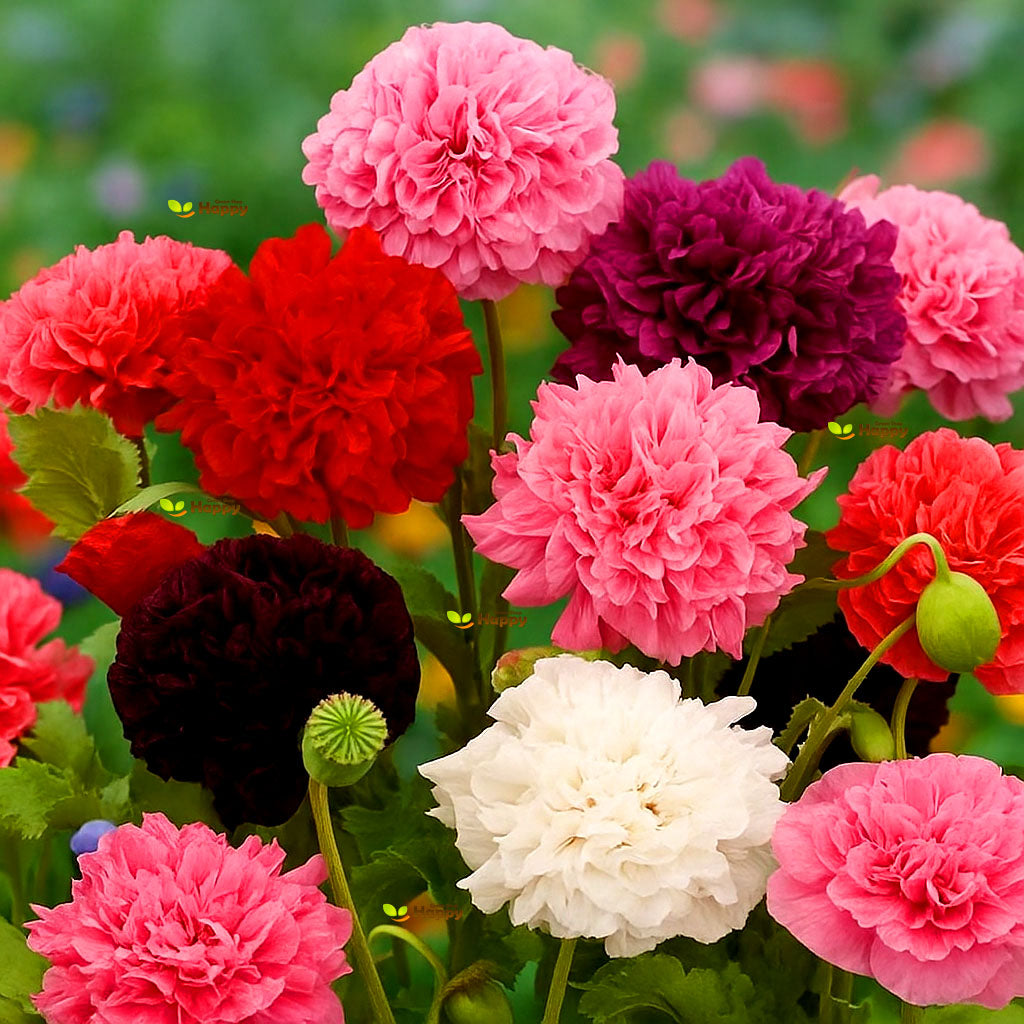
Poppy Shirley Double Mix is a charming annual that produces masses of fully double, ruffled blooms in soft pastel shades of pink, coral, and white. Known for its delicate, romantic appearance, this variety adds a touch of elegance to cottage gardens, borders, and wildflower meadows. Long-lasting and easy to grow, it also makes a delightful cut flower.
Why Grow Poppy Shirley Double Mix?
-
Fully double, ruffled blooms in soft pastel colors
-
Hardy and easy to grow annual
-
Ideal for naturalistic planting or cut flowers
-
Attracts pollinators, bees, and butterflies
Key Features
-
Type: Hardy annual
-
Height: 50–70 cm
-
Flowers: Late spring to summer
-
Position: Full sun
-
Soil: Well-drained, moderately fertile
Ideal For
-
Cottage gardens and wildflower borders
-
Cutting gardens for bouquets
-
Pollinator-friendly gardens
-
Naturalized planting schemes
Sowing & Growing
-
Sow outdoors: March–May or September–October directly in prepared soil
-
Lightly cover seeds and keep soil moist
-
Germination: 14–21 days
-
Thin seedlings to 20–25 cm apart
-
Care: Deadhead to extend flowering or allow self-seeding for next season
Paper Daisy Immortelle Mix Seeds (Xeranthemum annuum)
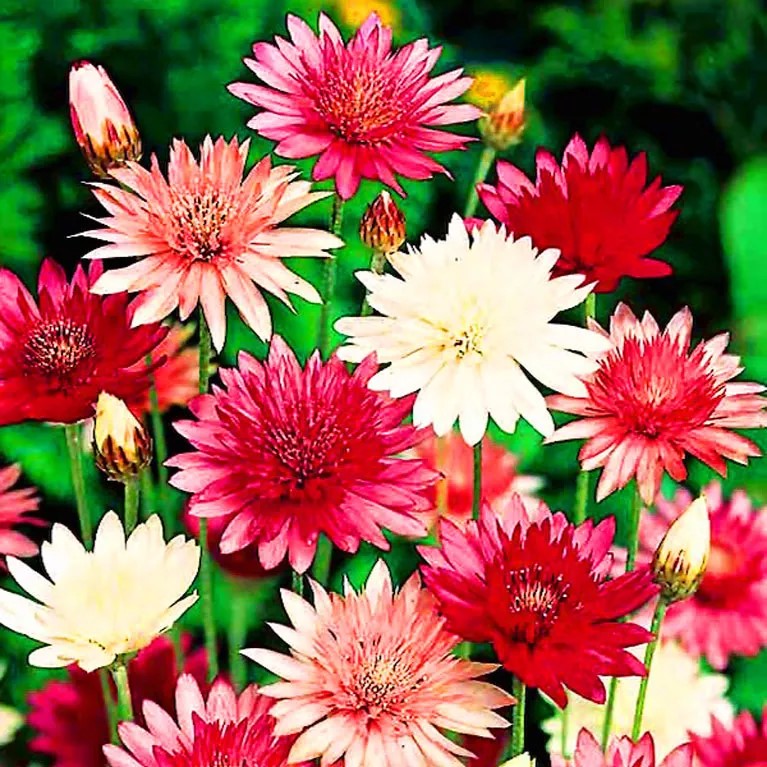
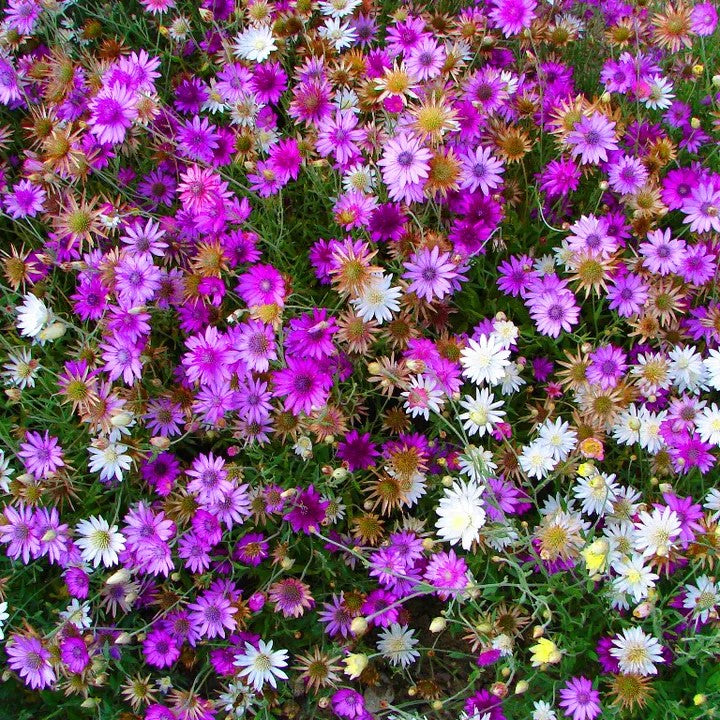
The Paper Daisy Immortelle Mix produces a colorful assortment of long-lasting, daisy-like blooms perfect for fresh or dried arrangements. Its compact, upright growth habit and vibrant flowers make it an excellent choice for borders, beds, and container displays. Loved for its ability to retain shape and color when dried, it’s ideal for everlasting bouquets and garden decoration.
What Makes It Special
-
Colorful, long-lasting blooms that dry naturally for arrangements
-
Compact, upright growth ideal for garden beds and containers
-
Easy to grow and low-maintenance
-
Attracts bees and butterflies while adding vibrant summer color
Key Features
-
Botanical name: Xeranthemum annuum
-
Variety: Immortelle Mix
-
Seed count: Approx. seeds per pack
-
Height/Spread: 40–60 cm tall, 25–35 cm spread
-
Position: Full sun; well-drained soil
-
Flowering period: June–October
Ideal For
-
Fresh-cut and dried flower arrangements
-
Garden borders, beds, and cottage gardens
-
Pollinator-friendly plantings
-
Container displays and floral crafts
Sowing Instructions
-
When to sow: March–May indoors; April–June outdoors
-
How to sow:
-
Sow seeds on the surface of moist seed compost and press lightly; do not cover too deeply
-
Germination in 10–14 days at 18–22°C
-
-
Transplanting: Prick out seedlings when large enough; plant outdoors after frost
-
Care: Water regularly and deadhead to prolong flowering and encourage continuous blooms
Showing 153/260


