
Cottage Garden Flower Seeds

Sort by:
260 products
260 products

Flowering Tobacco ‘Crimson Bedder’ – 2000 Seeds (Nicotiana alata)
Add bold color and fragrance to your garden with Flowering Tobacco ‘Crimson Bedder’. This stunning variety produces clusters of deep crimson, star-shaped blooms that open in the evening, releasing a sweet scent that attracts pollinators. A beautiful choice for borders, containers, and evening gardens.
What Makes It Special
-
Fragrant, velvety crimson blooms that glow at dusk
-
Attracts moths, bees, and hummingbirds
-
Easy to grow, long flowering season
-
Adds vibrant color and evening charm
Key Features
-
Half-hardy annual, height: 60–75 cm
-
Flowering: Summer to early autumn
-
Prefers full sun to partial shade
-
Ideal as a bedding or container plant
Ideal For
-
Fragrant evening gardens and borders
-
Containers and patio displays
-
Pollinator-friendly spaces
-
Cottage and wildlife gardens
Sowing
-
Sow indoors 6–8 weeks before the last frost at 18–22°C
-
Surface sow, press seeds lightly – do not cover (light aids germination)
-
Germination in 10–20 days
-
Transplant seedlings outdoors after frost, spacing 25–30 cm apart
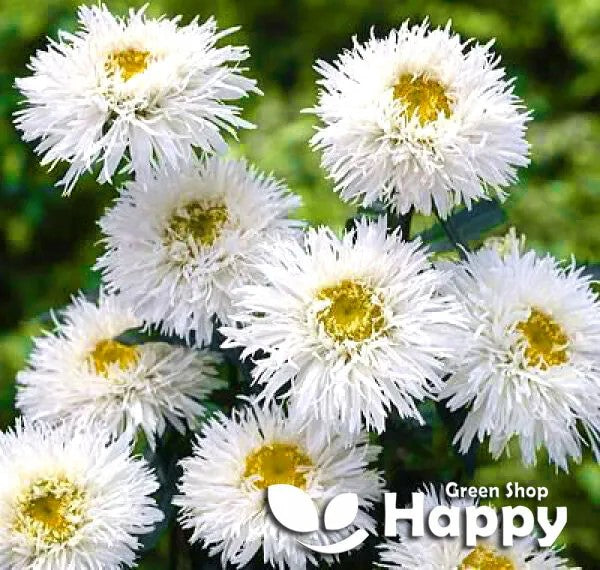
Crazy Daisy Seeds (Chrysanthemum leucanthemum)
A fun twist on the traditional daisy, Crazy Daisy produces frilly, shaggy white petals with golden-yellow centers. Each bloom is unique, bringing playful charm and texture to borders, wildflower plantings, and cottage gardens. Hardy and easy to grow, they also make excellent cut flowers.
What Makes It Special
-
Unique shaggy, frilled daisy flowers
-
Hardy, low-maintenance, and long-flowering
-
Excellent fresh cut flowers
Key Features
-
Botanical name: Chrysanthemum leucanthemum
-
Hardy perennial
-
Height: 60–80 cm (24–32 in)
-
Bloom time: Summer
Ideal For
-
Cottage gardens and wildflower meadows
-
Borders and mixed perennial beds
-
Fresh cut flower arrangements
Sowing
-
Sow indoors Feb–Apr or outdoors Apr–Jun
-
Cover lightly with soil and keep moist
-
Germination: 14–28 days at 18–22°C
-
Thin seedlings 30 cm apart
-
Flowers the first or second year after sowing

Rockery Garden Mixed Flower Seeds – 0.5 g
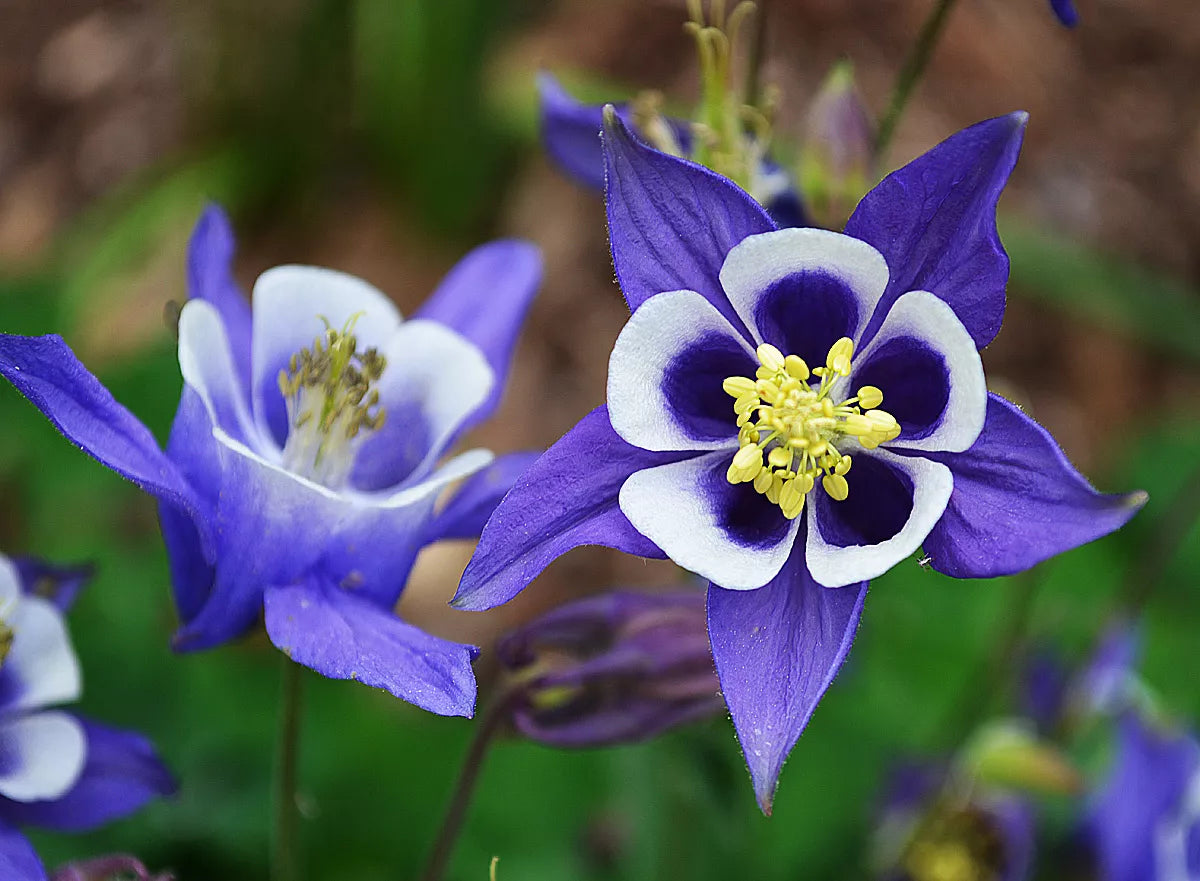
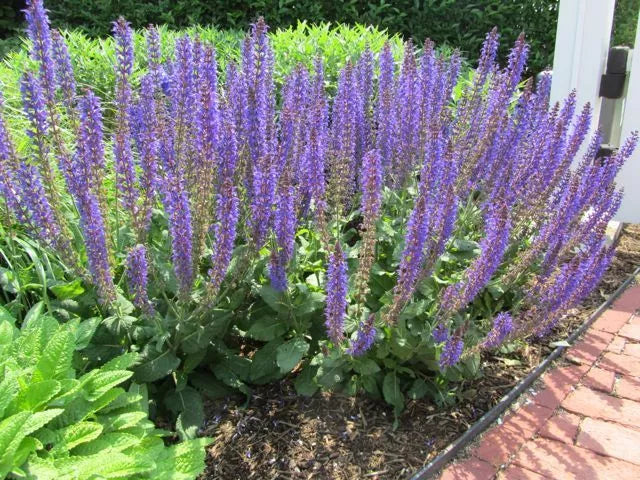
Bring charm and color to your rock garden with this delightful Rockery Garden Flower Mix. Specially selected compact, hardy flowers thrive in sunny, well-drained spots and fill rockeries, borders, and containers with continuous blooms all summer.
Why Grow "Rockery Garden Mix"
-
Low-growing, compact habit – perfect for rockeries
-
Vibrant color palette for a natural look
-
Drought-tolerant once established
-
Easy to grow and low-maintenance
Key Features
-
Type: Annual & perennial mix
-
Height: 15–30 cm
-
Flowering: June–September
-
Position: Full sun, well-drained soil
-
Uses: Rock gardens, borders, edging, containers
Ideal For
-
Rockeries & alpine gardens
-
Cottage-style plantings
-
Pollinator-friendly garden spots
-
Easy summer color with little effort
Sowing & Growing
-
Sow outdoors: April–May in prepared soil
-
Scatter thinly, cover lightly with soil
-
Germination: 14–21 days
-
Water lightly until established
-
Flowers from early summer onwards
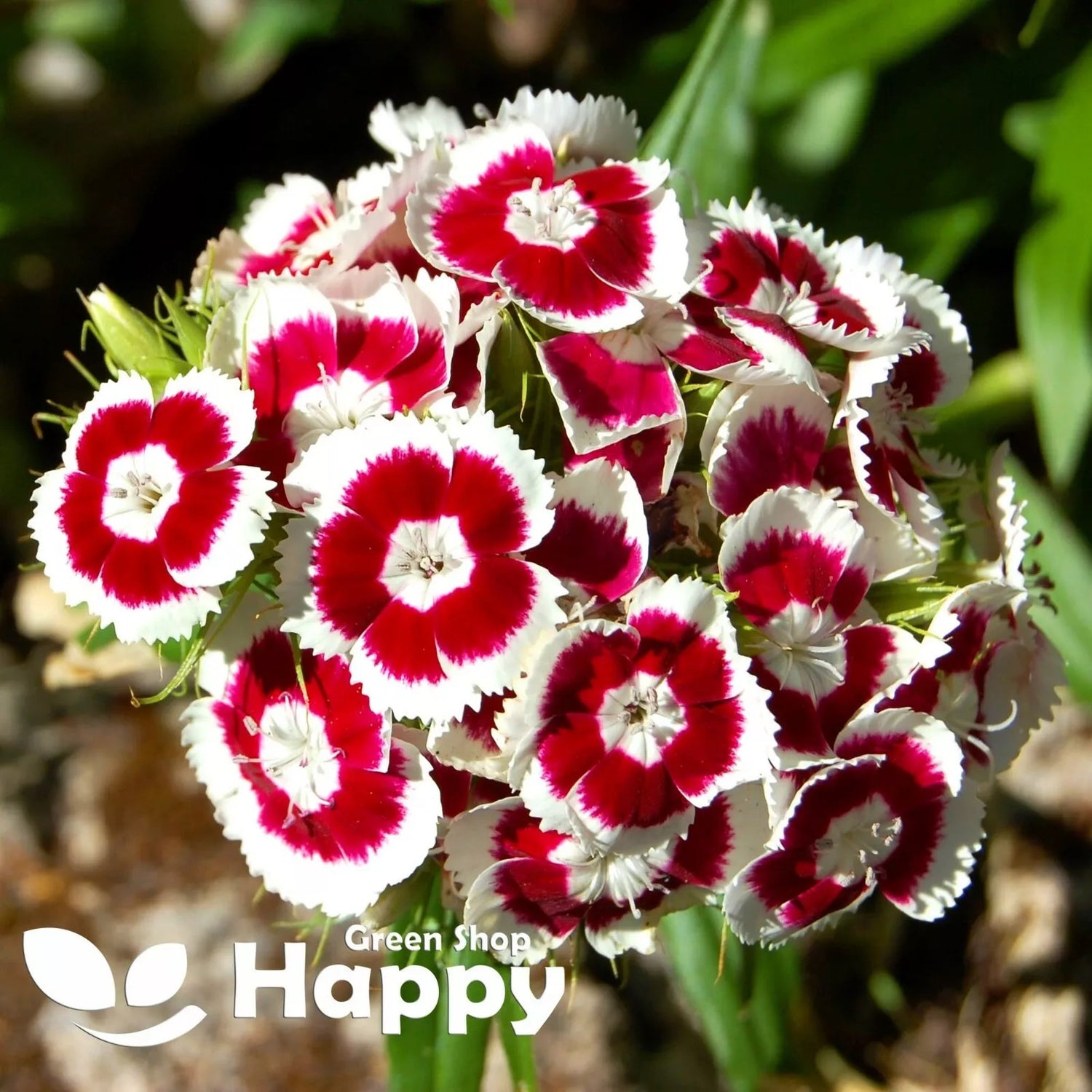
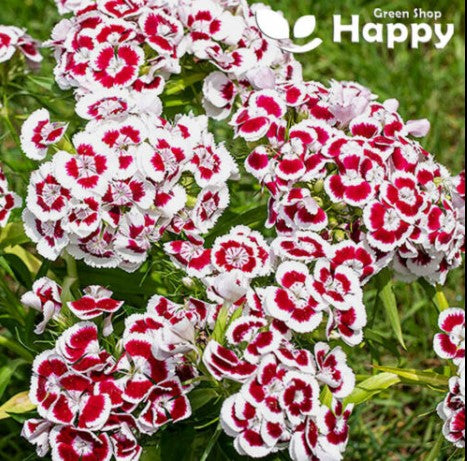
Sweet William ‘Holborn Glory’ Seeds (Dianthus barbatus)
Sweet William ‘Holborn Glory’ is a charming biennial or short-lived perennial with clusters of bi-colored red, pink, and white flowers. Blooming from late spring to early summer, it’s perfect for borders, cottage gardens, and pollinator-friendly spaces. Easy to grow and long-lasting, it adds vibrant color and fragrance to any garden.
What Makes It Special
-
Eye-catching clusters of red, pink, and white flowers
-
Fragrant and attractive to bees and butterflies
-
Hardy and easy to grow
Key Features
-
Botanical name: Dianthus barbatus
-
Biennial/perennial
-
Height: 30–45 cm
-
Bloom time: Late spring to early summer
Ideal For
-
Borders, cottage gardens, and mixed plantings
-
Pollinator-friendly gardens
-
Containers and cut flower arrangements
Sowing
-
Sow indoors Feb–Apr or outdoors Apr–Jun
-
Cover seeds lightly with soil
-
Germination: 10–14 days at 18–22°C
-
Space seedlings 25–30 cm apart
-
Flowers the following year

Sweet William 'Super Duplex' mix - 1000 seeds (Dianthus barbatus Mix Double)
£1.24
Unit price perSweet William 'Super Duplex' mix - 1000 seeds (Dianthus barbatus Mix Double)
£1.24
Unit price perSweet William 'Super Duplex' Mix Seeds (Dianthus barbatus Mix Double)
Sweet William 'Super Duplex' is a biennial flower prized for its lush, double-layered blooms in a mix of vibrant colors. Its dense flower clusters and upright growth make it perfect for borders, cottage gardens, and cut flower arrangements, adding a bold and elegant splash of color.
What Makes It Special
-
Produces dense, double-layered flower clusters
-
Vibrant mix of colors for eye-catching displays
-
Compact, upright growth ideal for borders and mixed beds
-
Excellent for cut flowers with long-lasting blooms
Key Features
-
Botanical name: Dianthus barbatus
-
Common name: Sweet William 'Super Duplex'
-
Seed count: Approx. seeds per pack
-
Height/Spread: 30–50 cm tall, 20–30 cm spread
-
Position: Full sun to partial shade, well-drained soil
-
Flowering period: Second year; late spring to early summer
-
Lifespan: Biennial
Ideal For
-
Borders, cottage gardens, and mixed flower beds
-
Cut flower arrangements
-
Pollinator-friendly gardens
-
Containers and patio planting
Sowing Instructions
-
When to sow:
-
Indoors: February–April for transplanting
-
Outdoors: April–May in well-prepared soil
-
-
How to sow:
-
Sow seeds thinly on the surface and press lightly into soil
-
Keep soil moist until germination (10–20 days)
-
-
Transplant/Thin: Space seedlings 20–30 cm apart
-
Care: Protect young plants from frost; deadhead spent flowers to prolong bloom
Primrose Flower "Showy Evening" - Silky Orchid Pink - 1000 seeds (Oenothera speciosa)
£1.24
Unit price perPrimrose Flower "Showy Evening" - Silky Orchid Pink - 1000 seeds (Oenothera speciosa)
£1.24
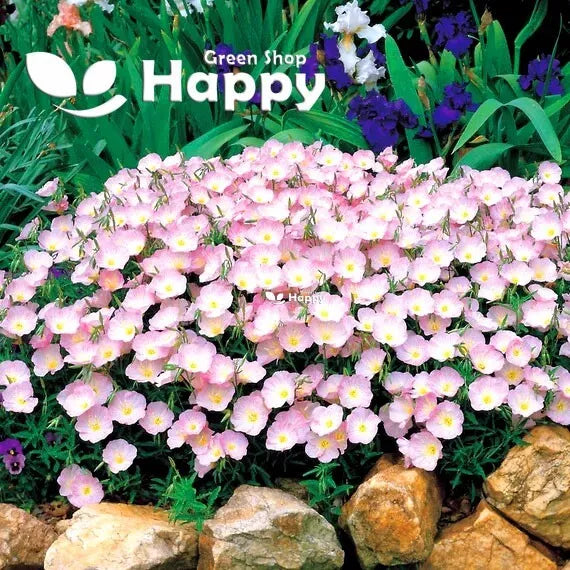
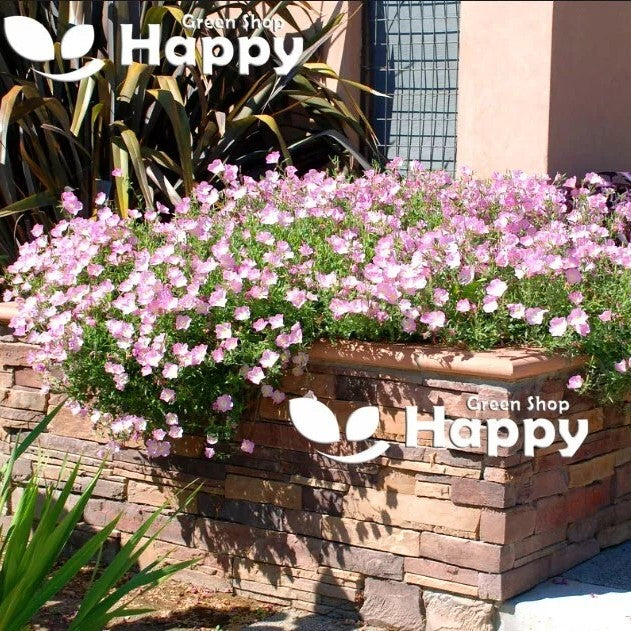
Unit price perPrimrose Flower ‘Showy Evening’ – Silky Orchid Pink – Seeds (Oenothera speciosa)
Primrose Flower ‘Showy Evening’ (Oenothera speciosa) is a charming perennial featuring silky orchid-pink flowers with a delicate, evening-blooming fragrance. Blooming from late spring to early summer, it forms a low-growing carpet of blooms perfect for borders, rockeries, and cottage gardens. Hardy, low-maintenance, and drought-tolerant, this primrose attracts pollinators and adds soft, romantic color to your garden.
Why Grow "Showy Evening"
-
Silky orchid-pink flowers with evening fragrance
-
Long flowering season from late spring to early summer
-
Hardy, low-maintenance, and drought-tolerant perennial
-
Pollinator-friendly and ideal for ground cover
Key Features
-
Type: Perennial (Oenothera speciosa)
-
Height: 20–30 cm
-
Flowering: Late spring to early summer
-
Position: Full sun to partial shade
-
Uses: Borders, rockeries, cottage gardens, ground cover, pollinator-friendly gardens
Ideal For
-
Ground cover and low-growing flower beds
-
Cottage and rock gardens
-
Pollinator-friendly planting schemes
-
Adding soft, romantic color to borders and edges
Sowing & Growing
-
Sow indoors: February–April in trays or pots
-
Sow outdoors: April–May after frost
-
Germination: 10–20 days at 18–22°C
-
Thin seedlings 25–30 cm apart
-
Prefers well-drained soil in full sun to partial shade
-
Water moderately until established
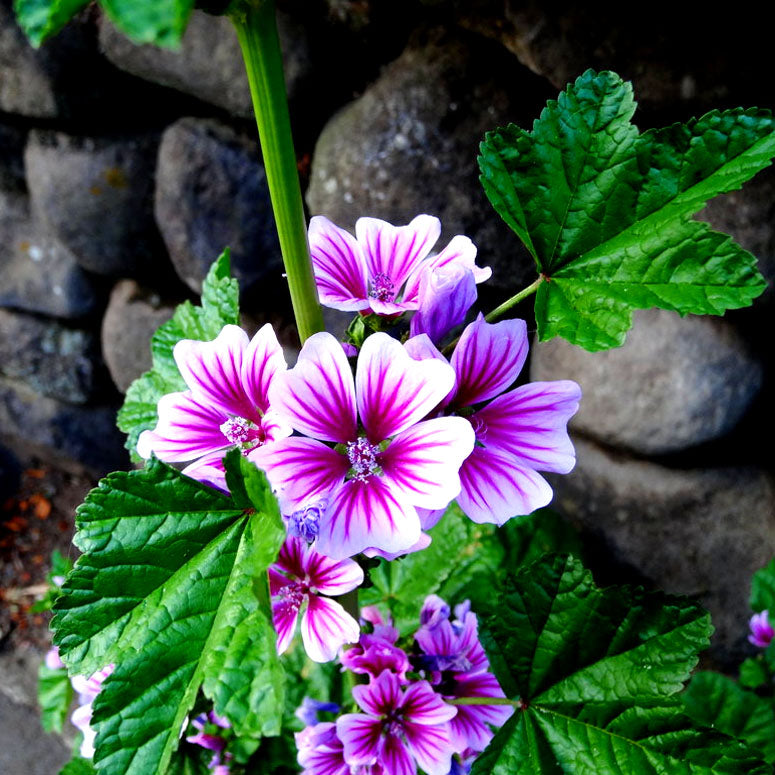
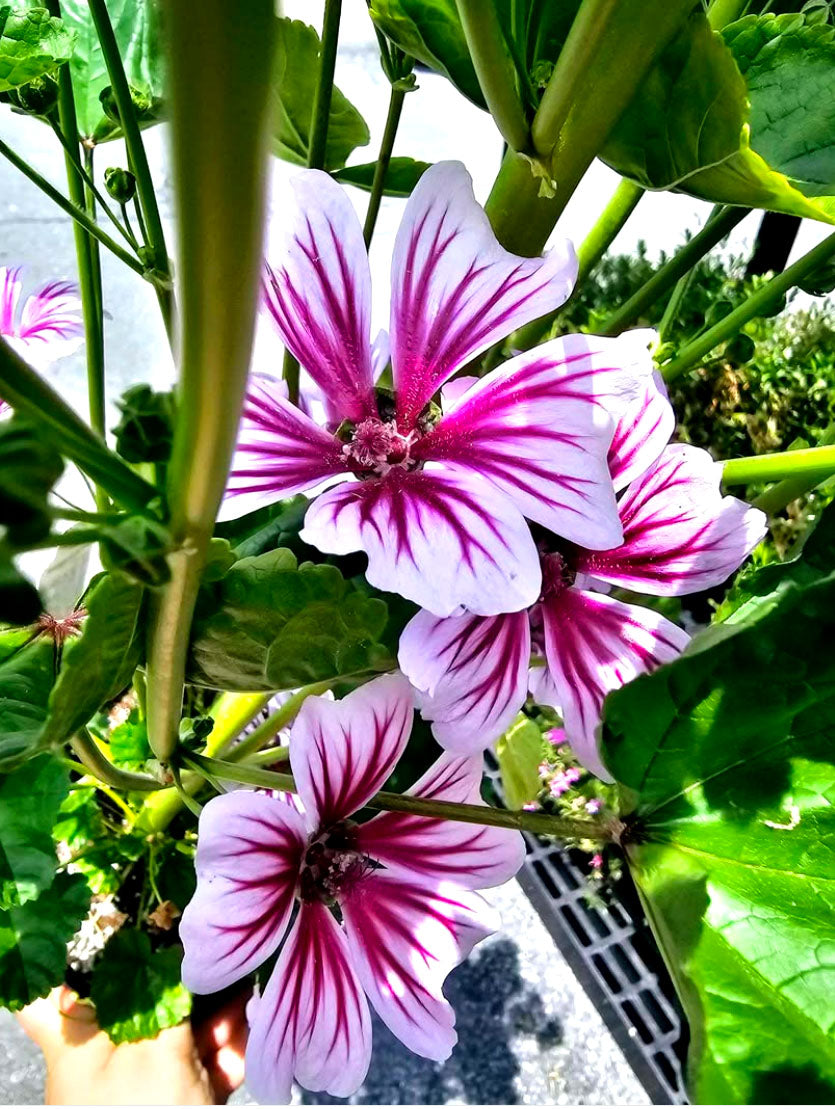
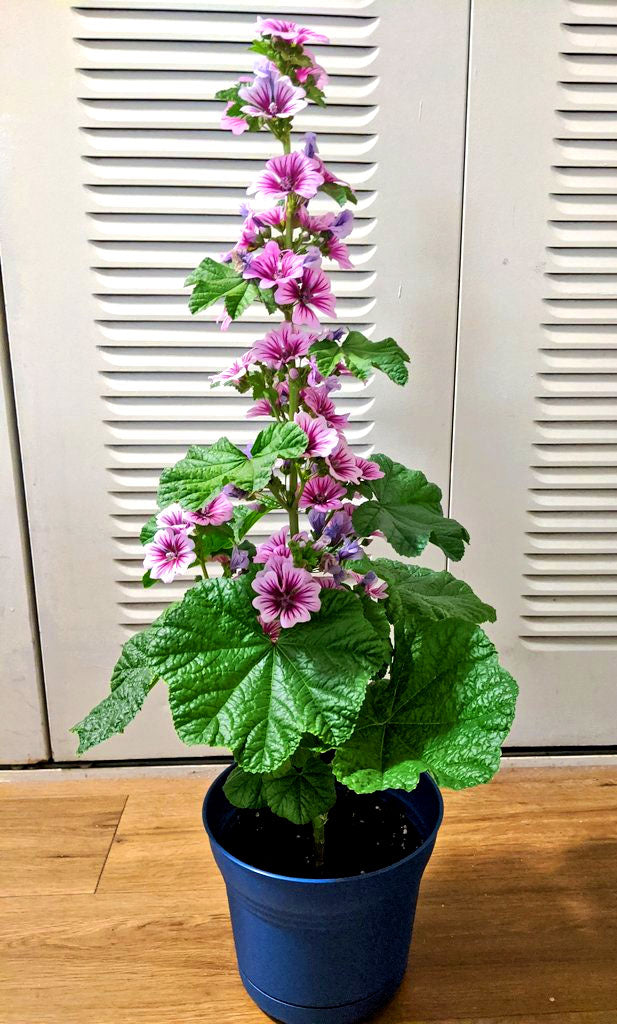
Mallow ‘Zebrina’ – Seeds
(Malva sylvestris)
Mallow ‘Zebrina’ is a striking biennial or short-lived perennial with vibrant violet-purple flowers adorned with darker purple stripes. Its long flowering season and bushy habit make it perfect for cottage gardens, borders, and pollinator-friendly plantings. Easy to grow and low-maintenance, it adds a splash of color and attracts bees and butterflies.
Why Grow Mallow ‘Zebrina’?
-
Vibrant violet-purple flowers with dark striped markings
-
Long-flowering, bushy habit
-
Attracts bees, butterflies, and other pollinators
-
Low-maintenance and easy to grow
Key Features
-
Type: Biennial / short-lived perennial
-
Height: 60–90 cm
-
Flowers: Summer to autumn
-
Position: Full sun to partial shade
-
Soil: Well-drained, moderately fertile
Ideal For
-
Cottage and mixed borders
-
Pollinator-friendly gardens
-
Cut flower arrangements
-
Low-maintenance ornamental planting
Sowing & Growing
-
Sow indoors: February–April in seed trays
-
Sow outdoors: April–May directly in prepared soil
-
Germination: 10–20 days at 18–20°C
-
Spacing: 30–40 cm apart
-
Care: Water moderately; deadhead to prolong flowering

Lady’s Mantle – Seeds (Alchemilla mollis)
Lady’s Mantle (Alchemilla mollis) is a hardy perennial known for its soft, scalloped green foliage and clusters of small, chartreuse flowers that bloom from late spring to summer. Its graceful leaves capture morning dew beautifully, adding texture and charm to borders, rock gardens, and cottage-style beds. Low-maintenance and long-lasting, this perennial is perfect for pollinator-friendly gardens and adds a fresh, airy feel to any planting scheme.
Why Grow "Lady’s Mantle"
-
Soft, scalloped green foliage with chartreuse flowers
-
Long flowering season from late spring to summer
-
Hardy, low-maintenance perennial
-
Pollinator-friendly and ideal for naturalistic gardens
Key Features
-
Type: Perennial (Alchemilla mollis)
-
Height: 30–45 cm
-
Flowering: Late spring to summer
-
Position: Full sun to partial shade
-
Uses: Borders, rockeries, cottage gardens, pollinator-friendly planting
Ideal For
-
Adding texture and softness to borders and beds
-
Cottage and naturalistic garden designs
-
Pollinator-friendly planting schemes
-
Underplanting around shrubs and perennials
Sowing & Growing
-
Sow indoors: February–April in trays or pots
-
Sow outdoors: March–May directly in soil
-
Germination: 10–20 days at 18–22°C
-
Thin seedlings 25–30 cm apart
-
Prefers well-drained soil in full sun to partial shade
-
Water moderately until established
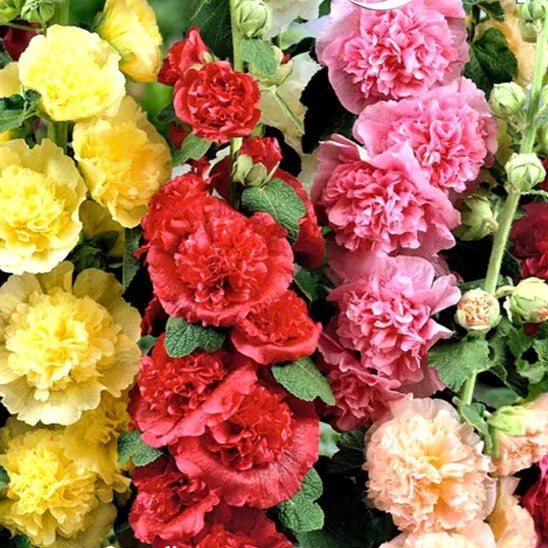
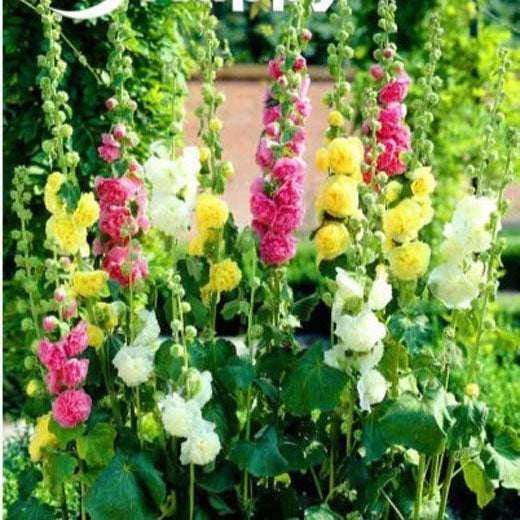
Hollyhock ‘Summer Carnival’ Double Mix Seeds (Althaea rosea)
Hollyhock ‘Summer Carnival’ is a striking biennial with tall spikes of fully double, ruffled blooms in a vibrant mix of colors. Blooming from mid to late summer, it adds drama and vertical interest to borders, cottage gardens, and pollinator-friendly spaces. Hardy and easy to grow, it attracts bees and butterflies while creating a stunning floral display.
What Makes It Special
-
Fully double, ruffled blooms in a vibrant color mix
-
Tall, dramatic flower spikes ideal for vertical accents
-
Attracts pollinators and adds cottage garden charm
Key Features
-
Botanical name: Althaea rosea
-
Biennial
-
Height: 150–200 cm
-
Bloom time: Mid to late summer
Ideal For
-
Borders and cottage gardens
-
Pollinator-friendly plantings
-
Backgrounds, vertical accents, and cut flowers
Sowing
-
Sow indoors Feb–Apr or outdoors Apr–Jun
-
Cover seeds lightly with soil
-
Germination: 14–21 days at 18–22°C
-
Space seedlings 40–50 cm apart
-
Flowers the following year
Showing 207/260


