
Cottage Garden Flower Seeds

Sort by:
260 products
260 products
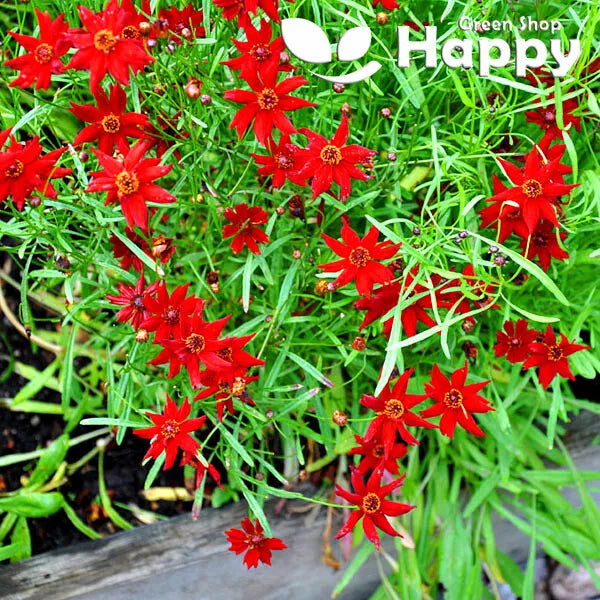
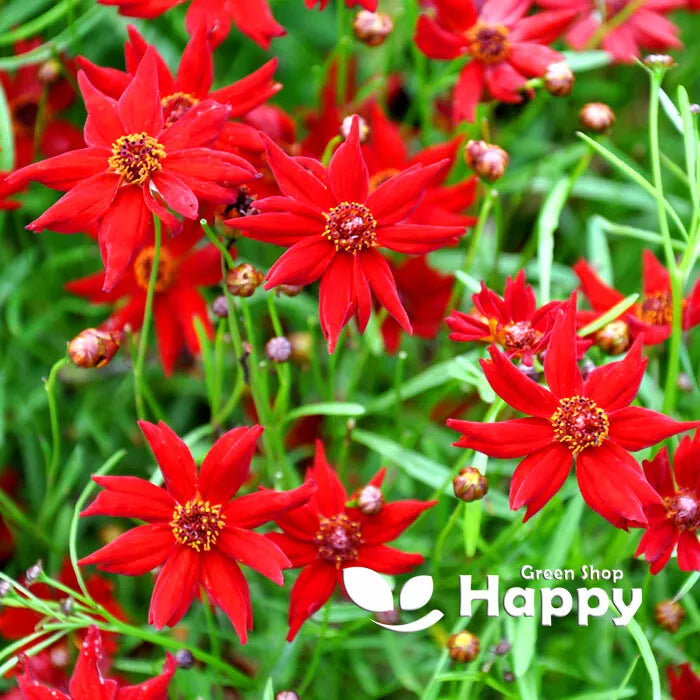
Coreopsis ‘Amulet Red’ – Seeds
(Coreopsis tinctoria)
Coreopsis ‘Amulet Red’ is a striking annual that produces masses of deep red, daisy-like blooms throughout summer. Its long-lasting flowers attract bees, butterflies, and other pollinators, making it both a decorative and wildlife-friendly choice. Perfect for borders, wildflower gardens, and cutting.
Why Grow Coreopsis ‘Amulet Red’?
-
Abundant deep red daisy-like flowers
-
Long flowering season from summer to autumn
-
Attracts bees, butterflies & pollinators
-
Easy to grow and low-maintenance
Key Features
-
Type: Hardy annual
-
Height: 45–60 cm
-
Flowers: June–October
-
Position: Full sun
-
Soil: Well-drained, moderately fertile
Ideal For
-
Borders and cottage gardens
-
Wildflower-style plantings
-
Pollinator-friendly gardens
-
Cut flower arrangements
Sowing & Growing
-
Sow outdoors: April–May in prepared soil, thin seedlings as needed
-
Sow indoors: March–April in trays, plant out after last frost
-
Germination: 7–14 days at 18–22°C
-
Spacing: 20–25 cm apart
-
Deadhead spent blooms to prolong flowering


Yellow Iris – Seeds
(Iris pseudacorus)
The Yellow Iris (Iris pseudacorus) is a striking perennial, known for its large golden-yellow blooms and elegant sword-like foliage. Naturally found along riverbanks and ponds, it thrives in moist to wet soil, making it a perfect choice for water gardens, bog gardens, or pond edges. In late spring to early summer, it produces showy flowers that attract pollinators and provide a beautiful contrast to lush greenery. Hardy and low-maintenance, this iris is both ornamental and beneficial for wildlife habitats.
Key Features
-
Type: Perennial, aquatic/marginal plant
-
Height: 80–120 cm
-
Spread: 40–60 cm
-
Flowering: May–July
-
Position: Full sun / partial shade
-
Soil: Moist, fertile; thrives in boggy or wet conditions
Ideal For
-
Pond edges, water features, and wetlands
-
Wildlife and naturalistic gardens
-
Cottage and perennial borders (in moist soil)
-
Attracting bees and butterflies
Sowing & Growing
-
Sow indoors/outdoors: Autumn–Spring
-
Pre-treatment: Seeds benefit from stratification (exposure to cold for 6–8 weeks) before sowing.
-
Germination: Can be slow and irregular (1–3 months).
-
Sow depth: Cover lightly with compost and keep moist.
-
Transplanting: Move seedlings to permanent positions when large enough, ensuring soil remains moist.
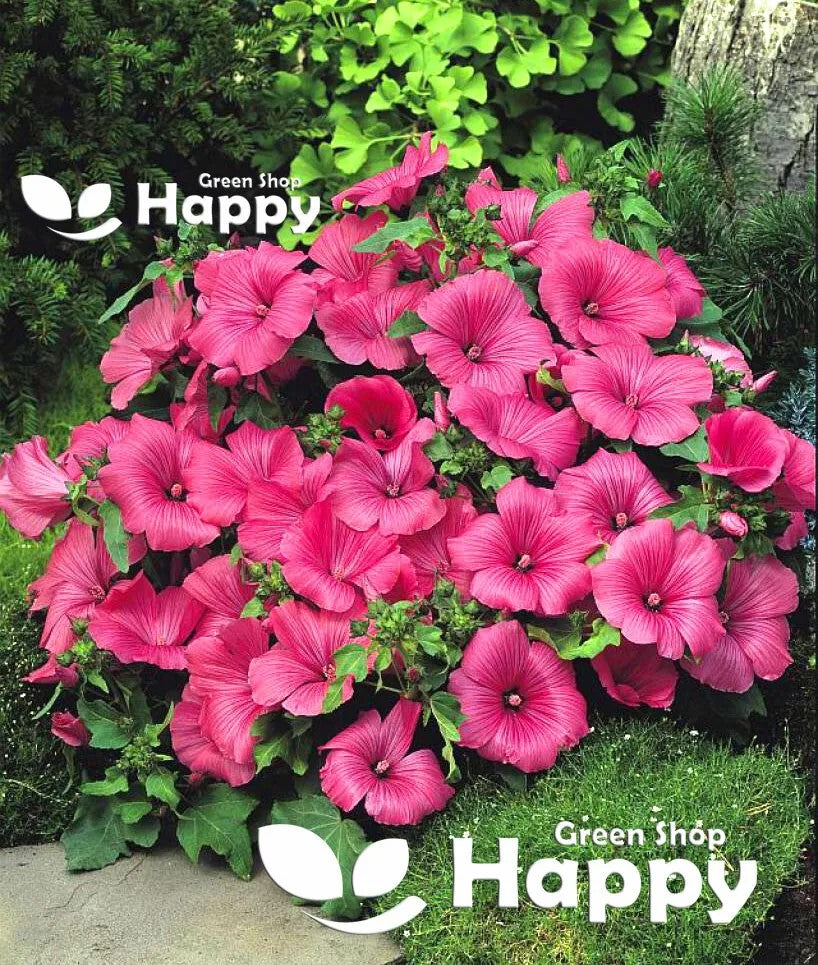
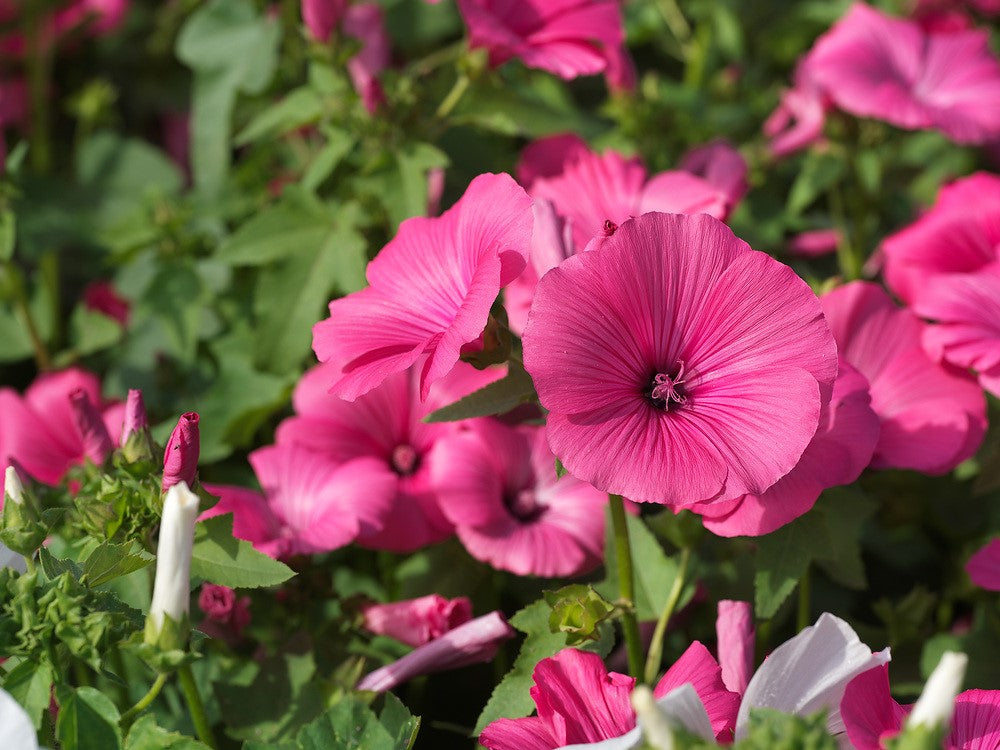
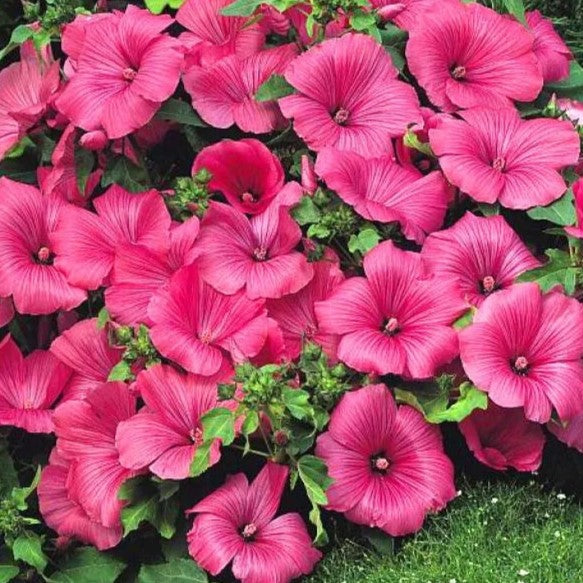
Rose Mallow ‘Ruby Regis’ – Seeds (Lavatera trimestris)
Rose Mallow ‘Ruby Regis’ is a stunning annual that produces large, deep ruby-red, hibiscus-like blooms all summer. Its upright, bushy habit makes it perfect for borders, cottage gardens, and containers, while its long flowering season adds continuous color and charm. Easy to grow and pollinator-friendly, this variety is ideal for brightening garden spaces with bold, dramatic flowers.
Why Grow "Ruby Regis"
-
Large, deep ruby-red, hibiscus-like blooms
-
Long flowering season for continuous summer color
-
Upright, bushy habit ideal for borders and containers
-
Attracts bees, butterflies, and other pollinators
Key Features
-
Type: Annual (Lavatera trimestris)
-
Height: 60–90 cm
-
Flowering: Summer to early autumn
-
Position: Full sun
-
Uses: Borders, cottage gardens, containers, pollinator planting
Ideal For
-
Adding bold red accents to borders and beds
-
Cottage garden and container planting
-
Pollinator-friendly gardens
-
Gardeners seeking easy-to-grow, dramatic flowers
Sowing & Growing
-
Sow indoors: 6–8 weeks before last frost
-
Sow outdoors: Directly after frost danger has passed
-
Germination: 14–21 days
-
Space seedlings: 30–40 cm apart
-
Prefers full sun and well-drained soil

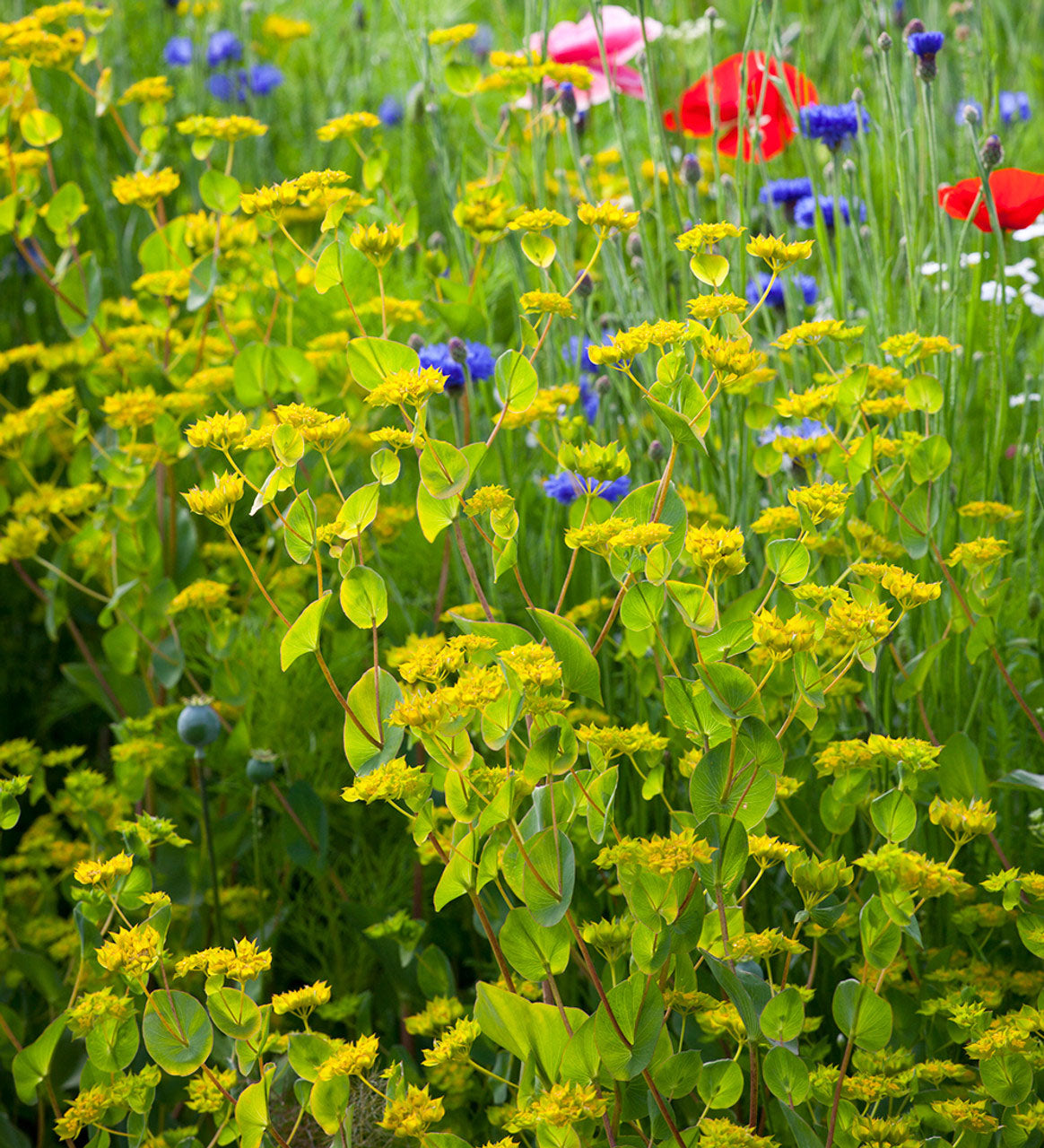

Hare’s Ear Seeds (Bupleurum rotundifolium ‘Griffithii’)
Add unique texture and vibrant color to your garden with Hare’s Ear (Bupleurum rotundifolium ‘Griffithii’). This annual produces clusters of bright green, airy umbels above fine foliage, creating a striking contrast in borders, cutting gardens, and wildflower meadows. Hardy and easy to grow, it attracts pollinators and adds architectural interest to your garden.
How to Grow
-
Sow directly outdoors in spring after the last frost.
-
Use well-drained soil in full sun.
-
Scatter seeds thinly and cover lightly with soil.
-
Keep soil moist until germination (10–14 days).
-
Thin seedlings to 25–30 cm apart once established.
-
Cut flowers regularly to encourage continued blooming.
Key Features
-
Airy green umbels for a unique garden texture
-
Hardy annual, easy to grow and long-flowering
-
Excellent for borders, cutting gardens, and meadows
-
Attracts bees, butterflies, and other pollinators
-
Architectural foliage adds interest to plantings
Ideal For
-
Flower borders and cottage gardens
-
Cutting gardens for fresh bouquets
-
Wildflower-style meadows and naturalized areas
-
Pollinator-friendly landscapes
Sowing
-
Best time: Spring outdoors
-
Germination: 10–14 days
-
Sow thinly, cover lightly, and keep soil moist
-
Prefers full sun and well-drained soil
Quick Tip
-
For a longer display, sow in successive batches every 2–3 weeks during spring.
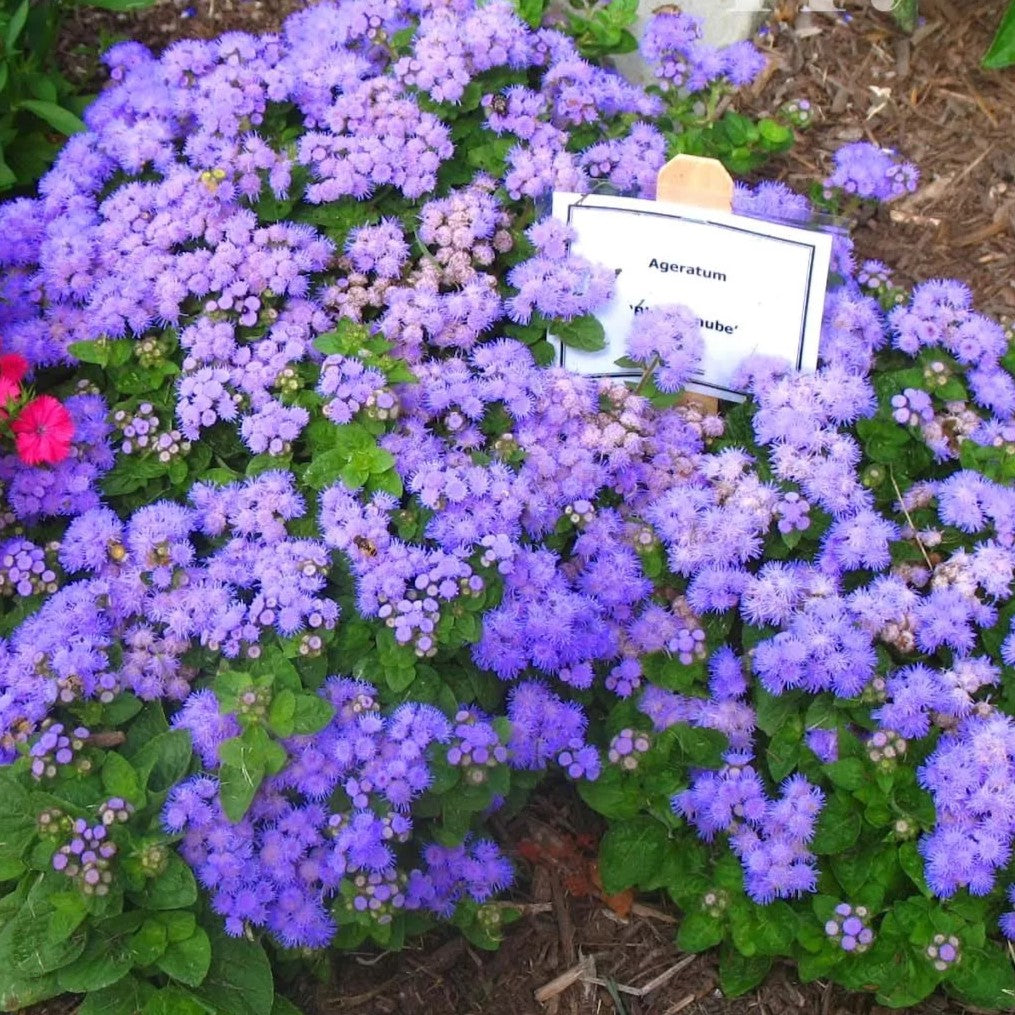
Floss Flower ‘Blue Mink’ Seeds (Ageratum houstonianum)
The Floss Flower ‘Blue Mink’ is a compact, long-flowering annual that produces unique clusters of soft, fluffy sky-blue flowers from summer to autumn. Known for its neat, bushy habit and striking color, it’s perfect for bedding, borders, edging, and container planting. Its powder-blue shades blend beautifully with pinks, whites, and yellows, making it a versatile addition to any garden.
What Makes It Special
-
Distinctive fluffy blue blooms rarely found in annuals
-
Compact, uniform growth ideal for low borders
-
Long flowering season – continuous display until frost
-
Attracts bees and butterflies
Key Features
-
Botanical name: Ageratum houstonianum
-
Variety: Blue Mink
-
Seed count: Approx. seeds per pack
-
Height/Spread: 20–30 cm tall, 20–25 cm spread
-
Position: Full sun or partial shade; moist, well-drained soil
-
Flowering period: June–October
Ideal For
-
Bedding and edging
-
Container and patio displays
-
Cottage gardens
-
Pollinator-friendly planting
Sowing Instructions
-
When to sow: February–April indoors
-
How to sow:
-
Sow thinly on the surface of moist compost; do not cover, as light aids germination
-
Maintain 18–22°C; germination usually takes 7–14 days
-
-
Transplanting: Prick out seedlings when large enough, grow on in small pots, then harden off before planting outdoors after the last frost
-
Spacing: Plant 20 cm apart
-
Care: Deadhead to extend the flowering season
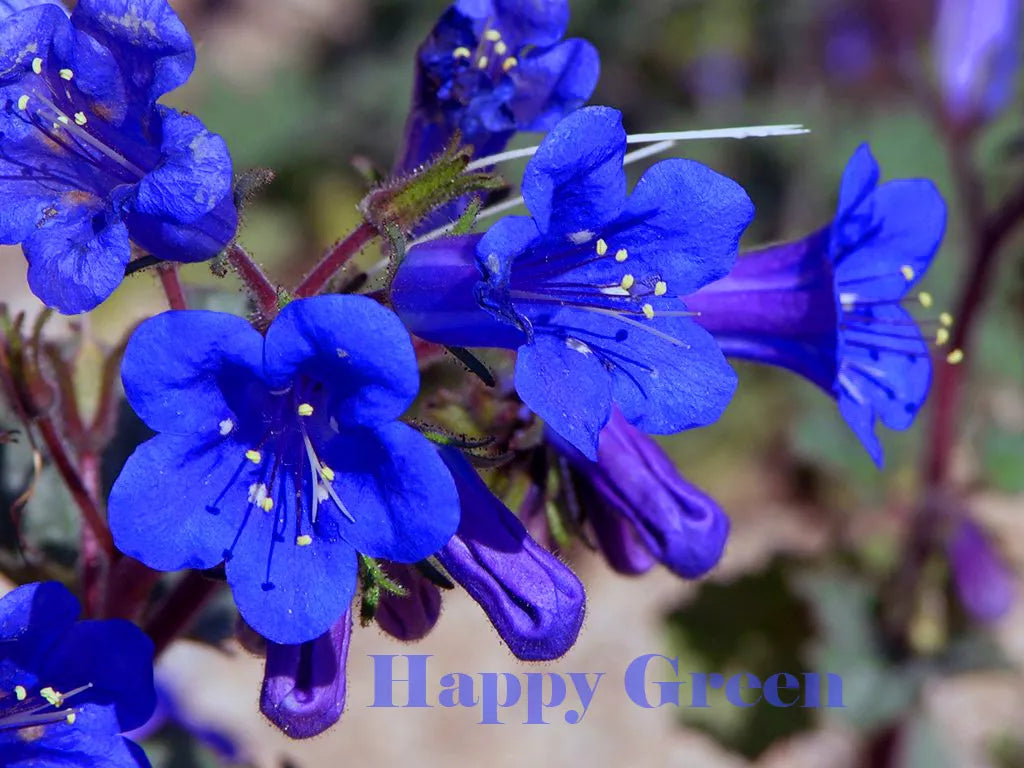
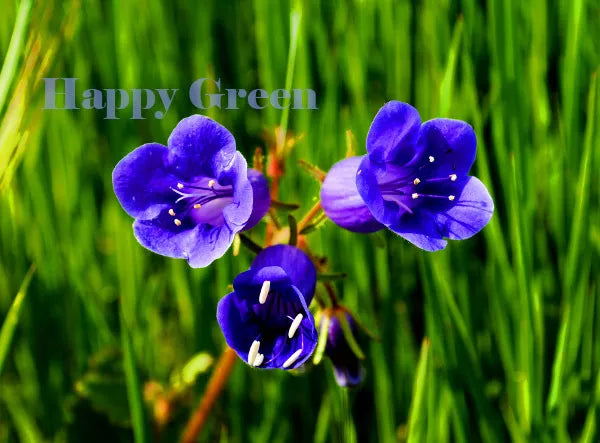
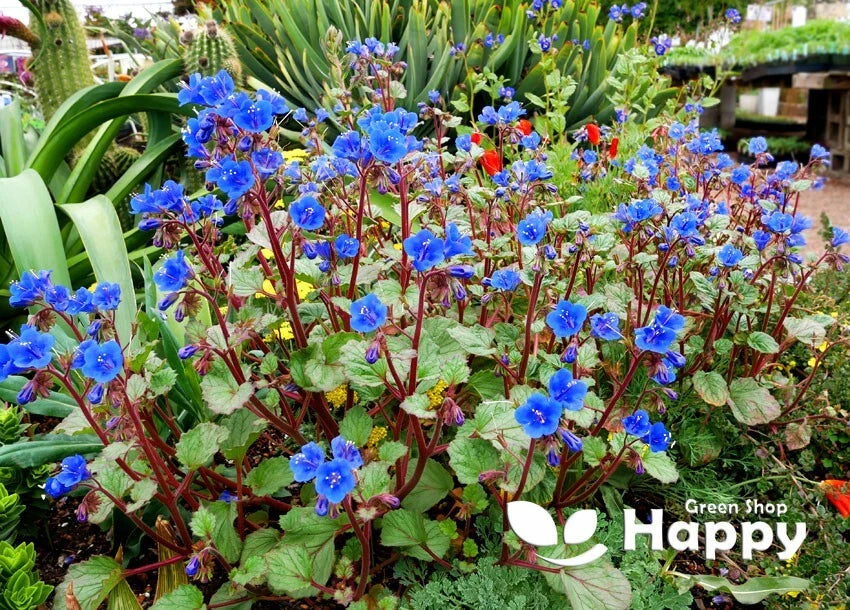
Desert Bluebell – Stunning Sky-Blue Blooms
Desert Bluebells (Phacelia campanularia) produce vibrant sky-blue, bell-shaped flowers that create a striking display in any garden. Hardy and easy to grow, these annuals are perfect for borders, wildflower meadows, or attracting pollinators like bees and butterflies.
What Makes It Special
-
Brilliant sky-blue bell-shaped flowers
-
Fast-growing and hardy
-
Attracts bees and butterflies
-
Ideal for naturalistic garden designs and wildflower meadows
Key Features
-
Annual plant
-
Grows 30–50 cm tall
-
Blooms in late spring to early summer
-
Thrives in full sun with well-drained soil
-
Drought-tolerant once established
Ideal For
-
Garden borders and beds
-
Wildflower meadows
-
Pollinator-friendly gardens
-
Containers and cottage gardens
Sowing
-
Sow directly outdoors after last frost
-
Plant seeds 0.5–1 cm deep
-
Germination: 7–14 days at 15–20°C
-
Space 15–20 cm apart
-
Prefers sunny locations with well-drained soil
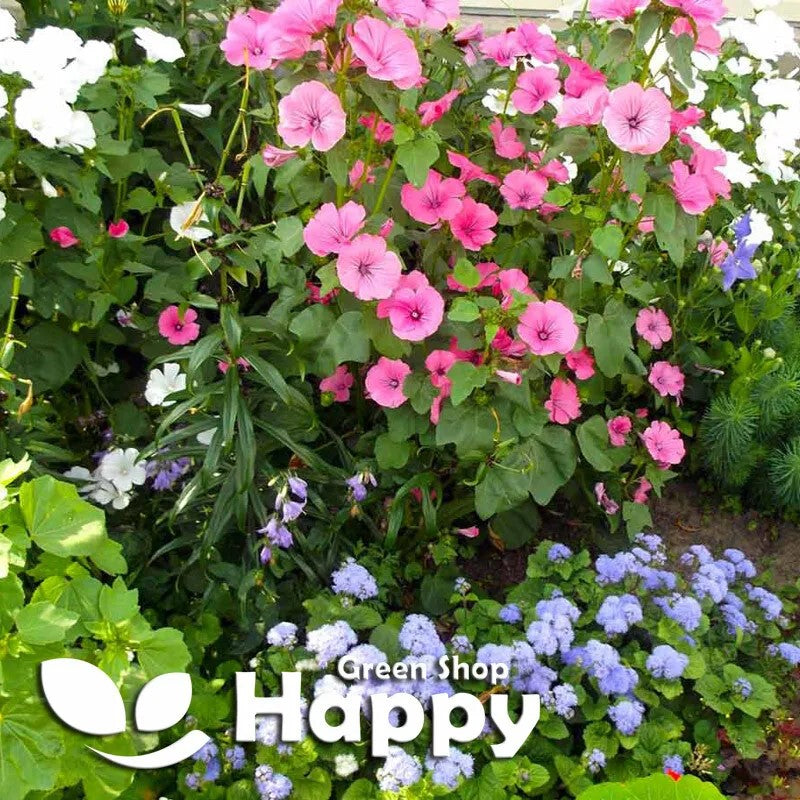
Rose Mallow Mix Seeds (Lavatera trimestris)
Rose Mallow Mix is an easy-to-grow annual producing large, showy, hibiscus-like flowers in shades of pink, rose, and white. Its upright, bushy habit makes it perfect for garden beds, borders, and cottage gardens. Loved for its long flowering season and ability to attract pollinators, it adds a splash of color and elegance to any garden.
What Makes It Special
-
Large, hibiscus-like blooms in a mix of pink, rose, and white
-
Long-flowering, adding color from summer to autumn
-
Compact, bushy growth habit suitable for mixed plantings
-
Attracts bees, butterflies, and other pollinators
Key Features
-
Botanical name: Lavatera trimestris
-
Variety: Mix
-
Seed count: Approx. seeds per pack
-
Height/Spread: 60–100 cm tall, 30–50 cm spread
-
Position: Full sun; fertile, well-drained soil
-
Flowering period: June–October
Ideal For
-
Borders and cottage garden beds
-
Containers and patio displays
-
Pollinator-friendly gardens
-
Cutting gardens for fresh floral arrangements
Sowing Instructions
-
When to sow: March–May indoors; April–June outdoors
-
How to sow:
-
Sow seeds 0.5–1 cm deep in seed trays or pots
-
Germination occurs in 10–14 days at 18–22°C
-
-
Transplanting: Plant seedlings outdoors 30–50 cm apart after frost risk has passed
-
Care: Water moderately; deadhead regularly to prolong flowering
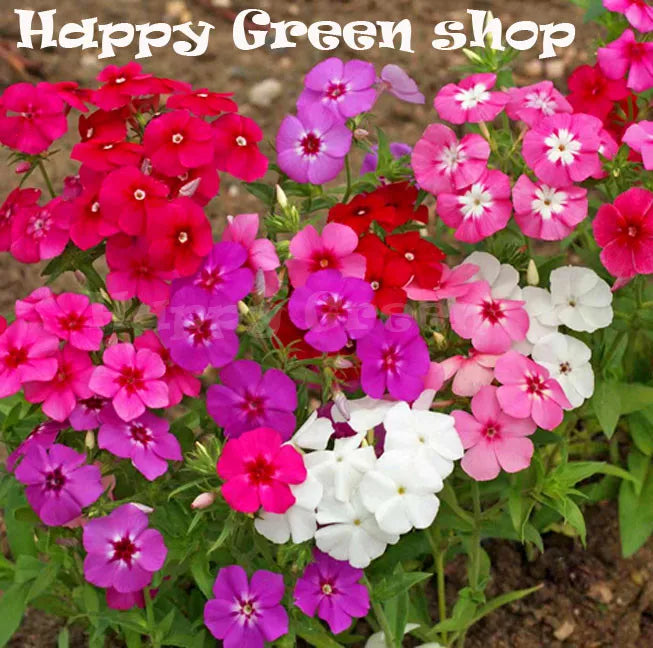
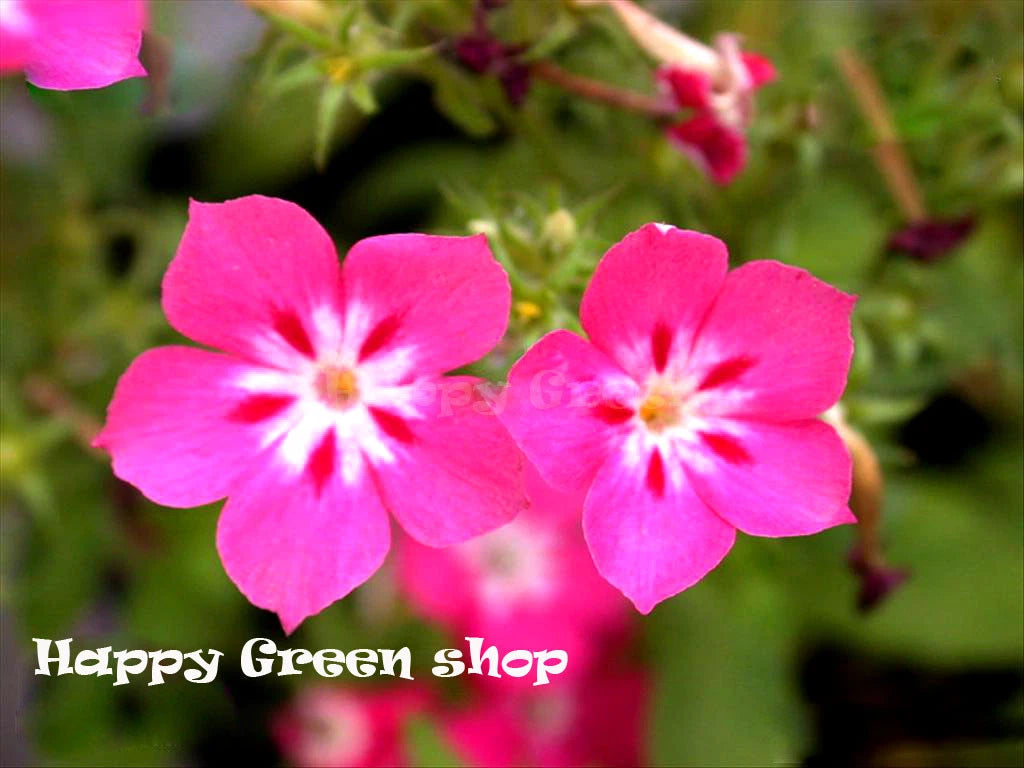
Phlox Cecily Mixed – 300 Seeds (Phlox drummondii nana compacta)
Phlox Cecily Mixed (Phlox drummondii nana compacta) is a compact, low-growing annual that produces vibrant, colorful blooms in a mix of shades. Perfect for borders, rockeries, and containers, it brings a cheerful, long-lasting display from late spring to autumn. Easy to grow and quick to flower, it’s ideal for brightening small garden spaces.
Why Grow "Phlox Cecily Mixed"
-
Compact, dwarf habit ideal for small spaces
-
Vibrant blooms in a variety of colors
-
Long flowering season from late spring to autumn
-
Easy to grow and low-maintenance
Key Features
-
Type: Annual (Phlox drummondii nana compacta)
-
Height: 15–25 cm
-
Flowering: May–October
-
Position: Full sun
-
Uses: Borders, rockeries, containers, cottage gardens
Ideal For
-
Brightening borders and rockeries
-
Container and patio planting
-
Pollinator-friendly garden spaces
-
Small-scale garden beds
Sowing & Growing
-
Sow indoors: February–April in seed trays
-
Sow outdoors: April–May after frost
-
Germination: 7–14 days at 18–22°C
-
Thin seedlings to 15–20 cm apart
-
Prefers full sun and well-drained soil
-
Deadhead to encourage prolonged flowering
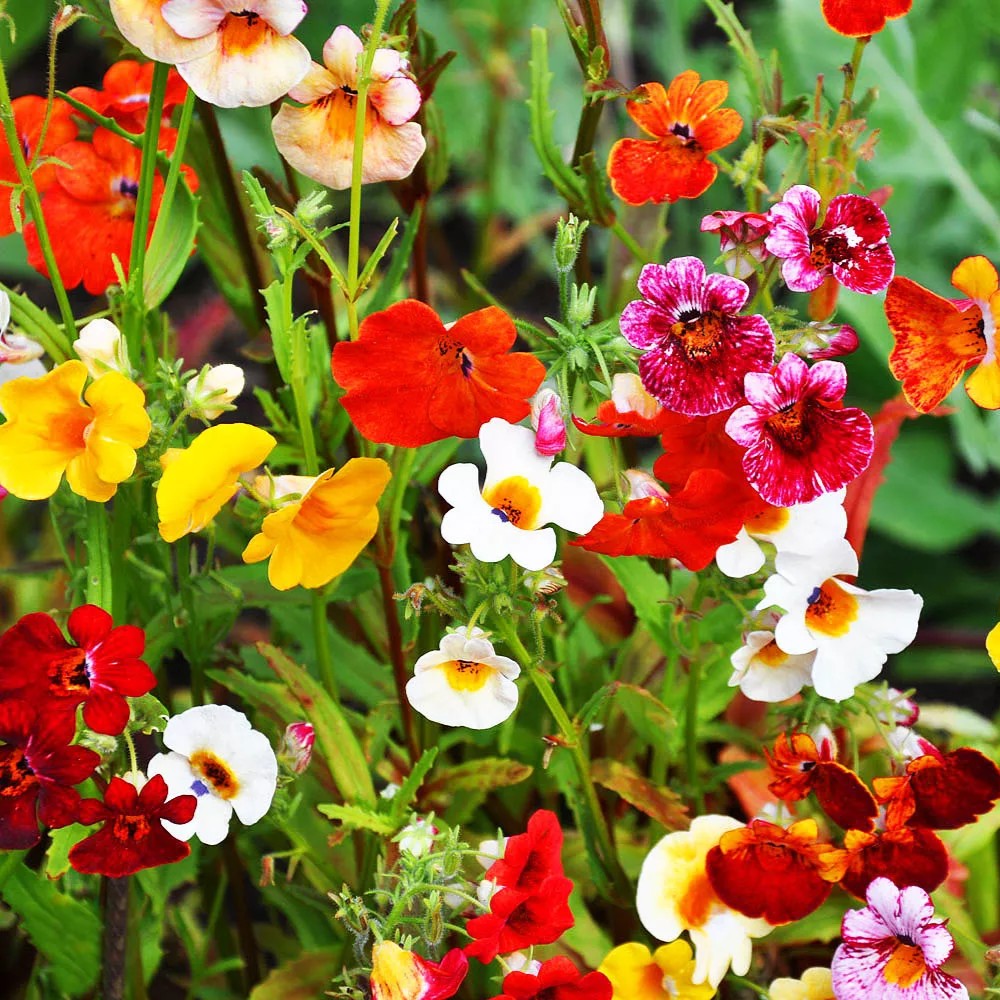
Nemesia 'Sundrops' Mixed – 1100 Seeds (Nemesia strumosa)
A delightful compact annual, Nemesia 'Sundrops' produces masses of small, cheerful blooms in a bright and varied color mix. With their neat growth habit and long flowering season, these dainty plants are perfect for borders, edging, containers, and window boxes.
Highlights
-
Vibrant mix of bright colors
-
Compact, bushy annual with masses of blooms
-
Long-lasting flowers from summer to autumn
-
Easy to grow and low-maintenance
-
Ideal for containers, beds, and edging
Key Features
-
Botanical Name: Nemesia strumosa
-
Variety: 'Sundrops' Mix
-
Seed Count: 1100 seeds
-
Height/Spread: 20–25 cm tall
-
Position: Full sun, well-drained soil
-
Flowering Period: Summer to early autumn
Perfect For
-
Bedding displays and cottage gardens
-
Brightening containers, pots, and hanging baskets
-
Low borders and pathways
-
Continuous summer color
Sowing Instructions
-
Sow indoors Feb–April at 15–20°C
-
Surface sow seeds, press lightly, do not cover (light aids germination)
-
Germination: 7–14 days
-
Transplant seedlings when large enough, spacing 15–20 cm apart
-
Harden off before planting outdoors after the last frost
Showing 243/260


