
Cottage Garden Flower Seeds

Sort by:
260 products
260 products


Zinnia 'Chippendale Daisy' – Seeds
(Zinnia haageana)
The Zinnia 'Chippendale Daisy' is a vibrant, long-blooming annual that produces an abundance of cheerful, daisy-like flowers in warm shades of red, orange, and golden yellow, often with contrasting centers. Compact and robust, this variety is excellent for adding bold splashes of colour to borders, flower beds, and containers. Highly attractive to bees and butterflies, it’s a perfect choice for pollinator-friendly gardens.
Key Features
-
Type: Half-hardy annual
-
Height: 40–60 cm
-
Spread: 25–35 cm
-
Flowering: June–October
-
Position: Full sun
-
Soil: Fertile, well-drained
Ideal For
-
Cottage and cutting gardens
-
Pollinator-friendly planting
-
Beds, borders, and pots
-
Summer floral displays
Sowing & Growing
-
Sow indoors: March–April, in trays at 18–22°C
-
Sow outdoors: May, after frost risk has passed
-
Germination: 7–14 days
-
Transplant/Thin: 25–30 cm apart
-
Remove spent flowers to encourage prolonged blooming
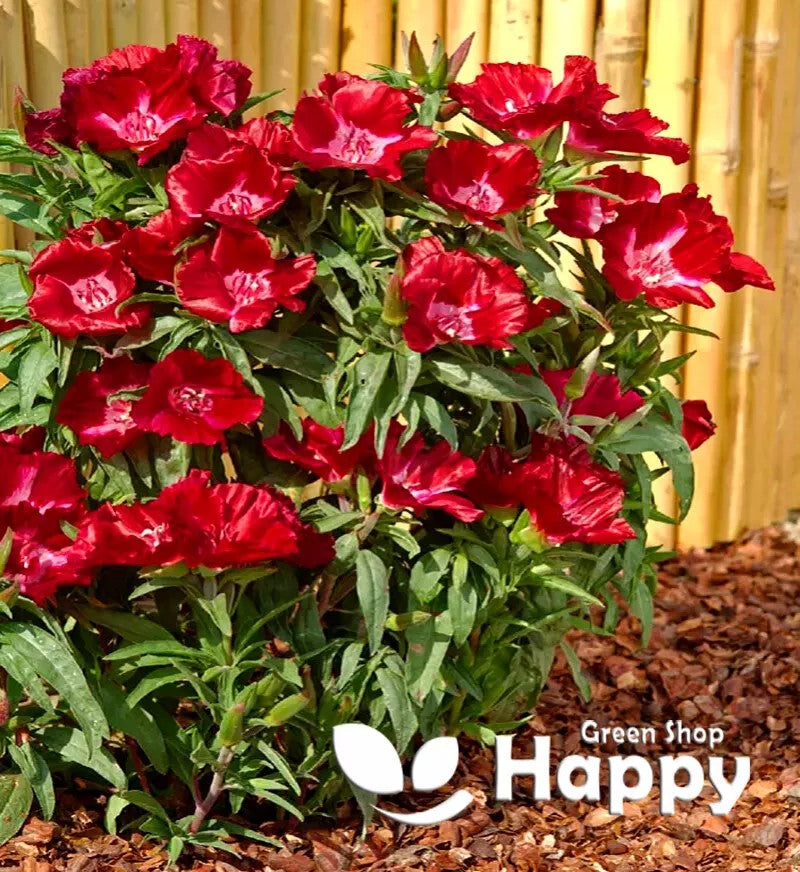
Godetia Brilliant Red – Bold, Vibrant Blooms
Godetia Brilliant Red produces striking, large red flowers on compact, bushy plants. Perfect for adding dramatic color to garden beds, borders, and containers, these annuals make a stunning display.
What Makes It Special
-
Brilliant red, showy blooms
-
Long-flowering and easy to grow
-
Compact, bushy growth habit
-
Adds bold color and elegance to any garden
Key Features
-
Annual plant
-
Grows 30–50 cm tall
-
Blooms from late spring to autumn
-
Thrives in full sun and well-drained soil
-
Low-maintenance and hardy
Ideal For
-
Garden beds and borders
-
Containers and patio planters
-
Cottage gardens
-
Pollinator-friendly gardens
Sowing
-
Sow directly outdoors after last frost
-
Plant seeds 0.3–0.5 cm deep
-
Germination: 10–14 days at 18–22°C
-
Space 20–25 cm apart
-
Water moderately and provide full sun

Nodding Catchfly 'Triumph' – 400 Seeds (Silene pendula)
Delight your garden with Nodding Catchfly 'Triumph', featuring charming, nodding flowers that add movement and color to borders, rock gardens, and wildflower mixes.
What Makes It Special
-
Elegant nodding flowers in soft shades
-
Long-lasting blooms
-
Attracts pollinators like bees and butterflies
-
Easy to grow from seed
Key Features
-
Height: 40–50 cm
-
Full sun, well-drained soil
-
Annual, self-seeding
Ideal For
-
Flower borders and rock gardens
-
Cottage gardens and meadows
-
Pollinator-friendly planting
-
Cut flowers
Sowing
-
Sow outdoors after the last frost
-
Lightly cover seeds with soil and keep moist
-
Germination: 10–14 days
-
Thin seedlings to 15–20 cm apart
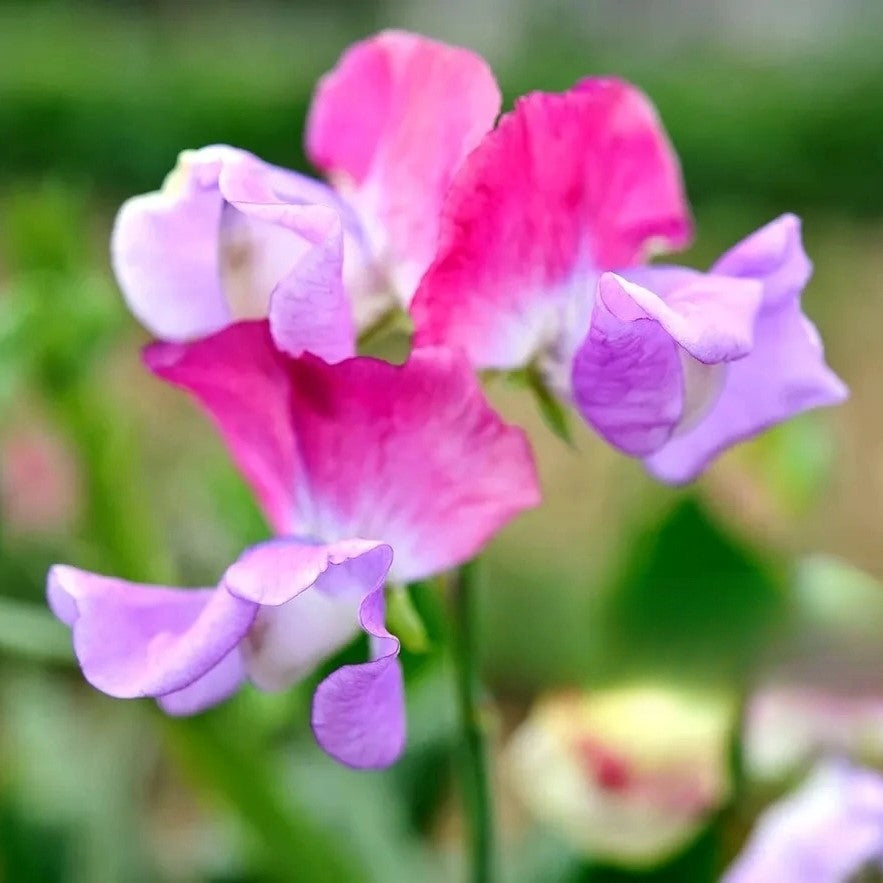
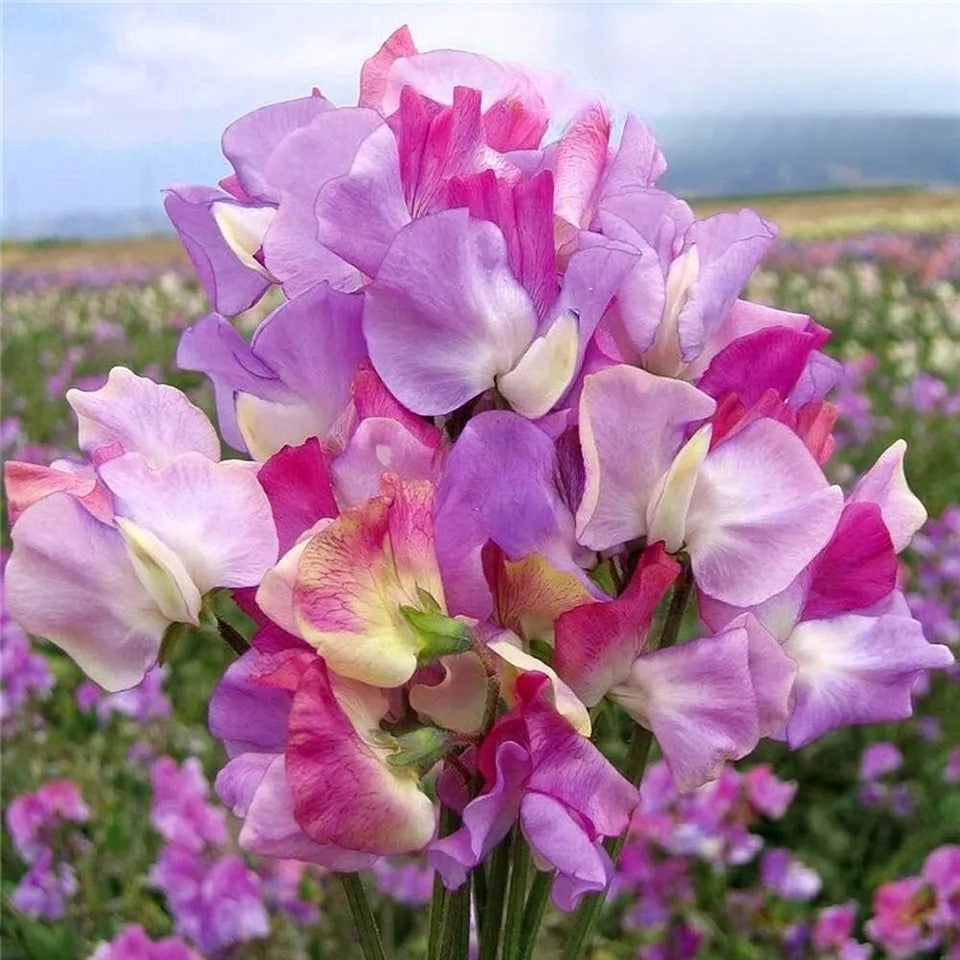
Sweet Pea 'Prima Ballerina Tricolor' Seeds (Lathyrus odoratus)
A striking and elegant variety, Sweet Pea 'Prima Ballerina Tricolor' delights with its unique mix of pink, white, and lilac blooms. These beautifully ruffled flowers carry the classic sweet pea fragrance, making them a favorite for both gardens and cut flower arrangements. A vigorous climber, it’s perfect for trellises, arches, and fences, adding vertical color and charm all summer long.
Why Grow 'Prima Ballerina Tricolor'
-
Distinctive tricolor blooms in soft pink, lilac, and white
-
Classic sweet pea fragrance
-
Ideal for cutting – long stems and elegant flowers
Key Features
-
Type: Hardy annual
-
Height: 180–240 cm (climber)
-
Flowering: June–September
-
Position: Full sun
-
Uses: Trellises, fences, cut flowers, cottage gardens
Sowing & Growing
-
Sow indoors: January–April in pots or trays
-
Sow outdoors: April–May in prepared soil
-
Germination: 10–20 days at 15–20°C
-
Plant out after frost, spacing 20–30 cm apart
-
Provide support for climbing
-
Deadhead regularly for continuous flowering
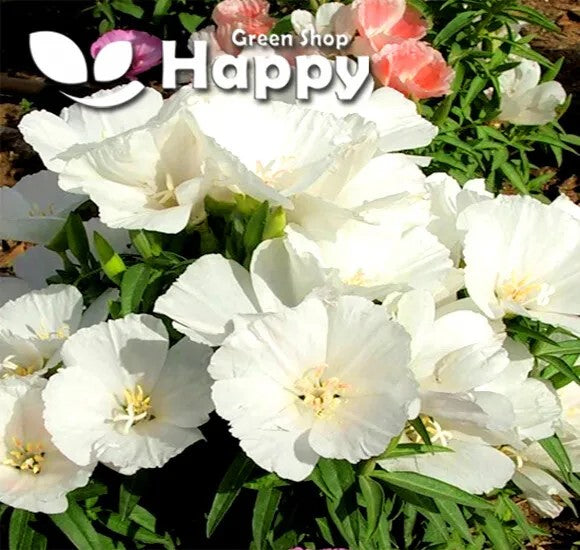
Godetia ‘Duchess of Albany’ – Stunning Deep Pink Blooms
Godetia ‘Duchess of Albany’ produces large, vibrant deep pink flowers on compact, bushy plants. Perfect for adding elegance and a pop of color to garden beds, borders, and containers.
What Makes It Special
-
Bold, deep pink flowers
-
Long-flowering and easy to grow
-
Compact, bushy growth habit
-
Adds elegance and charm to any garden
Key Features
-
Annual plant
-
Grows 30–50 cm tall
-
Blooms from late spring to autumn
-
Thrives in full sun and well-drained soil
-
Low-maintenance and hardy
Ideal For
-
Garden beds and borders
-
Containers and patio planters
-
Cottage gardens
-
Pollinator-friendly gardens
Sowing
-
Sow directly outdoors after last frost
-
Plant seeds 0.3–0.5 cm deep
-
Germination: 10–14 days at 18–22°C
-
Space 20–25 cm apart
-
Water moderately and provide full sun
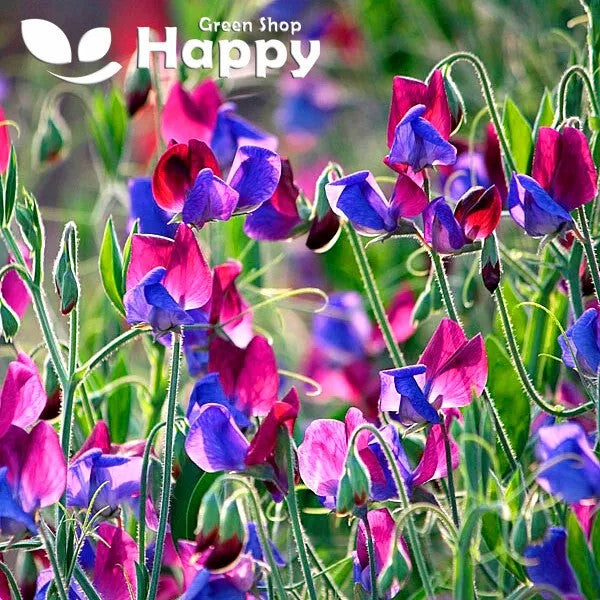
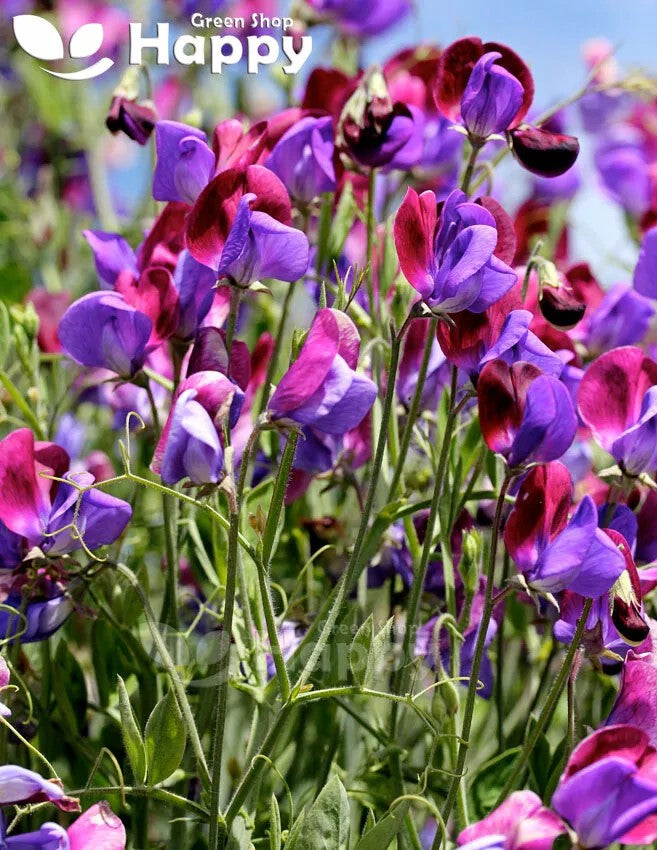
Lathyrus odoratus 'Cupani' is a historic Old Spice sweet pea renowned for its exceptionally strong fragrance and distinctive bicoloured flowers. Each bloom combines rich maroon with deep violet-purple to blue-purple tones, creating the classic appearance associated with this old-fashioned sweet pea.
A vigorous annual climber reaching around 1.8–2.2 m, 'Cupani' is ideal for trellises, arches, obelisks and cottage garden planting. Its intensely scented flowers are excellent for cutting, and frequent picking encourages plants to continue producing fresh blooms throughout the flowering season.
● Exceptionally strong, classic sweet pea fragrance
● Striking maroon and deep violet-purple bicoloured flowers
● Historic old-fashioned variety with distinctive character
● Excellent scented cut flower for bouquets and arrangements
● Vigorous climber providing summer colour and fragrance
● Scented gardens
● Cottage gardens
● Cut flower gardens
● Trellises and obelisks
● Garden arches and climbing supports
● For earlier flowering, sow in autumn and overwinter young plants in a cold frame or unheated greenhouse; spring sowing from late winter to early spring is also reliable.
● Sweet peas develop a deep root system, so use root trainers or deep pots when sowing under cover to give roots room to develop with minimal disturbance.
● To improve germination of hard-coated seeds, place them on moist kitchen paper until they swell before sowing; stubborn seeds can be carefully chipped opposite the seed scar. Soaking overnight is possible, but prolonged soaking can increase the risk of rotting.
● Pinch out the growing tip when seedlings reach approximately 7.5–10 cm (3–4 in) to encourage strong side shoots and bushier growth.
● Pick flowers frequently and remove fading blooms before seed pods develop, as allowing pods to mature reduces further flower production.

Asclepias incarnata 'Carmine-Rose', commonly known as Swamp Milkweed, is a striking hardy perennial producing rounded clusters of beautifully intricate carmine-rose to deep pink flowers. The unusual waxy blooms have reflexed petals and are carried on strong upright stems above narrow green foliage, creating an elegant display from summer into early autumn.
Growing to approximately 100 cm tall, Carmine-Rose is particularly valuable for sunny perennial borders, naturalistic planting and cut flower gardens. Unlike milkweeds associated with dry ground, Asclepias incarnata is especially well suited to reliably moist soils and can thrive in damp areas. Its nectar-rich flowers are highly attractive to butterflies, bees and other visiting pollinators.
● Beautiful clusters of rich carmine-rose to deep pink flowers
● Unusual waxy blooms with distinctive reflexed petals
● Excellent hardy perennial for reliably moist and damp soils
● Strong upright stems make an unusual and attractive cut flower
● Nectar-rich flowers attract butterflies, bees and other pollinators
● Pollinator-friendly gardens
● Moist perennial borders
● Cut flower gardens
● Pond-side and damp planting
● Naturalistic and wildlife gardens
● For spring sowing, mix the seeds with a small amount of moist medium and cold-stratify for approximately 4 weeks before moving them to around 20°C (68°F) for germination.
● Alternatively, sow outdoors in autumn and allow natural winter conditions to provide the cold period required to break seed dormancy.
● Sow very shallowly and do not completely exclude light; after stratification, maintain consistent moisture while waiting for seedlings to emerge.
● Unlike many plants that dislike wet ground, Swamp Milkweed performs particularly well in reliably moist soil and is an excellent choice for damp borders and pond-side planting.
● Choose a sunny position for strong upright growth and abundant flowering, and avoid allowing established plants to dry out for prolonged periods during summer.
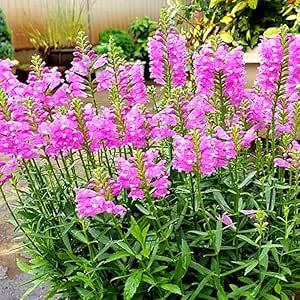
Physostegia virginiana, commonly known as Obedient Plant or False Dragonhead, is a striking hardy perennial producing tall, upright spikes of elegant pink to pale lilac, snapdragon-like flowers. Blooming through summer into early autumn, the flowers open progressively from the bottom of each spike, creating a long-lasting display above attractive narrow green foliage.
Its unusual common name comes from a fascinating characteristic of the flowers: individual blooms can be gently moved sideways and will temporarily remain in their new position. Growing approximately 90–120 cm tall, this vigorous perennial is excellent for the middle or back of borders, cottage gardens and naturalistic planting. The long flowering stems are also excellent for cutting, while the flowers are attractive to visiting pollinators.
● Tall spikes packed with elegant pink to pale lilac flowers
● Unusual movable flowers give the Obedient Plant its memorable name
● Long flowering period from summer into early autumn
● Excellent tall perennial for cutting and flower arrangements
● Vigorous hardy perennial that returns year after year
● Cottage gardens
● Perennial borders
● Cut flower gardens
● Naturalistic and prairie-style planting
● Pollinator-friendly gardens
● For more uniform germination, give seeds approximately 3–4 weeks of cold-moist stratification before spring sowing. Alternatively, sow in autumn and allow natural winter conditions to provide the cold period.
● Be patient with germination. Physostegia seed can emerge irregularly over several weeks rather than germinating all at once.
● Grow in full sun for the strongest, most upright flowering stems; plants grown in too much shade or overly rich soil may become more prone to flopping.
● Keep established plants consistently moist during dry periods, as Obedient Plant performs particularly well in soils that retain some moisture.
● Allow enough room for mature plants to spread. The species grows by underground rhizomes and can gradually form substantial colonies, so divide or restrict clumps if they begin spreading beyond their allocated space.
Physostegia virginiana, commonly known as Obedient Plant or False Dragonhead, is a striking hardy perennial producing tall, upright spikes of elegant pink to pale lilac, snapdragon-like flowers. Blooming through summer into early autumn, the flowers open progressively from the bottom of each spike, creating a long-lasting display above attractive narrow green foliage.
Its unusual common name comes from a fascinating characteristic of the flowers: individual blooms can be gently moved sideways and will temporarily remain in their new position. Growing approximately 90–120 cm tall, this vigorous perennial is excellent for the middle or back of borders, cottage gardens and naturalistic planting. The long flowering stems are also excellent for cutting, while the flowers are attractive to visiting pollinators.
● Tall spikes packed with elegant pink to pale lilac flowers
● Unusual movable flowers give the Obedient Plant its memorable name
● Long flowering period from summer into early autumn
● Excellent tall perennial for cutting and flower arrangements
● Vigorous hardy perennial that returns year after year
● Cottage gardens
● Perennial borders
● Cut flower gardens
● Naturalistic and prairie-style planting
● Pollinator-friendly gardens
● For more uniform germination, give seeds approximately 3–4 weeks of cold-moist stratification before spring sowing. Alternatively, sow in autumn and allow natural winter conditions to provide the cold period.
● Be patient with germination. Physostegia seed can emerge irregularly over several weeks rather than germinating all at once.
● Grow in full sun for the strongest, most upright flowering stems; plants grown in too much shade or overly rich soil may become more prone to flopping.
● Keep established plants consistently moist during dry periods, as Obedient Plant performs particularly well in soils that retain some moisture.
● Allow enough room for mature plants to spread. The species grows by underground rhizomes and can gradually form substantial colonies, so divide or restrict clumps if they begin spreading beyond their allocated space.
Showing 260/260


