
Cottage Garden Flower Seeds

Sort by:
260 products
260 products
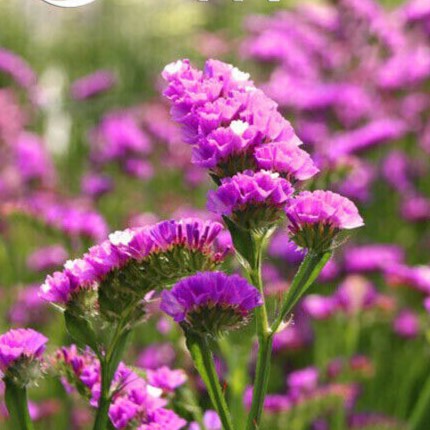
Statice Pink Seeds (Limonium sinuatum)
Statice Pink is a charming everlasting flower with delicate papery pink blooms that retain their color beautifully when dried. A classic in cutting gardens, it is highly valued by florists for fresh bouquets and dried arrangements alike. This hardy annual thrives in full sun and light, well-drained soils, providing reliable, long-lasting displays through summer.
What Makes It Special
-
Soft pink blossoms with a papery texture
-
Excellent for both fresh and dried floral arrangements
-
Heat- and drought-tolerant once established
-
Easy-care annual with long flowering season
Key Features
-
Botanical name: Limonium sinuatum
-
Variety: Pink
-
Seed count: Approx. seeds per pack
-
Height/Spread: 60–75 cm tall, 25–30 cm spread
-
Position: Full sun; prefers sandy/light, well-drained soil
-
Flowering period: July–September
Ideal For
-
Cutting gardens and everlasting bouquets
-
Cottage garden borders and mixed beds
-
Drought-tolerant landscapes
-
Florist-quality blooms for arrangements
Sowing Instructions
-
When to sow: February–April indoors; outdoors after danger of frost has passed
-
How to sow:
-
Sow on moist compost surface, cover lightly with vermiculite
-
Keep at 18–20°C; germination in 10–20 days
-
-
Transplanting: Prick out seedlings and grow on; plant 25–30 cm apart once frost-free
-
Care: Requires sunny, well-drained soil; avoid overwatering
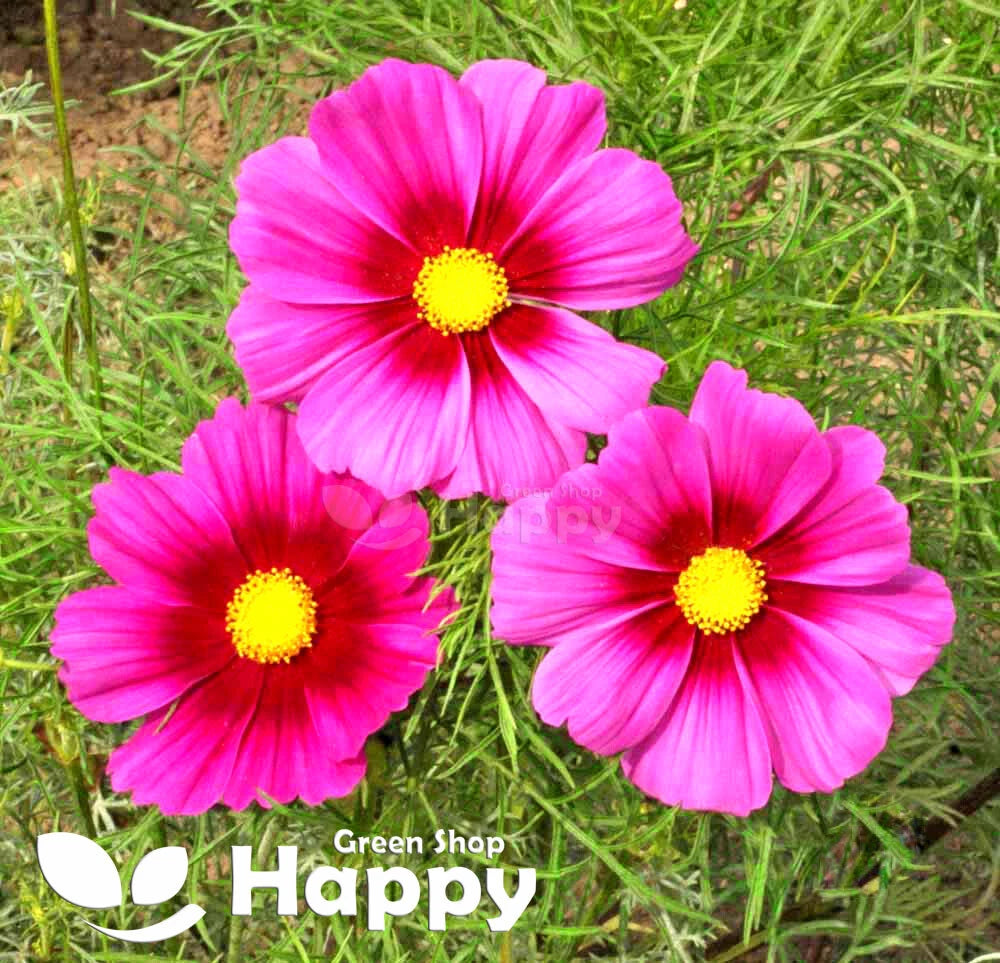
Cosmos 'Radiance' – Seeds
(Cosmos bipinnatus)
Cosmos 'Radiance' is a charming variety that produces large, daisy-like blooms in deep carmine-pink with a lighter halo around the golden-yellow centers. The graceful, feathery foliage and long, slender stems make it a superb choice for garden displays and cut flowers. Easy to grow and long-flowering, it’s a true summer favourite.
Key Features
-
Type: Half-hardy annual
-
Height: 90–120 cm
-
Spread: 40–50 cm
-
Flowering: June–October
-
Position: Full sun
-
Soil: Well-drained, moderately fertile
Ideal For
-
Cottage gardens
-
Wildlife and pollinator-friendly planting
-
Borders and background planting
-
Cut flower arrangements
Sowing & Growing
-
Sow indoors: March–April at 18–21°C
-
Sow outdoors: May–June directly in final position
-
Germination: 7–10 days
-
Thin/transplant to 30–40 cm spacing
-
Deadhead regularly for prolonged flowering
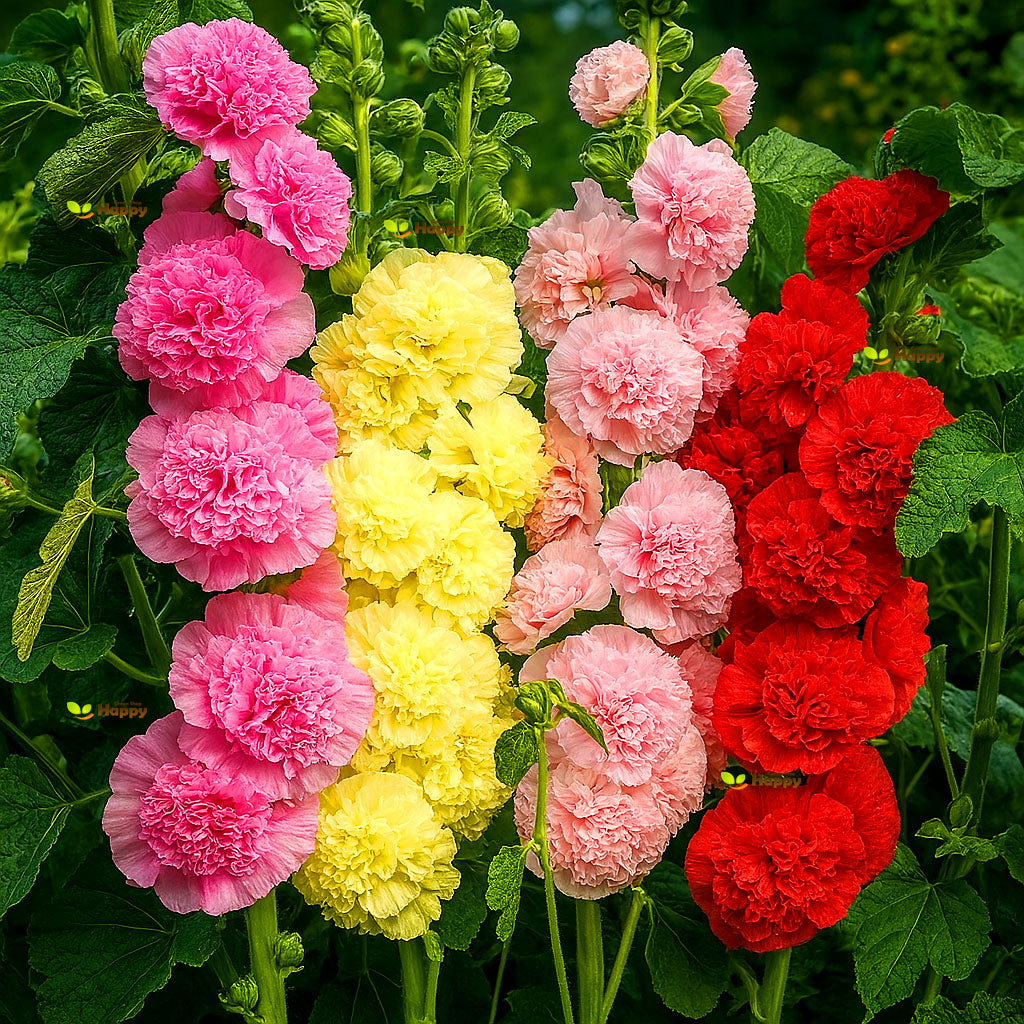
Hollyhock ‘Chaters Double Triumph Mix’ Seeds (Althaea rosea)
A true cottage garden classic, the Hollyhock ‘Chaters Double Triumph Mix’ produces tall, stately flower spikes adorned with large, fully double blooms in a rich blend of colors – from soft pastels to vibrant shades. These majestic perennials (often grown as biennials) create a dramatic vertical accent at the back of borders, alongside walls, or in wildflower-style gardens.
What Makes It Special
-
Stunning double blooms in a wide range of colors
-
Impressive tall spires up to 1.8–2.5 m high
-
Attracts bees, butterflies, and pollinators
-
A long-standing favorite in cottage and traditional gardens
Key Features
-
Botanical name: Althaea rosea
-
Common name: Hollyhock Chaters Double Triumph Mix
-
Seed count: Approx. per pack (customizable)
-
Height/Spread: 180–250 cm tall, 50–60 cm spread
-
Position: Full sun; well-drained fertile soil
-
Flowering period: July – September (second year from sowing)
-
Lifespan: Hardy biennial/perennial
Ideal For
-
Cottage and traditional garden borders
-
Planting against walls and fences
-
Pollinator-friendly gardens
-
Creating dramatic vertical height in displays
Sowing Instructions
-
When to sow: Indoors March–May or directly outdoors May–June.
-
How to sow:
-
Sow seeds thinly in trays or pots of moist seed compost, cover lightly.
-
Keep at 15–20°C for germination (14–21 days).
-
Transplant seedlings when large enough, spacing 45–60 cm apart.
-
-
Care: Provide support in exposed areas. Deadhead faded flowers to encourage further blooming.

Love-in-a-Mist 'Miss Jekyll' Double Mix Seeds (Nigella damascena)
Love-in-a-Mist 'Miss Jekyll' Double Mix is an elegant annual with double, papery blooms in shades of blue, white, and pink, surrounded by delicate feathery foliage. Its airy, cottage-garden charm makes it perfect for borders, containers, and cutting gardens. Loved for its intricate blooms and long flowering season, it adds whimsical beauty to any garden.
What Makes It Special
-
Double, papery blooms in a mix of blue, white, and pink
-
Delicate, feathery foliage creates an airy, cottage-garden effect
-
Long-flowering and easy to grow
-
Attracts pollinators and makes excellent cut flowers
Key Features
-
Botanical name: Nigella damascena
-
Variety: 'Miss Jekyll' Double Mix
-
Seed count: Approx. seeds per pack
-
Height/Spread: 30–40 cm tall, 15–20 cm spread
-
Position: Full sun; fertile, well-drained soil
-
Flowering period: June–September
Ideal For
-
Borders and cottage gardens
-
Containers and patio displays
-
Cutting gardens and floral arrangements
-
Pollinator-friendly gardens
Sowing Instructions
-
When to sow: March–May outdoors; February–April indoors
-
How to sow:
-
Sow seeds thinly on the surface of moist seed compost and press lightly; do not cover
-
Germination occurs in 10–14 days at 15–20°C
-
-
Transplanting: Thin seedlings to 15–20 cm apart after germination
-
Care: Water moderately; deadhead for prolonged flowering
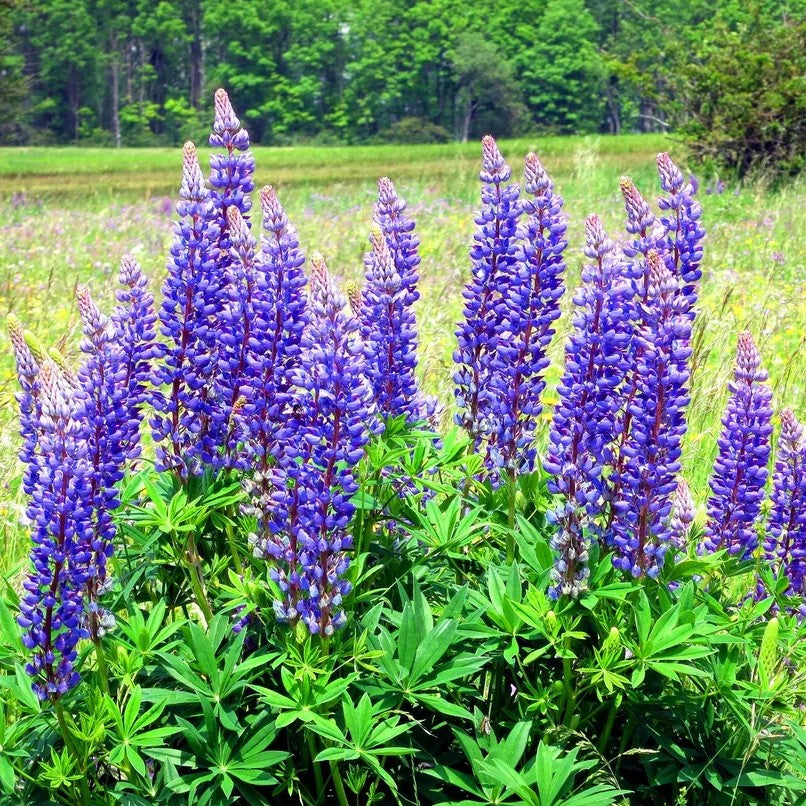
Blue Lupine – Seeds (Lupinus angustifolius)
Blue Lupine (Lupinus angustifolius) is a stunning annual or short-lived perennial producing tall spikes of vivid blue pea-like flowers. Blooming from late spring to early summer, it adds vertical interest and vibrant color to borders, cottage gardens, and mixed flower beds. Hardy and easy to grow, this variety attracts bees and butterflies, making it perfect for pollinator-friendly gardens and long-lasting summer displays.
Why Grow "Blue Lupine"
-
Tall spikes of striking blue flowers
-
Long flowering season from late spring to early summer
-
Hardy, low-maintenance annual or short-lived perennial
-
Pollinator-friendly and adds vertical interest
Key Features
-
Type: Annual/Short-lived perennial (Lupinus angustifolius)
-
Height: 60–90 cm
-
Flowering: Late spring to early summer
-
Position: Full sun
-
Uses: Borders, cottage gardens, mixed flower beds, pollinator gardens
Ideal For
-
Vertical color in borders and mixed beds
-
Cottage-style gardens
-
Pollinator-friendly planting schemes
-
Long-lasting summer floral displays
Sowing & Growing
-
Sow indoors: February–April in trays or pots
-
Sow outdoors: April–May after frost
-
Germination: 14–21 days at 18–22°C
-
Thin seedlings 25–30 cm apart
-
Prefers well-drained soil in full sun
-
Mulch in winter for protection in colder regions
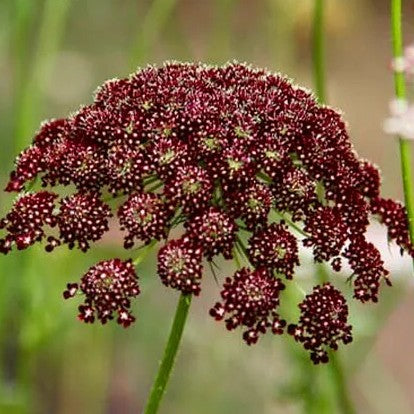
Ornamental Carrot ‘Purple Kisses’ Seeds (Daucus carota)
A striking and elegant biennial, Ornamental Carrot ‘Purple Kisses’ produces unique, deep purple to almost black umbels with lacy foliage. Hardy and long-lasting, this plant adds architectural interest and dramatic color to borders, cottage gardens, and pollinator-friendly landscapes.
What Makes It Special
-
Deep purple, lacy umbels for striking garden contrast
-
Attractive fine foliage with architectural form
-
Long-lasting flowers that attract bees and butterflies
Key Features
-
Botanical name: Daucus carota
-
Hardy biennial
-
Height: 60–90 cm (2–3 ft)
-
Bloom time: Mid to late summer
Ideal For
-
Borders and cottage-style gardens
-
Pollinator-friendly and wildlife gardens
-
Adding vertical and architectural interest
Sowing
-
Sow indoors Feb–Apr or outdoors Mar–May
-
Cover lightly with soil and keep moist
-
Germination: 14–28 days at 15–20°C
-
Thin seedlings 30–40 cm apart
-
Flowers in the second year after sowing


Rudbeckia ‘Goldsturm’ – Seeds (Rudbeckia fulgida)
Description:
Add long-lasting summer color with Rudbeckia ‘Goldsturm’ (Rudbeckia fulgida). This hardy perennial produces striking golden-yellow, daisy-like flowers with dark centers on strong, upright stems. Blooming from midsummer to autumn, it attracts pollinators such as bees and butterflies and is perfect for borders, mixed beds, and cut flower arrangements. Easy to grow and low maintenance, ‘Goldsturm’ is a reliable favorite for any garden.
Key Features
-
Bright golden-yellow daisy-like blooms with dark centers
-
Hardy, long-lasting perennial
-
Blooms midsummer through autumn
-
Attracts bees, butterflies, and other pollinators
-
Strong, upright stems; ideal for cutting
Ideal For
-
Borders and mixed flower beds
-
Cottage and perennial gardens
-
Cut flower arrangements
-
Pollinator-friendly plantings
Sowing & Growing
-
Sow Indoors: February–April
-
Sow Outdoors: April–May, after frost
-
Germination: 10–14 days at 18–22°C
-
Height: 60–90 cm
-
Spacing: 30–40 cm apart
-
Light: Full sun
-
Soil: Fertile, well-drained
Care Tips
-
Deadhead faded blooms to extend flowering
-
Water moderately during dry spells
-
Divide clumps every 3–4 years to maintain vigor
-
Mulch in winter in colder regions
Painted Daisy Rainbow Mix Seeds (Chrysanthemum carinatum)
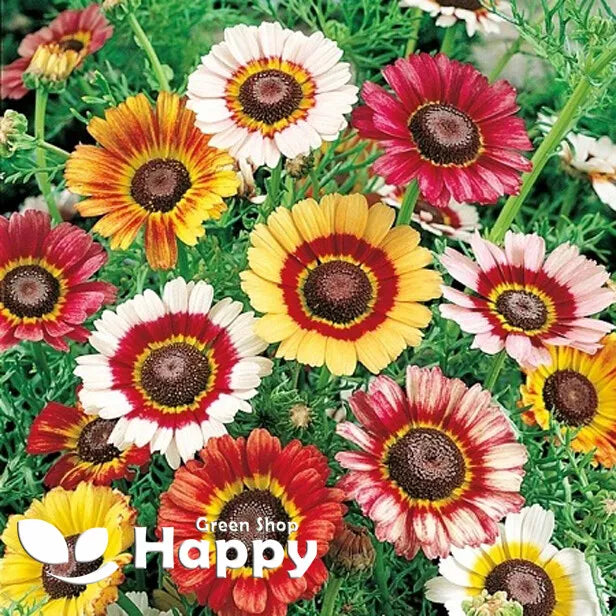
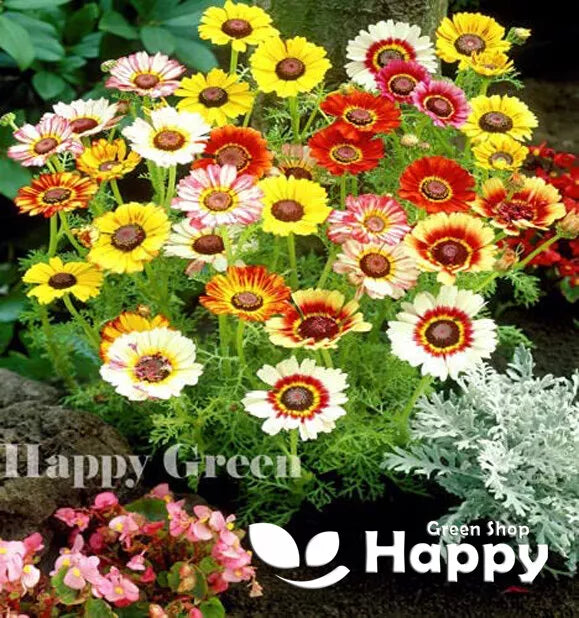
The Painted Daisy Rainbow Mix is a spectacular annual flower producing bold, daisy-like blooms in a wide range of colors—reds, pinks, yellows, whites, and bicolors, often with striking contrasting rings around the center. These cheerful flowers not only brighten up beds and borders but also make wonderful, long-lasting cut flowers. Easy to grow, they thrive in most garden soils and add a true splash of rainbow color throughout the summer.
What Makes It Special
-
Striking multi-colored blooms with bold ring patterns
-
Easy to grow, fast-flowering annual
-
Excellent for cut flowers and garden displays
-
Provides long-lasting summer color
Key Features
-
Botanical name: Chrysanthemum carinatum (also known as Glebionis carinata)
-
Variety: Rainbow Mix
-
Seed count: Approx. seeds per pack
-
Height/Spread: 50–70 cm tall, 25–30 cm spread
-
Position: Full sun; well-drained soil
-
Flowering period: June–September
Ideal For
-
Borders and cottage gardens
-
Pollinator-friendly planting (attracts bees & butterflies)
-
Vibrant cut flower arrangements
-
Summer bedding displays
Sowing Instructions
-
When to sow: March–May indoors or direct outdoors after frost risk has passed
-
How to sow:
-
Sow thinly on fine, moist compost, covering lightly with soil
-
Germination takes 7–14 days at 15–20°C
-
-
Transplanting: Harden off seedlings and plant outdoors 25–30 cm apart
-
Care: Water regularly in dry weather, deadhead to prolong flowering
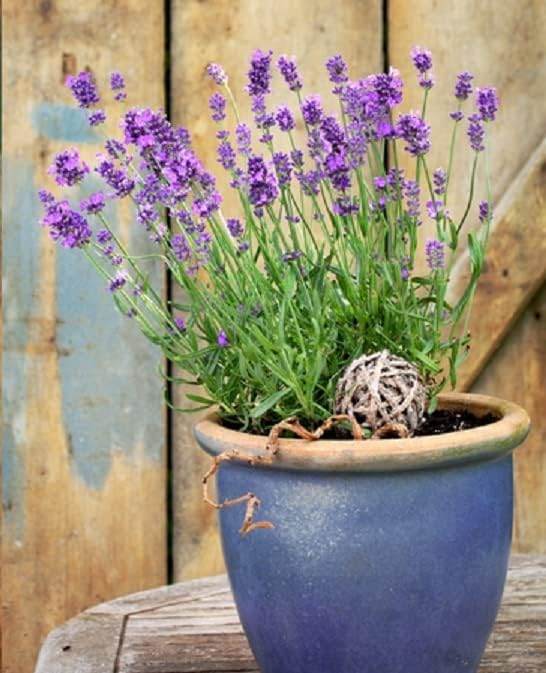
English Lavender Seeds (Lavandula angustifolia)
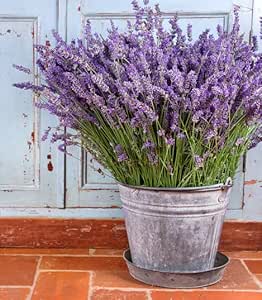
A classic perennial, English Lavender produces fragrant spikes of purple flowers above aromatic silver-green foliage. Hardy and long-flowering, it’s perfect for borders, cottage gardens, and containers, attracting bees and butterflies while adding scent, color, and texture to any garden.
What Makes It Special
-
Fragrant purple flower spikes with aromatic foliage
-
Hardy, long-flowering, and drought-tolerant
-
Attracts pollinators, supporting bees and butterflies
Key Features
-
Botanical name: Lavandula angustifolia
-
Hardy perennial
-
Height: 30–60 cm (12–24 in)
-
Bloom time: Summer
Ideal For
-
Borders, cottage gardens, and rock gardens
-
Containers, pots, and low-maintenance garden designs
-
Pollinator-friendly and aromatic garden plantings
Sowing
-
Sow indoors Feb–Apr or outdoors Mar–May
-
Cover lightly with soil and keep moist
-
Germination: 14–28 days at 15–20°C
-
Thin seedlings 25–30 cm apart
-
Flowers the first or second season after sowing
Showing 72/260


