
Sort by:
21 products
21 products

Lovage Seeds (Levisticum officinale)
Grow a robust, aromatic herb with Lovage (Levisticum officinale). This perennial produces tall, leafy stems with a strong celery-like flavor, perfect for soups, stews, stocks, and herbal infusions. Hardy and long-lived, it’s ideal for herb gardens, perennial beds, and pollinator-friendly plantings.
How to Grow
-
Sow seeds indoors 6–8 weeks before the last frost or directly outdoors in spring.
-
Use fertile, well-drained soil in full sun to partial shade.
-
Sow seeds 0.5–1 cm deep and thin seedlings to 40–50 cm apart.
-
Keep soil consistently moist until germination (14–21 days).
-
Transplant seedlings outdoors after frost risk has passed.
-
Harvest leaves and stems as needed; roots can be harvested in autumn.
Key Features
-
Tall, leafy perennial with strong celery-like flavor
-
Hardy, long-lived, and easy to grow
-
Ideal for soups, stews, stocks, and herbal infusions
-
Attracts pollinators and enhances garden biodiversity
-
Suitable for herb gardens, perennial beds, and companion planting
Ideal For
-
Herb gardens and kitchen beds
-
Culinary use in soups, stews, stocks, and teas
-
Perennial borders and pollinator-friendly plantings
-
Long-term herb cultivation with minimal maintenance
Sowing
-
Best time: Spring indoors or outdoors after frost
-
Depth: 0.5–1 cm
-
Spacing: Thin to 40–50 cm apart
-
Prefers full sun to partial shade and fertile, well-drained soil
Quick Tip
-
Regularly trim leaves to encourage bushier growth and a continuous supply throughout the season.


Hyssop Seeds (Hyssopus officinalis)
Grow a timeless herb with Hyssop (Hyssopus officinalis), a fragrant perennial prized for its aromatic leaves and striking blue-purple flowers. Traditionally used in herbal teas, remedies, and as a seasoning, hyssop also attracts pollinators and adds beauty to borders, herb gardens, and containers. Hardy and versatile, it’s an essential plant for both culinary and medicinal use.
How to Grow
-
Sow seeds indoors in spring or directly outdoors after the last frost.
-
Use well-drained, light soil in a sunny location.
-
Sow seeds 0.5 cm deep and thin seedlings to 30–40 cm apart.
-
Keep soil lightly moist until germination (14–21 days).
-
Harvest leaves and flowers throughout summer for fresh or dried use.
Key Features
-
Aromatic herb with blue-purple blooms
-
Culinary, medicinal, and herbal tea uses
-
Attracts bees, butterflies, and pollinators
-
Hardy perennial, easy to grow
-
Adds beauty and fragrance to the garden
Ideal For
-
Herb gardens, borders, and containers
-
Herbal teas, remedies, and cooking
-
Attracting pollinators and beneficial insects
-
Gardeners seeking hardy, multipurpose plants
Sowing
-
Best time: Spring indoors or after frost outdoors
-
Depth: 0.5 cm
-
Spacing: 30–40 cm apart
-
Prefers full sun and well-drained soil
Quick Tip
-
Trim plants after flowering to encourage bushier growth and a second flush of blooms.

Dwarf Dill ‘Compatto’ – 1000 Seeds (Anethum graveolens)
Description:
Enhance your kitchen garden with Dwarf Dill ‘Compatto’ (Anethum graveolens), a compact, bushy herb perfect for small spaces. Producing feathery green foliage with a strong, aromatic flavor, it’s ideal for seasoning soups, salads, pickles, and fish dishes. This easy-to-grow, fast-maturing variety is suitable for containers, borders, and herb gardens, attracting beneficial insects while providing fresh, flavorful leaves throughout the growing season.
Key Features
-
Compact, bushy growth habit ideal for small gardens
-
Aromatic feathery foliage for culinary use
-
Fast-growing and easy to cultivate
-
Attracts beneficial insects
-
Suitable for containers and herb beds
Ideal For
-
Kitchen and container gardens
-
Herb borders and mixed plantings
-
Culinary use: salads, soups, pickles, and fish
-
Pollinator-friendly herb gardens
Sowing & Growing
-
Sow Indoors: February–April
-
Sow Outdoors: March–May
-
Germination: 7–14 days at 15–20°C
-
Height: 25–30 cm
-
Spacing: 20–25 cm apart
-
Light: Full sun
-
Soil: Well-drained, fertile
Care Tips
-
Water moderately and keep soil evenly moist
-
Harvest leaves regularly to encourage bushy growth
-
Mulch lightly to retain moisture
-
Can self-seed for future crops
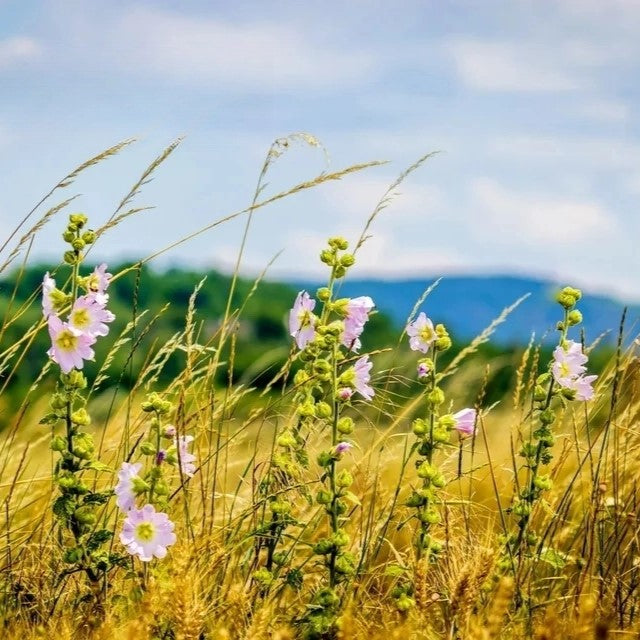
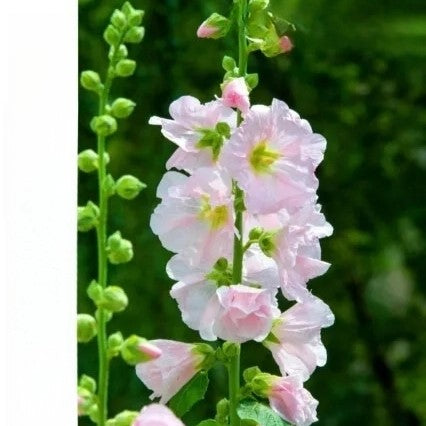
Marsh Mallow – Seeds (Althaea officinalis)
Marsh Mallow is a hardy perennial herb known for its tall, elegant growth and soft, velvety leaves. Traditionally valued for its medicinal properties, its roots and leaves can be used in herbal remedies, teas, and natural skincare preparations. The plant also produces attractive pale pink flowers that add charm to herb and cottage gardens.
Ideal for garden beds, borders, and natural herbal plots, Marsh Mallow is easy to grow and low-maintenance once established.
How to Grow
-
Sow indoors: February – April
-
Sow outdoors: April – May
-
Depth: 0.5–1 cm
-
Spacing: 40–50 cm between plants
-
Position: Full sun to partial shade
-
Soil: Fertile, well-drained, moist
-
Watering: Regular watering until established
Key Features
-
Hardy perennial herb with medicinal and culinary uses
-
Soft, velvety leaves and pale pink flowers
-
Ideal for teas, herbal remedies, and natural skincare
-
Low-maintenance once established
-
Suitable for herb gardens, borders, and cottage gardens
Harvest
-
Harvesting period: Summer – Autumn
-
Pick leaves and flowers as needed; roots can be harvested in autumn for medicinal use.
Short Tip
For a continuous supply, harvest leaves selectively and leave some to flower for seeds.
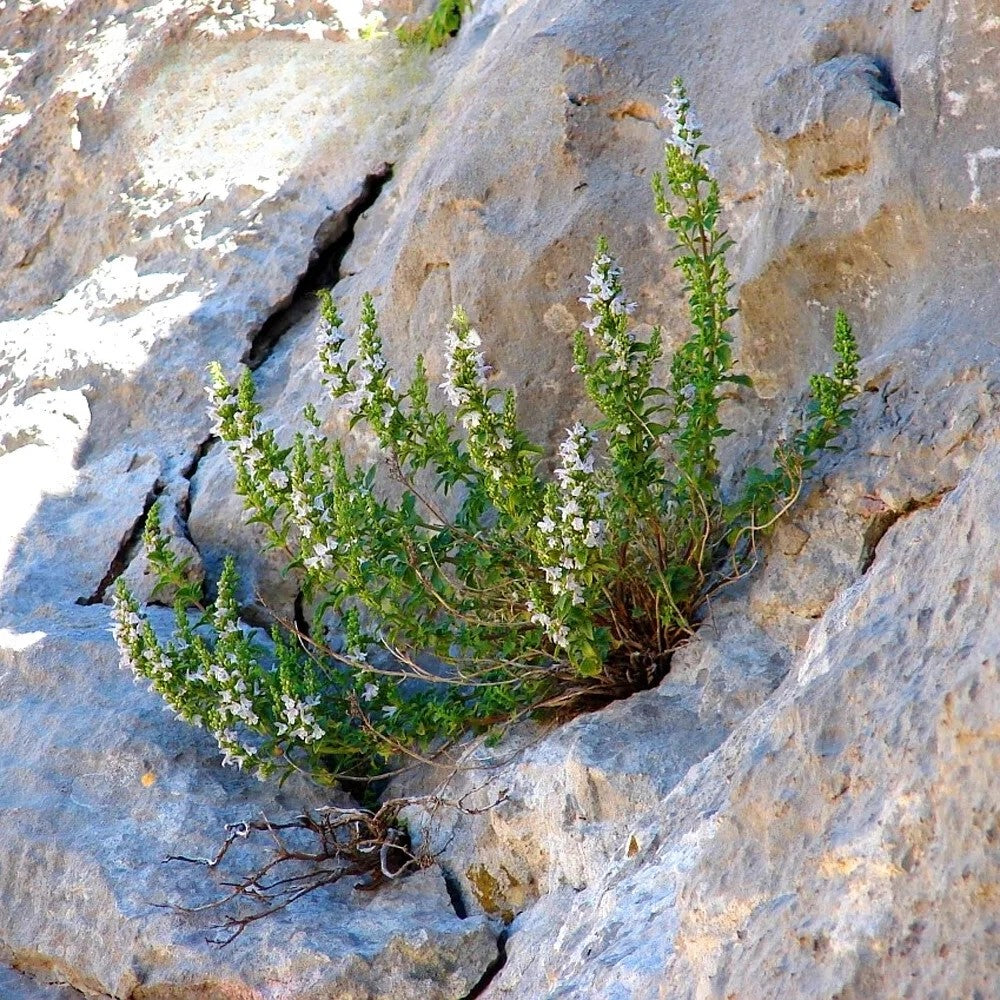
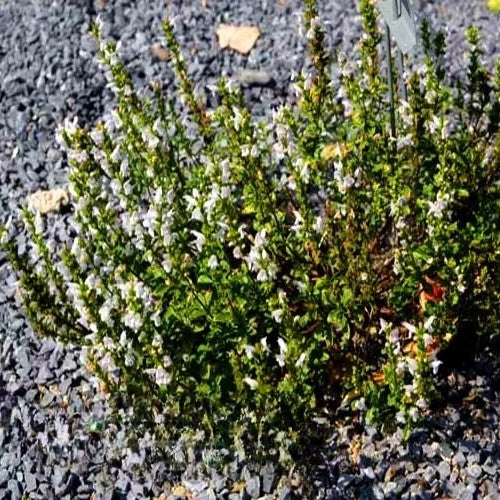
Balkan Mint – 200 Seeds (Micromeria thymifolia)
Balkan Mint is a hardy, aromatic perennial herb with small, fragrant leaves and delicate flowers. Known for its refreshing minty aroma, it is perfect for teas, culinary use, garnishes, and herbal remedies. Its compact growth habit makes it an excellent addition to herb gardens, rockeries, or containers.
Thrives in well-drained soils and sunny locations, Balkan Mint is drought-tolerant and easy to maintain, making it ideal for both beginners and experienced gardeners.
How to Grow
-
Sow indoors: February – April
-
Sow outdoors: After last frost
-
Plant spacing: 20–25 cm apart
-
Position: Full sun to partial shade
-
Soil: Well-drained, moderately fertile soil
-
Care: Water moderately; trim leaves regularly to encourage bushy growth
Key Features
-
Hardy perennial with small, fragrant leaves
-
Refreshing minty aroma for teas, cooking, and garnishes
-
Drought-tolerant and low-maintenance
-
Compact growth ideal for gardens, rockeries, or containers
-
Produces delicate flowers adding ornamental value
Harvest
-
Harvesting period: 60–90 days after sowing
-
Pick leaves as needed; regular harvesting promotes continuous growth.
Short Tip
Grow in full sun and well-drained soil for the best aroma and compact growth.

Dwarf Parsley 'Moss Curled 2' Seeds (Petroselinum crispum)
Enhance your garden and kitchen with Dwarf Parsley 'Moss Curled 2', a compact, slow-growing variety producing dense, bright green, finely curled leaves. Ideal for both ornamental and culinary use, its vibrant foliage adds texture to salads, garnishes, and cooked dishes. Perfect for containers, herb beds, and borders, it’s a versatile herb for every gardener.
How to Grow
-
Sow indoors in early spring or directly outdoors after frost.
-
Use fertile, well-drained soil in sun or partial shade.
-
Sow seeds 0.5 cm deep in rows 20–25 cm apart.
-
Thin seedlings to 15–20 cm apart for strong growth.
-
Harvest leaves regularly to encourage bushiness.
Key Features
-
Dwarf, slow-growing parsley with finely curled, bright green leaves
-
Dual-purpose: culinary use and ornamental appeal
-
Compact size suitable for containers and small gardens
-
Long cutting period for continuous harvest
-
Easy to grow for beginners and experienced gardeners
Ideal For
-
Fresh salads, garnishes, and cooked dishes
-
Container gardens, herb beds, and borders
-
Gardeners seeking compact, productive herbs
-
Year-round kitchen harvest
Sowing
-
Best time: Spring or early summer
-
Depth: 0.5 cm
-
Row spacing: 20–25 cm
-
Plant spacing: Thin to 15–20 cm apart
-
Position: Sun or partial shade, fertile soil
Quick Tip
-
Pinch outer leaves regularly to encourage bushier growth and longer harvests.
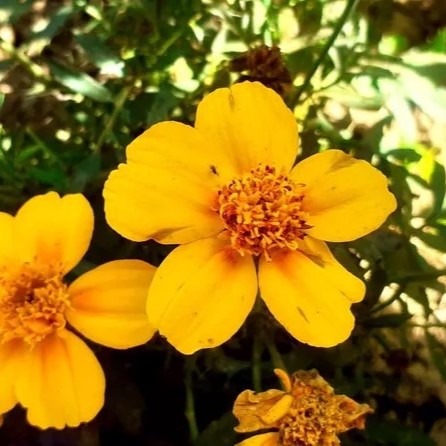
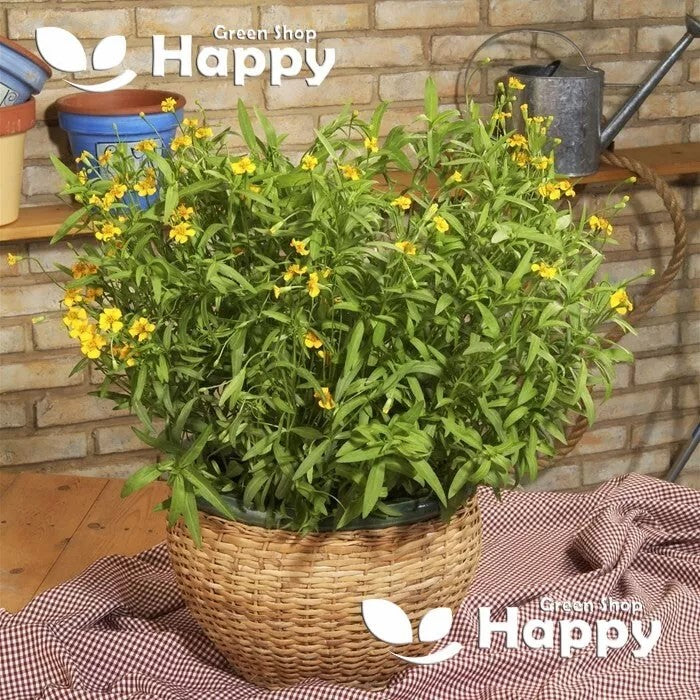

Mexican Tarragon – Seeds
(Tagetes lucida) – Perennial Herb / Ornamental
Mexican Tarragon, also known as Sweet Mace or Spanish Tarragon, is a versatile plant prized both as a culinary herb and a decorative flower. It produces bright golden-yellow blossoms and aromatic leaves with a distinctive anise-like flavor, often used as a substitute for French tarragon in cooking. Highly valued in traditional medicine and rituals, it is also a magnet for pollinators like bees and butterflies.
Key Features
-
Type: Tender perennial (often grown as annual in cooler climates)
-
Height: 45–75 cm
-
Spread: 30–40 cm
-
Flowers: Clusters of golden-yellow blooms
-
Blooming period: Summer to autumn
-
Position: Full sun
-
Soil: Well-drained, moderately fertile soil
-
Other: Aromatic foliage; edible herb
Ideal For
-
Herb and kitchen gardens
-
Summer borders and cottage gardens
-
Pollinator-friendly gardens
-
Containers and pots
-
Edible landscaping
Culinary & Herbal Uses
-
Leaves used fresh or dried in soups, sauces, chicken, and fish dishes
-
Herbal teas with calming properties
-
Traditional medicinal and ceremonial uses
Sowing & Growing
-
Sow indoors: February–April in seed trays with light soil.
-
Germination: 7–14 days at 18–22°C.
-
Transplant: Harden off and plant outdoors after the last frost.
-
Care: Prefers sunny, warm positions. Pinch young shoots to encourage bushiness. Harvest leaves before flowering for best flavor.


Fennel Bulb 'Florence' – Seeds (Foeniculum vulgare)
Fennel Bulb 'Florence' is a versatile and flavorful vegetable producing crisp, swollen white bulbs with tender, aromatic fronds. Known for its sweet, anise-like flavor, it’s perfect for roasting, grilling, salads, and soups. Easy to grow, this variety thrives in sunny, well-drained gardens and makes a striking addition to both kitchen and ornamental beds.
How to Grow
-
Sow seeds indoors from February to April or directly outdoors from March to June.
-
Plant 0.5–1 cm deep in fertile, well-drained soil.
-
Thin seedlings to 30–40 cm apart to allow bulb development.
-
Prefers full sun and consistent moisture.
-
Harvest bulbs when swollen and firm, before they become woody.
Key Features
-
Produces crisp, swollen white bulbs with aromatic fronds
-
Sweet, anise-like flavor ideal for cooking
-
Thrives in sunny, well-drained soil
-
Suitable for salads, roasting, grilling, and soups
-
Attractive addition to vegetable and kitchen gardens
Ideal For
-
Culinary use in fresh salads, soups, and roasting
-
Home gardens and raised beds
-
Gardeners seeking versatile, flavorful vegetables
Sowing & Harvest
-
Sow: February to June
-
Depth: 0.5–1 cm
-
Spacing: 30–40 cm
-
Harvest: June to September
Quick Tip
-
For best flavor, harvest bulbs before they get too large and the texture becomes tough.
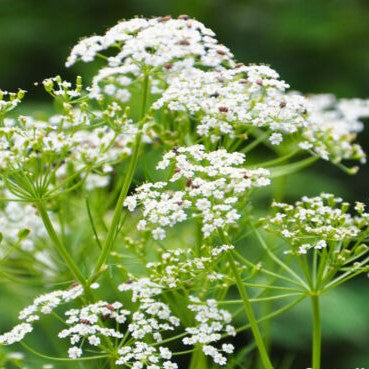
Caraway Seeds (Carum carvi)
Grow aromatic, versatile seeds with Caraway (Carum carvi). This hardy biennial herb produces feathery green foliage and crescent-shaped seeds with a warm, slightly sweet flavor, perfect for bread, cooking, and herbal remedies. Easy to grow, it’s ideal for herb gardens, kitchen beds, and pollinator-friendly plantings.
How to Grow
-
Sow seeds directly outdoors from early spring to early summer.
-
Use fertile, well-drained soil in full sun.
-
Sow seeds 0.5–1 cm deep and thin seedlings to 20–25 cm apart.
-
Keep soil consistently moist for germination (10–20 days).
-
Harvest seeds in late summer when the seed heads turn brown; cut and dry them for storage.
Key Features
-
Feathery green foliage and aromatic crescent-shaped seeds
-
Biennial, hardy, and easy to grow
-
Ideal for baking, cooking, and herbal remedies
-
Attracts pollinators and enhances garden biodiversity
-
Suitable for herb gardens, kitchen beds, and companion planting
Ideal For
-
Herb gardens and kitchen beds
-
Baking, cooking, and spice blends
-
Pollinator-friendly gardens
-
Homegrown culinary and medicinal use
Sowing
-
Best time: Early spring to early summer outdoors
-
Depth: 0.5–1 cm
-
Spacing: Thin to 20–25 cm apart
-
Prefers full sun and fertile, well-drained soil
Quick Tip
-
Harvest seeds when seed heads are fully brown and dry them in a warm, airy place for long-term storage.
Showing 18/21


