
Cut Flower Seeds

Sort by:
136 products
136 products
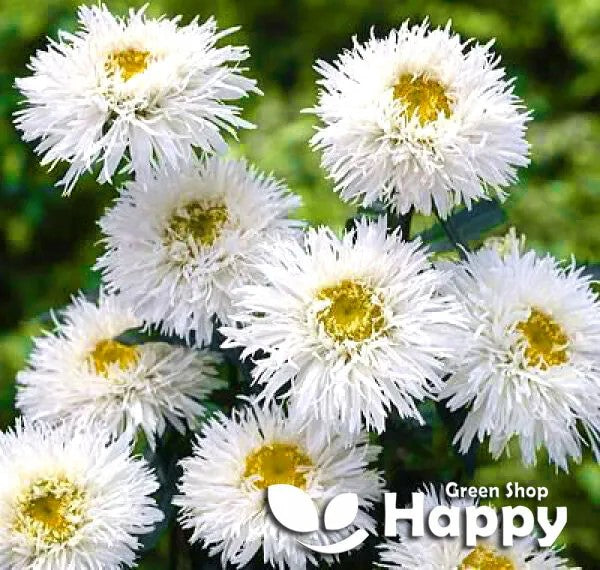
Crazy Daisy Seeds (Chrysanthemum leucanthemum)
A fun twist on the traditional daisy, Crazy Daisy produces frilly, shaggy white petals with golden-yellow centers. Each bloom is unique, bringing playful charm and texture to borders, wildflower plantings, and cottage gardens. Hardy and easy to grow, they also make excellent cut flowers.
What Makes It Special
-
Unique shaggy, frilled daisy flowers
-
Hardy, low-maintenance, and long-flowering
-
Excellent fresh cut flowers
Key Features
-
Botanical name: Chrysanthemum leucanthemum
-
Hardy perennial
-
Height: 60–80 cm (24–32 in)
-
Bloom time: Summer
Ideal For
-
Cottage gardens and wildflower meadows
-
Borders and mixed perennial beds
-
Fresh cut flower arrangements
Sowing
-
Sow indoors Feb–Apr or outdoors Apr–Jun
-
Cover lightly with soil and keep moist
-
Germination: 14–28 days at 18–22°C
-
Thin seedlings 30 cm apart
-
Flowers the first or second year after sowing
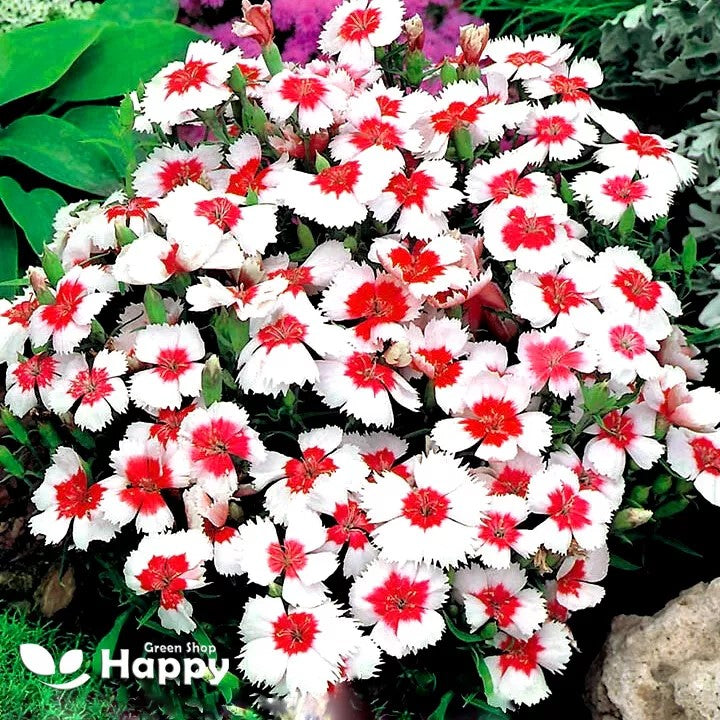
China Pink 'Merry-go-round' – Seeds
(Dianthus chinensis)
China Pink 'Merry-go-round' is a charming annual featuring vibrant, frilled blooms in shades of pink with delicate markings. Its compact, bushy habit makes it perfect for borders, rockeries, and containers, providing continuous colour throughout the summer. Easy to grow and low-maintenance, this variety also attracts pollinators, adding life and beauty to any garden.
Key Features
-
Type: Hardy annual
-
Height: 20–30 cm
-
Spread: 20–25 cm
-
Flowering: June–September
-
Position: Full sun
-
Soil: Well-drained, fertile soil
Ideal For
-
Borders and edging
-
Rockeries and container planting
-
Pollinator-friendly gardens
-
Summer floral displays
Sowing & Growing
-
Sow indoors: February–April at 18–22°C
-
Sow outdoors: April–May directly in soil
-
Germination: 7–14 days
-
Thin seedlings or transplant to 20–25 cm spacing
-
Deadhead regularly to prolong flowering
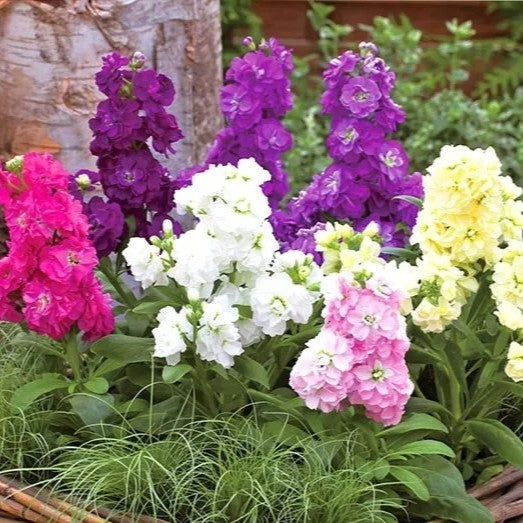
Dwarf Stock Ten Week Mix Seeds (Matthiola incana)
Brighten up your garden with the charming Dwarf Stock Ten Week Mix. This compact variety of Matthiola incana produces clusters of richly colored blooms in shades of pink, purple, red, and white, all with a delightful fragrance. Fast-growing and easy to care for, this mix is perfect for adding vibrant color and scent to beds, borders, and containers.
How to Grow
-
Sow indoors in late winter to early spring or outdoors after the last frost.
-
Use well-drained soil in a sunny location.
-
Lightly cover seeds with fine soil and keep moist until germination (7–14 days).
-
Transplant seedlings once large enough to handle, spacing 15–20 cm apart.
-
Water regularly, especially during dry spells.
-
Remove faded blooms to extend the flowering period.
Key Features
-
Compact plants ideal for small spaces and containers
-
Fragrant blooms in a rich color mix
-
Quick to flower, ready in about 10 weeks from sowing
-
Perfect for cut flowers and floral arrangements
-
Easy-to-grow annual with long-lasting blooms
Ideal For
-
Flower beds and borders
-
Patio containers and window boxes
-
Cottage gardens and cutting gardens
-
Adding fragrance and color to small spaces
Sowing
-
Best time: Late winter to spring
-
Germination: 7–14 days
-
Lightly cover seeds and keep soil moist
-
Prefers full sun and well-drained soil
Quick Tip
-
For continuous blooms, sow in small batches every 2–3 weeks during spring.
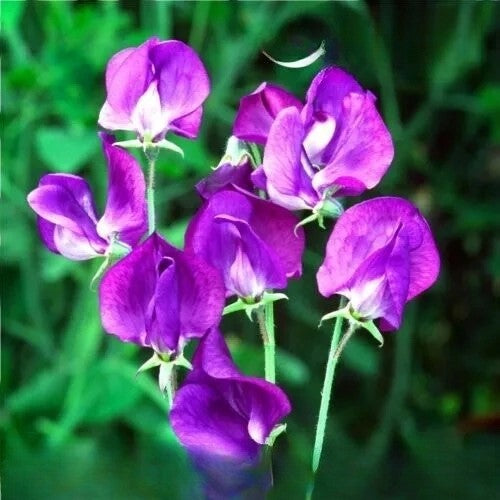
Sweet Pea Old Spice 'Violet Queen' Seeds (Lathyrus odoratus)
A classic heirloom variety, Sweet Pea 'Violet Queen' belongs to the renowned Old Spice group—celebrated for its exceptional fragrance and heat tolerance. This charming climbing sweet pea produces masses of blooms in deep violet-purple shades, filling the garden with nostalgic summer perfume. Perfect for trellises, arches, or cut flower arrangements.
Why Grow 'Violet Queen'
-
Rich violet-purple blooms with outstanding fragrance
-
More heat tolerant than many other sweet peas
-
Excellent for cutting – long stems and lasting vase life
Key Features
-
Type: Hardy annual
-
Height: 180–240 cm (climber)
-
Flowering: June–September
-
Position: Full sun
-
Uses: Trellises, fences, cut flowers, cottage gardens
Sowing & Growing
-
Sow indoors: January–April in pots or trays
-
Sow outdoors: April–May in prepared soil
-
Germination: 10–20 days at 15–20°C
-
Plant out after frost, spacing 20–30 cm apart
-
Provide support for climbing
-
Regular deadheading prolongs flowering
Strawflower Yellow – 900 Seeds (Helichrysum bracteatum)
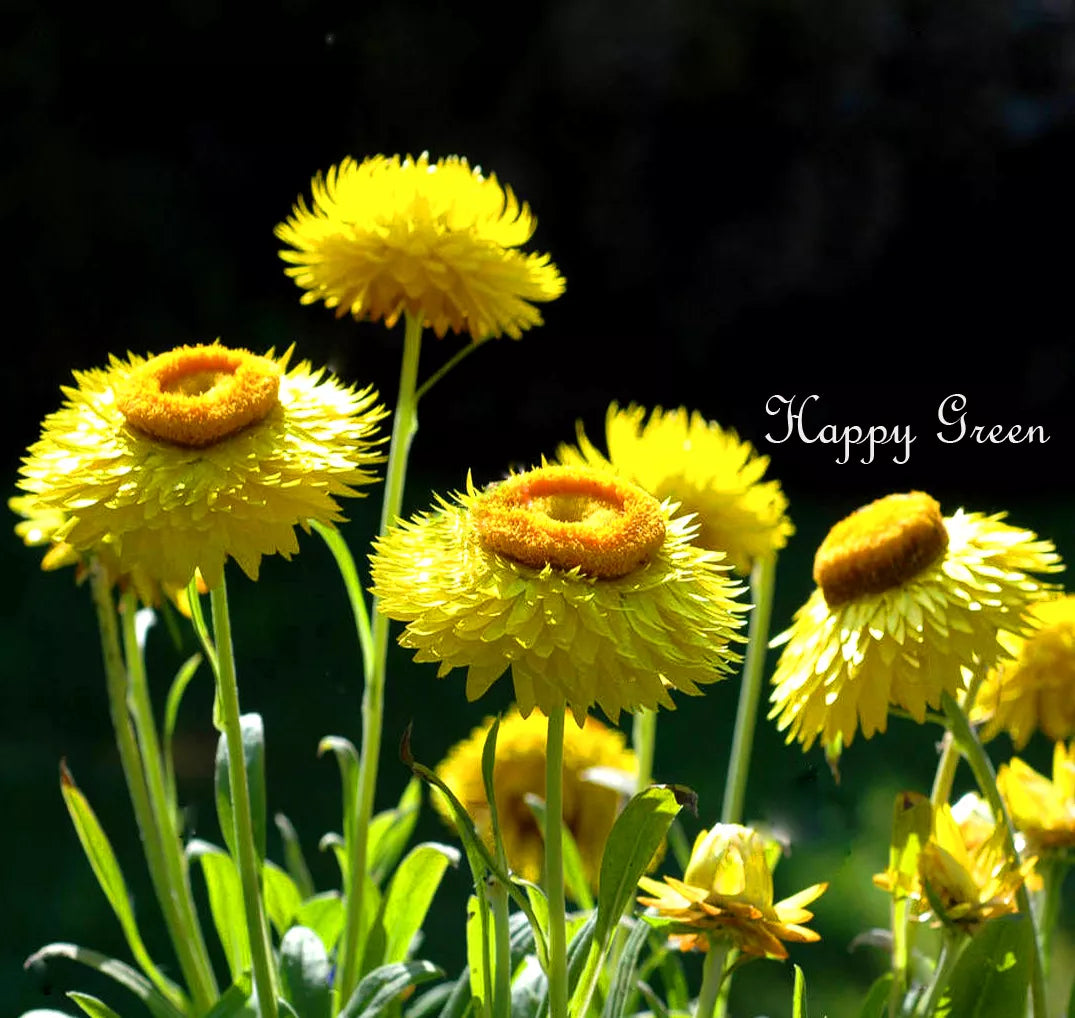
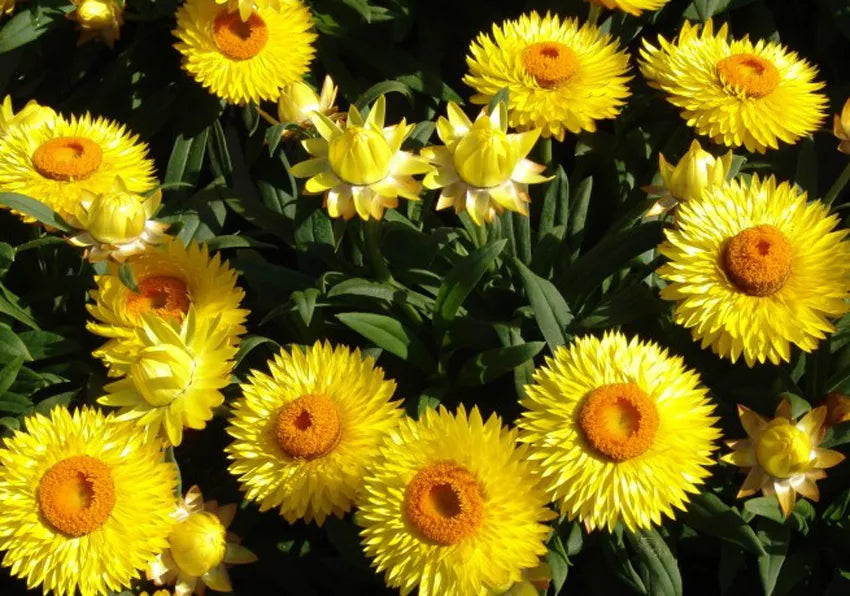
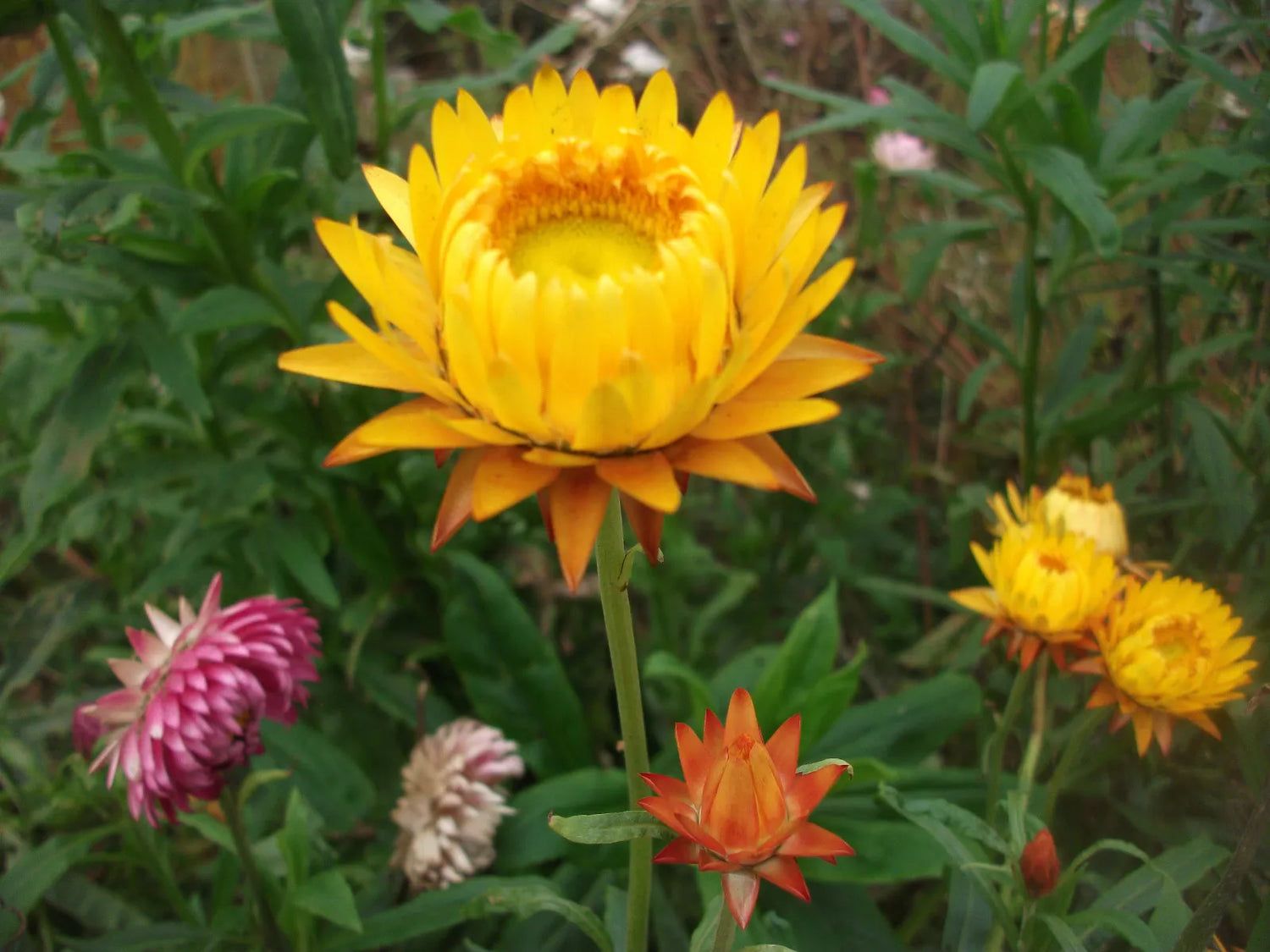
Bring sunshine to your garden with the cheerful Strawflower Yellow. Famous for its papery, long-lasting blooms, this variety glows in bright golden yellow, adding a warm touch to borders, beds, and everlasting arrangements. Perfect for fresh or dried floral displays.
What Makes It Special
-
Vivid yellow blooms that hold their color when dried
-
Easy to grow and drought-tolerant
-
Blooms all summer until frost
-
Excellent for both gardens and everlasting bouquets
Key Features
-
Annual flower, height: 60–80 cm
-
Papery, long-lasting blooms ideal for drying
-
Thrives in sunny, well-drained spots
-
Attracts pollinators and beneficial insects
Ideal For
-
Cutting and drying for arrangements
-
Borders, beds, and cottage gardens
-
Adding bright color to summer displays
-
Drought-tolerant or low-maintenance gardens
Sowing
-
Sow indoors 6–8 weeks before last frost or directly outdoors after frost
-
Lightly cover seeds; germination in 7–14 days at 18–22°C
-
Transplant or thin seedlings to 25–30 cm apart
-
Pinch out tips for bushier plants and more blooms
Rose Mallow Mix Seeds (Lavatera trimestris)
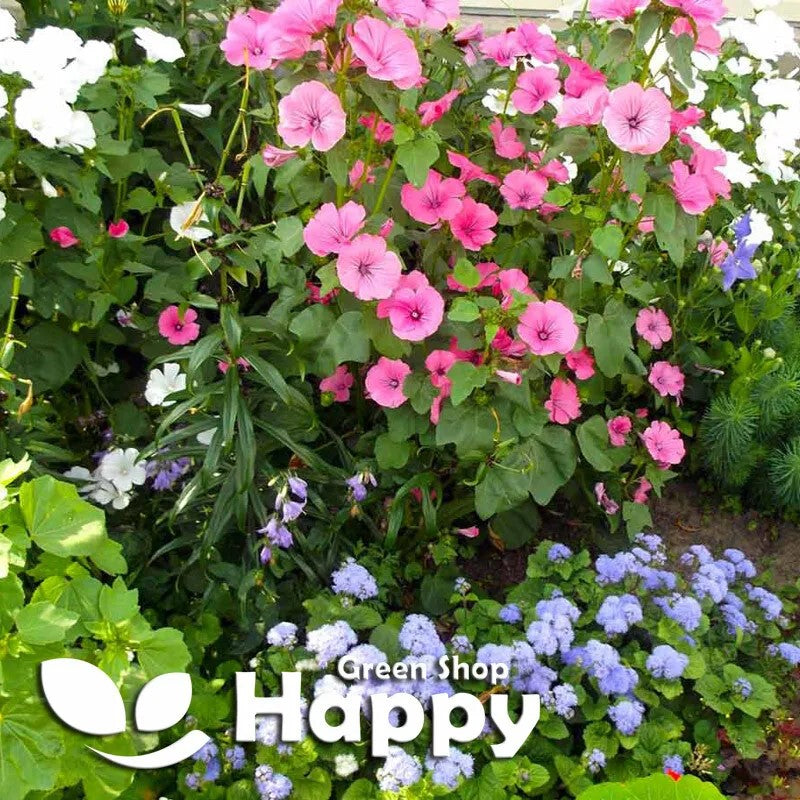
Rose Mallow Mix is an easy-to-grow annual producing large, showy, hibiscus-like flowers in shades of pink, rose, and white. Its upright, bushy habit makes it perfect for garden beds, borders, and cottage gardens. Loved for its long flowering season and ability to attract pollinators, it adds a splash of color and elegance to any garden.
What Makes It Special
-
Large, hibiscus-like blooms in a mix of pink, rose, and white
-
Long-flowering, adding color from summer to autumn
-
Compact, bushy growth habit suitable for mixed plantings
-
Attracts bees, butterflies, and other pollinators
Key Features
-
Botanical name: Lavatera trimestris
-
Variety: Mix
-
Seed count: Approx. seeds per pack
-
Height/Spread: 60–100 cm tall, 30–50 cm spread
-
Position: Full sun; fertile, well-drained soil
-
Flowering period: June–October
Ideal For
-
Borders and cottage garden beds
-
Containers and patio displays
-
Pollinator-friendly gardens
-
Cutting gardens for fresh floral arrangements
Sowing Instructions
-
When to sow: March–May indoors; April–June outdoors
-
How to sow:
-
Sow seeds 0.5–1 cm deep in seed trays or pots
-
Germination occurs in 10–14 days at 18–22°C
-
-
Transplanting: Plant seedlings outdoors 30–50 cm apart after frost risk has passed
-
Care: Water moderately; deadhead regularly to prolong flowering

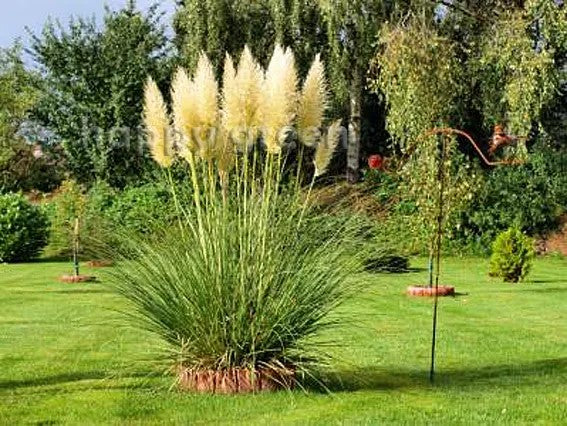
Pampas Grass Seeds (Cortaderia selloana)
Pampas Grass is one of the most iconic ornamental grasses, valued for its dramatic height, lush foliage, and striking feathery plumes that sway elegantly in the wind. A real statement plant, it is perfect as a focal point in gardens, borders, or large containers. Its plumes can also be dried and used in floral arrangements, wreaths, and modern interior décor.
What Makes It Special
-
Tall, architectural grass with stunning feathery plumes
-
Creates dramatic structure and movement in the garden
-
Drought-tolerant and hardy once established
-
Plumes can be cut and dried for long-lasting indoor decoration
Key Features
-
Botanical name: Cortaderia selloana
-
Common name: Pampas Grass
-
Seed count: Approx. seeds per pack
-
Height/Spread: Up to 2.5 m tall, 1.5–2 m spread
-
Position: Full sun; fertile, well-drained soil
-
Flowering period: Late summer to autumn
-
Lifespan: Hardy perennial grass
Ideal For
-
Garden focal points and landscaping
-
Large borders and wildlife-friendly planting
-
Coastal gardens (tolerates wind and salt)
-
Architectural garden design
-
Cutting and drying for indoor decoration
Sowing Instructions
-
When to sow: February–April indoors, or May–June outdoors after frost
-
How to sow:
-
Sow on the surface of moist seed compost – do not cover (needs light to germinate)
-
Keep at 18–22°C, germination may take 2–4 weeks
-
-
Transplant: Move seedlings to individual pots when large enough to handle
-
Planting out: Harden off and plant outdoors in a sunny, sheltered spot with space to grow
-
Care: Water young plants well. Once established, Pampas Grass is drought-tolerant. Cut back old foliage in late winter to make way for fresh growth.
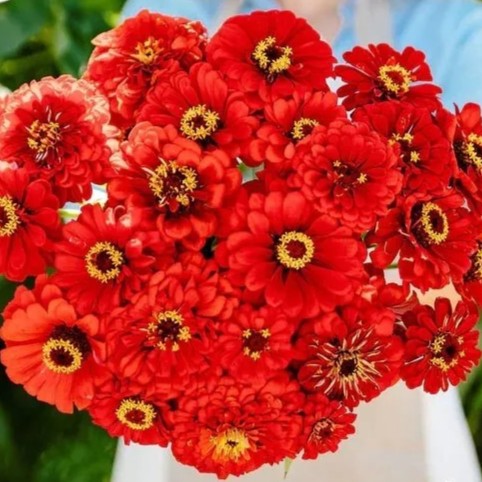
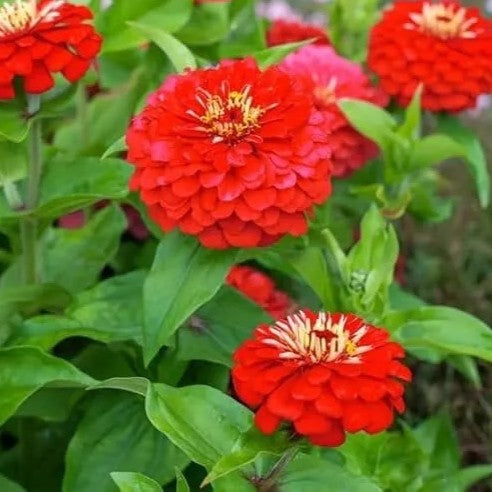
Zinnia Dahliaflowered Red ‘Will Rogers’ Seeds (Zinnia elegans)
Add vibrant, long-lasting color to your garden with Zinnia Dahliaflowered Red ‘Will Rogers’ (Zinnia elegans). This striking annual produces large, dahlia-like red blooms that stand out in borders, beds, and containers. Easy to grow and exceptionally hardy, it provides a stunning display from summer to autumn and is perfect for cut flower arrangements.
How to Grow
-
Sow indoors in early spring or directly outdoors after the last frost.
-
Use well-drained soil in a sunny location.
-
Lightly cover seeds with soil and keep moist until germination (7–14 days).
-
Thin seedlings to 20–25 cm apart for healthy growth.
-
Water regularly but avoid waterlogging.
-
Deadhead spent blooms to encourage continuous flowering.
Key Features
-
Large, dahlia-like red flowers that make a bold statement
-
Long-flowering annual, blooming summer through autumn
-
Easy to grow and maintain, suitable for beginners
-
Excellent for fresh cut flowers and bouquets
-
Attracts pollinators such as bees and butterflies
Ideal For
-
Flower beds and borders
-
Containers, patio planters, and window boxes
-
Cutting gardens for bouquets
-
Pollinator-friendly garden designs
Sowing
-
Best time: Early spring indoors or after frost outdoors
-
Germination: 7–14 days
-
Sow thinly, cover lightly, and keep soil moist
-
Prefers full sun and well-drained soil
Quick Tip
-
Regular deadheading prolongs flowering and keeps the plants looking vibrant throughout the season.
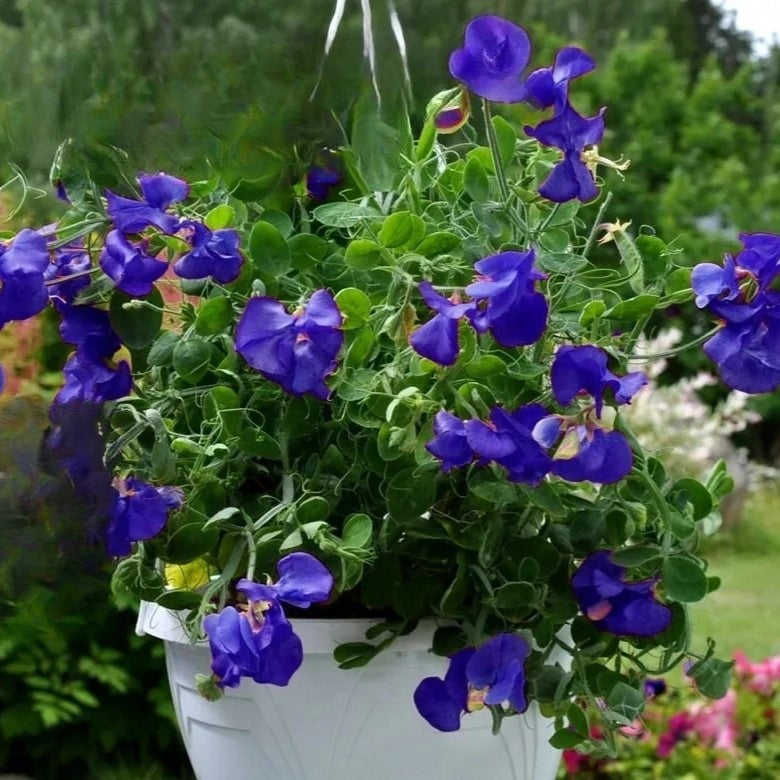
Sweet Pea Dwarf – Navy Blue Seeds (Lathyrus odoratus)
The Dwarf Sweet Pea ‘Navy Blue’ (Lathyrus odoratus) is a compact variety with rich, deep navy-blue blooms and a delightful fragrance. Unlike climbing sweet peas, this dwarf form grows in neat, bushy clumps, making it ideal for containers, borders, and small gardens. It produces masses of flowers throughout summer, perfect for cutting or simply enjoying in the garden.
What Makes It Special
-
Compact, non-climbing habit – no support needed
-
Striking deep navy-blue flowers with a sweet scent
-
Long-lasting blooms for borders, pots, and cut flowers
Key Features
-
Botanical name: Lathyrus odoratus
-
Type: Hardy annual
-
Height: 25–30 cm
-
Spread: 20–25 cm
-
Flowering: June–September
Ideal For
-
Pots, containers, and small spaces
-
Bedding and border displays
-
Fragrant cut flowers
Sowing
-
Sow indoors: January–March in pots, 1 cm deep
-
Harden off and transplant after last frost
-
Sow outdoors: April–May directly where they are to flower
-
Prefers full sun and fertile, well-drained soil
Showing 126/136


