
Sort by:
167 products
167 products
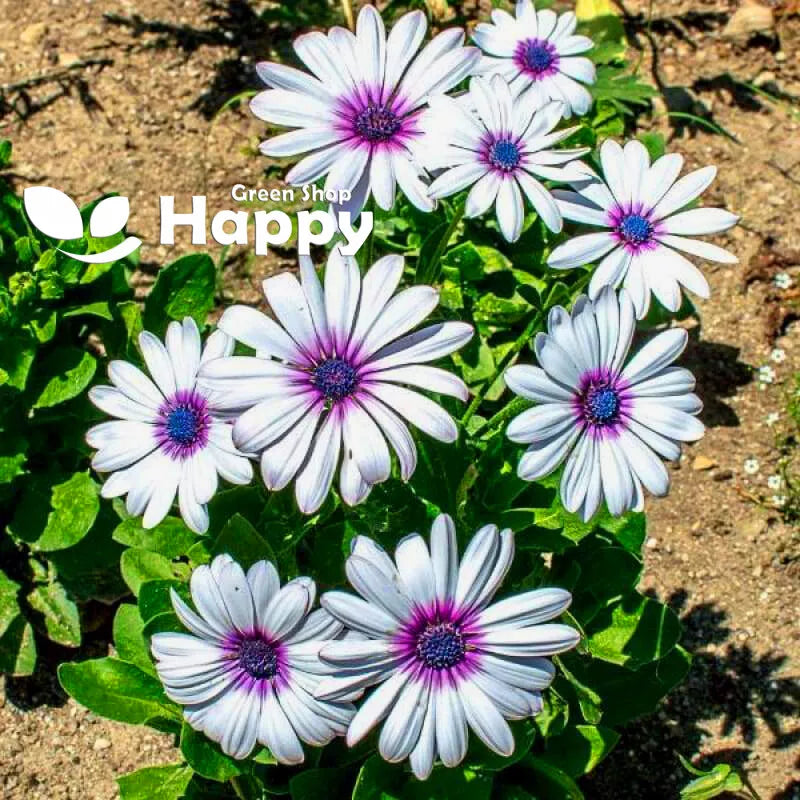
African Daisy ‘Polar Star’ Seeds (Dimorphotheca pluvialis)
African Daisy ‘Polar Star’ is a striking annual with pure white, daisy-like blooms featuring a contrasting dark center. Blooming from late spring to autumn, it adds a crisp, clean look to borders, containers, and rock gardens. Hardy, drought-tolerant, and long-flowering, it’s perfect for sunny locations and pollinator-friendly plantings.
What Makes It Special
-
Pure white blooms with a contrasting dark center
-
Long-lasting, sun-loving, and drought-tolerant
-
Attracts bees and butterflies
Key Features
-
Botanical name: Dimorphotheca pluvialis
-
Annual
-
Height: 25–40 cm
-
Bloom time: Late spring to autumn
Ideal For
-
Borders, containers, and rock gardens
-
Sunny, well-drained spots
-
Pollinator-friendly gardens
Sowing
-
Sow indoors Feb–Apr or outdoors Apr–Jun
-
Cover seeds lightly with soil
-
Germination: 10–14 days at 18–22°C
-
Space seedlings 20–25 cm apart
-
Flowers the same year
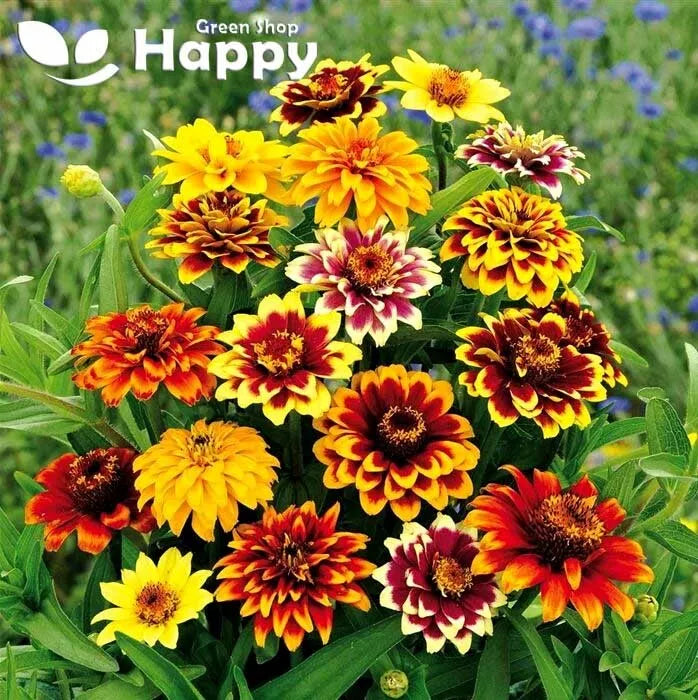
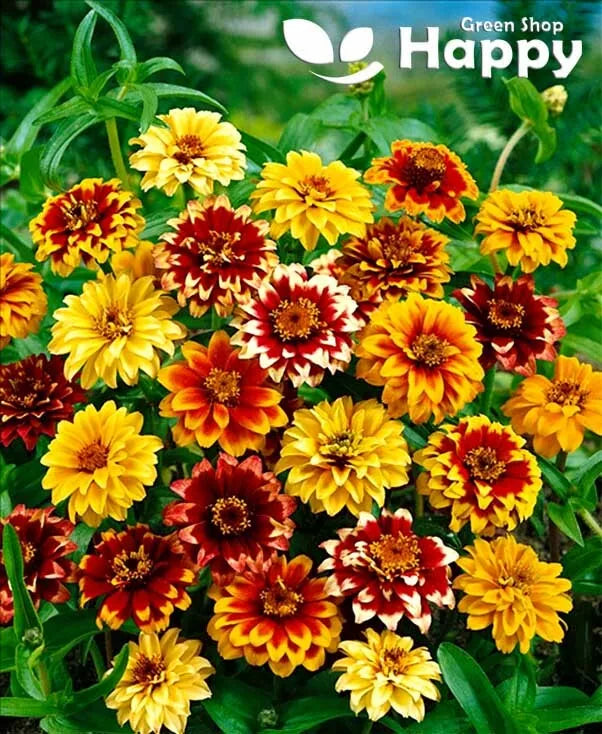
Mexican Zinnia Mix – Bright, Heat-Loving Blooms All Summer
Mexican Zinnia Mix is a vibrant, hardy variety producing masses of small, cheerful blooms in warm shades of gold, orange, red, and bicolors. Known for thriving in hot, dry conditions, these zinnias keep blooming from early summer right through to frost, making them a low-maintenance favorite for sunny gardens and containers.
What Makes It Special
-
Brilliant warm-toned blooms that love the heat
-
Long-lasting color even in dry conditions
-
Continuous flowering from summer to frost
-
Attracts bees, butterflies, and pollinators
-
Resilient and easy to grow
Key Features
-
Height: 30–40 cm – neat, bushy plants
-
Warm shades of yellow, orange, red, and bicolors
-
Great for edging, borders, and pots
-
Low-maintenance and drought-tolerant
-
Blooms stay fresh and vibrant for weeks
Ideal For
-
Hot, sunny borders and beds
-
Patio containers and balcony planters
-
Pollinator-friendly gardens
-
Summer-long color displays
Sowing
-
Sow indoors 4–6 weeks before last frost or direct sow after frost danger has passed
-
Cover seeds lightly with fine soil
-
Germination: 5–10 days at 21–24°C
-
Space plants 20–25 cm apart
-
Prefers full sun and well-drained soil
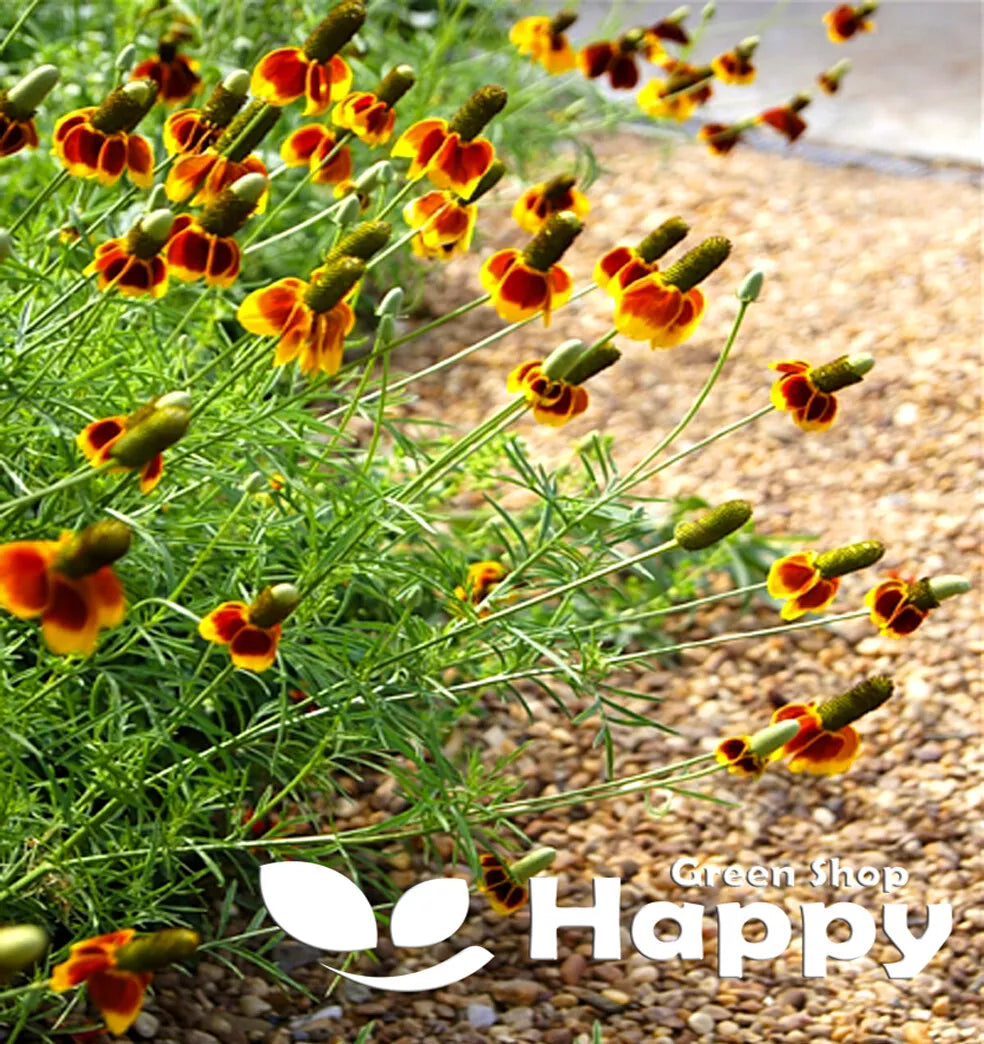
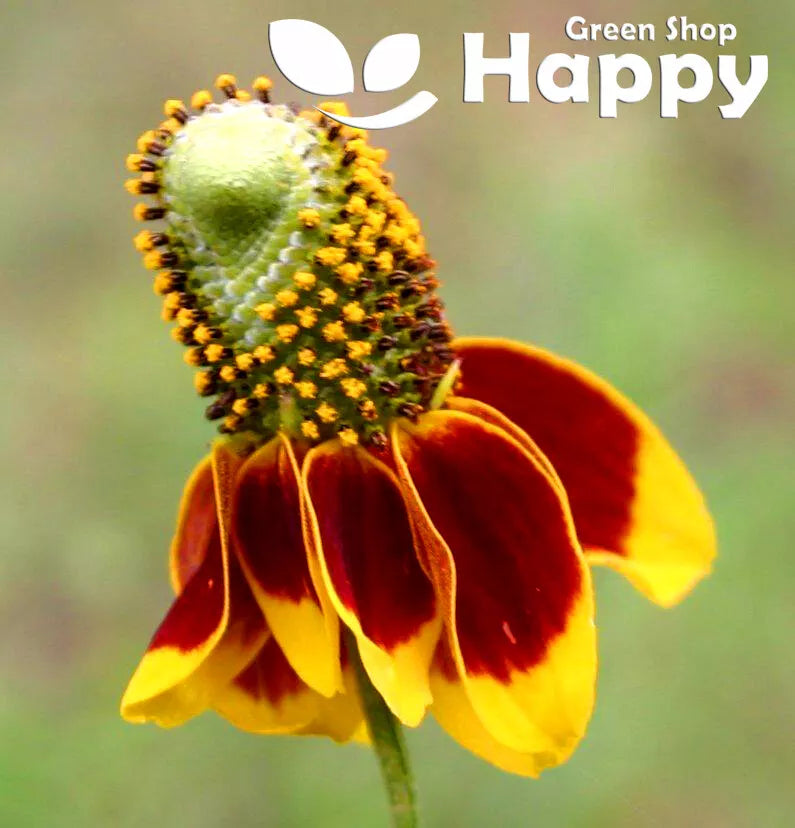
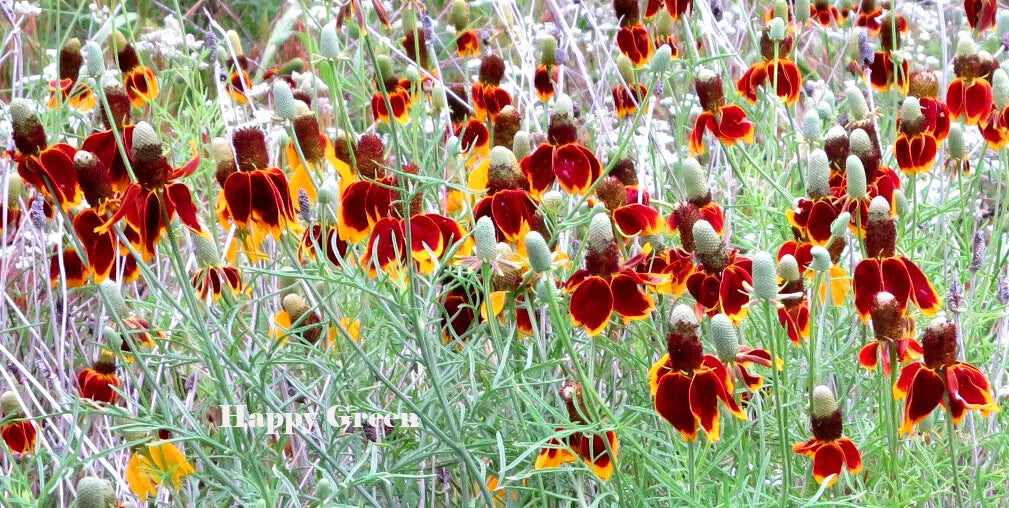
Mexican Hat – Seeds (Ratibida columnifera)
Mexican Hat (Ratibida columnifera) is a striking perennial wildflower named for its sombrero-shaped blooms. From summer into autumn, it produces vibrant yellow and red petals surrounding a tall, central cone. Hardy and drought-tolerant, it thrives in poor soils and full sun, making it perfect for naturalistic plantings, meadows, and wildlife gardens. Its long-lasting blooms attract bees, butterflies, and other pollinators, adding color and biodiversity to your outdoor space.
Why Grow "Mexican Hat"
-
Unique sombrero-shaped flowers in yellow and red
-
Long flowering from summer to autumn
-
Drought-tolerant and thrives in poor soils
-
Attracts bees, butterflies, and other pollinators
Key Features
-
Type: Perennial (Ratibida columnifera)
-
Height: 60–90 cm
-
Flowering: Summer to autumn
-
Position: Full sun
-
Uses: Meadows, wildlife gardens, borders, naturalistic plantings
Ideal For
-
Wildflower meadows and prairie-style gardens
-
Pollinator-friendly planting
-
Low-maintenance and drought-tolerant gardens
-
Adding unique blooms to borders and beds
Sowing & Growing
-
Sow indoors: 6–8 weeks before last frost
-
Sow outdoors: After frost danger has passed
-
Germination: 14–21 days
-
Space seedlings: 25–30 cm apart
-
Prefers well-drained, sandy or poor soils in full sun
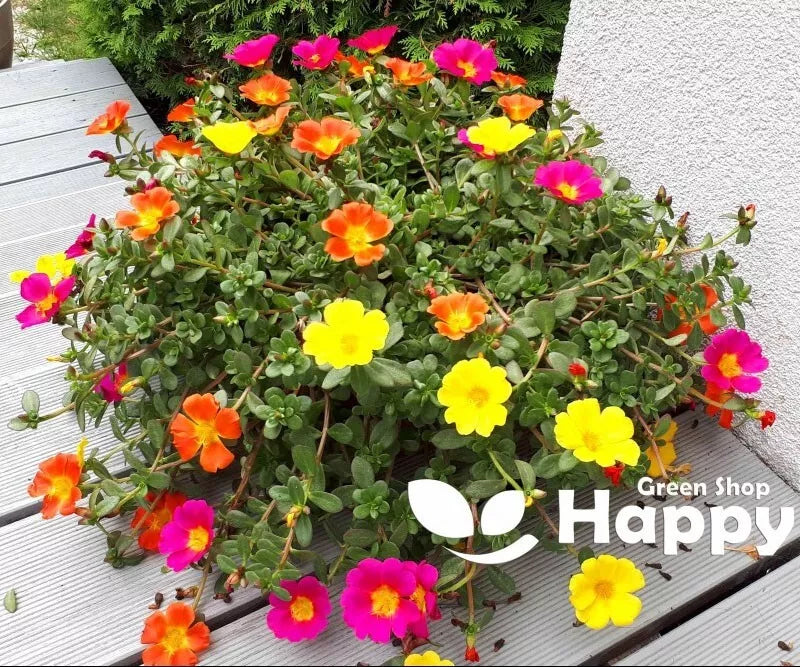
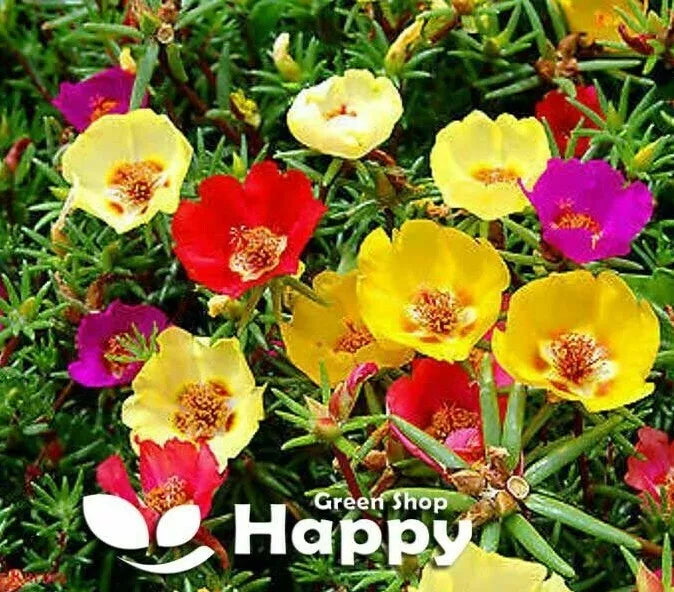
Moss Rose Single – Seeds (Portulaca grandiflora)
The Moss Rose Single is a low-growing, sun-loving annual with bright, silky flowers in vivid shades of pink, red, yellow, orange, and white. With its succulent foliage and drought tolerance, it thrives in poor soils and hot conditions, making it perfect for rock gardens, containers, and ground cover.
What Makes It Special
-
Brilliantly colored single blooms with a silky texture
-
Excellent tolerance to heat and drought
-
Low-maintenance, thrives in poor soil conditions
-
Perfect choice for hot, sunny garden spots
Key Features
-
Botanical name: Portulaca grandiflora
-
Variety: Moss Rose Single
-
Seed count: Approx. seeds per pack
-
Height/Spread: 10–15 cm tall, spreading to 30 cm
-
Position: Full sun; sandy or well-drained soil
-
Flowering period: Summer to early autumn
Ideal For
-
Rock gardens
-
Hanging baskets and containers
-
Edging along borders
-
Ground cover in hot, dry areas
Sowing Instructions
-
When to sow: March–May indoors or April–June outdoors after frost
-
How to sow:
-
Scatter seeds on the soil surface (light aids germination)
-
Press gently, do not cover deeply
-
Germination: 10–14 days
-
-
After germination:
-
Thin seedlings to 15–20 cm apart
-
Water sparingly—plants prefer dry conditions
-
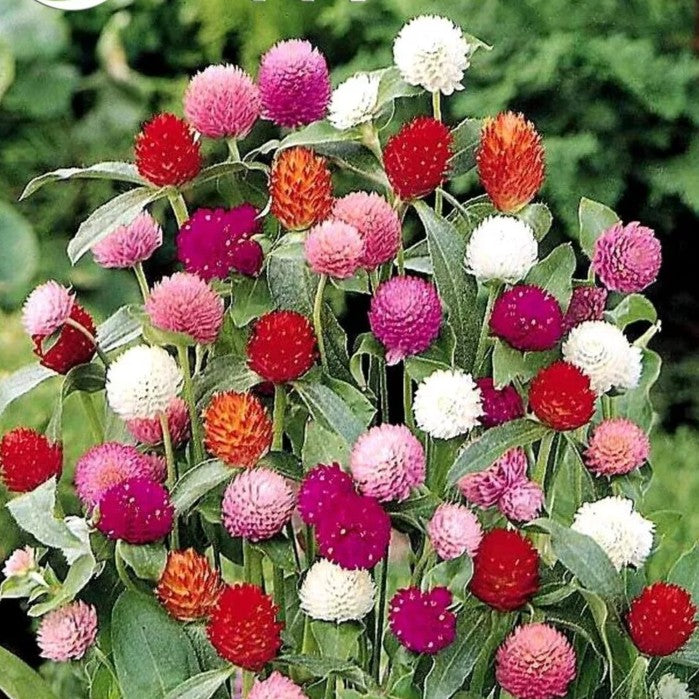
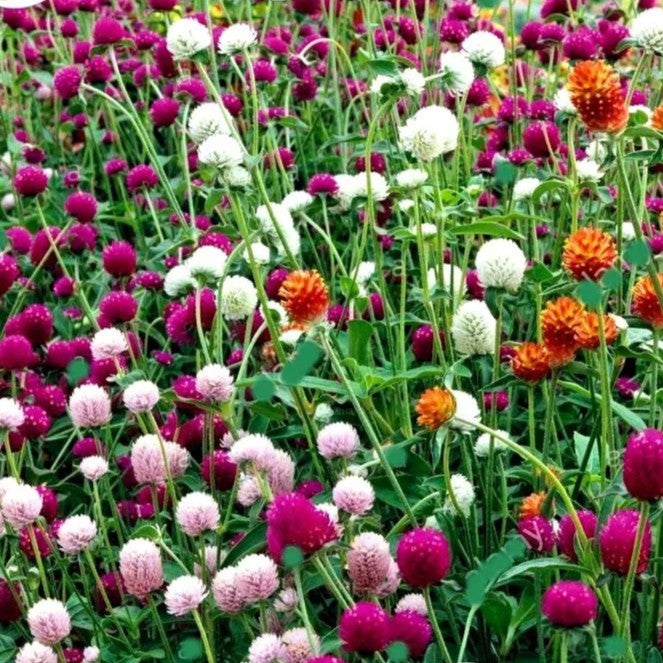
Globe Amaranth Tall Mix Seeds (Gomphrena globosa)
Bring lasting color and texture to your garden with Globe Amaranth Tall Mix (Gomphrena globosa). This easy-to-grow annual produces clusters of globe-shaped flowers in vibrant shades of pink, purple, red, and white. Heat- and drought-tolerant, it thrives in sunny spots and makes an excellent cut flower, retaining its color beautifully when dried.
How to Grow
-
Sow indoors in spring or directly outdoors after the last frost.
-
Use well-drained soil in a warm, sunny position.
-
Cover seeds lightly with soil and keep moist until germination (7–14 days).
-
Transplant seedlings when large enough to handle, spacing 25–30 cm apart.
-
Water moderately—plants prefer drier conditions once established.
-
Cut regularly to encourage continuous blooming.
Key Features
-
Tall plants with globe-shaped flowers in mixed vibrant colors
-
Excellent for fresh and dried floral arrangements
-
Heat- and drought-tolerant, thriving in poor soils
-
Long-flowering annual, blooming summer through autumn
-
Low-maintenance and highly resilient
Ideal For
-
Cutting gardens and dried flower arrangements
-
Sunny borders and beds
-
Containers and patio planters
-
Pollinator-friendly garden designs
Sowing
-
Best time: Spring indoors or after frost outdoors
-
Germination: 7–14 days
-
Sow thinly, cover lightly, and keep soil moist
-
Prefers full sun and well-drained soil
Quick Tip
-
Harvest flowers just as they open fully for the longest-lasting dried blooms.
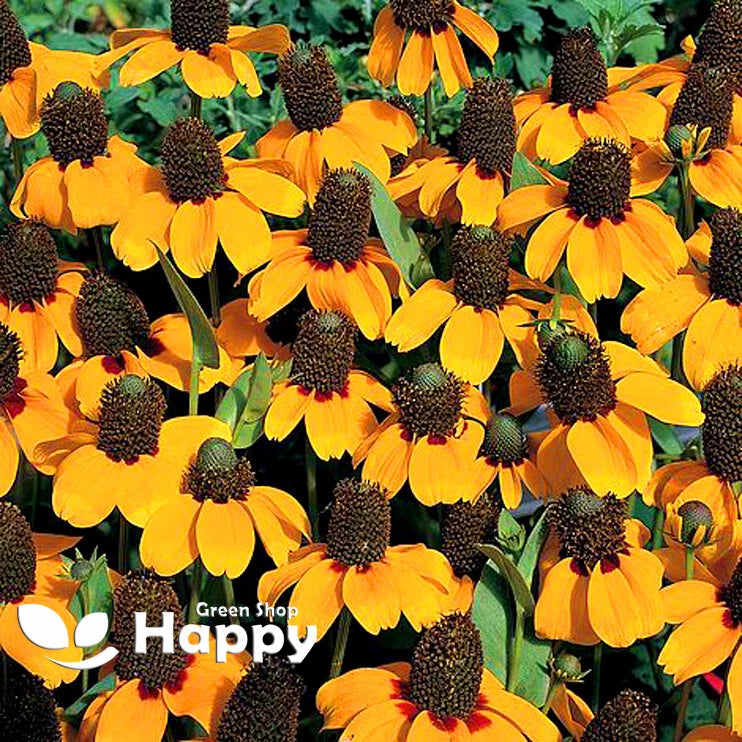


Rudbeckia ‘Clasping Coneflower’ – Seeds (Rudbeckia amplexicaulis)
The Clasping Coneflower is a hardy annual Rudbeckia that produces masses of golden-yellow petals marked with dark reddish-brown centers. With its long flowering season and striking daisy-like blooms, it’s ideal for brightening borders, meadows, and wildflower gardens. Heat- and drought-tolerant, it thrives in poor soils and attracts bees and butterflies.
Why Grow Clasping Coneflower?
-
Bright golden-yellow flowers with dark centers
-
Long flowering season, summer into autumn
-
Attracts pollinators
-
Easy to grow, drought-tolerant
Key Features
-
Type: Hardy annual
-
Height: 60–90 cm
-
Flowering: June–September
-
Position: Full sun, well-drained soil
-
Uses: Borders, meadows, wildflower gardens, cut flowers
Ideal For
-
Naturalistic and wildflower plantings
-
Low-maintenance garden borders
-
Pollinator-friendly spaces
Sowing & Growing
-
Sow outdoors: April–June directly into prepared soil
-
Germination: 10–20 days at 18–22°C
-
Thin seedlings to 20–30 cm apart
-
Deadhead for prolonged flowering
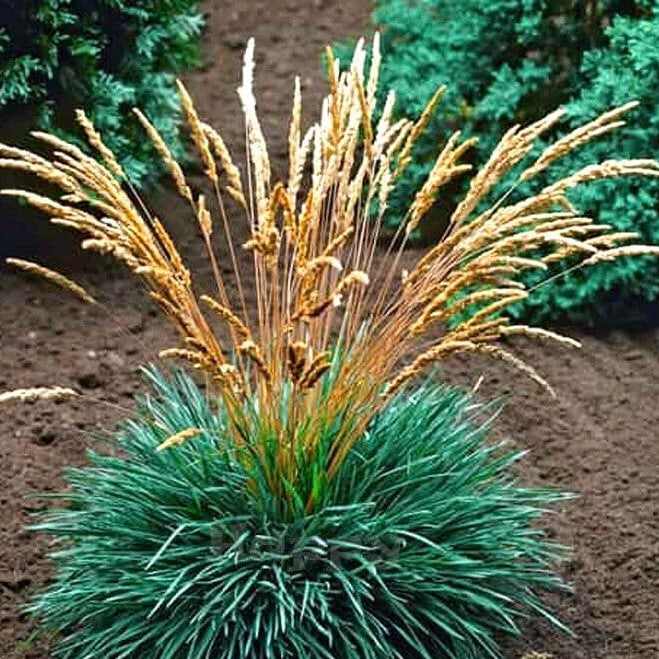
Blue Hair Grass – 300 Seeds (Koeleria glauca)
Add elegant texture and cool-toned color to your garden with Blue Hair Grass (Koeleria glauca). This compact, ornamental grass forms neat clumps of fine, silvery-blue foliage, topped with delicate seed heads in early summer. Its striking appearance makes it ideal for rock gardens, borders, containers, or as a soft contrast among colorful flowers. Hardy and drought-tolerant, it’s a reliable choice for low-maintenance landscapes.
Why Grow Blue Hair Grass?
-
Attractive silvery-blue foliage year-round
-
Airy seed heads add movement and lightness
-
Compact and low-growing, perfect for edging or containers
-
Tolerant of poor, sandy, or dry soils
-
Low-maintenance and hardy perennial
Key Features
-
Type: Perennial ornamental grass
-
Height: 30–40 cm
-
Spread: 25–30 cm
-
Position: Full sun; well-drained soil
-
Uses: Rock gardens, borders, containers, ground cover, naturalistic plantings
Ideal For
-
Adding texture and color contrast to mixed plantings
-
Drought-tolerant, low-care gardens
-
Coastal and gravel gardens
-
Stylish modern landscaping
Sowing & Growing
-
Sow indoors: February–April in trays of moist compost, lightly covering the seed
-
Germination: 14–28 days at 18–22°C
-
Transplant seedlings when large enough to handle
-
Plant out after frost, spacing 25 cm apart
-
Flowers and produces seed heads in early summer
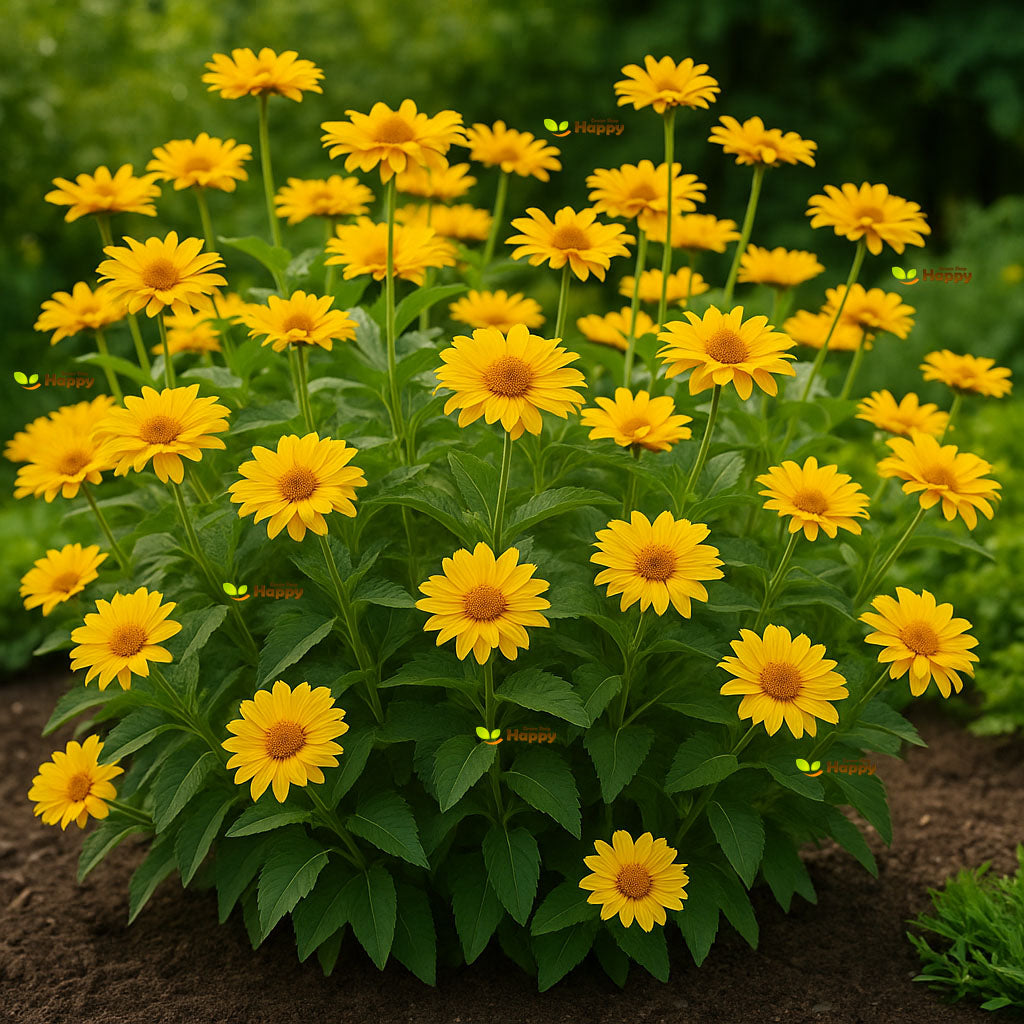
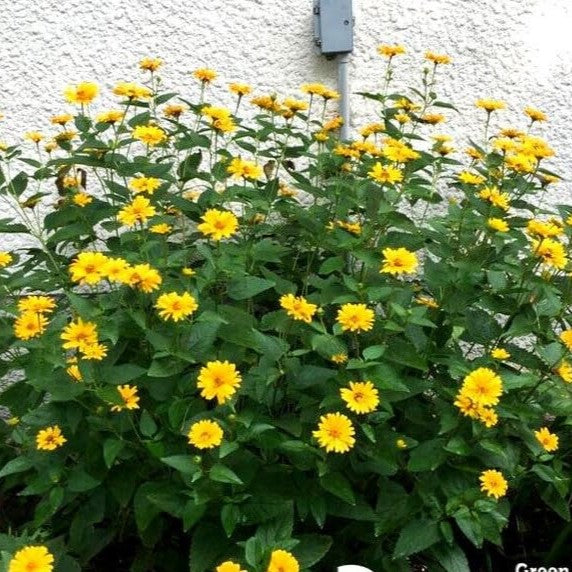
Summer Sun – Seeds (Heliopsis scabra)
Summer Sun (Heliopsis scabra) is a hardy perennial known for its bright, golden-yellow, daisy-like flowers that bloom from mid-summer to early autumn. With tall, upright stems and lush green foliage, this variety adds long-lasting color and height to borders, cottage gardens, and mixed perennial beds. Easy to grow and low-maintenance, it attracts pollinators and provides a cheerful, sunny display all summer long.
Why Grow "Summer Sun"
-
Vibrant golden-yellow daisy-like blooms
-
Long flowering season from mid-summer to early autumn
-
Hardy, low-maintenance perennial
-
Attracts bees, butterflies, and other pollinators
Key Features
-
Type: Perennial (Heliopsis scabra)
-
Height: 60–90 cm
-
Flowering: Mid-summer to early autumn
-
Position: Full sun
-
Uses: Borders, cottage gardens, mixed perennial beds, pollinator-friendly gardens
Ideal For
-
Adding bright color and height to summer borders
-
Cottage and perennial garden beds
-
Pollinator-friendly garden planting
-
Long-lasting summer displays
Sowing & Growing
-
Sow indoors: February–April in trays or pots
-
Sow outdoors: April–May directly in soil
-
Germination: 10–20 days at 18–22°C
-
Thin seedlings 30–40 cm apart
-
Prefers well-drained soil in full sun
-
Water moderately until established
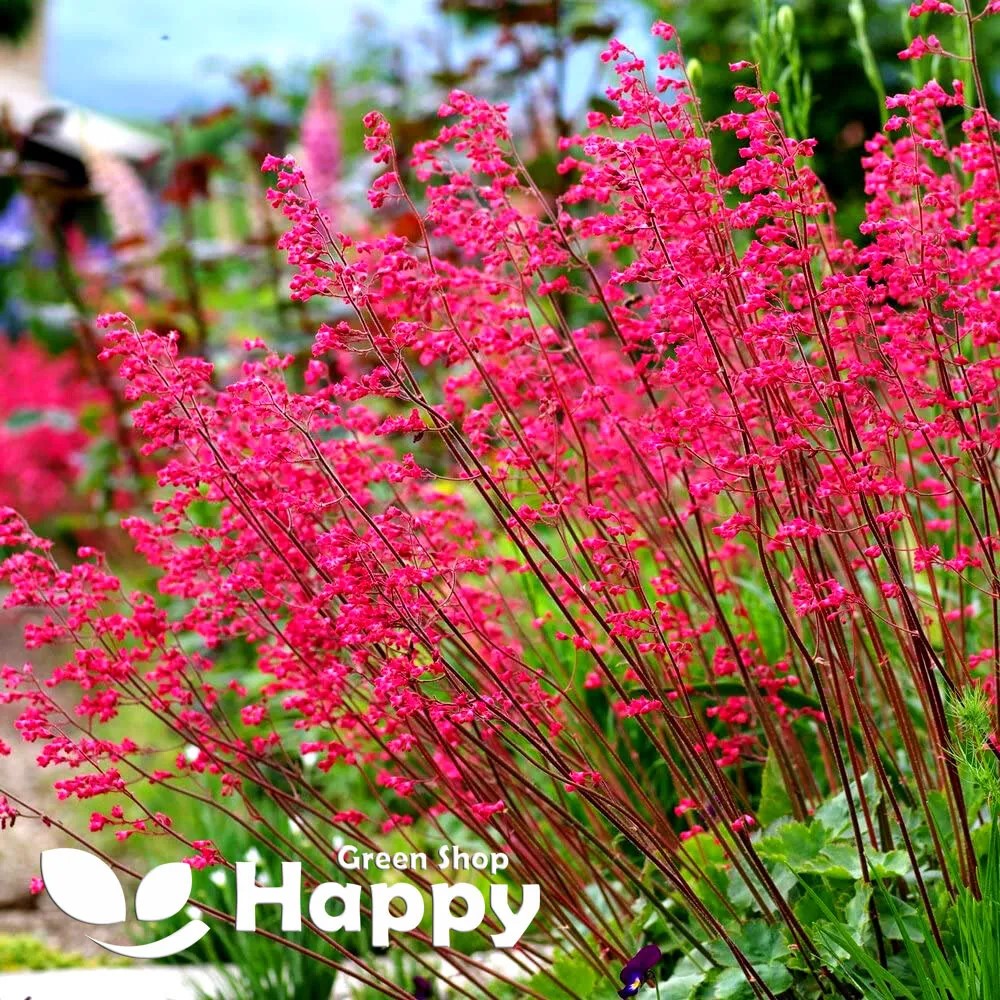
Red Coral Bells Seeds (Heuchera sanguinea)
Red Coral Bells is a striking perennial valued for its dainty spikes of bright red, bell-shaped flowers and attractive clumps of scalloped foliage. Blooming from late spring into summer, it’s loved by hummingbirds and makes a charming addition to borders, containers, and cottage gardens.
What Makes It Special
-
Brilliant red flower spikes above neat foliage
-
Attracts pollinators, especially hummingbirds
-
Long-lasting blooms for garden and cut flowers
Key Features
-
Botanical name: Heuchera sanguinea
-
Hardy perennial
-
Height: 30–45 cm
-
Bloom time: Late spring to summer
Ideal For
-
Borders and cottage gardens
-
Containers and edging
-
Wildlife and pollinator-friendly plantings
Sowing
-
Sow indoors Feb–Apr on the soil surface (do not cover)
-
Germination: 14–28 days at 18–22°C
-
Transplant 25–30 cm apart
-
Flowers from the second year onward
Showing 90/167


