
Sort by:
167 products
167 products
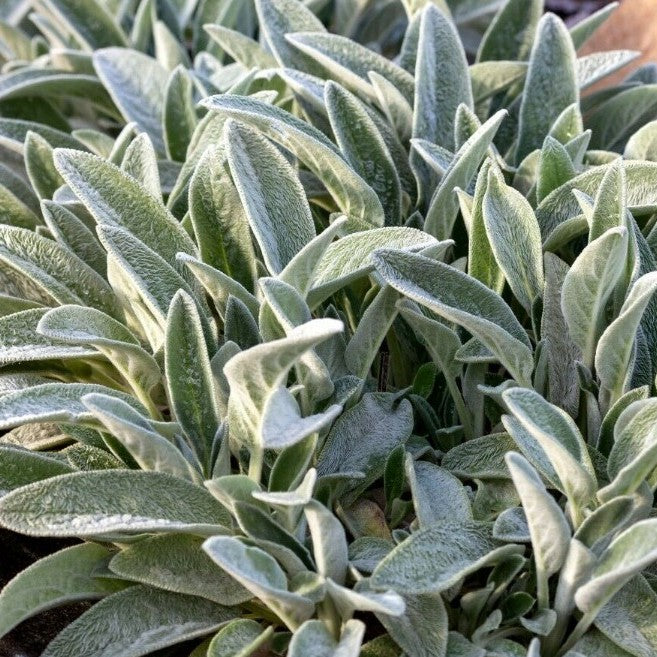
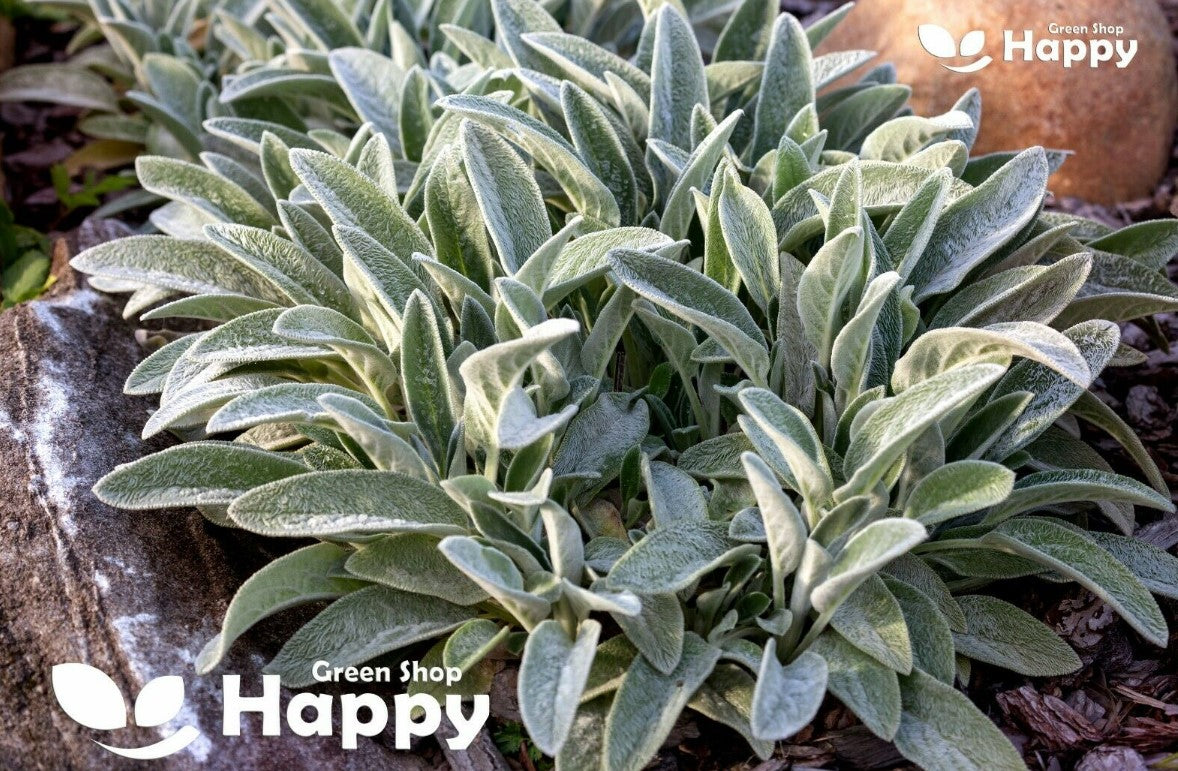
Stachys lanata ‘Lamb’s Ears’ Pink Seeds (Stachys byzantina ‘Lanata’)
A soft-textured perennial, Stachys lanata ‘Lamb’s Ears’ Pink produces fuzzy, silvery-green foliage with spikes of delicate pink flowers in summer. Hardy and low-maintenance, it’s perfect for borders, rock gardens, and container plantings, providing texture, color, and pollinator-friendly blooms.
What Makes It Special
-
Silky, fuzzy foliage with soft pink flower spikes
-
Hardy and low-maintenance with long-lasting visual appeal
-
Attracts bees and butterflies, enhancing pollinator gardens
Key Features
-
Botanical name: Stachys byzantina ‘Lanata’
-
Hardy perennial
-
Height: 20–30 cm (8–12 in), flower spikes up to 50 cm (20 in)
-
Bloom time: Summer
Ideal For
-
Borders, rock gardens, and container plantings
-
Textured garden displays and soft foliage accents
-
Pollinator-friendly garden spaces
Sowing
-
Sow indoors Feb–Apr or outdoors Mar–May
-
Cover lightly with soil and keep moist
-
Germination: 14–21 days at 15–20°C
-
Thin seedlings 20–25 cm apart
-
Flowers in the first or second season after sowing
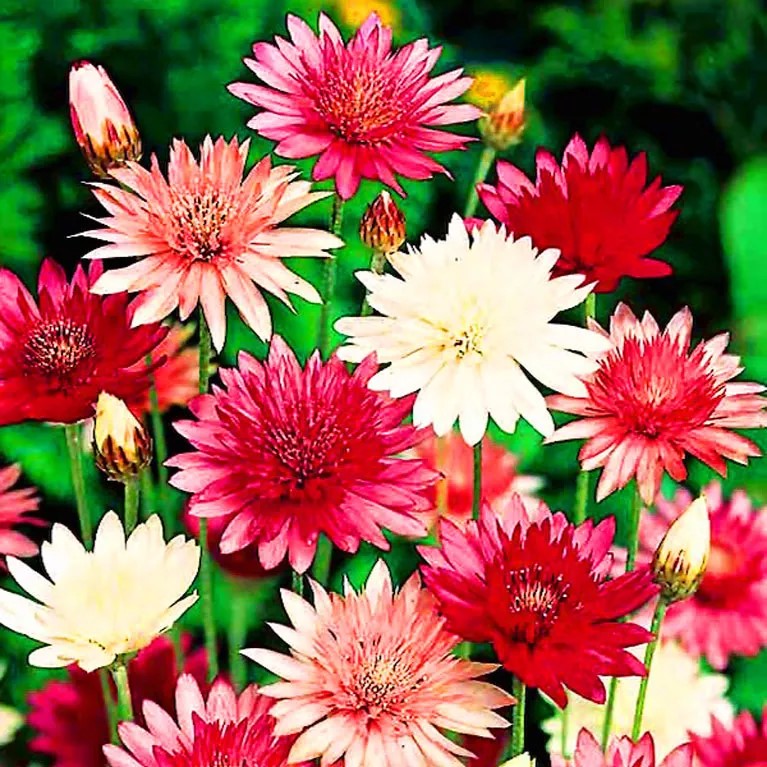
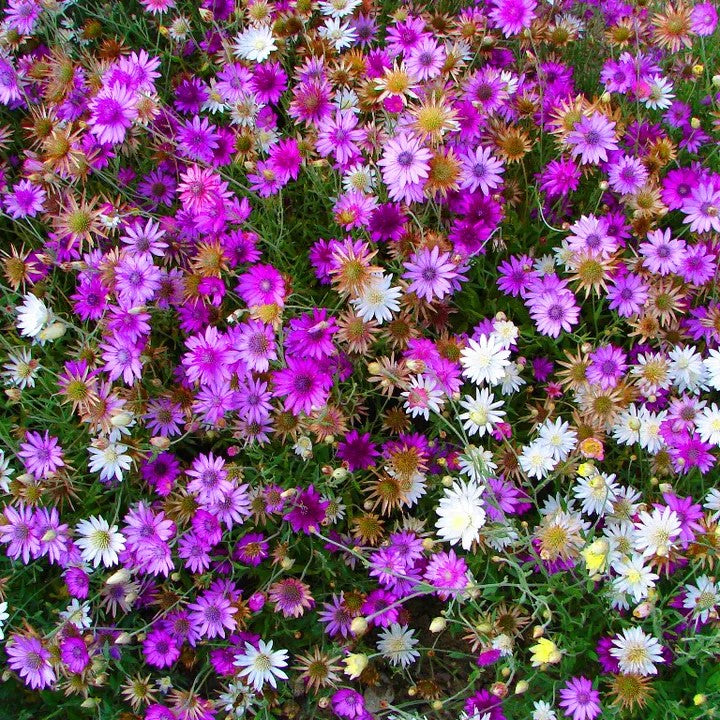
Paper Daisy Immortelle Mix Seeds (Xeranthemum annuum)
The Paper Daisy Immortelle Mix produces a colorful assortment of long-lasting, daisy-like blooms perfect for fresh or dried arrangements. Its compact, upright growth habit and vibrant flowers make it an excellent choice for borders, beds, and container displays. Loved for its ability to retain shape and color when dried, it’s ideal for everlasting bouquets and garden decoration.
What Makes It Special
-
Colorful, long-lasting blooms that dry naturally for arrangements
-
Compact, upright growth ideal for garden beds and containers
-
Easy to grow and low-maintenance
-
Attracts bees and butterflies while adding vibrant summer color
Key Features
-
Botanical name: Xeranthemum annuum
-
Variety: Immortelle Mix
-
Seed count: Approx. seeds per pack
-
Height/Spread: 40–60 cm tall, 25–35 cm spread
-
Position: Full sun; well-drained soil
-
Flowering period: June–October
Ideal For
-
Fresh-cut and dried flower arrangements
-
Garden borders, beds, and cottage gardens
-
Pollinator-friendly plantings
-
Container displays and floral crafts
Sowing Instructions
-
When to sow: March–May indoors; April–June outdoors
-
How to sow:
-
Sow seeds on the surface of moist seed compost and press lightly; do not cover too deeply
-
Germination in 10–14 days at 18–22°C
-
-
Transplanting: Prick out seedlings when large enough; plant outdoors after frost
-
Care: Water regularly and deadhead to prolong flowering and encourage continuous blooms

African Daisy Mix – Vivid, Sun-Loving Blooms All Summer
African Daisy (Dimorphotheca sinuata) is a dazzling annual producing masses of daisy-like flowers in bright shades of orange, yellow, white, and salmon. These cheerful blooms thrive in sunny spots, opening fully in daylight and closing at dusk, bringing vibrant color to borders, rock gardens, and containers. Easy to grow and drought-tolerant, they deliver a long-lasting, low-maintenance floral display from late spring to autumn.
What Makes It Special
-
Striking mix of vivid colors for instant garden cheer
-
Sun-loving blooms that open in daylight
-
Long-lasting display with minimal care
-
Excellent for hot, dry gardens
-
Attracts pollinators
Key Features
-
Height: 25–40 cm – compact and bushy
-
Hardy annual – quick to flower from seed
-
Blooms from late spring to early autumn
-
Drought-tolerant once established
-
Perfect for sunny, well-drained sites
Ideal For
-
Borders, edging, and rock gardens
-
Wildflower-style meadows
-
Containers and window boxes
-
Low-water landscaping
Sowing
-
Sow direct in spring after frost risk has passed
-
Rake lightly into soil, do not cover deeply
-
Germination: 7–14 days at 15–20°C
-
Thin seedlings to 20–25 cm apart
-
Prefers full sun and light, well-drained soil
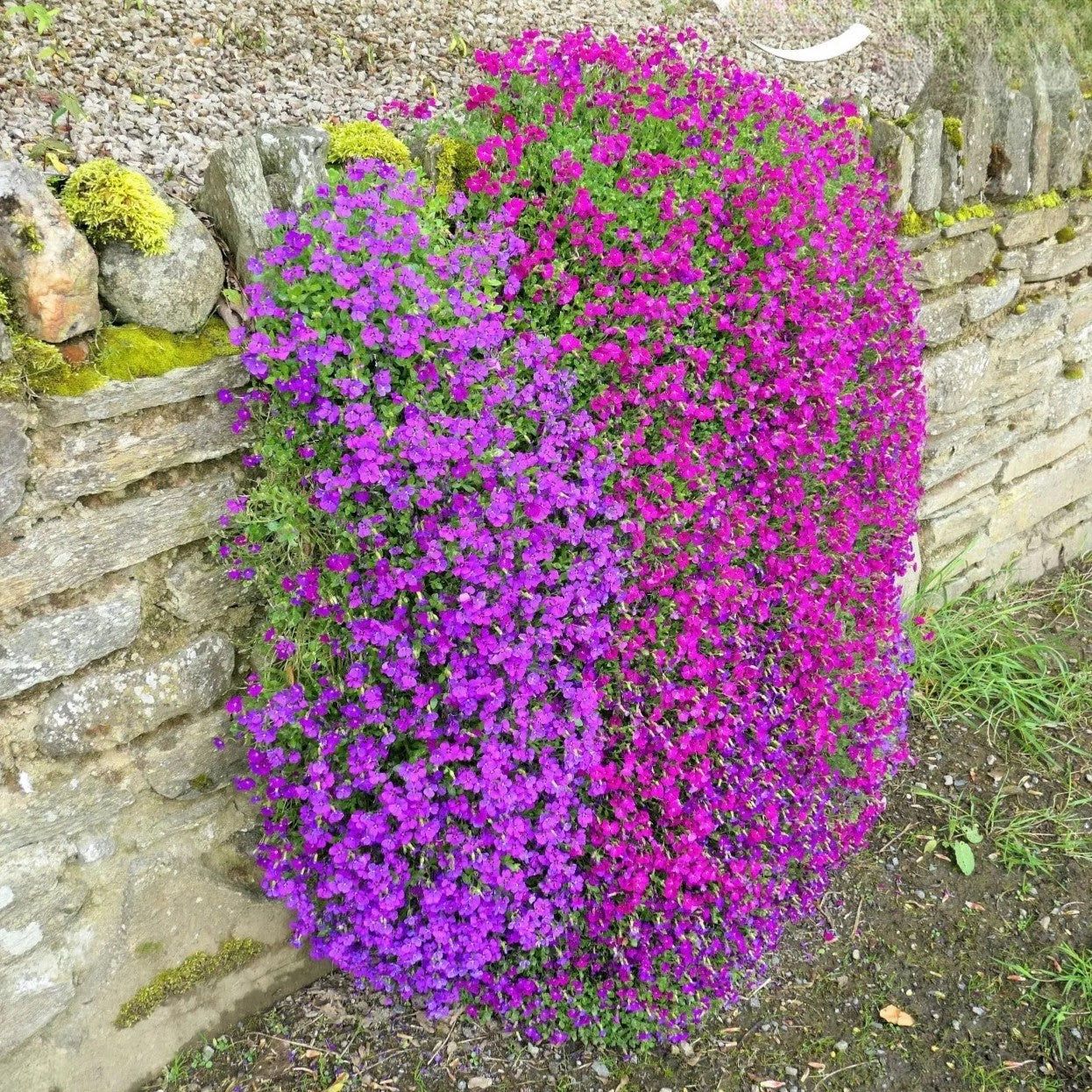

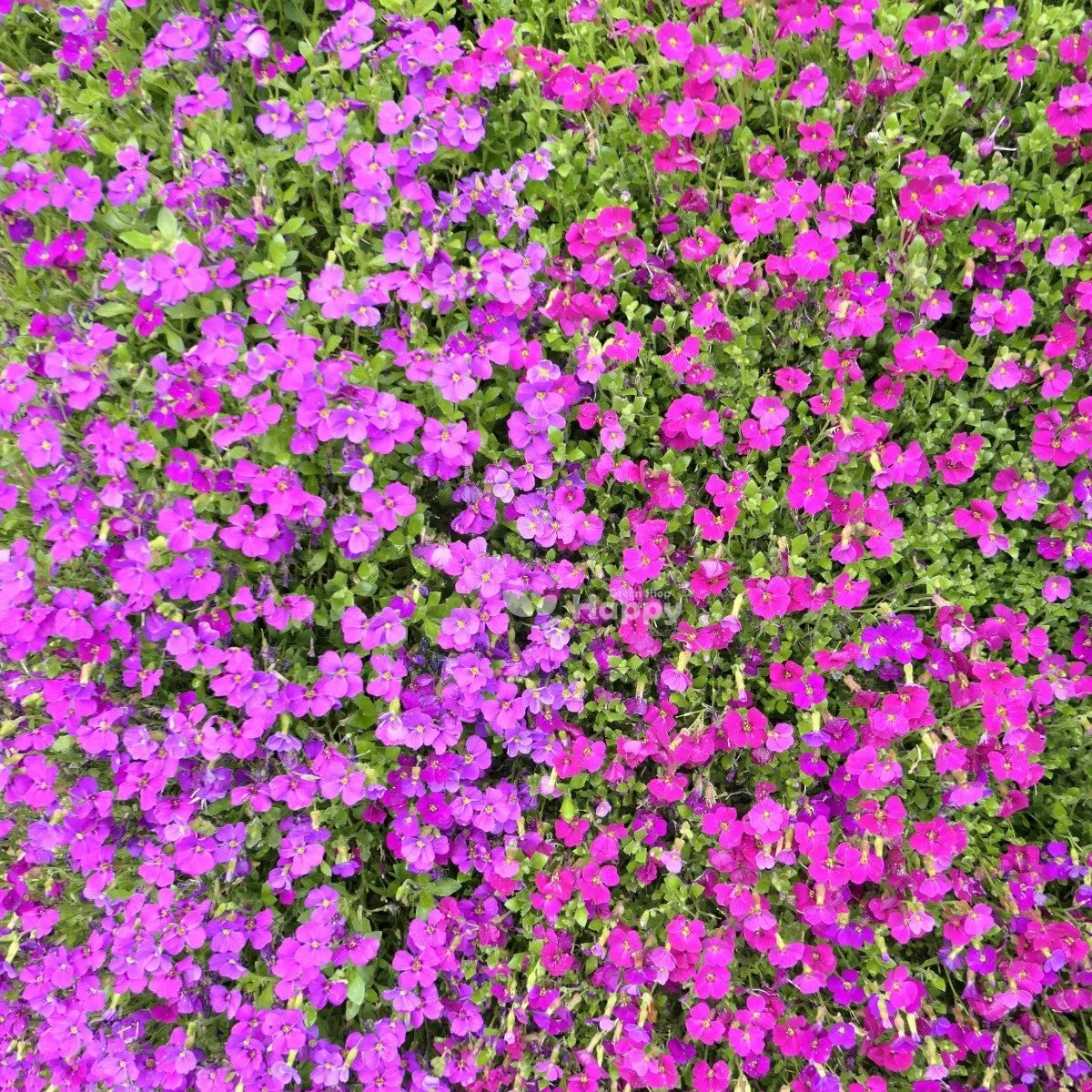
Rock Cress 'Cascade Purple' Seeds (Aubrieta cultorum hybrida)
Aubrieta ‘Cascade Purple’ is a low-growing, mat-forming perennial, famous for its vivid purple blooms that blanket rockeries, walls, and borders in spring. This hardy groundcover creates a stunning cascade of flowers, softening stone edges and filling gaps between paving with ease. Once established, it’s drought-tolerant, easy to care for, and ideal for adding long-lasting color to cottage gardens and alpine plantings.
Why Grow 'Cascade Purple'
-
Masses of bright purple flowers in spring
-
Perfect for rockeries, walls, edging, and containers
-
Hardy perennial that returns year after year
Key Features
-
Type: Perennial
-
Height: 10–15 cm
-
Spread: 30–60 cm
-
Flowering: March–May
-
Position: Full sun
-
Soil: Well-drained, light, sandy soil
-
Uses: Rock gardens, edging, walls, groundcover
Sowing & Growing
-
Sow indoors: February–April in trays with light cover
-
Germination: 14–21 days at 18–22°C
-
Transplant seedlings outdoors after frost, spacing 20–30 cm apart
-
Prefers full sun and well-drained soil
-
Trim lightly after flowering to maintain compact growth
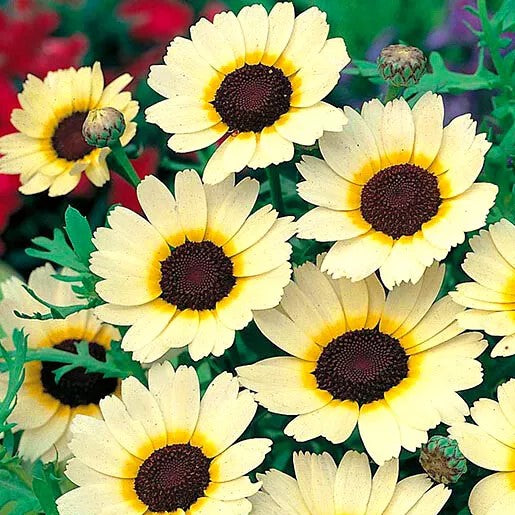
Corn Marigold ‘Eastern Star’ Seeds (Chrysanthemum segetum)
Corn Marigold ‘Eastern Star’ is an annual wildflower that lights up gardens with vibrant golden-yellow blooms. Blooming from late spring through summer, it adds a cheerful splash of color to borders, wildflower meadows, and cottage gardens. Easy to grow and drought-tolerant, it attracts pollinators and brings a natural, meadow-like charm.
What Makes It Special
-
Bright golden-yellow blooms all summer
-
Hardy, easy-to-grow annual
-
Attracts bees and butterflies
Key Features
-
Botanical name: Chrysanthemum segetum
-
Annual
-
Height: 40–60 cm
-
Bloom time: Late spring to summer
Ideal For
-
Wildflower meadows and naturalized areas
-
Borders and cottage gardens
-
Pollinator-friendly plantings
Sowing
-
Sow outdoors Mar–Jun
-
Cover seeds lightly with soil
-
Germination: 7–14 days at 15–20°C
-
Thin seedlings 20–30 cm apart
-
Flowers the same year
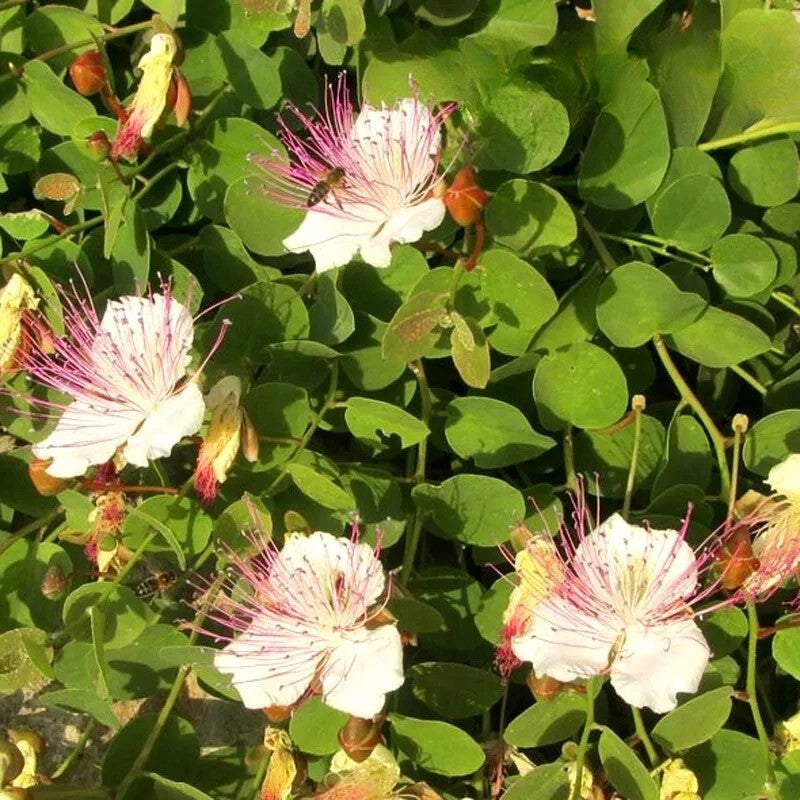
Caper Bush – Seeds (Capparis spinosa)
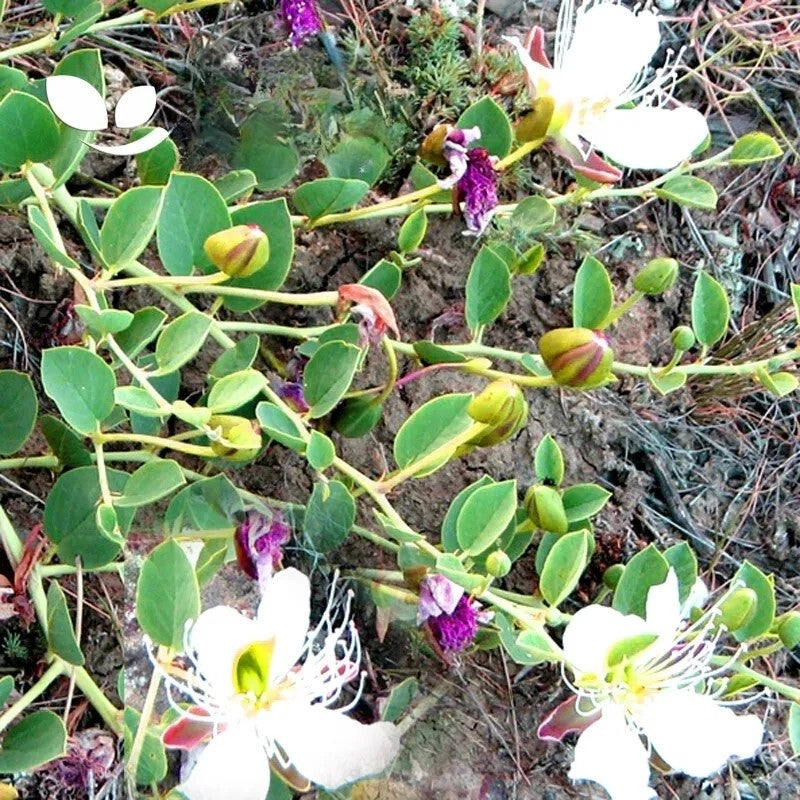
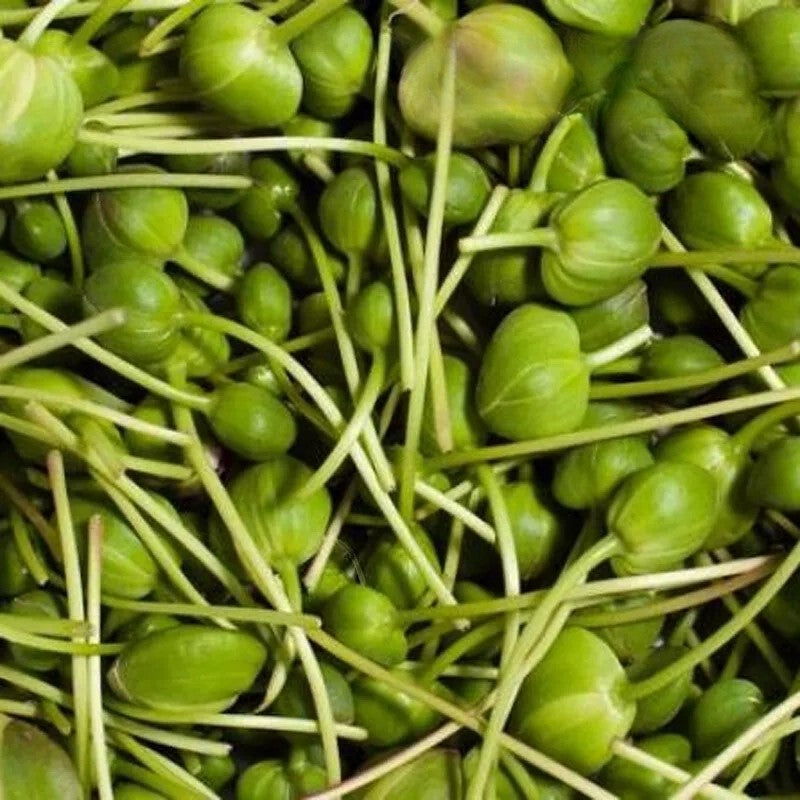
The Caper Bush is a resilient Mediterranean perennial valued for its flavorful buds and aromatic leaves. Its small, edible buds are commonly pickled and used to enhance salads, sauces, fish dishes, and Mediterranean recipes. This drought-tolerant plant adds both culinary and ornamental value to gardens.
Slow-growing but hardy, the Caper Bush thrives in sunny, well-drained locations and can tolerate poor soils. Over time, it develops attractive sprawling branches and delicate white to pink flowers, followed by round seed pods.
How to Grow
-
Sow indoors: February – April
-
Sow outdoors: Spring in warm climates
-
Position: Full sun
-
Soil: Well-drained, sandy or rocky soil; avoid waterlogged conditions
-
Care: Water sparingly; prune to maintain shape and encourage flowering
Key Features
-
Hardy Mediterranean perennial with edible buds and aromatic leaves
-
Small, flavorful buds ideal for pickling and cooking
-
Drought-tolerant and low-maintenance
-
Produces delicate white-pink flowers and round seed pods
-
Suitable for sunny gardens, rockeries, or container cultivation
Harvest
-
Harvesting period: 2–3 years after sowing for mature buds
-
Pick buds before flowering for pickling and culinary use.
Short Tip
Provide full sun and well-drained soil to encourage healthy growth and abundant buds.

Burning Bush – Seeds (Kochia scoparia)
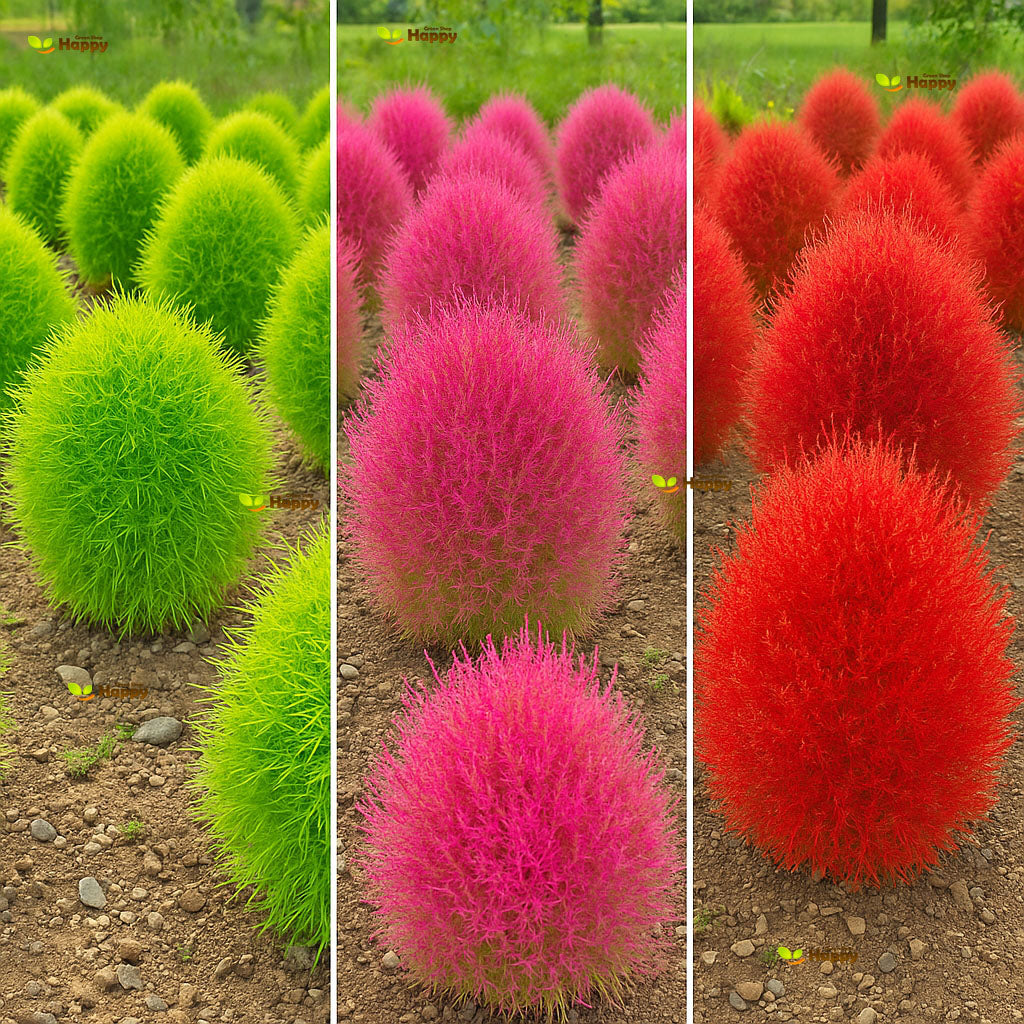
Burning Bush (Kochia scoparia) is a fast-growing annual known for its striking foliage that transitions from bright green in summer to fiery red in autumn. Its bushy, compact growth habit makes it perfect for borders, mixed beds, and accent planting. Easy to grow and drought-tolerant, it provides long-lasting color and texture while attracting pollinators.
Why Grow "Burning Bush"
-
Bright green foliage turning fiery red in autumn
-
Bushy, compact habit ideal for borders and accent planting
-
Fast-growing and drought-tolerant
-
Adds long-lasting color and texture to gardens
Key Features
-
Type: Annual (Kochia scoparia)
-
Height: 50–100 cm
-
Flowering/Foliage color: Summer green, autumn red
-
Position: Full sun
-
Uses: Borders, mixed beds, accent planting, pollinator-friendly gardens
Ideal For
-
Borders and mixed garden beds
-
Autumn color displays
-
Drought-tolerant and low-maintenance gardens
-
Pollinator-friendly landscapes
Sowing & Growing
-
Sow outdoors: March–May in prepared soil
-
Germination: 10–15 days at 18–22°C
-
Thin seedlings to 25–30 cm apart
-
Prefers full sun and well-drained soil
-
Water moderately until established

Coreopsis 'Sterntaler' Seeds (Coreopsis lanceolata)
Bright and cheerful, Coreopsis ‘Sterntaler’ produces masses of golden-yellow blooms with a contrasting dark-red center. Long-flowering and easy to grow, it brings vibrant color to borders, containers, and wildflower meadows. Hardy and low-maintenance, it’s also loved by bees and butterflies.
What Makes It Special
-
Sunny yellow blooms with rich red centers
-
Long flowering season and low-maintenance
-
Attracts bees, butterflies, and pollinators
Key Features
-
Botanical name: Coreopsis lanceolata
-
Hardy perennial
-
Height: 30–60 cm (12–24 in)
-
Bloom time: Early summer to autumn
Ideal For
-
Cottage gardens and perennial borders
-
Wildflower meadows and pollinator gardens
-
Containers and cut flowers
Sowing
-
Sow indoors Feb–Apr or outdoors Apr–Jun
-
Cover lightly with soil and keep moist
-
Germination: 14–21 days at 18–22°C
-
Thin seedlings 25–30 cm apart
-
Flowers from the second year after sowing
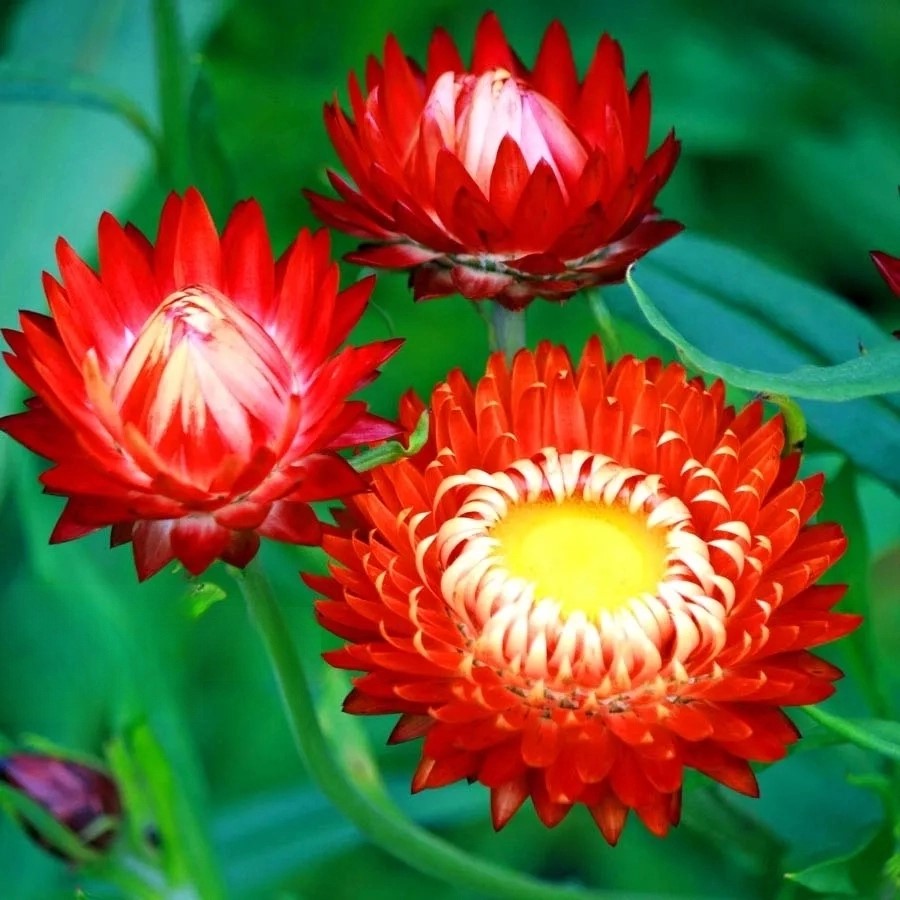
Strawflower Scarlet – 900 Seeds (Helichrysum bracteatum)
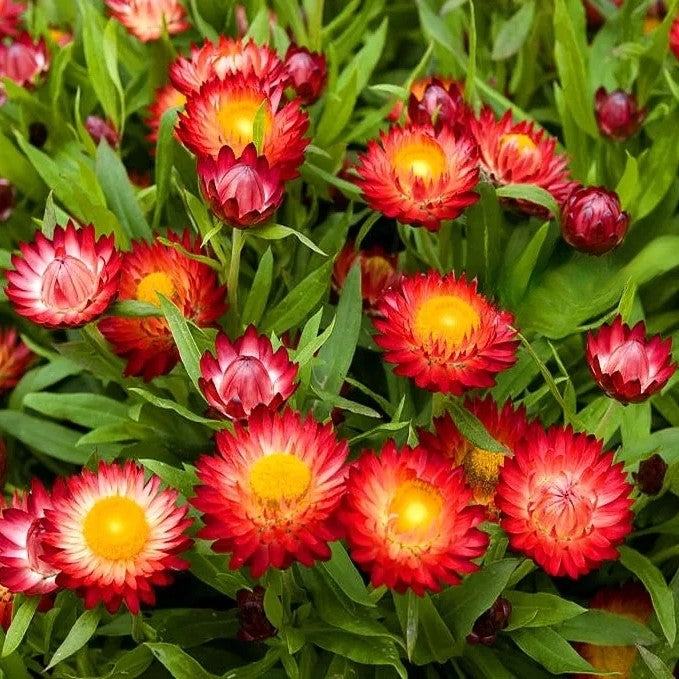
Bring bold, lasting beauty to your garden with Strawflower Scarlet. Known as the everlasting flower, its vivid papery petals keep their deep scarlet hue long after cutting, making it a favorite for fresh displays and dried bouquets.
What Makes It Special
-
Intense scarlet-red blooms that never fade
-
Perfect for dried flowers and crafts
-
Blooms continuously from summer to frost
-
Heat and drought tolerant
Key Features
-
Half-hardy annual
-
Height: 60–90 cm
-
Retains vibrant color when dried
-
Thrives in full sun and well-drained soil
-
Easy to grow with minimal care
Ideal For
-
Dried arrangements and wreaths
-
Long-lasting cut flowers
-
Adding rich color to borders and beds
-
Pollinator-friendly gardens
Sowing
-
Sow indoors 6–8 weeks before last frost or directly outdoors after frost danger passes
-
Lightly cover seeds – they need some light to germinate
-
Germination: 7–14 days at 18–21°C
-
Space plants 25–30 cm apart
-
Pinch back young plants for bushier growth
Showing 99/167


