
Sort by:
167 products
167 products
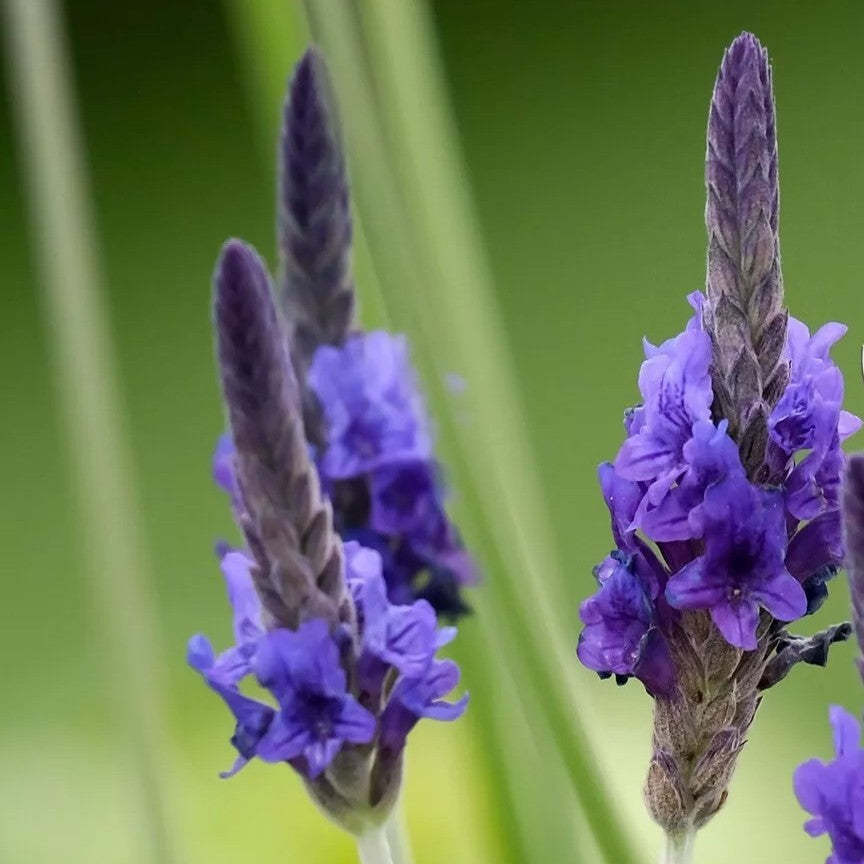
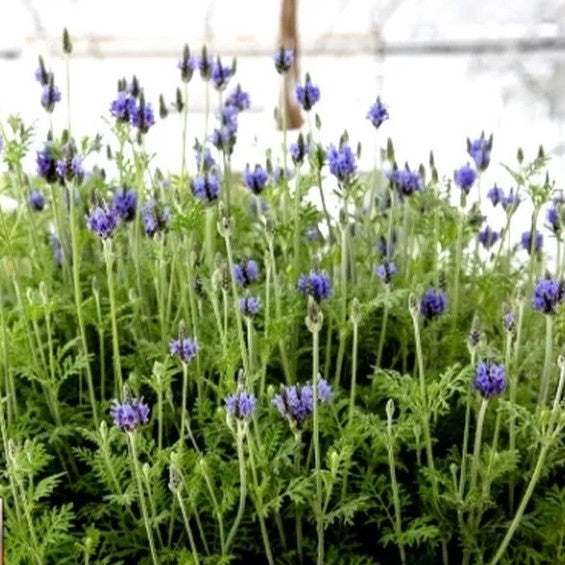
Egyptian Lavender Seeds – Lavandula multifida
Transform your garden with the exotic charm of Egyptian Lavender (Lavandula multifida). Celebrated for its feathery silver-green foliage and striking purple flower spikes, this hardy perennial brings fragrance, beauty, and pollinator activity to any outdoor space. Naturally drought-tolerant and low-maintenance, it thrives in hot, sunny climates with minimal care.
How to Grow
-
Sow seeds indoors in early spring or directly outdoors once the risk of frost has passed.
-
Choose well-drained sandy or gritty soil in a location with full sun.
-
Lightly press seeds into the soil surface, covering very thinly.
-
Keep the soil slightly moist until germination, which usually takes 10–20 days.
-
Once established, water sparingly—lavender prefers dry conditions.
-
Prune lightly after flowering to maintain shape and encourage fresh growth.
Key Features
-
Distinctive feathery foliage and vibrant purple flower spikes
-
Aromatic leaves and blooms, ideal for drying and potpourri
-
Naturally drought-resistant and thrives in poor soils
-
Attracts bees, butterflies, and other pollinators
-
Hardy perennial suited to hot and dry environments
Ideal For
-
Mediterranean and xeriscape gardens
-
Rockeries, borders, and sunny slopes
-
Container planting for patios and balconies
-
Pollinator-friendly garden designs
Sowing
-
Best time: Early spring indoors or outdoors after frost
-
Germination time: 10–20 days
-
Lightly cover seeds with fine soil or vermiculite
-
Maintain warmth and sunlight during germination
Quick Tip
-
Avoid overwatering—Egyptian Lavender flourishes in dry conditions and poor soils where other plants struggle.
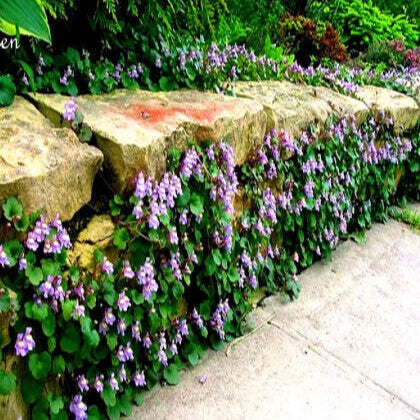
Kenilworth Ivy – Seeds (Cymbalaria muralis)
Kenilworth Ivy (Cymbalaria muralis) is a charming trailing perennial, perfect for walls, rockeries, and crevices. Its delicate ivy-like foliage is adorned with small violet-lavender flowers that bloom freely throughout the summer. Hardy, low-maintenance, and self-seeding, it creates a natural, cascading effect in the garden.
Why Grow "Kenilworth Ivy"
-
Cascading perennial with trailing habit
-
Violet-lavender flowers all summer
-
Perfect for walls, cracks, and rockeries
-
Hardy, self-seeding and easy to grow
Key Features
-
Type: Perennial (Cymbalaria muralis)
-
Height: 5–10 cm, trailing habit
-
Flowering: May–September
-
Position: Sun or partial shade
-
Uses: Rockeries, walls, ground cover, containers
Ideal For
-
Stone walls and paving crevices
-
Rock gardens and shady spots
-
Naturalistic ground cover
-
Containers and hanging baskets
Sowing & Growing
-
Sow indoors: February–April in trays
-
Sow outdoors: April–June in final position
-
Germination: 14–28 days at 15–20°C
-
Thin to 10–15 cm apart
-
Prefers moist but well-drained soil
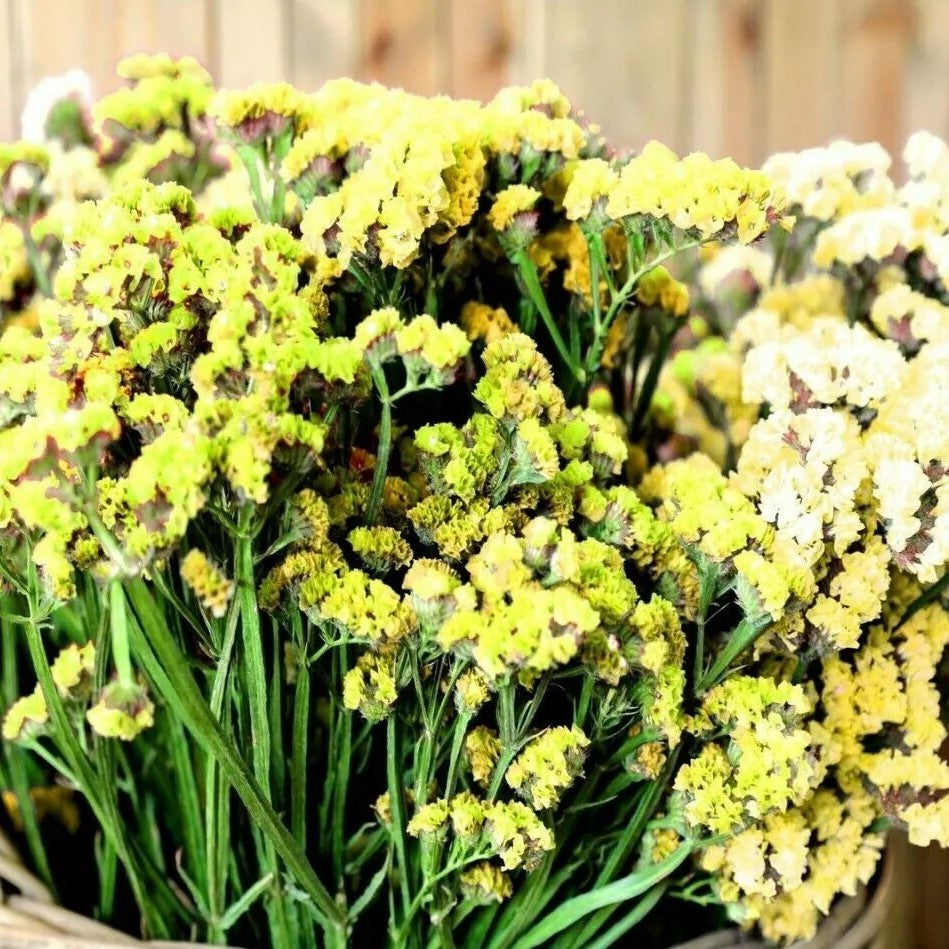
Statice Yellow Seeds (Limonium sinuatum)
Statice Yellow is a radiant everlasting flower, prized for its papery golden-yellow blooms that hold their vibrant color even after drying. A staple in cutting gardens and floristry, this hardy annual is excellent for fresh bouquets as well as long-lasting dried arrangements. With its sun-loving nature and tolerance to drought, Statice Yellow is both beautiful and practical.
What Makes It Special
-
Bright golden-yellow flowers with papery texture
-
One of the best everlasting blooms for drying
-
Long flowering season from summer into autumn
-
Tough, low-maintenance, and drought-resistant
Key Features
-
Botanical name: Limonium sinuatum
-
Variety: Yellow
-
Seed count: Approx. seeds per pack
-
Height/Spread: 60–75 cm tall, 25–30 cm spread
-
Position: Full sun; prefers sandy, well-drained soils
-
Flowering period: July–September
Ideal For
-
Fresh and dried cut flower arrangements
-
Cottage gardens and border displays
-
Florist-quality bouquets
-
Low-maintenance, drought-tolerant gardens
Sowing Instructions
-
When to sow: February–April indoors; outdoors after frost risk has passed
-
How to sow:
-
Sow on surface of moist compost, lightly cover with vermiculite
-
Maintain 18–20°C; germination in 10–20 days
-
-
Transplanting: Prick out seedlings, grow on, and harden off before planting 25–30 cm apart
-
Care: Prefers sunny, well-drained soil; avoid heavy watering
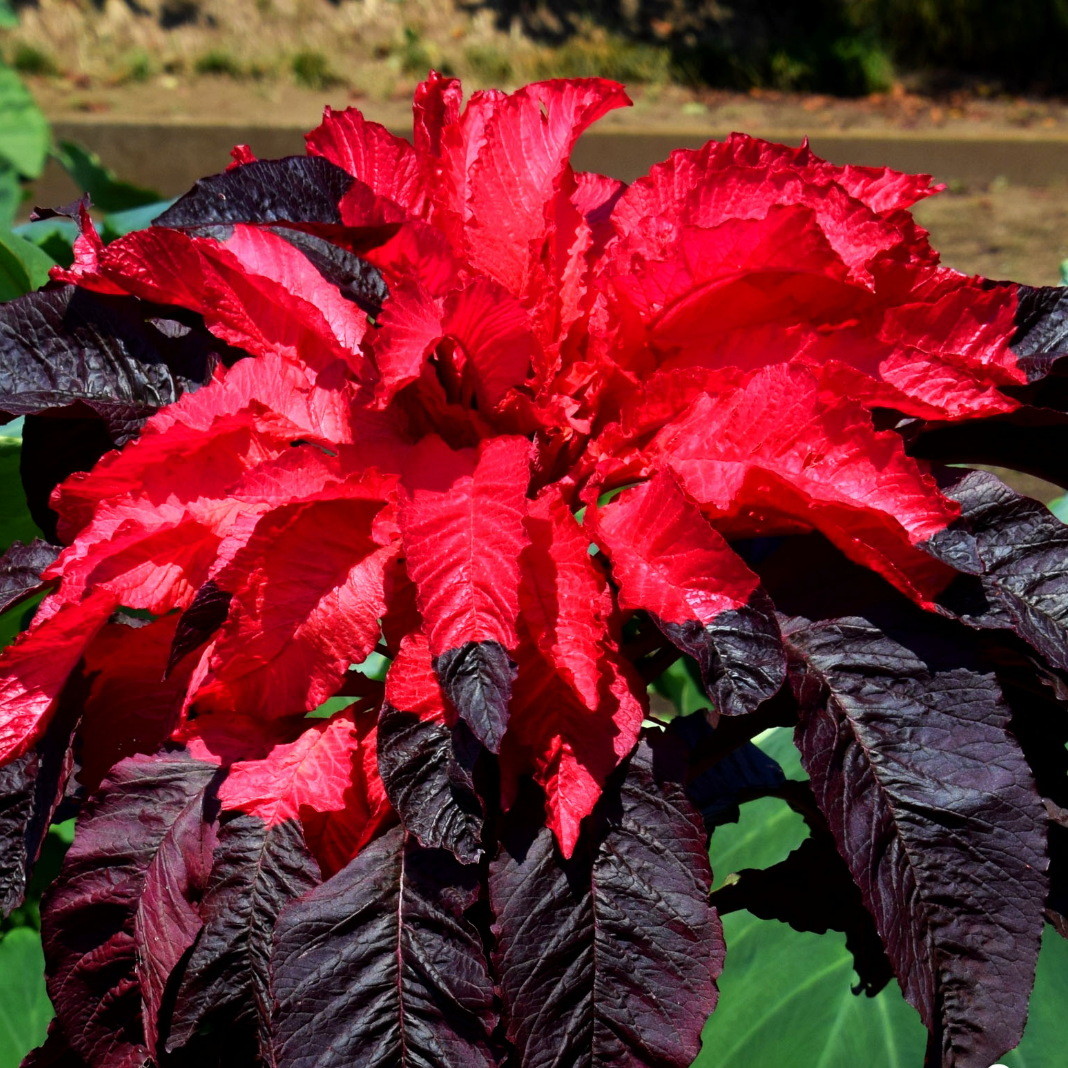
Amaranthus 'Joseph's Coat' Seeds (Amaranthus tricolor)
Amaranthus 'Joseph's Coat' is a striking annual grown for its vibrant, multicolored foliage in shades of red, gold, green, and bronze. Its upright, robust habit makes it perfect for adding dramatic color and texture to garden beds, borders, and containers. Easy to grow and low-maintenance, it’s an eye-catching addition to any landscape.
What Makes It Special
-
Vibrant, multicolored foliage in red, gold, green, and bronze
-
Upright, sturdy growth for dramatic garden impact
-
Low-maintenance and easy to grow
-
Adds contrast and texture to mixed plantings
Key Features
-
Botanical name: Amaranthus tricolor
-
Variety: 'Joseph's Coat'
-
Seed count: Approx. seeds per pack
-
Height/Spread: 60–120 cm tall, 30–50 cm spread
-
Position: Full sun; fertile, well-drained soil
-
Flowering period: Mainly grown for foliage; tiny green flowers in late summer
Ideal For
-
Borders, beds, and mixed plantings
-
Containers and patio displays
-
Foliage contrast in cottage gardens
-
Summer gardens needing bold color
Sowing Instructions
-
When to sow: March–May indoors; April–June outdoors
-
How to sow:
-
Sow seeds 0.5–1 cm deep in seed trays or pots
-
Germination takes 10–14 days at 20–25°C
-
-
Transplanting: Harden off seedlings and plant outdoors 30–50 cm apart after frost
-
Care: Water regularly; remove any dead leaves to maintain foliage appearance
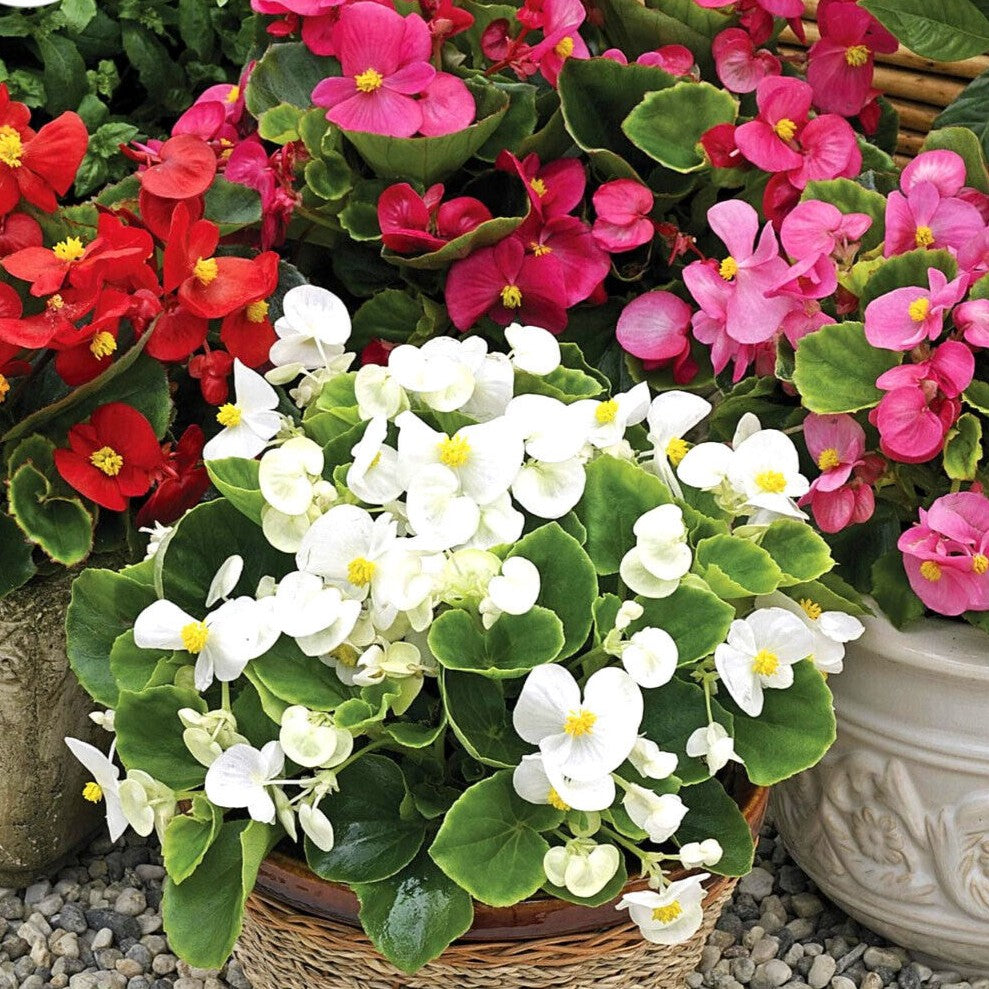
Wax Begonia Dwarf Mix – Seeds (Begonia semperflorens)
Wax Begonia Dwarf Mix is a compact, easy-to-grow annual that delivers masses of blooms in shades of red, pink, and white. With glossy green foliage and long-lasting flowers, it thrives in beds, borders, or containers. Heat- and drought-tolerant, it’s the perfect choice for effortless summer color.
Why Grow "Wax Begonia Dwarf Mix"
-
Continuous blooms in vibrant shades
-
Compact, low-maintenance growth
-
Tolerant of heat and dry conditions
-
Perfect for edging and containers
Key Features
-
Type: Half-hardy annual (Begonia semperflorens)
-
Height: 15–25 cm
-
Flowering: June–October
-
Position: Full sun or partial shade
-
Uses: Bedding, edging, patio pots, containers
Ideal For
-
Borders and edging
-
Patio containers and window boxes
-
Low-maintenance summer planting
-
Adding vibrant color to small spaces
Sowing & Growing
-
Sow indoors: January–March (surface sow, do not cover)
-
Germination: 14–21 days at 20–24°C
-
Transplant seedlings to 20 cm spacing
-
Harden off and plant outdoors after frost
-
Pinch tips to encourage bushy growth

Dianthus ‘Cheddar Pink’ Seeds (Dianthus gratianopolitanus)
A charming perennial, Dianthus ‘Cheddar Pink’ produces fragrant, bright pink flowers with frilled edges. Compact and hardy, this low-growing plant is perfect for borders, rock gardens, and containers, adding color and scent from late spring through summer.
What Makes It Special
-
Fragrant, bright pink flowers with delicate frilled edges
-
Compact, low-growing habit ideal for borders and rock gardens
-
Long flowering season with eye-catching blooms
Key Features
-
Botanical name: Dianthus gratianopolitanus
-
Hardy perennial
-
Height: 15–20 cm (6–8 in)
-
Bloom time: Late spring to summer
Ideal For
-
Rock gardens and borders
-
Containers and pots
-
Fragrant, low-maintenance garden displays
Sowing
-
Sow indoors Feb–Apr or outdoors Mar–May
-
Cover lightly with soil and keep moist
-
Germination: 14–21 days at 18–20°C
-
Thin seedlings to 15–20 cm apart
-
Flowers in the first or second season after sowing
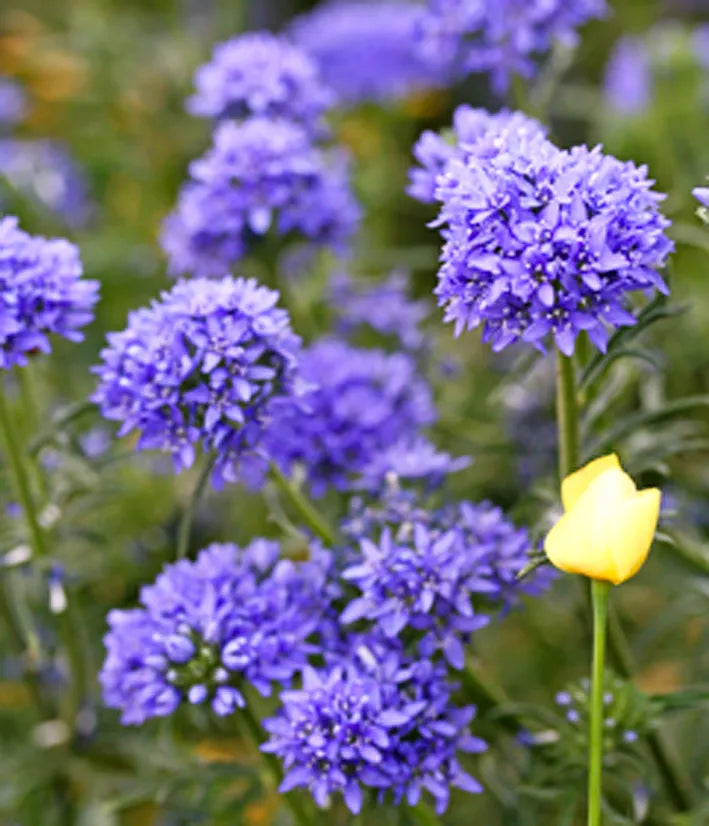
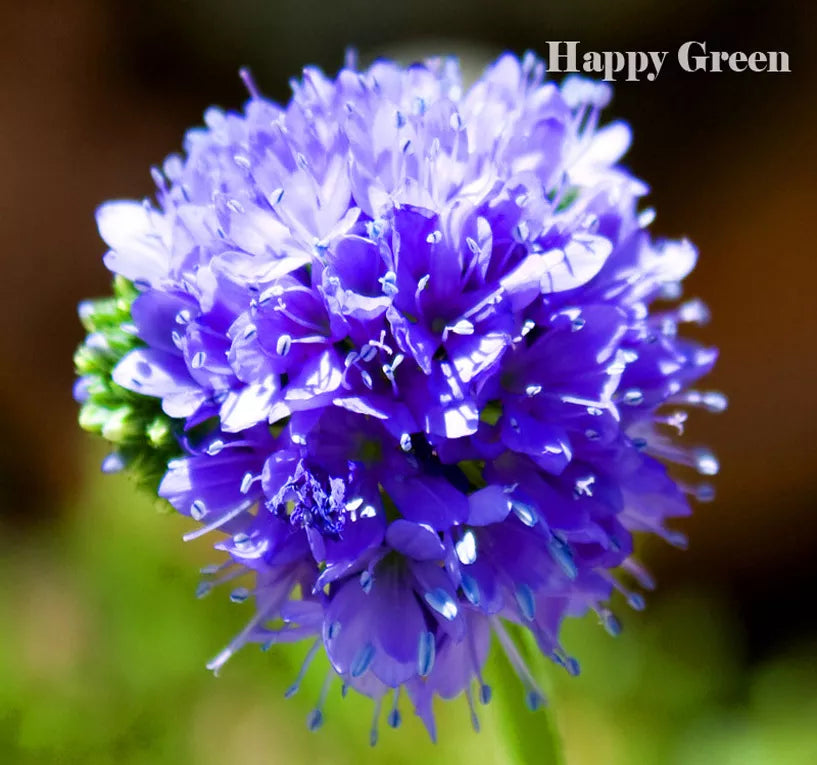
Queen Anne’s Thimbles – Delicate Blue Blooms
Queen Anne’s Thimbles produces charming, compact clusters of pale blue flowers with a sweet, airy appearance. Perfect for borders, wildflower gardens, and pollinator-friendly spaces, these hardy annuals bring a touch of elegance to any garden.
What Makes It Special
-
Delicate, pale blue clustered flowers
-
Compact and airy growth habit
-
Long-flowering and easy to grow
-
Attracts bees and butterflies
Key Features
-
Annual plant
-
Grows 20–40 cm tall
-
Blooms from late spring to summer
-
Thrives in full sun and well-drained soil
-
Drought-tolerant and hardy
Ideal For
-
Garden borders and edges
-
Wildflower and meadow-style gardens
-
Pollinator-friendly gardens
-
Containers and cottage gardens
Sowing
-
Sow directly outdoors after last frost
-
Plant seeds 0.3–0.5 cm deep
-
Germination: 10–14 days at 18–22°C
-
Space 20–25 cm apart
-
Water moderately and provide full sun
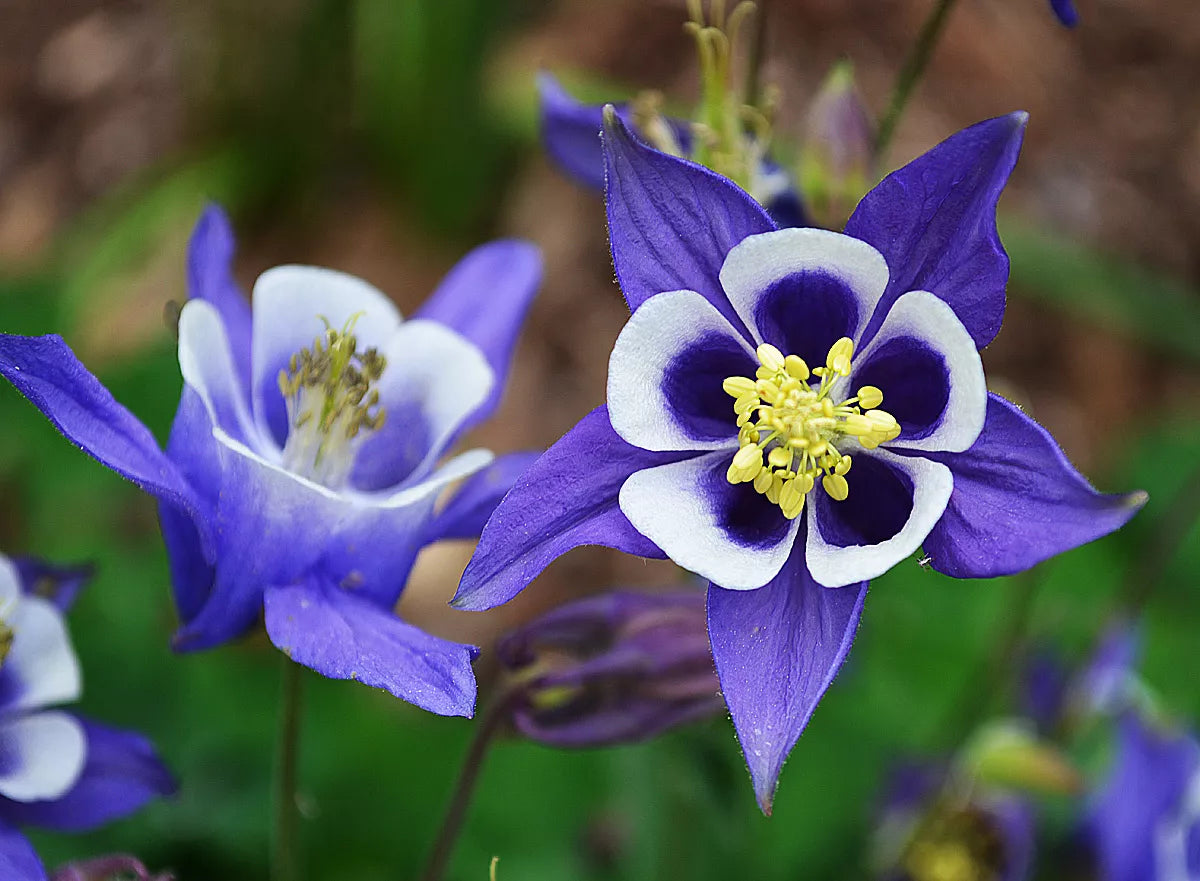
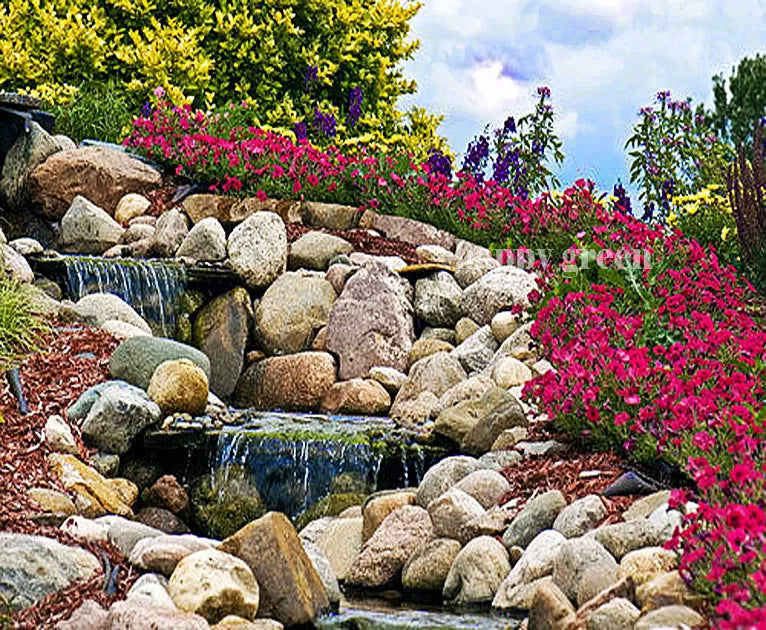
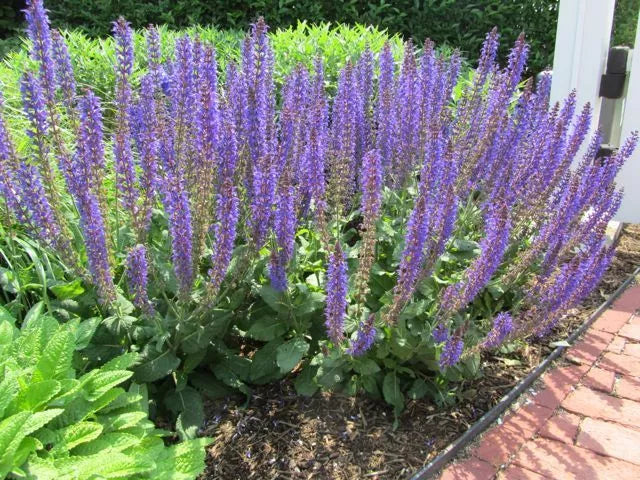
Rockery Garden Mixed Flower Seeds – 0.5 g
Bring charm and color to your rock garden with this delightful Rockery Garden Flower Mix. Specially selected compact, hardy flowers thrive in sunny, well-drained spots and fill rockeries, borders, and containers with continuous blooms all summer.
Why Grow "Rockery Garden Mix"
-
Low-growing, compact habit – perfect for rockeries
-
Vibrant color palette for a natural look
-
Drought-tolerant once established
-
Easy to grow and low-maintenance
Key Features
-
Type: Annual & perennial mix
-
Height: 15–30 cm
-
Flowering: June–September
-
Position: Full sun, well-drained soil
-
Uses: Rock gardens, borders, edging, containers
Ideal For
-
Rockeries & alpine gardens
-
Cottage-style plantings
-
Pollinator-friendly garden spots
-
Easy summer color with little effort
Sowing & Growing
-
Sow outdoors: April–May in prepared soil
-
Scatter thinly, cover lightly with soil
-
Germination: 14–21 days
-
Water lightly until established
-
Flowers from early summer onwards
Canary Grass Seeds (Phalaris canariensis)
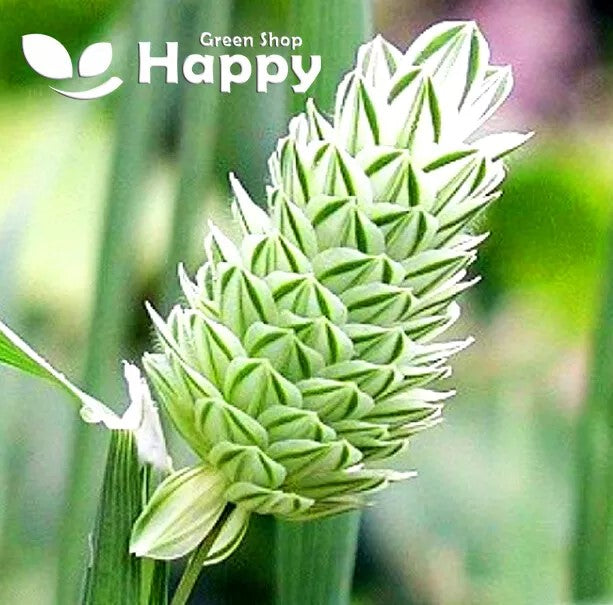
Canary Grass is a fast-growing annual grass valued both as an ornamental plant and as a seed source for cage birds such as canaries, finches, and budgerigars. With its upright stems and dense, oval-shaped seed heads, it adds texture to gardens and is especially popular for wildlife plots and dried floral arrangements.
What Makes It Special
-
Produces dense, oval-shaped seed heads attractive in borders and dried bouquets
-
Seeds are highly nutritious, making it an excellent choice for bird feed
-
Quick and easy to grow, even for beginners
-
Thrives in most soils with minimal care
Key Features
-
Botanical name: Phalaris canariensis
-
Common name: Canary Grass
-
Seed count: Approx. seeds per pack
-
Height/Spread: 60–120 cm tall, 20–40 cm spread
-
Position: Full sun, well-drained soil
-
Flowering/Seeding period: Summer to early autumn
-
Lifespan: Annual grass
Ideal For
-
Bird seed production (canaries, finches, budgerigars)
-
Ornamental borders
-
Fresh and dried floral arrangements
-
Wildlife-friendly gardens
-
Agricultural use as a grain crop
Sowing Instructions
-
When to sow: March–May outdoors after frost, or under cover earlier for transplanting
-
How to sow:
-
Sow directly into prepared soil in a sunny location
-
Cover lightly with soil (0.5–1 cm deep)
-
Water gently to keep soil moist until germination (7–14 days)
-
-
Spacing: Thin or transplant seedlings 20–30 cm apart
-
Care: Requires little maintenance; thrives in sun and tolerates a range of soils
Showing 117/167


