Sort by:
167 products
167 products

Celosia Dwarf Mix – Compact Plumes of Brilliant Color
Celosia Dwarf Mix bursts into bloom with feathery plumes in vivid shades of red, orange, yellow, and pink. With a neat, compact habit, these cheerful plants are perfect for pots, edging, and small garden spaces. Flowering nonstop until frost, they bring texture and bright color all summer long.
What Makes It Special
-
Compact, space-saving version of plumed celosia
-
Vivid mix of long-lasting summer colors
-
Perfect for pots, edging, and borders
-
Heat- and drought-tolerant for easy care
-
Great for fresh or dried floral displays
Key Features
-
Height: 20–30 cm – ideal for small spaces
-
Continuous blooms from summer to frost
-
Attracts bees and butterflies
-
Low-maintenance, sun-loving plants
-
Adds texture and height to small plantings
Ideal For
-
Patio pots and balcony planters
-
Edging along borders and pathways
-
Small garden beds
-
Dried flower arrangements and crafts
Sowing
-
Sow indoors 6–8 weeks before last frost or direct sow after frost danger has passed
-
Lightly press seeds into soil without covering deeply
-
Germination: 7–14 days at 21–24°C
-
Space plants 20–25 cm apart
-
Requires full sun for best blooms

Lady’s Mantle – Seeds (Alchemilla mollis)
Lady’s Mantle (Alchemilla mollis) is a hardy perennial known for its soft, scalloped green foliage and clusters of small, chartreuse flowers that bloom from late spring to summer. Its graceful leaves capture morning dew beautifully, adding texture and charm to borders, rock gardens, and cottage-style beds. Low-maintenance and long-lasting, this perennial is perfect for pollinator-friendly gardens and adds a fresh, airy feel to any planting scheme.
Why Grow "Lady’s Mantle"
-
Soft, scalloped green foliage with chartreuse flowers
-
Long flowering season from late spring to summer
-
Hardy, low-maintenance perennial
-
Pollinator-friendly and ideal for naturalistic gardens
Key Features
-
Type: Perennial (Alchemilla mollis)
-
Height: 30–45 cm
-
Flowering: Late spring to summer
-
Position: Full sun to partial shade
-
Uses: Borders, rockeries, cottage gardens, pollinator-friendly planting
Ideal For
-
Adding texture and softness to borders and beds
-
Cottage and naturalistic garden designs
-
Pollinator-friendly planting schemes
-
Underplanting around shrubs and perennials
Sowing & Growing
-
Sow indoors: February–April in trays or pots
-
Sow outdoors: March–May directly in soil
-
Germination: 10–20 days at 18–22°C
-
Thin seedlings 25–30 cm apart
-
Prefers well-drained soil in full sun to partial shade
-
Water moderately until established
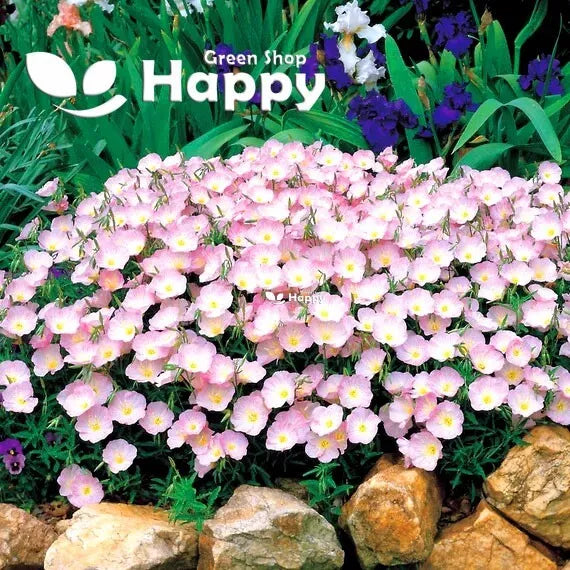
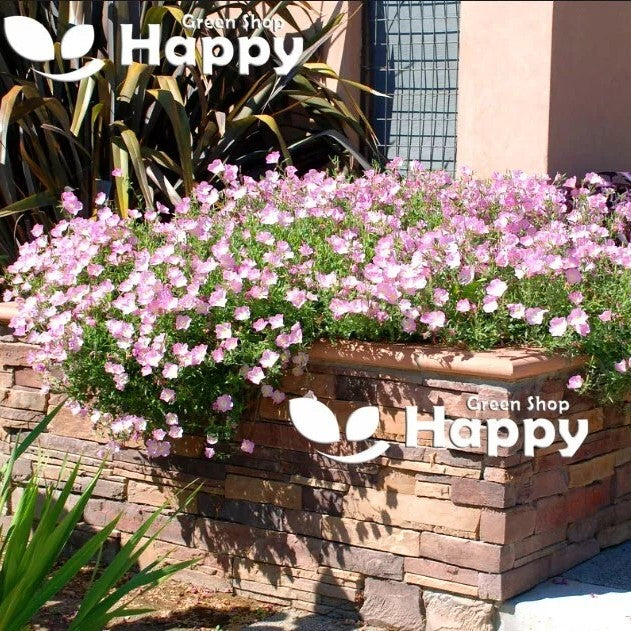
Primrose Flower "Showy Evening" - Silky Orchid Pink - 1000 seeds (Oenothera speciosa)
£1.24
Unit price perPrimrose Flower "Showy Evening" - Silky Orchid Pink - 1000 seeds (Oenothera speciosa)
£1.24
Unit price perPrimrose Flower ‘Showy Evening’ – Silky Orchid Pink – Seeds (Oenothera speciosa)
Primrose Flower ‘Showy Evening’ (Oenothera speciosa) is a charming perennial featuring silky orchid-pink flowers with a delicate, evening-blooming fragrance. Blooming from late spring to early summer, it forms a low-growing carpet of blooms perfect for borders, rockeries, and cottage gardens. Hardy, low-maintenance, and drought-tolerant, this primrose attracts pollinators and adds soft, romantic color to your garden.
Why Grow "Showy Evening"
-
Silky orchid-pink flowers with evening fragrance
-
Long flowering season from late spring to early summer
-
Hardy, low-maintenance, and drought-tolerant perennial
-
Pollinator-friendly and ideal for ground cover
Key Features
-
Type: Perennial (Oenothera speciosa)
-
Height: 20–30 cm
-
Flowering: Late spring to early summer
-
Position: Full sun to partial shade
-
Uses: Borders, rockeries, cottage gardens, ground cover, pollinator-friendly gardens
Ideal For
-
Ground cover and low-growing flower beds
-
Cottage and rock gardens
-
Pollinator-friendly planting schemes
-
Adding soft, romantic color to borders and edges
Sowing & Growing
-
Sow indoors: February–April in trays or pots
-
Sow outdoors: April–May after frost
-
Germination: 10–20 days at 18–22°C
-
Thin seedlings 25–30 cm apart
-
Prefers well-drained soil in full sun to partial shade
-
Water moderately until established
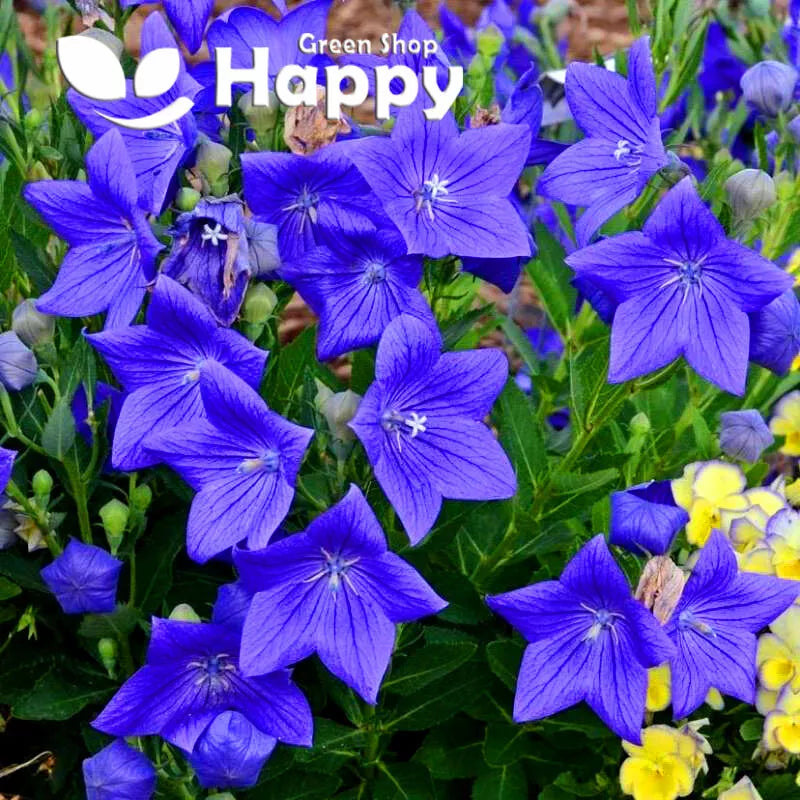
Balloon Flower Blue Seeds (Platycodon grandiflorus)
The Balloon Flower Blue is a hardy perennial named for its unique balloon-shaped buds that open into striking star-like, violet-blue flowers. Blooming from mid to late summer, it provides bold color and a touch of elegance to borders, rock gardens, and cottage-style plantings. Easy to grow and long-lived, it thrives in sunny or lightly shaded spots and is a favorite with pollinators.
What Makes It Special
-
Unique balloon-shaped buds that burst into vivid starry blooms
-
Hardy and long-lived perennial with minimal care needs
-
A pollinator-friendly flower with long-lasting summer color
Key Features
-
Botanical name: Platycodon grandiflorus
-
Hardy perennial
-
Height: 50–70 cm (20–28 in)
-
Bloom time: Mid to late summer
Ideal For
-
Cottage and perennial borders
-
Rock gardens and mixed beds
-
Pollinator-friendly gardens
Sowing
-
Sow indoors Feb–Apr or outdoors May–Jun
-
Lightly press seeds into soil; do not cover heavily (needs light)
-
Germination: 14–21 days at 18–22°C
-
Transplant seedlings 30 cm apart
-
Flowers from the second year after sowing
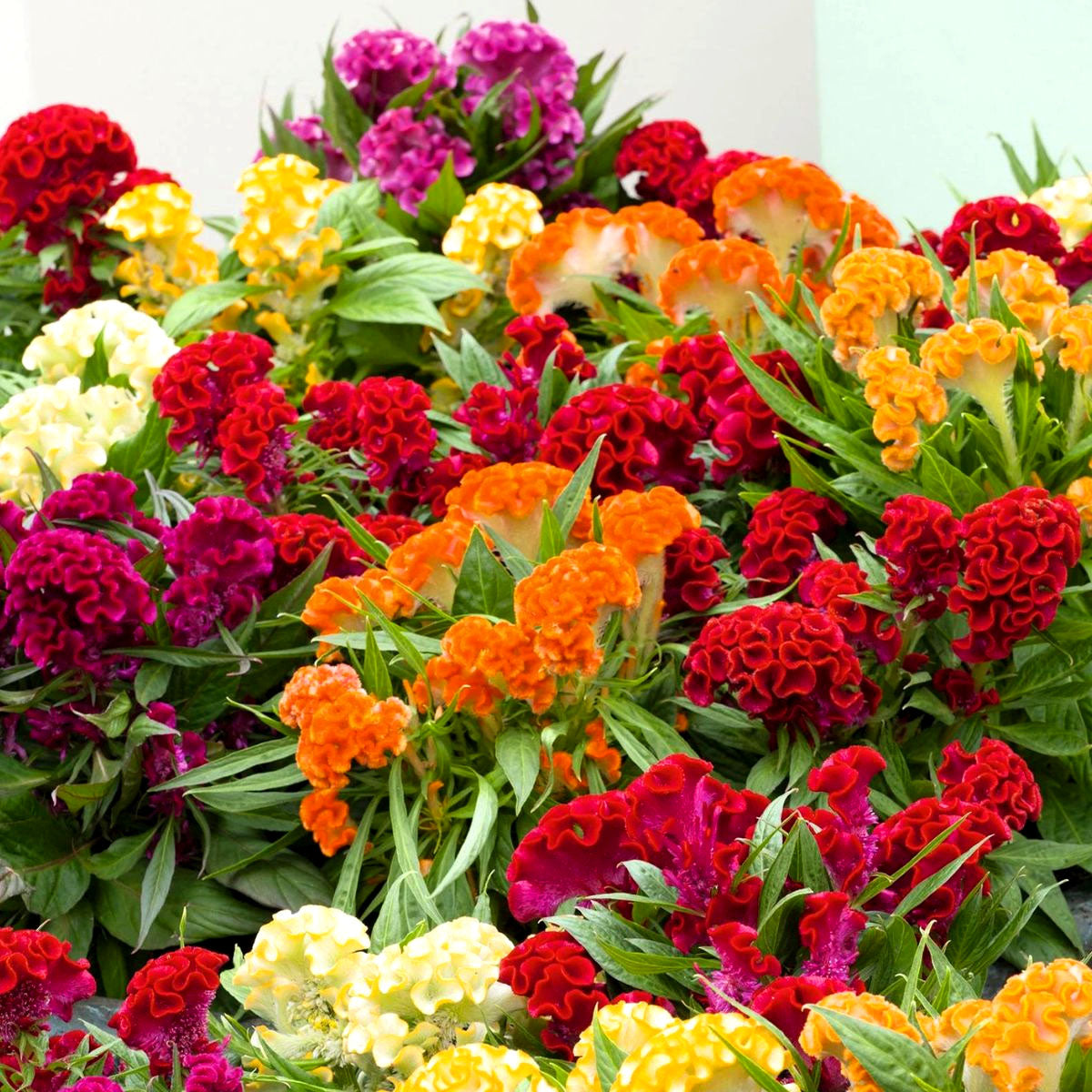
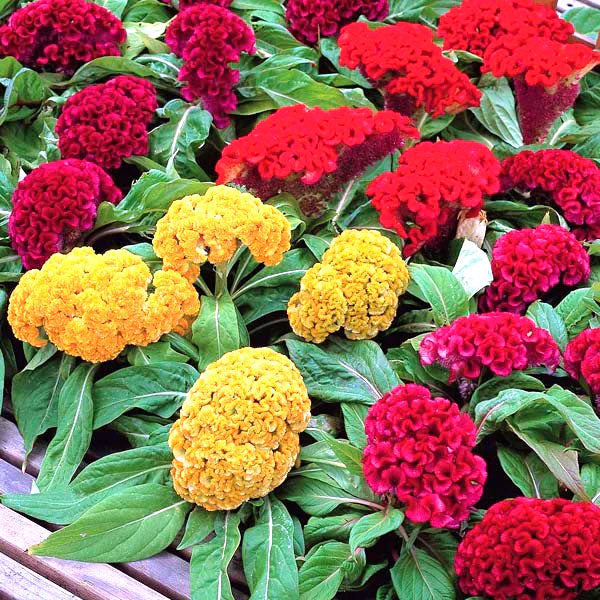
Cockscomb Dwarf Mix – Compact, Colorful, and Eye-Catching
Cockscomb Dwarf Mix delivers the same striking, velvety crested blooms as the taller varieties but in a compact, bushy form. The mix includes vibrant reds, yellows, pinks, and oranges, creating a dazzling display in pots, borders, and edging. Long-lasting blooms keep gardens bright all summer and make excellent fresh or dried flowers.
What Makes It Special
-
Unique crested flower heads in bold, bright colors
-
Compact size perfect for pots and small gardens
-
Ideal for fresh bouquets or dried arrangements
-
Heat- and sun-loving with minimal care
-
Long blooming season until frost
Key Features
-
Height: 20–25 cm – neat, compact growth
-
Vibrant, mixed colors for continuous display
-
Excellent for edging and container planting
-
Attracts pollinators like bees and butterflies
-
Low-maintenance and drought-tolerant once established
Ideal For
-
Patio pots and window boxes
-
Edging along borders and pathways
-
Small-space and container gardens
-
Dried flower crafts and arrangements
Sowing
-
Sow indoors 6–8 weeks before last frost or direct sow after frost danger has passed
-
Surface sow and lightly press seeds into soil
-
Germination: 7–14 days at 21–24°C
-
Space plants 20–25 cm apart
-
Full sun needed for best blooms

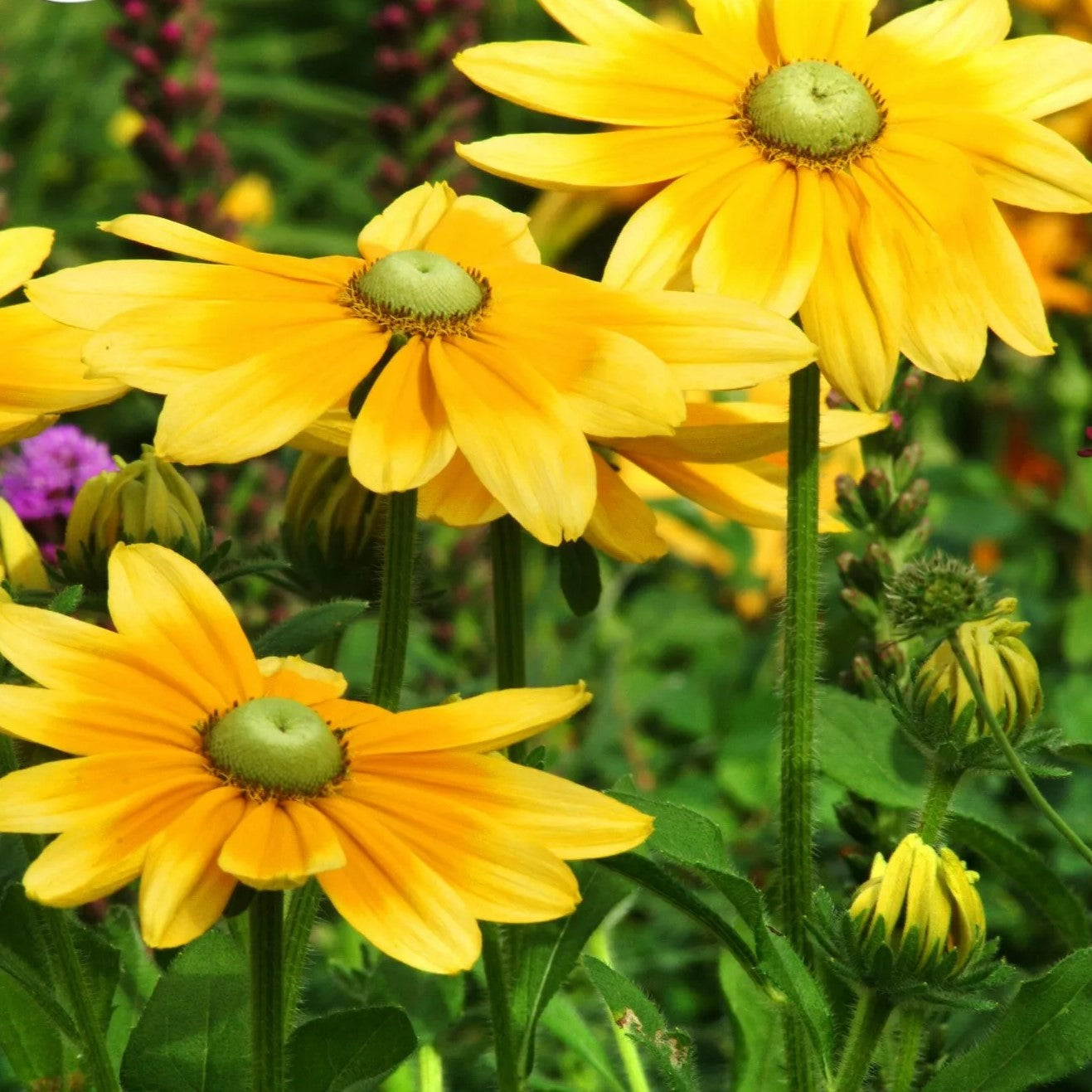
Rudbeckia ‘Green Eyes’ Seeds (Rudbeckia hirta)
Rudbeckia ‘Green Eyes’ is a hardy annual with striking golden-yellow daisy-like flowers and a distinctive green central cone. Blooming from midsummer to autumn, it adds vibrant color to borders, cottage gardens, and wildflower meadows. Easy to grow, drought-tolerant, and pollinator-friendly, it’s perfect for low-maintenance, sunny gardens.
What Makes It Special
-
Golden-yellow petals with unique green centers
-
Long-lasting blooms that attract bees and butterflies
-
Hardy, low-maintenance, and drought-tolerant
Key Features
-
Botanical name: Rudbeckia hirta
-
Annual
-
Height: 60–80 cm
-
Bloom time: Midsummer to autumn
Ideal For
-
Borders, cottage gardens, and wildflower meadows
-
Pollinator-friendly plantings
-
Sunny, well-drained areas
Sowing
-
Sow indoors Feb–Apr or outdoors Apr–Jun
-
Cover seeds lightly with soil
-
Germination: 10–14 days at 18–22°C
-
Space seedlings 30–40 cm apart
-
Flowers the same year
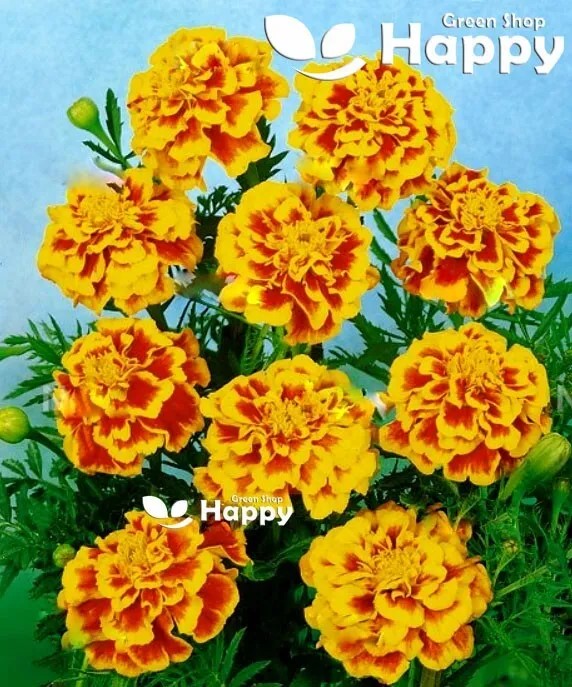
FRENCH MARIGOLD – DEL SOL – 300 SEEDS (Tagetes patula nana)
Del Sol is a compact French Marigold with vibrant golden flowers that brighten any garden. It naturally repels pests and attracts pollinators, making it both beautiful and practical.
What Makes It Special
Del Sol is a compact French Marigold with vibrant golden flowers that brighten any garden. It naturally repels pests and attracts pollinators, making it both beautiful and practical.
Key Features
-
Dwarf, compact growth habit (Tagetes patula nana)
-
Bright golden blooms all season
-
Low-maintenance and fast-growing
-
Pest-deterring and pollinator-friendly
-
Ideal for borders, beds, and containers
Ideal For
-
Flower beds and garden borders
-
Patio pots and balcony containers
-
Companion planting with vegetables
-
Beginner-friendly gardeners
Sowing
Sow indoors 6–8 weeks before the last frost, or direct sow after frost danger passes. Germinates in 7–14 days. Prefers full sun for best flowering.
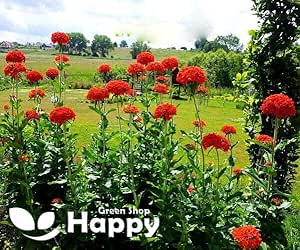
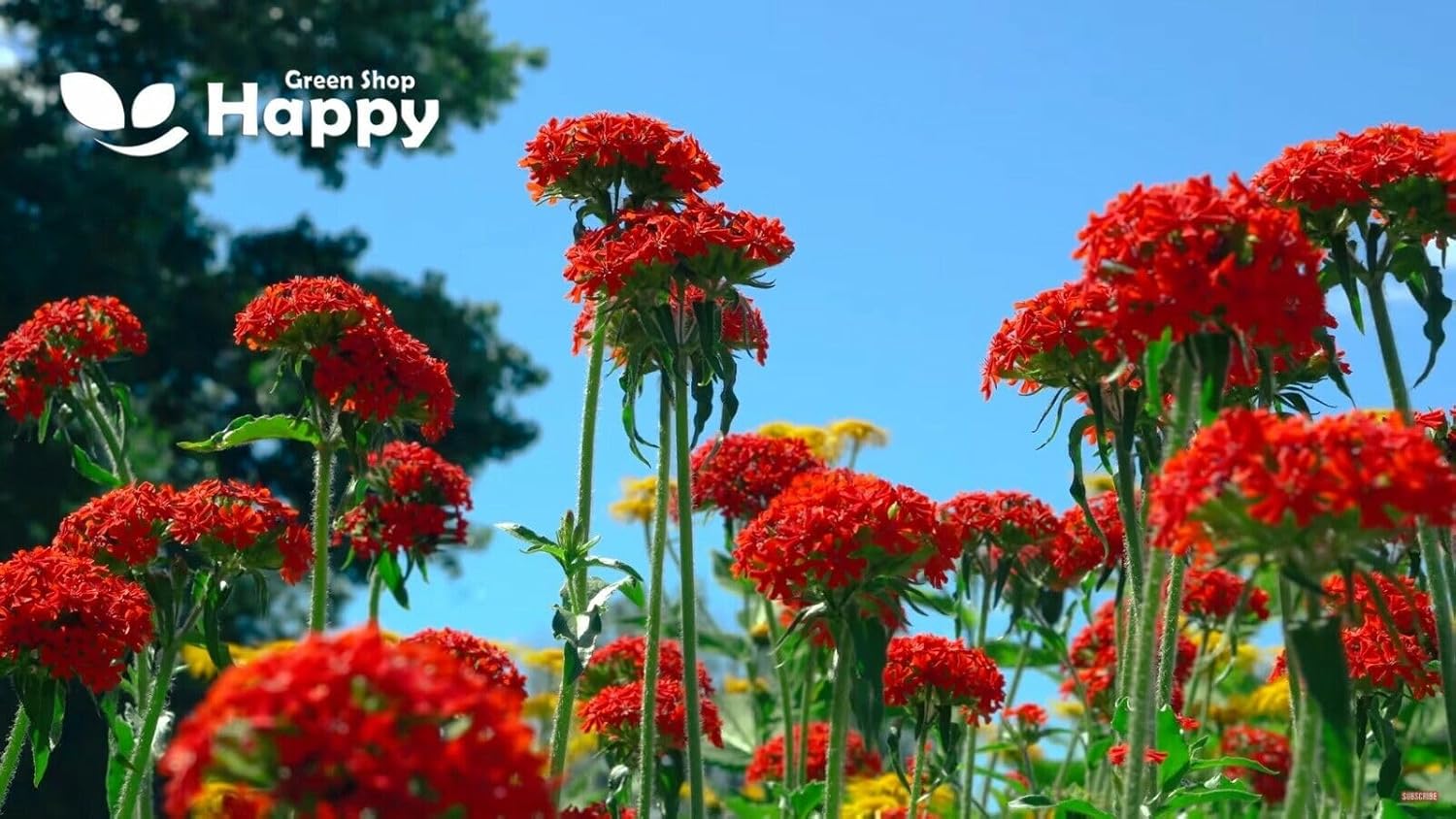
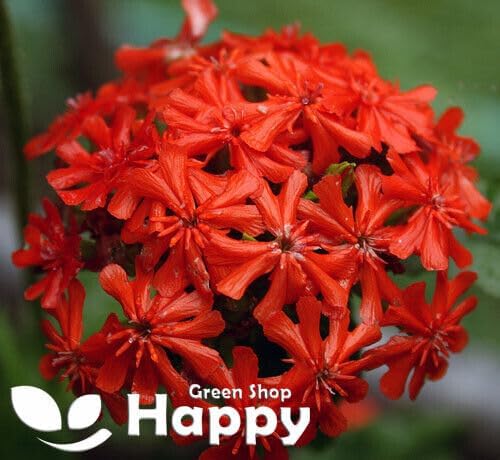
Maltese Cross Seeds (Lychnis chalcedonica)
A striking perennial, Maltese Cross produces vibrant clusters of bright red, star-shaped flowers atop tall, sturdy stems. Hardy and long-flowering, this plant adds dramatic vertical color to borders, cottage gardens, and pollinator-friendly landscapes from early to mid-summer.
What Makes It Special
-
Eye-catching star-shaped red blooms in dense clusters
-
Tall, hardy stems provide dramatic vertical interest
-
Attracts bees and butterflies, supporting pollinator gardens
Key Features
-
Botanical name: Lychnis chalcedonica
-
Hardy perennial
-
Height: 90–120 cm (3–4 ft)
-
Bloom time: Early to mid-summer
Ideal For
-
Garden borders and cottage-style plantings
-
Pollinator-friendly and wildlife gardens
-
Adding vertical color to mixed perennial beds
Sowing
-
Sow indoors Feb–Apr or outdoors Mar–May
-
Cover lightly with soil and keep moist
-
Germination: 14–28 days at 15–20°C
-
Transplant seedlings 30–40 cm apart
-
Flowers in the first or second season after sowing

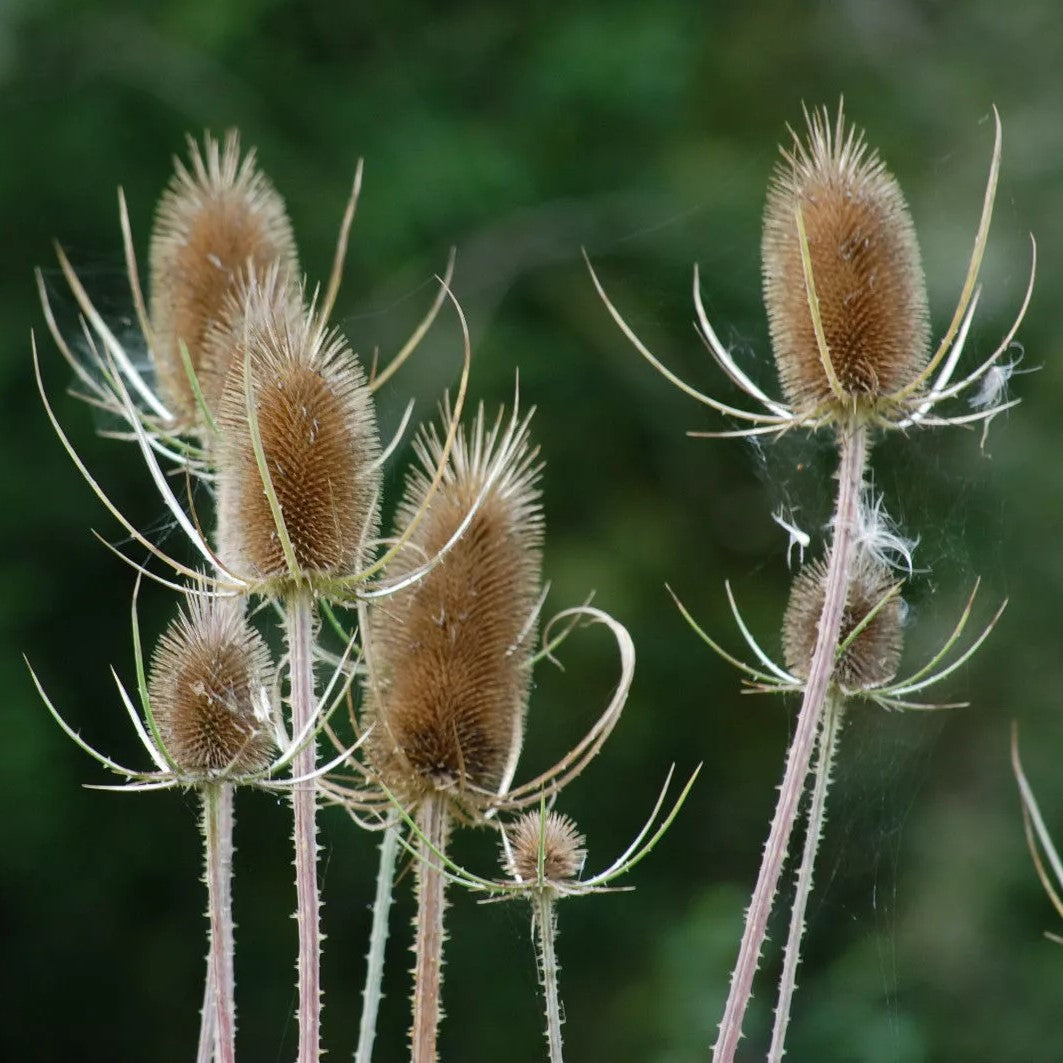
Teasel Seeds (Dipsacus fullonum)
A striking wildflower, Teasel is known for its tall spiky flower heads that attract bees, butterflies, and especially goldfinches. Its architectural shape adds height and structure to wildlife-friendly gardens, meadows, and borders. Hardy and easy to grow, Teasel provides year-round interest with summer blooms and seed heads that last into winter.
What Makes It Special
-
Loved by pollinators and seed-eating birds, especially goldfinches
-
Tall, architectural plant for borders and wild gardens
-
Long-lasting seed heads provide winter garden interest
Key Features
-
Botanical name: Dipsacus fullonum
-
Hardy biennial/wildflower
-
Height: 150–200 cm (5–6 ft)
-
Bloom time: Mid to late summer
Ideal For
-
Wildlife and pollinator-friendly gardens
-
Wildflower meadows and natural planting schemes
-
Adding height and structure to borders
Sowing
-
Sow outdoors Mar–Jun or Sep–Oct directly into prepared soil
-
Cover lightly and keep moist until germination
-
Germination: 14–28 days depending on conditions
-
Thin seedlings to 30–45 cm apart
-
Flowers in the second year after sowing
Showing 126/167