
Sort by:
167 products
167 products
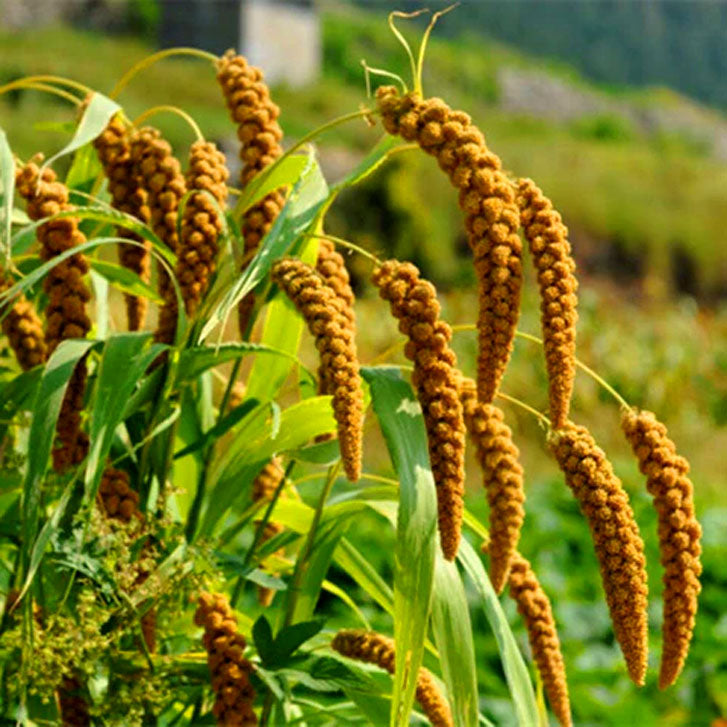
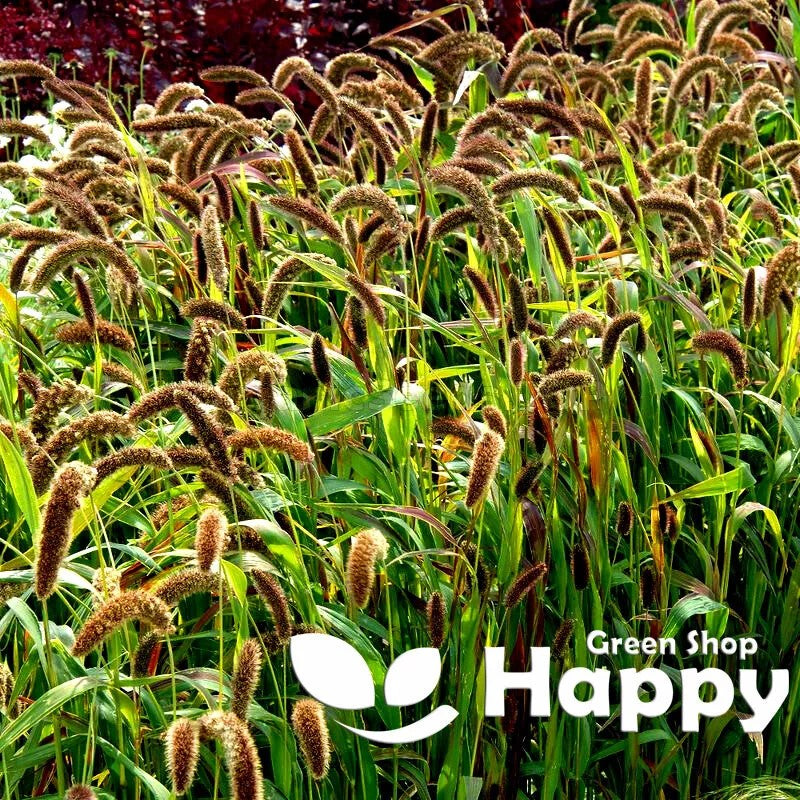
Foxtail Millet Seeds (Setaria italica)
Foxtail Millet is an ornamental and agricultural grass grown for its distinctive bushy, bottlebrush-like seed heads that resemble a fox’s tail. It is valued for both decorative use in floral arrangements and as a grain crop for food, birdseed, and forage. Its tall, upright stems and graceful flower spikes add structure and texture to garden borders, wildlife plots, and dried bouquets.
What Makes It Special
-
Produces attractive foxtail-like seed heads
-
Versatile: grown for ornamental, edible, and forage uses
-
Excellent for dried or fresh floral arrangements
-
Easy to grow, drought-tolerant and hardy
Key Features
-
Botanical name: Setaria italica
-
Common name: Foxtail Millet
-
Seed count: Approx. seeds per pack
-
Height/Spread: 90–150 cm tall, 30–50 cm spread
-
Position: Full sun, well-drained soil
-
Flowering period: Summer to autumn
-
Lifespan: Annual grass
Ideal For
-
Ornamental borders
-
Fresh and dried floral arrangements
-
Wildlife gardens (birds love the seed heads)
-
Grain production and forage
-
Naturalistic or prairie-style planting
Sowing Instructions
-
When to sow: April–June outdoors after frost, or start indoors 4–6 weeks earlier
-
How to sow:
-
Sow directly into well-drained soil in a sunny spot
-
Cover lightly with soil (depth 0.5–1 cm)
-
Keep moist until germination (7–14 days)
-
-
Spacing: Thin or transplant to 30–40 cm apart
-
Care: Low maintenance; thrives in heat and tolerates dry soil once established
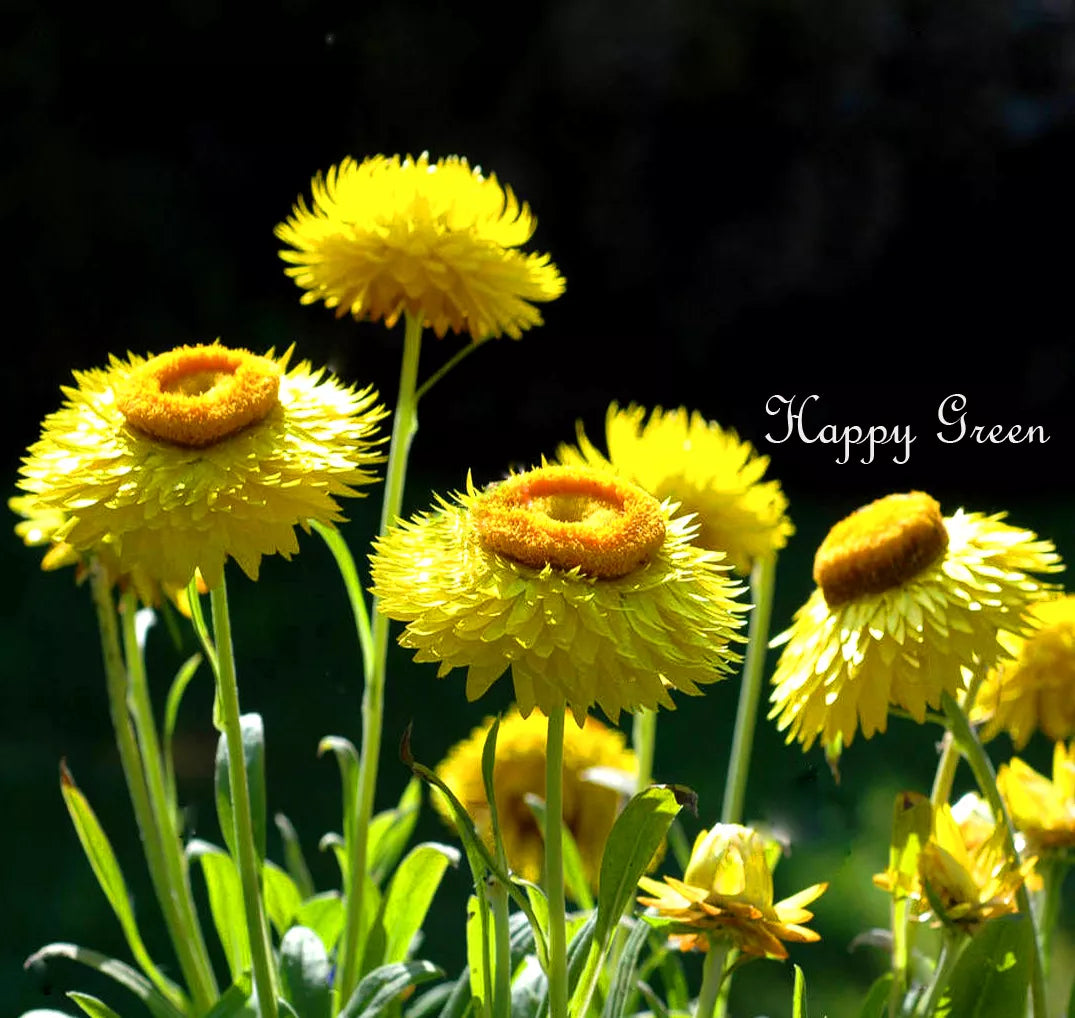
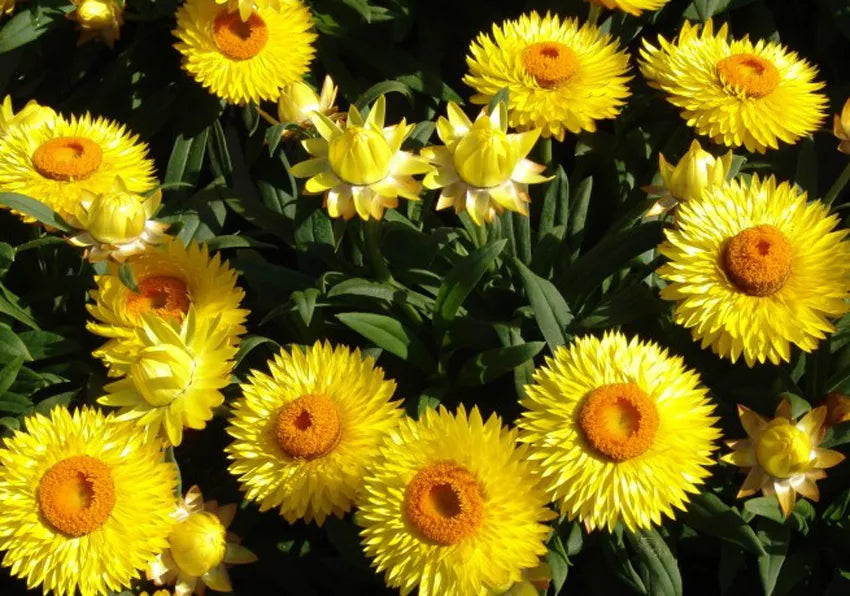
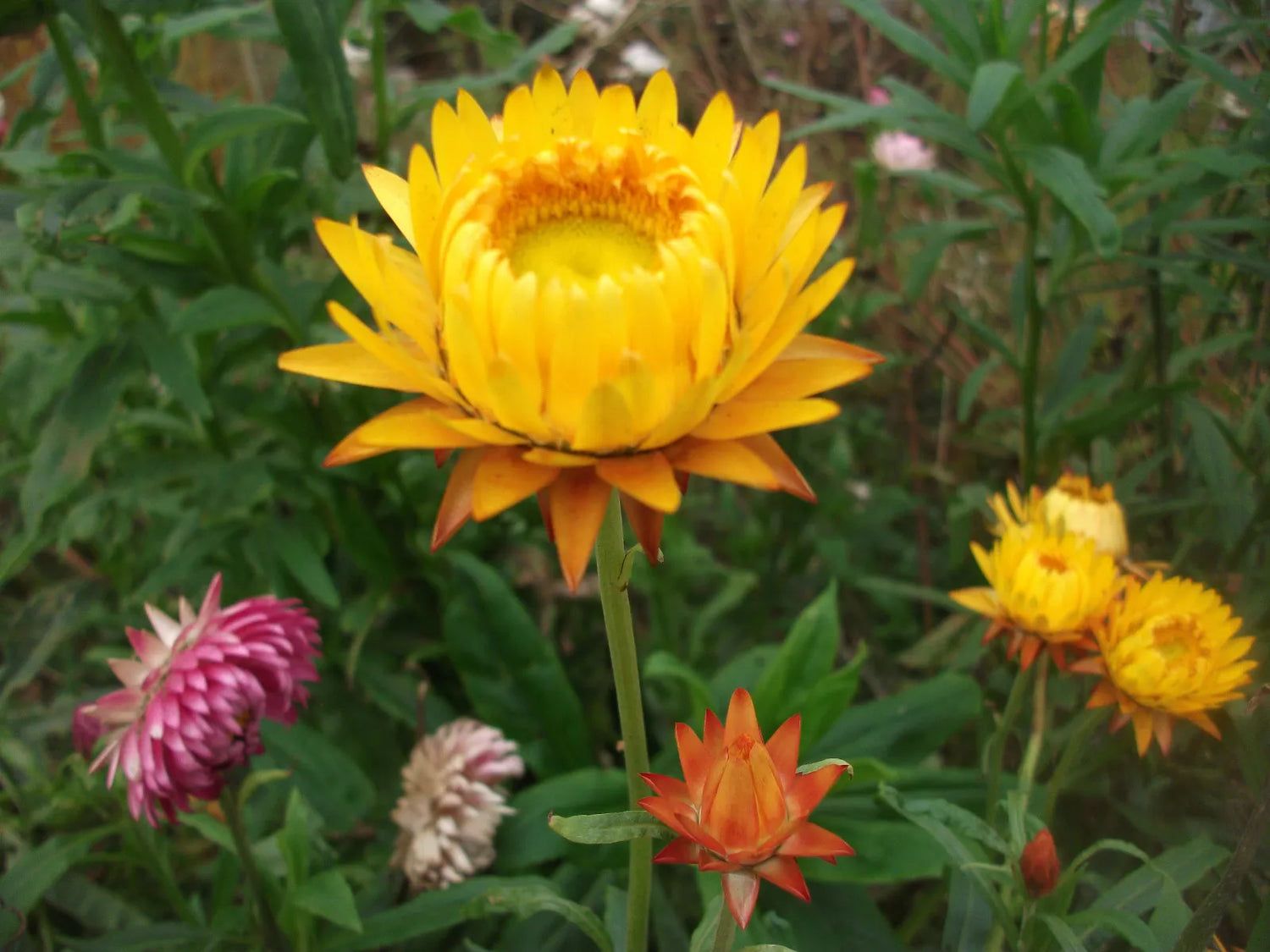
Strawflower Yellow – 900 Seeds (Helichrysum bracteatum)
Bring sunshine to your garden with the cheerful Strawflower Yellow. Famous for its papery, long-lasting blooms, this variety glows in bright golden yellow, adding a warm touch to borders, beds, and everlasting arrangements. Perfect for fresh or dried floral displays.
What Makes It Special
-
Vivid yellow blooms that hold their color when dried
-
Easy to grow and drought-tolerant
-
Blooms all summer until frost
-
Excellent for both gardens and everlasting bouquets
Key Features
-
Annual flower, height: 60–80 cm
-
Papery, long-lasting blooms ideal for drying
-
Thrives in sunny, well-drained spots
-
Attracts pollinators and beneficial insects
Ideal For
-
Cutting and drying for arrangements
-
Borders, beds, and cottage gardens
-
Adding bright color to summer displays
-
Drought-tolerant or low-maintenance gardens
Sowing
-
Sow indoors 6–8 weeks before last frost or directly outdoors after frost
-
Lightly cover seeds; germination in 7–14 days at 18–22°C
-
Transplant or thin seedlings to 25–30 cm apart
-
Pinch out tips for bushier plants and more blooms
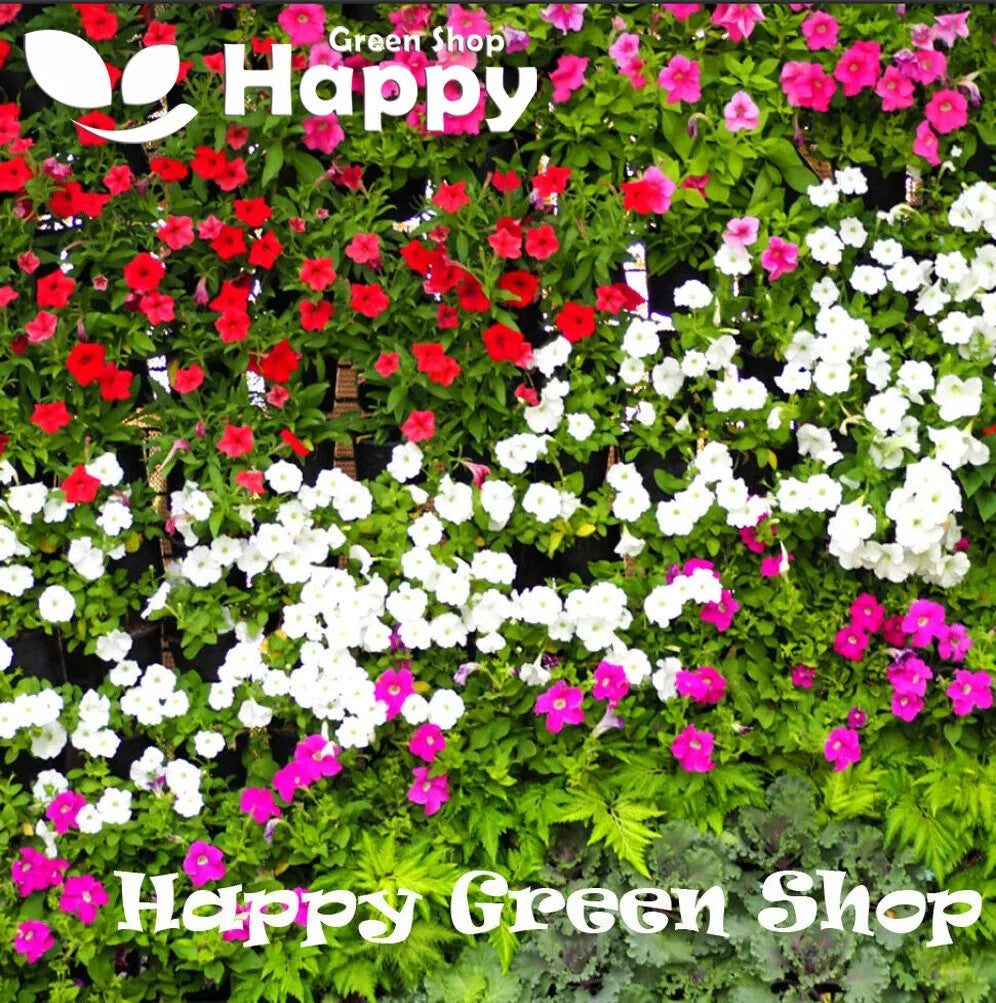
Madagascar Periwinkle ‘Vinca Rosea Dwarf’ – Compact, Colorful, and Resilient
Madagascar Periwinkle ‘Vinca Rosea Dwarf’ is a sun-loving, compact variety that blooms continuously with vibrant flowers in shades of pink, rose, and white. Heat- and drought-tolerant, it’s perfect for summer bedding, edging, and containers where reliable color is needed all season long.
What Makes It Special
-
Compact growth with a carpet of blooms
-
Thrives in heat, sun, and dry conditions
-
Long flowering season from summer to frost
-
Easy to grow and low-maintenance
-
Perfect for small gardens and pots
Key Features
-
Height: 20–25 cm – neat, bushy plants
-
Vibrant shades of pink, rose, and white
-
Excellent drought and heat resistance
-
Long-lasting blooms for months
-
Attracts pollinators and butterflies
Ideal For
-
Patio pots and balcony planters
-
Bedding and low borders
-
Hot, dry garden spots
-
Continuous summer color displays
Sowing
-
Sow indoors 10–12 weeks before last frost
-
Lightly press seeds into soil, do not cover deeply
-
Germination: 7–14 days at 21–24°C
-
Transplant after frost, spacing 20–25 cm apart
-
Prefers full sun and well-drained soil
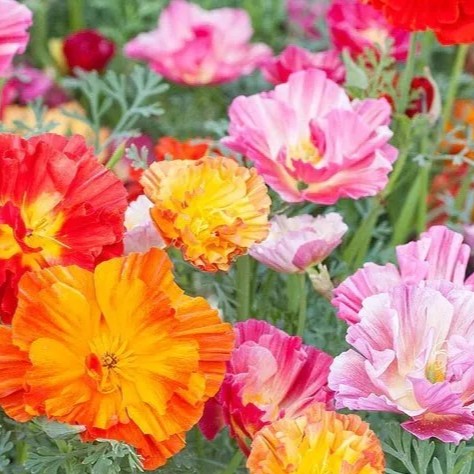
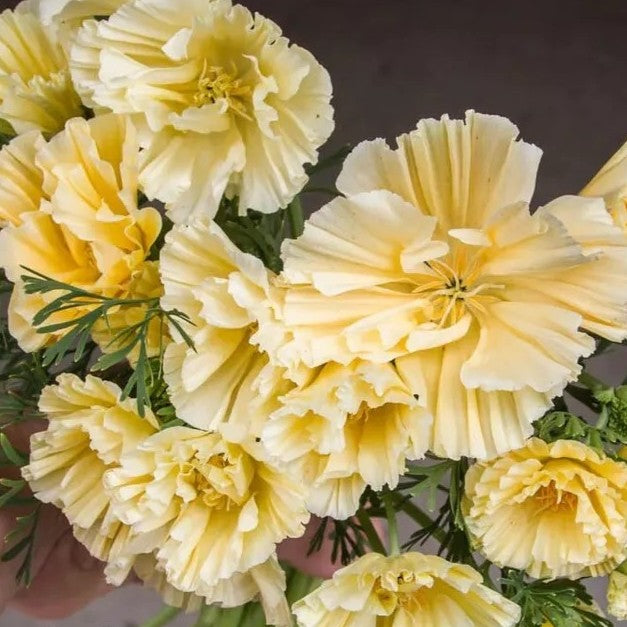
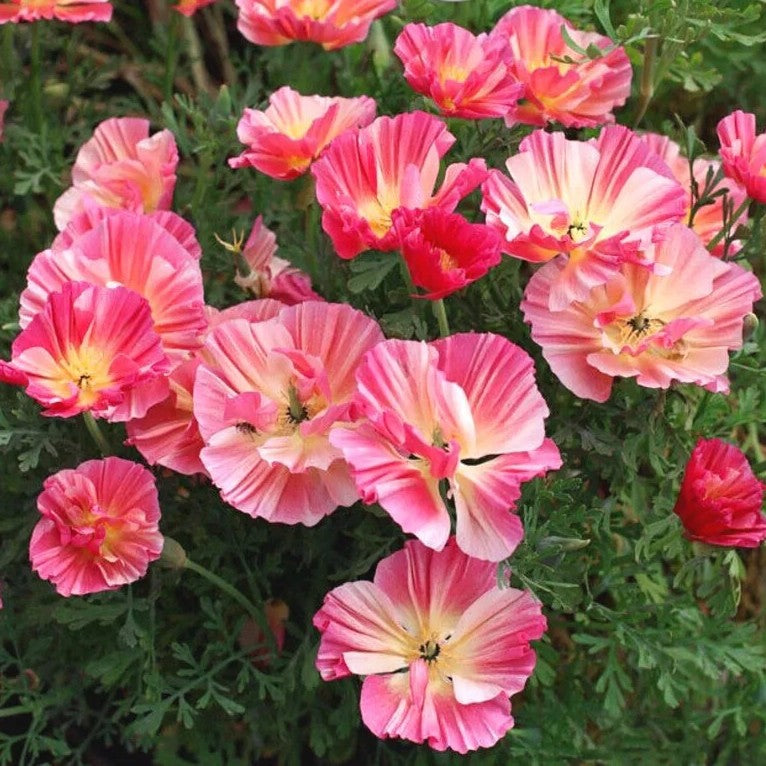
California Poppy ‘Frilly Fun’ Seeds (Eschscholzia californica)
Add a burst of playful charm to your garden with California Poppy ‘Frilly Fun’ (Eschscholzia californica). This unique variety of the classic California poppy produces finely frilled, ruffled petals in vibrant shades of orange, yellow, and gold. Hardy, drought-tolerant, and easy to grow, it’s the perfect choice for brightening beds, borders, and wildflower-style plantings.
How to Grow
-
Sow directly outdoors in spring or autumn, as California poppies dislike transplanting.
-
Choose poor to moderately fertile, well-drained soil in full sun.
-
Scatter seeds thinly on the surface and cover lightly with fine soil.
-
Water gently until established; then reduce watering, as plants thrive in dry conditions.
-
Germination usually occurs within 14–21 days.
-
Deadhead spent blooms to encourage continued flowering.
Key Features
-
Distinctive frilly, ruffled blooms in bright golden shades
-
Hardy, drought-tolerant annual, perfect for low-maintenance gardens
-
Long-flowering, bringing color from summer into autumn
-
Attracts pollinators including bees and butterflies
-
Excellent for naturalistic and wildflower-style plantings
Ideal For
-
Wildflower meadows and cottage gardens
-
Rock gardens and sunny borders
-
Low-maintenance landscapes
-
Adding cheerful color to poor or dry soils
Sowing
-
Best time: Spring or autumn directly outdoors
-
Germination: 14–21 days
-
Sow thinly, cover lightly, and water until established
-
Prefers full sun and free-draining soil
Quick Tip
-
For a natural, meadow-like effect, scatter seeds in drifts rather than rows.
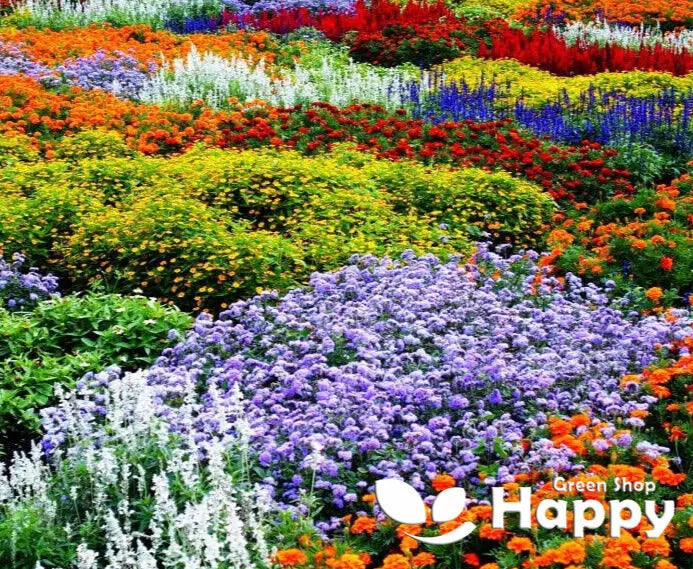
Dwarf Perennial Wild Meadow Flower Mix – 0.5 g Seeds
Bring natural charm to your garden with this Dwarf Perennial Wild Meadow Flower Mix. Comprising a variety of low-growing, hardy perennials, it creates a colorful carpet of flowers perfect for rockeries, borders, or wildflower patches. Attracts pollinators and thrives in sunny, well-drained soil, offering long-lasting beauty with minimal maintenance.
Why Grow "Wild Meadow Mix"
-
Low-growing, hardy perennial flowers
-
Long-lasting blooms for natural meadow effect
-
Attracts bees, butterflies, and other pollinators
-
Easy to grow and maintain
Key Features
-
Type: Perennial wildflower mix
-
Height: 10–25 cm
-
Flowering: May–September
-
Position: Full sun to partial shade
-
Uses: Rockeries, borders, wildflower patches, low-maintenance gardens
Ideal For
-
Rock gardens and alpine plantings
-
Pollinator-friendly garden spaces
-
Cottage-style or naturalistic borders
-
Adding color to small or low-growing areas
Sowing & Growing
-
Sow outdoors: March–May in prepared soil
-
Germination: 14–21 days at 15–20°C
-
Thin seedlings to 15–20 cm apart
-
Prefers sunny, well-drained locations
-
Deadhead to prolong flowering if desired

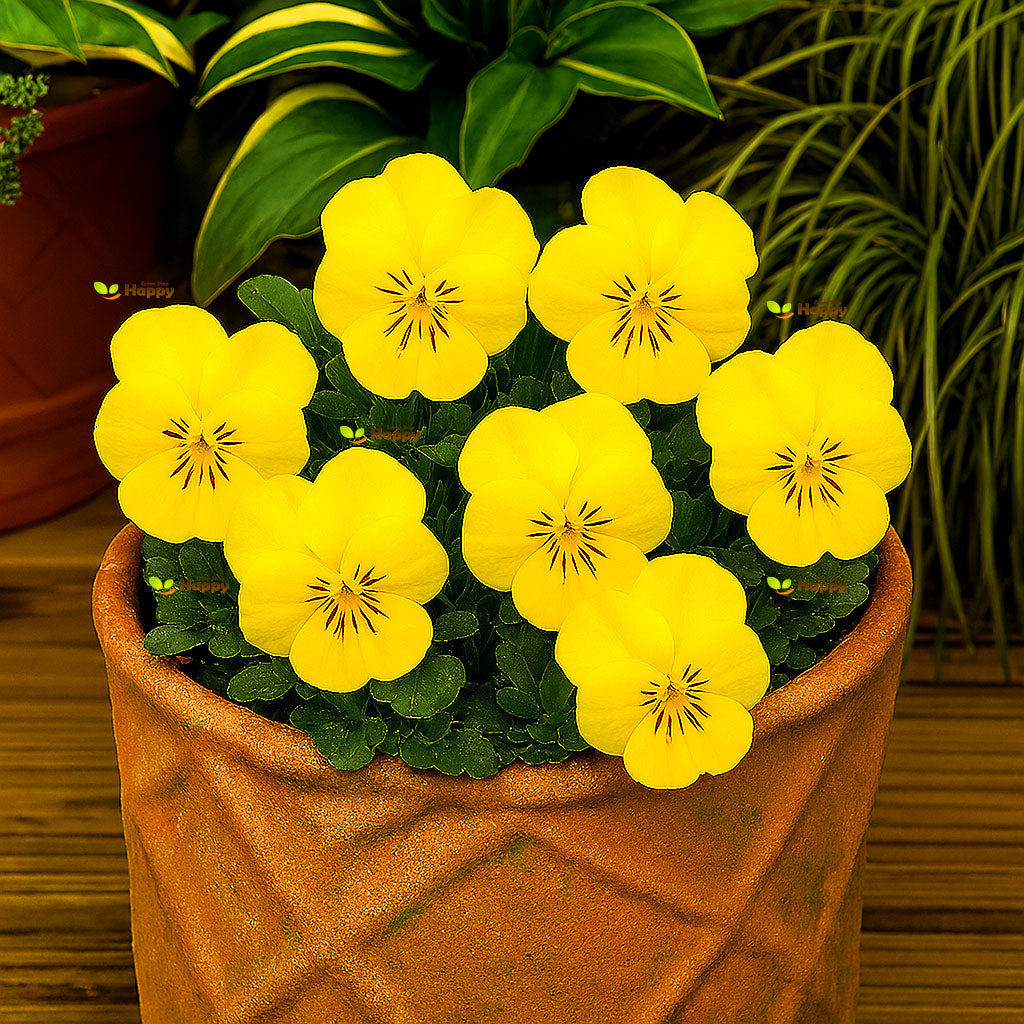
Horned Pansy 'Prince John' Seeds (Viola cornuta)
The Horned Pansy 'Prince John' is a delightful heirloom variety of Viola cornuta, loved for its charming golden-yellow blooms with subtle shading. Compact and long-flowering, it’s ideal for brightening up borders, containers, and rock gardens with a cheerful splash of sunshine. Hardy and easy to grow, it also attracts pollinators to the garden.
What Makes It Special
-
Distinctive golden-yellow flowers
-
Hardy perennial (often grown as a biennial)
-
Perfect for naturalizing or cottage-style gardens
Key Features
-
Botanical name: Viola cornuta
-
Perennial (treated as biennial in some climates)
-
Height: 15–20 cm
-
Spread: 20–25 cm
-
Flowering: May–September
Ideal For
-
Cottage gardens and naturalized plantings
-
Borders, pots, and rockeries
-
Long-lasting displays from spring to autumn
Sowing
-
Sow indoors: February–April, cover lightly with compost
-
Germination: 10–21 days at 15–20°C
-
Transplant outdoors: after last frost, 20 cm apart
-
Prefers sun to partial shade and moist, well-drained soil
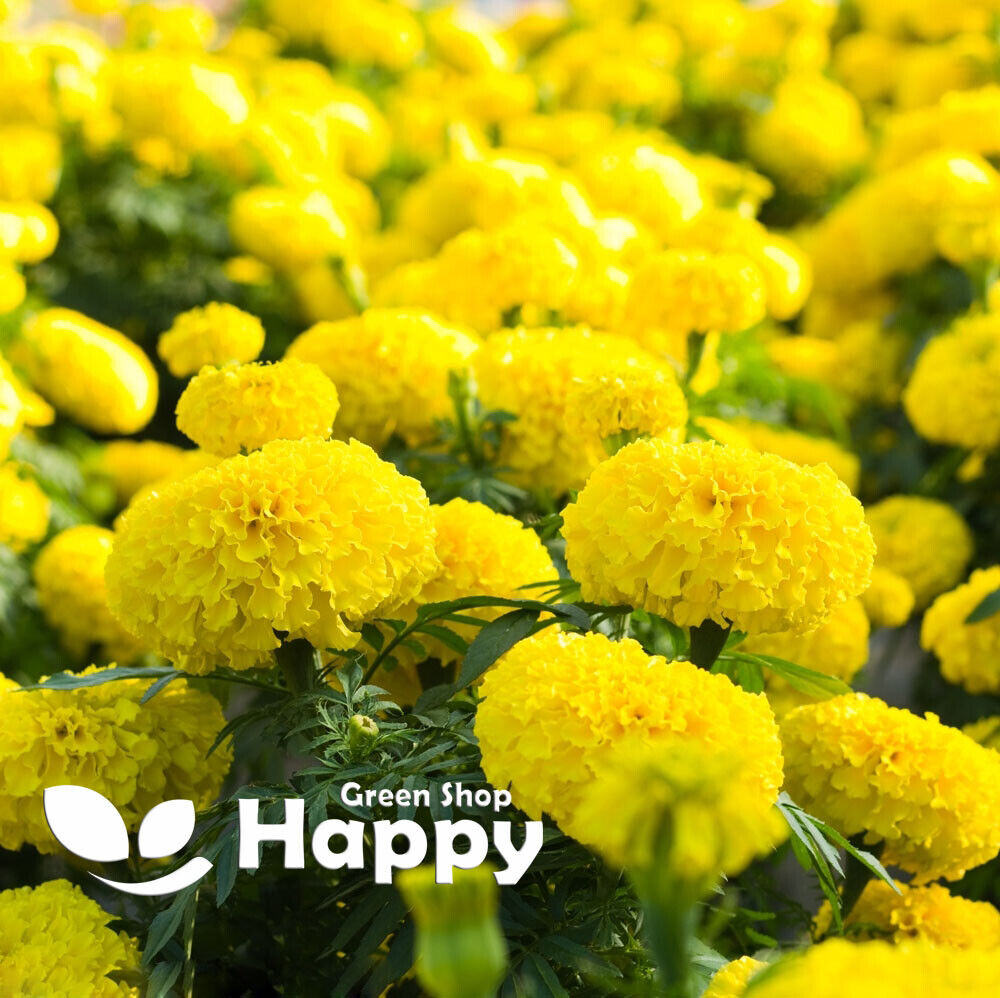
African Marigold ‘Mary Helen’ – Golden Giants for Your Garden!
Bring a warm, sunlit glow to your garden with African Marigold Mary Helen – a striking Tagetes erecta variety prized for its large, fully double golden-yellow blooms. These tall, robust plants make an eye-catching statement in beds, borders, and cut flower arrangements. Easy to grow and naturally pest-repellent, Mary Helen is a perfect choice for both decorative and companion planting.
What Makes It Special
-
Brilliant golden blooms up to 10 cm across
-
Tall, strong stems perfect for cut flowers
-
Blooms abundantly all summer until frost
-
Resilient in heat and low-maintenance
-
Helps deter pests when grown near vegetables
Key Features
-
Height: 75–90 cm – ideal for the back of borders
-
Large, fully double blooms in rich golden tones
-
Heat and drought tolerant once established
-
Attracts pollinators such as bees and butterflies
-
Excellent cut flower with long vase life
Ideal For
-
Borders & Background Planting – Adds bold height and color
-
Cut Flower Gardens – Stunning in fresh arrangements
-
Vegetable Gardens – Natural pest deterrent
-
Seasonal Displays – Perfect for summer and autumn themes
Sowing
-
When to Sow: Indoors 4–6 weeks before the last frost, or direct sow outdoors after frost danger has passed.
-
How to Sow: Sow seeds 0.5 cm deep in well-draining soil.
-
Germination Time: 7–14 days at 18–22°C.
-
Spacing: 30–45 cm apart to allow for full growth.
-
Sunlight: Full sun for maximum bloom size and color intensity.
Plant Mary Helen marigolds and let your garden shine with golden elegance!
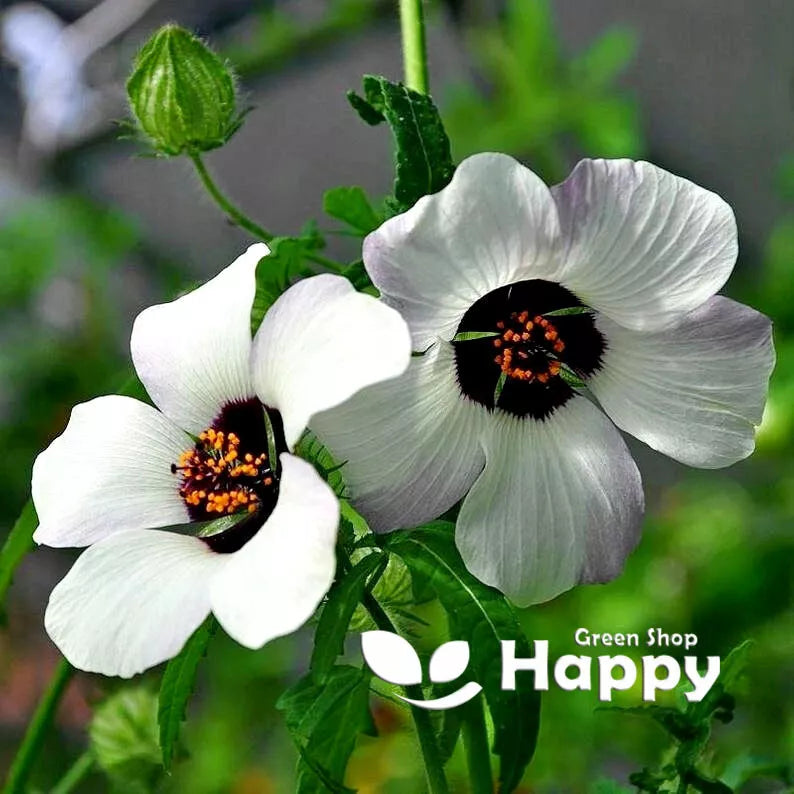
Flower-of-an-Hour – Seeds (Hibiscus trionum)
Flower-of-an-Hour (Hibiscus trionum) is an eye-catching annual known for its delicate, pale yellow flowers with deep maroon centers that open in the morning and fade by evening. Blooming from summer to early autumn, this compact plant adds charm to borders, containers, and cottage-style gardens. Easy to grow and drought-tolerant once established, it attracts pollinators while providing fleeting, yet memorable, blooms that brighten any garden.
Why Grow "Flower-of-an-Hour"
-
Pale yellow flowers with striking maroon centers
-
Blooms open in the morning and fade by evening
-
Compact, drought-tolerant, and easy-to-grow
-
Attracts bees, butterflies, and other pollinators
Key Features
-
Type: Annual (Hibiscus trionum)
-
Height: 30–50 cm
-
Flowering: Summer to early autumn
-
Position: Full sun
-
Uses: Borders, containers, cottage gardens, pollinator-friendly gardens
Ideal For
-
Cottage-style and naturalistic gardens
-
Borders, containers, and small spaces
-
Pollinator-friendly garden designs
-
Gardens with morning bloom interest
Sowing & Growing
-
Sow indoors: February–April in trays or pots
-
Sow outdoors: April–May after frost
-
Germination: 7–14 days at 18–22°C
-
Thin seedlings 25–30 cm apart
-
Prefers well-drained soil in full sun
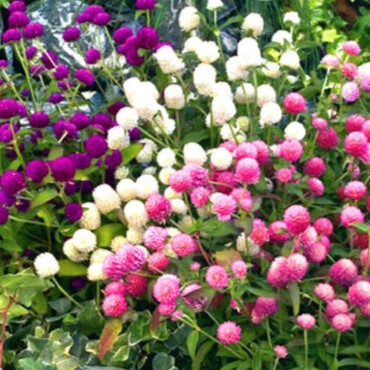
Gomphrena Mixed – Seeds (Gomphrena globosa)
Gomphrena Mixed (Gomphrena globosa) is a compact, long-flowering annual producing vibrant globe-shaped blooms in shades of pink, purple, red, and white. Its bushy habit makes it perfect for borders, containers, and bedding schemes. Easy to grow and drought-tolerant, this variety attracts pollinators and is excellent for fresh or dried floral arrangements.
Why Grow "Gomphrena Mixed"
-
Globe-shaped blooms in multiple vibrant colors
-
Long flowering season from summer to autumn
-
Drought-tolerant and low-maintenance
-
Attractive to bees, butterflies, and ideal for dried flowers
Key Features
-
Type: Annual (Gomphrena globosa)
-
Height: 25–40 cm
-
Flowering: Summer to autumn
-
Position: Full sun
-
Uses: Borders, beds, containers, cut and dried flowers, pollinator gardens
Ideal For
-
Adding vibrant color to borders and beds
-
Container and patio planting
-
Pollinator-friendly garden designs
-
Fresh and dried floral arrangements
Sowing & Growing
-
Sow indoors: 6–8 weeks before last frost
-
Sow outdoors: After frost danger has passed
-
Germination: 10–14 days
-
Space seedlings: 20–25 cm apart
-
Prefers well-drained soil and full sun
Showing 135/167


