
Sort by:
167 products
167 products
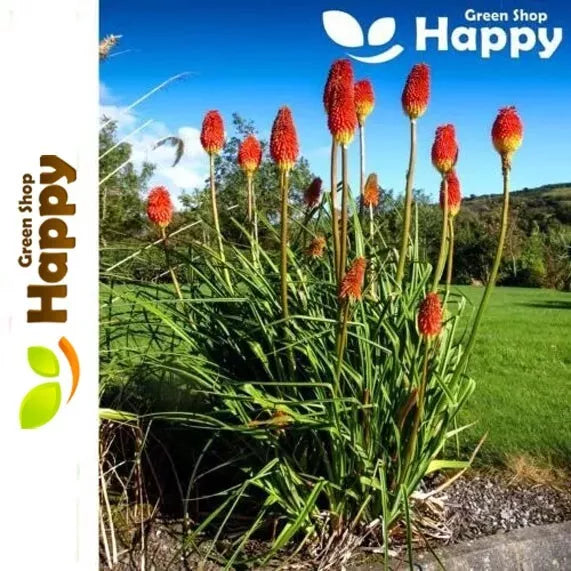
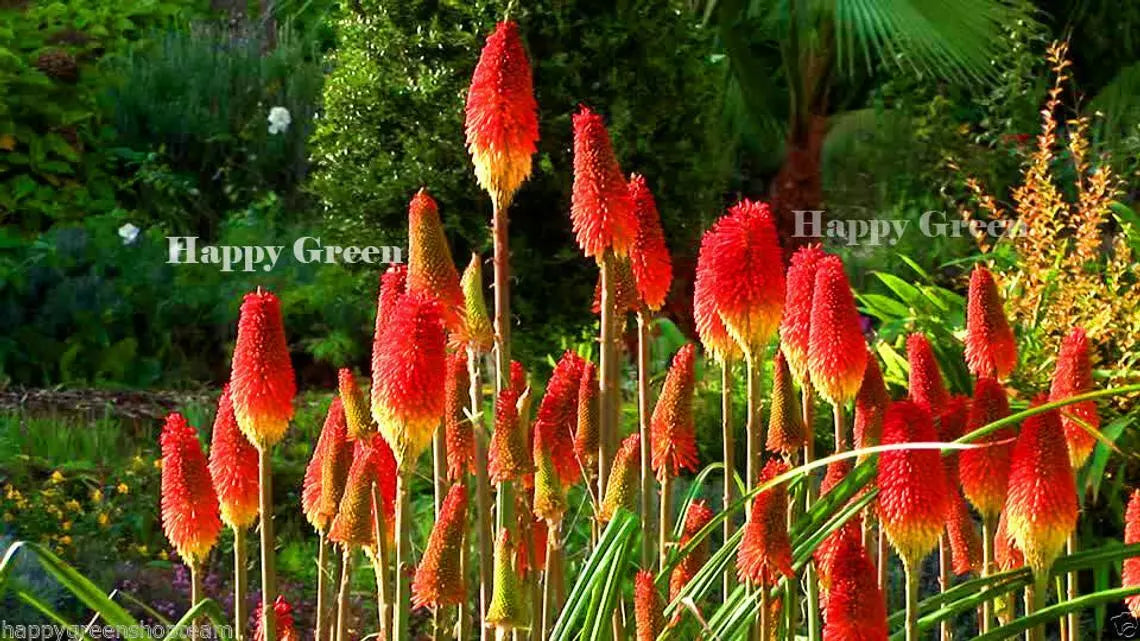
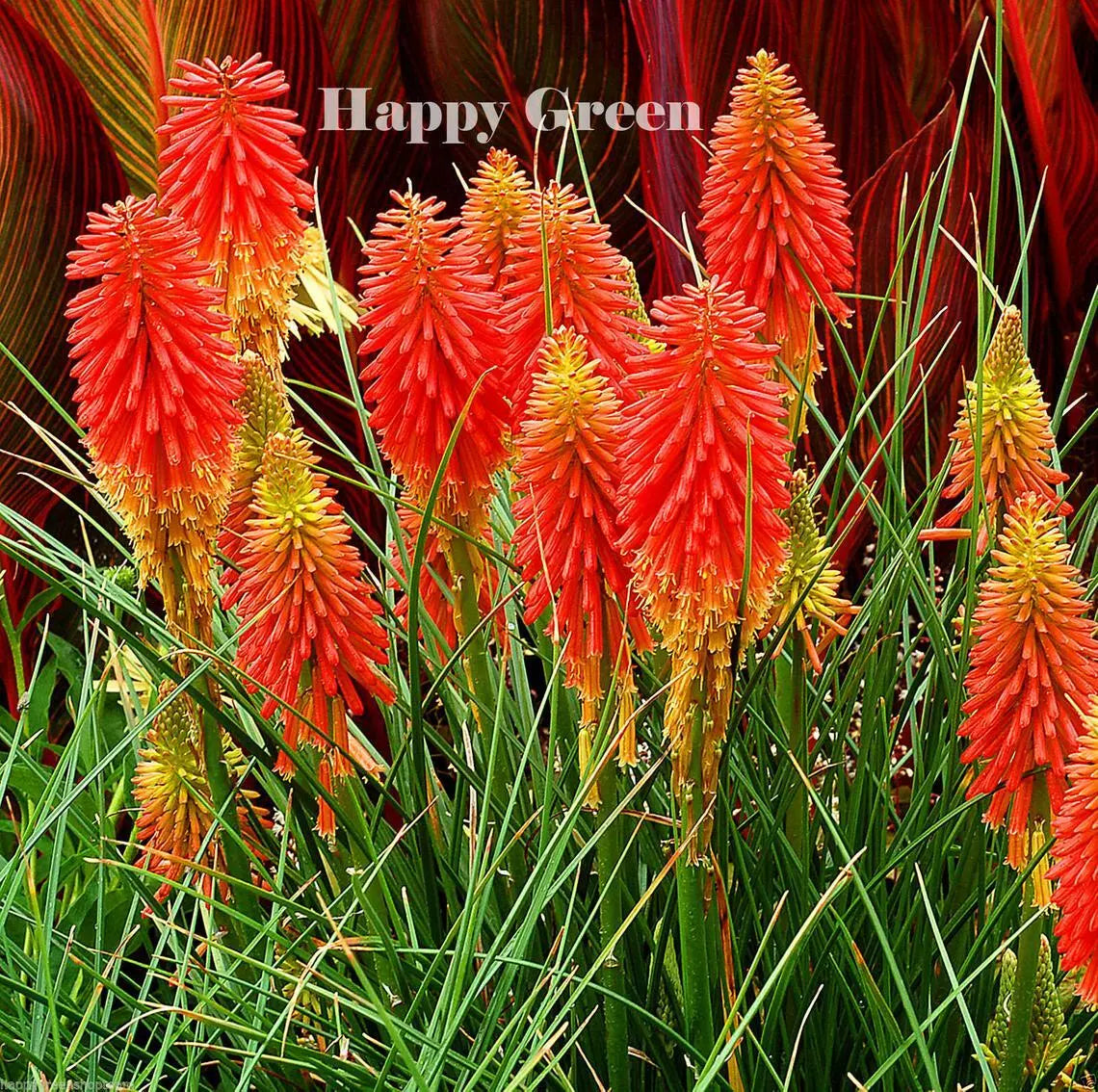
Red Hot Poker ‘Torch Lily’ Seeds (Kniphofia uvaria)
Red Hot Poker ‘Torch Lily’ is a striking perennial with tall spikes of tubular, fiery-red to orange flowers that bloom from mid to late summer. Its dramatic blooms attract hummingbirds, bees, and butterflies, adding vertical interest and vibrant color to borders, perennial beds, and wildlife gardens. Hardy and drought-tolerant once established, it’s perfect for sunny spots.
What Makes It Special
-
Fiery red-orange tubular flowers on tall spikes
-
Attracts pollinators including hummingbirds and butterflies
-
Hardy, drought-tolerant, and long-blooming
Key Features
-
Botanical name: Kniphofia uvaria
-
Hardy perennial
-
Height: 90–120 cm
-
Bloom time: Mid to late summer
Ideal For
-
Borders and perennial beds
-
Pollinator and wildlife gardens
-
Sunny, well-drained gardens and containers
Sowing
-
Sow indoors Feb–Apr or outdoors Apr–Jun
-
Cover seeds lightly with soil
-
Germination: 21–28 days at 18–22°C
-
Space seedlings 30–40 cm apart
-
Flowers from the second year onward


Zinnia Dwarf Lilliput ‘Button Box Mix’ – Mini Blooms, Maximum Color
Zinnia Dwarf Lilliput ‘Button Box Mix’ is a charming, compact variety producing masses of small, fully double pom-pom blooms in bright, cheerful colors. Perfect for adding non-stop summer color to borders, pots, and cutting gardens, these zinnias thrive in full sun and warm weather, blooming from early summer until frost.
What Makes It Special
-
Cute, miniature double blooms in vivid colors
-
Compact size perfect for pots and edging
-
Long-lasting flowers for cutting or garden display
-
Heat- and sun-loving with minimal care
-
Blooms continuously until frost
Key Features
-
Height: 40–50 cm – neat, bushy plants
-
Wide range of bold summer shades
-
Excellent cut flowers with long vase life
-
Attracts bees, butterflies, and pollinators
-
Drought-tolerant once established
Ideal For
-
Patio pots and containers
-
Border edging and small beds
-
Cutting gardens for mini bouquets
-
Continuous summer displays
Sowing
-
Sow indoors 4–6 weeks before last frost or direct sow after frost danger has passed
-
Lightly cover seeds with fine soil
-
Germination: 5–10 days at 21–24°C
-
Space plants 20–25 cm apart
-
Requires full sun for best results
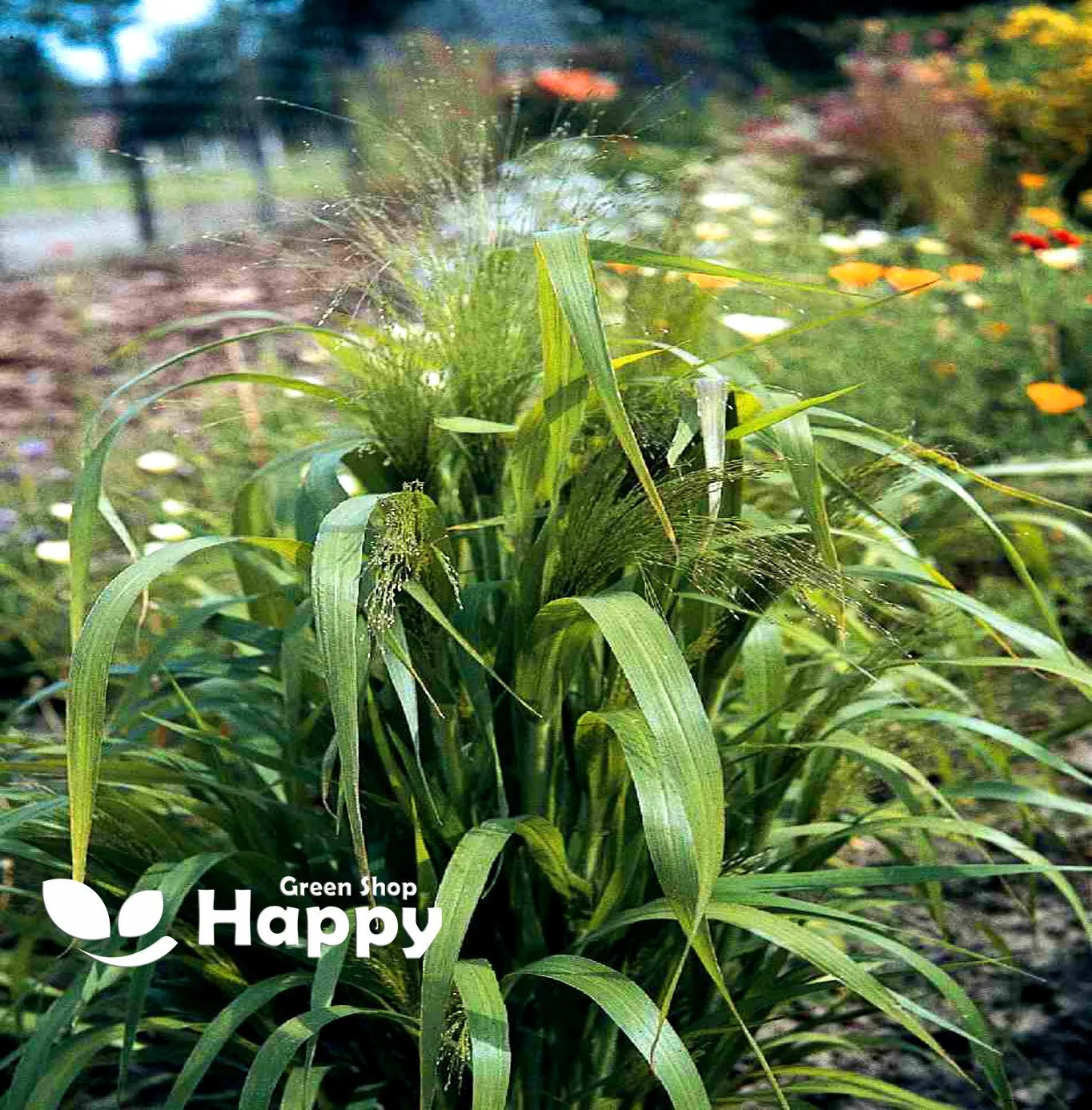
Love Grass – Ornamental Grass Seeds
(Eragrostis elegans)
The Love Grass (Eragrostis elegans) is a graceful, airy ornamental grass valued for its fine, delicate seed heads that shimmer in the breeze. Its soft, cloud-like sprays add a romantic, light texture to borders, wildflower gardens, and floral arrangements. Easy to grow and quick to establish, this annual grass also makes a beautiful addition to bouquets and dried flower crafts.
Key Features
-
Type: Annual ornamental grass
-
Height: 50–70 cm
-
Spread: 25–30 cm
-
Flowering/seed heads: July–October
-
Position: Full sun
-
Soil: Light, well-drained
Ideal For
-
Adding texture to borders and beds
-
Wildflower-style plantings
-
Cut flower arrangements (fresh or dried)
-
Naturalistic and prairie-style gardens
Sowing & Growing
-
Sow indoors: March–April (in trays or pots, lightly covered)
-
Sow outdoors: April–May (direct in prepared soil)
-
Sow depth: Lightly cover – fine seeds need minimal soil cover
-
Spacing: Thin to 20–25 cm apart
-
Care: Low-maintenance; thrives in poor soil and tolerates drought once established
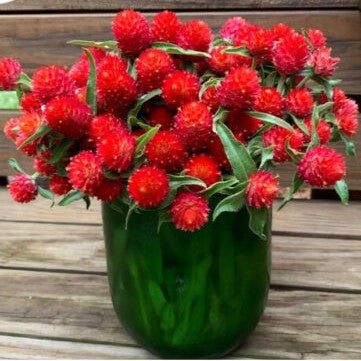
Globe Amaranth ‘Strawberry Fields’ Red – Seeds (Gomphrena haageana)
Globe Amaranth ‘Strawberry Fields’ is a heat-loving annual that produces masses of vivid strawberry-red, clover-like blooms all summer long. These striking globe-shaped flowers hold their color exceptionally well, making them perfect for borders, pollinator gardens, and long-lasting cut or dried arrangements. Easy to grow and drought tolerant, it’s a bright, reliable favorite for sunny spots.
Why Grow "Strawberry Fields"
-
Vivid strawberry-red, globe-shaped blooms
-
Flowers hold their color when dried
-
Heat and drought tolerant
-
Long-lasting in fresh and dried arrangements
Key Features
-
Type: Annual (Gomphrena haageana)
-
Height: 40–60 cm
-
Flowering: Summer to early autumn
-
Position: Full sun
-
Uses: Borders, beds, containers, cut and dried flowers
Ideal For
-
Adding bold red accents to beds and borders
-
Pollinator-friendly gardens
-
Dried flower crafts and everlasting bouquets
-
Low-maintenance, heat-tolerant planting
Sowing & Growing
-
Sow indoors: 6–8 weeks before last frost at 20–25°C
-
Germination: 14–21 days
-
Transplant after frost, spacing 25–30 cm
-
Prefers full sun and well-drained soil
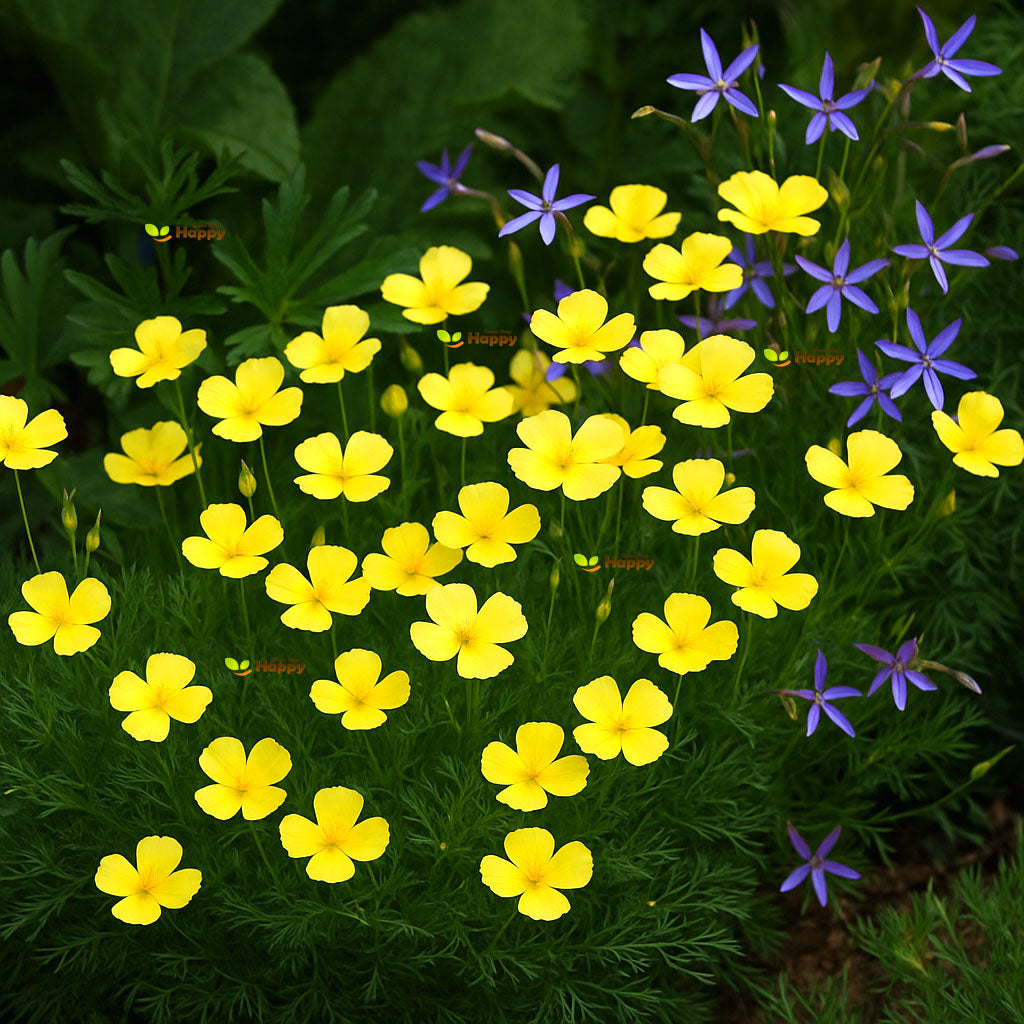
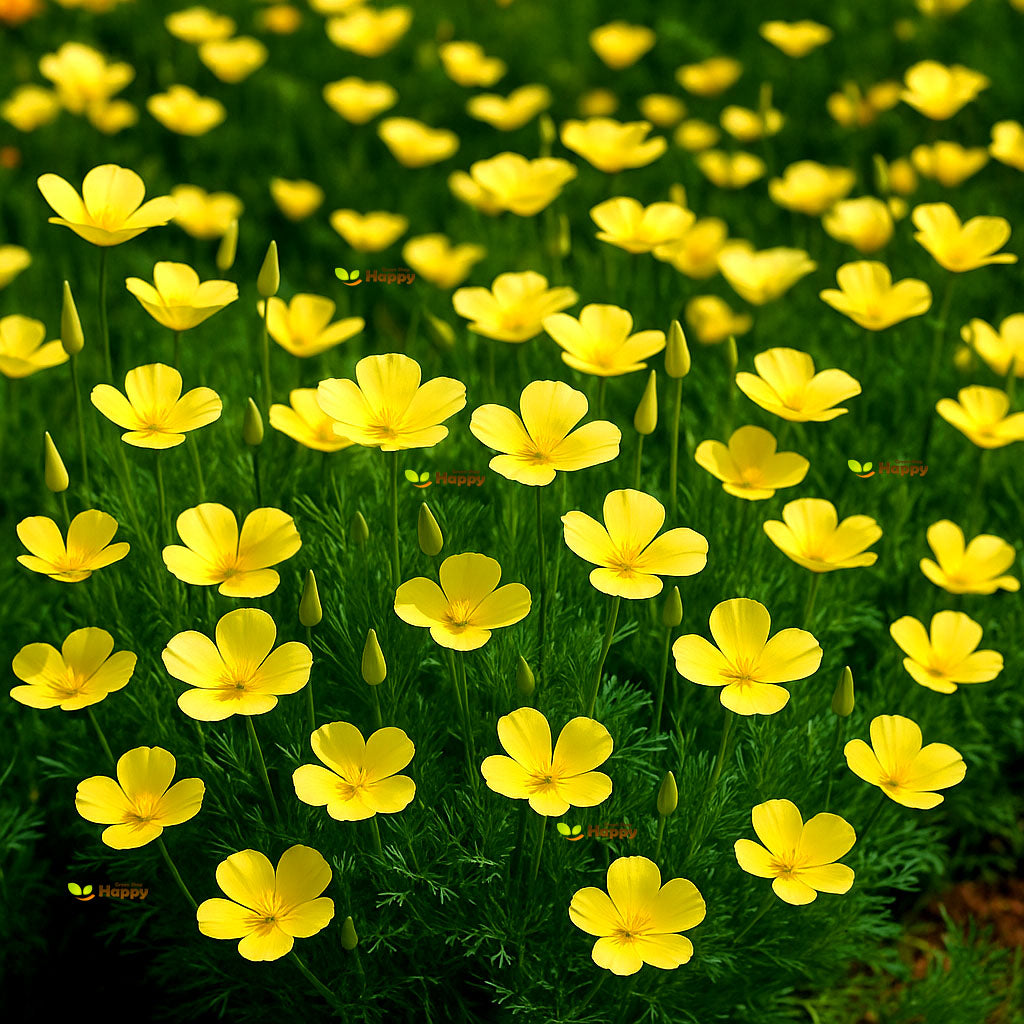
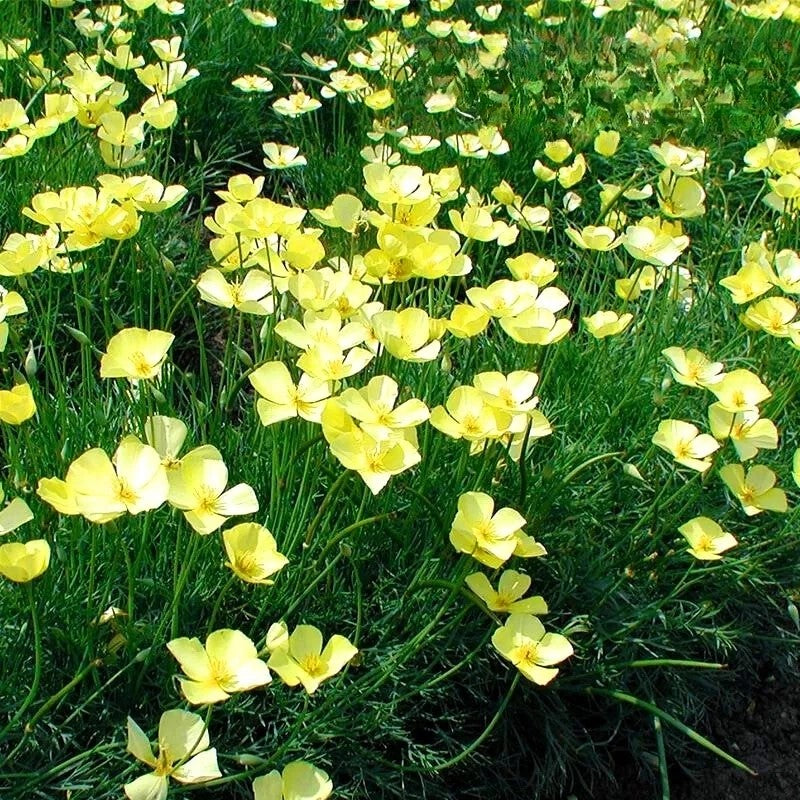
Tufted Poppy ‘Sundew’ Yellow – Golden Mini Blooms
Tufted Poppy ‘Sundew’ produces cheerful, bright yellow flowers on compact, tufted plants. Perfect for creating sunny borders, rock gardens, or naturalized areas, these hardy annuals add long-lasting color with minimal care.
What Makes It Special
-
Bright, sunny yellow blooms
-
Compact, tufted growth habit
-
Long-flowering and low-maintenance
-
Ideal for naturalized and rock gardens
Key Features
-
Annual plant
-
Grows 15–25 cm tall
-
Blooms from late spring to summer
-
Thrives in full sun and well-drained soil
-
Drought-tolerant and hardy
Ideal For
-
Garden borders and edges
-
Rock gardens and pathways
-
Wildflower and naturalized areas
-
Containers and sunny patios
Sowing
-
Sow directly outdoors after last frost
-
Plant seeds 0.3–0.5 cm deep
-
Germination: 7–14 days at 18–22°C
-
Space 15–20 cm apart
-
Water moderately and provide full sun
Desert Bluebell – Stunning Sky-Blue Blooms
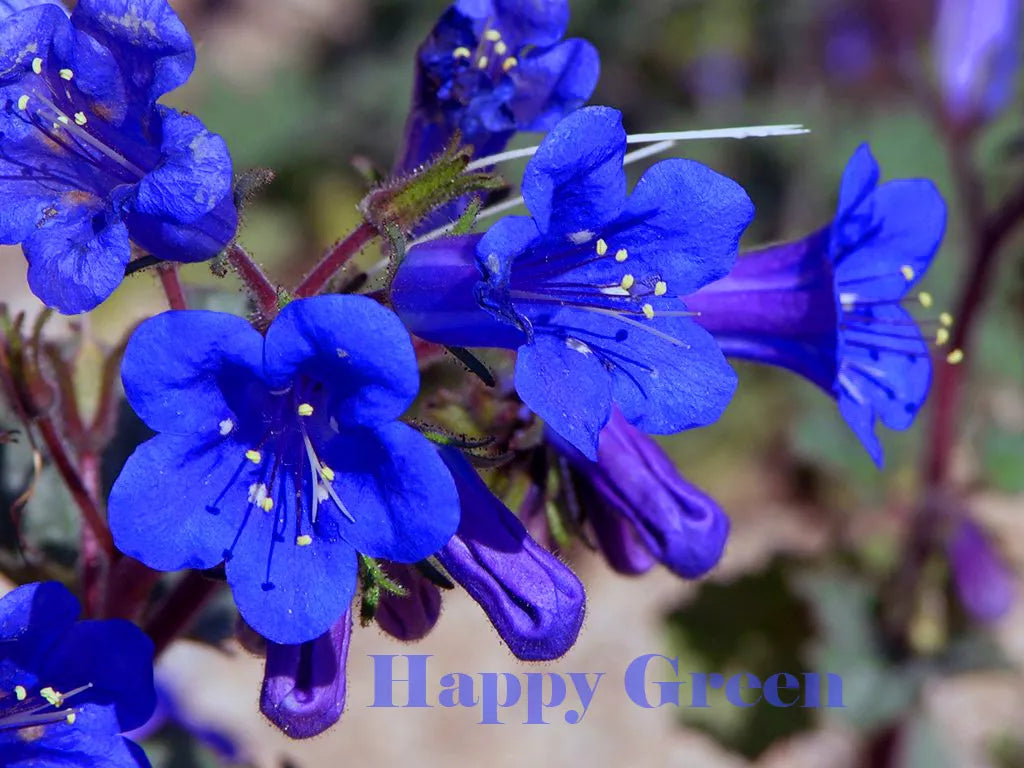
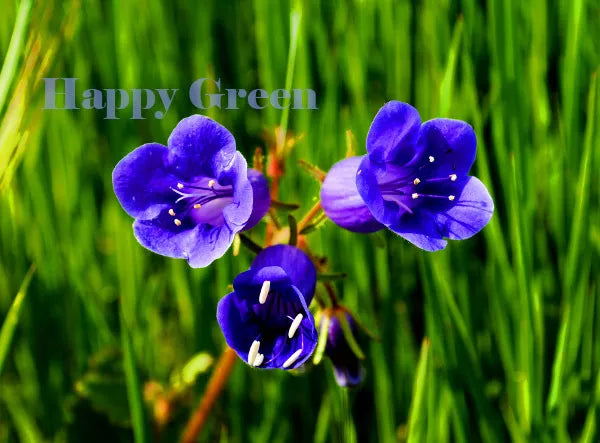
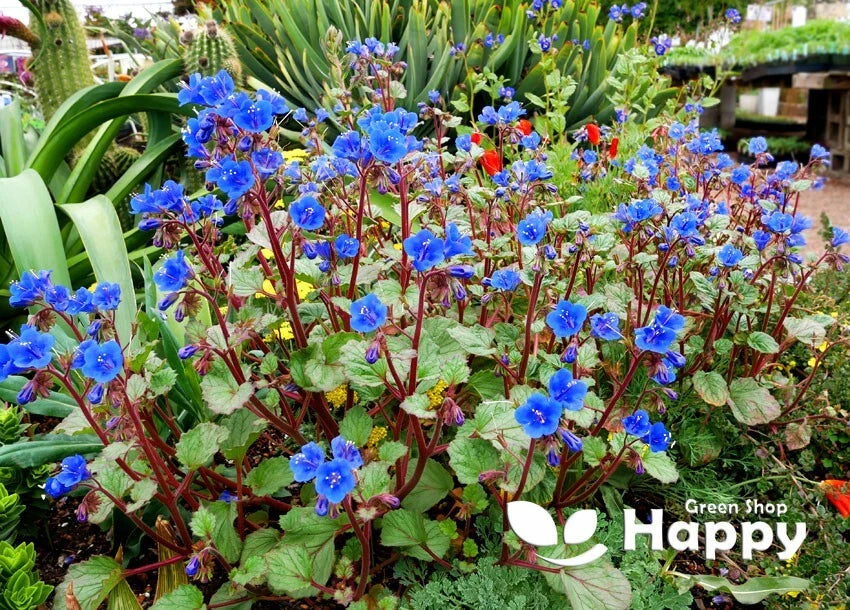
Desert Bluebells (Phacelia campanularia) produce vibrant sky-blue, bell-shaped flowers that create a striking display in any garden. Hardy and easy to grow, these annuals are perfect for borders, wildflower meadows, or attracting pollinators like bees and butterflies.
What Makes It Special
-
Brilliant sky-blue bell-shaped flowers
-
Fast-growing and hardy
-
Attracts bees and butterflies
-
Ideal for naturalistic garden designs and wildflower meadows
Key Features
-
Annual plant
-
Grows 30–50 cm tall
-
Blooms in late spring to early summer
-
Thrives in full sun with well-drained soil
-
Drought-tolerant once established
Ideal For
-
Garden borders and beds
-
Wildflower meadows
-
Pollinator-friendly gardens
-
Containers and cottage gardens
Sowing
-
Sow directly outdoors after last frost
-
Plant seeds 0.5–1 cm deep
-
Germination: 7–14 days at 15–20°C
-
Space 15–20 cm apart
-
Prefers sunny locations with well-drained soil
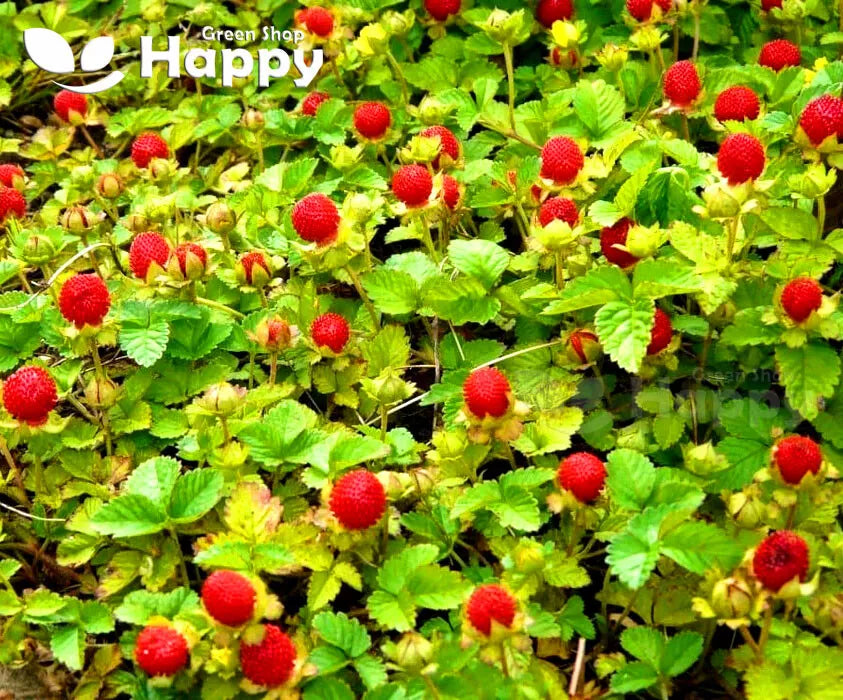
Mock Strawberry – Seeds (Fragaria Duchesnea)
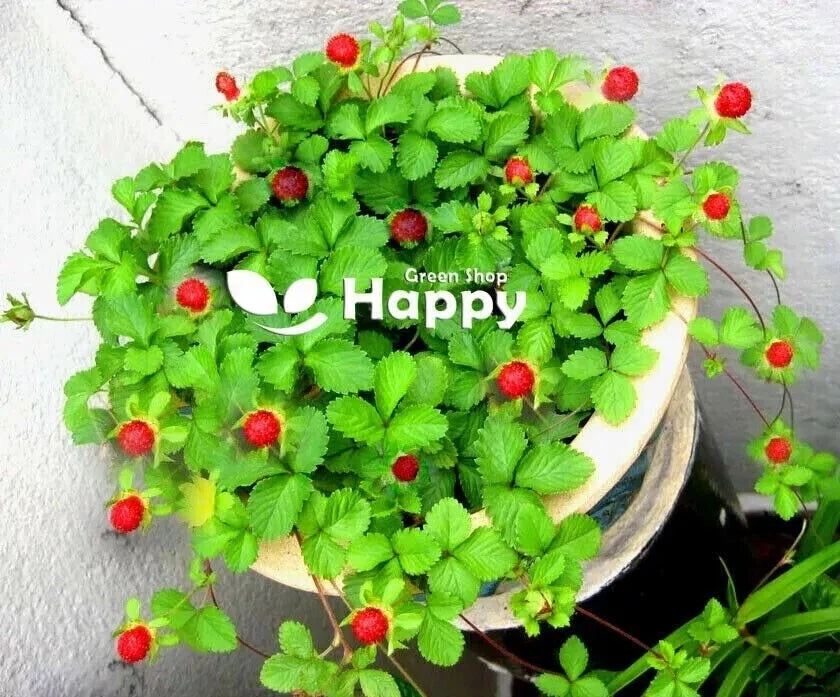
Mock Strawberry is a hardy perennial groundcover with fresh green foliage and small, strawberry-like fruits. Unlike true strawberries, the fruits are bland in flavor, but they add ornamental interest and charm to borders, rock gardens, and naturalized areas. Its cheerful yellow flowers bloom in spring and summer, followed by bright red berries that attract wildlife.
Why Grow "Mock Strawberry"
-
Attractive groundcover with strawberry-like fruits
-
Hardy, low-maintenance perennial
-
Cheerful yellow flowers in spring and summer
-
Provides ornamental red berries for added interest
Key Features
-
Type: Perennial (Fragaria Duchesnea)
-
Height: 10–15 cm
-
Flowering: Spring to summer
-
Position: Full sun to partial shade
-
Uses: Groundcover, borders, rock gardens, naturalized areas
Ideal For
-
Low-maintenance groundcover planting
-
Rock gardens and edges
-
Wildlife-friendly gardens
-
Naturalizing in lawns or meadows
Sowing & Growing
-
Sow indoors: Early spring at 15–20°C
-
Germination: 20–30 days
-
Transplant outdoors after frost, spacing 20 cm apart
-
Prefers well-drained soil; tolerates a range of conditions

Signet Marigold ‘Lemon Gem’ – Bright, Edible, and Long-Blooming
Signet Marigold ‘Lemon Gem’ produces masses of small, single, lemon-yellow blooms above fine, lacy foliage. Flowering continuously from summer to frost, it adds cheerful color, a light citrus scent, and edible petals to the garden. Perfect for edging, pots, and companion planting.
What Makes It Special
-
Clear lemon-yellow single blooms all summer
-
Delicate, fern-like foliage with a citrus fragrance
-
Edible petals for garnishes and salads
-
Long flowering season with minimal care
-
Attracts bees and butterflies
Key Features
-
Height: 20–25 cm – ideal for edging and containers
-
Prolific flowers in sunny conditions
-
Aromatic foliage helps deter some pests
-
Heat- and drought-tolerant once established
-
Suitable for ornamental and edible gardens
Ideal For
-
Edging borders and pathways
-
Patio pots and window boxes
-
Edible gardens for garnishes
-
Companion planting with vegetables
Sowing
-
Sow indoors 4–6 weeks before last frost or direct sow after frost danger has passed
-
Plant seeds 0.5 cm deep in well-drained soil at 18–22°C
-
Germination: 7–14 days
-
Space plants 20–25 cm apart
-
Requires full sun for best performance
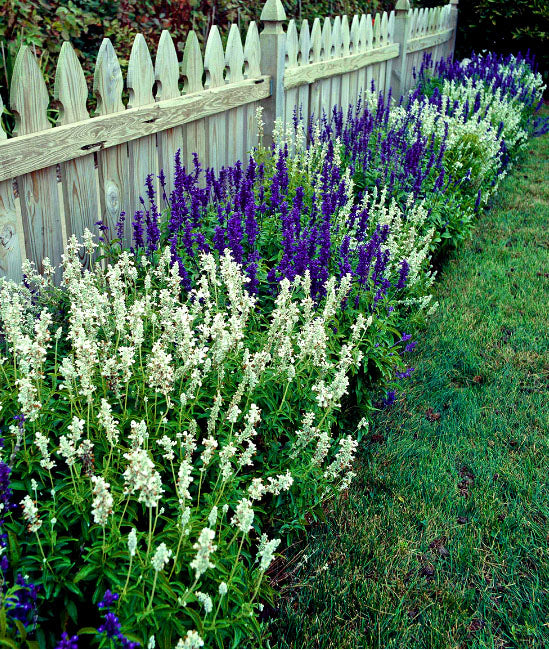
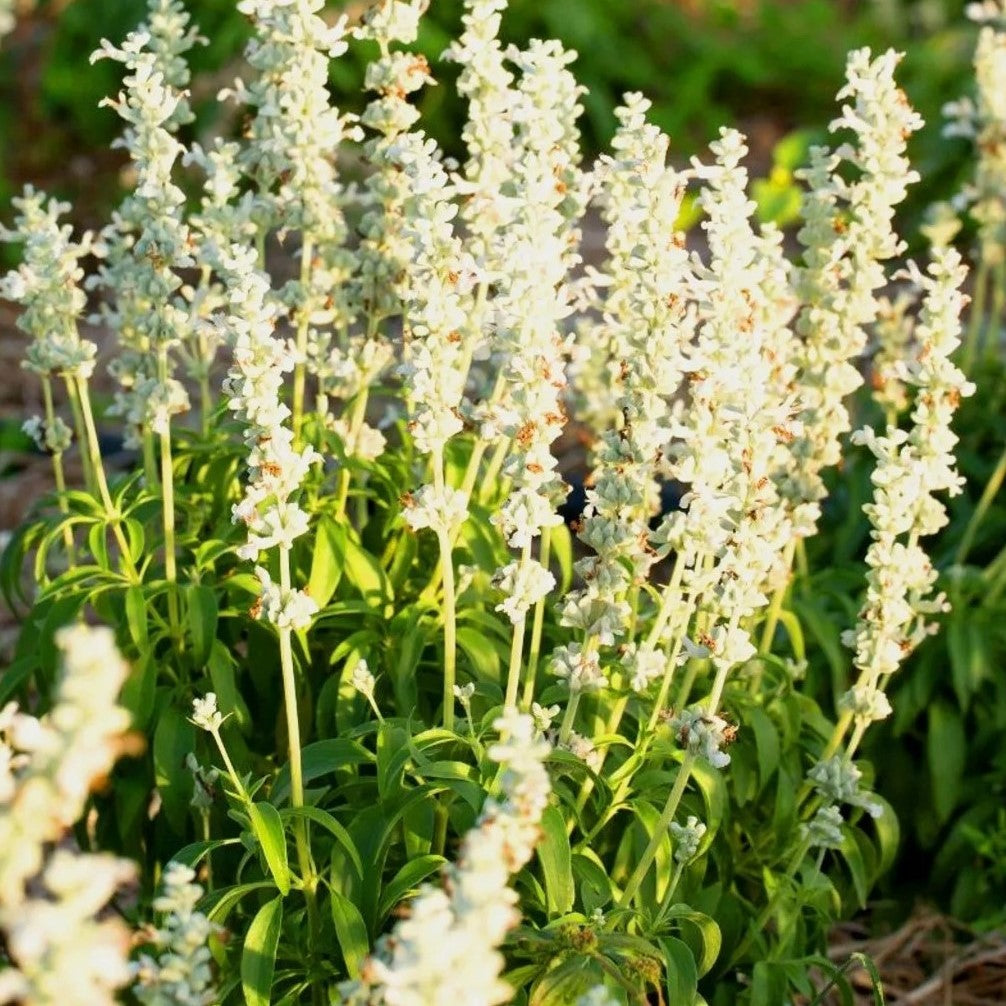
Mealy Cup Sage ‘White Victory’ Seeds (Salvia farinacea)
Add elegance and long-lasting color to your garden with Mealy Cup Sage ‘White Victory’ (Salvia farinacea). This hardy annual produces spikes of pure white flowers above silvery-green foliage, creating a striking vertical accent in borders, beds, and containers. Easy to grow and drought-tolerant once established, it attracts pollinators and offers a long season of interest from summer through autumn.
How to Grow
-
Sow seeds indoors 6–8 weeks before the last frost or directly outdoors after frost risk has passed.
-
Use well-drained soil in a sunny location.
-
Lightly cover seeds with soil and keep moist until germination (10–14 days).
-
Thin seedlings to 25–30 cm apart once established.
-
Water regularly, reducing frequency once plants are established.
-
Deadhead spent flowers to encourage continuous blooming.
Key Features
-
Spikes of pure white flowers above silvery-green foliage
-
Long-flowering annual from summer through autumn
-
Drought-tolerant and easy to grow
-
Excellent for borders, beds, and containers
-
Attracts bees, butterflies, and other pollinators
Ideal For
-
Flower borders and beds
-
Containers, patio planters, and window boxes
-
Pollinator-friendly gardens
-
Cut flower arrangements
Sowing
-
Best time: 6–8 weeks before last frost indoors, or after frost outdoors
-
Germination: 10–14 days
-
Sow thinly, cover lightly, and keep soil moist
-
Prefers full sun and well-drained soil
Quick Tip
-
Deadhead regularly to encourage prolonged flowering and maintain a tidy appearance.
Showing 144/167


