
Sort by:
167 products
167 products
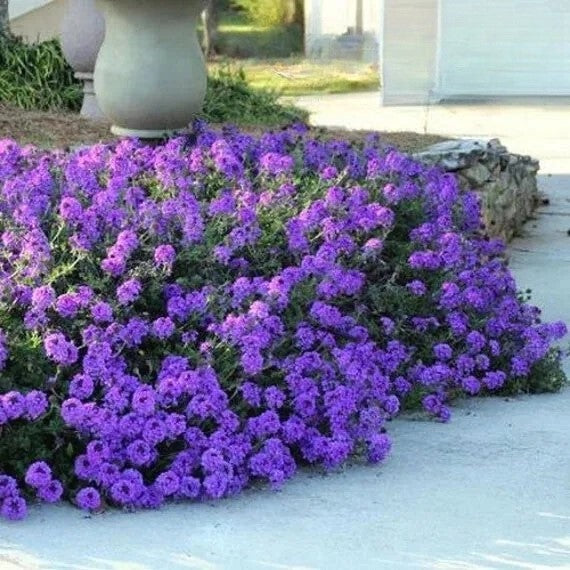
Moss Verbena – Bright, Low-Growing Blooms
Moss Verbena (Verbena tenuisecta) produces a carpet of delicate, star-shaped flowers in shades of purple, pink, and white. Its fine, moss-like foliage and trailing habit make it perfect for borders, rock gardens, and containers. This heat-tolerant, long-flowering annual attracts pollinators and adds vibrant color throughout the summer.
What Makes It Special
-
Low-growing, trailing habit ideal for ground cover
-
Long-lasting blooms in bright, cheerful colors
-
Attracts bees and butterflies
-
Drought-tolerant once established
Key Features
-
Height: 15–20 cm
-
Spreads 30–40 cm
-
Annual – blooms the first year from seed
-
Thrives in full sun and well-drained soil
-
Continuous flowering summer to frost
Ideal For
-
Borders, rock gardens, and containers
-
Pollinator-friendly gardens
-
Summer color displays and edging
-
Hanging baskets and window boxes
Sowing
-
-
Sow indoors 6–8 weeks before last frost or direct in spring
-
Cover seeds lightly with compost
-
Germination: 10–14 days at 18–21°C
-
Space seedlings 20–25 cm apart
-
Full sun and regular watering for best blooms
-
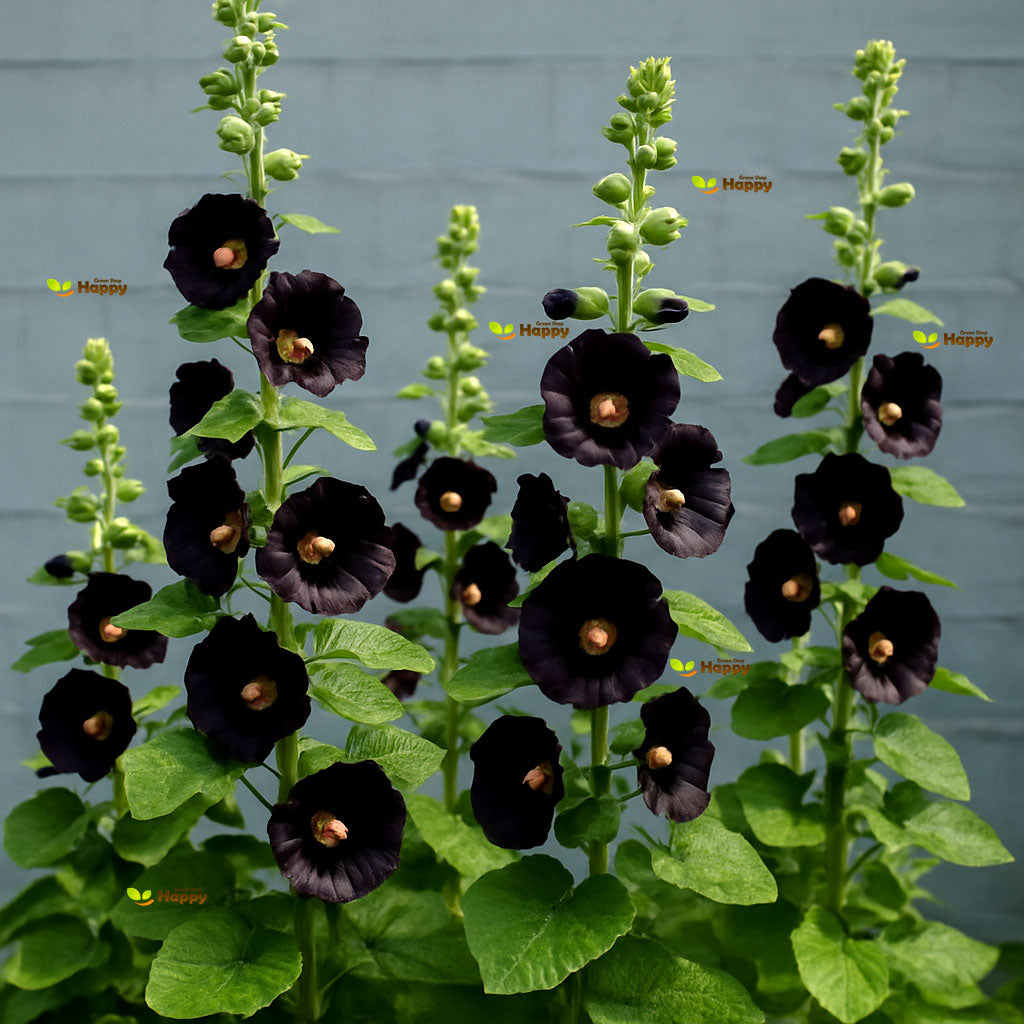
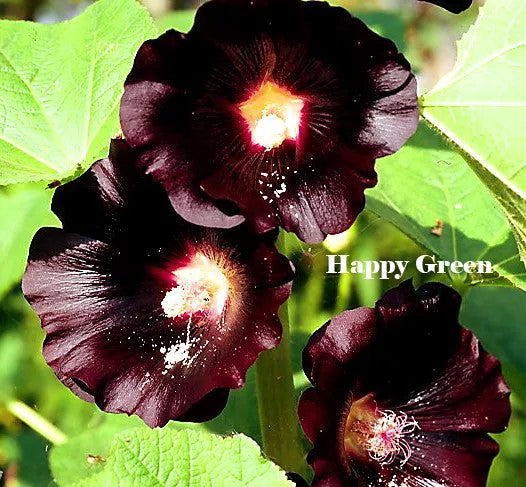
Black Hollyhock – Seeds (Althaea rosea nigra)
Black Hollyhock (Althaea rosea nigra) is a striking biennial producing tall spikes of deep, dark purple to almost black double blooms. Its dramatic flowers create a bold focal point in borders, cottage gardens, and pollinator-friendly areas. Easy to grow and long-lasting, this variety attracts bees and butterflies while adding elegance and vertical interest to any garden.
Why Grow "Black Hollyhock"
-
Tall spikes of deep purple to nearly black flowers
-
Dramatic focal point for borders and cottage gardens
-
Attracts bees, butterflies, and other pollinators
-
Hardy biennial with long-lasting blooms
Key Features
-
Type: Biennial (Althaea rosea nigra)
-
Height: 1.8–2.0 m
-
Flowering: Second year after sowing
-
Position: Full sun
-
Uses: Borders, cottage gardens, pollinator planting, cut flowers
Ideal For
-
Creating vertical interest and dramatic color in borders
-
Cottage and mixed garden designs
-
Pollinator-friendly planting
-
Gardeners seeking bold, elegant biennial flowers
Sowing & Growing
-
Sow indoors: January–March
-
Sow outdoors: Directly in soil April–May
-
Germination: 14–21 days
-
Plant out after last frost, spacing 45–60 cm apart
-
Prefers full sun and well-drained soil
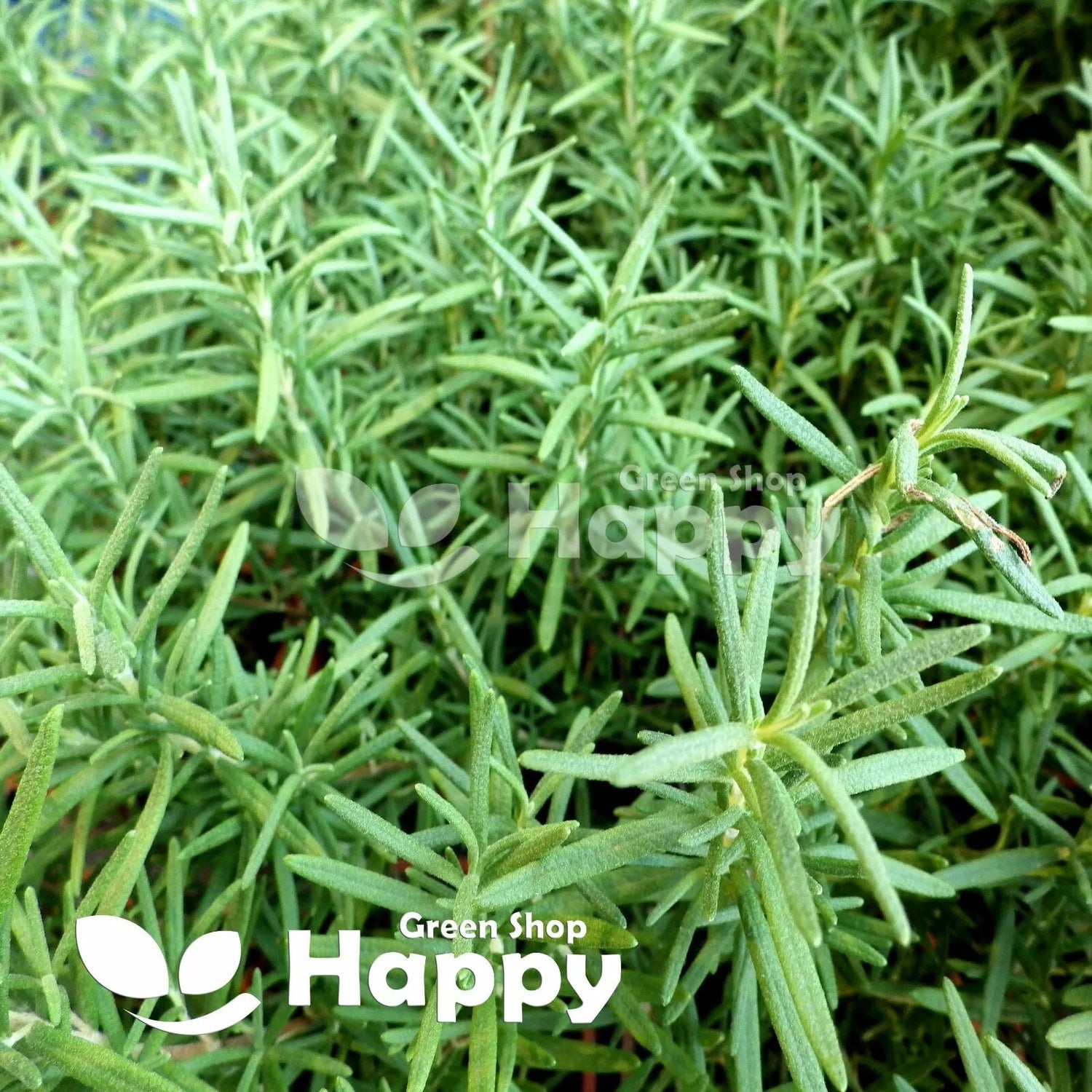
Russian Tarragon – Seeds (Artemisia dracunculus)
Russian Tarragon is a hardy perennial herb valued for its anise-like flavor and aromatic leaves. While milder than French tarragon, it grows easily from seed, making it an excellent choice for gardeners who want a reliable and vigorous herb. Perfect for flavoring chicken, fish, salads, and sauces, it also makes a decorative addition to herb gardens with its fine, slender foliage.
How to Grow
-
Sow indoors: March – May in seed trays or pots.
-
Transplant outdoors: After last frost into a sunny, sheltered position.
-
Soil: Well-drained, light soil.
-
Spacing: 30–45 cm apart.
-
Water moderately, avoid waterlogging.
Key Features
-
Hardy perennial, easy to grow from seed
-
Aromatic leaves with mild anise flavor
-
Reliable alternative to French tarragon
-
Drought-tolerant once established
-
Attractive foliage for herb borders
Ideal For
-
Herb gardens and kitchen gardens
-
Flavoring chicken, fish, soups, and sauces
-
Growing in pots, raised beds, or borders
Sowing & Harvest
-
Sow: March – May
-
Harvest: July – October
Quick Tip
Pinch back growing tips to encourage bushy growth. For best flavor, harvest young leaves before flowering.
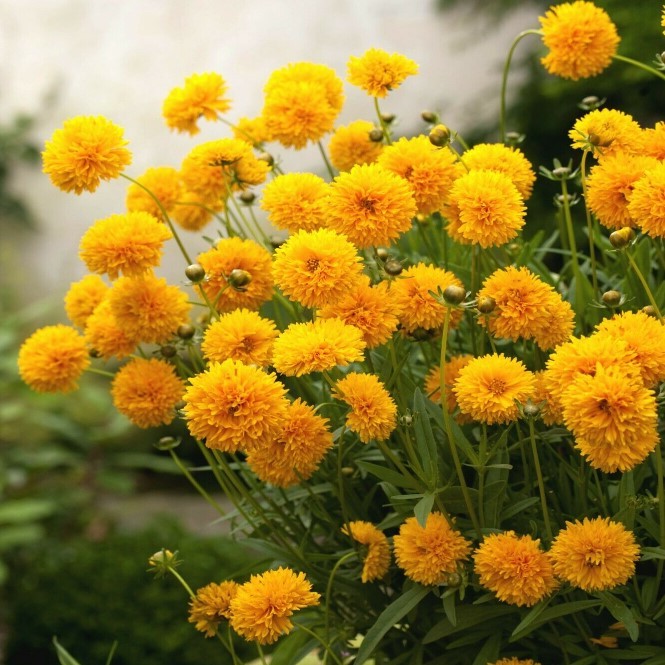
Coreopsis ‘Golden Globe’ Yellow Seeds (Coreopsis grandiflora)
Coreopsis ‘Golden Globe’ is a hardy perennial with bright golden-yellow, daisy-like flowers that bloom profusely from early summer to autumn. Compact and bushy, it’s perfect for borders, containers, and sunny garden beds. Easy to grow and drought-tolerant, it attracts bees and butterflies, adding cheerful color and pollinator-friendly appeal.
What Makes It Special
-
Vivid golden-yellow blooms all summer
-
Compact, bushy habit ideal for borders and containers
-
Attracts bees, butterflies, and other pollinators
Key Features
-
Botanical name: Coreopsis grandiflora
-
Hardy perennial
-
Height: 40–50 cm
-
Bloom time: Early summer to autumn
Ideal For
-
Borders, containers, and sunny beds
-
Pollinator-friendly gardens
-
Cottage and wildflower-style plantings
Sowing
-
Sow indoors Feb–Apr or outdoors Apr–Jun
-
Cover seeds lightly with soil
-
Germination: 14–21 days at 18–22°C
-
Space seedlings 30–35 cm apart
-
Flowers from the second year onward

🌿 Foeniculum vulgare Common Fennel – Aromatic Herb with Feathery Foliage and Edible Seeds
Common Fennel is a classic aromatic perennial herb grown for its feathery, blue-green foliage, yellow umbel flowers, and highly fragrant seeds. With a distinctive sweet aniseed flavour, it is valued in both culinary and medicinal use. The leaves, seeds and young stems are all edible, while the tall, elegant plants add structure to herb gardens, borders and wildlife-friendly plantings.
Key Features
● Aromatic herb with sweet aniseed flavour
● Feathery blue-green foliage and yellow flowers
● Edible leaves and seeds for cooking and teas
● Attractive to bees and beneficial insects
● Decorative and useful herb for gardens
How to Sow & Grow Common Fennel (UK)
Direct sowing recommended – dislikes transplanting
Direct outdoors: IV–VI (April–June)
Harvest: VI–IX (June–September) for leaves, later for seeds
Life cycle: Perennial (often grown as a short-lived perennial or annual)
Germination temperature: 15–20 °C (59–68 °F)
Average germ time: 7–14 days
Depth: 0.5–1 cm (¼–½ in)
Light required: Yes
Moisture: Moderate; drought-tolerant once established
Environment: Full sun
Soil type: Well-drained, light soil
Plant spacing: 30–40 cm (12–16 in)
Height: 120–180 cm (47–71 in)
Sowing & Growing Tips (variety-specific)
● Choose a permanent position, as fennel dislikes root disturbance.
● Avoid planting near dill or coriander to prevent cross-pollination.
● Cut leaves regularly to encourage fresh growth.
● Allow flowers to set seed for culinary or herbal use.
● Very low maintenance once established.
Special Features
● Classic culinary and medicinal herb
● Tall, elegant growth with ornamental value
● Excellent pollinator plant
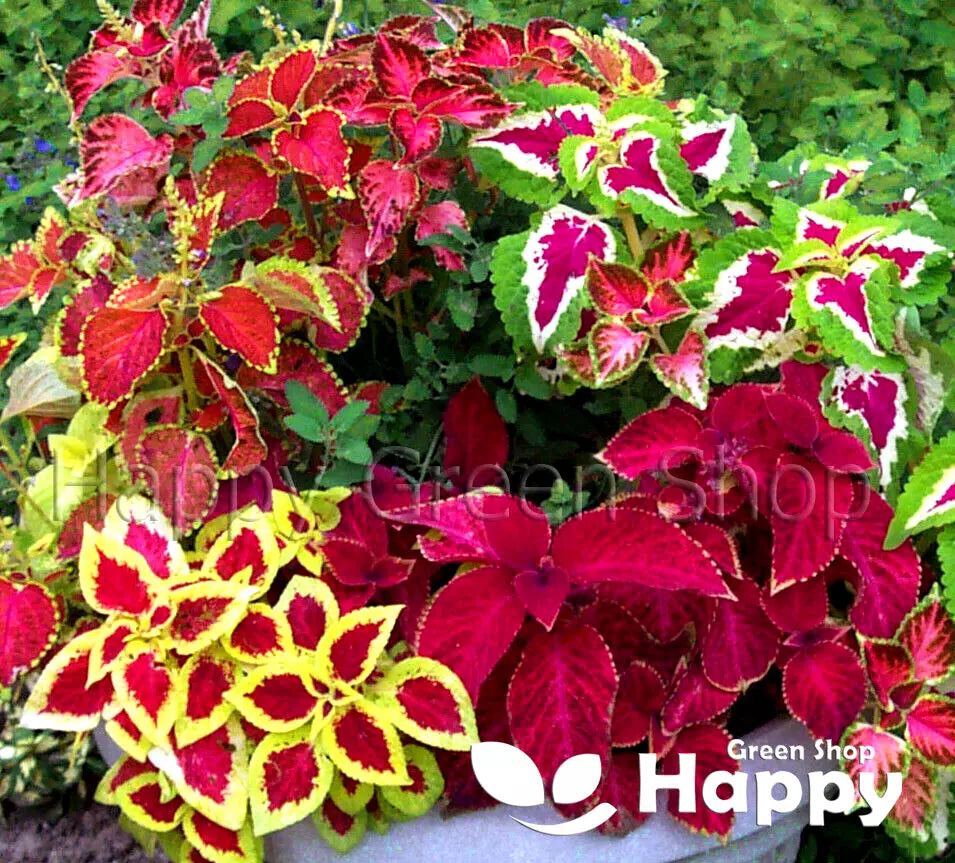
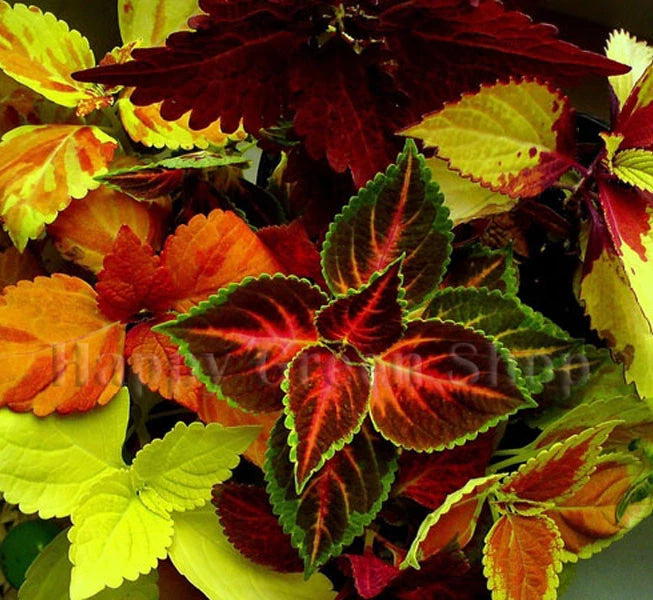
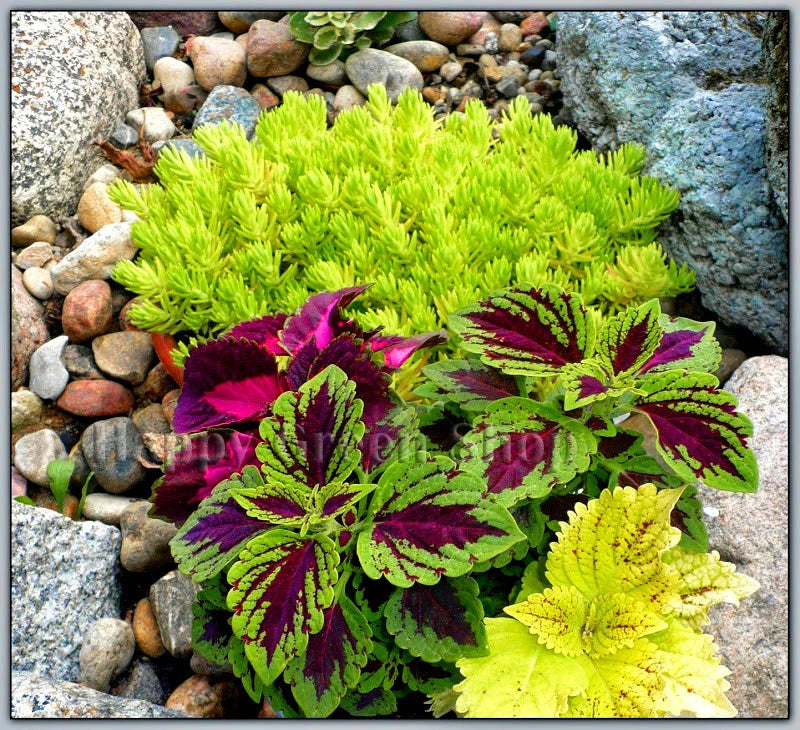
Coleus ‘Everest Formula’ Mixed – Seeds (Coleus blumei)
Coleus ‘Everest Formula’ Mixed (Coleus blumei) is a striking annual known for its vibrant, multicolored foliage in shades of green, red, burgundy, and yellow. Blooming from late spring to autumn, this compact plant adds bold color and texture to borders, containers, and indoor displays. Easy to grow and low-maintenance, it thrives in sunny or partially shaded spots and attracts attention with its dramatic foliage.
Why Grow "Everest Formula"
-
Vibrant, multicolored foliage in green, red, burgundy, and yellow
-
Long-lasting color from late spring to autumn
-
Compact, low-maintenance annual
-
Ideal for borders, containers, and indoor planting
Key Features
-
Type: Annual (Coleus blumei)
-
Height: 25–35 cm
-
Flowering: Late spring to autumn (foliage-focused)
-
Position: Full sun to partial shade
-
Uses: Borders, containers, indoor displays, mixed beds
Ideal For
-
Adding bold, colorful foliage to borders and containers
-
Indoor or patio displays
-
Cottage and mixed garden beds
-
Eye-catching low-maintenance planting
Sowing & Growing
-
Sow indoors: February–April in trays or pots
-
Sow outdoors: April–May after frost
-
Germination: 10–14 days at 18–22°C
-
Thin seedlings 20–25 cm apart
-
Prefers well-drained soil in full sun to partial shade
-
Water moderately until established
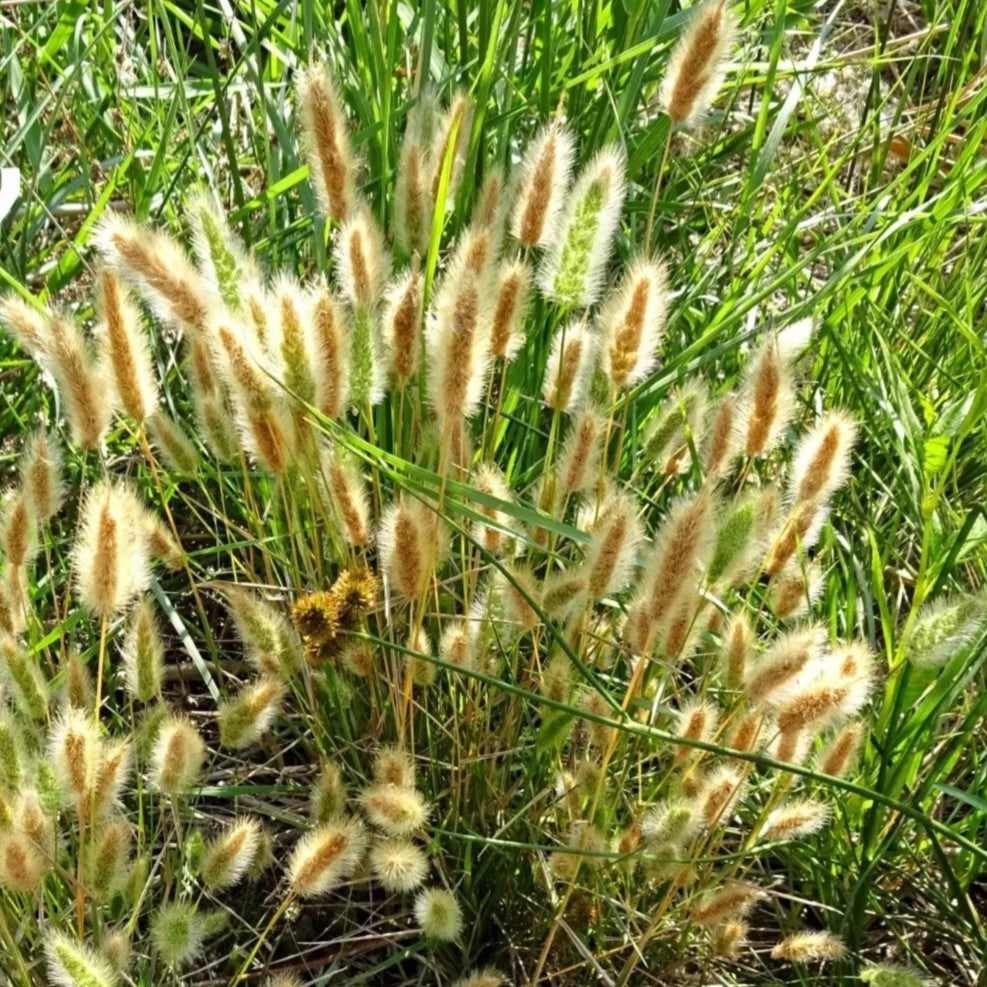
Rabbit’s Foot Grass Seeds – Polypogon monspeliensis
Add a touch of softness and movement to your garden with Rabbit’s Foot Grass (Polypogon monspeliensis). This annual ornamental grass produces charming, fluffy flower heads resembling rabbit’s feet, swaying gracefully in the breeze. Perfect for borders, containers, or dried arrangements, it’s a unique addition to any garden design.
How to Grow
-
Sow directly outdoors in spring after the last frost or start indoors earlier.
-
Use well-drained soil in a sunny to partially shaded location.
-
Lightly press seeds into the soil without covering deeply.
-
Keep soil moist until germination, usually within 7–14 days.
-
Thin seedlings as they grow to allow good air circulation.
-
Harvest flower heads for drying when they are fully developed.
Key Features
-
Produces fluffy, rabbit-foot-like flower heads
-
Adds movement and texture to gardens and containers
-
Annual grass, fast and easy to grow
-
Excellent for dried flower arrangements and crafts
-
Attracts interest as a decorative garden accent
Ideal For
-
Cottage gardens and naturalistic plantings
-
Borders and flower beds
-
Containers and pots
-
Dried floral arrangements and bouquets
Sowing
-
Best time: Spring after frost
-
Germination time: 7–14 days
-
Sow thinly, lightly cover, and keep soil moist
-
Prefers full sun to partial shade
Quick Tip
-
For longer-lasting dried arrangements, cut flower heads just before they fully open and hang them upside down to dry.
Yarrow ‘Summer White’ – Seeds (Achillea millefolium)
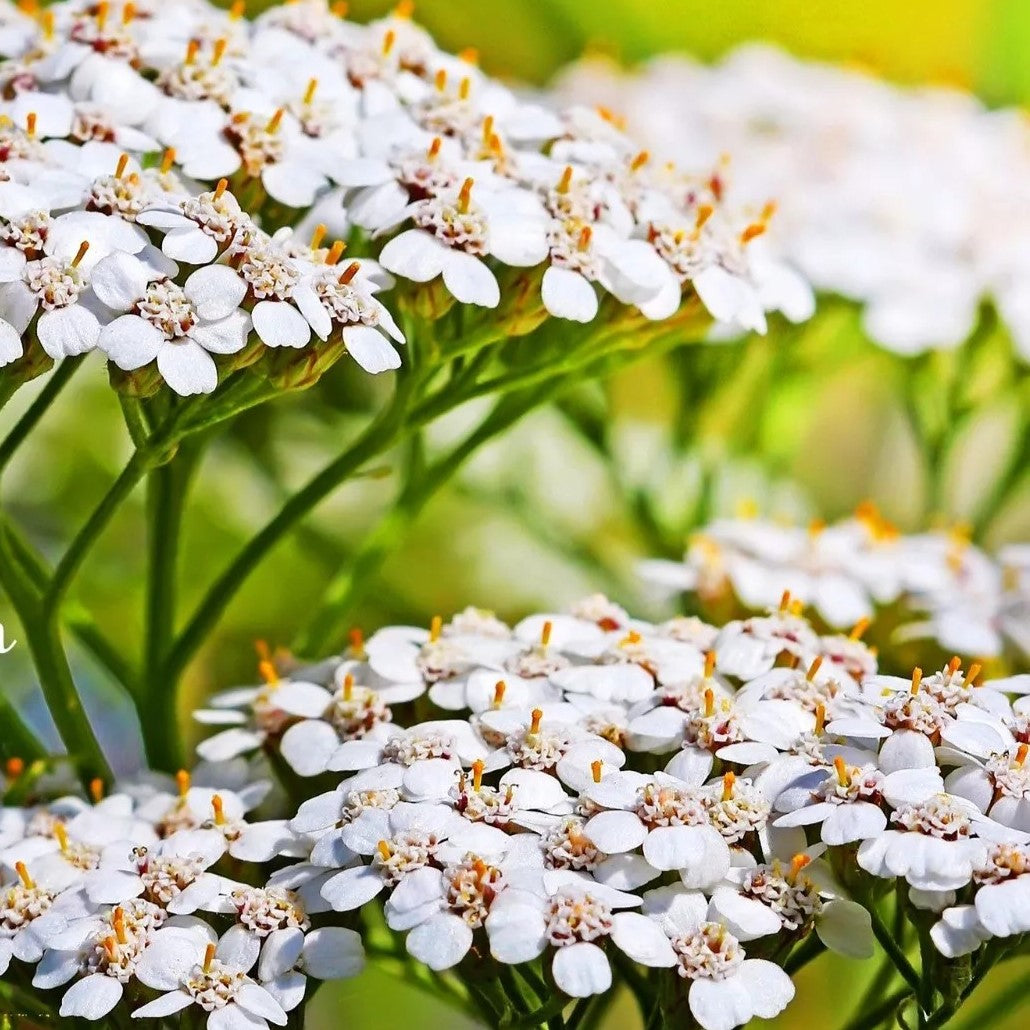
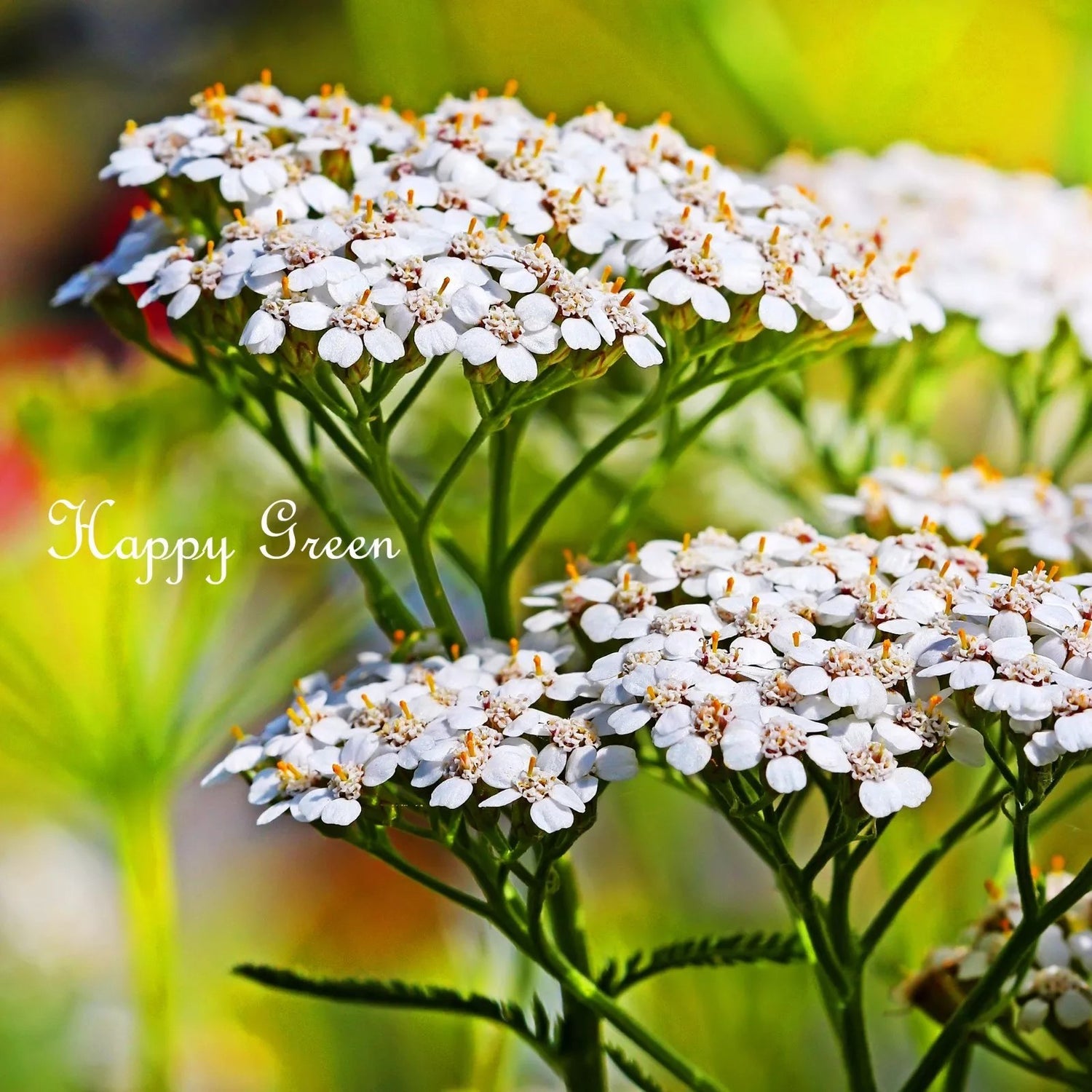
Yarrow ‘Summer White’ is a hardy perennial producing flat clusters of pure white blooms atop feathery, aromatic foliage. Blooming from early summer to autumn, this versatile plant thrives in borders, rockeries, and cottage gardens. Drought-tolerant and low-maintenance, it attracts pollinators like bees and butterflies, adding texture, fragrance, and long-lasting color to your garden.
Why Grow "Summer White"
-
Flat clusters of pure white, long-lasting flowers
-
Drought-tolerant and low-maintenance
-
Attracts bees, butterflies, and other pollinators
-
Ideal for borders, rockeries, and cottage gardens
Key Features
-
Type: Perennial (Achillea millefolium)
-
Height: 60–80 cm
-
Flowering: Early summer to autumn
-
Position: Full sun
-
Uses: Borders, rockeries, cottage gardens, pollinator gardens
Ideal For
-
Adding texture and structure to borders and beds
-
Cottage and mixed garden designs
-
Pollinator-friendly garden planting
-
Gardeners seeking hardy, long-flowering perennials
Sowing & Growing
-
Sow indoors: 6–8 weeks before last frost
-
Sow outdoors: Directly after frost danger has passed
-
Germination: 10–20 days
-
Space seedlings: 30–40 cm apart
-
Prefers well-drained soil and full sun
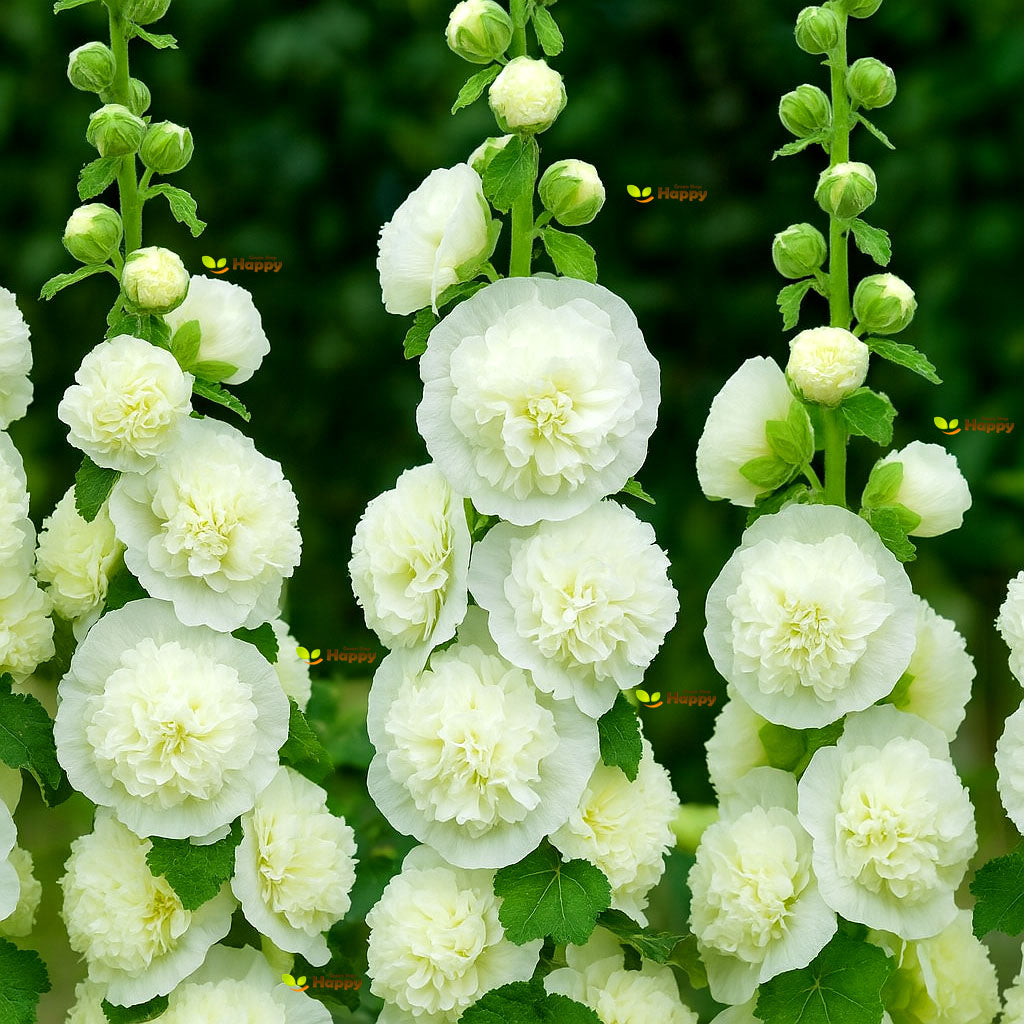
Althaea rosea ‘Double Chater's White’ is a stunning cottage garden favourite producing magnificent fully double, snow-white flowers densely arranged along tall, stately flower spikes. These elegant blooms create a spectacular vertical display, making them ideal for planting against walls, fences or at the back of sunny borders.
A reliable hardy perennial, this classic hollyhock flowers abundantly throughout summer and is highly attractive to bees and other beneficial pollinators. The impressive flower spikes are also excellent for cutting, bringing timeless cottage garden charm indoors.
● Fully double pure white flowers
● Tall architectural flower spikes
● Perfect for cottage gardens and borders
● Excellent cut flower variety
● Hardy perennial attractive to pollinators
● Seeds can be sown directly outdoors from late spring, where plants are to flower, or started indoors for earlier establishment.
● Autumn sowing is also suitable and often produces strong plants that flower well the following season.
● Choose a sheltered, sunny position, as tall flower spikes may require staking in exposed locations.
● Water regularly during prolonged dry periods, particularly while plants are establishing.
● Remove spent flower spikes after flowering to encourage healthy growth and reduce unwanted self-seeding.
● Spectacular double blooms
● Traditional cottage garden favourite
● Outstanding cut flower and pollinator plant
Showing 63/167


