
Sort by:
167 products
167 products
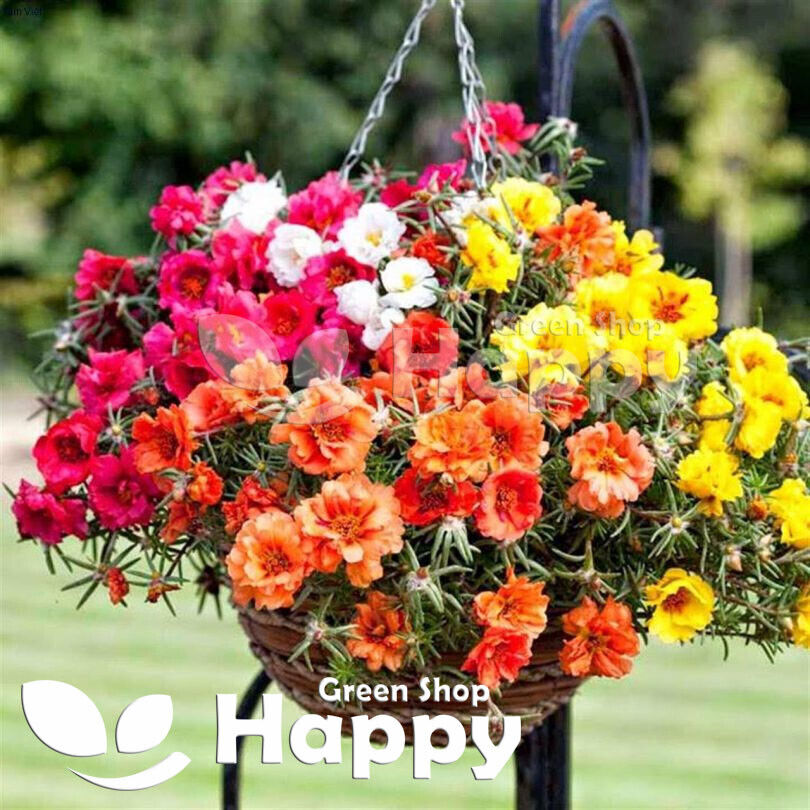
Moss Rose Double – Seeds (Portulaca grandiflora)
The Moss Rose Double is a vibrant, sun-loving annual that produces rose-like double blooms in a brilliant mix of colors—pink, red, yellow, orange, and white. With its trailing habit and fleshy, succulent foliage, it is exceptionally drought-tolerant and easy to grow, making it ideal for containers, baskets, and rock gardens.
What Makes It Special
-
Striking double flowers with a rose-like form
-
Thrives in heat and poor, dry soils
-
Long flowering season through summer
-
Excellent for low-maintenance gardens
Key Features
-
Botanical name: Portulaca grandiflora
-
Variety: Moss Rose Double
-
Seed count: Approx. seeds per pack
-
Height/Spread: 10–15 cm tall, spreading to 30 cm
-
Position: Full sun; sandy, well-drained soil
-
Flowering period: Summer to early autumn
Ideal For
-
Hanging baskets and containers
-
Rock gardens and sunny borders
-
Ground cover in hot, dry spots
-
Colorful edging displays
Sowing Instructions
-
When to sow: March–May indoors or April–June outdoors after frost
-
How to sow:
-
Scatter seeds on the soil surface (light aids germination)
-
Press gently but do not cover deeply
-
Germination: 10–14 days
-
-
After germination:
-
Thin seedlings to 15–20 cm apart
-
Water sparingly—plants prefer drier soil
-
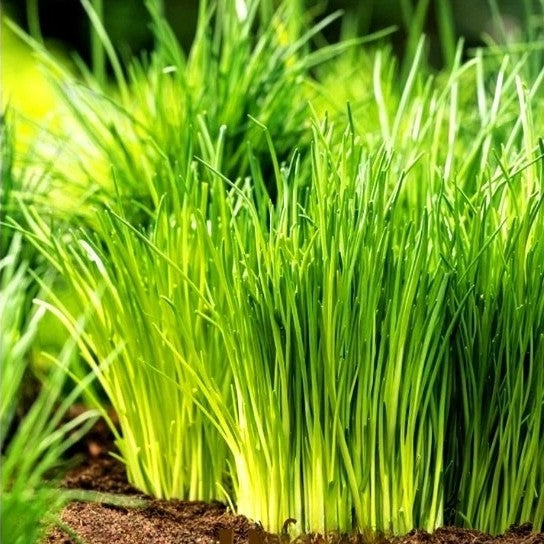
Fine Leaved Chives Seeds (Allium schoenoprasum)
Add fresh, mild onion flavor to your dishes with Fine Leaved Chives, a classic herb with slender, dark green leaves and delicate edible flowers. Ideal for salads, soups, sauces, and garnishes, this perennial herb is easy to grow and provides harvests year after year. Its compact growth habit makes it perfect for garden beds, borders, and containers.
How to Grow
-
Sow indoors 6–8 weeks before the last frost or directly outdoors in spring.
-
Prefers fertile, well-drained soil in full sun or light shade.
-
Sow seeds 0.5 cm deep in rows 20–25 cm apart.
-
Thin seedlings to 15 cm apart.
-
Harvest leaves regularly to encourage bushy growth.
Key Features
-
Perennial herb with fine, slender leaves
-
Mild, fresh onion flavor for culinary use
-
Compact and easy to grow in beds or containers
-
Long-lasting harvest year after year
-
Attractive edible purple flowers
Ideal For
-
Fresh salads, soups, sauces, and garnishes
-
Container and herb gardens
-
Gardeners seeking perennial, low-maintenance herbs
-
Adding flavor and ornamental interest to beds
Sowing
-
Best time: Early spring indoors or direct sow outdoors
-
Depth: 0.5 cm
-
Row spacing: 20–25 cm
-
Plant spacing: Thin to 15 cm apart
-
Harvest: From 8–10 weeks after sowing
Quick Tip
-
Trim leaves regularly to promote fresh, tender growth and prevent flowering if desired.
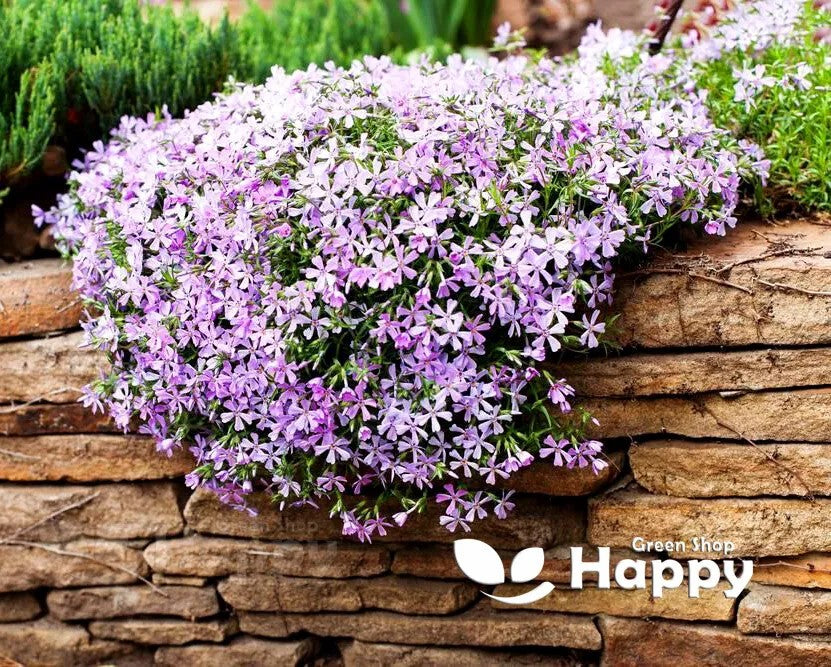
Mountain Phlox – Seeds (Linanthus grandiflorus)
Bring a splash of wildflower beauty to your garden with Mountain Phlox (Linanthus grandiflorus). This charming annual produces clusters of dainty, star-shaped flowers in shades of lavender, pink, and white, creating a soft carpet of color. Native to western North America, Mountain Phlox is well-suited to rock gardens, borders, and wildflower meadows, thriving in sunny, well-drained spots.
Why Grow Mountain Phlox?
-
Dainty star-shaped blooms in pastel shades
-
Long-lasting summer color
-
Attracts bees, butterflies, and pollinators
-
Excellent for rock gardens and naturalized plantings
-
Easy to grow and low maintenance
Key Features
-
Type: Hardy annual
-
Height: 20–40 cm
-
Flowering: June–August
-
Position: Full sun; light, well-drained soil
-
Uses: Rock gardens, borders, wildflower mixes, containers
Ideal For
-
Adding soft pastel tones to summer displays
-
Pollinator-friendly gardens
-
Drought-tolerant, low-maintenance areas
-
Naturalistic or meadow-style planting
Sowing & Growing
-
Sow outdoors: March–May directly where they are to flower
-
Cover seeds lightly with soil, keep moist until germination
-
Germination: 14–21 days at 15–20°C
-
Thin seedlings to 15–20 cm apart
-
Flowers in summer the same year
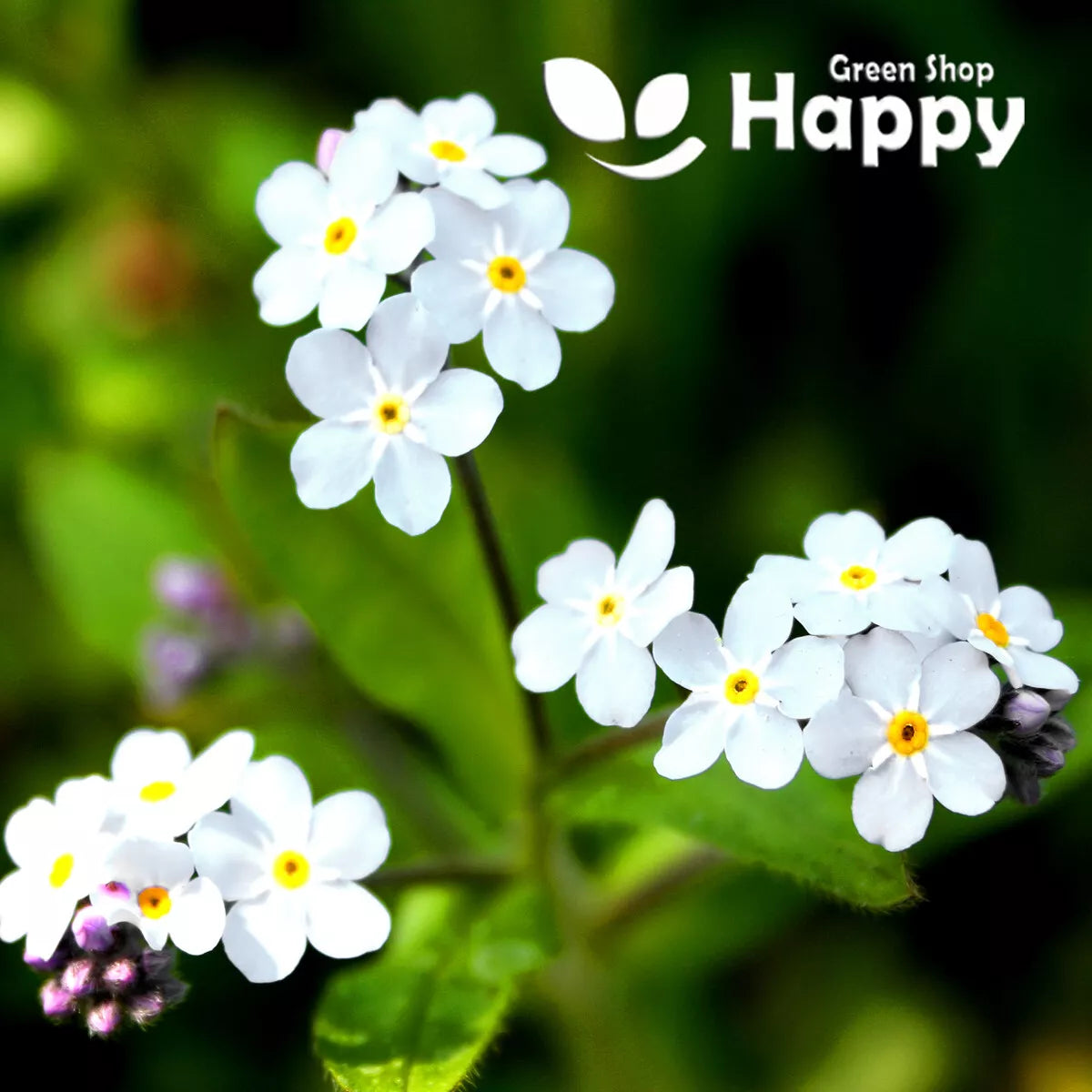
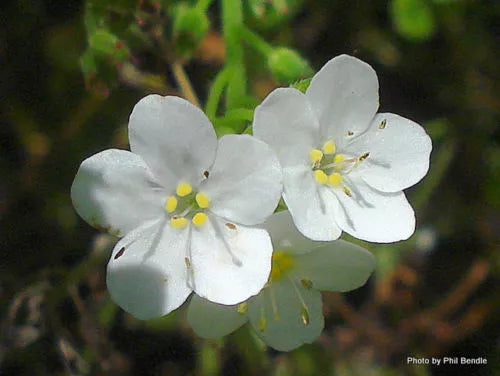
Alpine Forget-Me-Not White Seeds (Myosotis alpestris)
The Alpine Forget-Me-Not White is a rare and elegant form of the classic alpine flower, producing clusters of pure white star-like blooms with delicate yellow centers. Compact and easy to grow, this hardy perennial is perfect for adding a touch of brightness to shady corners, rockeries, and spring borders. Its soft charm makes it a beautiful companion to blue and pink varieties, creating a natural alpine display.
What Makes It Special
-
Unusual snow-white blooms, less common than the classic blue
-
Hardy and resilient, ideal for cool and mountainous conditions
-
A symbol of purity, remembrance, and enduring affection
-
Pairs beautifully with colored alpine flowers and spring bulbs
Key Features
-
Botanical name: Myosotis alpestris
-
Variety: Alpine White
-
Height/Spread: 15–25 cm tall, 15–20 cm spread
-
Position: Full sun to partial shade; prefers moist, well-drained soil
-
Flowering period: Spring to early summer
-
Lifespan: Hardy perennial (often grown as a biennial)
Ideal For
-
Rock gardens and alpine borders
-
Shady garden spots
-
Cottage and wildflower gardens
-
Mixed displays with blue and pink forget-me-nots
-
Spring bulb underplanting (tulips, daffodils, hyacinths)
Sowing Instructions
-
When to sow: Late spring to mid-summer (May–July) for blooms the following spring.
-
How to sow:
-
Sow thinly on trays or directly into finely raked soil outdoors.
-
Cover lightly with soil or compost.
-
Keep moist until germination (10–21 days).
-
-
Transplant/Thin: Space seedlings 15–20 cm apart when large enough to handle.
-
Care: Allow to self-seed naturally for repeat displays year after year.


Pampas Grass Pink Seeds (Cortaderia selloana)
Pampas Grass in soft pink shades is a spectacular ornamental grass, perfect for creating a bold yet elegant focal point in any garden. The tall plumes add height, texture, and movement to borders, while their delicate blush tones make them highly sought-after for floral arrangements and home décor.
What Makes It Special
-
Stunning pink-tinged plumes for a unique twist on the classic Pampas
-
Adds drama and structure to landscapes and garden borders
-
Drought-tolerant and hardy once established
-
Excellent for cutting, drying, and modern interior decoration
Key Features
-
Botanical name: Cortaderia selloana
-
Common name: Pampas Grass (Pink)
-
Seed count: Approx. seeds per pack
-
Height/Spread: Up to 2–2.5 m tall, 1.5–2 m spread
-
Position: Full sun; fertile, well-drained soil
-
Flowering period: Late summer to autumn
-
Lifespan: Hardy perennial
Ideal For
-
Dramatic garden focal points
-
Architectural and modern garden design
-
Coastal and drought-tolerant landscapes
-
Cutting and drying for long-lasting pink arrangements
-
Large borders, backdrops, or statement plantings
Sowing Instructions
-
When to sow: February–April indoors, or May–June outdoors after frost
-
How to sow:
-
Sow seeds on the surface of moist compost, do not cover (light needed for germination)
-
Maintain 18–22°C; germination in 2–4 weeks
-
-
Transplant: Pot on seedlings when large enough to handle
-
Planting out: Harden off before planting in a sunny, sheltered position with space to grow
-
Care: Water young plants well; once mature, Pampas Grass becomes drought-tolerant. Cut back old foliage in late winter to encourage fresh growth.

Celosia Giant Mix – Towering Plumes of Fiery Color
Celosia Giant Mix produces bold, feathery plumes in brilliant shades of red, orange, yellow, and pink. These tall, show-stopping blooms add vibrant color and striking texture to summer borders, cutting gardens, and large containers. Flowering nonstop until frost, they bring drama and height to any display.
What Makes It Special
-
Extra-tall plumed celosia for maximum impact
-
Brilliant mix of fiery summer colors
-
Excellent for cut and dried floral arrangements
-
Thrives in hot, sunny conditions
-
Long-flowering from summer to frost
Key Features
-
Height: 80–100 cm – perfect for back borders
-
Heat- and drought-tolerant once established
-
Adds height and structure to garden designs
-
Attracts bees and butterflies
-
Easy to grow and low-maintenance
Ideal For
-
Back borders and cutting gardens
-
Large pots and planters
-
Dried flower crafts and arrangements
-
Bold, tropical-inspired displays
Sowing
-
Sow indoors 6–8 weeks before last frost or direct sow after frost danger has passed
-
Lightly press seeds into soil, do not cover heavily
-
Germination: 7–14 days at 21–24°C
-
Space plants 25–30 cm apart
-
Prefers full sun and well-drained soil

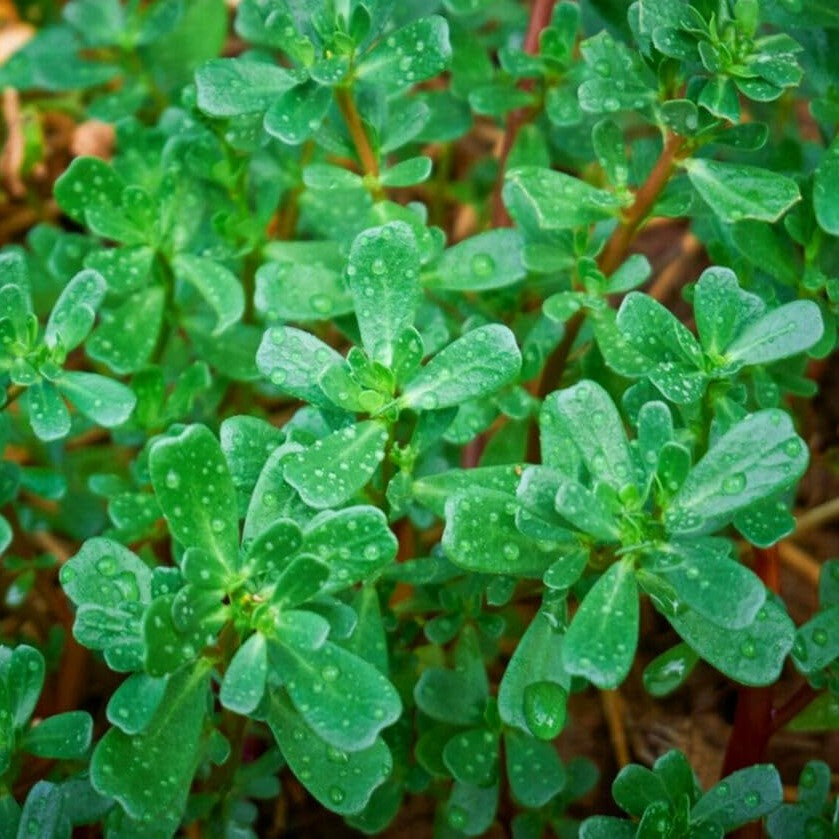
Green Purslane – Seeds
(Portulaca oleracea sativa)
Green Purslane is a fast-growing, highly nutritious leafy vegetable known for its crisp texture and slightly tangy, lemony flavor. Packed with omega-3 fatty acids, vitamins, and minerals, it’s a popular choice for fresh salads, smoothies, soups, and stir-fries. This hardy annual thrives in warm, sunny spots and poor soils, making it an easy-to-grow, low-maintenance crop.
Why Grow Green Purslane?
-
Nutritious superfood rich in omega-3s & antioxidants
-
Succulent leaves with a refreshing, tangy taste
-
Quick-growing and drought-tolerant
-
Versatile in the kitchen: salads, soups, smoothies & sautés
Key Features
-
Type: Annual herb/leafy vegetable
-
Height: 15–30 cm
-
Harvest: 6–8 weeks from sowing
-
Position: Full sun
-
Soil: Well-drained, sandy or poor soils tolerated
Ideal For
-
Kitchen & herb gardens
-
Containers and small spaces
-
Healthy cooking & raw food diets
-
Easy, low-maintenance cultivation
Sowing & Growing
-
Sow outdoors: April–July, directly in soil after frost risk has passed
-
Sow thinly and cover lightly with soil
-
Germination: 7–14 days at 18–22°C
-
Thin seedlings to 15 cm apart
-
Harvest leaves regularly to encourage fresh growth
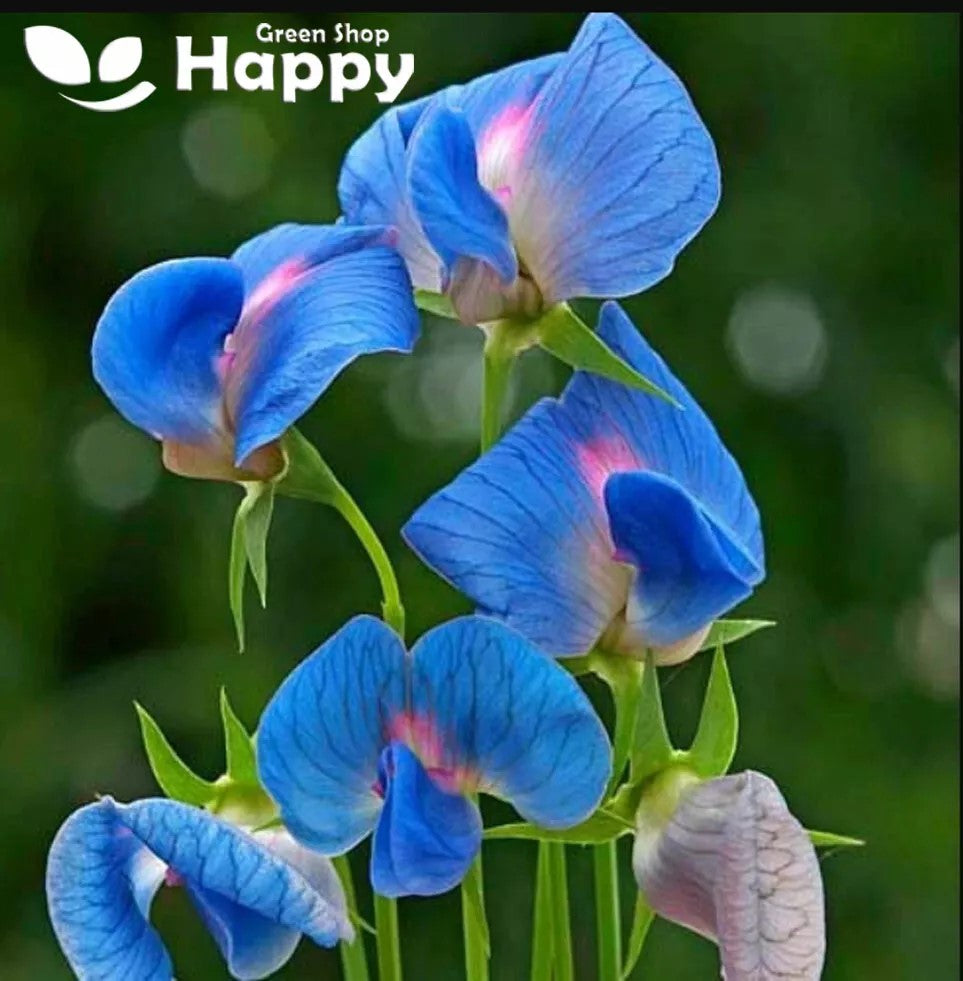
Indian Pea ‘Azureus’ – Blue-Pink Flowers – Seeds (Lathyrus sativus)
The Indian Pea ‘Azureus’ (Lathyrus sativus) is a striking and unusual climbing annual, producing delicate blue to pink pea-like blossoms above fine green foliage. Fast-growing and drought-tolerant, it thrives in poor soils and adds a natural, airy charm to borders, trellises, and wild gardens. A hardy species, it has long been valued for its ornamental and agricultural qualities.
Why Grow Indian Pea ‘Azureus’?
-
Unusual pea-like flowers in blue and pink shades
-
Climbing habit perfect for trellises and supports
-
Hardy, drought-tolerant, and easy to grow
-
Adds a natural wildflower look to gardens
Key Features
-
Type: Hardy annual
-
Height: 100–150 cm
-
Spread: 30–40 cm
-
Flowering: June–August
-
Position: Full sun
-
Soil: Poor to moderately fertile, well-drained
Ideal For
-
Trellises, arches, and fences
-
Cottage and wild gardens
-
Pollinator-friendly plantings
-
Drought-prone or low-maintenance sites
Sowing & Growing
-
Sow outdoors: March–May directly in soil
-
Germination: 10–20 days at 15–20°C
-
Thin seedlings: 20–30 cm apart
-
Provide support for climbing stems
-
Water regularly in dry spells
Tip: Pair with other climbing annuals for a colorful vertical display.

Statice ‘Petit Bouquet’ Mix – Seeds
(Limonium sinuatum) – Annual Cut Flower
The Statice ‘Petit Bouquet’ mix produces compact plants covered in clusters of papery flowers in shades of blue, pink, yellow, white, and lavender. Known for their exceptional vase life, these blooms remain vibrant whether fresh or dried, making them a favorite for bouquets and floral crafts.
Key Features
-
Type: Annual
-
Height: 30–45 cm
-
Blooming period: June–September
-
Position: Full sun
-
Soil: Well-drained, sandy or loamy soil
Ideal For
-
Fresh and dried flower arrangements
-
Borders and cottage gardens
-
Cutting gardens
-
Long-lasting floral crafts
Sowing & Growing
-
Sow indoors: March–April, in trays or pots at 18–22°C
-
Sow outdoors: May, after last frost
-
Sowing depth: 0.5 cm
-
Spacing: 25–30 cm apart
-
Care: Prefers sunny, sheltered spots; drought-tolerant once established
Showing 72/167


