
Sort by:
73 products
73 products


Shasta Daisy `Silver Princess` dwarf white - 500 seeds (Chrysanthemum maximum)
£1.24
Unit price perShasta Daisy `Silver Princess` dwarf white - 500 seeds (Chrysanthemum maximum)
£1.24
Unit price perShasta Daisy ‘Silver Princess’ Dwarf White Seeds (Chrysanthemum maximum)
Shasta Daisy ‘Silver Princess’ is a compact, dwarf perennial producing pure white, daisy-like flowers with golden centers. Blooming from early summer to autumn, it’s perfect for borders, rock gardens, and containers. Hardy, low-maintenance, and pollinator-friendly, it brings classic charm and long-lasting blooms to any garden.
What Makes It Special
-
Pure white, daisy-like flowers with golden centers
-
Dwarf, compact habit ideal for borders and containers
-
Hardy, low-maintenance, and attracts pollinators
Key Features
-
Botanical name: Chrysanthemum maximum
-
Hardy perennial
-
Height: 20–30 cm
-
Bloom time: Early summer to autumn
Ideal For
-
Borders, rock gardens, and containers
-
Pollinator-friendly plantings
-
Sunny garden beds
Sowing
-
Sow indoors Feb–Apr or outdoors Apr–Jun
-
Cover seeds lightly with soil
-
Germination: 10–14 days at 18–22°C
-
Space seedlings 20–25 cm apart
-
Flowers from the first or second year

Morning Glory 'Royal Ensign Blue' – 110 Seeds (Convolvulus tricolor minor)
Add a splash of brilliant color with Morning Glory 'Royal Ensign Blue'. This compact variety produces masses of rich, royal-blue, trumpet-shaped blooms with golden-yellow throats, creating a dazzling contrast. Bushy and free-flowering, it’s perfect for beds, borders, rockeries, and containers.
Why Grow 'Royal Ensign Blue'
-
Striking deep blue blooms with yellow centers
-
Compact, bushy habit – great for small spaces
-
Long-lasting summer display
-
Attracts bees and butterflies
Key Features
-
Type: Half-hardy annual (Convolvulus tricolor minor)
-
Height: 25–30 cm (dwarf bush form)
-
Flowering: June–September
-
Position: Full sun
-
Uses: Beds, borders, containers, rock gardens
Ideal For
-
Compact gardens and patio pots
-
Rockeries and edging beds
-
Pollinator-friendly planting
-
Adding bold summer color
Sowing & Growing
-
Sow indoors: March–April in trays/pots
-
Sow outdoors: May–June directly into soil
-
Germination: 10–20 days at 15–20°C
-
Plant spacing: 20 cm apart in sunny, well-drained soil
-
Water regularly, but avoid waterlogging
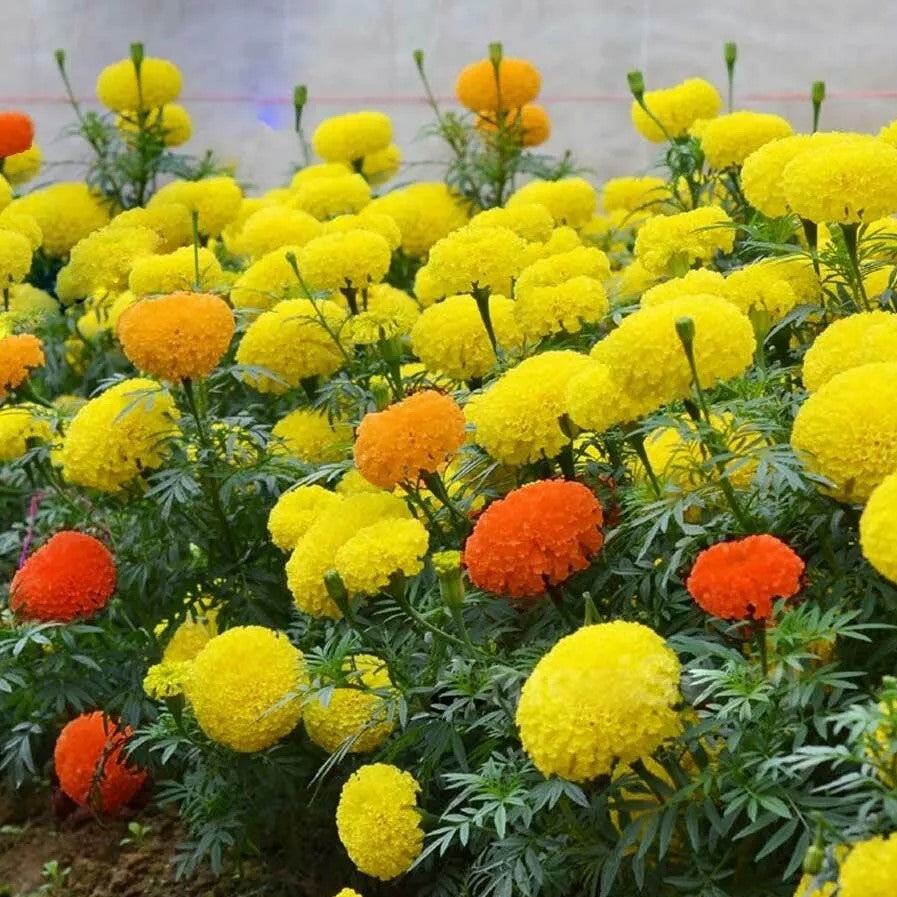
African Marigold ‘Dwarf F1 Indiana’ Mix – Seeds (Tagetes erecta)
African Marigold ‘Dwarf F1 Indiana’ Mix is a compact, fast-growing annual producing abundant, vibrant blooms in shades of gold, orange, and yellow. Its tidy, dwarf habit makes it perfect for borders, containers, and bedding schemes, offering long-lasting summer color with minimal care. Hardy and easy to grow, this marigold is ideal for brightening up gardens and attracting pollinators.
Why Grow "Dwarf F1 Indiana Mix"
-
Abundant vibrant blooms in gold, orange, and yellow
-
Compact, tidy habit ideal for borders and containers
-
Long flowering season throughout summer
-
Attracts pollinators and adds color to the garden
Key Features
-
Type: Annual (Tagetes erecta)
-
Height: 25–35 cm
-
Flowering: Summer to early autumn
-
Position: Full sun
-
Uses: Borders, beds, containers, pollinator-friendly gardens
Ideal For
-
Bedding schemes and low borders
-
Patio and balcony containers
-
Pollinator-friendly gardens
-
Gardeners seeking easy-to-grow, vibrant summer color
Sowing & Growing
-
Sow indoors: 6–8 weeks before last frost
-
Sow outdoors: After frost danger has passed
-
Germination: 7–14 days
-
Space seedlings: 20–25 cm apart
-
Prefers full sun and well-drained soil

French Marigold "Gypsy Sunshine" Seeds (Tagetes patula nana)
Bring vibrant color and natural charm to your garden with French Marigold "Gypsy Sunshine". This dwarf variety produces bright golden-orange flowers that bloom all season, adding cheer to borders, beds, and containers. Hardy and easy to grow, it also helps repel pests and attracts pollinators, making it both decorative and practical.
Why Grow "Gypsy Sunshine"
-
Compact, dwarf variety with vibrant golden-orange blooms
-
Attracts pollinators and naturally deters garden pests
-
Long-lasting, low-maintenance flowers
-
Ideal for borders, beds, and containers
Key Features
-
Type: Dwarf annual (Tagetes patula nana)
-
Height: 15–25 cm
-
Flowering: Summer (June–September)
-
Position: Full sun
-
Uses: Garden borders, flower beds, containers, companion planting
Sowing & Growing
-
Sow indoors: 6–8 weeks before the last frost
-
Sow outdoors: After frost danger has passed
-
Germination: 7–14 days
-
Space seedlings: 15–20 cm apart
-
Full sun ensures best flowering

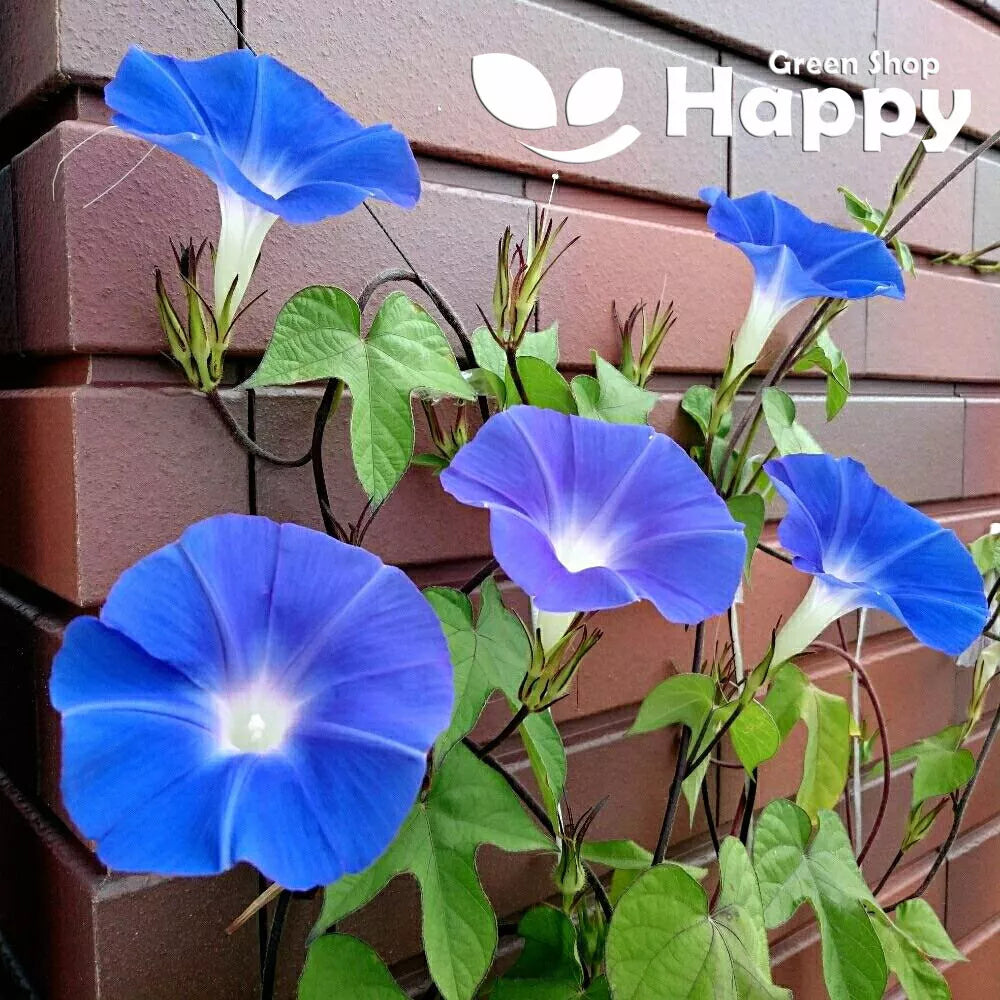
Large-Flowered Dwarf Morning Call Mixed – 50 Seeds (Ipomoea nil)
The Large-Flowered Dwarf Morning Call Mixed (Ipomoea nil) is a charming annual producing vibrant, trumpet-shaped flowers in a mix of colors. Compact and low-growing, it’s ideal for pots, containers, or small garden beds, bringing a burst of color to sunny spots throughout summer. Fast-growing and easy to maintain, it’s perfect for brightening any garden space.
Why Grow "Morning Call Mixed"
-
Large, trumpet-shaped flowers in mixed vibrant colors
-
Compact, dwarf habit perfect for small spaces
-
Long flowering season during summer
-
Easy to grow and maintain
Key Features
-
Type: Annual (Ipomoea nil)
-
Height: 25–35 cm
-
Flowering: June–September
-
Position: Full sun
-
Uses: Containers, pots, small garden beds, borders
Ideal For
-
Container planting and window boxes
-
Small garden beds and borders
-
Adding vibrant summer color
-
Pollinator-friendly plantings
Sowing & Growing
-
Sow indoors: February–April in seed trays
-
Sow outdoors: April–May after frost
-
Germination: 7–14 days at 18–22°C
-
Thin seedlings to 20–25 cm apart
-
Prefers full sun and well-drained soil
-
Water moderately and remove spent flowers to prolong blooming

Floss Flower Dwarf White Seeds (Ageratum houstonianum)
The Floss Flower Dwarf White is a compact, easy-to-grow annual that produces clusters of fluffy, snow-white blooms throughout summer. Its neat, bushy growth and long-lasting flowers make it a favorite for borders, edging, and containers. The soft, cushion-like flowers also attract butterflies, adding movement and life to your garden.
What Makes It Special
-
Unique fluffy white blooms for a soft garden effect
-
Compact dwarf habit, ideal for edging and bedding
-
Long flowering season, from summer into autumn
-
Attracts pollinators such as butterflies
Key Features
-
Botanical name: Ageratum houstonianum
-
Common name: Floss Flower, Dwarf White
-
Seed count: Approx. seeds per pack
-
Height/Spread: 15–25 cm tall, 20–25 cm spread
-
Position: Full sun or partial shade; fertile, well-drained soil
-
Flowering period: June–October
Ideal For
-
Bedding and edging
-
Patio containers and window boxes
-
Pollinator-friendly gardens
-
Mass planting for carpets of white
Sowing Instructions
-
When to sow: February–April indoors
-
How to sow:
-
Sow on the surface of moist seed compost; do not cover, as light aids germination
-
Maintain 18–22°C; germination takes 7–14 days
-
-
Transplanting: Prick out seedlings and grow on in small pots, harden off before planting outdoors after frost
-
Spacing: Plant 15–20 cm apart
-
Care: Remove faded flowers to encourage continuous blooming
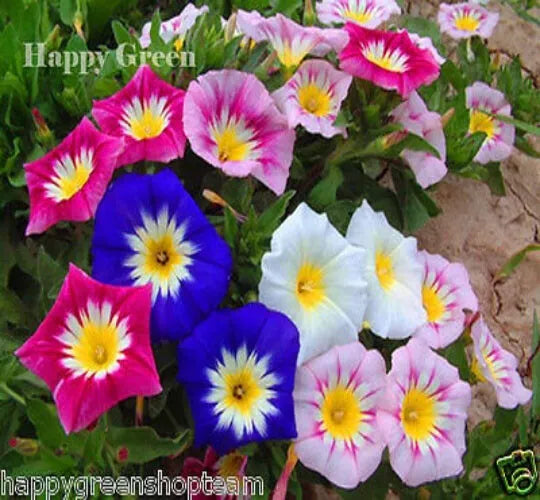
Morning Glory ‘Ensign’ Mixed – Seeds (Convolvulus tricolor)
The Morning Glory ‘Ensign’ Mixed is a compact, dwarf variety of Convolvulus tricolor that produces a cheerful mix of blue, white, and pink trumpet-shaped blooms with bright yellow centers. Unlike climbing morning glories, this variety forms neat, bushy plants that are ideal for bedding, borders, and containers. Its vivid flowers open in the morning sun and provide an eye-catching display all summer long.
What Makes It Special
-
Compact, non-climbing morning glory variety
-
Striking tricolor blooms in blue, white, and pink with golden centers
-
Long-flowering, hardy, and easy to grow
-
Perfect for containers, borders, and mass planting
Key Features
-
Botanical name: Convolvulus tricolor
-
Variety: Morning Glory ‘Ensign’ Mixed
-
Seed count: Approx. seeds per pack
-
Height/Spread: 20–30 cm tall, spreading 25 cm
-
Position: Full sun; well-drained soil
-
Flowering period: Summer to early autumn
Ideal For
-
Bedding displays and borders
-
Patio containers and window boxes
-
Rock gardens and sunny spots
-
Seasonal pollinator-friendly gardens
Sowing Instructions
-
When to sow: March–May indoors, or April–June outdoors after frost
-
How to sow:
-
Sow seeds 0.5 cm deep in trays or directly into prepared soil
-
Keep soil lightly moist until germination (7–14 days)
-
Prefers warm, sunny conditions
-
-
After germination:
-
Thin seedlings to 20–25 cm apart
-
Pinch tips for bushier growth if desired
-

Nasturtium Dwarf ‘Whirleybird’ Double – Seeds (Tropaeolum nanum)
Add a burst of color and playful texture to your garden with Dwarf Nasturtium ‘Whirleybird’ Double. This charming variety produces double-layered, vibrant flowers in shades of orange, red, and yellow, creating a striking display. Compact and bushy, it’s ideal for borders, containers, or small garden spaces. Both the flowers and leaves are edible, perfect for salads and garnishes.
Highlights
-
Compact dwarf growth, perfect for small spaces
-
Double blooms in bright, cheerful colors
-
Edible flowers and leaves
-
Thrives in sunny, well-draining locations
Key Features
-
Botanical Name: Tropaeolum nanum
-
Height: 20–30 cm (dwarf variety)
-
Sun: Full sun to partial shade
-
Flowering: Summer to early autumn
Ideal For
-
Small garden beds, containers, and borders
-
Edible flower gardens
-
Pollinator-friendly gardens
-
Decorative accents in compact spaces
Sowing Instructions
-
Sow indoors or directly outdoors after the last frost
-
Plant 1–2 cm deep in well-draining soil
-
Space 15–20 cm apart
-
Germination: 7–14 days at 18–20°C
-
Flowers: 8–10 weeks after sowing


Impatiens walleriana ‘Busy Lizzie Orange’ produces masses of vibrant orange flowers that bloom continuously above compact, lush green foliage from late spring until the first autumn frosts. Its neat, bushy habit and exceptional flowering performance make it one of the most dependable bedding plants for adding colour to shaded areas of the garden.
Unlike many flowering annuals, Busy Lizzie performs best in partial or full shade, where it flowers freely throughout the season. Ideal for beds, borders, hanging baskets, containers and window boxes, it thrives in fertile, moisture-retentive soil and provides reliable colour even in areas where few other annuals flourish.
· Brilliant orange flowers throughout summer
· Excellent for shaded gardens and patios
· Compact, bushy and free-flowering habit
· Perfect for containers, baskets and borders
· Easy to grow from seed
· Can also be grown as a flowering houseplant in a bright room.
· Shaded borders
· Hanging baskets
· Patio containers
· Window boxes
· Woodland-style gardens
Sow indoors: II–IV (February–April)
Plant out: V–VI (May–June) after the last frost
Direct outdoors: Not recommended
Flowering: VI–X (June–October)
Life cycle: Tender perennial (grown as an annual in the UK)
Germination temperature: 20–24°C (68–75°F)
Average germination time: 10–21 days
Depth: Surface sow or cover with no more than 2 mm (1/16 in) of fine vermiculite
Light required: Yes
Moisture: Keep the compost lightly moist until germination
Environment: Partial shade or full shade
Soil type: Fertile, humus-rich, moisture-retentive, well-drained soil
Plant spacing: 20–25 cm (8–10 in)
Mature height: 20–30 cm (8–12 in)
· Busy Lizzie seeds require light to germinate, so sow on the surface or cover only very lightly with fine vermiculite.
· Maintain consistently warm temperatures and even moisture during germination, as drying out can significantly reduce germination rates.
· Pinch out the growing tips of young plants to encourage a bushier habit and more flowering stems.
· Feed every two weeks with a balanced liquid fertiliser throughout the flowering season for continuous blooms.
· Protect plants from cold nights, as temperatures below about 10°C can slow growth and reduce flowering.
Showing 72/73


