
Sort by:
233 products
233 products
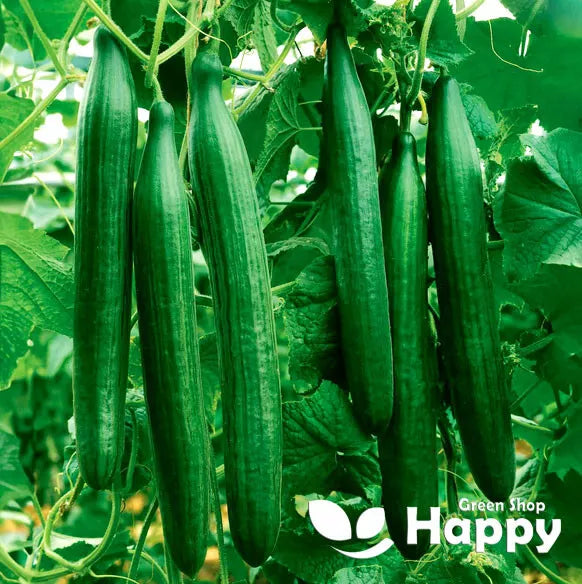
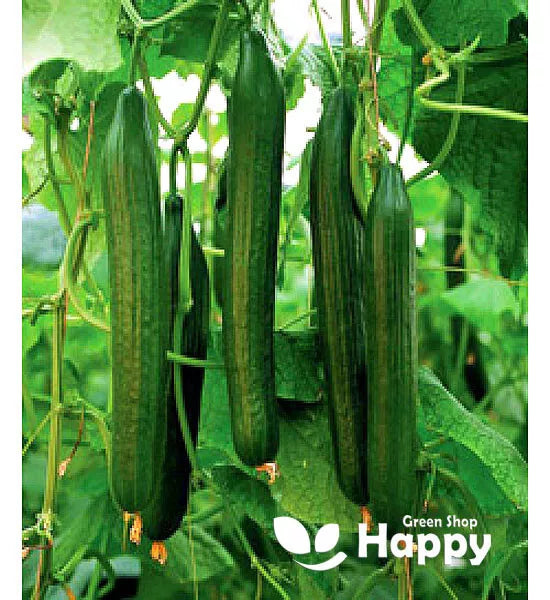
Cucumber 'Telegraph Improved' – Seeds (Cucumis sativus)
Enjoy crisp, tender cucumbers with Cucumber 'Telegraph Improved', a classic English variety renowned for its long, slender, dark green fruits and mild, sweet flavor. Ideal for fresh salads, sandwiches, and pickling, this variety is highly productive and resistant to common cucumber diseases. Perfect for home gardens, allotments, or greenhouse cultivation.
How to Grow
. Sow indoors: March – May, 1–2 cm deep in pots
. Transplant outdoors: After last frost or grow under cloche/greenhouse for best results
. Sow outdoors: May – June in fertile, well-drained soil
. Provide support such as a trellis or frame for climbing
. Keep soil moist and feed regularly for abundant harvests
Key Features
. Classic English cucumber with long, dark green fruits
. Mild, sweet flavor suitable for salads and fresh eating
. Highly productive and disease-resistant
. Ideal for greenhouse or outdoor trellis growing
. Reliable, uniform fruits perfect for slicing
Ideal For
. Fresh salads, sandwiches, and summer meals
. Home gardeners and allotment plots
. Greenhouse cultivation for early and high-yield crops
. Pickling and culinary versatility
Sowing & Harvest
. Sow: March – June
. Harvest: June – September
Quick Tip
Harvest regularly when fruits are firm and uniform in size to encourage continuous production throughout the season.


Cucumber 'Beth Alpha' – Seeds (Cucumis sativus)
Bring authentic Middle Eastern flavor to your garden with Cucumber 'Beth Alpha', a classic heirloom variety renowned for its smooth, tender skin and crisp, juicy bite. Best harvested young at 10–15 cm, these nearly seedless cucumbers are delicious fresh, in salads, or for pickling. A reliable, early-cropping plant that thrives in warm, sunny spots.
How to Grow
. Sow indoors from April to May, 1–2 cm deep in pots
. Sow outdoors from late May to June once soil is warm and frost-free
. Plant 40 cm apart, in rows 90 cm apart, or grow vertically with support
. Prefers fertile, well-drained soil in full sun
. Keep soil moist and harvest regularly to extend production
Key Features
. Smooth-skinned, tender cucumbers with sweet flavor
. Harvest young for crisp, juicy texture
. Early, heavy-yielding variety
. Great for fresh eating or pickling
. Compact plants suitable for garden beds or greenhouse
Ideal For
. Fresh snacking straight from the garden
. Crisp summer salads and sandwiches
. Homemade pickles
. Gardeners looking for reliable, tasty cucumbers
Sowing & Harvest
. Sow: April – June
. Harvest: July – September
Quick Tip
Pick fruits when small to enjoy the sweetest taste and to keep the plants producing longer.
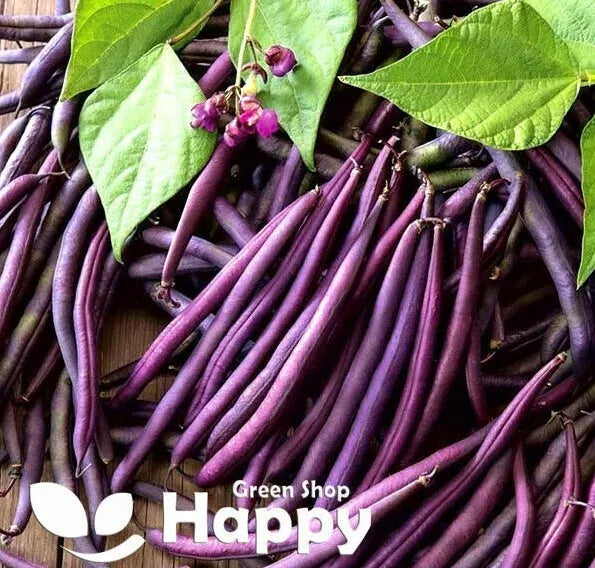
French Bean ‘Purple Queen’ Seeds (Phaseolus vulgaris)
Add vibrant color to your vegetable garden with French Bean ‘Purple Queen’ (Phaseolus vulgaris). This climbing variety produces glossy, deep purple pods that turn green when cooked, offering both visual appeal and tender, flavorful beans. Easy to grow and highly productive, it’s perfect for fresh eating, steaming, or freezing.
How to Grow
-
Sow seeds directly outdoors after the last frost or start indoors 4–6 weeks earlier.
-
Use well-drained, fertile soil in full sun.
-
Plant seeds 2–3 cm deep and 10–15 cm apart, with rows 40–50 cm apart.
-
Provide stakes or a trellis to support climbing growth.
-
Water regularly, especially during flowering and pod development.
-
Harvest pods when young and tender for best flavor.
Key Features
-
Glossy deep purple pods that turn green when cooked
-
Climbing, highly productive variety
-
Easy to grow and maintain
-
Ideal for fresh eating, steaming, or freezing
-
Adds vibrant color and interest to vegetable gardens
Ideal For
-
Vegetable gardens and allotments
-
Fresh harvest, cooking, and freezing
-
Climbing plant displays in garden beds
-
Homegrown culinary use
Sowing
-
Best time: After last frost outdoors or 4–6 weeks earlier indoors
-
Depth: 2–3 cm
-
Spacing: 10–15 cm apart, rows 40–50 cm apart
-
Prefers full sun and fertile, well-drained soil
Quick Tip
-
Regularly pick pods to encourage continuous production and vibrant color.
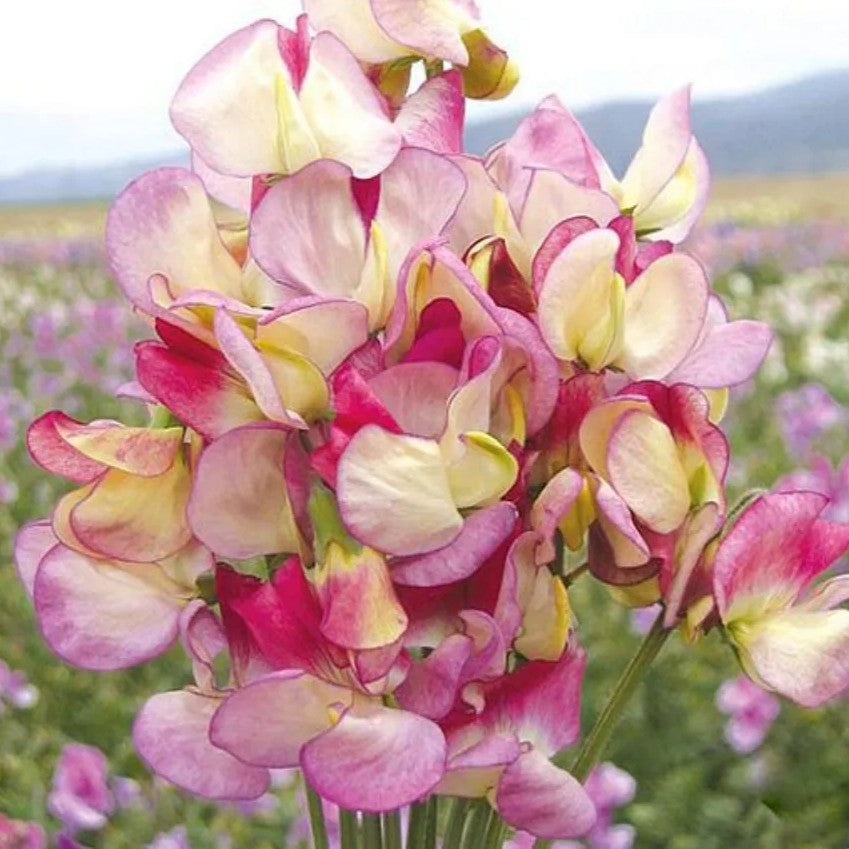
Sweet Pea ‘Spanish Dancer’ 15 Seeds (Lathyrus odoratus)
Add elegance and fragrance to your garden with Sweet Pea ‘Spanish Dancer’ (Lathyrus odoratus). This climbing annual produces exquisite, vibrant pink flowers with a striking magenta edge and a delightful scent. Ideal for trellises, fences, and pergolas, it’s a stunning addition for borders, containers, and cut flower arrangements.
How to Grow
-
Sow seeds indoors in late winter or early spring, or directly outdoors after the last frost.
-
Soak seeds overnight to improve germination.
-
Use well-drained soil in a sunny location.
-
Cover seeds lightly with soil and keep moist until germination (10–14 days).
-
Provide support such as trellises, fences, or netting for climbing.
-
Pinch out the tips of young plants to encourage bushier growth and more blooms.
Key Features
-
Vibrant pink flowers with magenta edges
-
Fragrant, climbing annual perfect for vertical displays
-
Long-flowering, from late spring through summer
-
Excellent for cut flowers and bouquets
-
Attracts pollinators such as bees and butterflies
Ideal For
-
Trellises, pergolas, fences, and arches
-
Flower borders and cottage gardens
-
Containers and patio planters with support
-
Cut flower arrangements for home decoration
Sowing
-
Best time: Late winter to early spring indoors, or after frost outdoors
-
Germination: 10–14 days
-
Pre-soak seeds for best results
-
Prefers full sun and well-drained soil
Quick Tip
-
Regularly remove spent flowers to prolong blooming and maintain vigorous growth.
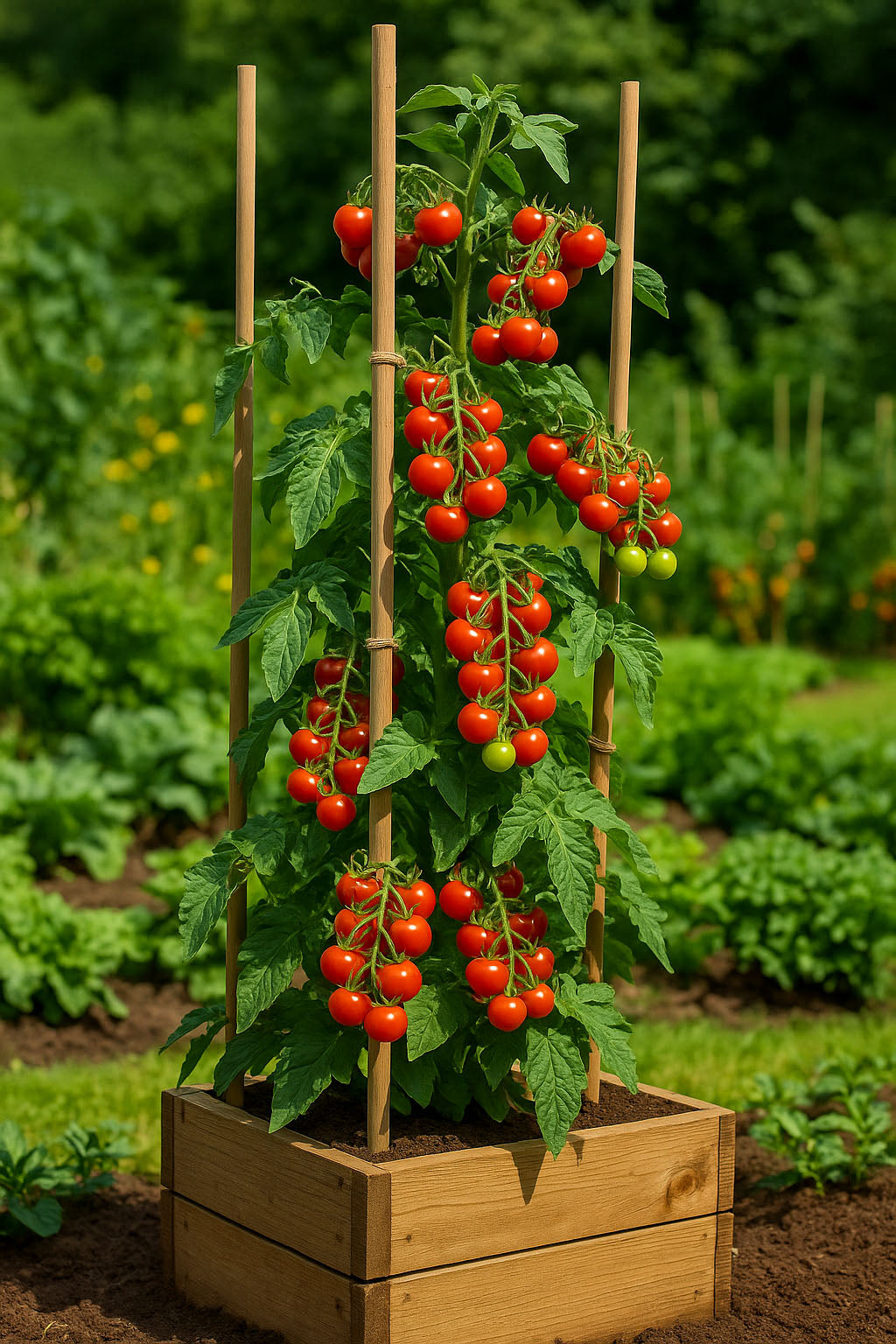
Trailing Cherry Tomato ‘Gardener’s Delight’ - 60 seeds (Solanum lycopersicum)
£1.24
Unit price perTrailing Cherry Tomato ‘Gardener’s Delight’ - 60 seeds (Solanum lycopersicum)
£1.24
Unit price perTrailing Cherry Tomato ‘Gardener’s Delight’ – Seeds (Solanum lycopersicum)
Description:
Grow sweet, juicy cherry tomatoes with ‘Gardener’s Delight’ (Solanum lycopersicum) — one of the most popular tomato varieties among home gardeners. This trailing and high-yielding variety produces long clusters of bright red fruits packed with rich, tangy flavor. Perfect for hanging baskets, containers, and greenhouse growing, it offers continuous harvests throughout summer. Easy to grow and bursting with taste, it’s ideal for salads, snacks, and fresh garden-to-table dishes.
Key Features
-
Trailing, prolific cherry tomato variety
-
Produces long trusses of sweet, tangy red fruits
-
High-yielding and continuous summer harvests
-
Excellent for salads, snacking, and cooking
-
Easy to grow and well-suited for containers
Ideal For
-
Hanging baskets and patio containers
-
Greenhouse or outdoor cultivation
-
Fresh snacking, salads, and sauces
-
Home and urban gardeners
Sowing & Growing
-
Sow Indoors: February–April
-
Transplant Outdoors: May, after frost
-
Germination: 7–14 days at 20–25°C
-
Spacing: 40–50 cm apart
-
Support: Canes or hanging supports recommended
-
Light: Full sun
-
Soil: Fertile, well-drained, rich in organic matter
Care Tips
-
Water regularly; avoid wetting foliage
-
Feed with tomato fertilizer every 2–3 weeks
-
Pinch side shoots to encourage fruiting
-
Harvest when fruits are fully red and firm
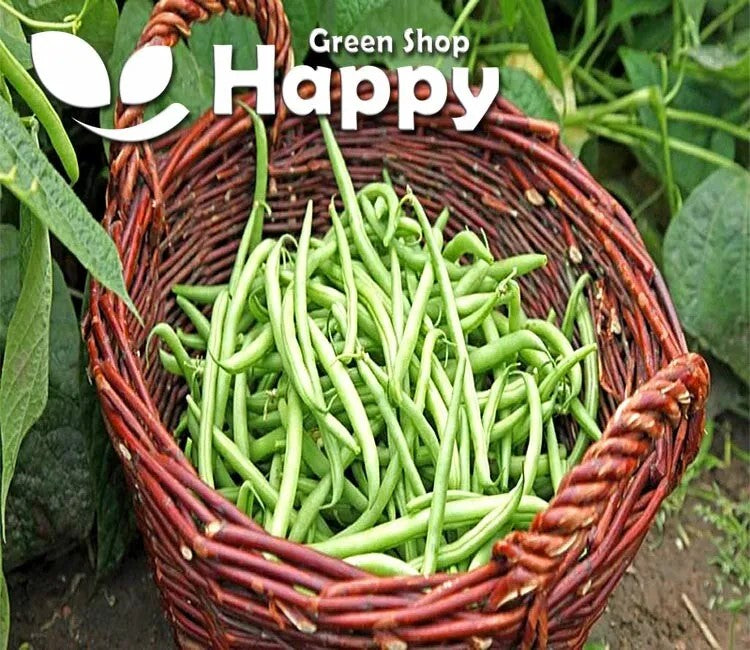
French Bean ‘Blue Lake’ Seeds (Phaseolus vulgaris)
Harvest crisp, tender beans with French Bean ‘Blue Lake’ (Phaseolus vulgaris). This classic variety produces long, uniform, deep green pods ideal for fresh eating, steaming, or freezing. Easy to grow and highly productive, it’s perfect for vegetable gardens, allotments, and homegrown cooking.
How to Grow
-
Sow seeds directly outdoors after the last frost or start indoors 4–6 weeks earlier.
-
Use well-drained, fertile soil in full sun.
-
Plant seeds 2–3 cm deep and 10–15 cm apart, with rows 40–50 cm apart.
-
Support climbing varieties with stakes or a trellis if needed.
-
Water regularly to keep soil moist, especially during flowering and pod formation.
-
Harvest pods when they are young, tender, and well-filled.
Key Features
-
Long, uniform, deep green pods
-
Highly productive and easy to grow
-
Ideal for fresh eating, steaming, or freezing
-
Hardy and reliable in temperate climates
-
Perfect for vegetable gardens, allotments, and homegrown cooking
Ideal For
-
Vegetable gardens and allotments
-
Fresh harvest, steaming, and freezing
-
Companion planting with nitrogen-fixing crops
-
Homegrown culinary use
Sowing
-
Best time: After last frost outdoors or 4–6 weeks earlier indoors
-
Depth: 2–3 cm
-
Spacing: 10–15 cm apart, rows 40–50 cm apart
-
Prefers full sun and fertile, well-drained soil
Quick Tip
-
Pick pods regularly to encourage continuous production throughout the season.
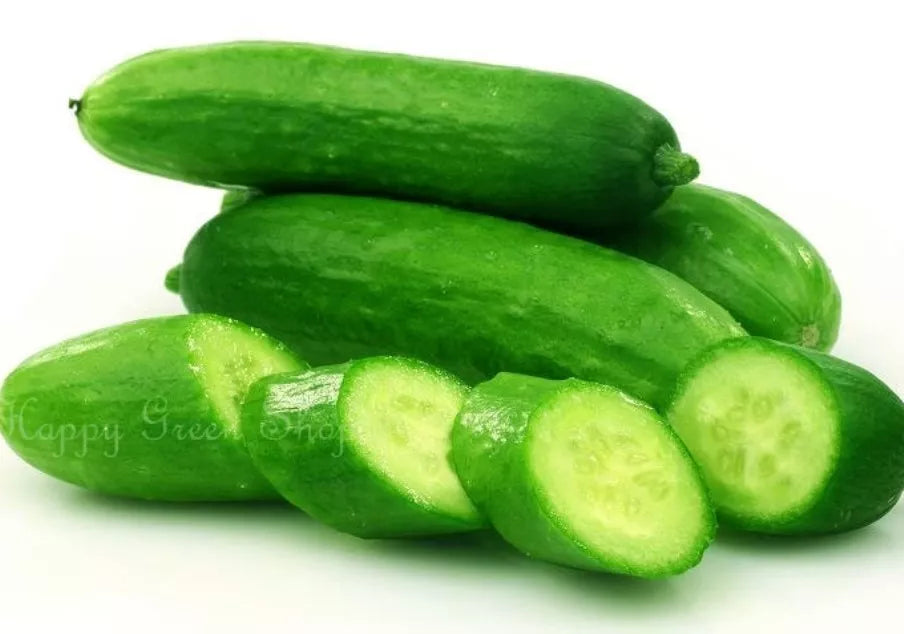
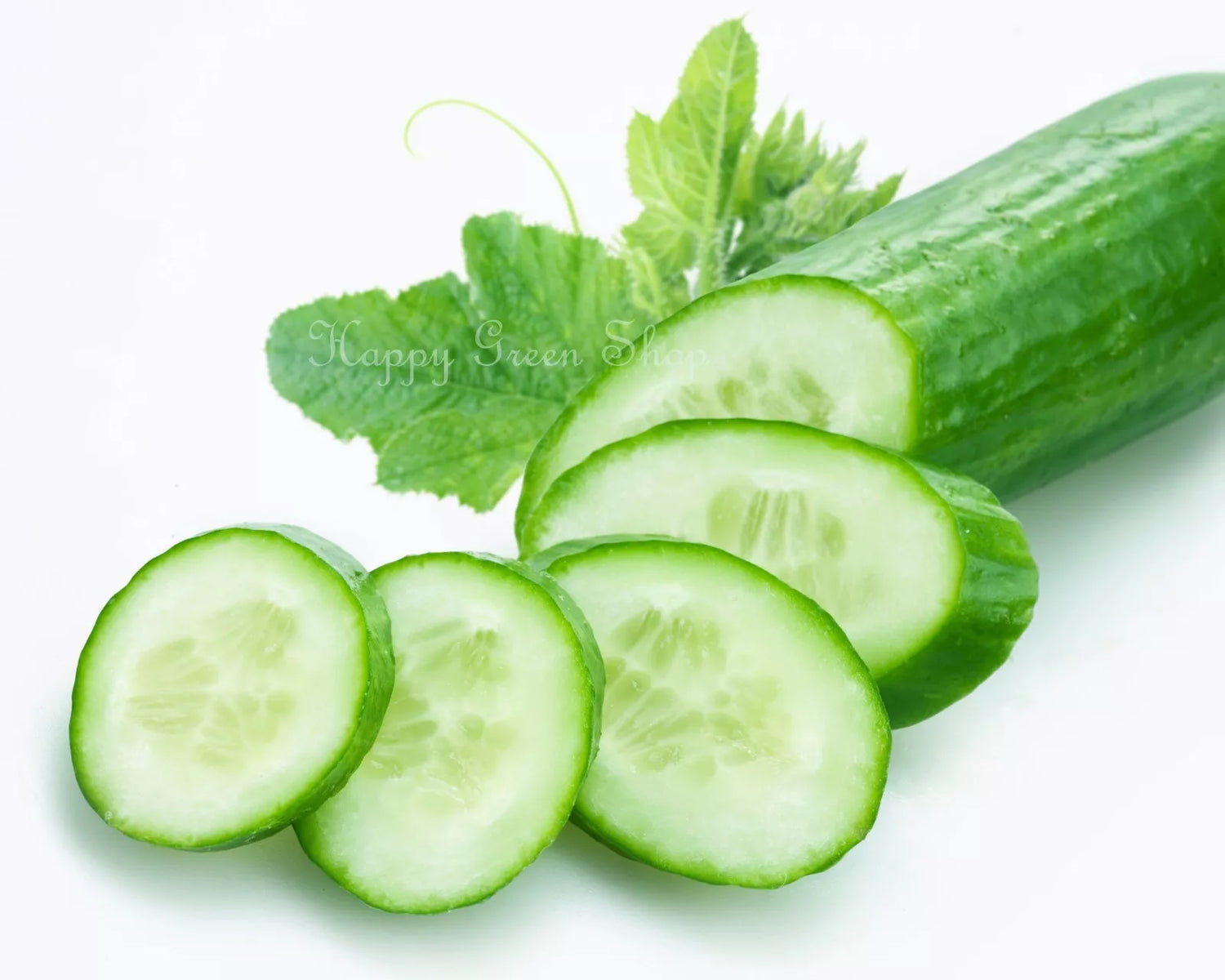
Cucumber 'King of Salad' Seeds (Cucumis sativus)
Grow crisp, refreshing cucumbers with Cucumber 'King of Salad', a prolific variety known for its smooth, dark green fruits and excellent taste. Perfect for slicing into fresh salads, sandwiches, or enjoying straight from the vine, this variety delivers consistently high yields throughout the summer. Easy to grow outdoors or under cover, it’s a gardener’s favorite for its reliability and delicious results.
How to Grow
-
Sow indoors from March to May or directly outdoors after frost has passed.
-
Prefers fertile, well-drained soil in a sunny, sheltered position.
-
Sow seeds 1–2 cm deep in pots or directly in the ground.
-
Space plants 60 cm apart, with rows 90 cm apart.
-
Keep soil evenly moist and feed regularly for the best yields.
Key Features
-
High-yielding variety with smooth, dark green cucumbers
-
Crisp, refreshing texture and mild flavor
-
Great for salads, sandwiches, and fresh eating
-
Suitable for outdoor or greenhouse growing
-
Long harvest period through summer
Ideal For
-
Fresh summer salads and light meals
-
Home gardeners seeking reliable crops
-
Outdoor beds, raised beds, or greenhouse growing
-
Consistent harvests for the kitchen table
Sowing
-
Best time: March to May indoors, May to June outdoors
-
Depth: 1–2 cm
-
Spacing: 60 cm between plants, 90 cm between rows
-
Position: Sunny, sheltered, fertile soil
-
Harvest: July to September
Quick Tip
-
Harvest cucumbers regularly to encourage continuous production and enjoy fruits at their crispest.
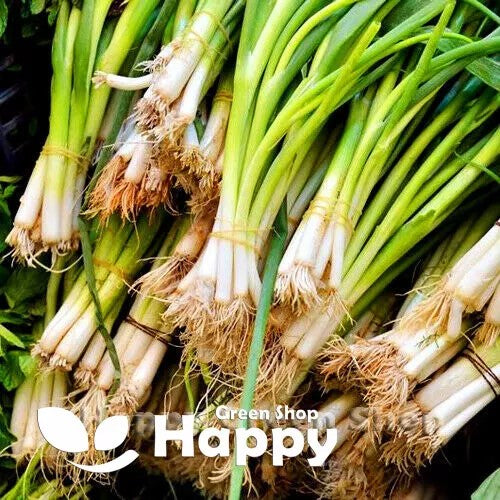
Spring Onion 'White Lisbon' Seeds (Allium cepa)
A classic favorite, Spring Onion 'White Lisbon' is one of the most popular and reliable scallion varieties. It produces crisp, mild-flavored stems with bright white bases and vibrant green tops, perfect for salads, stir-fries, and garnishes. Fast-growing and hardy, it can be sown throughout the season for a continuous supply of fresh spring onions.
How to Grow
-
Sow directly outdoors from early spring to autumn.
-
Prefers light, well-drained soil in full sun.
-
Sow thinly, 1 cm deep in rows 20 cm apart.
-
Thin seedlings to 2–3 cm spacing.
-
Harvest when stems reach pencil thickness.
Key Features
-
Traditional, best-loved spring onion variety
-
Mild, fresh flavor with crisp stems
-
Quick to mature and easy to grow
-
Can be sown successionally for year-round harvest
-
Perfect for beds, borders, or containers
Ideal For
-
Fresh salads and garnishes
-
Stir-fries and Asian dishes
-
Continuous cropping through the season
-
Beginner-friendly gardens and containers
Sowing
-
Best time: February to October
-
Depth: 1 cm
-
Row spacing: 20 cm
-
Plant spacing: Thin to 2–3 cm
-
Harvest: From 8 weeks after sowing
Quick Tip
-
For tender, mild stems, sow little and often to enjoy fresh onions all season long.

Basil 'Italian Sweet Genovese' – Seeds (Ocimum basilicum)
Basil 'Italian Sweet Genovese' is the classic culinary herb prized for its aromatic, glossy green leaves and sweet, slightly spicy flavor. Perfect for pesto, salads, sauces, and garnishing, this variety grows vigorously and produces abundant foliage throughout the growing season. Ideal for home gardens, pots, and herb beds.
How to Grow
-
Sow seeds indoors from February to April, lightly covering with soil.
-
Maintain 18–22°C until germination.
-
Transplant seedlings outdoors after the last frost in a sunny, sheltered spot.
-
Prefers well-drained, fertile soil and regular watering.
-
Pinch off flower buds to encourage bushy growth and prolonged leaf production.
Key Features
-
Aromatic, sweet, and slightly spicy flavor
-
Classic Italian basil variety for culinary use
-
Fast-growing and productive
-
Suitable for garden beds, containers, and patios
-
Ideal for pesto, salads, sauces, and garnishing
Ideal For
-
Fresh culinary use in Italian and Mediterranean dishes
-
Herb gardens, raised beds, and container planting
-
Gardeners seeking high-yield, flavorful basil
Sowing & Harvest
-
Sow: February to April
-
Depth: Lightly covered
-
Harvest: May to October
Quick Tip
-
Regularly pinch young shoots to encourage bushy growth and prevent flowering, which can reduce leaf flavor.
Showing 9/233

