
Sort by:
233 products
233 products
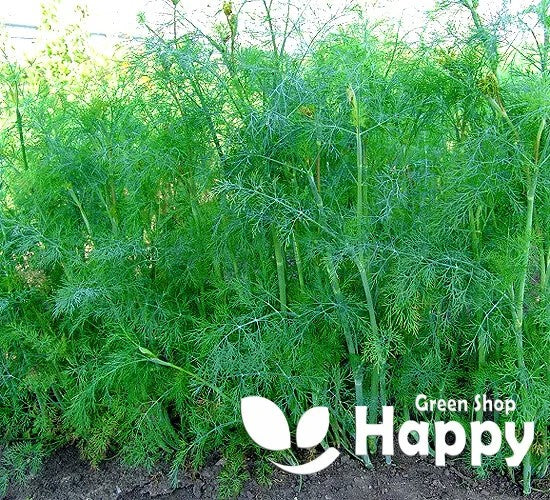
Dill 'Bouquet' – Seeds (Anethum graveolens)
Dill 'Bouquet' is a fast-growing herb prized for its aromatic leaves, seeds, and delicate yellow flower heads. This popular variety is widely used in the kitchen – perfect for seasoning fish, pickles, sauces, salads, and soups. Its feathery foliage is also highly decorative, making it a dual-purpose plant for culinary and ornamental use.
How to Grow
-
Sow outdoors: April – July directly where plants are to grow.
-
Soil: Well-drained, fertile soil in full sun.
-
Spacing: Thin seedlings to 20–30 cm apart.
-
Water regularly to keep soil moist but not waterlogged.
Key Features
-
Popular dill variety with strong flavor
-
Aromatic leaves, seeds, and flower heads
-
Fast-growing and easy to cultivate
-
Great for fresh use or drying
-
Decorative feathery foliage
Ideal For
-
Herb gardens and borders
-
Culinary use in pickling, sauces, and fish dishes
-
Companion planting with cucumbers and cabbages
Sowing & Harvest
-
Sow: April – July
-
Harvest: Leaves from May onwards, seeds in late summer
Quick Tip
Harvest leaves early in the morning for maximum flavor. Sow little and often for a continuous supply throughout the season.

Wild Poppy Red – 20,000 Seeds (Papaver rhoeas)
Wild Poppy Red (Papaver rhoeas) is a classic annual producing vibrant scarlet-red blooms that create striking, naturalized displays. Perfect for meadows, borders, and large-scale plantings, it brings a splash of color to gardens from late spring to summer. Fast-growing, low-maintenance, and pollinator-friendly, it’s ideal for creating bold, natural landscapes.
Why Grow "Wild Poppy Red"
-
Bright, vibrant scarlet-red blooms
-
Fast-growing and easy to cultivate
-
Ideal for large-scale, naturalized plantings
-
Attracts bees and other pollinators
Key Features
-
Type: Annual (Papaver rhoeas)
-
Height: 60–90 cm
-
Flowering: May–July
-
Position: Full sun
-
Uses: Meadows, borders, large-scale plantings, pollinator-friendly gardens
Ideal For
-
Wildflower meadows and naturalized gardens
-
Bold borders and field displays
-
Pollinator-friendly landscapes
-
Low-maintenance, high-impact plantings
Sowing & Growing
-
Sow outdoors: March–May directly in prepared soil
-
Germination: 10–20 days at 15–20°C
-
Thin seedlings to 20–30 cm apart
-
Prefers full sun and well-drained soil
-
Deadhead to prolong flowering

Dwarf Dill ‘Compatto’ – 1000 Seeds (Anethum graveolens)
Description:
Enhance your kitchen garden with Dwarf Dill ‘Compatto’ (Anethum graveolens), a compact, bushy herb perfect for small spaces. Producing feathery green foliage with a strong, aromatic flavor, it’s ideal for seasoning soups, salads, pickles, and fish dishes. This easy-to-grow, fast-maturing variety is suitable for containers, borders, and herb gardens, attracting beneficial insects while providing fresh, flavorful leaves throughout the growing season.
Key Features
-
Compact, bushy growth habit ideal for small gardens
-
Aromatic feathery foliage for culinary use
-
Fast-growing and easy to cultivate
-
Attracts beneficial insects
-
Suitable for containers and herb beds
Ideal For
-
Kitchen and container gardens
-
Herb borders and mixed plantings
-
Culinary use: salads, soups, pickles, and fish
-
Pollinator-friendly herb gardens
Sowing & Growing
-
Sow Indoors: February–April
-
Sow Outdoors: March–May
-
Germination: 7–14 days at 15–20°C
-
Height: 25–30 cm
-
Spacing: 20–25 cm apart
-
Light: Full sun
-
Soil: Well-drained, fertile
Care Tips
-
Water moderately and keep soil evenly moist
-
Harvest leaves regularly to encourage bushy growth
-
Mulch lightly to retain moisture
-
Can self-seed for future crops
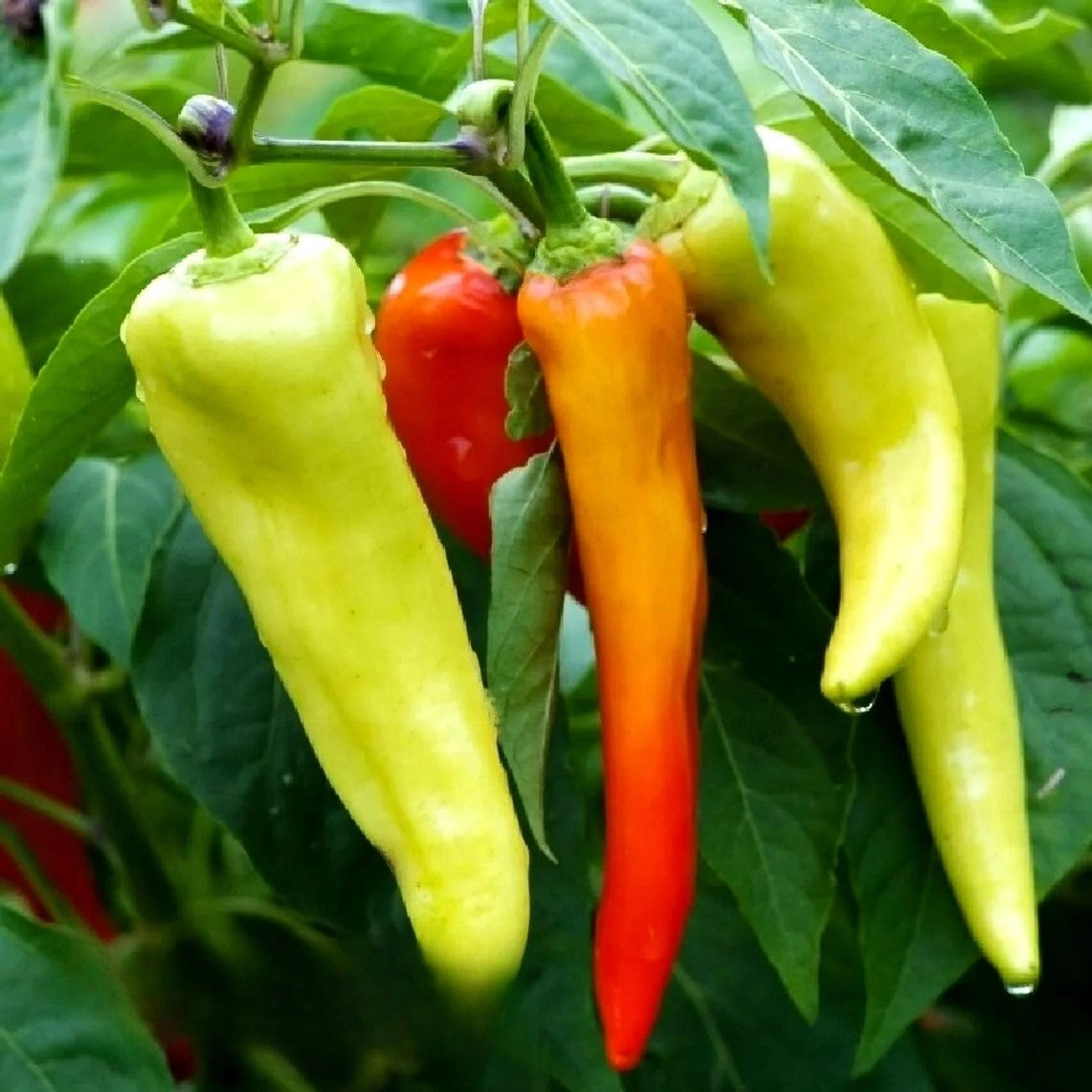
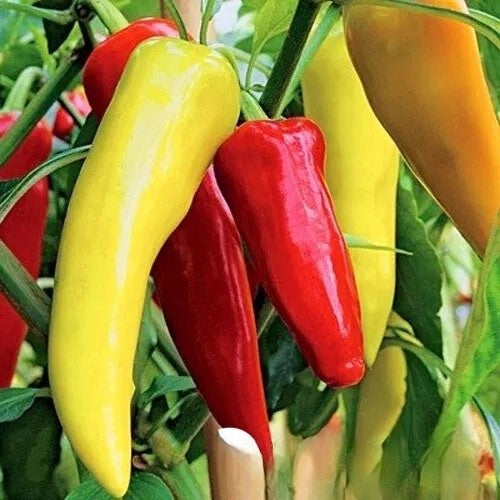
Horn Hot Chilli Pepper 'Harriet' – 30 Seeds (Capsicum annuum)
The Horn Hot Chilli Pepper 'Harriet' is a fiery, high-yielding variety producing long, horn-shaped fruits with a strong, vibrant heat and intense flavor. Perfect for spicing up sauces, salsas, pickles, or fresh dishes, this chilli is a must-have for hot pepper enthusiasts and adventurous gardeners.
Compact yet vigorous, 'Harriet' thrives in containers, garden beds, or greenhouses. Its early and prolific fruiting ensures a continuous harvest of bright, glossy red peppers throughout the season.
How to Grow
-
Sow indoors: February – March
-
Transplant outdoors: After last frost, spacing 40–50 cm apart
-
Position: Full sun
-
Soil: Fertile, well-drained soil enriched with compost
-
Care: Keep soil evenly moist; provide support for heavier fruit clusters
Key Features
-
Long, horn-shaped hot peppers with intense flavor
-
Vigorous, compact plants – ideal for containers and gardens
-
Early and prolific fruiting for continuous harvest
-
Perfect for sauces, salsas, pickling, and fresh dishes
-
Easy-to-grow variety for home gardeners and spice lovers
Harvest
-
Harvesting period: 70–85 days after sowing
-
Pick when bright red for full heat and flavor.
Short Tip
Use gloves when harvesting and handling ripe fruits to avoid skin irritation from capsaicin.
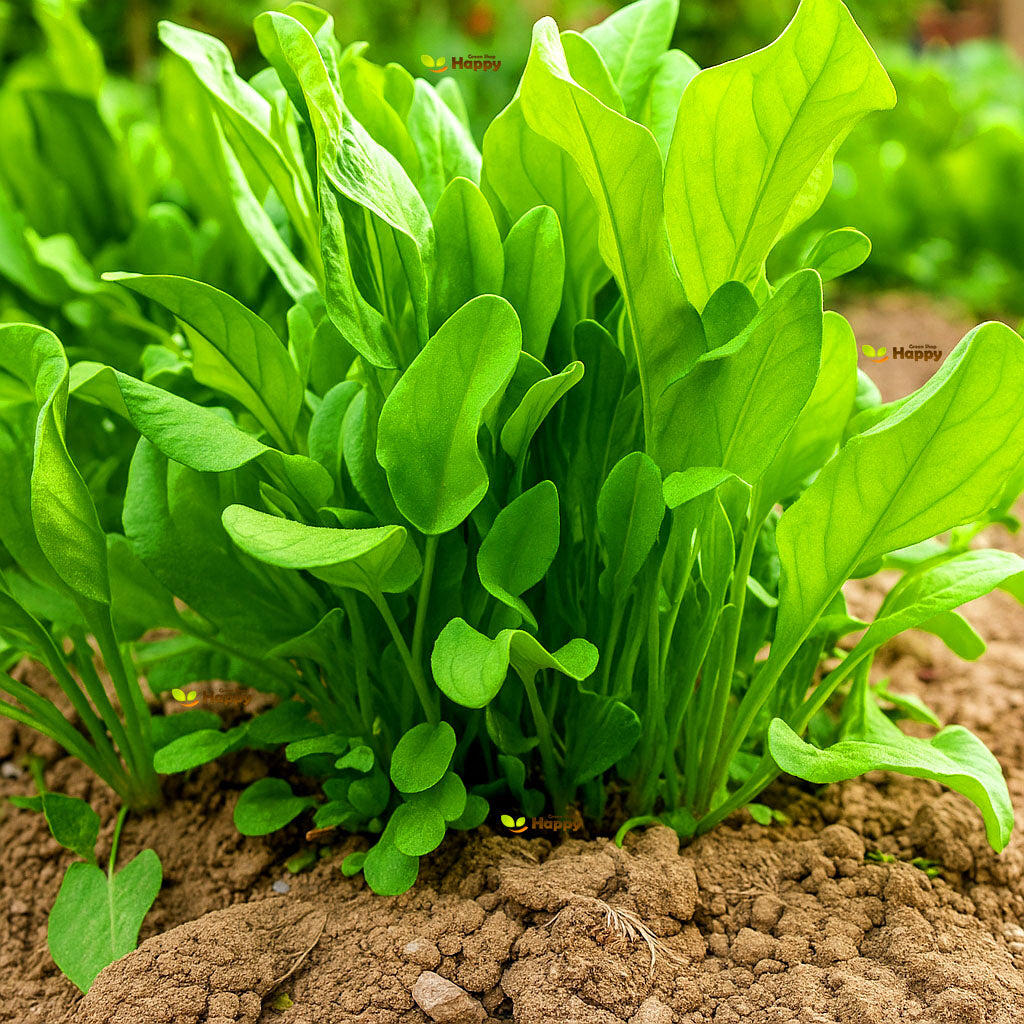
Sorrel 'Blonde de Lyon' Seeds (Rumex acetosa)
Brighten up your kitchen garden with Sorrel 'Blonde de Lyon', a traditional French variety producing tender, pale green leaves with a tangy, lemony flavor. Perfect for soups, sauces, salads, and omelets, this perennial herb grows quickly and provides harvests over a long season. Its sharp, refreshing taste makes it a gourmet favorite in classic French cuisine.
How to Grow
-
Sow indoors in early spring or directly outdoors once soil warms.
-
Prefers fertile, moist, well-drained soil in full sun or partial shade.
-
Sow 0.5–1 cm deep in rows 30–40 cm apart.
-
Thin seedlings to 20–25 cm apart for strong growth.
-
Harvest young leaves regularly to encourage new growth.
Key Features
-
French heirloom sorrel with pale green, tender leaves
-
Distinct lemony flavor, perfect for culinary use
-
Perennial, reliable harvest year after year
-
Early cropping and fast-growing
-
Excellent for soups, sauces, salads, and garnishes
Ideal For
-
Traditional French cooking
-
Adding zest to salads and omelets
-
Perennial herb gardens
-
Home cooks and gourmet gardeners
Sowing
-
Best time: Spring or early summer
-
Depth: 0.5–1 cm
-
Spacing: Thin to 20–25 cm, rows 30–40 cm apart
-
Prefers moist, fertile soil in sun or partial shade
Quick Tip
-
Cut back flowering stems to prolong leaf production and maintain flavor.
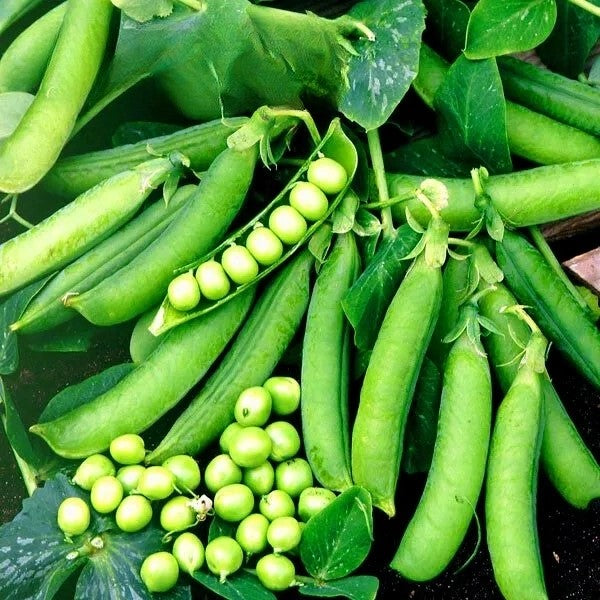
Pea ‘Onward’ Seeds (Pisum sativum)
Enjoy a reliable and early harvest with Pea ‘Onward’ (Pisum sativum). This hardy climbing variety produces long, tender pods filled with sweet, flavorful peas, perfect for fresh eating, steaming, or freezing. Easy to grow and highly productive, it’s ideal for vegetable gardens, allotments, and homegrown culinary use.
How to Grow
-
Sow seeds directly outdoors from early spring as soon as the soil can be worked.
-
Use well-drained, fertile soil in full sun to partial shade.
-
Sow seeds 3–5 cm deep and 5–7 cm apart in rows 50–60 cm apart.
-
Provide stakes, netting, or a trellis for climbing growth.
-
Keep soil consistently moist but not waterlogged.
-
Harvest pods when fully formed but still tender for best flavor.
Key Features
-
Early-maturing climbing variety with long, tender pods
-
Hardy and highly productive
-
Ideal for fresh eating, steaming, or freezing
-
Easy to grow in temperate climates
-
Perfect for vegetable gardens and allotments
Ideal For
-
Vegetable gardens and allotments
-
Fresh harvest for cooking and freezing
-
Climbing support with trellises or stakes
-
Companion planting with nitrogen-fixing crops
Sowing
-
Best time: Early spring outdoors
-
Depth: 3–5 cm
-
Spacing: 5–7 cm apart, rows 50–60 cm apart
-
Prefers full sun to partial shade and fertile, well-drained soil
Quick Tip
-
Sow successive batches every 2–3 weeks to enjoy a continuous early-season harvest.
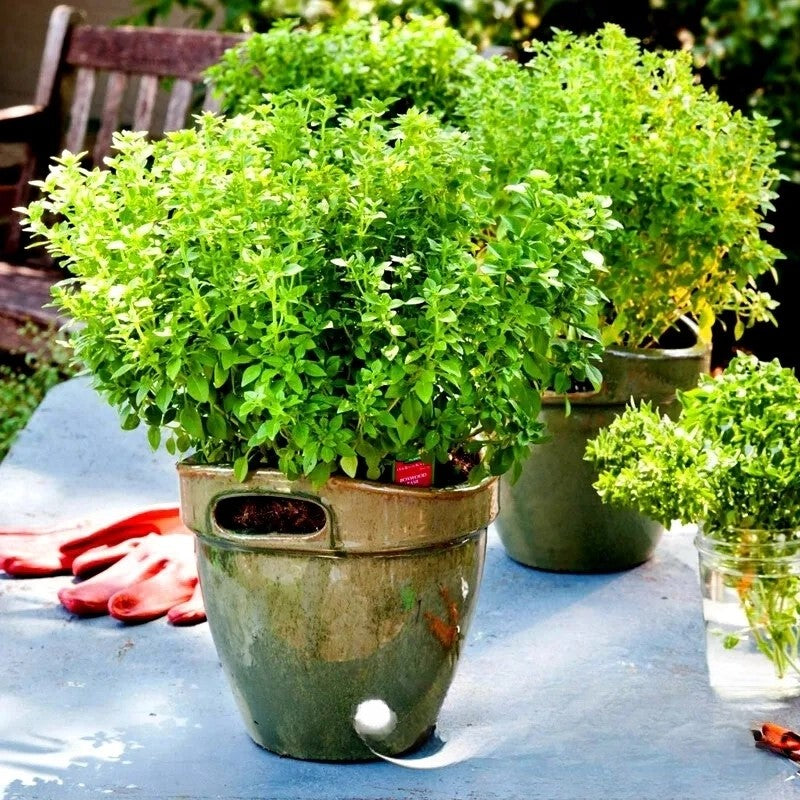
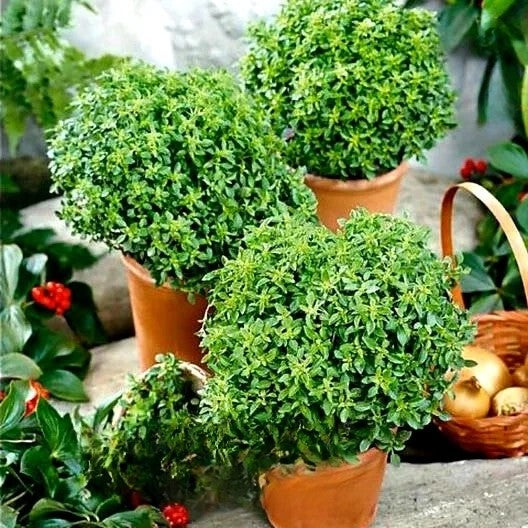
Dwarf Minette Greek Basil – 500 Seeds (Ocimum basilicum)
Dwarf Minette Greek Basil is a compact, aromatic basil variety prized for its small, flavorful leaves and strong fragrance. Ideal for Mediterranean cooking, pesto, salads, and garnishes, this basil brings a fresh, aromatic touch to every dish.
Its dwarf habit makes it perfect for garden beds, containers, or windowsills. Easy to grow and fast-maturing, Dwarf Minette Greek Basil provides a steady harvest throughout the growing season.
How to Grow
-
Sow indoors: February – April
-
Sow outdoors: After last frost, spacing 20–25 cm apart
-
Position: Full sun
-
Soil: Fertile, well-drained soil enriched with compost
-
Care: Water moderately; pinch back tips to encourage bushy growth
Key Features
-
Compact dwarf variety with small, flavorful leaves
-
Strong aromatic flavor ideal for Mediterranean dishes, pesto, salads, and garnishes
-
Fast-growing and easy to maintain
-
Suitable for garden beds, containers, or windowsills
-
Continuous harvest when trimmed regularly
Harvest
-
Harvesting period: 60–75 days after sowing
-
Pick leaves regularly to promote new growth and maintain flavor.
Short Tip
Pinch back the growing tips regularly to encourage bushy plants and maximize leaf production.
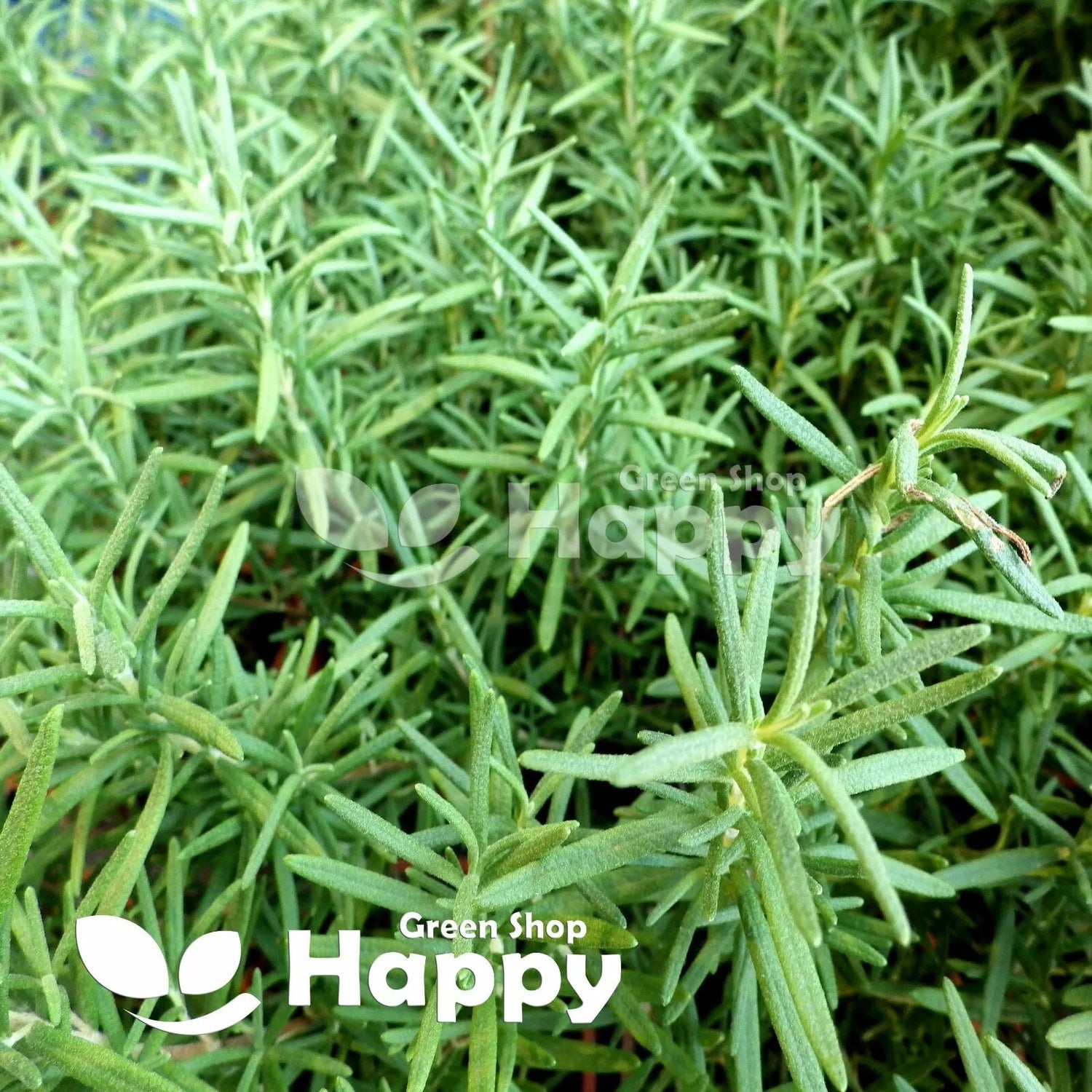
Russian Tarragon – Seeds (Artemisia dracunculus)
Russian Tarragon is a hardy perennial herb valued for its anise-like flavor and aromatic leaves. While milder than French tarragon, it grows easily from seed, making it an excellent choice for gardeners who want a reliable and vigorous herb. Perfect for flavoring chicken, fish, salads, and sauces, it also makes a decorative addition to herb gardens with its fine, slender foliage.
How to Grow
-
Sow indoors: March – May in seed trays or pots.
-
Transplant outdoors: After last frost into a sunny, sheltered position.
-
Soil: Well-drained, light soil.
-
Spacing: 30–45 cm apart.
-
Water moderately, avoid waterlogging.
Key Features
-
Hardy perennial, easy to grow from seed
-
Aromatic leaves with mild anise flavor
-
Reliable alternative to French tarragon
-
Drought-tolerant once established
-
Attractive foliage for herb borders
Ideal For
-
Herb gardens and kitchen gardens
-
Flavoring chicken, fish, soups, and sauces
-
Growing in pots, raised beds, or borders
Sowing & Harvest
-
Sow: March – May
-
Harvest: July – October
Quick Tip
Pinch back growing tips to encourage bushy growth. For best flavor, harvest young leaves before flowering.
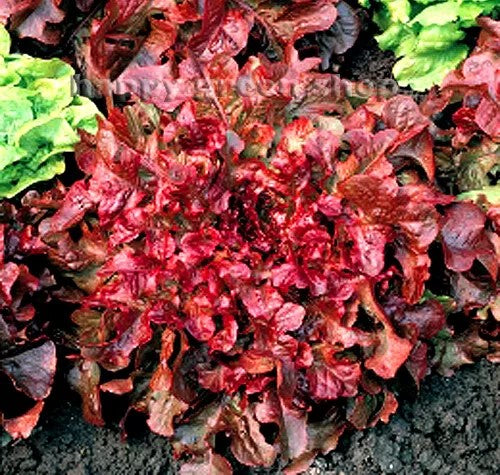
Lettuce 'Red Salad Bowl' Seeds (Lactuca sativa)
Brighten your salads with Lettuce 'Red Salad Bowl' (Lactuca sativa), a stunning loose-leaf variety producing deeply cut, oak-leaf shaped leaves in rich red-bronze tones. Tender, flavorful, and non-hearting, it offers a continuous supply of leaves when harvested regularly. Perfect for cut-and-come-again growing, this lettuce adds both color and taste to the summer garden.
How to Grow
-
Sow seeds outdoors from spring to late summer.
-
Use fertile, moist, well-drained soil in full sun or partial shade.
-
Sow thinly at 0.5 cm depth in rows 25–30 cm apart.
-
Thin seedlings to 20 cm spacing for best growth.
-
Harvest young leaves regularly to encourage new growth.
Key Features
-
Loose-leaf lettuce with oak-shaped red leaves
-
Tender texture and mild, pleasant flavor
-
Cut-and-come-again for continuous harvests
-
Heat-tolerant and slow to bolt compared to other lettuces
-
Attractive color for salads and garnishes
Ideal For
-
Fresh salads and sandwiches
-
Continuous harvesting through summer
-
Containers, raised beds, and garden borders
-
Gardeners seeking a colorful, easy-to-grow lettuce
Sowing
-
Best time: Spring to late summer
-
Depth: 0.5 cm
-
Spacing: 20 cm apart
-
Prefers moist, fertile, well-drained soil
Quick Tip
-
Sow little and often for a steady supply of fresh, colorful leaves all season.
Showing 90/233


