
Sort by:
233 products
233 products
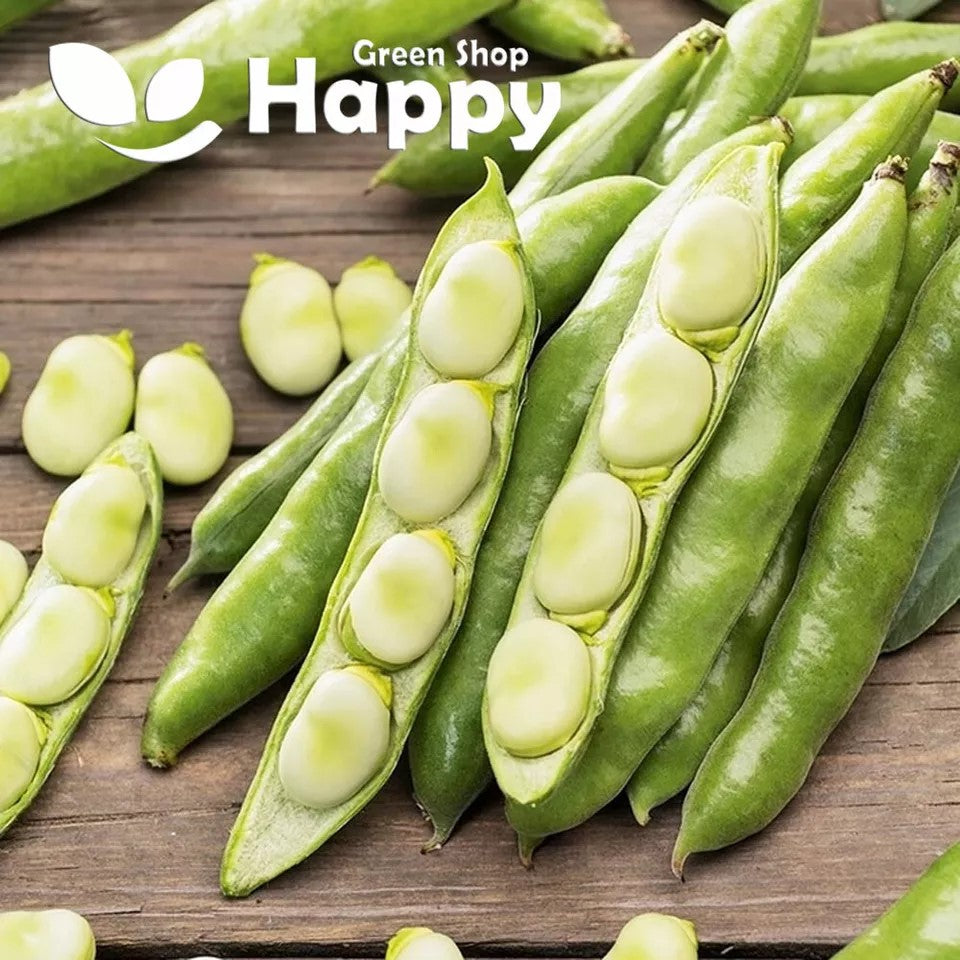
Broad Bean ‘Windsor’ Seeds (Vicia faba)
Grow hearty, nutritious beans with Broad Bean ‘Windsor’ (Vicia faba). This classic variety produces large, flavorful beans ideal for fresh eating, cooking, or freezing. Hardy and easy to grow, it thrives in temperate climates and enriches the soil with nitrogen, making it perfect for vegetable gardens and crop rotation.
How to Grow
-
Sow seeds directly outdoors from early spring to late spring.
-
Use well-drained, fertile soil in full sun to partial shade.
-
Plant seeds 5 cm deep and 15–20 cm apart in rows 50 cm apart.
-
Water regularly to keep soil moist but not waterlogged.
-
Support taller plants with stakes if necessary.
-
Harvest beans when pods are well-filled but still tender.
Key Features
-
Large, flavorful broad beans
-
Hardy and easy-to-grow variety
-
Ideal for fresh eating, cooking, or freezing
-
Enriches soil with nitrogen for crop rotation
-
Reliable and productive in temperate climates
Ideal For
-
Vegetable gardens and allotments
-
Fresh harvest, cooking, and freezing
-
Crop rotation and soil improvement
-
Companion planting with nitrogen-demanding crops
Sowing
-
Best time: Early to late spring outdoors
-
Depth: 5 cm
-
Spacing: 15–20 cm apart in rows 50 cm apart
-
Prefers full sun to partial shade and fertile, well-drained soil
Quick Tip
-
Sow successive batches every 2–3 weeks for a longer harvest period.
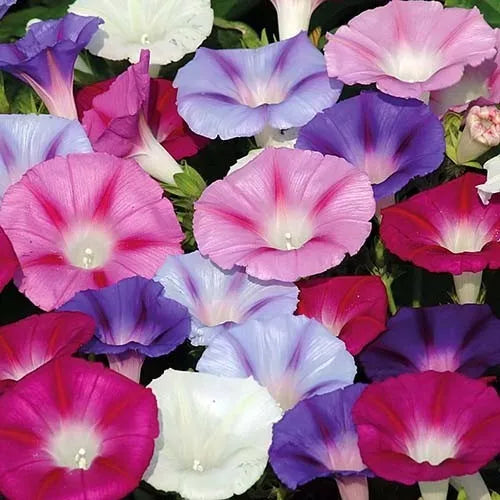
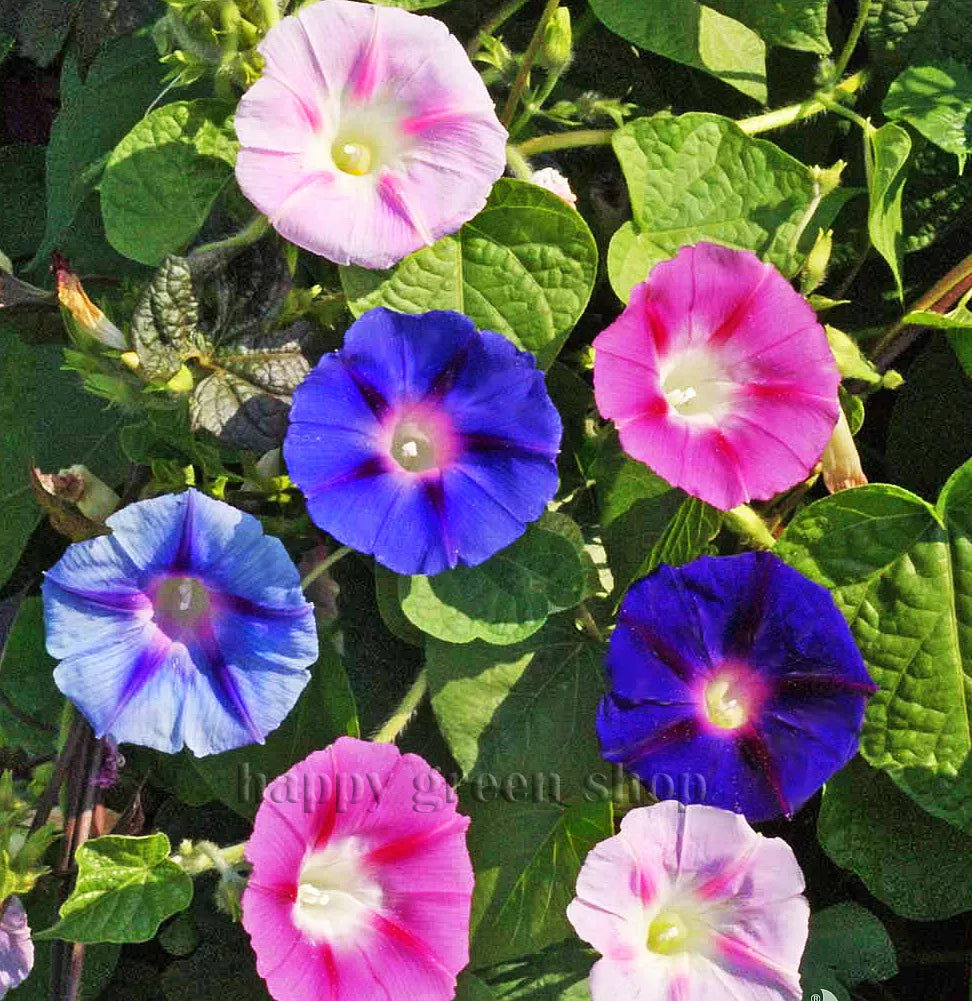
Morning Glory Mix Seeds (Ipomoea tricolor)
Morning Glory Mix is a vibrant climbing annual featuring trumpet-shaped flowers in a variety of colors, including blue, pink, purple, and white. Its rapid growth and twining habit make it perfect for trellises, fences, arches, and containers. Loved for its colorful display and long flowering season, it adds vertical charm to any garden.
What Makes It Special
-
Trumpet-shaped blooms in multiple colors for a dynamic display
-
Fast-growing climber ideal for vertical gardening
-
Long-flowering from summer to autumn
-
Attracts pollinators like bees and butterflies
Key Features
-
Botanical name: Ipomoea tricolor
-
Variety: Mix
-
Seed count: Approx. seeds per pack
-
Height/Spread: Climbs 2–3 m; spread depends on support
-
Position: Full sun; fertile, well-drained soil
-
Flowering period: July–October
Ideal For
-
Trellises, fences, pergolas, and arches
-
Containers with support for vertical growth
-
Pollinator-friendly gardens
-
Adding vibrant color to summer and autumn garden spaces
Sowing Instructions
-
When to sow: February–April indoors; March–May outdoors
-
How to sow:
-
Scarify or soak seeds overnight for faster germination
-
Sow seeds 1–2 cm deep in pots or seed trays
-
Germination occurs in 7–14 days at 20–25°C
-
-
Transplanting: Plant outdoors with support after frost
-
Care: Water moderately; provide trellis or support; pinch tips for bushier growth

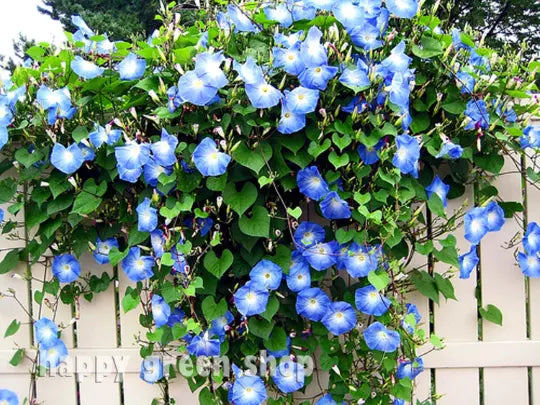
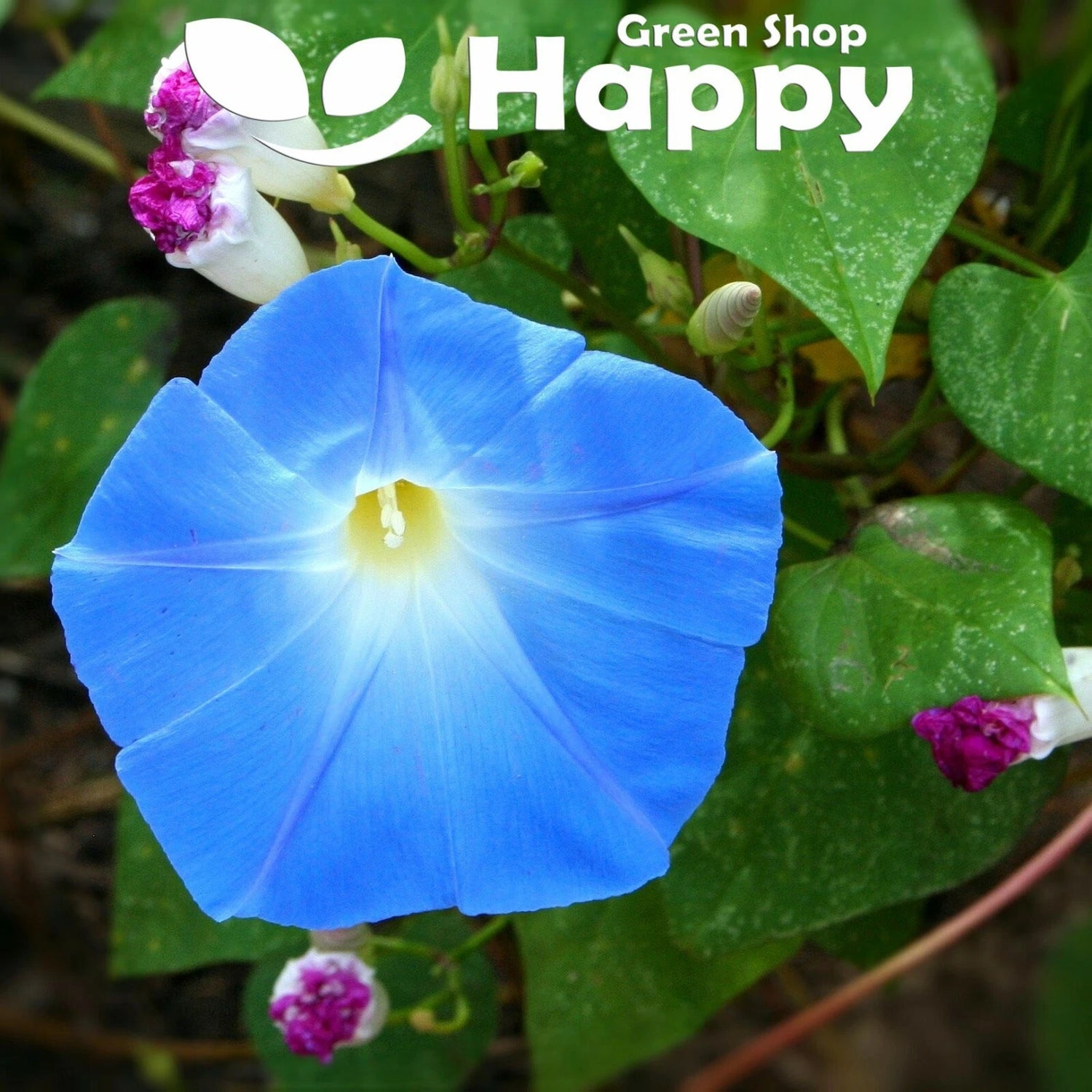
Morning Glory 'Heavenly Blue' Seeds (Ipomoea tricolor)
Morning Glory 'Heavenly Blue' is a vigorous climbing annual known for its large, trumpet-shaped, sky-blue flowers with a bright white throat. Its rapid growth makes it ideal for trellises, fences, arches, and containers. Loved for its breathtaking color and fast coverage, it adds vertical beauty and charm to any garden.
What Makes It Special
-
Large sky-blue trumpet-shaped flowers with a white throat
-
Fast-growing climber ideal for vertical displays
-
Long-flowering from summer to autumn
-
Attracts pollinators like bees and butterflies
Key Features
-
Botanical name: Ipomoea tricolor
-
Variety: 'Heavenly Blue'
-
Seed count: Approx. seeds per pack
-
Height/Spread: Climbs 2–3 m; spread depends on support
-
Position: Full sun; fertile, well-drained soil
-
Flowering period: July–October
Ideal For
-
Trellises, fences, arches, and pergolas
-
Containers with support for vertical growth
-
Pollinator-friendly gardens
-
Adding dramatic color to summer and autumn gardens
Sowing Instructions
-
When to sow: February–April indoors; March–May outdoors
-
How to sow:
-
Scarify or soak seeds overnight for faster germination
-
Sow seeds 1–2 cm deep in pots or seed trays
-
Germination occurs in 7–14 days at 20–25°C
-
-
Transplanting: Plant outdoors with support after frost
-
Care: Water moderately; provide trellis or support; pinch tips for bushier growth
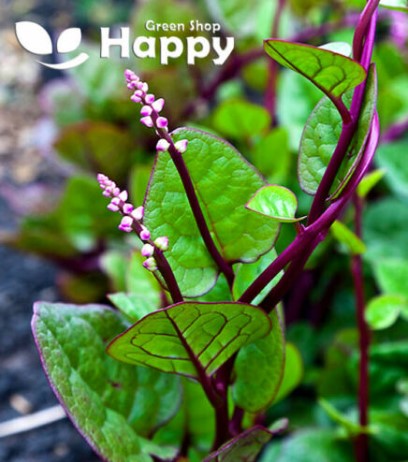
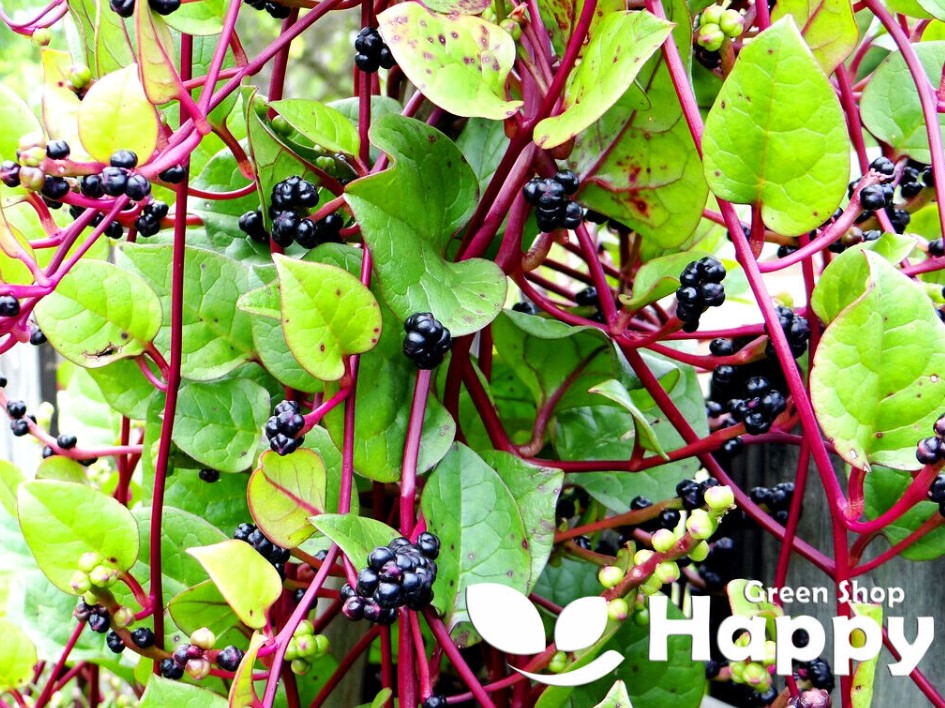
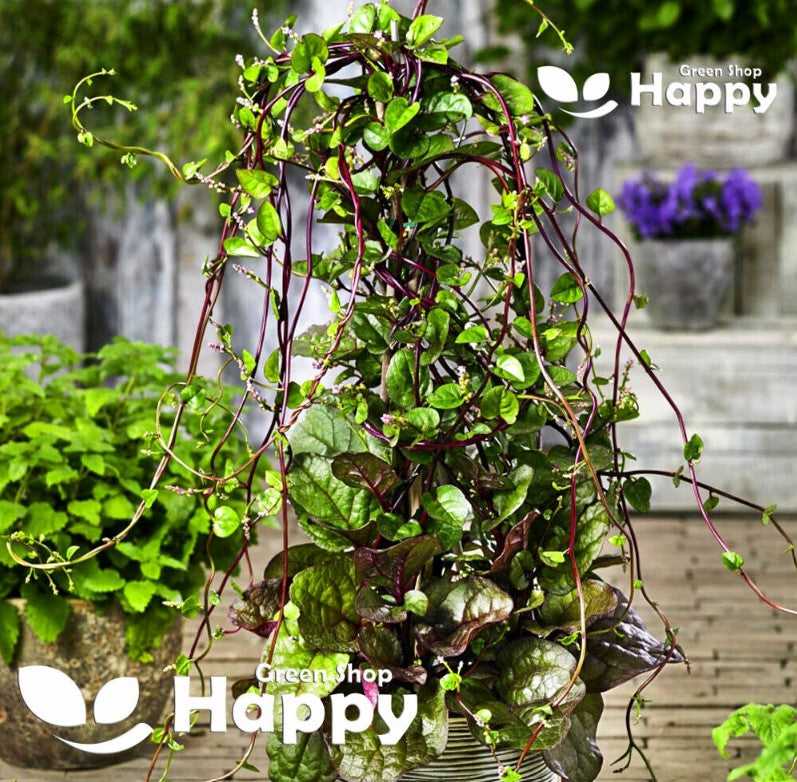
Malabar Spinach – Seeds (Basella alba)
Malabar Spinach is a fast-growing, tropical vine known for its thick, succulent leaves and high nutritional value. Ideal for salads, stir-fries, soups, and garnishes, this heat-tolerant leafy green thrives where traditional spinach struggles.
Its vigorous climbing habit makes it perfect for trellises, fences, or vertical garden spaces. Malabar Spinach is not only delicious but also adds lush greenery and ornamental appeal to any garden.
How to Grow
-
Sow indoors: February – April
-
Sow outdoors: After last frost, spacing 30–40 cm apart
-
Position: Full sun to partial shade
-
Soil: Fertile, well-drained soil enriched with compost
-
Care: Water regularly; provide support for climbing; pinch tips to encourage bushier growth
Key Features
-
Fast-growing, heat-tolerant leafy green
-
Thick, succulent leaves perfect for salads, stir-fries, and soups
-
Vigorous climbing vine suitable for trellises or fences
-
Adds ornamental greenery to gardens
-
Easy to grow and high-yielding
Harvest
-
Harvesting period: 50–70 days after sowing
-
Pick young leaves regularly for the best flavor and tender texture.
Short Tip
Provide a trellis or support for climbing; regular harvesting promotes continuous growth and keeps leaves tender.
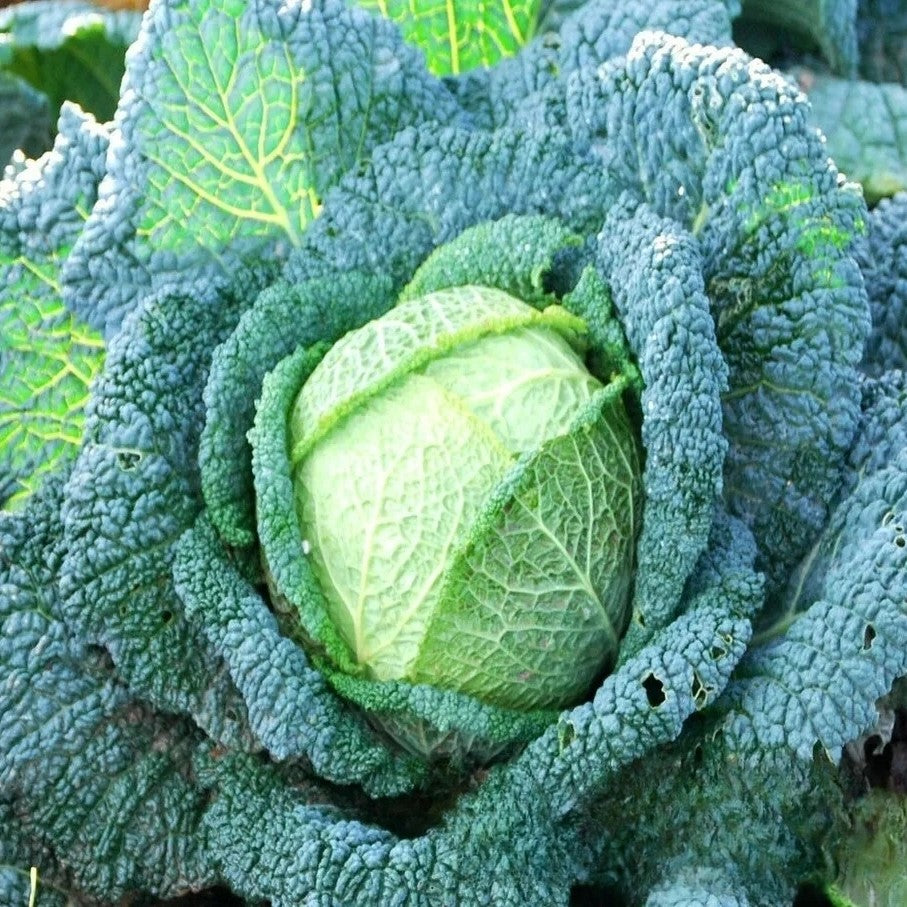
Savoy Cabbage 'Rocket' – Seeds
(Brassica oleracea) – Crisp, Crinkled Leaves & Fast Growth
Savoy Cabbage 'Rocket' is a vigorous, early-maturing variety prized for its tender, crinkled dark-green leaves and compact, dense heads. It delivers a mild, sweet flavor and is ideal for fresh salads, cooking, and steaming. Perfect for home gardens and small-scale cultivation.
Key Features
-
Type: Biennial, grown as annual
-
Heads: Medium-sized, dense, crinkled dark-green leaves
-
Flavor: Mild, sweet, tender
-
Harvest: Early to mid-season
-
Use: Salads, cooking, steaming, stir-fries, freezing
Ideal For
-
Home gardens and allotments
-
Early harvest for fresh culinary use
-
Succession planting for continuous supply
-
Gourmet cooking and healthy meals
Sowing & Growing
-
Sow indoors: February–April for transplanting.
-
Sow outdoors: March–May for summer harvest.
-
Spacing: 45–50 cm between plants, 60–70 cm between rows.
-
Soil: Fertile, well-drained soil with added compost.
-
Sunlight: Full sun for best growth.
-
Harvest: When heads are firm and well-formed.
Care Tips
-
Keep soil consistently moist to prevent splitting.
-
Protect seedlings from cabbage root fly and caterpillars.
-
Fertilize moderately for dense heads.
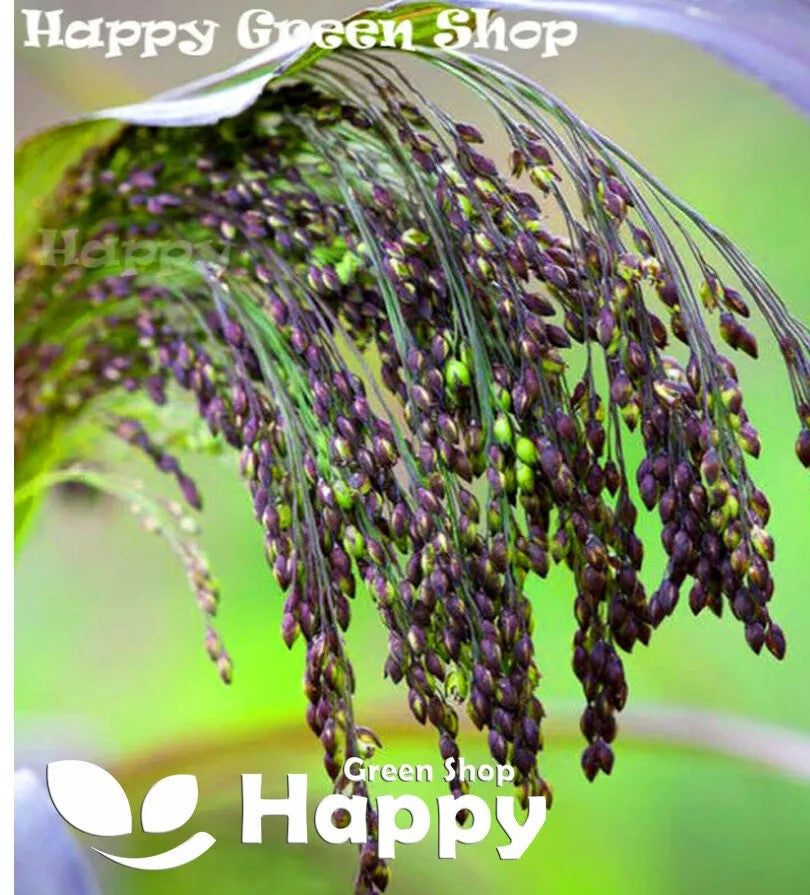
Panic Grass / Violet Millet Seeds (Panicum violaceum)
Panic Grass, also known as Violet Millet, is a stunning ornamental grass with a strong, upright habit and arching leaves tipped with violet tones. The plant produces dark purple seed heads that add bold color, structure, and movement to borders and mixed plantings. Highly versatile, it can be used as a striking centerpiece in containers, or as a cut-and-dry feature for floral arrangements.
What Makes It Special
-
Striking violet-purple flower spikes
-
Strong, upright growth habit – adds height and structure
-
Excellent for cut and dried arrangements
-
Easy to grow and quick to mature
Key Features
-
Botanical name: Panicum violaceum
-
Common names: Panic Grass, Violet Millet
-
Seed count: Approx. seeds per pack
-
Height/Spread: 60–120 cm tall, 30–50 cm spread
-
Position: Full sun; tolerates a wide range of soils
-
Flowering period: Summer to early autumn
-
Lifespan: Annual grass
Ideal For
-
Borders and background planting
-
Containers and patio pots
-
Adding contrast in mixed plantings
-
Cut flowers and dried arrangements
-
Ornamental grass displays
Sowing Instructions
-
When to sow: March–May indoors, or April–June outdoors after frost danger has passed
-
How to sow:
-
Sow thinly in trays or directly outdoors in finely prepared soil
-
Cover lightly with soil (seeds need some light for germination)
-
Keep moist until seedlings appear (10–21 days)
-
-
Transplant/Thin: Space plants 30–40 cm apart
-
Care: Thrives in sun and well-drained soil; minimal maintenance needed
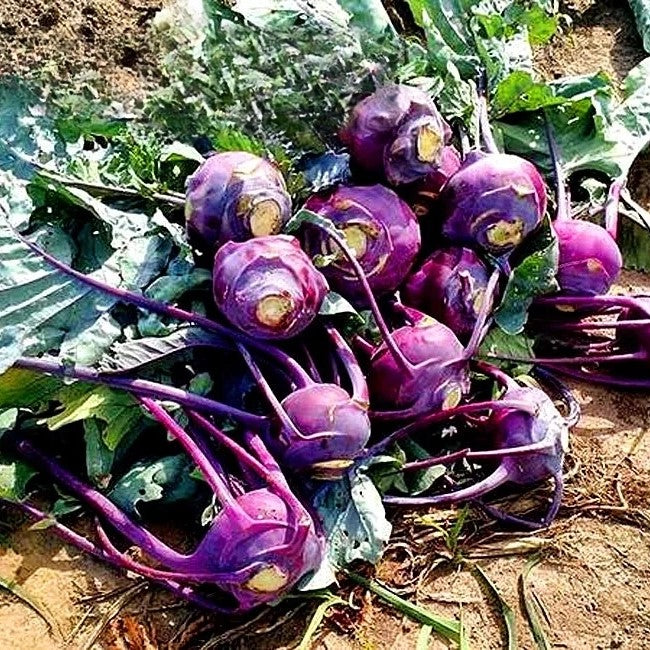
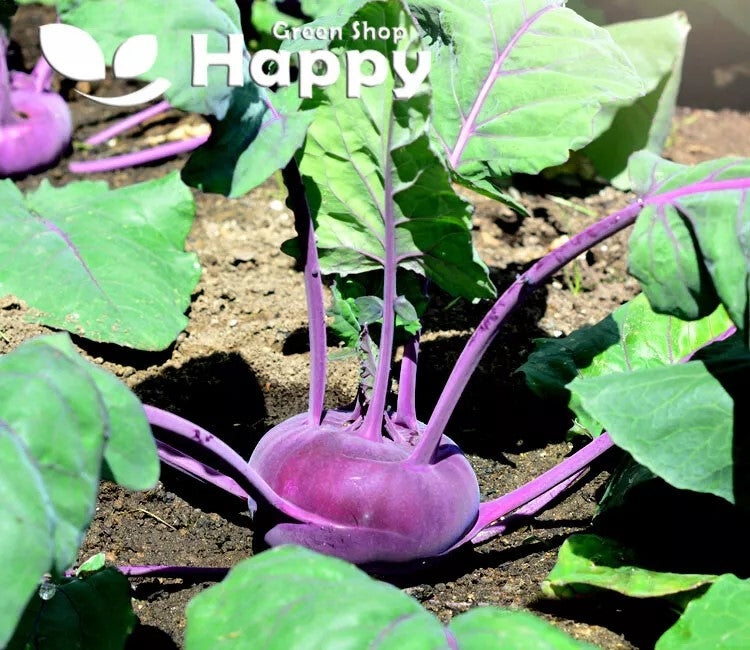
Kohlrabi 'Violeta' – Seeds (Brassica oleracea)
Kohlrabi 'Violeta' is a striking purple-skinned variety with crisp, white flesh and a sweet, nutty taste. Its unique color and mild flavor make it an excellent addition to both the garden and the kitchen. Perfect eaten raw in salads, grated into slaws, or lightly cooked in stir-fries, soups, and roasts.
This fast-growing crop is hardy, reliable, and suitable for multiple sowings throughout the season. Compact plants make it an ideal choice for small gardens, raised beds, or containers.
How to Grow
-
Sow indoors/outdoors: March – July
-
Depth: 1 cm
-
Spacing: 20–25 cm between plants, 30 cm between rows
-
Position: Full sun or partial shade
-
Soil: Moist, fertile, well-drained soil
-
Watering: Keep soil evenly moist to prevent woodiness and splitting
Key Features
-
Vibrant purple variety with sweet, crisp white flesh
-
Delicious raw or cooked – versatile in salads, stir-fries, and roasts
-
Fast-growing and suitable for repeat sowings
-
Compact plants – ideal for small gardens and containers
-
Attractive crop with ornamental value in the vegetable patch
Harvest
-
Harvesting period: May – October
-
Pick when bulbs reach 5–8 cm in diameter for the best flavor and texture.
Short Tip
For tender bulbs, avoid letting plants become oversized – harvest regularly.
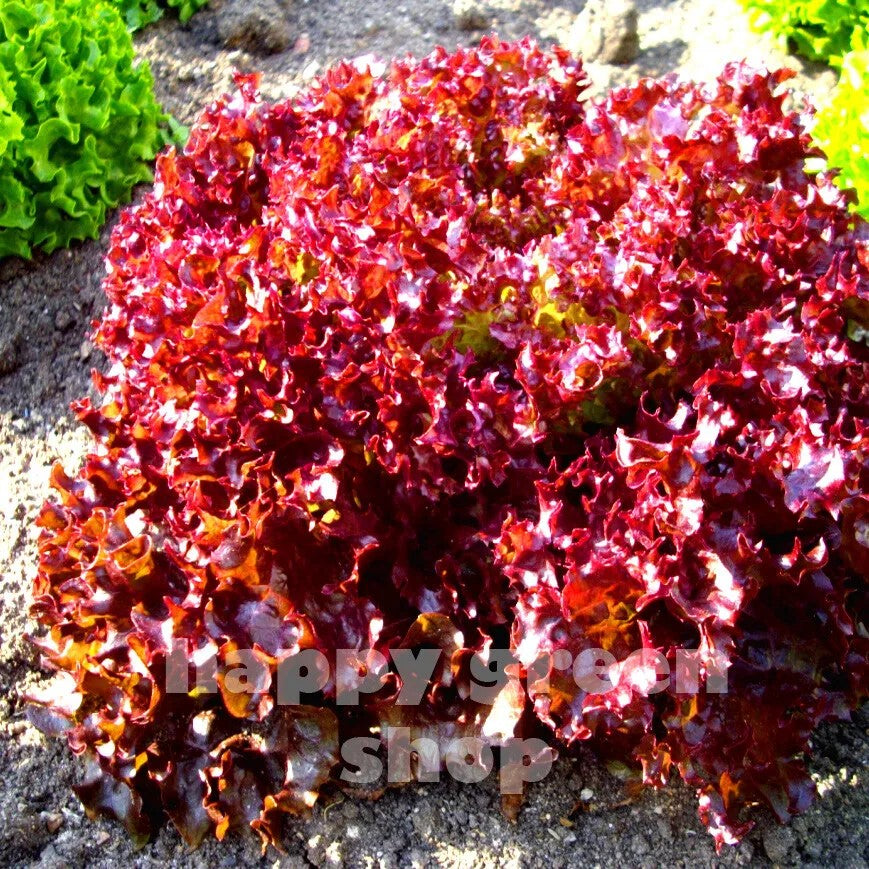
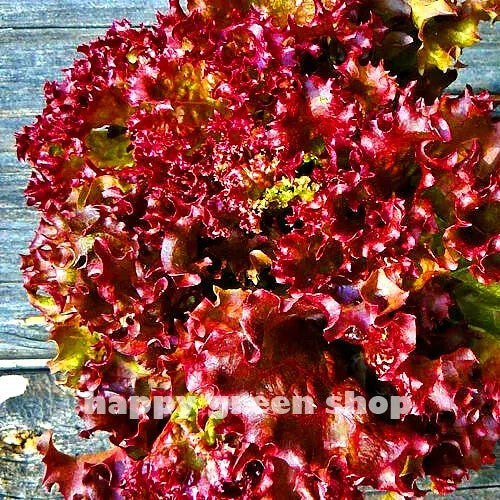
Lettuce 'Lollo Rosso' – Seeds (Lactuca sativa)
Brighten your salad bowl with Lettuce 'Lollo Rosso', a classic Italian variety admired for its deep red, frilly leaves and tender, crisp texture. With its mild yet slightly tangy flavor, this cut-and-come-again lettuce is perfect for adding both color and crunch to salads, sandwiches, and garnishes. Easy to grow, quick to mature, and highly decorative in the garden.
How to Grow
. Sow indoors from February to April or directly outdoors from March to July
. Sow thinly, 0.5 cm deep in rows 25–30 cm apart
. Thin seedlings to 20 cm apart for full-sized heads
. Prefers full sun and fertile, well-drained soil
. Water regularly to keep leaves tender and sweet
Key Features
. Attractive red, frilled leaves for striking salads
. Mild, slightly tangy flavor
. Cut-and-come-again variety for multiple harvests
. Decorative and productive in beds or pots
. Quick to mature, reliable crop
Ideal For
. Fresh salads and sandwiches
. Cut-and-come-again harvesting
. Adding color to kitchen gardens or containers
. Home cooks and salad lovers
Sowing & Harvest
. Sow: February – July
. Harvest: May – September
Quick Tip
Harvest outer leaves regularly to extend cropping, or cut the whole head at the base for a fuller harvest.

Parsley Hamburg 'Alba' – Seeds (Petroselinum crispum)
Parsley Hamburg 'Alba' is a dual-purpose variety grown both for its large, white, parsnip-like roots and its flavorful parsley leaves. The roots are excellent roasted, boiled, or grated raw into salads, while the leaves can be used fresh as a garnish or in cooking. A versatile and easy-to-grow addition to the kitchen garden.
How to Grow
-
Sow outdoors: March – July, directly into well-prepared soil.
-
Thin seedlings to 15 cm apart in rows 30 cm apart.
-
Prefers fertile, light, well-drained soil.
-
Water regularly for strong root development.
Key Features
-
Root parsley variety with sweet, nutty flavor
-
Dual-purpose: edible roots & aromatic leaves
-
Easy to grow and hardy in most soils
-
Stores well after harvest
-
Great for soups, stews, roasting, and garnishing
Ideal For
-
Root vegetable dishes
-
Fresh parsley leaves for cooking
-
Kitchen gardens and allotments
Sowing & Harvest
-
Sow: March – July
-
Harvest: October – December
Quick Tip
For the best roots, loosen soil well before sowing to allow long, straight growth.
Showing 117/233


