Sort by:
233 products
233 products

Carrot 'Early Nantes 3' – Seeds (Daucus carota)
The classic Carrot 'Early Nantes 3' is a reliable, early-maturing variety producing smooth, cylindrical roots with a bright orange color and sweet, tender flesh. Known for its uniform shape and excellent flavor, it’s perfect for fresh eating, juicing, steaming, or roasting. A favorite among gardeners, this variety is easy to grow and ideal for successional sowing throughout the season.
How to Grow
-
Sow seeds outdoors from March to July.
-
Sow thinly, 1 cm deep, in finely prepared soil, in rows 20–30 cm apart.
-
Thin seedlings to 5–8 cm spacing for well-formed roots.
-
Prefers light, well-drained soil in full sun.
-
Keep soil moist to prevent splitting.
Key Features
-
Classic early Nantes variety
-
Smooth, uniform, cylindrical roots
-
Sweet, tender flesh with excellent flavor
-
Quick to mature and high-yielding
-
Great for successional sowing
Ideal For
-
Fresh eating and juicing
-
Steaming, roasting, or soups
-
Succession sowing for extended harvests
-
Kitchen gardens, raised beds, and allotments
Sowing & Harvest
-
Sow: March to July
-
Depth: 1 cm
-
Spacing: 5–8 cm between plants, 20–30 cm between rows
-
Harvest: June to October
Quick Tip
-
Sow little and often every 2–3 weeks for a continuous supply of tender carrots.

Tomato 'Koralik' Seeds (Solanum lycopersicum)
Discover the charm of Tomato 'Koralik' (Solanum lycopersicum), a prolific cherry tomato variety that thrives outdoors or in containers. This vigorous, bushy plant produces heavy crops of bright red, sweet, and juicy cherry-sized fruits that ripen early and abundantly. Perfect for snacking, salads, and summer dishes, ‘Koralik’ is a reliable favorite for gardeners seeking flavor and ease of care.
How to Grow
-
Sow seeds indoors 6–8 weeks before the last frost.
-
Use light, fertile soil and provide full sun.
-
Sow 0.5 cm deep, keeping soil moist at 20–25°C until germination (7–14 days).
-
Transplant outdoors or into large containers after frost, spacing 45–60 cm apart.
-
Requires little staking as it forms a compact, bushy habit.
Key Features
-
Early-maturing cherry tomato variety
-
Heavy crops of sweet, red fruits
-
Compact, bushy habit with minimal staking
-
Perfect for containers, patios, and outdoor beds
-
Reliable and easy to grow
Ideal For
-
Snacking and fresh eating
-
Salads and garnishes
-
Container and patio growing
-
Gardeners seeking a low-maintenance tomato
Sowing
-
Best time: Indoors 6–8 weeks before last frost
-
Depth: 0.5 cm
-
Spacing: 45–60 cm
-
Prefers full sun and fertile, well-drained soil
Quick Tip
-
Harvest regularly to encourage continuous fruiting throughout the season.


🌸 Ageratum mexicanum Floss Flower ‘Tall Red Flint’ – Tall Ageratum with Rich Red Fluffy Blooms
‘Tall Red Flint’ is a striking tall-growing floss flower (ageratum) variety producing dense clusters of soft, fluffy flowers in deep red to crimson tones. Held on strong, upright stems, the blooms create bold blocks of colour throughout summer and into early autumn. Unlike compact bedding ageratums, this variety offers extra height, making it ideal for borders, cutting gardens, mixed beds, and pollinator-friendly plantings.
Key Features
● Fluffy, pom-pom–like flowers in rich red shades
● Taller habit than standard ageratum varieties
● Long flowering season from summer to autumn
● Excellent for borders and cut flowers
● Easy to grow and very reliable
How to Sow & Grow Floss Flower ‘Tall Red Flint’ (UK)
Sow indoors: II–IV (February–April)
Transplant outdoors: V–VI (May–June) after last frost
Direct outdoors: Not recommended
Flowering: VI–IX (June–September)
Life cycle: Annual
Germination temperature: 20–22 °C (68–72 °F)
Average germ time: 7–14 days
Depth: Surface sow – do not cover; press gently into soil (requires light)
Light required: Yes
Moisture: Moderate
Environment: Full sun (tolerates light shade)
Soil type: Fertile, well-drained soil
Plant spacing: 25–30 cm (10–12 in)
Height: 50–70 cm (20–28 in)
Sowing & Growing Tips (variety-specific)
● Keep seedlings warm and well-lit during early growth.
● Pinch young plants to encourage bushier growth.
● Deadhead spent blooms to prolong flowering.
● Performs best in warm, sheltered positions.
● Excellent colour contrast in mixed borders.
Special Features
● Unusual tall form of floss flower
● Intense red colouring rare in ageratum
● Attractive to bees and other pollinators

Beetroot 'Chioggia' – Seeds
(Beta vulgaris) – Traditional Italian Heirloom with Striking Rings
Beetroot 'Chioggia' is a famous Italian heirloom variety known for its stunning candy-striped flesh, with alternating pink and white rings. Sweet, mild, and tender, it’s perfect for eating raw in salads to show off its striking appearance, or cooked for a softer, delicate flavor. Easy to grow and quick to mature, it adds both beauty and taste to the garden and kitchen.
Key Features
-
Type: Biennial root crop, grown as annual
-
Roots: Round, medium-sized with concentric pink and white rings
-
Flavor: Sweet, mild, tender texture
-
Harvest: Summer to autumn
-
Use: Salads, roasting, pickling, juicing
Ideal For
-
Unique and decorative salads
-
Traditional and gourmet cooking
-
Kitchen gardens and allotments
-
Beginner-friendly vegetable growing
Sowing & Growing
-
Sow outdoors: March–July, thin seedlings as they grow.
-
Spacing: 10 cm between plants, 30 cm between rows.
-
Soil: Loose, fertile, well-drained soil.
-
Sunlight: Full sun for best development.
-
Harvest: June–October, when roots reach 5–7 cm in diameter.
Care Tips
-
Keep soil moist for tender, juicy roots.
-
Thin seedlings early to prevent overcrowding.
-
Harvest young for best flavor and color.
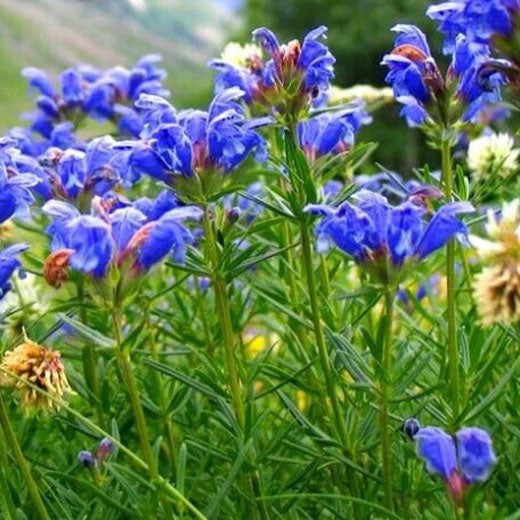
Moldavian Dragonhead – Seeds (Dracocephalum moldavica)
The Moldavian Dragonhead (Dracocephalum moldavica) is a fragrant annual herb admired for its violet-blue flowers and aromatic lemon-scented foliage. Highly attractive to bees and butterflies, it makes a charming addition to herb gardens, borders, and pollinator-friendly spaces. Its leaves are sometimes used for teas with a refreshing citrus flavor.
Why Grow Moldavian Dragonhead?
-
Violet-blue blooms with a pleasant lemon fragrance
-
Excellent for pollinators, especially bees
-
Easy to grow and low maintenance
-
Useful as an ornamental and herbal plant
Ideal For
-
Herb gardens
-
Pollinator-friendly plantings
-
Borders and cottage gardens
-
Aromatic tea lovers
Key Features
-
Type: Annual herb
-
Height: 40–60 cm
-
Spread: 20–30 cm
-
Flowering: June–August
-
Position: Full sun to partial shade
-
Soil: Light, well-drained
Sowing & Growing
-
Sow indoors: March–April, lightly cover seeds
-
Germination: 7–14 days at 18–22°C
-
Transplant outdoors: After frost risk has passed
-
Direct sow outdoors: April–May
-
Spacing: 25–30 cm apart
Tip: Regular deadheading encourages longer flowering and stronger aroma.
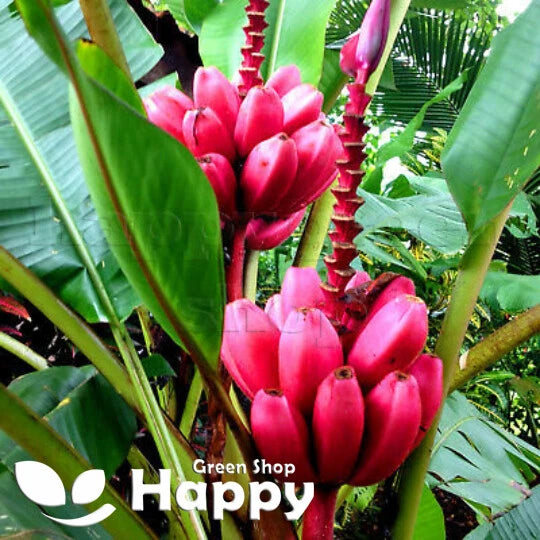
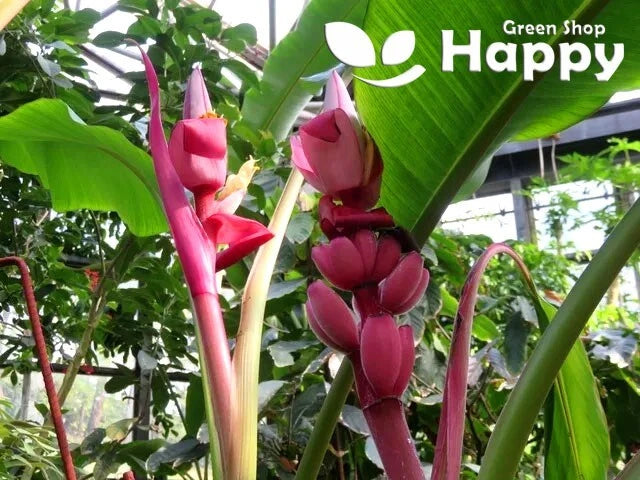
Pink Banana Plant – 10 Seeds (Musa velutina)
The Pink Banana Plant (Musa velutina) is a striking ornamental banana variety known for its vibrant pink fruit and lush tropical foliage. Compact and decorative, it’s perfect for patios, conservatories, or garden beds in warm climates. Fast-growing and easy to maintain, it adds an exotic touch while producing edible, though small, sweet bananas.
Why Grow "Pink Banana Plant"
-
Vibrant pink ornamental fruit
-
Lush tropical foliage for visual impact
-
Compact and easy to grow
-
Produces small edible bananas
Key Features
-
Type: Tender perennial (Musa velutina)
-
Height: 1.5–2 m
-
Flowering/Fruiting: Summer
-
Position: Full sun to partial shade
-
Uses: Containers, patios, conservatories, tropical garden displays
Ideal For
-
Tropical-themed gardens
-
Large containers or patio planting
-
Conservatories and greenhouses
-
Ornamental fruit display
Sowing & Growing
-
Soak seeds for 24–48 hours before sowing
-
Sow indoors: Year-round in warm conditions
-
Germination: 4–12 weeks at 25–28°C
-
Use rich, well-drained compost and keep soil moist
-
Transplant to larger containers as seedlings grow
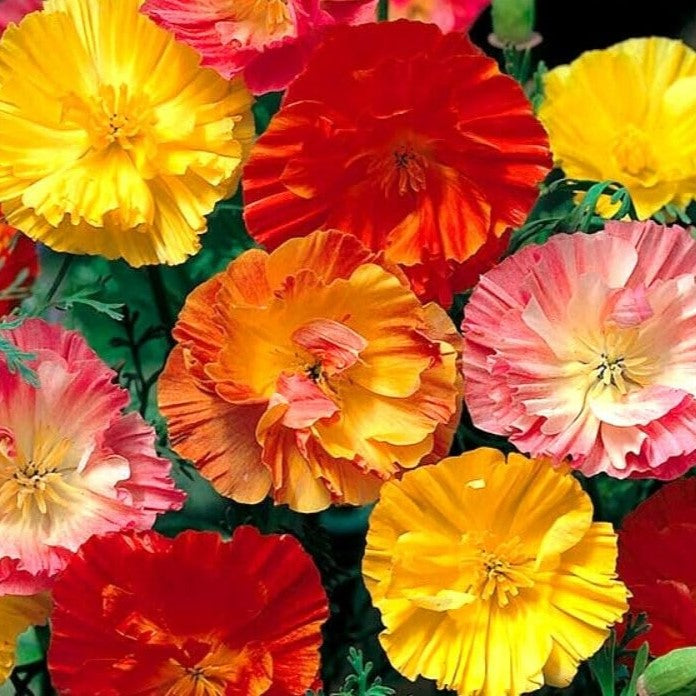
California Poppy ‘Ballerina’ Mix – Seeds (Eschscholzia californica)
California Poppy ‘Ballerina’ Mix (Eschscholzia californica) offers a charming blend of delicate, cup-shaped blooms in soft pastel shades of pink, cream, and apricot. This low-maintenance annual brightens borders, rockeries, and wildflower gardens with a long flowering season. Fast-growing and drought-tolerant, it’s perfect for sunny spots and pollinator-friendly gardens.
Why Grow "Ballerina Mix"
-
Soft, pastel-colored blooms in pink, cream, and apricot
-
Long flowering season from spring to autumn
-
Low-maintenance, drought-tolerant annual
-
Attracts bees and other pollinators
Key Features
-
Type: Annual (Eschscholzia californica)
-
Height: 30–40 cm
-
Flowering: May–October
-
Position: Full sun, well-drained soil
-
Uses: Borders, rockeries, wildflower meadows, pollinator gardens
Ideal For
-
Sunny borders and rockeries
-
Wildflower and cottage-style gardens
-
Pollinator-friendly plantings
-
Low-maintenance summer color
Sowing & Growing
-
Sow outdoors: March–May directly in prepared soil
-
Germination: 7–14 days at 15–20°C
-
Thin seedlings to 20–30 cm apart
-
Prefers full sun and well-drained soil
-
Deadhead to encourage prolonged flowering
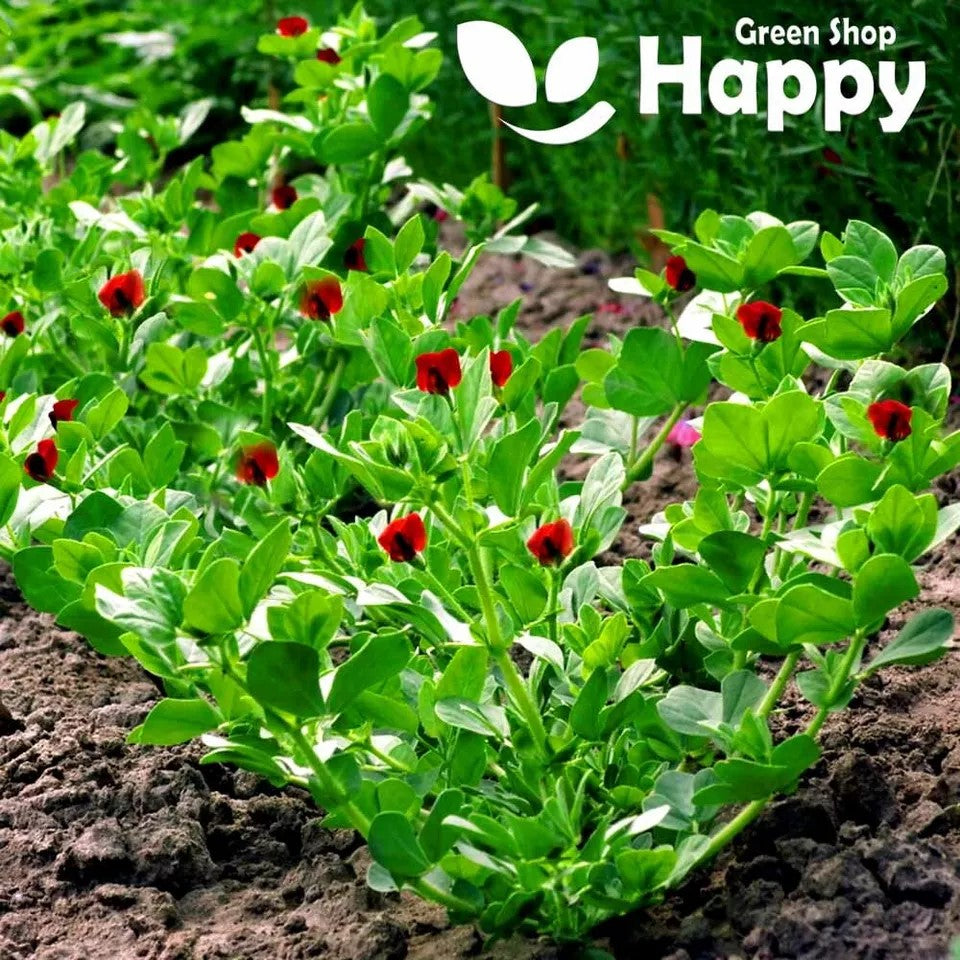
Asparagus Pea – Seeds (Tetragonolobus purpureus)
Asparagus Pea (Tetragonolobus purpureus) is a vigorous, climbing annual producing clusters of attractive, purple-pink pea-like flowers. Its edible pods have a mild, asparagus-like flavor, making it perfect for both ornamental and culinary use. Blooming from summer to autumn, this versatile plant thrives on trellises, fences, and obelisks, adding vertical interest, color, and delicious harvests to your garden.
Why Grow "Asparagus Pea"
-
Vigorous climber with purple-pink flowers
-
Edible pods with a mild asparagus-like taste
-
Long flowering and harvesting season
-
Perfect for vertical gardening on trellises and fences
Key Features
-
Type: Annual climber (Tetragonolobus purpureus)
-
Height: 150–180 cm
-
Flowering: Summer to autumn
-
Position: Full sun
-
Uses: Trellises, fences, obelisks, edible gardens, cut flowers
Ideal For
-
Vertical displays in small or large gardens
-
Edible and ornamental gardening
-
Container and patio planting
-
Gardeners seeking climbers with attractive flowers and tasty pods
Sowing & Growing
-
Sow indoors: February–April
-
Sow outdoors: After last frost in well-drained soil
-
Germination: 10–20 days at 15–20°C
-
Space seedlings: 25–30 cm apart
-
Provide support for climbing
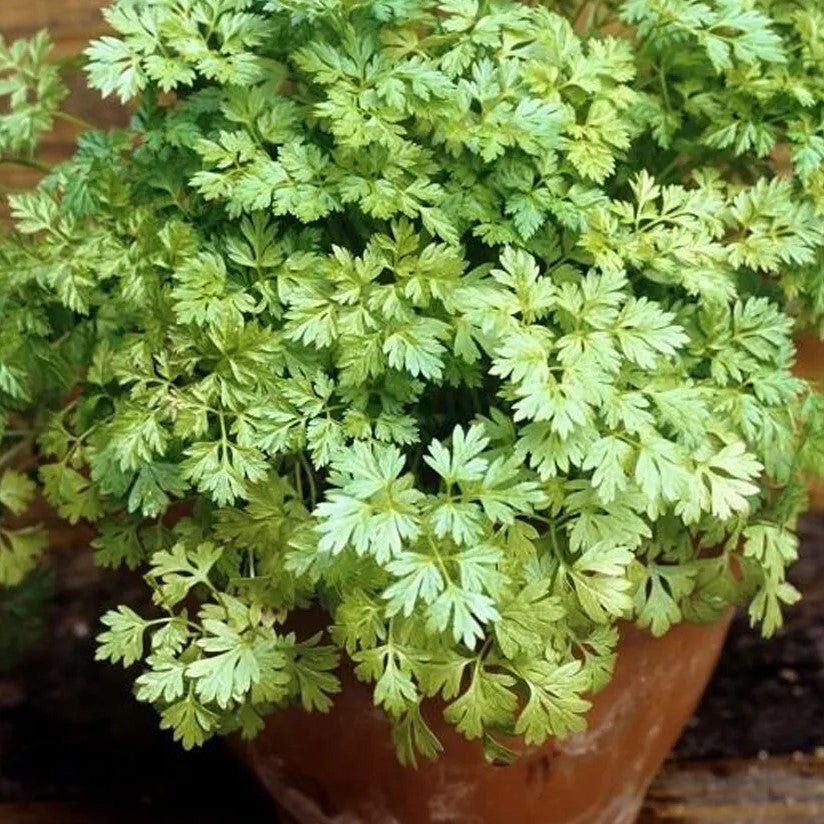
Chervil – Seeds
(Anthriscus cerefolium) – Classic Culinary Herb
Chervil is a delicate, aromatic herb with finely cut, fern-like leaves and a subtle aniseed flavor. Often called the “gourmet’s parsley”, it is an essential ingredient in French cuisine and one of the traditional fines herbes (with parsley, tarragon, and chives). Best used fresh, chervil enhances soups, salads, omelets, fish, and sauces, adding a refined, mild flavor.
Key Features
-
Type: Annual culinary herb
-
Height: 30–50 cm
-
Leaves: Finely cut, light green, fern-like
-
Flavor: Mild anise, delicate and fresh
-
Harvest: 6–8 weeks after sowing
-
Use: Fresh leaves for seasoning
Ideal For
-
Culinary herb gardens & kitchen windowsills
-
French and Mediterranean dishes
-
Continuous harvest in small spaces
-
Pairing with parsley, tarragon & chives
Sowing & Growing
-
Sow outdoors: March–August, directly into the soil.
-
Depth: 0.5 cm, thinly in rows 20 cm apart.
-
Germination: 14–21 days at 12–18°C.
-
Position: Partial shade, moist, humus-rich soil.
-
Harvest: Young leaves as needed.
Care Tips
-
Regular sowings every 3–4 weeks ensure a constant supply.
-
Avoid hot, sunny locations (prefers cool shade).
-
Use leaves fresh – drying reduces flavor.
Showing 153/233